

You woke up from surgery missing an organ, and suddenly your favorite dinners feel like landmines. Your surgeon probably sent you home with a generic discharge paper that ordered you to eat a low-fat diet for a few weeks. That advice leaves out almost everything you need to know.
You go home, try eating dry toast and steamed carrots, and run straight into two problems within forty-eight hours. First, you feel starved. Second, the moment you eat something with real flavor, your gut rebels and sends you sprinting down the hall to the bathroom.
Recovery does not require choosing between belly rumbling and painful cramps. You can eat satisfying food that keeps your digestion calm and your energy stable. Here is how your new plumbing works and how to feed it properly.
What Happened to Your Digestion? (The Plumbing Crash Course)
Before you change your meals, you should understand how your body altered its plumbing. Your liver makes bile every single day. Bile works like liquid dish soap: it dissolves dietary fats so your small intestine can absorb them.
Before your cholecystectomy, your gallbladder worked like a storage pouch. It collected concentrated bile and released a strong dose into your digestive tract whenever you ate rich or fatty foods. You no longer have that holding tank.
Now your liver trickles dilute bile straight into your small intestine around the clock, regardless of whether you have eaten. When you eat twenty grams of fat in one meal, your digestive tract cannot muster enough concentrated bile to break down that volume. That unabsorbed fat passes directly into your colon, pulls in water, and triggers urgent, watery diarrhea. Doctors call this condition bile acid malabsorption, and it can disrupt your entire day.
The Constant Hunger Trap After Gallbladder Surgery
Why do you feel ravenous after gallbladder surgery? Dietary fat triggers the release of fullness hormones such as peptide YY and cholecystokinin. When you cut every trace of fat from your plate out of fear, your brain never gets the chemical signal that you ate a complete meal.
Simple refined carbohydrates digest fast. If you rely entirely on saltine crackers, white rice, and plain applesauce, your blood sugar spikes, drops, and sends you back to the pantry an hour later. You cannot cut fat forever without consequences. You create lasting satiety by combining proper textures with specific nutrients.
Many patients slash their calories down to punishing levels out of fear. Much like readers discovering a balanced routine in The Low Cholesterol Diet Plan, you need meal volume rather than severe restriction. Satiety comes from volume, lean protein, and one primary tool: soluble fiber.
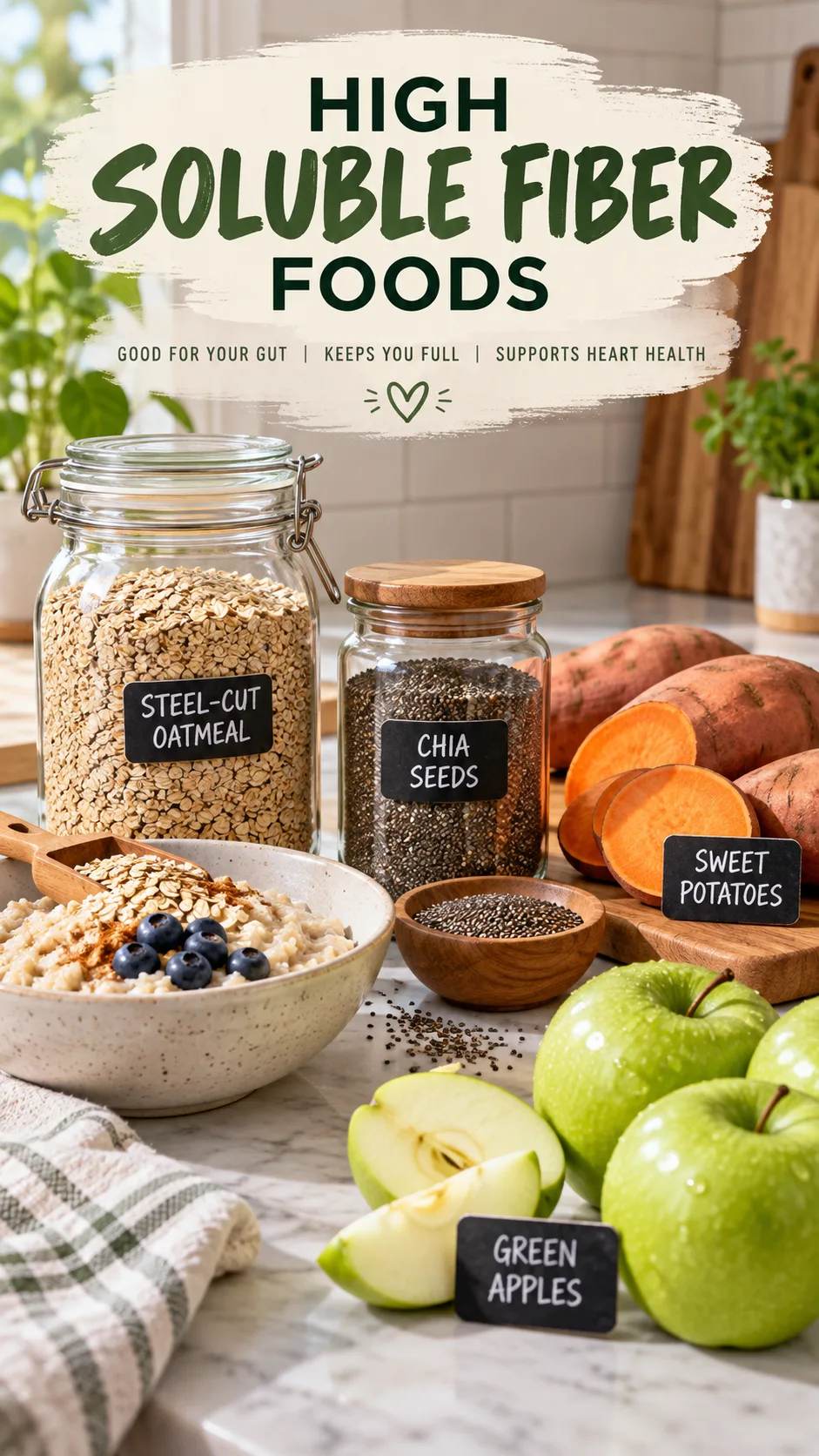
The Soluble Fiber Secret: Your Digestive Shield
Think of soluble fiber as a sponge for your intestines. Unlike insoluble fiber (roughage like raw kale and celery strings that speeds up bowel movements), soluble fiber dissolves in water to form a gentle gel inside your gut.
This gel solves two major problems for recovering patients:
- It binds loose bile acids: The gel traps free-floating bile, preventing those acids from irritating your colon lining and provoking loose stools.
- It slows stomach emptying: The gel keeps food in your stomach longer, sustaining your energy for three or four hours.
Oatmeal remains a timeless remedy for sensitive stomachs because it contains high levels of beta-glucan, a soluble fiber that steadies digestion.
The Best Soluble Fiber Staples to Stock Today
- Rolled or Steel-Cut Oats: The most reliable foundation for calm morning digestion.
- Peeled Sweet Potatoes: Boiling or roasting breaks down starches into easy-to-digest nourishment.
- Peeled Apples and Pears: Simmer them briefly on the stove to soften tough plant walls.
- Carrots and Zucchini: Steam these until soft to release pectin without irritating your intestines.
- Psyllium Husk: A teaspoon in a large glass of water binds free bile acids. Start with small doses to prevent bloating.
Lean Protein: The Anchor of Every Post-Op Meal
Protein keeps you full without demanding heavy bursts of bile. During your first eight weeks of recovery, choose your protein sources with care. Greasy beef cuts, fried chicken thighs, and pork sausage will quickly trigger discomfort.
Select clean, ultra-lean proteins instead. Your body needs amino acids to repair your surgical incisions, restore muscle tissue, and maintain your metabolism as you rest.
Your Safe Protein Roster
- Egg Whites and Egg Blends: A whole egg yolk carries roughly five grams of fat. Whisk one whole egg with three whites to keep the rich flavor without upsetting your digestion.
- Skinless Chicken and Turkey Breast: Poach, bake, or steam poultry to keep the meat tender without adding cooking oils.
- White Fish: Cod, tilapia, haddock, and halibut provide pure protein with virtually no fat.
- Low-Fat Plain Greek Yogurt: Strained yogurt provides twice the protein of standard yogurt. Choose zero-fat or one-percent versions and stir in mashed blueberries for sweetness.
- Tofu and Tempeh: These plant proteins digest easily for most patients and supply steady fullness.
If you have previously followed an elimination protocol like the one in How to Start the AIP Diet, you can adapt those strategies by choosing lean meats and skipping rich, greasy broths.
Healthy Fats: When, Which, and How Much?
You do not need to avoid fat forever. You only need to introduce it with patience. Cutting dietary fat completely for several months leads to deficiencies in fat-soluble vitamins, specifically vitamins A, D, E, and K.
Follow the Three-Gram Rule during weeks two through six: Limit your fat intake to three to five grams per meal, spreading that amount evenly through your day. Never eat your entire daily allowance in one sitting.
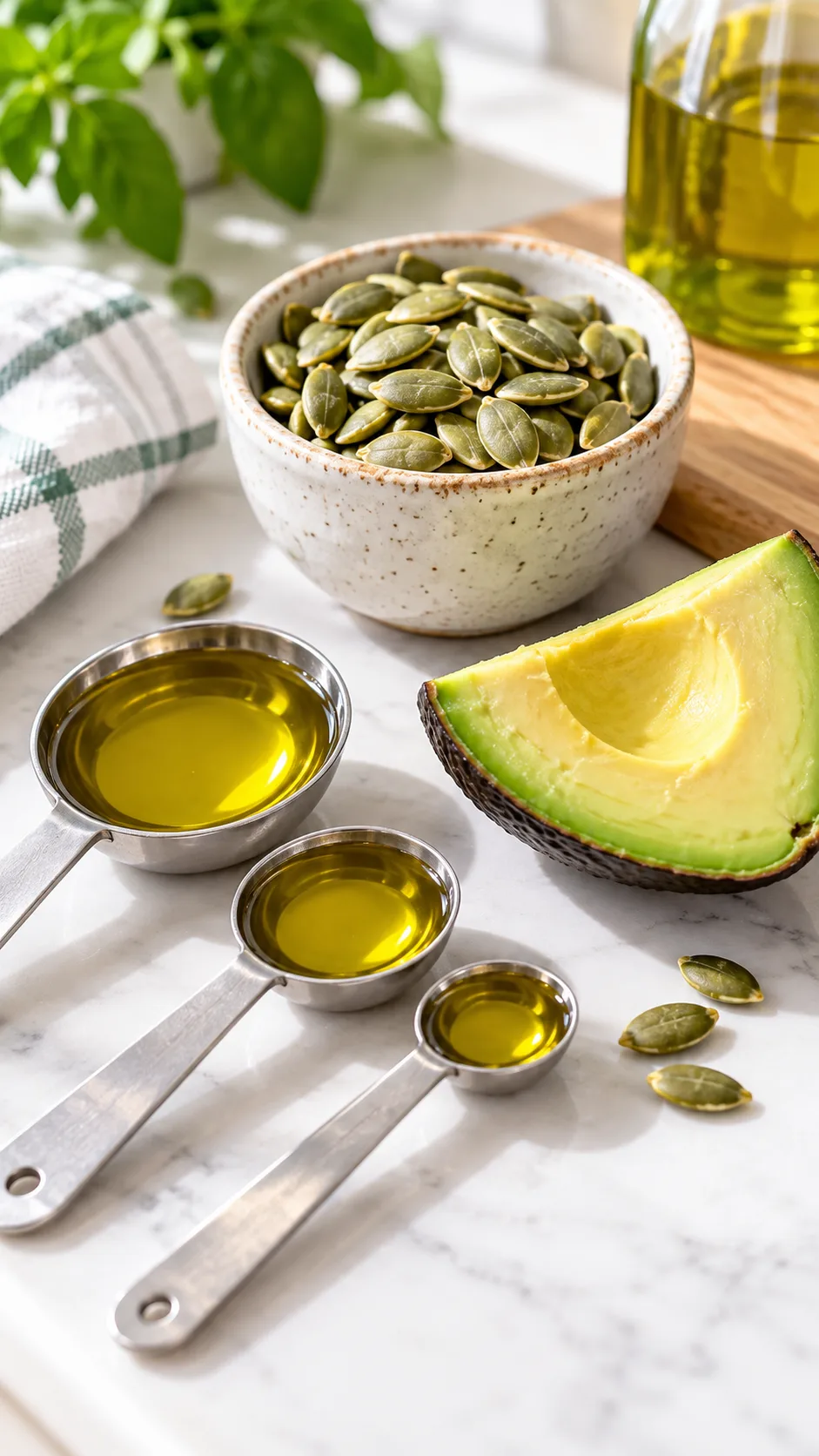
When you feel ready to add fat back into your meals, start with these options:
- MCT Oil (Medium-Chain Triglycerides): Your digestive tract absorbs MCTs directly into your portal vein, carrying them straight to your liver without requiring bile salts. Mix half a teaspoon into a morning shake.
- Fresh Avocado: Begin with a single thin slice (roughly one-eighth of an avocado). Watch how your stomach behaves over the following three hours.
- Extra Virgin Olive Oil: Use an actual measuring spoon instead of pouring straight from the bottle. Drizzle half a teaspoon over steamed squash to assist nutrient absorption.
Once your digestion settles over the coming months, you can transition toward long-term habits like those found in Mediterranean Diet for Beginners, balancing produce with sensible portions of healthy fats.
Four Rules for Post-Gallbladder Meal Planning
How you eat matters just as much as your ingredient choices. Your system can no longer dump a reserve of bile onto a huge meal. Use these four habits to protect your gut:
1. Shrink your plates, multiply your meals
Leave behind the habit of eating three large meals every day. Five or six modest meals supply a steady flow of nutrients that matches your continuous trickle of bile. Smaller portions prevent unabsorbed fat from reaching your colon.
2. Stop drinking fluids while you chew
Drinking large glasses of ice water while eating dilutes your stomach acid and enzymes. Fluids also rush food out of your stomach too fast. Drink your liquids thirty minutes before a meal, or wait forty-five minutes after you finish eating.
3. Chew until food loses its texture
Digestion starts in your mouth with chewing and salivary enzymes. When you chew each mouthful twenty to thirty times, you reduce the workload on your stomach and small intestine downstream.
4. Keep a dedicated food and symptom diary
Every person heals at their own pace. One person tolerates canned tuna right away, while another needs four weeks before tolerating it comfortably. Record what you eat and note any gas, bloating, or urgency over the following four hours.
A 3-Day Sample Meal Plan for Recovery
Here is how these nutritional rules look on a dinner plate. These meals prioritize soluble fiber, supply clean protein, and meter fats carefully.
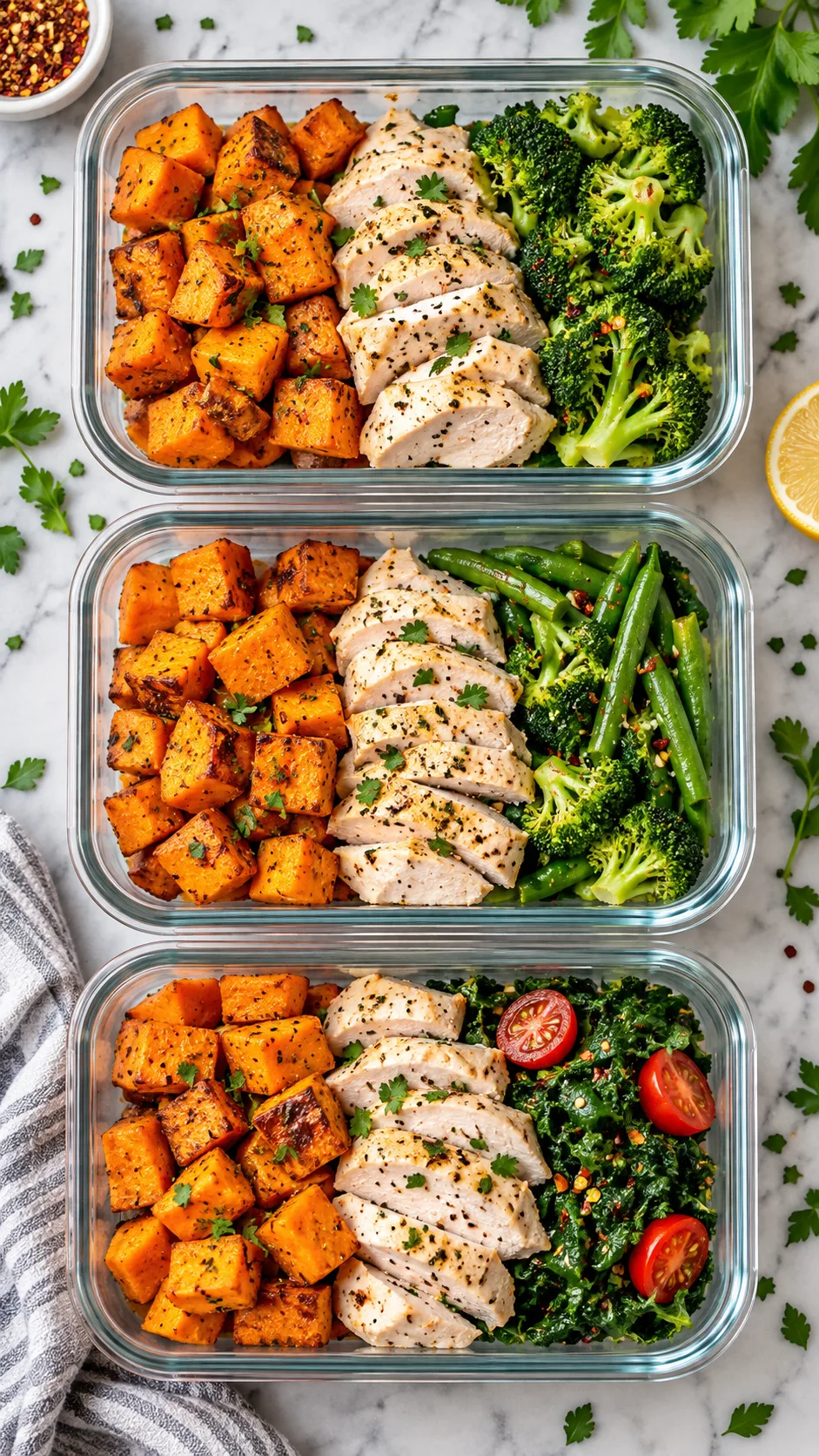
Day 1: The Reset
- Breakfast: Rolled oats cooked in water or unsweetened oat milk, topped with half a mashed banana, cinnamon, and two scrambled egg whites on the side.
- Mid-Morning Snack: Non-fat Greek yogurt mixed with unsweetened applesauce and ground nutmeg.
- Lunch: Sliced roast turkey breast in soft corn tortillas with butter lettuce, peeled cucumber slices, and two tablespoons of oil-free hummus.
- Afternoon Snack: Plain rice cakes topped with powdered peanut butter mixed with water, plus fresh sliced strawberries.
- Dinner: Baked cod fillet seasoned with dill and lemon juice, paired with a peeled baked sweet potato and steamed green beans.
Day 2: Sustained Energy
- Breakfast: Toasted sourdough bread topped with two poached egg whites, accompanied by warm stewed blueberries.
- Mid-Morning Snack: A smoothie made with baby spinach, half a frozen banana, unflavored whey isolate or pea protein, and water.
- Lunch: Shredded poached chicken breast tossed with cooked quinoa, peeled diced cucumber, roasted sweet bell peppers, and half a teaspoon of olive oil with lemon juice.
- Afternoon Snack: Low-fat cottage cheese paired with peeled, ripe peach slices.
- Dinner: Lean ground turkey meatballs cooked in plain tomato marinara over tender penne pasta, served with steamed zucchini coins.
Day 3: Gentle Comfort
- Breakfast: Warm cream of rice cereal stirred with vanilla protein powder and topped with tender stewed apple slices.
- Mid-Morning Snack: One ripe banana and a serving of baked oil-free pretzels.
- Lunch: Homemade soup made with shredded chicken breast, peeled carrots, potatoes, and degreased bone broth.
- Afternoon Snack: A hard-boiled egg white with paprika alongside soft steamed baby carrots.
- Dinner: Grilled white fish tacos on warm corn tortillas, topped with shredded purple cabbage tossed in lime juice and fat-free plain yogurt.
Foods That Trigger Urgent Digestive Distress
Certain foods trigger severe cramps during early recovery. Keep these items out of your kitchen until your doctor evaluates your recovery at your two-month checkup:
- Deep-Fried Foods: French fries, fried tenders, and mozzarella sticks carry heavy cooking oils that overwhelm your digestion immediately.
- High-Fat Dairy: Cream cheese, heavy cream, sharp cheddar, and whole butter cause quick distress. Choose fat-free or plant-based dairy instead.
- Processed Meats: Bacon, pepperoni, sausage, and salami pack dense saturated fat that frequently provokes emergency bathroom trips.
- Commercial Baked Goods: Croissants, donuts, and frosted pastries combine refined sugar with hydrogenated shortening, creating an irritating mix for a recovering gut.
- Chili Oils and Heavy Curries: Capsaicin irritates healing intestinal tissue and sparks painful cramps when mixed with loose bile acids.
Read package labels carefully. Food companies often add palm oil, butterfat, and emulsifiers to items that appear harmless. Check the total grams of fat on the nutrition panel before you buy.
Troubleshooting Common Post-Surgery Symptoms
Even with careful meal choices, your gut may experience rough days. Here is how you resolve common post-op symptoms:
Persistent morning urgency
If you jump out of bed and run straight to the toilet, your liver likely pooled bile in your empty intestine overnight. When you stand up, that pooled liquid moves into your colon.
The Fix: Eat a small, fiber-rich snack half an hour before bed. Two tablespoons of warm oatmeal or two whole-grain crackers will absorb bile while you sleep.
Trapped gas and painful bloating
Surgical teams fill your abdomen with carbon dioxide gas during laparoscopic surgery. Although your body absorbs that gas within days, food-related gas can linger in sluggish intestines.
The Fix: Sip warm peppermint or ginger tea after your main meals. Walk at a gentle pace for ten minutes after eating to encourage natural intestinal movement.
Constipation instead of diarrhea
While loose stools receive the most attention, many patients experience severe constipation. Prescription pain medications, anesthesia, and mild dehydration slow down normal bowel activity.
The Fix: Drink at least two liters of water each day. Add stewed prunes and peeled roasted squash to your meals to pull moisture back into your stool without provoking cramps.
When to Call Your Surgeon
Mild digestive adjustments happen during standard recovery. However, you should never overlook serious warning signs. Call your doctor immediately if you develop:
- Yellowing in your skin or eyes (jaundice).
- A fever above 101 degrees Fahrenheit (38.3 degrees Celsius) or sudden chills.
- Severe, escalating pain in your upper right abdomen that pain medicine cannot relieve.
- Persistent nausea or an inability to keep liquids down for twelve hours.
- Clay-colored or white stools, which suggest a blockage in your bile duct.
For more recovery protocols and clinical guidelines, read through the National Health Service recovery protocols.
Reclaim Your Meals with Confidence
Losing your gallbladder changes how your digestive system handles fat, but it does not ruin your relationship with food. Your liver adapts over time. In the coming months, your common bile duct expands slightly to store small reserves of bile, making everyday digestion much smoother than it feels today.
Rely on soluble fiber as your primary digestive buffer. Select lean proteins, spread smaller meals across your day, and reintroduce fats in small, measured portions. You can leave meal anxiety behind, fuel your daily life, and stay full without worrying about the nearest bathroom.