

Your friend lost 14kg eating nothing but steak and eggs, and now you’re staring at your salad wondering where life went wrong. Been there.
The carnivore diet sounds ridiculous on paper. Zero vegetables? No fruit? Just meat, salt, water? Nutritionists clutch their pearls, your aunt sends you three voice notes, and yet thousands of people keep reporting the same things: steadier energy, fewer cravings, calmer guts, smaller waistlines.
So what’s going on here? Let’s break down the whole thing properly, including the food list, the science, the pitfalls, and the honest downsides nobody posts about on Instagram.

What is the carnivore diet, really?
The carnivore diet strips your plate down to animal foods only. Meat, fish, eggs, animal fats, and (depending on which version you follow) some dairy. That’s the entire menu. No rice, no bread, no beans, no broccoli, no apples.
Think of it as keto’s stricter, more dramatic older sibling. Keto allows leafy greens, nuts, avocado and a handful of berries. Carnivore says “nah” to all of it and drops your carbohydrate intake to somewhere near zero grams per day.
People usually land here for one of three reasons: stubborn weight that refuses to move, autoimmune or digestive symptoms that nothing else touched, or plain old decision fatigue. That last one surprises people. When your only question is “which meat today,” you stop negotiating with yourself at 10pm.
The three common versions
- Strict carnivore (a.k.a. “the lion diet”): ruminant meat, salt, water. Nothing else. Usually people use this short-term to test for food sensitivities.
- Standard carnivore: all meat, fish, eggs, and animal fats. Most beginners start here.
- Carnivore-ish / “animal-based”: adds dairy, honey, and sometimes fruit. Less strict, way easier to sustain socially.
My take: start at standard, not strict. Dropping every carb AND dairy AND coffee in week one makes you miserable, and miserable people quit by Thursday.
Why it works (the part people skip)
Here’s where I’ll be straight with you: the carnivore diet isn’t magic. It works through a few very unglamorous mechanisms that stack together. Understanding them helps you avoid the common traps.
1. Protein crushes your appetite
Protein wins the satiety contest by a landslide. It triggers hormones like peptide YY and GLP-1 (yes, the same pathway those trendy weight-loss injections target) that tell your brain the kitchen is closed.
Ever eaten a 300g steak and genuinely not wanted dessert? That’s the protein doing its job. Most people on carnivore eat fewer calories without counting a single one. They just… stop feeling hungry.
2. You delete ultra-processed food entirely
No biscuits. No chips. No sugary drinks. No “healthy” granola bars that carry 22g of sugar. The diet removes the entire category of hyper-palatable, engineered-to-overeat food in one move.
Would you get similar wins by just cutting ultra-processed junk and keeping vegetables? Probably, yeah. But carnivore removes the grey area, and some people genuinely need that. If sugary drinks are your weak point, this breakdown of drinks that sabotage weight loss will sting a little.
3. It’s the ultimate elimination diet
This is the underrated one. If gluten, lectins, FODMAPs, nightshades, dairy, seed oils, or artificial sweeteners cause you problems, carnivore removes all of them at once. Your symptoms either improve or they don’t, and the signal comes through loud and clear.
A 2021 Harvard-affiliated survey of 2,029 carnivore dieters published in Current Developments in Nutrition found high reported satisfaction and improvements in self-reported health. Important caveat: people self-reported it, nobody ran a controlled trial, and survivors of a diet tend to praise it. Keep that in your back pocket.
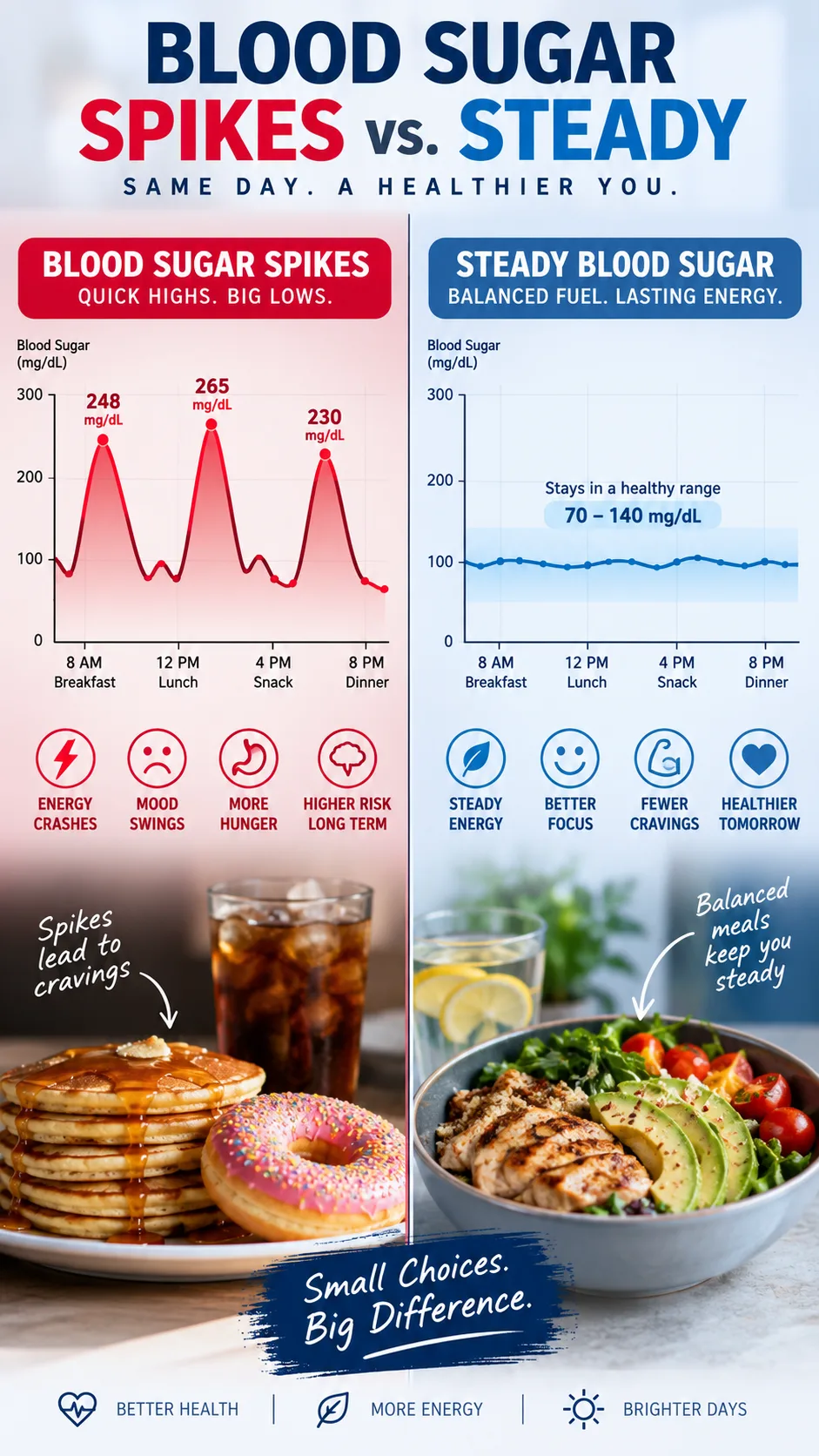
4. Blood sugar goes flat
Near-zero carbs means near-zero glucose spikes. No 3pm crash, no shaky hands, no “I need something sweet RIGHT NOW” panic. For people with insulin resistance, this alone changes how their whole day feels.
What to eat: your carnivore shopping list
Let’s get practical. Here’s your tier list, ranked by how much nutritional bang you get per naira, peso, or dollar.
Tier 1: the foundation
- Ribeye steak: the unofficial mascot. Great fat-to-protein ratio, and it’s hard to ruin.
- Ground beef (80/20): cheap, fast, forgiving. This will be 60% of your diet, realistically.
- Lamb and goat: ruminant meat, rich in zinc, iron and B12.
- Eggs: whole eggs, yolks included. The yolk carries choline, vitamin A, D and K2.
- Organ meats (liver, kidney, heart): once or twice a week covers the vitamins muscle meat misses. Liver is basically a multivitamin that walked.
Tier 2: solid options
- Fatty fish: salmon, mackerel, sardines. Your omega-3 source, and cheap tinned sardines count.
- Pork: belly, chops, bacon (check for sugar in the cure).
- Chicken thighs and wings: skin on, always. Chicken breast alone will leave you starving.
- Shellfish: oysters deliver absurd amounts of zinc and B12.
- Bone broth: helps with electrolytes and hydration during week one.
Tier 3: fats and add-ons
- Butter, ghee, tallow, lard, duck fat: cook with these, not seed oils.
- Salt: you need MORE than you think on low carb. More on this below.
- Hard cheeses and heavy cream: optional. Some people thrive, some bloat immediately.
Quick reality check: you don’t need to import grass-fed wagyu. Local, affordable cuts work fine. If you’re building meals around protein on a budget, this guide to a practical high-protein eating plan pairs surprisingly well with carnivore principles.

What to skip (the full no list)
Short version: if a plant made it, skip it. Long version:
- All grains: rice, bread, pasta, oats, corn, semovita, garri
- All legumes: beans, lentils, peanuts, soy
- All vegetables: yes, including the ones your mum insists are “good for you”
- All fruit: mango, banana, berries, the lot
- Sugar and sweeteners: including honey and most “natural” syrups
- Seed oils: soybean, canola, sunflower, corn oil
- Nuts and seeds
- Plant milks: almond, oat, soy
- Alcohol: fermented plants, technically. Also derails everything else.
Coffee and tea sit in a grey zone. Purists ban them. Most practical carnivores keep black coffee and sleep fine. If you’re doing a strict 30-day elimination to test symptoms, cut them. Otherwise? Keep your coffee, I’m not a monster. 🙂
Your first 30 days: an honest timeline
Nobody tells beginners this part, and then they panic on day four and blame the meat.
Days 1 to 4: the honeymoon
You feel great. Full, satisfied, slightly smug. Your weight drops 1 to 3kg, mostly water, because glycogen holds roughly 3g of water per gram and it flushes fast.
Days 5 to 14: the “keto flu” window
Headaches, fatigue, brain fog, muscle cramps, irritability. Everyone calls it carb withdrawal. It’s really electrolyte depletion, and you can fix it.
Fix it like this:
- Sodium: 4 to 6g of salt daily (that’s roughly 1.5 to 2 teaspoons). Salt your meat aggressively or sip salted broth.
- Potassium: meat carries decent amounts, but a potassium supplement helps if cramps persist.
- Magnesium: 300 to 400mg at night. It also improves sleep. Thank me later.
Days 14 to 30: adaptation
Your body switches over to running on fat and ketones properly. Energy stabilises, cravings drop off a cliff, and digestion sorts itself out. Most people report mental clarity around here, though I’d bet half of that comes from finally sleeping properly and eating real food.
The bathroom situation
Let’s address it. Early on, you might get diarrhoea as your body adjusts fat intake, or constipation as fibre disappears. Both usually settle within two to three weeks. If diarrhoea hits, cut fat slightly and build back up. FYI, your output volume drops massively. That’s normal, not a malfunction.
A realistic day of eating
Forget the 4,000-calorie steak marathons you see online. Here’s what a normal day looks like for a normal person.
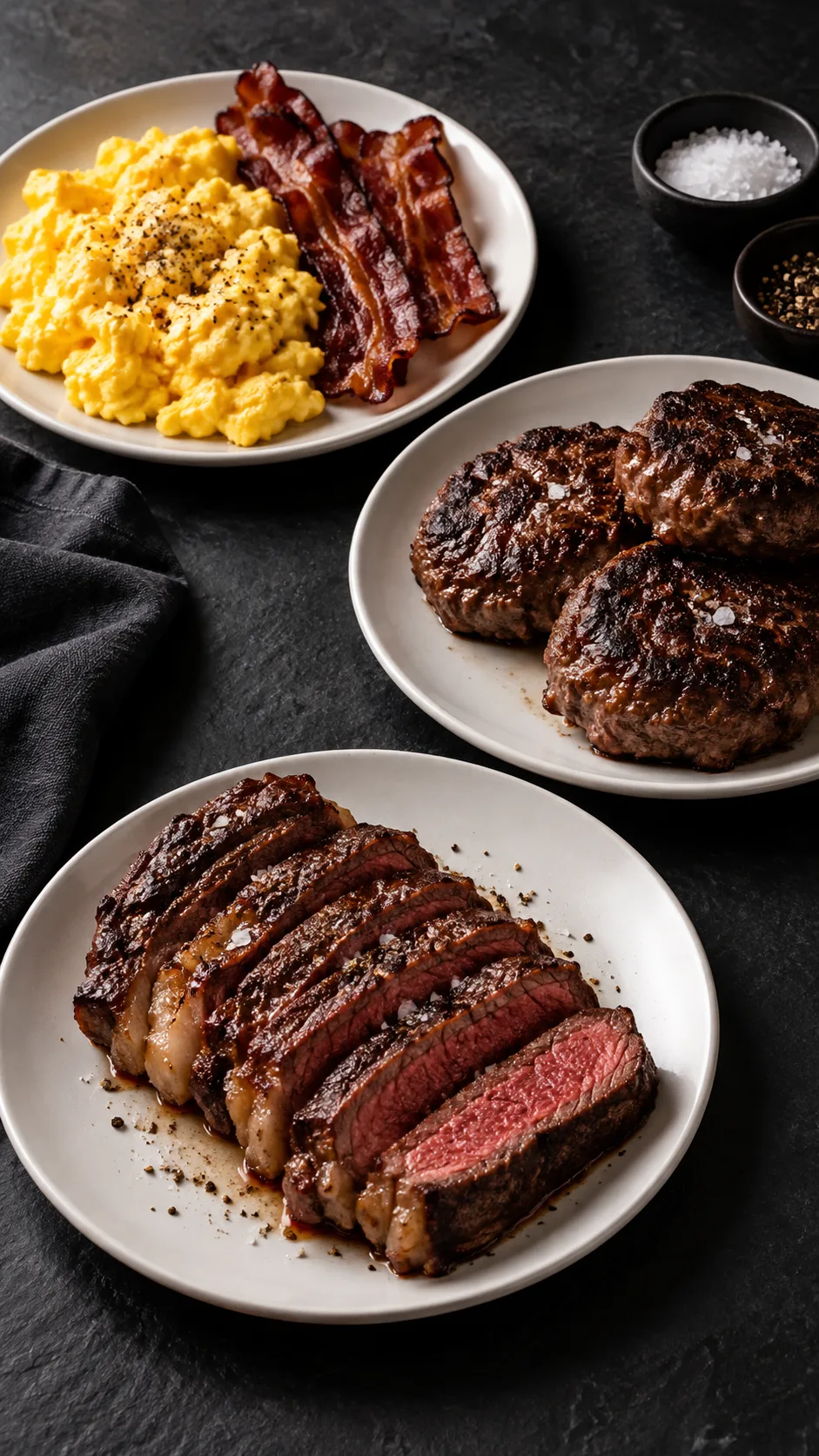
- Breakfast: 3 eggs scrambled in butter plus 3 rashers of bacon. Black coffee.
- Lunch: 250g ground beef patties, salted, cooked in their own fat. Sometimes a slice of cheese.
- Dinner: 300g ribeye or lamb chops plus 2 eggs if you’re still hungry.
- Once or twice weekly: swap one meal for liver and onions (minus onions, sadly) or tinned sardines.
Total: roughly 150 to 180g protein, plenty of fat, near-zero carbs. Most people naturally drift to two meals a day within a fortnight because they simply stop feeling hungry at breakfast.
How much should you eat?
Don’t count calories at the start. Instead, aim for 1.5 to 2g of protein per kilogram of your target bodyweight, then add fat until you feel satisfied. Eat when hungry, stop when full. Revolutionary, I know.
7 mistakes that wreck beginners
- Not eating enough fat. Lean chicken breast and lean mince will leave you exhausted and ravenous. Fat is your fuel now, so act like it.
- Undersalting. The single biggest cause of “carnivore made me feel terrible.” Salt your food like you mean it.
- Eating too little, full stop. Protein suppresses appetite so hard that some people accidentally undereat for weeks, then crash. Track for the first week just to see the number.
- Quitting on day 8. The adaptation window is real. Judging carnivore during week two is like judging a movie during the adverts.
- Going strict immediately. Cut carbs first, then decide about dairy and coffee later.
- Skipping organ meats forever. Muscle meat alone runs low on a few nutrients. A weekly serving of liver fixes most of that.
- Ignoring bloodwork. Test before you start and again at three months. Lipids, HbA1c, inflammation markers, ferritin. Data beats vibes.
The honest downsides (nobody’s paying me to hide these)
Credibility matters more than hype, so here’s the other side.
LDL cholesterol often rises, sometimes dramatically, especially in lean individuals. Some researchers argue context matters more than the raw number; the American Heart Association firmly disagrees with dismissing it. Get tested, talk to an actual doctor, and don’t let a podcast make that call for you.
Long-term data barely exists. We have surveys, anecdotes, and short-term observations. We don’t have 20-year randomised trials. Anyone claiming certainty here is selling something.
Fibre disappears, and so does your gut microbiome diversity. Researchers still argue about how much that matters. The Harvard T.H. Chan School of Public Health lays out the case for fibre pretty convincingly.
Social life takes a hit. Weddings, family dinners, office parties: you’ll explain yourself constantly. Have a one-line answer ready and move on.
Who should skip this entirely
- Anyone with chronic kidney disease
- People with familial hypercholesterolaemia
- Pregnant or breastfeeding women (without close medical supervision)
- Anyone with a history of disordered eating, since restrictive diets can light that fuse fast
- People on medications for diabetes or blood pressure, unless a doctor adjusts doses first
Training while carnivore
Can you lift heavy on zero carbs? Yes, but expect a dip for two to four weeks while you adapt. Strength usually returns. Explosive, high-rep glycolytic work (think CrossFit metcons or sprint intervals) tends to suffer the most.
Strength training matters enormously here because protein without resistance work is a wasted opportunity. Build muscle while you’re leaning out. A solid lower-body strength routine plus two upper-body sessions a week covers most people beautifully.
One heads-up: joint aches early on usually trace back to electrolytes and dehydration rather than the meat itself. If your knees complain, these knee-strengthening exercises help more than any supplement will.

Should you stay on it forever?
IMO, most people shouldn’t, and most people don’t need to. Treat carnivore as a 30 to 90 day reset rather than a life sentence. Use it to break sugar addiction, calm inflammation, and identify which foods genuinely bother you.
Then reintroduce foods slowly, one at a time, three days apart, and watch what happens. Some people add back berries and rice with zero issues. Others discover that wheat has been quietly ruining their week for 20 years.
That information? Worth a lot. You can’t buy it, and no blood test gives it to you as clearly.
The bottom line
The carnivore diet works for a lot of people because it removes ultra-processed food, maximises protein, flattens blood sugar, and eliminates every common dietary trigger in one clean sweep. Mechanisms, not magic.
Your quick-start checklist:
- Eat: beef, lamb, eggs, fatty fish, pork, animal fats, weekly organ meat.
- Skip: grains, sugar, legumes, vegetables, fruit, seed oils, alcohol.
- Salt heavily and supplement magnesium from day one.
- Commit to 30 days before you judge anything.
- Test your bloodwork before and after. Always.
Will you love it? Maybe. Will your gut feel calmer and your cravings vanish? For a lot of folks, yes. Will your colleague still ask “but where do you get your fibre?” every single day? Absolutely, and you’ll learn to smile through it. :/
Give it 30 days, track how you feel, and let your own results (not a stranger’s transformation photo) make the decision. Now go salt something.