

Your grocery bill keeps acting like it pays rent, doesn’t it? You can eat filling, flavorful meals all week without resigning yourself to plain noodles.
Cheap meal prep works when you buy a handful of flexible ingredients, cook them well, and use them in more than one meal. You spend less, throw away less food, and skip that 7 p.m. takeaway order that somehow costs more than your phone bill.
I learned this after buying “healthy” groceries with the best intentions, then finding wilted spinach and mystery leftovers at the back of the fridge. A simple plan wins over a perfect plan every time.
Why cheap meal prep saves so much money
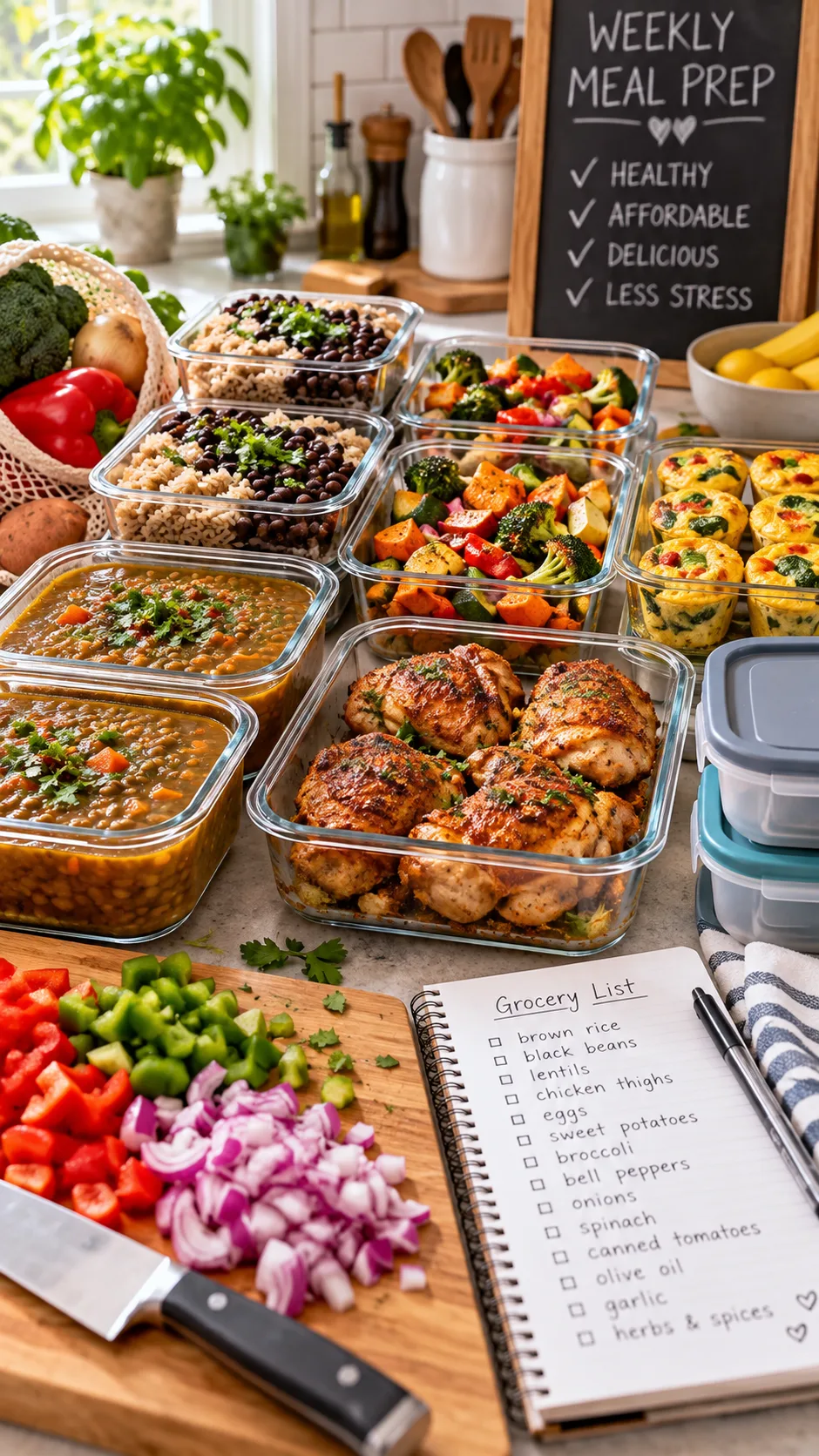
Meal prep lowers costs because it plugs the little holes in your food budget. You shop with a purpose, cook ingredients before they spoil, and pack meals before hunger makes every restaurant menu look tempting.
You do not need a fridge full of twenty identical chicken and broccoli boxes. That plan usually gets old by Wednesday. Prep ingredients, not punishment meals.
Buy ingredients that pull double duty
A cheap grocery list needs foods that fit into several meals. Rice can become a burrito bowl, fried rice, soup filler, or a side for beans. Eggs work for breakfast, lunch, dinner, and those moments when you suddenly realize you forgot to eat.
- Protein: eggs, dried beans, lentils, canned fish, canned beans, chicken thighs, tofu, peanut butter, and plain yoghurt.
- Carbs: rice, oats, potatoes, pasta, tortillas, bread, couscous, and maize meal.
- Vegetables: frozen mixed vegetables, cabbage, carrots, onions, tomatoes, spinach, peppers, and seasonal produce.
- Flavor builders: garlic, ginger, curry powder, paprika, stock cubes or broth, soy sauce, chilli, tomato paste, lemons, and herbs.
Most of these foods cost less than trendy “wellness” snacks and last much longer. Fancy protein bars have their place, but beans have fed people well for centuries.
Let your freezer do some heavy lifting
Your freezer can save a lot of food and money. Freeze extra rice, soup, chilli, sliced bread, ripe bananas, and cooked beans before they become a science project.
Frozen vegetables help you avoid waste too. They often cost less than fresh vegetables that come out of season, need no chopping, and make a quick dinner feel complete.
The U.S. Department of Agriculture offers practical guidance on safe leftover storage and reheating. Put cooked food in shallow containers, cool it promptly, and follow basic storage times before relying on your senses.
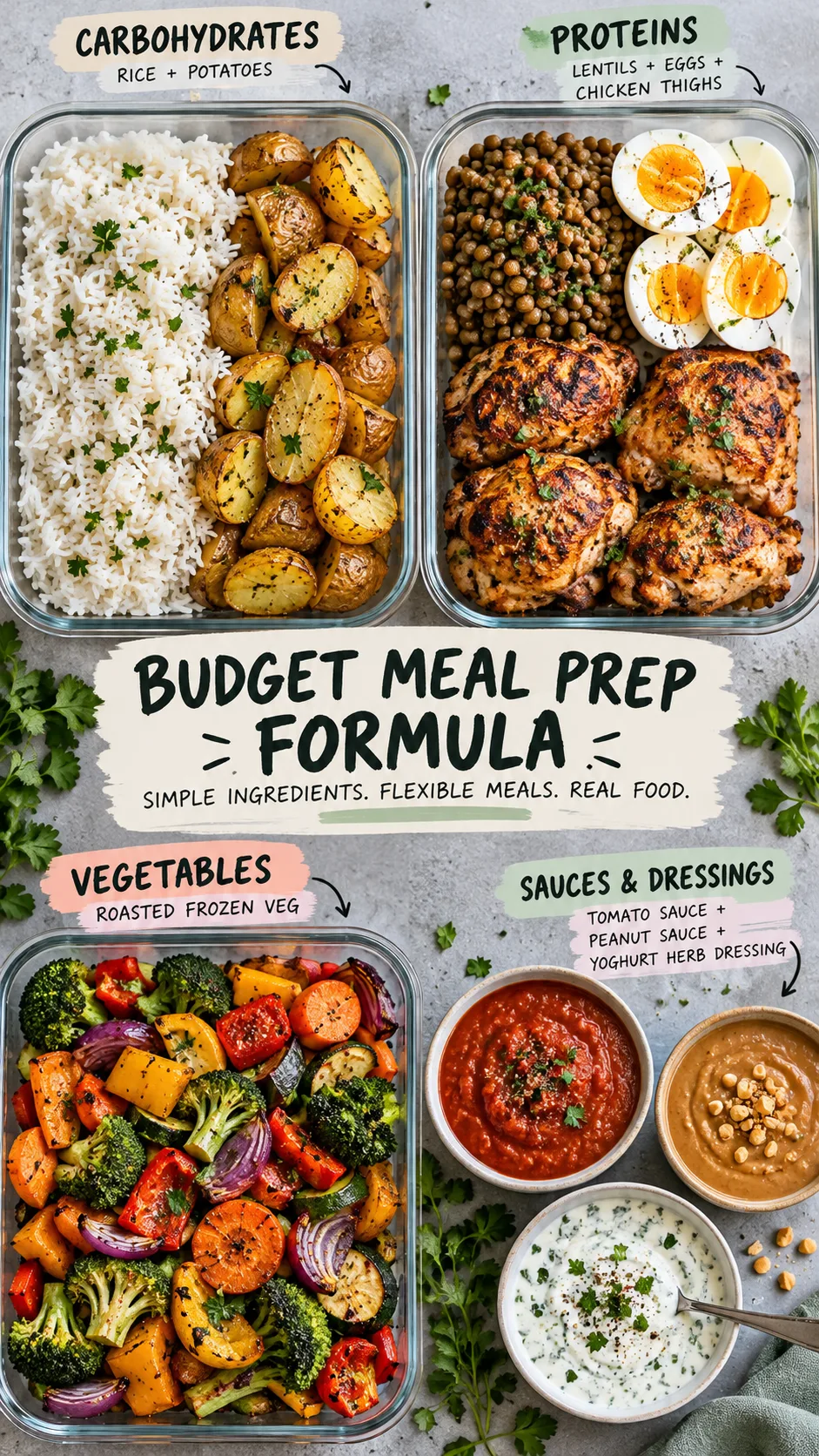
The cheap meal prep formula: protein + carb + veg + sauce
You do not need complicated recipes to make budget meals taste good. Build each meal around a protein, a filling carbohydrate, vegetables, and a sauce or seasoning. Takeaway bowls taste satisfying because they often follow this same formula.
Flavor needs a plan too. Salt, acid, spice, texture, and a little fat can turn low cost ingredients into food you will want again tomorrow.
- Choose a base: rice, pasta, potatoes, oats, couscous, or tortillas.
- Add protein: beans, lentils, eggs, chicken thighs, tinned tuna, tofu, or minced meat.
- Bring in vegetables: use whatever looks good and costs less that week.
- Finish with flavor: salsa, tomato sauce, peanut sauce, curry sauce, yoghurt dressing, pesto, or spicy oil.
- Change the format: turn the same ingredients into bowls, wraps, soups, salads, or skillet meals.
This method keeps meal prep from getting dull because you create variety without buying a mountain of groceries. Monday’s rice and beans can become Wednesday’s stuffed pepper filling and Friday’s crispy skillet meal.
8 cheap meal prep ideas that taste like you tried
1. Smoky black bean and rice bowls
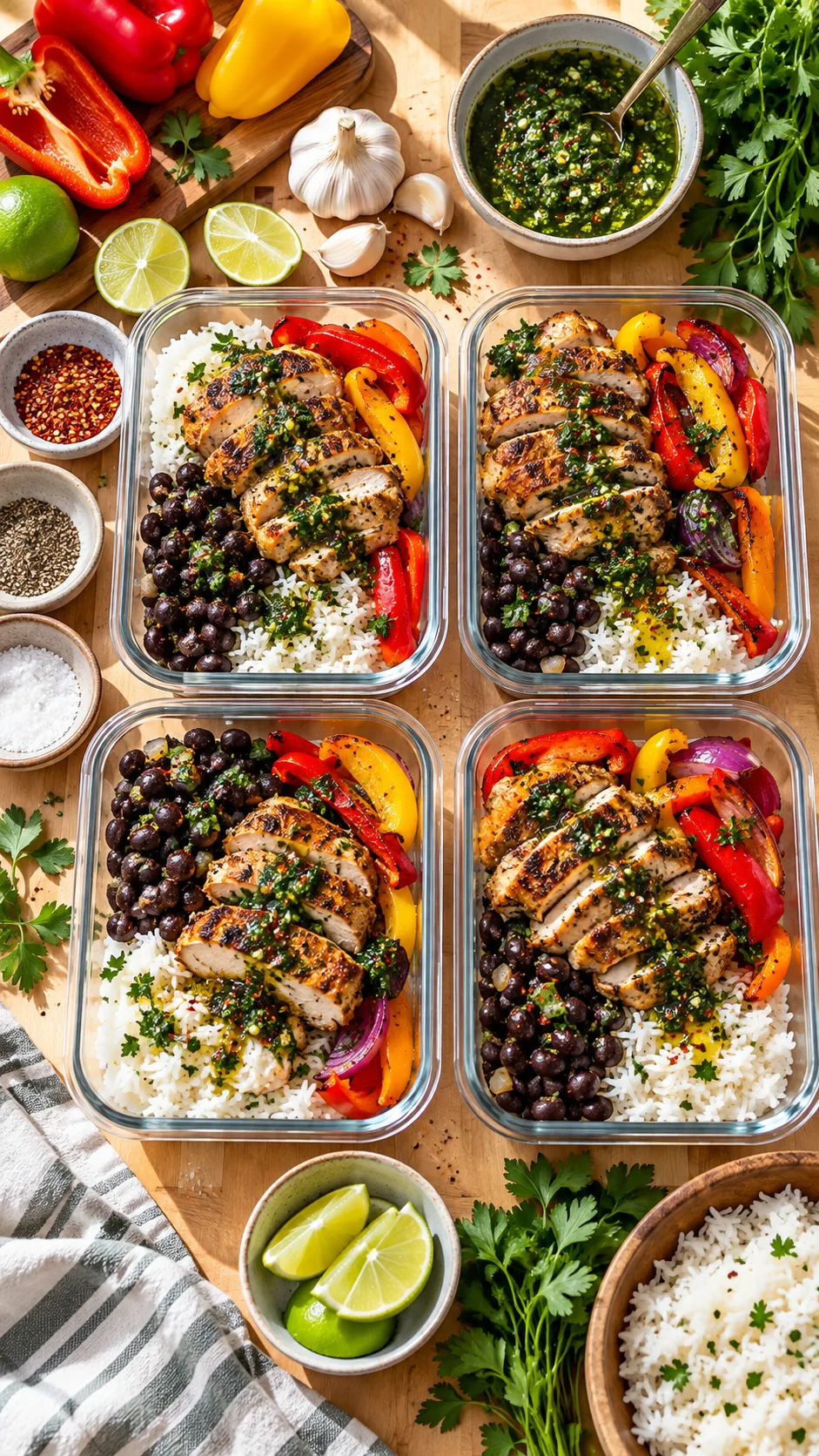
Black bean and rice bowls make a cheap, satisfying meal. Beans bring protein and fibre, rice makes the meal filling, and spices give everything a sense of purpose.
Cook rice with stock or a pinch of salt. Sauté onions, garlic, cumin, paprika, chilli powder, and tomato paste, then stir in drained black beans and a splash of water. Add corn, shredded cabbage, salsa, lime, or yoghurt when you serve.
For more protein, add a fried egg or a little shredded chicken. For a meat free meal that keeps you full, this bowl does the job.
2. Big batch lentil bolognese
Lentils cost little, cook quickly, and soak up sauce flavors. They make a rich, hearty pasta sauce without the price of beef.
Cook diced onion, carrot, celery, and garlic in oil. Add tomato paste, canned tomatoes, brown or green lentils, Italian herbs, and water or stock. Simmer until the lentils turn tender and the sauce thickens.
Serve it over pasta, baked potatoes, rice, polenta, or toast. Freeze half in single portions. Future You will appreciate a proper dinner waiting in the freezer.
The USDA MyPlate guide supports meals that include vegetables, protein foods, grains, and fruit or dairy where they suit your preferences. You do not need perfection. You need a plate that fits your budget and appetite.
3. Sheet pan chicken thighs, potatoes, and veg
Chicken thighs bring more flavor than chicken breast and often cost less. They also stay juicy after reheating, so they spare you from dry, disappointing lunches.
Toss chicken thighs, chopped potatoes, carrots, onions, and cabbage or broccoli with oil, salt, pepper, garlic powder, paprika, and dried herbs. Roast everything on one tray until the chicken cooks through and the potatoes turn golden.
Switch up the seasoning each week. Try lemon and oregano, curry powder and ginger, jerk style spice, or smoky paprika and chilli.
4. Vegetable egg muffins with oats or toast
Egg muffins make rushed breakfasts easier without making you eat cereal for the fifth morning in a row. Whisk eggs with chopped spinach, onions, peppers, grated carrot, leftover vegetables, and a little cheese if your budget allows.
Bake the mixture in a greased muffin tin, then keep portions in the fridge. Pair two or three muffins with oats, fruit, toast, or roasted potatoes for a filling cheap breakfast.
Eggs give you protein and plenty of options. Scramble them into rice, tuck them into wraps, or put one on top of leftovers when your container needs a little help.
5. Peanut chickpea curry
Peanut butter works in far more than sandwiches. It gives curry a creamy texture, deep flavor, and satisfying fat without the cost of cream.
Cook onion, garlic, ginger, curry powder, and tomato paste in a pot. Add chickpeas, chopped tomatoes, frozen spinach, water or stock, and a spoonful of peanut butter. Simmer until the sauce turns silky and thick.
Serve this cheap meal prep idea with rice, flatbread, couscous, or baked sweet potatoes. Add chilli sauce if you like some heat on your plate.
6. Tuna pasta with peas and lemon
Tinned tuna gives you an affordable shortcut on busy weeks. Mix it with pasta, peas, sweetcorn, lemon juice, black pepper, a little mayo or yoghurt, and chopped onion for a quick cold lunch.
You can warm the mixture with garlic, tomato paste, canned tomatoes, and herbs for a comforting dinner. Choose tinned fish in water or oil based on your taste and budget.
The National Health Service shares useful advice on healthy eating and portion balance. Cheap meals work better when you add vegetables and choose portions that match your hunger.
7. Loaded baked potato boxes
Baked potatoes give you a lot for very little money. Roast a batch, then split them open and change the toppings through the week.
- Chilli beans, cheese, and chopped spring onions
- Tuna, sweetcorn, yoghurt, and black pepper
- Leftover chicken, cabbage slaw, and hot sauce
- Lentil bolognese and a sprinkle of cheese
- Chickpea curry and fresh herbs
One potato can make a full meal when you add protein and vegetables. That is cheap comfort food with a real plan behind it.
8. Fried rice with leftover everything
Fried rice makes leftovers feel new again. Use cold cooked rice, frozen vegetables, eggs, leftover chicken or tofu, garlic, ginger, soy sauce, and a tiny splash of sesame oil if you have it.
Cook the egg first and set it aside, then fry the vegetables and protein over high heat. Add the rice and sauce, stir well, then return the egg. You get a fast meal with crispy bits, and crispy bits improve almost anything.
Use this trick when your fridge holds small amounts of random ingredients. Fried rice welcomes the last carrot and half an onion without complaint.
How to make cheap ingredients taste expensive
Technique, seasoning, and timing create flavor. A plain bag of lentils can taste dull, or it can taste great with onions, garlic, tomato paste, spices, and enough salt.
Start with aromatics
Cook onions first when you can. Add garlic, ginger, celery, peppers, spring onions, or carrots next. These inexpensive ingredients build a deeper base before you add beans, meat, grains, or sauces.
Give onions time to soften and brown a little. Those extra five minutes bring more flavor than another expensive bottle of sauce.
Use tomato paste like a secret weapon
Tomato paste costs little and brings a big savory punch. Cook it in oil with your spices for a minute or two before you add liquid. This takes away the raw taste and adds depth to soups, curries, chilli, and pasta sauce.
Finish with something bright
A squeeze of lemon, lime, vinegar, yoghurt, pickled onions, or fresh herbs can wake up a meal. Acid balances rich food and helps leftovers taste less flat.
Have you ever reheated a meal and thought, “Meh”? Add a pinch of salt and a squeeze of lemon before you give up on it. Lemon deserves better publicity.
A smart budget grocery list for one week
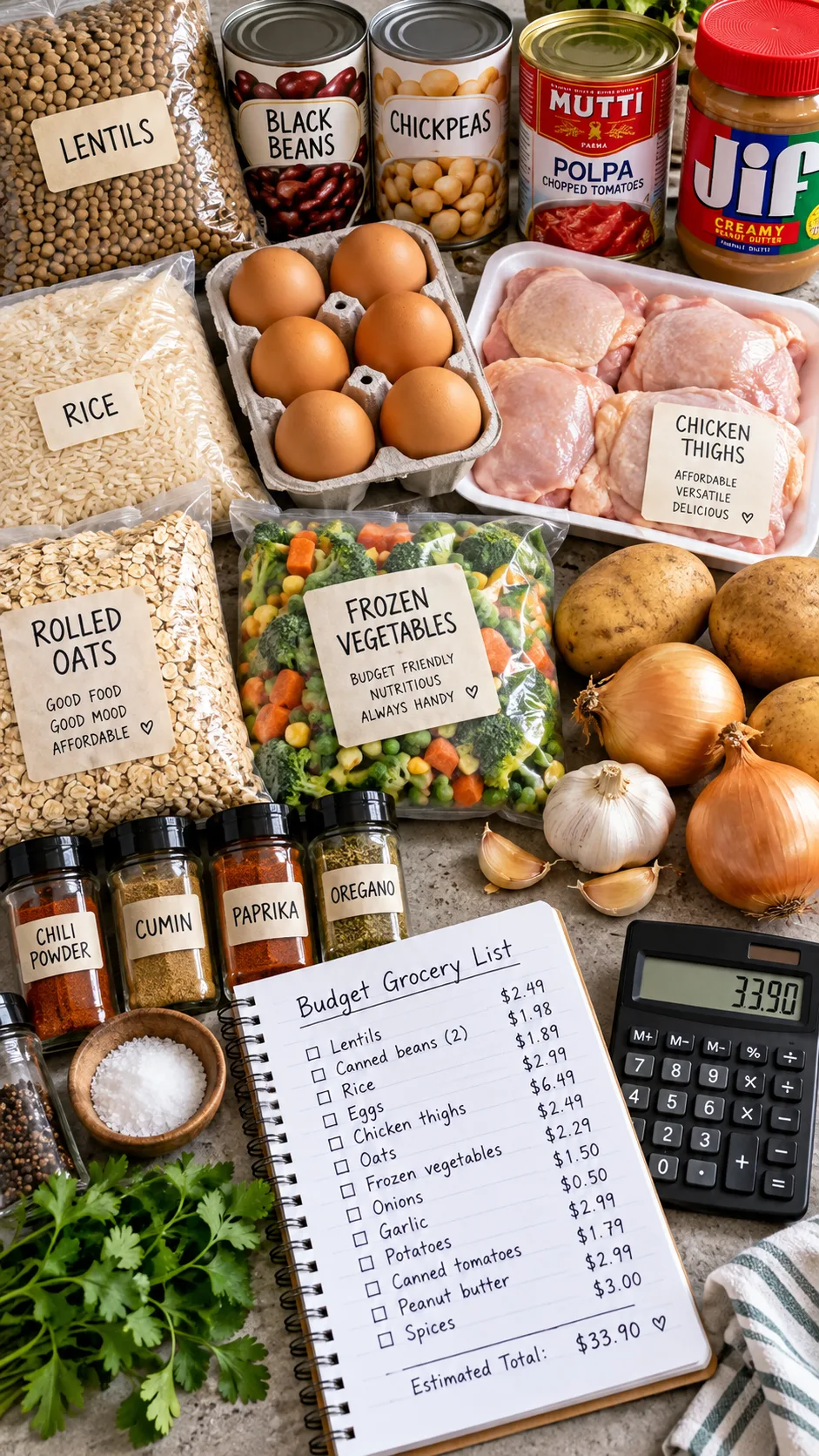
Prices change by location, season, and store, so use a flexible shopping framework instead of fixed totals. Check your cupboards before you shop, then build your list around food you already have.
Avoid buying ingredients for one very specific recipe unless you know how you will use every leftover. That half used jar of specialty sauce always looks innocent on the shelf.
- 1 bag rice, pasta, oats, or potatoes
- 1 to 2 affordable proteins, such as eggs and chicken thighs
- 2 canned or dried proteins, such as lentils, chickpeas, beans, or tuna
- 2 bags frozen vegetables or 3 low cost fresh vegetables
- Onions, garlic, and one fresh acidic ingredient such as lemon or lime
- Canned tomatoes and tomato paste
- One creamy flavor ingredient, such as peanut butter, yoghurt, or cheese
- Spices that match your favorite meals
Buy seasonal produce, compare unit prices, and try store brands for basics. The Consumer.gov budgeting guide also recommends tracking your spending so you can spot patterns and plan ahead.
Meal prep without eating the same thing every day
Variety does not require a separate recipe for every meal. You only need a few components and different flavor directions. Cook one batch of rice, one protein, roasted vegetables, and two sauces.
For example, use chicken, rice, and vegetables in three different ways:
- Monday: chicken rice bowl with yoghurt, lemon, and herbs.
- Wednesday: chicken fried rice with soy sauce, garlic, and egg.
- Friday: chicken wrap with cabbage, hot sauce, and a peanut dressing.
This approach saves money because you buy sensible amounts. It also keeps your taste buds from filing a formal complaint.
If you want more ways to simplify your routine, check out these easy meal prep ideas for healthier eating. If you want a structured calorie target, this 1500 calorie meal plan that keeps you full can help you plan filling portions without making food feel like homework.
Food safety tips for budget meal prep
Cheap meal prep only saves money when you can eat what you cook safely. Cool food promptly, divide large batches into shallow containers, and refrigerate them instead of leaving them on the counter for hours.
Most cooked leftovers keep well in the refrigerator for three to four days. Freeze portions that you will not eat within that time. Label containers with the date, because nobody remembers when “Tuesday-ish” happened.
- Wash your hands before cooking and after handling raw meat, eggs, or fish.
- Keep raw meat away from vegetables and ready-to-eat foods.
- Reheat leftovers until they feel steaming hot throughout.
- Store meals in airtight containers to protect flavor and texture.
- Freeze soups, sauces, curries, beans, and cooked grains in individual portions.
Use a food thermometer for chicken and other meats when you can. Your senses can help, but a thermometer takes out the guesswork and protects your health and grocery budget.
Your simple Sunday meal prep plan
You can put together a useful week of affordable meal prep in about 90 minutes if you multitask a little. Put grains on the stove, roast vegetables and protein in the oven, then make one pot meal while everything cooks.
- Choose three meals and one snack for the week.
- Write a grocery list from those meals and check your pantry first.
- Cook one grain, one protein, and one bean or lentil dish.
- Roast or sauté a big batch of vegetables.
- Mix one or two sauces for different flavors.
- Pack some meals now and leave a few ingredients separate for flexibility.
- Freeze extra portions before you lose interest in them.
You do not need to prep every bite of food for seven days. Even two ready lunches, a pot of soup, cooked rice, and chopped vegetables can save serious money during a busy week.
Final thoughts: eat well, spend less, repeat
Cheap meal prep does not mean bland meal prep. Build meals around affordable staples, use bold seasonings, freeze extras, and give the same ingredients different jobs throughout the week.
Start with one batch meal this week: lentil bolognese, bean bowls, chicken tray bake, or peanut chickpea curry. Your grocery bill will not send a thank you card, but it should calm down.