

You walked out of your doctor’s office with a crisp pamphlet, a stern warning about your blood pressure, and a single instruction: cut the salt. You walked into your kitchen, shoved the salt shaker into the back of the pantry, and prepared for culinary misery. By day three, your dinner tastes like wet cardboard, your energy plummets, and you catch yourself staring longingly at a bag of potato chips like a lovesick teenager. Sound familiar?
You did not fail your diet. Your approach failed you. Most people treat a low-sodium lifestyle like a prison sentence of steamed chicken breasts and raw celery. They drop their salt intake overnight, neglect their seasonings, and wonder why their meals taste like sorrow.
Cutting sodium does not require you to sacrifice joy at the dinner table. When you understand how sodium operates inside your body and how food manufacturers sneak it into your groceries, you can easily reclaim your health without hating dinner. Here is how to fix the biggest low-sodium diet mistakes beginners make and replace them with tactics that produce real results.
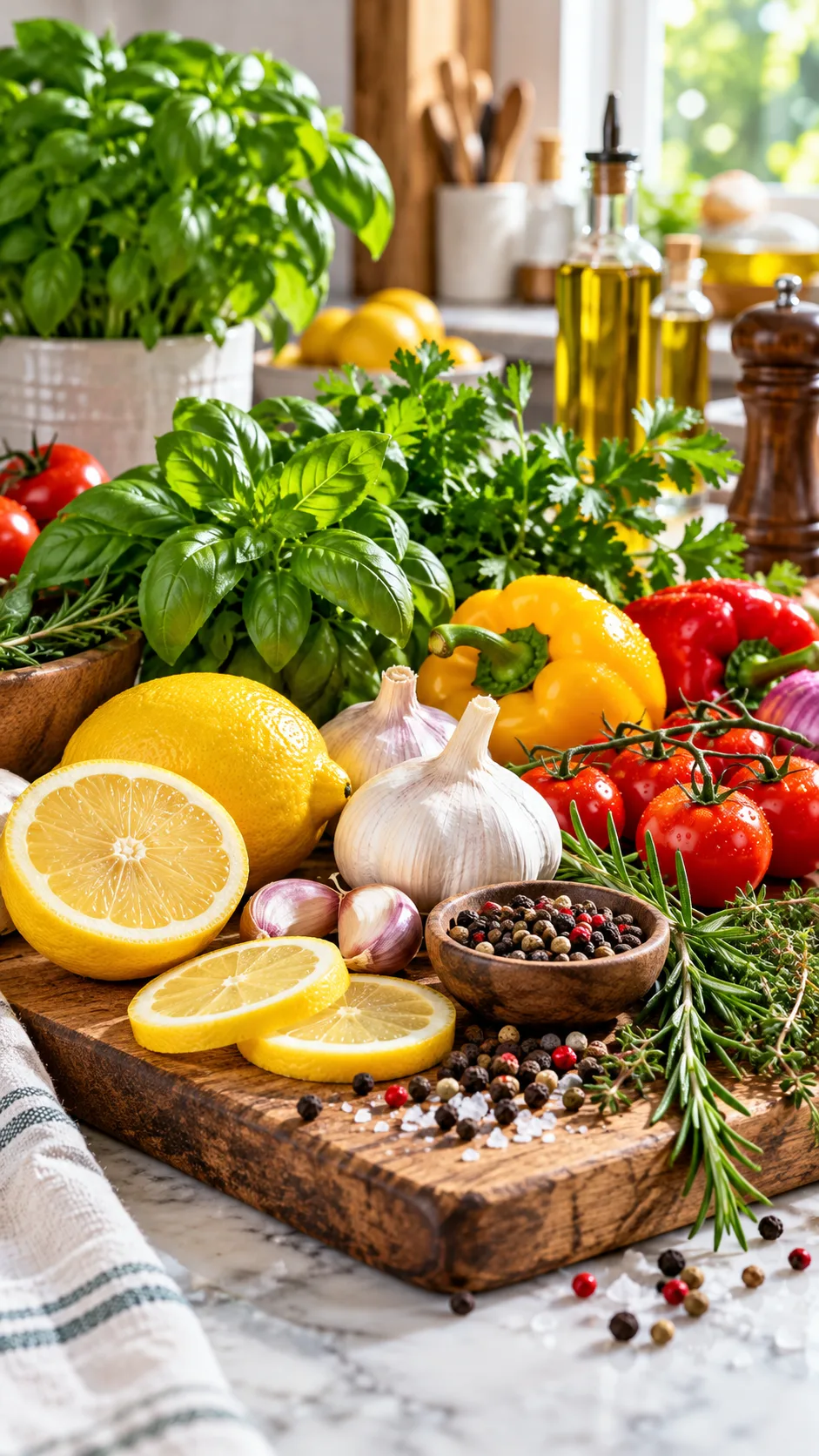
Mistake 1: Blaming the salt shaker instead of the grocery shelf
When beginners start a low-sodium diet, they immediately target the salt shaker on their kitchen table. They hide it in a high cabinet and eat unseasoned scrambled eggs. That effort barely moves the needle. Home cooking accounts for only a tiny fraction of the average person’s daily sodium intake.
According to the American Heart Association, commercial food processing and restaurant kitchens deliver over 70 percent of the sodium Americans consume daily. You do not get high blood pressure from three pinches of kosher salt in a homemade pot of vegetable soup. You get it from the hyper-processed shortcuts sitting in your pantry.
Food manufacturers dump massive quantities of sodium into packaged goods for two distinct reasons: preservation and flavor masking. Sodium extends shelf life by drawing moisture out of bacteria. It also masks the bitter, metallic aftertastes that high-heat industrial processing creates. You might never touch the salt shaker all day, yet you still blow past your daily limit by lunch if you eat processed foods.
The sneakiest high-sodium culprits
Watch out for everyday staples that do not even taste salty. These foods hide eye-popping amounts of sodium in plain sight:
- Commercial Bread and Rolls: A single slice of commercial sandwich bread often packs up to 230 milligrams of sodium. Eat two slices for a sandwich, and you consume nearly 500 milligrams before adding a single filling.
- Canned Soups and Broths: One cup of standard canned chicken noodle soup regularly packs 800 to 1,000 milligrams of sodium. That equals nearly half of your recommended daily allowance in five spoonfuls.
- Deli Meats and Cured Proteins: Food companies inject turkey, ham, and roast beef with sodium nitrate and saline solutions to keep them plump. Three thin slices can hand you 700 milligrams of sodium.
- Bottled Condiments and Salad Dressings: Two tablespoons of commercial barbecue sauce or Italian dressing routinely dump 300 to 450 milligrams into your meal. Soy sauce tops the chart with roughly 1,000 milligrams per single tablespoon.
- Cheese: Cheesemakers rely on salt to control fermentation and moisture. Just one ounce of parmesan delivers more than 330 milligrams of sodium.
Stop stressing over the pinch of salt you toss onto your fresh broccoli. Focus your energy on eliminating the stealth sodium mines lurking inside plastic wrappers and tin cans.
Mistake 2: Quitting sodium cold turkey
Human beings love extremes. When we decide to change our lifestyle, we flip the switch instantly. We declare war on salt at 8:00 AM on Monday, cutting our intake from 4,000 milligrams down to 1,200 milligrams in twenty-four hours. By Tuesday afternoon, a brutal headache sets in, mental fog clouds your thoughts, and your tongue rebels against every meal.
Extreme deprivation rarely creates long-term success. Quitting sodium cold turkey sets you up for rapid burnout. Your tongue hosts taste receptors that adapt directly to the sodium concentration in your saliva. When you constantly eat processed foods, your taste buds desensitize to salt. You need massive amounts of salt just to register basic flavor.
When you abruptly strip that salt away, your food tastes flat. Your brain interprets this sudden absence as sensory deprivation, triggering intense cravings for salty junk food. Your body also regulates fluid balance through an intricate hormonal feedback loop. When you slash sodium too aggressively, your kidneys panic and ramp up renin and aldosterone production to hoard every stray mineral in your bloodstream.
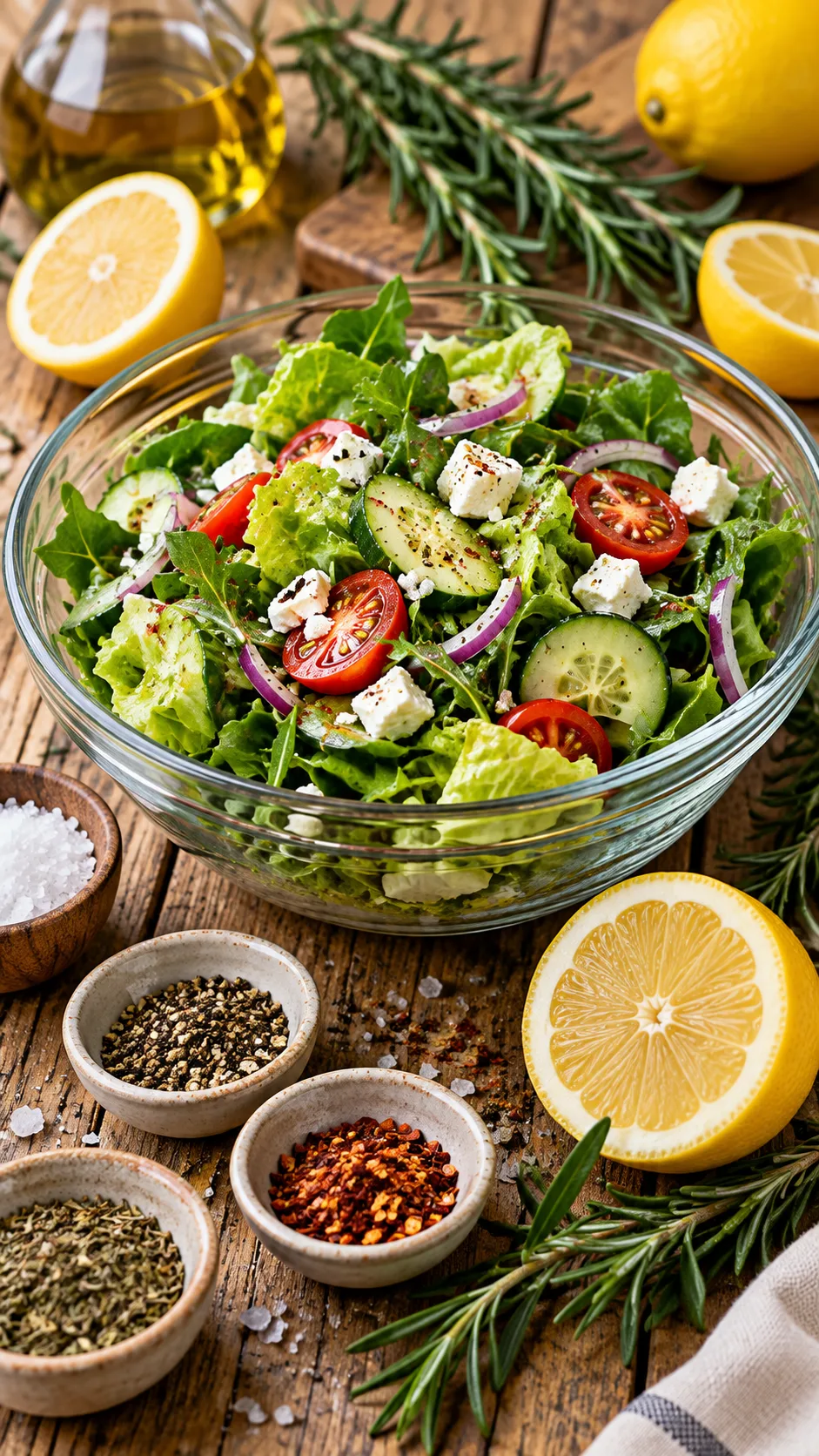
How to reset your palate without suffering
Give your taste buds time to recalibrate. Research confirms that human taste receptors renew every ten to fourteen days. If you gradually drop your sodium intake over three to four weeks, your palate adjusts naturally without triggering a culinary crisis.
- Week 1: Cut the Obvious Junk: Eliminate frozen TV dinners, canned soups, and potato chips. Keep your home cooking habits exactly the same.
- Week 2: Halve the Condiments: Mix regular sauces with low-sodium versions or swap commercial dressings for olive oil and fresh lemon juice.
- Week 3: Reduce Added Salt by Half: Use half the measured salt in your homemade recipes. Double the herbs and spices to compensate.
- Week 4: Establish Your Baseline: By this point, natural foods will taste sweeter and richer. Commercial fast food will taste unpleasantly salty to you.
Patience turns a low-sodium diet from an excruciating chore into a sustainable habit. Give your biology the time it needs to adapt.
Mistake 3: Ignoring the sodium-potassium balance
Most beginners hyper-fixate on a single number: milligrams of sodium. They track it obsessively on their phones, stress over tiny fluctuations, and completely ignore potassium. This mistake undermines their cardiovascular progress before they even begin.
Sodium does not work in a vacuum. Your cardiovascular system relies on a continuous biological balance between sodium and potassium, powered by the cellular sodium-potassium pump. Sodium pulls water into your bloodstream, which increases the volume of blood pushing against your artery walls. Potassium relaxes your blood vessel walls and prompts your kidneys to excrete excess fluid and sodium through your urine.
The Harvard T.H. Chan School of Public Health points out that your sodium-to-potassium ratio matters far more than your sodium intake alone. If you eat 2,000 milligrams of sodium but consume almost zero potassium, your blood pressure will likely climb anyway. Conversely, if you pair moderate sodium intake with rich potassium sources, you protect your blood vessels and improve your arterial elasticity.
Potassium heavyweights to add to your plate
Bananas get all the potassium glory, but plenty of other whole foods offer far higher amounts. Load your grocery cart with these potassium powerhouses:
- Avocados: One medium avocado delivers roughly 700 milligrams of potassium alongside heart-healthy monounsaturated fats.
- Baked Sweet Potatoes: A single medium sweet potato packs over 540 milligrams of potassium into a nutrient-dense, fiber-rich package.
- Cooked Spinach and Swiss Chard: One cup of cooked spinach supplies an incredible 840 milligrams of potassium.
- White Beans: Half a cup of cooked white beans hands you over 500 milligrams of potassium while adding plant-based protein to your bowl.
- Wild Salmon: Six ounces of wild Atlantic salmon offers over 800 milligrams of potassium and anti-inflammatory omega-3 fatty acids.
If you want to construct meals that hit both mineral targets effortlessly, check out The Meal Prep Dinner Ideas That Actually Save You an Hour Every Night. Smart prep ensures that potassium-rich vegetables appear in every single dinner you eat.
Mistake 4: Falling for the “Himalayan Pink Salt” marketing trap
Walk down the specialty spice aisle at any upscale supermarket, and you will find shelves packed with Himalayan pink salt, Celtic gray salt, and flaked sea salt. The labels make bold claims: contains 84 trace minerals, detoxifying, and unrefined natural goodness.
Many beginners fall directly into this clever marketing trap. They dump table salt in the trash, buy an expensive jar of pink crystals, and grind it generously over every dish. They assume that because the salt came from an ancient seabed or a Pakistani mine, their blood pressure will stay calm. In reality, this mistake drives up grocery bills without helping your heart.
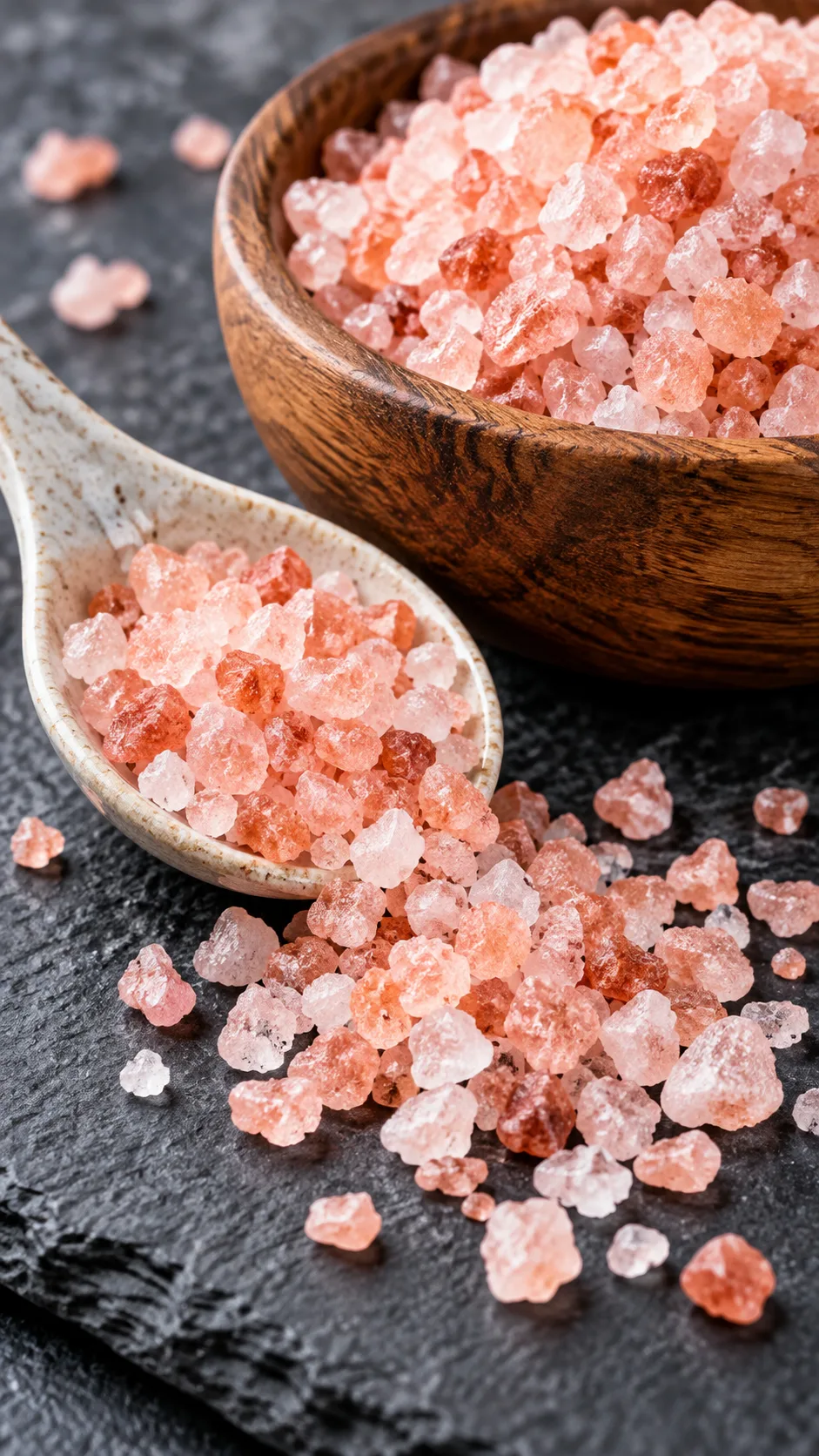
Look at the basic chemistry. Standard white table salt contains roughly 40 percent sodium and 60 percent chloride. Himalayan pink salt contains roughly 38 to 39 percent sodium and 60 percent chloride. Those celebrated 84 trace minerals make up less than two percent of the total mineral weight. You would need to consume lethal, toxic amounts of pink salt to absorb a meaningful dose of iron, magnesium, or calcium from those pink crystals.
Your kidneys, blood vessels, and heart do not care if your sodium arrived from an underground salt mine in the Himalayas or a commercial cardboard canister. Once sodium dissolves in your stomach acid, it enters your bloodstream as plain sodium ions. Treat every gourmet salt with the exact same caution you apply to ordinary table salt.
Mistake 5: Boiling away flavor instead of building culinary heat
Many beginners quit low-sodium diets within two weeks because they season their food with water and prayer alone. They strip out the salt and replace it with nothing. Then they chew their rubbery, flavorless chicken and curse the cardiologist who ordered this dietary change.
Salt serves a distinct culinary purpose: it amplifies other flavors and suppresses bitterness. When you remove salt, you leave a flavor vacuum. If you do not fill that vacuum with alternative sensory stimulants, your brain registers the meal as incomplete. Fortunately, professional chefs understand how to manipulate taste buds without dumping salt into the skillet.
When you strip away salt, you must aggressively amplify three other taste pillars: Acid, Heat, and Aromatics.

1. Leverage the power of culinary acids
Acid mimics the bright, mouth-watering sensation that salt produces on your tongue. When a dish tastes flat, do not reach for salt: reach for acid. A quick splash of citrus juice or vinegar instantly awakens your taste receptors.
- Fresh Lemon and Lime Juice: Squeeze fresh lime juice over grilled fish, black beans, or chicken cutlets right before serving.
- Apple Cider Vinegar: Deglaze your roasting pans with apple cider vinegar to build incredible pan sauces for lean pork or poultry.
- Balsamic and Red Wine Vinegars: Drizzle aged balsamic over roasted vegetables, ripe tomatoes, and mixed greens.
2. Introduce layered heat
Capsaicin, the active compound in chili peppers, distracts your brain from a lack of salt by activating heat receptors on the tongue. This sensory rush makes low-sodium meals feel hearty and satisfying.
- Crushed red pepper flakes in olive oil bases
- Freshly chopped jalapeno or serrano peppers in homemade salsas
- Ground cayenne pepper in dry rubs
- Smoked Spanish paprika for a deep, wood-fired flavor profile without added sodium
3. Build aromatic depth
Stop buying pre-mixed spice blends that sneak salt into the first three ingredients. Build your own spice arsenal from pure, single-origin herbs and spices. Roast whole garlic heads until sweet and spreadable. Sauté fresh shallots, ginger, and rosemary in olive oil to build a robust flavor foundation for any soup or stew.
If you also manage autoimmune conditions or systemic inflammation, you will find practical crossover strategies in How to Start the AIP Diet Without Feeling Lost or Deprived, which details how to maximize natural whole-food flavor profiles without relying on industrial flavor enhancers.
Mistake 6: Blind trust in “low-sodium” food labels
You head down the grocery aisle, hunting for products to support your new health goals. You spot a package of crackers announcing “Reduced Sodium” on a bright green banner. You throw it into your cart with relief. Unfortunately, you just walked into another clever marketing snare.
The Food and Drug Administration maintains strict definitions for front-of-package claims, but marketers use those rules to mislead unwary shoppers. That explains why a reduced-sodium snack still leaves you feeling bloated and thirsty.
Decoding the packaging lexicon
Study these legal definitions carefully before you let a label fool you:
- “Reduced Sodium”: The manufacturer reduced the sodium content by only 25 percent compared to their original recipe. If their original soup contained 1,200 milligrams of sodium, the reduced version still packs 900 milligrams. That still qualifies as an extremely high-sodium food.
- “Light in Sodium”: The product contains 50 percent less sodium than the regular version. While better, a light-sodium soy sauce still delivers 500 milligrams per single splash.
- “Low Sodium”: The product contains 140 milligrams of sodium or less per official serving. This is the gold standard phrase to look for on labels.
- “Very Low Sodium”: The product contains 35 milligrams or less per serving.
- “Sodium Free”: The product contains less than 5 milligrams per serving.
Never rely on the flashy claims printed on the front of the box. Flip the package over immediately. Look at the Nutrition Facts panel, identify the serving size, and check the sodium number directly. Apply the simple 5/20 Rule: if the Percent Daily Value sits at 5% or less, the food is low in sodium. If it hits 20% or higher, put the box back on the shelf.
Mistake 7: Forgetting about clean, high-quality protein prep
Beginners often strip sodium out of their diet by eating mostly bland salads and fruit, inadvertently shortchanging their daily protein needs. Then hunger strikes two hours later, leading directly to a late-night binge on high-sodium snacks. You cannot sustain a low-sodium lifestyle if your meals leave you starving.
Building your plate around lean, fresh proteins keeps you full and stabilizes your blood sugar. Buying pre-seasoned, rotisserie, or commercially brined meats will destroy your sodium budget in minutes. Supermarket rotisserie chickens routinely soak in high-salt injection broths before hitting the roaster.
Buy unseasoned chicken breasts, flank steak, pork loin, and fresh fish. Season them yourself using citrus marinades, garlic pastes, and cracked black pepper. If you want a structured template to organize balanced, satisfying meals, read The High Protein Diet Plan That Actually Keeps You Full (And Builds Muscle). Pairing clean protein with smart herbs stabilizes your appetite and prevents salt cravings before they start.
Mistake 8: Treating restaurant dining like a free-for-all
You followed your low-sodium plan flawlessly from Monday through Friday. On Saturday night, you meet friends at a popular bistro. You order what looks like the healthiest option on the menu: grilled salmon over steamed vegetables. You congratulate yourself on your self-control.
The next morning, your wedding ring feels tight on your finger, your face looks puffy in the mirror, and your scale jumps up three pounds. Restaurant kitchens lean heavily on butter, stock bases, and heavy salt.
Chefs in commercial kitchens prioritize bold flavor over blood pressure targets. They salt the protein before searing, baste it in salted butter, blanch the vegetables in salted water, and glaze everything with concentrated stock reductions. That innocent-looking salmon dish easily contained 2,500 milligrams of sodium, which exhausts your entire daily limit in a single sitting.
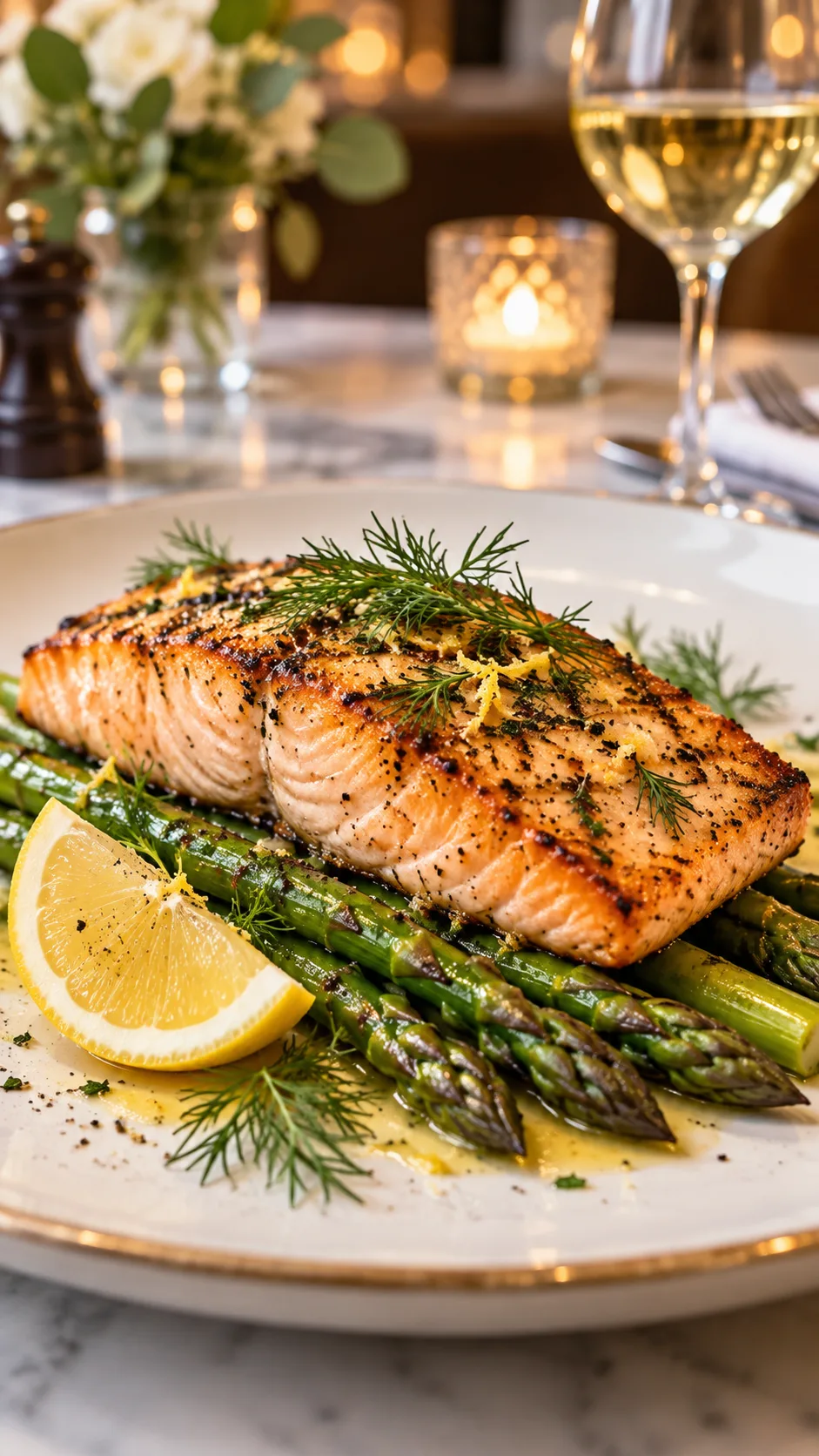
How to dine out without wrecking your progress
You do not need to become a culinary hermit. You simply need to navigate restaurant menus with assertive, polite strategies:
- Ask for Proteins Plain: Ask your server to have the kitchen grill your chicken, steak, or fish with olive oil and pepper only, without pre-mixed seasoning dust or finishing salt.
- Order Sauces and Dressings on the Side: Dip your fork tines into the dressing before grabbing a bite of salad rather than dumping the ramekin over the bowl.
- Beware of the Soups: Restaurant broths simmer for hours, often with salted bouillon bases. Avoid soups entirely when eating out.
- Request Steamed Veggies Without Finishing Butter: Most kitchens toss their steamed vegetables in salted garlic butter before plating. Ask for plain steamed veggies with a side of fresh lemon wedges.
- Skip the Bread Basket: Warm restaurant bread with salted butter can deliver 400 milligrams of sodium before your appetizer even arrives. Send it away immediately.
Your 4-step blueprint to finally get it right
Now that you know what traps to avoid, put an actionable plan into practice. You do not need complicated spreadsheets or depressing meals. Follow this four-step blueprint to lower your sodium intake safely, effectively, and permanently.
Step 1: Build a DIY low-sodium flavor station
Throw away the commercial spice mixes containing salt or monosodium glutamate as the primary ingredients. Stock your spice cabinet with intense, salt-free flavor boosters that make your mouth water naturally:
- Nutritional Yeast: Delivers a deep, savory, cheesy umami punch to popcorn, eggs, and pasta without boosting your sodium.
- Smoked Paprika: Adds warmth and a rich wood-smoke aroma to proteins, stews, and roasted potatoes.
- Granulated Garlic and Onion: Provides sharp, pungent aromatic depth to any savory recipe.
- Sumac: Delivers a tangy, lemony, tart flavor profile popular in Mediterranean cooking.
- Black, White, and Pink Peppercorns: Freshly cracked whole peppercorns hit your palate with crisp heat that distracts from low salt levels.
Step 2: Master the art of the rinse
Canned beans and vegetables save precious time, but they swim in salty packing liquid. Do not dump the entire can into your chili pot. Pour canned beans, chickpeas, and vegetables into a fine-mesh colander and rinse them under cold running water for a full two minutes. Rigorous testing proves that rinsing canned foods removes up to 40 percent of their surface sodium while preserving their fiber and micronutrients.
Step 3: Track for seven days only
Do not track your food forever, because continuous logging breeds anxiety and burnout. Instead, spend exactly seven days logging everything you eat into a smartphone app like Cronometer or MyFitnessPal. Read the labels honestly.
This week-long audit will expose your personal sodium hotspots. You will instantly discover whether your morning bagel, your afternoon protein bar, or your favorite salad dressing sabotages your efforts. Once you identify those culprit foods, replace them with low-sodium alternatives and delete the tracking app.
Step 4: Anchor every meal with fresh produce
The simplest way to lower your sodium intake requires zero math: fill half your plate with fresh, unadorned fruits and vegetables at every meal. Fresh produce contains virtually zero sodium and packs abundant water, fiber, and potassium. By crowding out processed foods with whole produce, you automatically slash your sodium intake without measuring a single gram.
Reclaiming your health one meal at a time
Adopting a low-sodium diet does not mean waving goodbye to delicious food forever. It simply demands that you transition away from the cheap, salty crutches of industrial food manufacturing and rediscover real culinary flavor.
Stop beating yourself up over the pinch of salt you add to your morning eggs. Redirect your focus toward fresh, whole foods. Load your grocery cart with potassium-rich produce, lean proteins, bright citrus fruits, and pungent herbs. Give your taste buds two short weeks to adapt to the change.
When you replace sodium-laden processed shortcuts with real, intentional cooking, your blood pressure drops, your energy returns, and your meals taste better than ever. Grab a fresh lemon, crank some black pepper over your skillet, and enjoy the real flavor of food again.