

You know that moment at 3pm when your stomach growls loud enough to embarrass you in a meeting? Yeah. That happens because your lunch had roughly the staying power of a paper napkin.
I spent years prepping sad little containers of rice and vegetables, then wondering why I raided the snack drawer by mid-afternoon. Willpower had nothing to do with it. The fix was protein, and a lot more of it than I thought I needed.
So here’s how to fix your week. Real recipes, real numbers, real food that still tastes good on day four.
Why protein is the one macro that shuts your hunger up
Protein triggers satiety hormones like GLP-1, peptide YY and cholecystokinin, and it suppresses ghrelin, the hormone that whispers “eat the entire bag of chips.”
Carbs and fat don’t do this nearly as well. A study in the American Journal of Clinical Nutrition found that raising protein to 30% of calories led people to eat about 441 fewer calories per day, with nobody telling them to cut back.
Ever wondered why the steak-and-eggs crowd never seems hungry? Hormones do that.
The thermic effect bonus
Your body burns roughly 20% to 30% of protein calories just digesting it. Carbs burn 5% to 10%. Fat burns a measly 0% to 3%.
So 100 calories of chicken nets you closer to 75. FYI, that won’t melt fat off you by itself, but it does stack up over a year.
How much do you need?
The official RDA sits at 0.8g per kg of bodyweight. That number keeps you from getting sick. It won’t keep you full or muscular.
- Sedentary, general health: 1.0 to 1.2g per kg bodyweight
- Active or lifting weights: 1.6 to 2.2g per kg (the International Society of Sports Nutrition backs this range)
- Losing fat while keeping muscle: Push toward the top, 2.0g or more per kg
- Adults over 60: Aim higher, around 1.2 to 1.6g, to fight muscle loss
Translation for a 75kg person: roughly 120 to 165 grams of protein a day. That’s 30g to 40g per meal across four meals. Suddenly that chicken breast salad looks a bit lonely, doesn’t it?
The rules I wish someone told me before I ruined 40 containers
I’ve made every meal prep mistake available to humanity. Rubber chicken. Soggy broccoli. A curry so aggressive my coworkers relocated.
Learn from my suffering. Follow these rules:
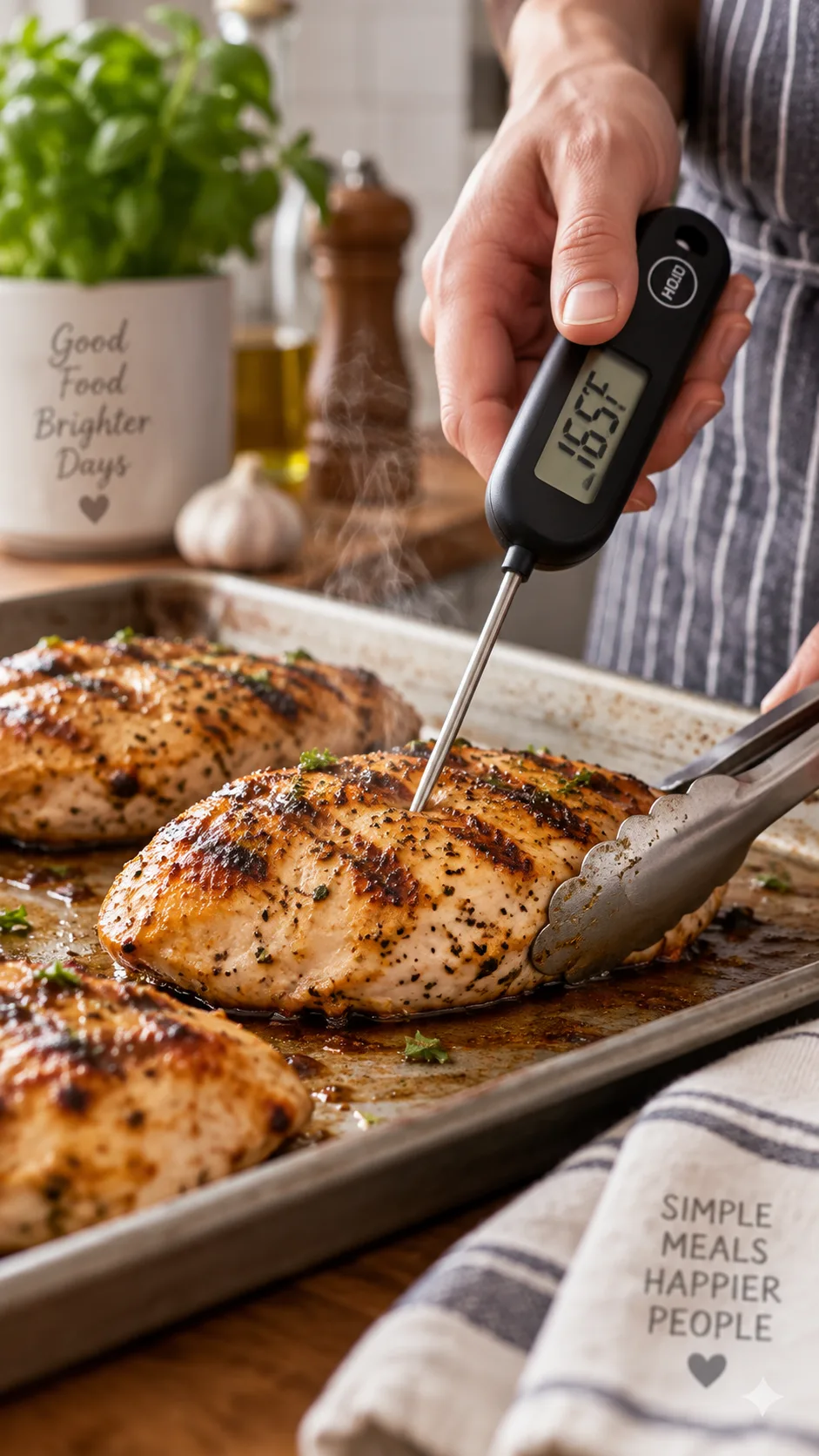
- Undercook proteins by 10%. Reheating finishes the job. Cook chicken to 160°F and let carryover heat take it to 165°F.
- Store sauces separately. Small condiment cups. Every single time. Sauce is what makes day-four food taste like day-one food.
- Cool food completely before sealing. Trapped steam gives you soggy everything plus a bacteria-friendly environment.
- Never prep more than 4 days of fridge meals. Days 5 through 7 go in the freezer. The USDA recommends 3 to 4 days for cooked leftovers, and I’d rather not test their patience.
- Rotate two proteins minimum. Eating the same chicken five days straight kills motivation faster than anything.
- Season aggressively. Cold food tastes blander. Your fridge mutes flavour, so overcompensate.
If you’re brand new to this whole thing, start with a simple framework. This beginner’s blueprint for weekly meal prep walks through the basics without overwhelming you.
Recipe 1: The bulletproof chicken burrito bowl (48g protein)
This is my Sunday default. It survives the fridge, it freezes fine, and nobody stares at your lunch weirdly.
What you need (per serving)
- 200g chicken thighs, boneless and skinless, 42g protein (thighs stay juicy; breast dries out by Wednesday)
- 150g black beans, drained, 9g protein
- 120g cooked brown rice or cauliflower rice
- Fajita seasoning: cumin, smoked paprika, garlic powder, chili powder, oregano
- Peppers, red onion, lime, fresh coriander
- Greek yogurt and lime crema stored separately, worth another 5g protein
The method
Toss chicken and vegetables in oil plus seasoning. Roast at 425°F for 22 minutes on a single sheet pan.
Build the bowls: rice at the bottom, then beans, chicken and peppers. The lime wedge and crema go in separate containers. Trust me on this.
Macros per bowl: about 520 calories, 51g protein, 42g carbs, 15g fat. That keeps a grown adult full for five hours. I tested it extensively, at a desk, grumpily.
Recipe 2: Greek yogurt egg bites that beat Starbucks (24g protein)
Store-bought egg bites cost $5 and deliver 19g of protein. Mine cost about 80 cents and deliver more. Ever done that math before? It stings.
Ingredients (makes 12 bites, 3 per serving)
- 10 whole eggs plus 4 egg whites
- 150g plain Greek yogurt (this is the texture secret, since it creates that custardy, sous-vide feel)
- 100g cottage cheese, blended smooth
- 120g shredded gruyère or sharp cheddar
- Turkey bacon, spinach, roasted red pepper
- Salt, pepper, pinch of nutmeg
How to do it
Blend the eggs, yogurt, cottage cheese and seasonings for 30 seconds. Stir in the fillings by hand so they don’t disintegrate.
Pour into a greased muffin tin, then bake at 325°F for 22 to 25 minutes in a water bath. The water bath stops them turning into rubber pucks.
They hold 5 days refrigerated and 2 months frozen. Microwave 40 seconds from cold. Breakfast solved.

Recipe 3: Korean-style beef and rice bowls (46g protein)
Lean ground beef gets a bad reputation it does not deserve. 93/7 ground beef packs 24g protein per 100g plus iron, zinc and B12 you won’t easily get elsewhere.
The build
- 180g lean ground beef (93/7), 43g protein
- Sauce: soy sauce, sesame oil, rice vinegar, gochujang, grated garlic and ginger, a teaspoon of honey
- Steamed jasmine rice or shirataki noodles
- Quick-pickled cucumber and shredded carrot
- One soft-boiled egg on top, 6g more protein
Brown the beef hard for colour, then add the sauce and reduce it for three minutes. Portion over rice and pack the pickles separately so they stay crunchy.
Pro tip: The pickled vegetables improve each day they sit. Rare win for meal prep, IMO.
Recipe 4: Sheet pan salmon with lemon dill chickpeas (44g protein)
Salmon brings protein plus omega-3s, which matter for inflammation and heart health according to the American Heart Association. They recommend two servings of fatty fish weekly, and meal prep makes that easy.
What goes on the pan
- 170g salmon fillet, 38g protein
- 150g chickpeas, roasted crispy, 9g protein
- Asparagus or green beans
- Lemon zest, fresh dill, olive oil, garlic
Roast the chickpeas and vegetables for 15 minutes first. Add the salmon, then finish for 10 to 12 more minutes at 400°F.
Reheating warning: Microwave salmon on 50% power for 90 seconds. Full power turns your fridge into a crime scene and your fish into chalk.
I eat this one cold over salad greens half the time. It works better than reheating.
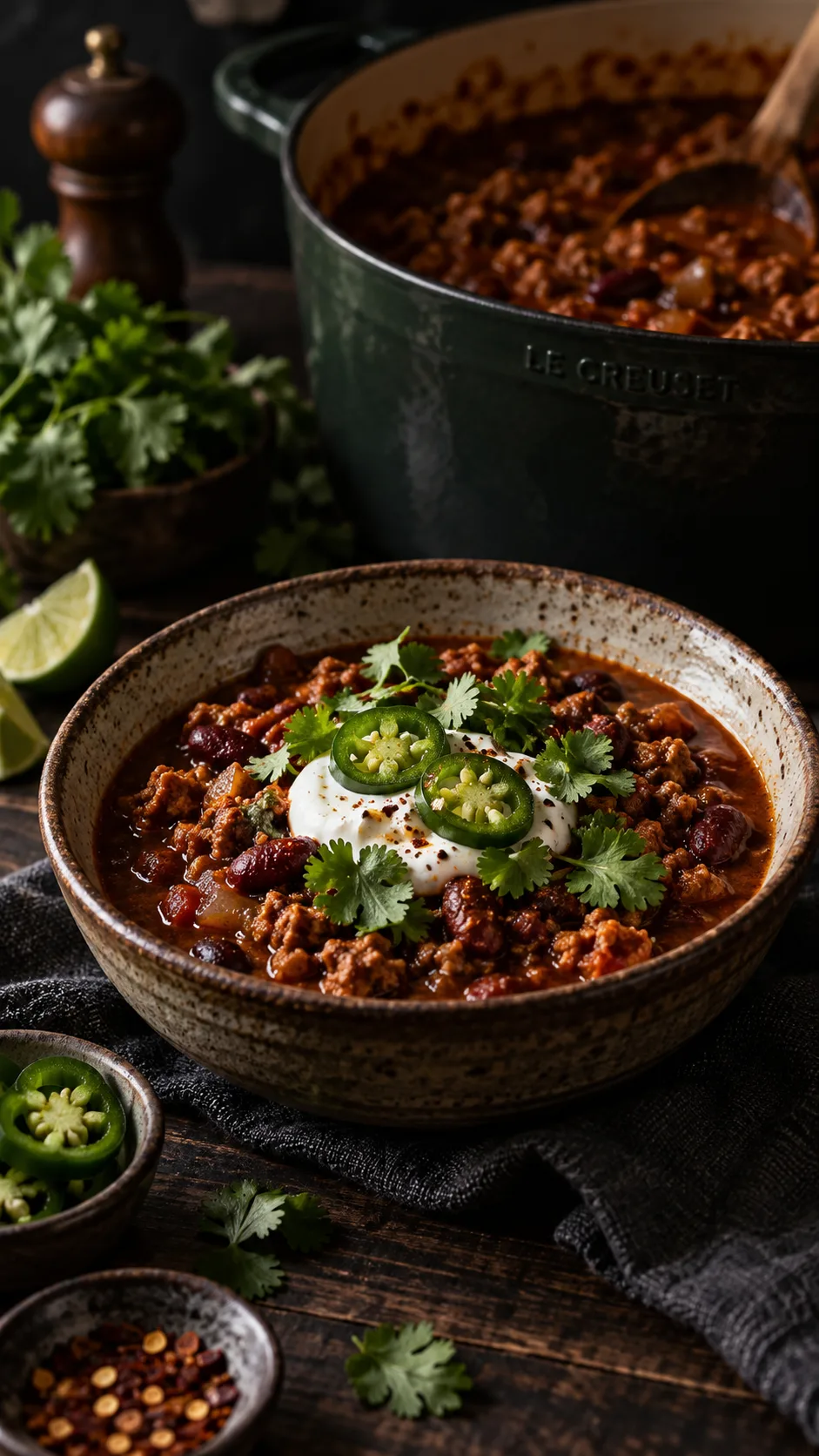
Recipe 5: The turkey chili that feeds you for five days (38g protein)
Batch cooking a chili gives you the best return on effort in meal prep. One pot, forty minutes, six portions.
The ingredients
- 900g lean ground turkey
- 2 cans kidney beans, 1 can black beans
- 1 can fire-roasted tomatoes plus 400ml passata
- Onion, bell peppers, 4 cloves garlic
- Spices: 3 tbsp chili powder, 2 tsp cumin, 1 tsp smoked paprika, 1 tsp oregano, ½ tsp cayenne
- Secret weapon: 1 tbsp cocoa powder and a splash of soy sauce for depth
Brown the turkey, soften the vegetables, add everything else, then simmer for 35 minutes. Top each bowl with Greek yogurt instead of sour cream for an extra 6g protein.
Chili freezes beautifully for three months. I keep four portions in the freezer permanently as insurance against lazy evenings.
The protein cheat sheet: know your numbers
Stop guessing. Here’s what each food delivers, per 100g cooked:
- Chicken breast: 31g protein, 165 cal
- Chicken thigh: 26g protein, 209 cal
- Lean ground beef (93/7): 26g protein, 182 cal
- Salmon: 25g protein, 208 cal
- Tuna (canned, water): 26g protein, 116 cal
- Shrimp: 24g protein, 99 cal
- Greek yogurt (0%): 10g protein, 59 cal
- Cottage cheese: 11g protein, 98 cal
- Lentils: 9g protein, 116 cal
- Tofu (firm): 17g protein, 144 cal
- Tempeh: 19g protein, 192 cal
- Eggs: 13g protein, 155 cal
Looking for options beyond the usual Western staples? This list of 36 high protein foods available in Nigeria covers affordable sources like moi moi, crayfish, ponmo and local beans that hit hard on protein per naira.
Plant-based? You’re not stuck with sad salads
Plant proteins need a bit more strategy, but they work fine. The trick is stacking sources instead of leaning on one.
The high protein vegan prep bowl
- 200g marinated baked tempeh, 38g protein
- 100g edamame, 11g protein
- 100g quinoa, 4g protein
- Tahini-miso dressing, shredded red cabbage, avocado
- Total: 53g protein per bowl
Press your tofu or tempeh, marinate it for at least 30 minutes, then bake at 400°F for 25 minutes. Under-seasoned tofu is why people think they hate tofu.
Fast plant protein boosters
- Hemp seeds: 10g per 3 tbsp, so sprinkle them on everything
- Nutritional yeast: 8g per ¼ cup, plus a cheesy flavour hit
- Seitan: 25g per 100g, the heavyweight champion
- Red lentil pasta: 25g per dry 100g serving
Watch how the pros batch cook
Reading about technique helps. Watching someone move through a real prep session helps more.
Your 90-minute Sunday game plan
Meal prep fails when it eats your entire afternoon. Here’s how I compress it:
- Minutes 0 to 10: Preheat the oven. Start rice or grains. Put a pot of water on for eggs.
- Minutes 10 to 25: Season and tray up two proteins. Chop vegetables while the oven heats.
- Minutes 25 to 55: Everything roasts. Meanwhile, mix sauces and dressings.
- Minutes 55 to 70: Simmer the chili or curry. Blend and bake the egg bites.
- Minutes 70 to 80: Cool everything on the counter. Don’t skip this.
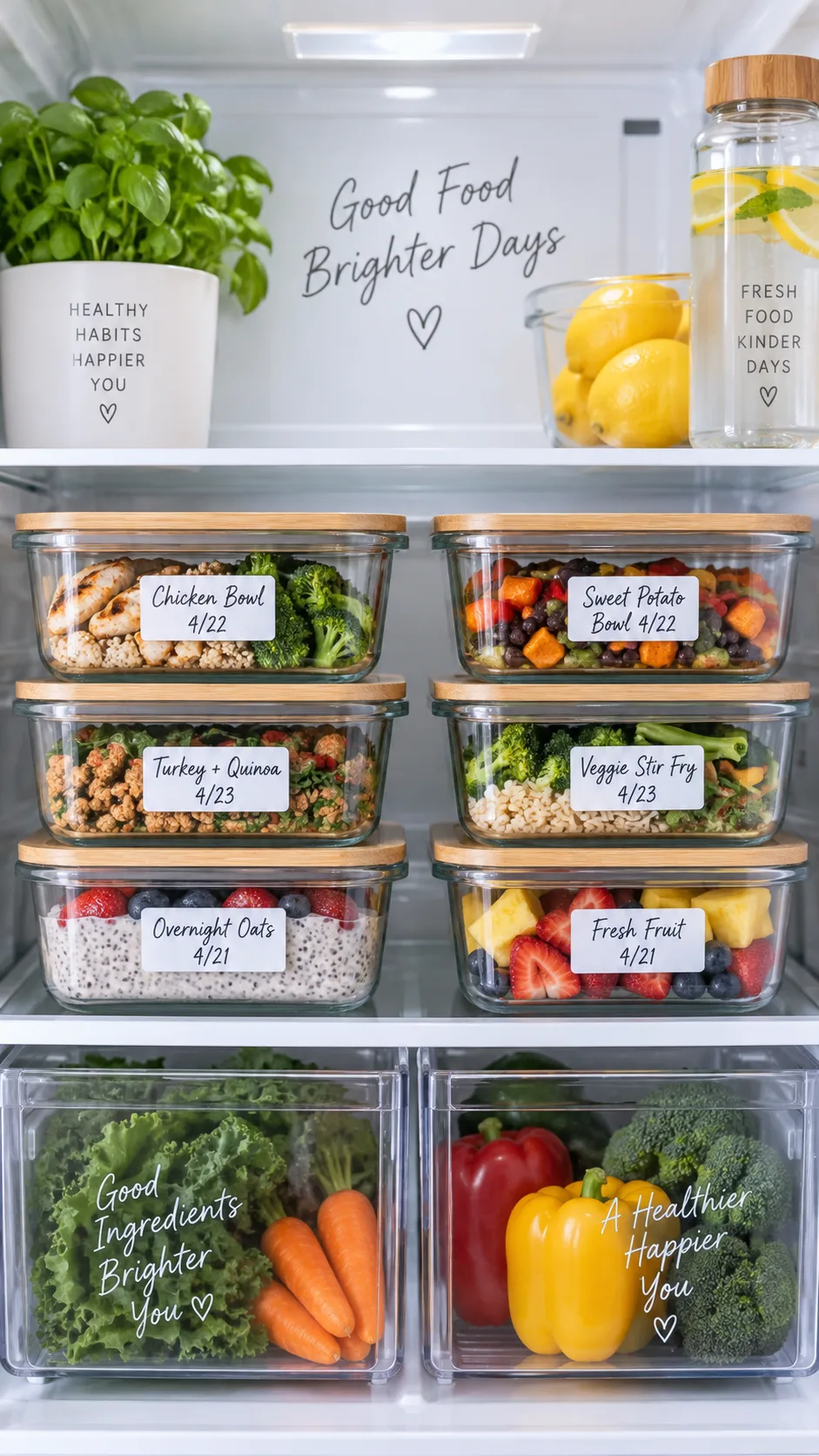
- Minutes 80 to 90: Portion, label with dates, stack in the fridge.
Label everything. Mystery containers become science experiments, and nobody wins that game.
If 90 minutes still feels like a lot, the lazy cook’s approach to healthy meal prep strips it down even further with fewer components and more shortcuts.
Troubleshooting: why your prep keeps failing
“I get bored by Wednesday”
Prep components, not complete meals. Cook plain protein, plain grains and plain roasted vegetables, then change the sauce daily. Monday it’s chimichurri, Tuesday peanut sauce, Wednesday tzatziki. Same base, totally different meal.
“Everything tastes dry”
Two causes: overcooking and reheating too hard. Add a tablespoon of water or broth before microwaving and cover the container with a damp paper towel. Steam saves dry chicken.
“I’m still hungry an hour later”
You’re probably short on protein and fibre. Pair 30g or more of protein with 8g or more of fibre per meal. Beans, lentils and vegetables do the heavy lifting there.
“It’s too expensive”
Buy chicken thighs over breast. Buy frozen fish. Buy dried beans and eggs. Canned tuna, eggs and lentils deliver protein for under $1 per 20g serving, which beats most protein bars on price and fills you up far better.
Food safety non-negotiables
Nobody talks about this until they’ve had a bad week. Don’t be that person.
- Cool cooked food to under 40°F within 2 hours. Spread it thin on a tray to speed it up.
- Cook poultry to 165°F, ground meat to 160°F, fish to 145°F. Own a thermometer. They cost $12.
- Reheat everything to 165°F before you eat it, not to “warm-ish.”
- Rice deserves respect. Cool it fast and eat it within 3 days. Bacillus cereus is real and unpleasant.
- Freeze at day 3 if you know you won’t eat it by day 4.
The bottom line
You don’t need a new diet. You need 30g to 45g of protein per meal, prepped in advance, with sauce on the side.
Start with two recipes this week. Not five. Pick the burrito bowls and the egg bites, because they forgive mistakes, they reheat well, and within three days they’ll show you how different your afternoons feel when your lunch holds.
The snack drawer will still be there. You just won’t care about it anymore.
Your move: block out 90 minutes this Sunday, pick two recipes above, and label every single container. Future you is going to be weirdly grateful.