

You know that friend who eats rice at every single meal, never steps into a gym, and still fits into the jeans they wore at university? There’s a decent chance that friend is Chinese. And no, they’re not hiding a stash of fat burners in the cupboard.
I spent a few months eating with a family in Guangzhou, and the thing that broke my brain wasn’t the food. It was the complete absence of diet talk. Nobody mentioned carbs. Nobody weighed chicken breast on a tiny scale. Yet the traditional Chinese diet has kept obesity rates low for generations, while the rest of the world panicked about bread.
So what are they doing that we’re not?
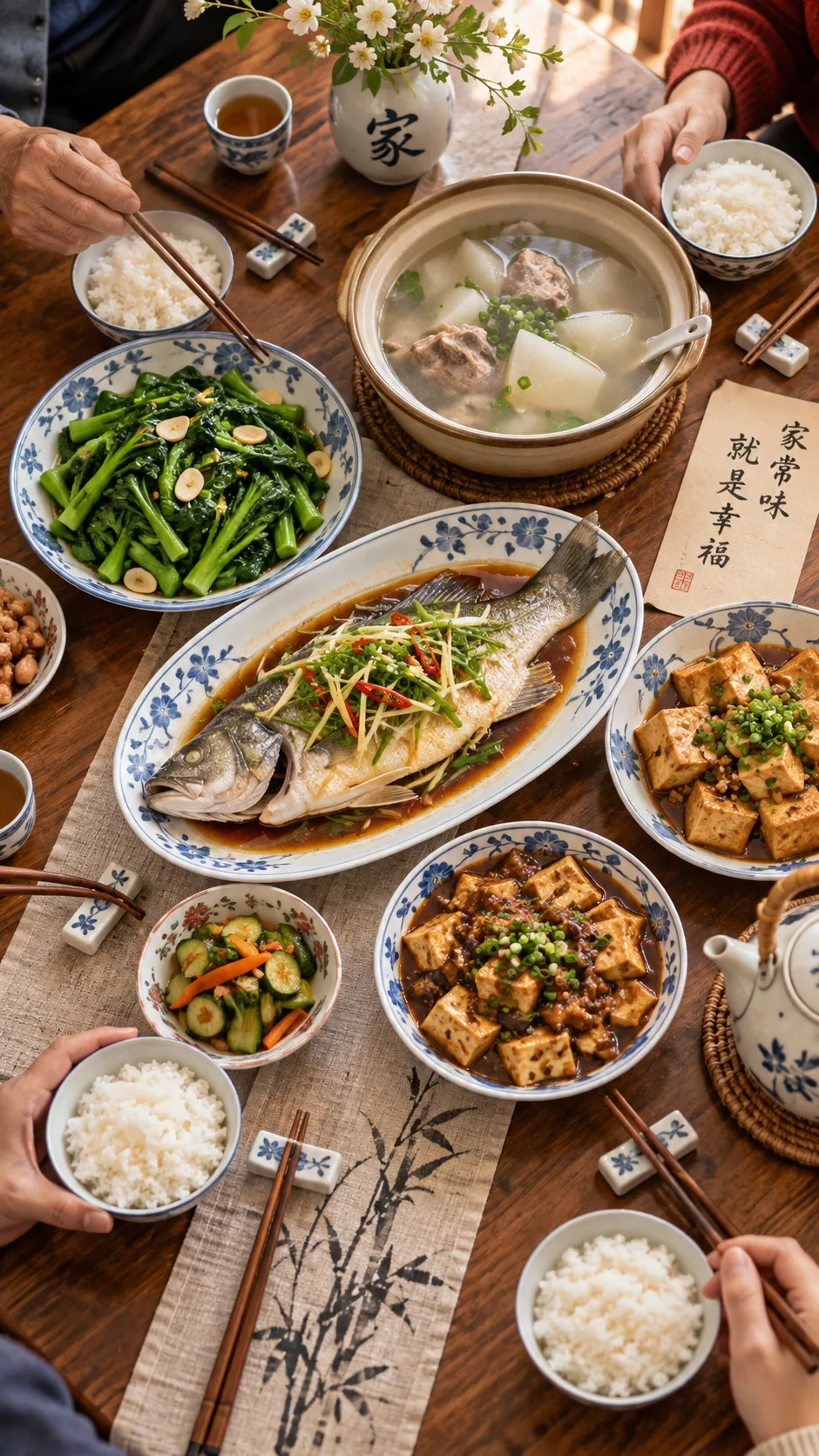
This isn’t a “diet,” and that’s the whole point
The Chinese diet plan works precisely because nobody in China thinks of it as a diet. It’s just dinner. It’s how the family eats on a random Tuesday.
Western diets come with a start date and an end date. You “go on” keto. You “come off” low-carb. Then you gain the weight back and repeat the cycle every January like clockwork. Sound familiar?
The traditional Chinese way of eating has no finish line, which is exactly why it sticks. Research published in peer-reviewed nutrition journals indexed on PubMed has repeatedly flagged traditional Asian dietary patterns as protective against obesity and metabolic disease. No magic ingredient does that work. The structure does.
The 7 core principles behind the Chinese diet plan
I’ve boiled the whole philosophy down to seven habits. Steal them all, or steal three. Either way, they work.
- Vegetables lead, protein supports, carbs fill the gap. A typical meal has two or three vegetable dishes and one small protein dish. That plate ratio flips everything Western dining teaches you.
- Everything gets shared. Dishes sit in the middle of the table. You take a few bites at a time with chopsticks instead of claiming an entire slab of meat.
- Soup shows up constantly. Clear broth before or during the meal fills your stomach with almost zero calories.
- Hot tea replaces sugary drinks. No liquid calories at all, which adds up to a huge difference over a year.
- Cooking happens fast and light. Steaming, blanching and quick stir-frying beat deep-frying and heavy cream sauces.
- Portions stay modest by design. Small bowls, small plates, chopsticks. The tools themselves slow you down.
- Dessert isn’t a daily event. Fresh fruit closes the meal. Cake belongs to birthdays.
Notice what’s missing? Nobody mentioned calories. Nobody mentioned macros. The system does the counting for you.
Why chopsticks are secretly a weight loss tool
This sounds like a joke, but the mechanics hold up.
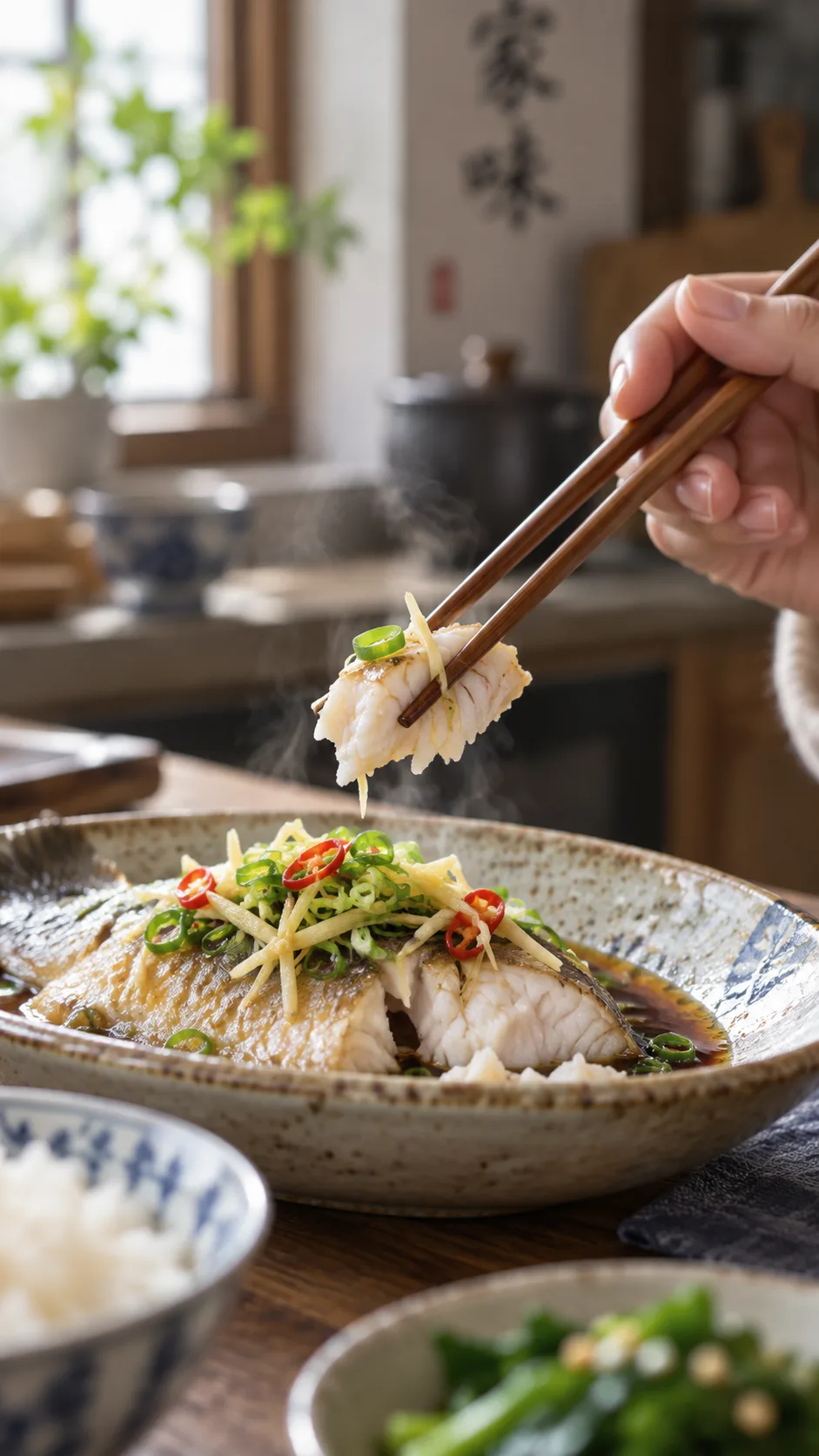
Chopsticks physically limit how much food you shovel in per bite. A fork carries maybe 25 to 30 grams. Chopsticks carry 8 to 10 grams if you’re skilled, and considerably less if you’re me on day one.
Your gut needs roughly 15 to 20 minutes to signal fullness to your brain through hormones like leptin and GLP-1. Eat fast and you blow past that window before the message arrives. Eat slowly with chopsticks and you stop at “satisfied” instead of “why did I do that.”
Ever wondered why you rarely see someone speed-eating with chopsticks? The tool sets the pace for you. IMO it’s the most underrated eating hack on the planet.
The soup trick that cuts calories without you noticing
In southern China especially, soup is non-negotiable. Cantonese families simmer broths for hours and serve them before the main meal.
The science backs the habit. Studies on preloading (eating a low-calorie, high-volume food before a meal) consistently show people eat less at that meal. Penn State researchers famously found that a broth-based soup starter cut overall meal calories by around 20%. Twenty percent. From soup. That’s free money.
What makes a good Chinese soup
- A clear broth base of chicken, pork bone or vegetable stock, with the fat skimmed off the top.
- Plenty of vegetables: winter melon, daikon, cabbage, mushrooms, corn.
- Almost no thickening. Skip the cornstarch-heavy versions you find at takeaway spots.
- Herbs and aromatics such as ginger, goji berries, spring onion and white pepper.
Real talk: the gloopy sweetcorn soup at your local takeaway does not count. That’s a sugar delivery system wearing a soup costume.
Rice: the carb everyone fears, and why it’s fine here
Let’s address the elephant. Chinese people eat rice daily and stay slim. Western diet gurus call rice the devil. Somebody’s wrong here.
The difference sits in context and portion. A traditional Chinese rice bowl holds about 150g to 200g of cooked rice, roughly a fist. It arrives alongside three vegetable dishes and some protein, so the rice works as a neutral base rather than the star.
Compare that to a Western “rice bowl” drowning in teriyaki glaze, fried chicken and mayo, weighing in at 900 calories. Same grain. Completely different outcome.
Smart rice upgrades
- Cook and cool your rice. Refrigerating cooked rice overnight increases resistant starch, which your small intestine doesn’t fully absorb. Fried rice made from day-old rice? Accidentally genius.
- Mix in brown rice, millet or barley. Northern Chinese households often blend grains for extra fibre.
- Serve rice last. Many families eat the dishes first and finish with rice, so they’re already half full by the time it lands.
If you want a similar carb-smart approach with local ingredients, this breakdown of Nigerian foods for weight loss applies the same logic to swallows, tubers and grains you already cook.
The vegetable volume game
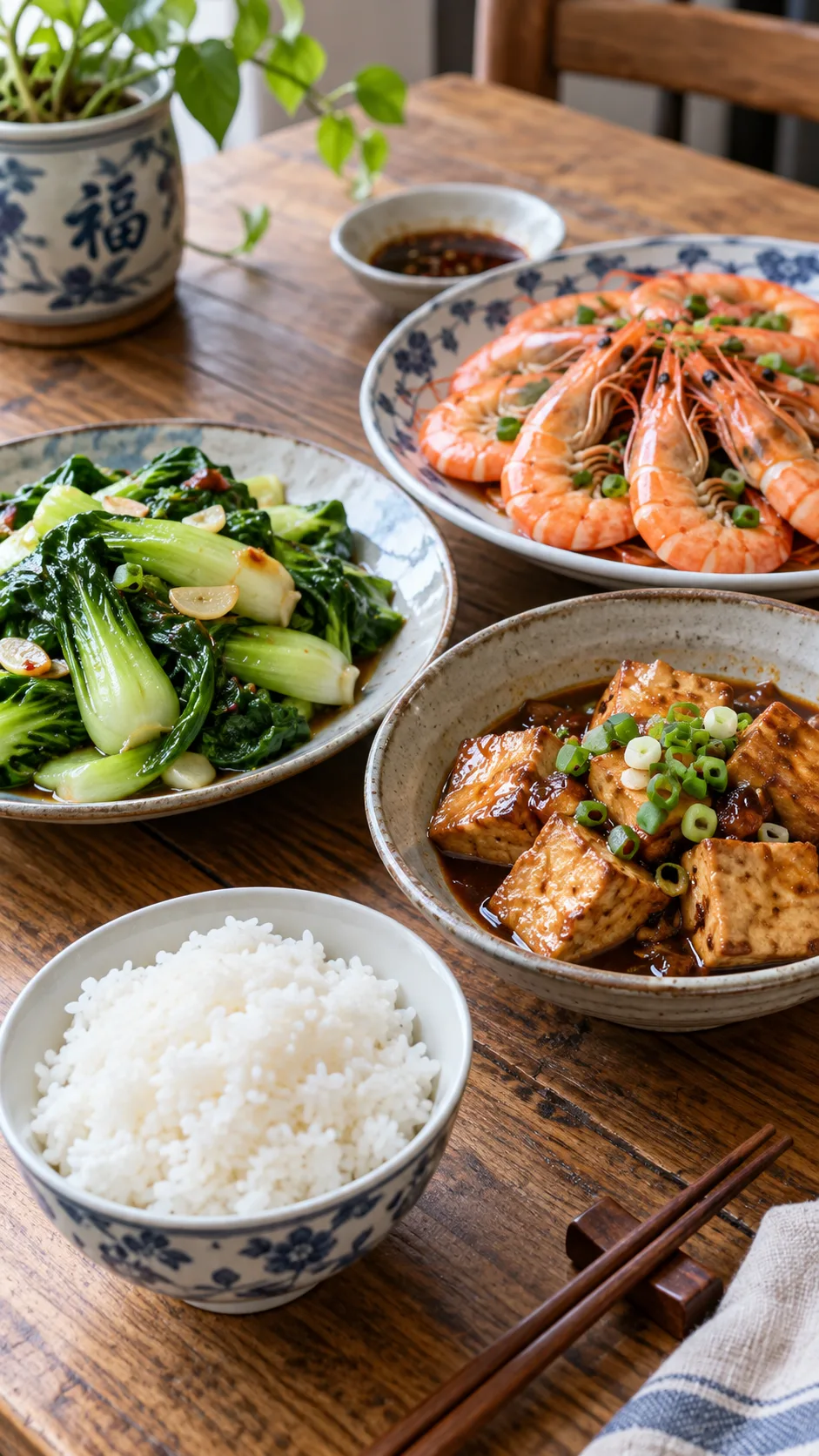
Here’s a number that shocked me: traditional Chinese diets deliver 300g to 500g of vegetables per person per day, often more. The World Health Organization recommends at least 400g daily, and most Western eaters miss it badly.
Volume alone isn’t the trick, though. It’s how they cook them.
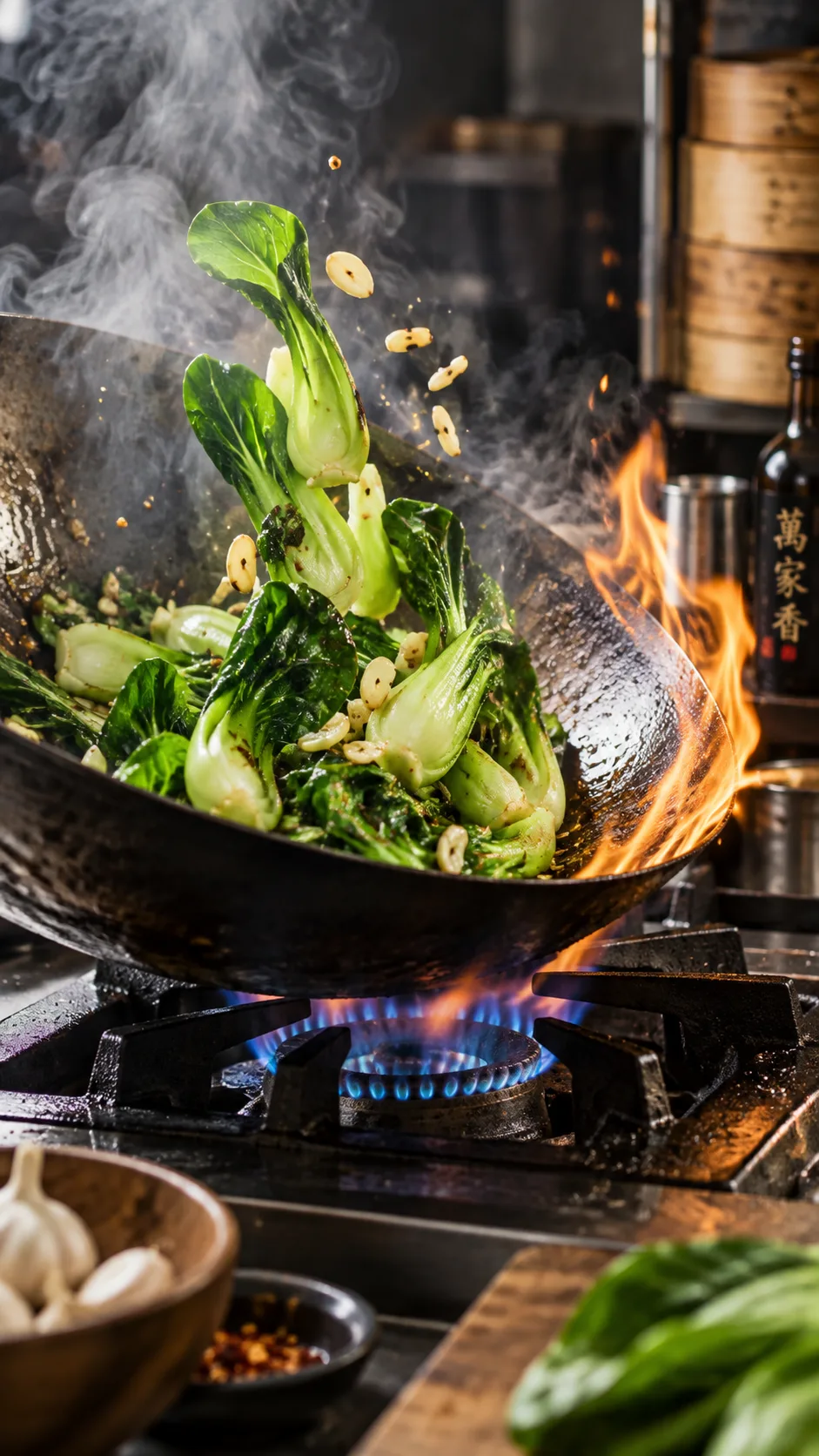
The three-minute stir-fry method
- Heat the wok until it’s screaming hot. Properly hot. Slightly smoking.
- Add one tablespoon of oil, no more. Groundnut, rapeseed or rice bran oil handles the heat well.
- Throw in garlic and ginger for 15 seconds. Don’t let them burn or you’ll taste bitterness all night.
- Add greens and toss hard for 90 seconds. Bok choy, gai lan, water spinach, cabbage, whatever’s cheap that week.
- Splash in a tablespoon of water or stock. It steams the vegetables and stops them catching.
- Season lightly with a splash of soy sauce and a pinch of white pepper. Done.
Total cooking time: under three minutes. Total calories: maybe 120 for a huge plate. Try getting that from a salad drowned in ranch dressing.
Tea culture: the zero-calorie habit that adds up
Walk into any Chinese home and someone hands you tea within 90 seconds. It’s practically law.
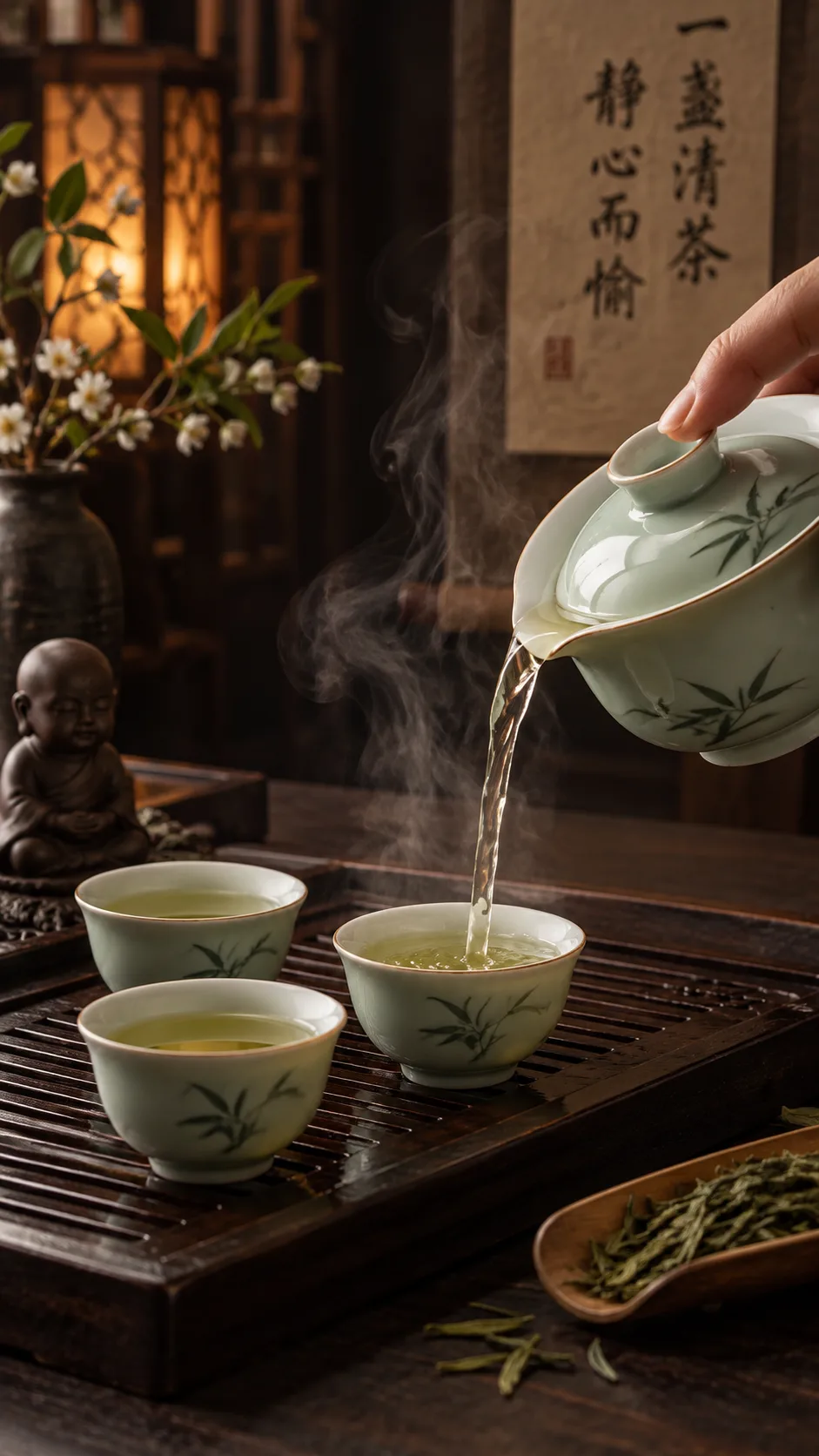
Green tea, oolong, pu-erh and jasmine all carry catechins and polyphenols linked to modest increases in fat oxidation. The research on green tea and metabolism shows real but small effects, roughly a 3% to 4% bump in energy expenditure. Nobody’s losing 10kg from tea alone.
The bigger win is replacement. Every cup of tea takes the place of a soft drink, a juice or a sugary latte. Swap two sugary drinks a day for tea and you cut roughly 250 to 300 calories daily without touching a single meal. Over a year that’s serious weight.
If you’re shopping locally, this guide to the best green tea brands for weight loss saves you from the overpriced rubbish on supermarket shelves.
Which tea for what
- Green tea has the highest catechin content and works best between meals.
- Pu-erh is fermented, and people traditionally sip it after fatty meals to help digestion.
- Oolong sits in the middle: gentle caffeine, easy on the stomach.
- Jasmine is mostly about flavour, but it makes plain water exciting.
One warning: avoid strong green tea on an empty stomach if you’re prone to acid reflux. Ask me how I know.
The 70% rule (chī qī fēn bǎo)
Chinese elders repeat a phrase: 吃七分饱, or “eat until you’re 70% full.” Japanese culture has a similar idea called hara hachi bu (80%).
This one habit might be the biggest reason the Chinese diet plan works without tracking apps. You stop before fullness, not after. You leave the table feeling light instead of needing a nap.
How to practise it
- Pause halfway through your meal for 60 seconds. Put the chopsticks down. Drink some tea.
- Ask yourself: “Could I comfortably walk 2km right now?” If the answer is yes, you’re around 70%.
- Serve yourself smaller amounts and go back if you need more. The second trip rarely happens.
- Stop when the food stops tasting amazing. Flavour fatigue is your body’s built-in signal.
This felt uncomfortable for about two weeks. Then my appetite recalibrated and giant portions started feeling gross. Your stomach adapts faster than you’d think.
A realistic day on the Chinese diet plan
Here’s what this looks like in practice, with no exotic ingredients and no three-hour prep.
Breakfast (7:00 AM)
- Congee (rice porridge) with shredded chicken, ginger and spring onion
- One boiled egg or a small portion of steamed greens
- Hot green tea
Congee is warm, filling and costs almost nothing. Need alternatives? These weight loss breakfast ideas follow the same warm-and-filling principle.
Lunch (12:30 PM)
- Small bowl of rice (one fist)
- Steamed fish with ginger and soy
- Stir-fried bok choy with garlic
- Clear winter melon soup
Afternoon (3:30 PM)
- A handful of roasted peanuts or a mandarin orange
- More tea (obviously)
Dinner (6:30 PM)
- Soup first, always
- Braised tofu with mushrooms
- Stir-fried cabbage with a few slices of pork
- Half a bowl of rice
- Fresh fruit to finish
Rough calorie total? Somewhere between 1,500 and 1,800. And nobody counted a single one of them.
Notice the early dinner too. Eating before 7 PM gives your body a natural overnight fast of 12 hours or more, which overlaps neatly with the intermittent fasting schedule approach if you want to formalise it.
Where the modern Chinese diet goes wrong
Time for honesty. China’s obesity rate has climbed sharply over the past two decades, and the reasons aren’t mysterious.
- Western fast food exploded across urban centres.
- Sugary bubble tea became a daily habit for young people, and some drinks pack 60g of sugar.
- Fried, heavily oiled restaurant dishes pushed out light home cooking.
- Ultra-processed snacks flooded convenience stores.
The Lancet Diabetes & Endocrinology has published extensive work tracking this shift. So when I say “Chinese diet,” I mean the traditional, home-cooked version, not the neon-sauced sweet and sour chicken balls from your local takeaway.
What Chinese restaurant food gets wrong (and how to order better)
Takeaway Chinese food in the West barely resembles what people eat in Chinese homes. Kitchens engineer it for Western palates: sweeter, fattier, saltier.
Order these
- Steamed fish or steamed dumplings
- Stir-fried greens with garlic
- Hot and sour soup or clear broths
- Braised tofu dishes
- Plain steamed rice
Skip these
- Anything labelled “crispy,” “battered” or “sweet and sour”
- General Tso’s and orange chicken, which are basically candy on meat
- Heavy egg-fried rice as your main carb
- Prawn crackers (I know, I’m sorry)
Common mistakes people make copying this plan
- Drowning everything in soy sauce. Sodium bloat is real. One tablespoon holds nearly 900mg of sodium, so use it as seasoning rather than sauce.
- Treating stir-fry as an oil bath. One tablespoon per dish. That’s it.
- Eating Western portions of Chinese food. The principles fall apart if you pile a dinner plate high.
- Skipping the vegetables. Rice and meat alone isn’t the Chinese diet. It’s a meal missing its point.
- Expecting overnight results. This is a slow, boring, permanent system. That’s the feature, not the bug.
The bottom line
The Chinese diet plan doesn’t work because of an exotic herb or an ancient secret. It works because it removes the need for willpower entirely.
Small bowls and slow tools, vegetables at every meal, soup before the main event, tea instead of soda, and a hard stop at 70% full. Six habits, and none of them need an app or a subscription.
FYI, you don’t need to eat Chinese food to use Chinese principles. Apply the 70% rule to jollof rice. Serve soup before your pasta. Fill half your plate with vegetables whatever the cuisine. The structure travels; the ingredients are optional.
My honest advice? Pick one habit this week. Just one. Drink tea instead of soft drinks, or start every dinner with soup. Prove to yourself it works, then stack the next habit on top.
Because the best diet plan isn’t the one that burns the most fat in 30 days. It’s the one you’re still doing in 30 years, and roughly a billion people have already tested this one for you.