

You know that hollow feeling at 3:00 PM during a two-hour lecture. Your stomach growls loud enough for the entire hall to hear. You already spent your remaining flex points on greasy cafeteria pizza, and your bank account balance sits at $4.12.
Most college students assume cheap eating means living on salty instant ramen packs and fast-food value menus. That routine leaves you tired, hungry, and broke. You deserve fuel that supports your brain and protects your wallet.
Cooking good food does not require culinary training or an expensive kitchen with specialty gear. You can prep a full week of high-protein meals for less than the price of two takeout deliveries. You will cut food waste, keep your cash, and build lunches that keep you satisfied until dinner.
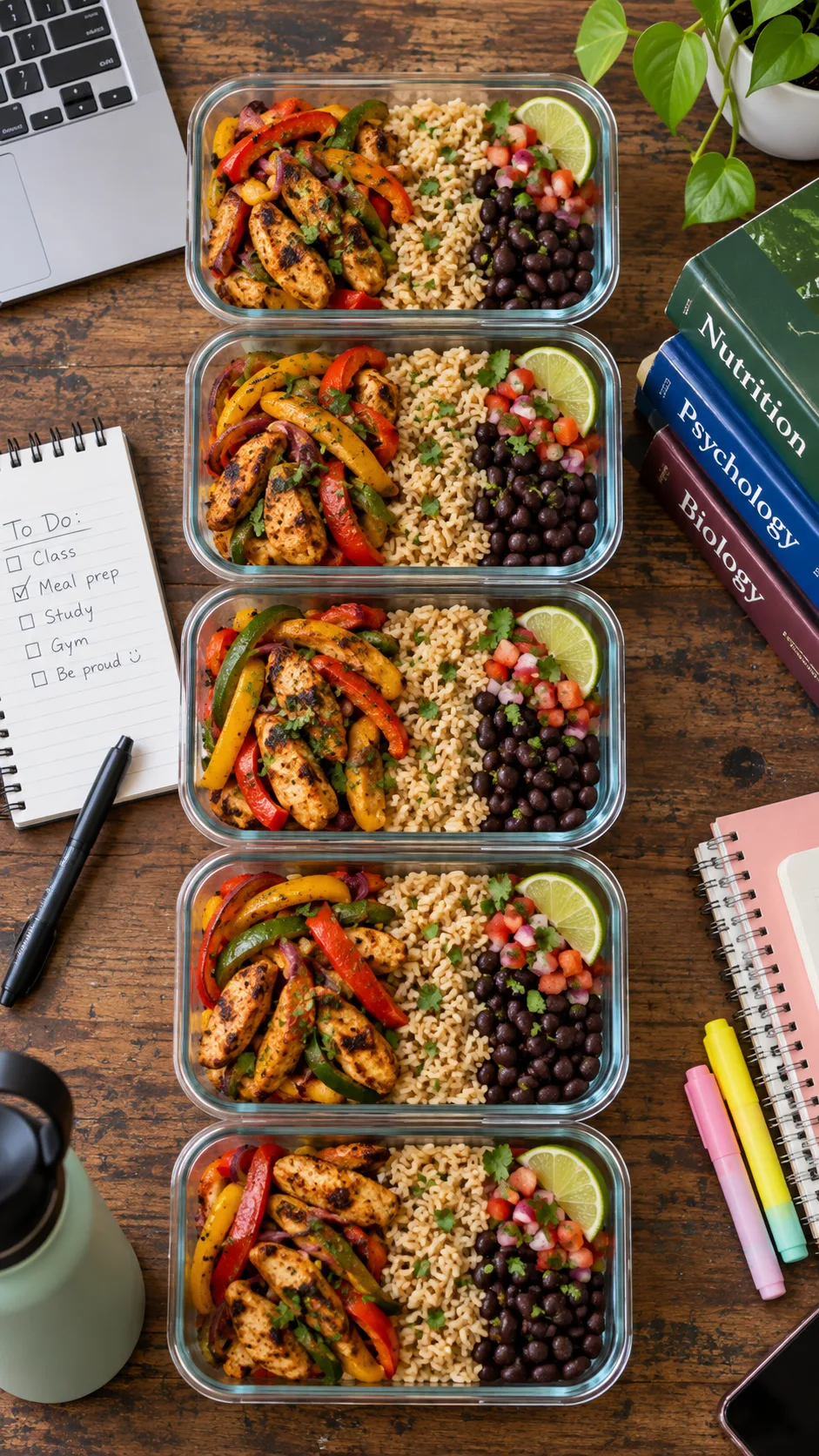
The college hunger trap: why cheap food leaves you starving
A huge bowl of instant noodles fills you up for thirty minutes before hunger returns with a vengeance. Refined carbohydrates quickly spike your blood sugar, and then your energy crashes. Processed convenience food lacks substance.
If you want steady stamina through midterms, build meals with lean protein, slow-digesting complex carbohydrates, and healthy fats. Protein triggers satiety hormones like peptide YY and GLP-1. Dietary fiber slows gut transit, while fat delays stomach emptying so your lunch stays with you.
Nutritional guidelines from the Harvard T.H. Chan School of Public Health show that pairing quality protein with fiber-dense whole grains stabilizes blood glucose and maintains energy during long study blocks. When you balance these macronutrients, you drop the urge to buy vending machine snacks between classes.
Campus dining hall grease also tears up your digestive tract. Students often turn to bland routines like the classic BRAT diet after an upset stomach, but prepping whole ingredients rich in natural fiber prevents those issues from the start.
Dorm and shared kitchen essentials: minimal gear that works
You do not need an enameled Dutch oven or an expensive stand mixer. You can manage weekly prep in a tight dorm setup or an apartment kitchen using five basic tools.
- One heavy baking sheet: Roast vegetables, bake seasoned chicken breasts, and crisp chickpeas on this single pan.
- A 12-inch skillet: Fry eggs, cook ground turkey, brown quesadillas, and stir-fry greens in a dependable non-stick or cast-iron pan.
- A sharp 8-inch chef knife: Dull blades slip on produce and cause finger cuts. Buy an inexpensive, sharp knife alongside a plastic cutting board.
- A large 4-quart pot: Boil pasta, simmer bean chili, and cook grains like brown rice and lentils in bulk.
- A 10-pack of reusable containers: Glass or BPA-free plastic tubs with snap lids keep your food fresh and prevent leaks inside your backpack.
If your room lacks a stove, grab an electric burner or a two-tier rice cooker. A simple $20 rice cooker steams broccoli and chicken in the top basket while cooking grains in the bottom bowl without any hands-on monitoring.
The $35 weekly grocery strategy: shop with a plan
Walking into a grocery store without a written list leads straight to impulse buys. You drift through the aisles, pick up overpriced brand-name snacks, drop $80 at the register, and leave without enough food to make three complete dinners. Shop with intent instead.
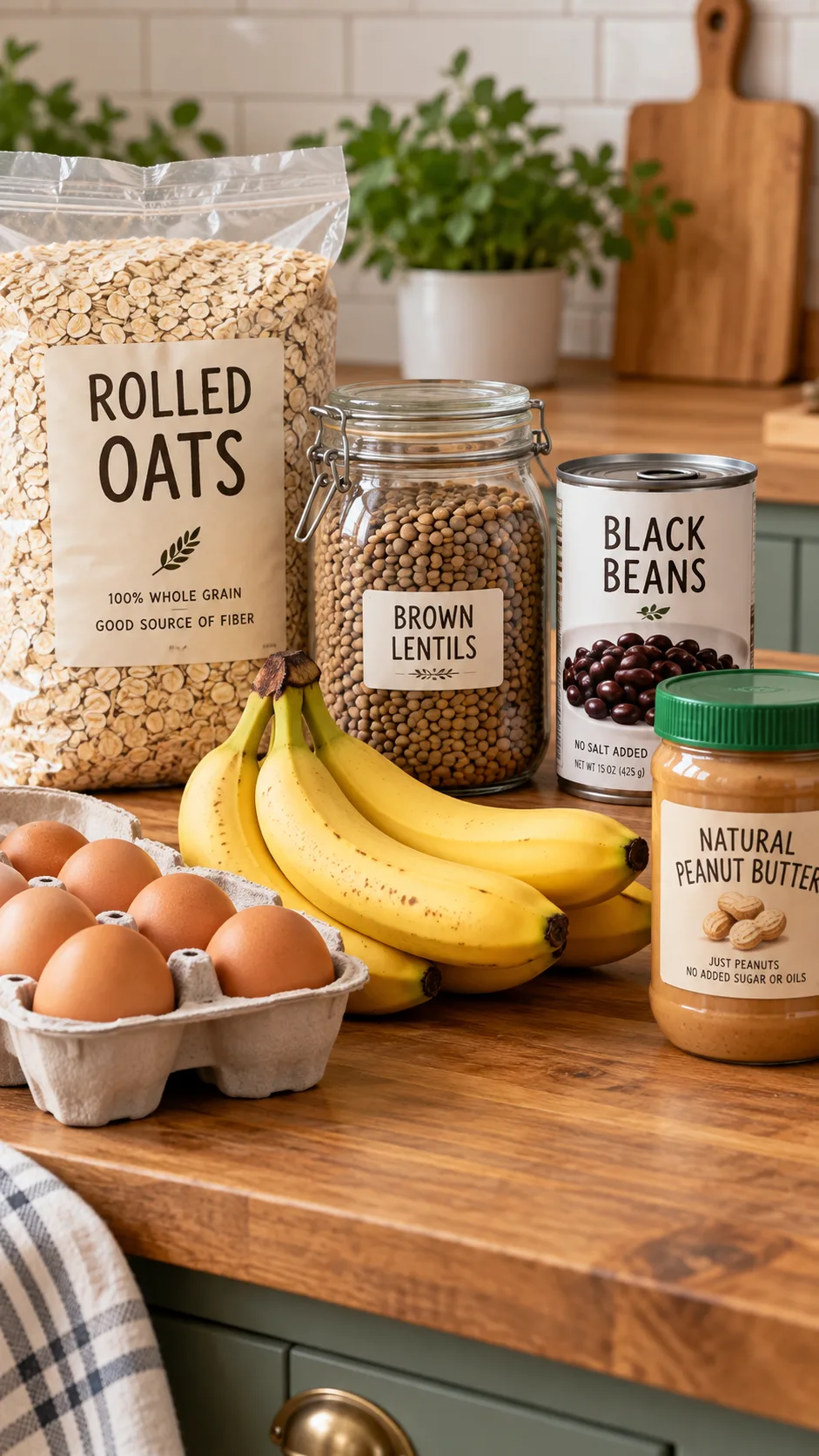
Experienced student cooks build their carts around inexpensive, dense foundation foods. These core ingredients fill you up, deliver solid nutrition, and stay fresh in your cupboards for weeks.
Everyday foundation foods
- Dry brown rice and rolled oats: A five-pound sack of rice costs pennies per serving and anchors savory bowls. Rolled oats provide filling, soluble fiber every morning.
- Canned and dry legumes: Black beans, chickpeas, and brown lentils provide plenty of plant protein and fiber for under a dollar a can.
- Eggs: Eggs offer affordable, complete protein. Keep two cartons in your fridge at all times.
- Frozen vegetables: Fresh greens often rot in the bottom drawer before you cook them. Frozen broccoli florets, peas, and green beans retain vitamins and stay good for months.
- Block cheese and peanut butter: Buy cheddar in blocks and shred it by hand to cut costs compared to bagged shreds. Peanut butter delivers quick calories and healthy fats.
- Budget animal proteins: Pick up chicken thighs, canned tuna, or ground turkey whenever your store marks them down.
Check the unit price printed in small font on the shelf tag. That number shows the true cost per ounce. Name brands charge extra for fancy labels, while the store brand on the bottom shelf gives you the identical ingredient for less.
5 cheap recipes to keep you full all week
These five reliable recipes produce flavorful food without demanding hours in the kitchen. Each recipe yields several servings, relies on basic ingredients, and keeps total costs under $3.00 per plate.
1. Sheet-pan chicken fajita bowls
This quick tray dinner takes thirty minutes of real effort and yields four filling lunches that fight off afternoon fatigue.
Cost per serving: ~$2.40 | Yield: 4 hearty meals
- 1.5 lbs chicken breast or boneless thighs, sliced into strips
- 3 bell peppers, sliced
- 1 large red onion, sliced
- 2 tablespoons cooking oil
- 1 packet fajita seasoning
- 2 cans black beans, rinsed and drained
- 3 cups cooked brown rice
- 1 fresh lime, quartered
Preheat your oven to 400°F (200°C). Scatter the chicken strips, peppers, and onions across your baking sheet. Drizzle with oil, sprinkle the seasoning, and toss everything together. Spread the ingredients out so the heat browns the edges. Roast for 25 minutes until the chicken reaches an internal temperature of 165°F.
Set out four meal containers. Add three-quarters of a cup of cooked brown rice to each container. Scoop half a can of rinsed black beans alongside the rice, then pile the roasted fajita chicken and peppers on top. Finish with a squeeze of fresh lime juice and seal the lids. If you follow a structured high-protein meal plan to stay energized, this bowl meets your daily targets easily.
2. 15-minute sweet potato, chickpea, and peanut curry
This warm stew fills your apartment with comforting aroma, provides a rich texture, and delivers generous fiber that staves off hunger throughout long evenings.
Cost per serving: ~$1.85 | Yield: 4 servings
- 2 medium sweet potatoes, peeled and cut into half-inch cubes
- 2 cans chickpeas, drained and rinsed
- 1 can (13.5 oz) coconut milk
- 1/3 cup creamy peanut butter
- 2 tablespoons yellow curry powder
- 3 cups fresh or frozen spinach
- 1 tablespoon soy sauce
- Cooked jasmine rice for serving
Warm a tablespoon of oil in your pot over medium heat. Add the sweet potato cubes and sauté for five minutes. Stir in the curry powder until the spices coat the sweet potatoes and release their fragrance.
Add the coconut milk, peanut butter, rinsed chickpeas, and soy sauce. Whisk gently until the peanut butter dissolves into a smooth liquid. Turn the burner down, cover the pot, and simmer for 15 minutes until the sweet potatoes turn tender. Fold in the spinach during the final two minutes so it wilts directly into the sauce. Spoon this thick curry over warm rice.
3. Chocolate peanut butter overnight oats
Early classes leave little time to cook eggs before an exam. Mix these jars on Sunday night, grab one from the fridge on your way out the door, and eat breakfast during your morning commute across campus.
Cost per serving: ~$1.10 | Yield: 4 grab-and-go breakfasts
- 2 cups rolled oats
- 2 cups milk of choice
- 1/2 cup plain Greek yogurt
- 4 tablespoons peanut butter
- 2 tablespoons unsweetened cocoa powder
- 2 tablespoons chia seeds
- 2 tablespoons maple syrup or honey
Set four jars or small tubs on your counter. Place a half-cup of rolled oats, half a tablespoon of chia seeds, and half a tablespoon of cocoa powder into each container. Add two tablespoons of Greek yogurt, one tablespoon of peanut butter, a drizzle of syrup, and a half-cup of milk.
Stir each container thoroughly with a fork until you blend the cocoa and peanut butter into the liquid. Fasten the lids and place the jars in your refrigerator overnight. The oats absorb the liquid into a thick pudding that tastes rich while giving you long-lasting morning fuel.
4. Freezer turkey and black bean burritos
Late-night study sessions make drive-thrus look tempting when exhaustion sets in. Skip the drive-thru lines by keeping your own burritos ready in the freezer.
Cost per serving: ~$1.60 | Yield: 6 large burritos
- 1 lb lean ground turkey
- 1 can black beans, rinsed and drained
- 1 cup frozen corn
- 1 packet taco seasoning
- 1.5 cups shredded cheddar cheese
- 1 cup cooked rice
- 6 large flour tortillas
- Foil and parchment paper
Brown the ground turkey in your skillet over medium-high heat. Drain any grease from the pan. Stir in the taco seasoning, half a cup of water, the black beans, and the corn. Simmer for five minutes until the liquid reduces and glazes the meat.
Heat your tortillas in the microwave for twenty seconds so they fold without tearing. Place two spoonfuls of cooked rice in the center of each tortilla, add a large scoop of the turkey filling, and sprinkle cheese over top. Fold the sides inward, roll the tortilla tightly, wrap it in parchment paper, and finish with a layer of aluminum foil.
Stack all six wrapped burritos in your freezer. When hunger hits late at night, peel off the foil, wrap the burrito in a damp paper towel, and run the microwave on high for two minutes. Crisp both sides in a hot dry skillet for two minutes to produce a crunchy shell. This meal satisfies big appetites while keeping you aligned with your healthy muscle-building nutrition goals.
5. Mediterranean tuna and brown lentil salad
When you spend all day on the third floor of the campus library without a microwave, pack a cold lunch that tastes great directly from your bag.
Cost per serving: ~$1.75 | Yield: 3 lunches
- 2 cans chunk light tuna, drained
- 1 can brown lentils, rinsed and drained
- 1 English cucumber, diced
- 1 pint cherry tomatoes, halved
- 1/4 cup crumbled feta cheese
- 3 tablespoons olive oil
- 2 tablespoons red wine vinegar
- Salt, black pepper, and dried oregano
Whisk the olive oil, red wine vinegar, salt, pepper, and oregano together in a large mixing bowl. Add the drained lentils, chopped cucumber, tomato halves, and crumbled feta. Flake the drained tuna over the mixture with a fork.
Stir everything together until the vinaigrette coats the ingredients. Distribute the salad across three containers. The lentils absorb the dressing without softening too much, while the fresh cucumber provides crunch. You get plenty of lean protein and steady carbs with no cooking required.
Watch: student meal prep walkthrough
See how experienced college cooks set up their counters, divide their prep tasks, and hold their grocery spend under $30 per week.
The Sunday 90-minute batch cooking workflow
Cooking one recipe at a time wastes precious weekend hours. Commercial kitchens manage multiple pans at once so everything wraps up within an hour and a half.
Use this schedule next Sunday afternoon:
- Minutes 0 to 10: Set your oven to 400°F. Rinse two cups of brown rice, drop it into your pot with water, cover with a tight lid, and let it simmer on low heat.
- Minutes 10 to 25: Chop your produce and proteins on your cutting board. Slice the peppers, onions, chicken, and sweet potatoes. Cut your vegetables first, then slice your chicken last to save cleaning time.
- Minutes 25 to 50: Slide the fajita tray into the oven. Brown your ground turkey in the skillet while the chicken bakes. Mix your overnight oat jars directly on the open counter space.
- Minutes 50 to 70: Remove the fajita sheet pan so it cools. Simmer your sweet potato curry on the empty stove burner. Roll and foil-wrap your turkey burritos while the curry cooks down.
- Minutes 70 to 90: Pack your containers. Divide your rice, chicken, curry, and cold salads into your storage boxes. Wash your cookware, wipe down the prep surface, and pack your fridge.
You finish meals for the upcoming school week before your housemates even start their Sunday routine.
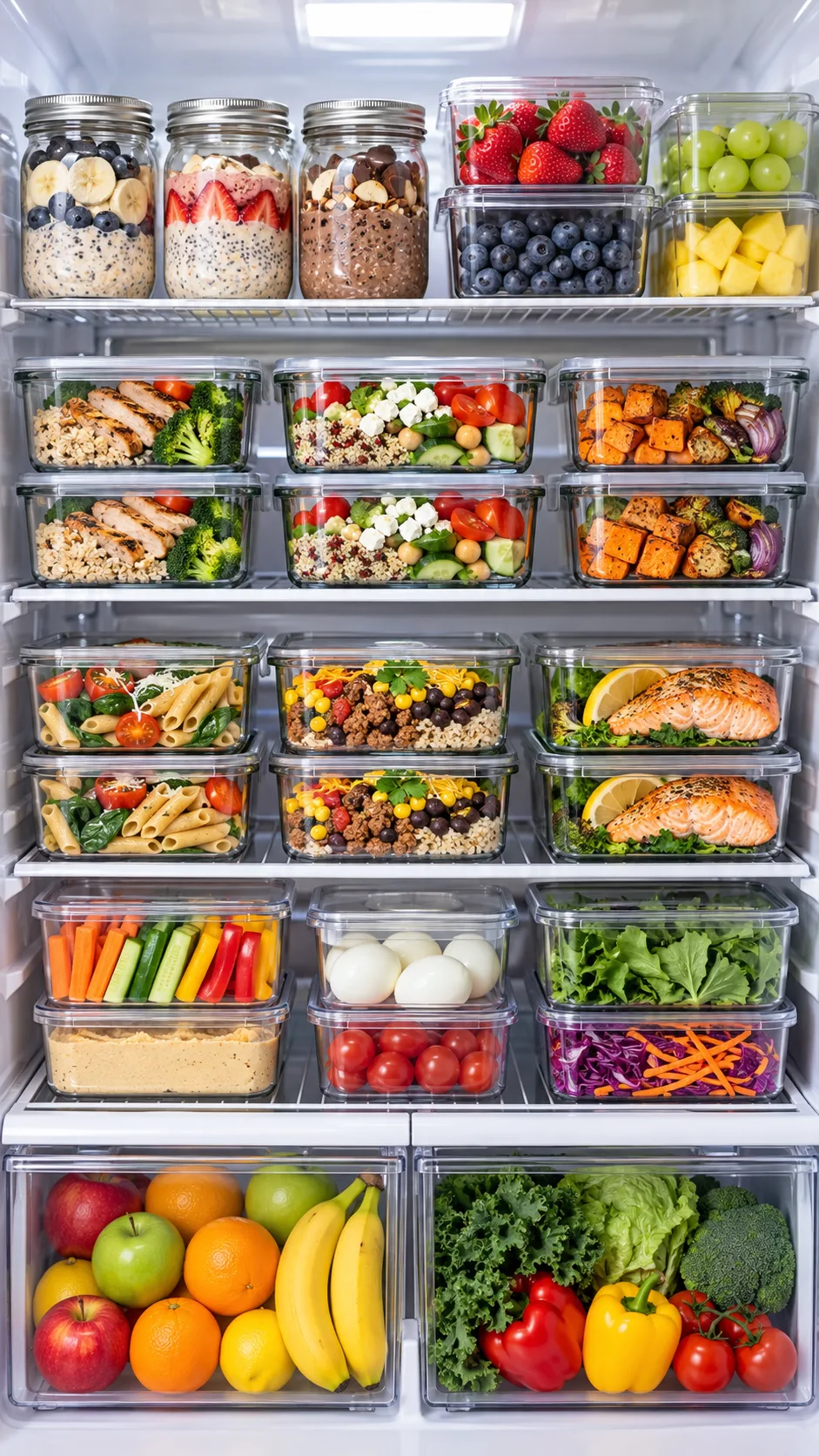
How to avoid prep boredom: three simple sauces
Eating identical flavors five days in a row ruins your motivation. You abandon your prepped containers by Thursday, throw out dry chicken, and spend twenty dollars ordering takeout. Repetitive flavor burns people out faster than cooking time does.
Fix this problem without cooking separate entrees: prep neutral base ingredients, then change the sauce. Plain chicken, black beans, and brown rice take on completely different qualities when you switch your dressing.
- Spicy sriracha lime mayo: Whisk 3 tablespoons of light mayo with 1 tablespoon of sriracha, fresh lime juice, and garlic powder. Drizzle this over your chicken and rice bowls.
- Smoky chipotle Greek yogurt crema: Puree a half-cup of plain Greek yogurt with one canned chipotle pepper and a pinch of salt. This sauce adds extra protein and rich smoke to your burrito bowls.
- Garlic ginger soy glaze: Simmer 3 tablespoons of soy sauce with 1 teaspoon of honey, freshly grated ginger, and sesame oil for two minutes. Spoon this sauce over roasted vegetables and chicken.
Keep your sauces in small separate jars. Never pour dressing over the entire batch on Sunday afternoon. Add the sauce right after you reheat your lunch so your food stays crisp and fresh all week.
Food safety basics: keep your meals fresh
Foodborne illness during finals week destroys your study plans. Follow basic food safety habits so your prepped lunches stay fresh and appetizing.
Guidelines from the USDA Food Safety and Inspection Service state that you must refrigerate cooked items within two hours. Bacteria multiply fast between 40°F and 140°F. Let your hot food cool for fifteen minutes on the counter, then place it into the refrigerator.
Follow the four-day fridge rule: eat cooked meat, seafood, and dairy meals within four days. If you prep on Sunday, eat your refrigerated boxes by Thursday. Put your Friday portions straight into the freezer on Sunday, then shift them down to the fridge on Thursday morning to thaw.
When you reheat food in a dorm microwave, splash a teaspoon of water across the rice or chicken and cover the dish with a paper towel. The trapped steam loosens the rice and keeps the poultry tender instead of rubbery.
Your 7-day college meal prep action plan
You have everything you need to save money every month and eat better food than the dining hall serves. Good prep habits protect both your budget and your health long after graduation.
Pick two recipes from this list today. Grab a grocery tote, visit the supermarket this weekend, and take control of your weekly food schedule. Both your schedule and your bank account will thank you.