

You know the feeling. It hits at 7:15 on a Tuesday night. You stand before an open refrigerator, staring into the glare at half an onion, expired salsa, and a bottle of mustard. Hunger gnaws at your ribs, your tank sits on empty, and takeout apps call out from your pocket.
You drop thirty dollars and wait forty-five minutes for lukewarm takeout. You swear you will cook next week. Yet most beginner guides assume you can transform overnight into an executive chef running a commercial line. That model collapses fast.
Forget losing six hours every Sunday or chewing through rubbery chicken from cloudy plastic tubs. You need a system that respects your time, guards your wallet, and lands great dinners on the table in under ten minutes each night. This routine gets results without the headache.
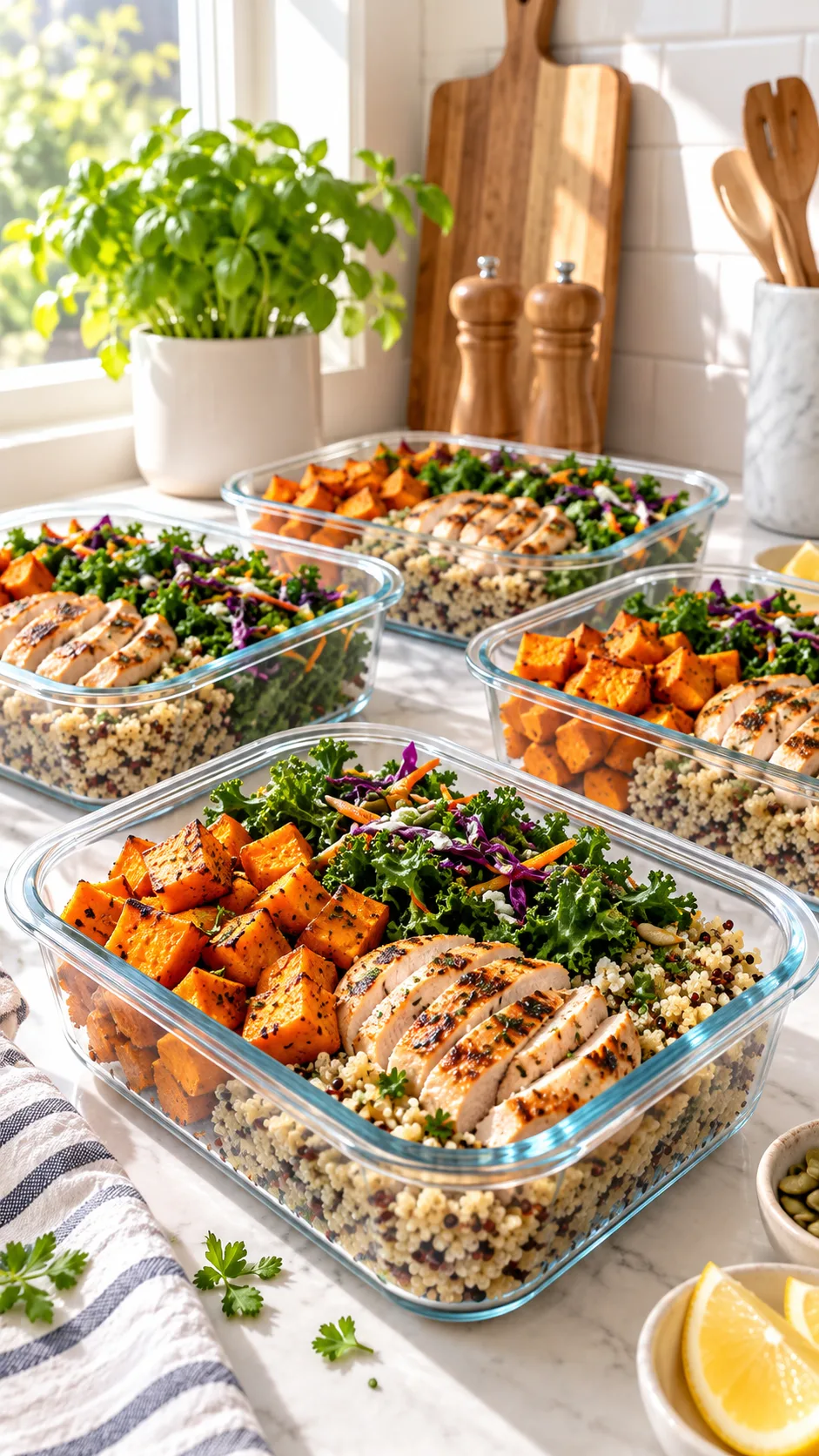
Why most beginners fail at meal prep (and why you will succeed)
People fail because online fitness personalities push a terrible routine. You know the photo: twenty-eight identical tubs lined up in rows, each packing dry white rice, limp broccoli, and gray chicken. That resembles jail food, not dinner.
Three big blunders wreck beginner routines before Friday arrives:
- The Monotony Trap: Eating the exact same lunch five days in a row crushes your appetite by Wednesday. You reject your own lunchbox and sprint for the burrito shop.
- The Sunday Marathon: You try juggling four complex recipes at once. You coat every pot in grease, scorch your garlic, wipe out your stamina, and dread your kitchen all week.
- The Recipe Illusion: Beginners pick thirty-ingredient restaurant dishes that spoil quickly in cold storage after two days.
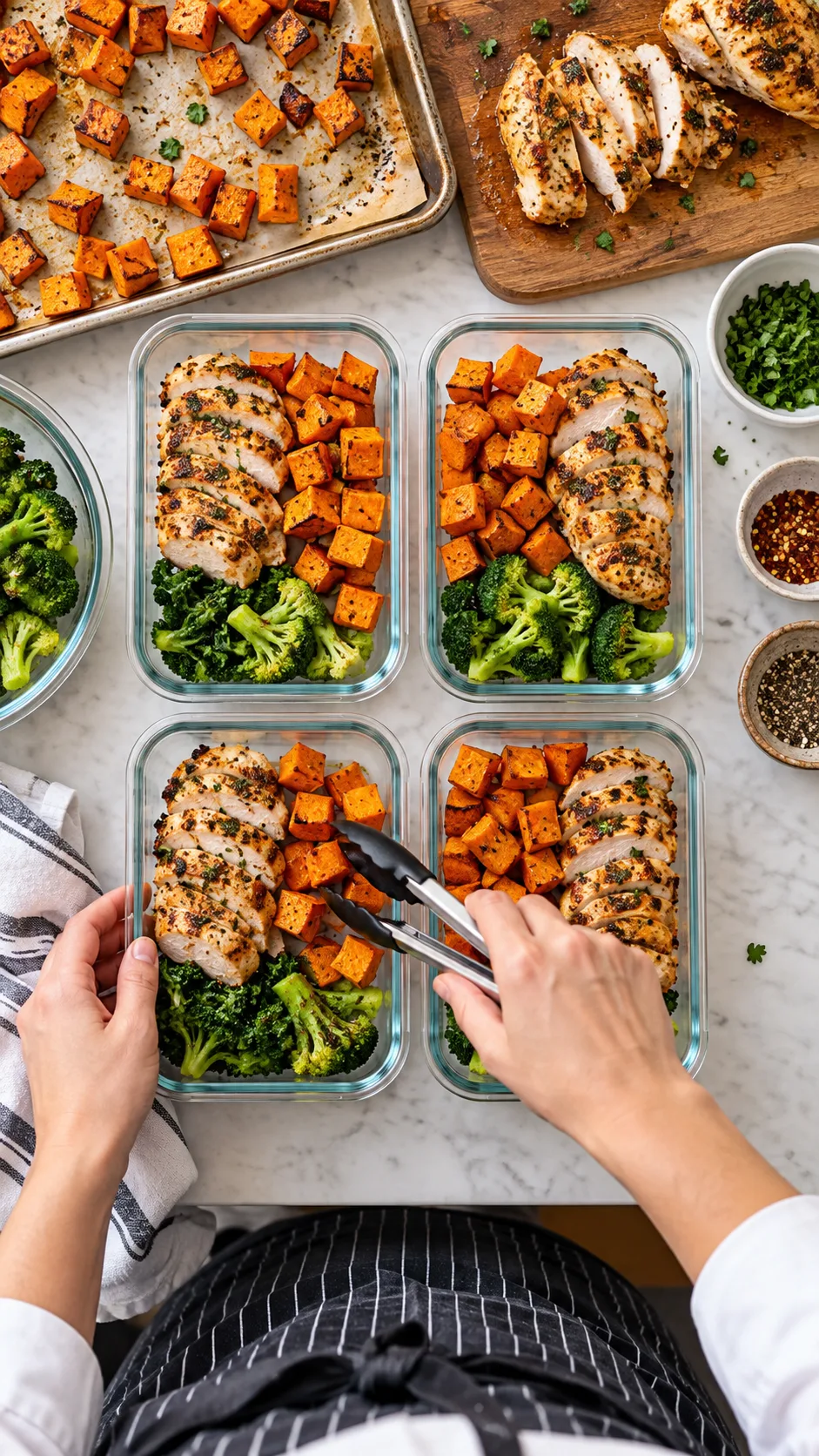
Ditch the rigid habit of assembling twenty complete meals on Sunday. Shift to component prepping instead. You batch cook flexible base ingredients, stash them in separate containers, and build fresh plates throughout the week in minutes.
The gear: what you need (and what to skip)
Kitchenware brands love convincing beginners to buy four-hundred-dollar gadgets. Keep your cash in your wallet. You only need a handful of reliable tools to build a smooth routine.
1. High-Borosilicate Glass Containers
Plastic tubs stain, warp under dishwasher heat, trap bad odors, and risk chemical leaching when you microwave food. Buy glass storage sets with snap lids. They move safely from the fridge directly into an oven or microwave, and you can wash them clean in seconds.
2. Two Half-Sheet Rimmed Baking Pans
A solid sheet pan changes how you cook. Pick up commercial aluminum half-sheet pans. They distribute heat evenly, stay flat under high oven temperatures, and hold big batches of roasted roots and meats in one pass.
3. A Real Chef’s Knife and a Giant Cutting Board
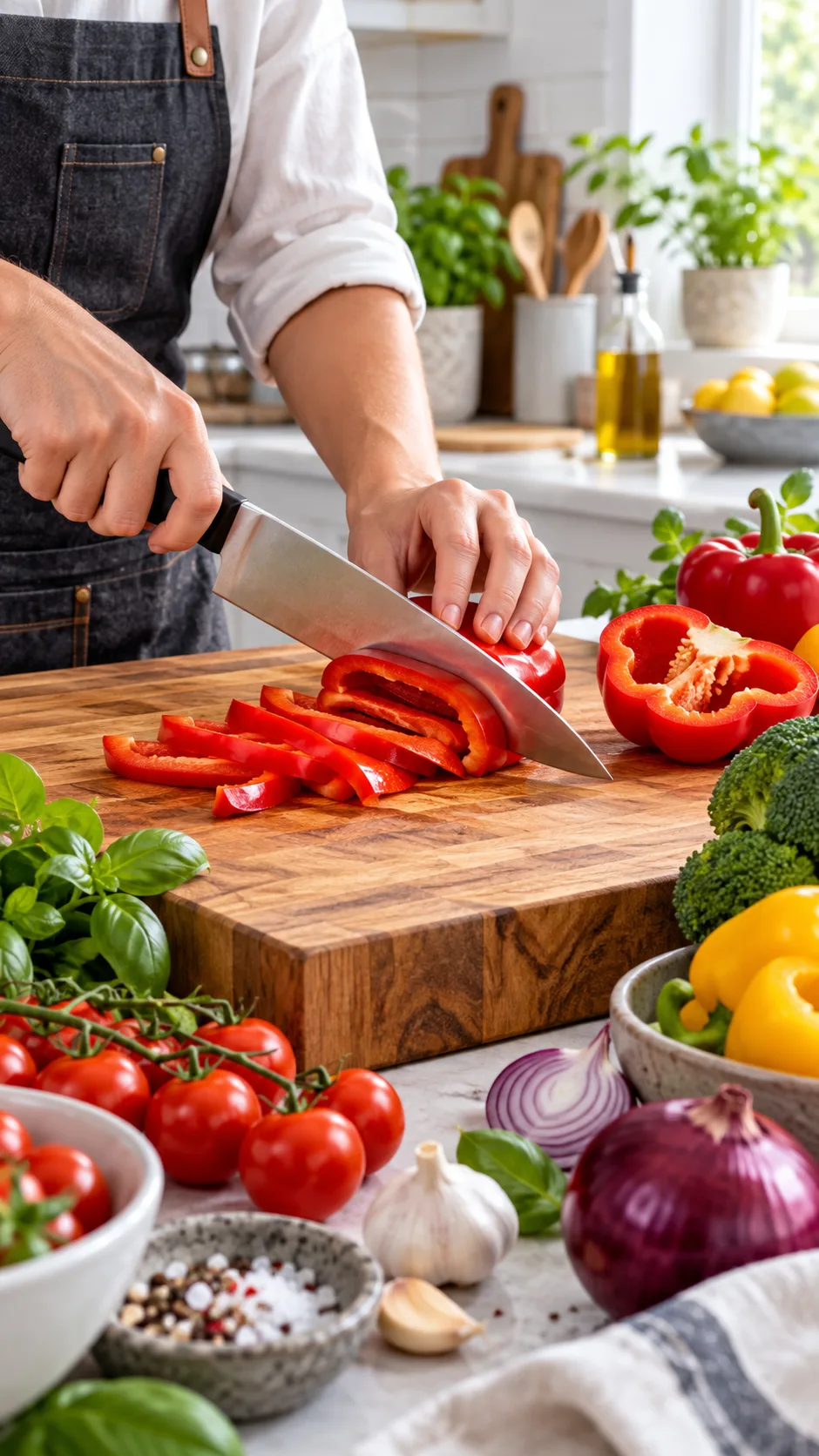
Dull paring knives slow your prep and slip on round vegetables. Grab a quality eight-inch chef knife and hone the blade often. Match it with the widest board your counter space allows so chopped onions and squash never spill onto the floor.
The “Rule of Three” meal prep framework
How do you build variety across five workdays without tackling five separate recipes? Follow the Rule of Three framework. Each week, prep basic building blocks:
- Two proteins: Roast seasoned chicken thighs, brown lean beef, or bake firm tofu cubes.
- Two complex carbohydrates: Roast sweet potato wedges, steam brown rice, or boil farro.
- Three vegetables: Roast two hearty options like broccoli and zucchini, then wash a crisp raw green like shredded cabbage or spinach.
- Two sauces: Mix one creamy sauce like garlic yogurt or tahini, and whisk one bright vinaigrette like lemon herb or chimichurri.
This simple matrix delivers over a dozen distinct meal combinations from one session. On Monday, combine chicken, quinoa, broccoli, and lemon dressing. On Tuesday, toss ground beef, sweet potatoes, crisp cabbage, and spicy tahini into a hearty bowl. You banish lunch boredom without doubling your stove time.
If you want quick protein ideas that suit multiple flavor profiles, explore these ground turkey meal prep recipes to power your weekday dinners.
The step-by-step 90-minute Sunday blueprint
You never need an entire Sunday afternoon to stock a fridge. Sequence your tasks logically and you will finish an entire week of food in ninety minutes. Turn on a great podcast, tie your apron strings, and follow this timeline step by step.
Minutes 0 to 15: The Pre-Game Setup
Set the stage before striking a flame. Heat your oven to 400°F (205°C). Line two large rimmed baking sheets with parchment paper so cleanup takes two minutes. Set a pot of salted water on your back burner for your grains.
Clear out your sink before chopping anything. A messy sink packed with pans kills your speed instantly. Wash all your produce under cold water, pat the greens and roots dry with clean kitchen towels, and center your cutting board.
Minutes 15 to 40: The Knife Work and Oven Loading
Chop your vegetables first while the board remains dry. Cut your broccoli into neat florets, slice the zucchini, and cube your sweet potatoes into bite-sized pieces. Toss everything directly onto your first baking sheet with olive oil, sea salt, garlic powder, and coarse black pepper.
Next, prep your meat. Trim boneless chicken thighs or slice chicken breasts into even strips. Coat the meat with oil and a bold spice rub: smoked paprika, cumin, onion powder, and salt. Spread the pieces across your second sheet pan. Slide both trays onto your oven racks and set your timer for twenty-five minutes.
Minutes 40 to 65: Active Stovetop Cooking
While the oven runs, drop your grains like jasmine rice or quinoa into boiling water, clamp the lid down, and reduce the heat to low. Place a heavy skillet on the front burner and brown a pound of ground beef or turkey with garlic, cumin, and chili flakes. Running two burners alongside the oven delivers maximum food with minimal downtime.
Minutes 65 to 80: The Flavor Bridges
Pull your baking trays from the oven and probe the thickest cut of chicken with an instant-read thermometer until it reaches 165°F (74°C). Rest the meat on the tray. While your ingredients cool, prepare two fast sauces in small glass jars.
Whisk Greek yogurt, lemon juice, crushed garlic, and salt for a creamy dressing. In your second jar, shake olive oil, Dijon mustard, red wine vinegar, and honey into a punchy vinaigrette. These two jars demand five minutes of effort, yet they lift plain ingredients into dinner worthy of a neighborhood bistro.
Minutes 80 to 90: Packing and Clean-As-You-Go
Never seal steaming food inside closed containers. Trapped steam condenses quickly, turning crisp roasted florets into soggy mush. Let your ingredients cool to room temperature right on the trays before ladling them into glass dishes. Wash your skillet, wipe your counters clean, and take pride in a fully stocked refrigerator.
Food safety rules every beginner must know
Nobody wants to peer at a four-day-old container on Thursday and wonder about food poisoning. Clear food safety guidelines remove that anxiety. Follow standards from the USDA Food Safety and Inspection Service to keep every bite safe.
The Four-Day Refrigerator Rule
Cooked poultry, beef, seafood, and grains remain safe and fresh inside a refrigerator cold box below 40°F (4°C) for three to four days. When you prep Sunday afternoon, eat those meals by Thursday midday. To cover Friday and Saturday, pack separate containers into your freezer Sunday night, then move them to the fridge on Thursday morning so they thaw evenly.
The Danger Zone
Bacteria grow fast between 40°F and 140°F (4°C to 60°C). Food safety agencies label this window the “Danger Zone.” Never let cooked dishes sit at room temperature beyond two hours. Cool your proteins and carbs quickly by spreading them thin on wide sheet pans rather than piling hot food into deep plastic tubs.
Safe Reheating Strategies
When reheating meals, heat food until the center registers 165°F (74°C). Place a damp paper towel over your bowl in the microwave. This simple sheet traps moisture, keeps roasted meats from drying out, and drives heat evenly through the entire dish.
Three foolproof starter recipes for week one
If you want exact meals for your opening run, pick these three simple formulas. They hold up well across four full days and deliver bold flavor straight out of the microwave.
1. Sheet-Pan Greek Lemon Chicken Bowls
Toss diced chicken breast, sliced red onions, bell pepper strips, and chopped zucchini on a baking sheet with olive oil, dried oregano, minced garlic, sea salt, and fresh lemon juice. Roast the mixture at 400°F (205°C) for twenty-two minutes.
Serve these ingredients alongside brown rice and a spoonful of cold tzatziki. You gain deep Mediterranean flavors, lean protein, and steady fiber that keeps hunger away all afternoon.
2. The Ancho Black Bean and Turkey Fiesta Bowl
Brown lean ground turkey in a skillet alongside ground cumin, chili powder, and crushed garlic. Fold in a rinsed can of black beans and half a cup of sweet corn kernels. Spoon this warm meat and bean mixture over cilantro brown rice.
Tuck lime wedges, pickled red onions, and fresh salsa into separate small containers. Drop these cool garnishes on top after you microwave the warm base. If you need more midday ideas, browse our favorite healthy lunch meal prep concepts for portable options.
3. Crispy Tofu and Sesame Broccoli Crunch
Press extra-firm tofu dry with a clean dish towel, cut the block into half-inch cubes, and toss the pieces with cornstarch, soy sauce, and toasted sesame oil. Spread the cubes across one half of your baking sheet and pile broccoli florets on the other half. Roast until the tofu crisps and the broccoli tips brown.
Spoon the combination over fluffy quinoa and finish with spicy peanut sauce. This meatless plate proves plant meals satisfy big appetites when you season them with intent.
Troubleshooting common meal prep headaches
Things go off track in kitchens now and then. Fix early hiccups quickly with these simple adjustments.
“My Salads Turn Into a Soggy Swamp”
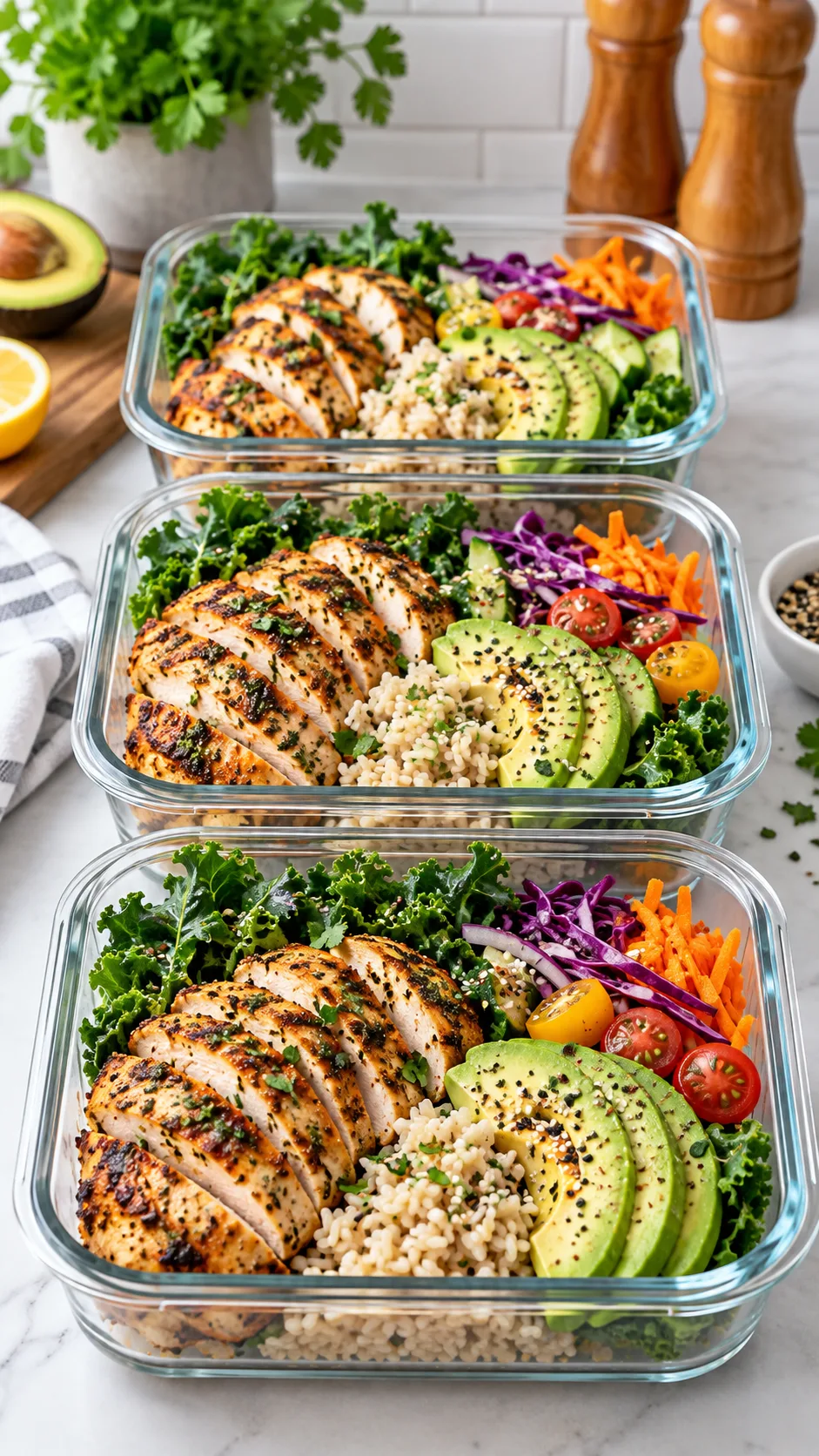
If you pour vinaigrette straight over delicate lettuce on Sunday, moisture will ruin the leaves by Monday night. Switch to the vertical jar trick. Pour the dressing into the bottom of a wide glass jar. Drop dense ingredients like sliced radishes, carrots, and cucumbers directly into the liquid. Pack tender greens, grains, and meats up near the lid. At lunchtime, shake the jar hard and tip crisp greens into your bowl.
“My Reheated Chicken Tastes Like Rubber”
Chicken breast dries out because the meat carries almost no internal fat. Switch to boneless chicken thighs instead. Thighs hold more moisture through repeated reheat cycles, cost less per pound, and deliver fuller flavor.
If you stick with chicken breast, drizzle a tablespoon of water or low-sodium broth over the slices before you hit start on the microwave. That small splash generates steam and restores moisture to the meat.
“I Cooked Too Much Food and Cannot Finish It”
Never choke down food you dread simply to clear a shelf. Pack extra roasted roots, chili, and cooked poultry into heavy-duty freezer bags. Mark the bags with the date using permanent ink. On frantic weeknights next month, these frozen meals will save you from ordering expensive takeout. For more weeknight solutions, explore these meal prep dinner ideas that shave time off your cooking schedule.
The grocery store attack plan
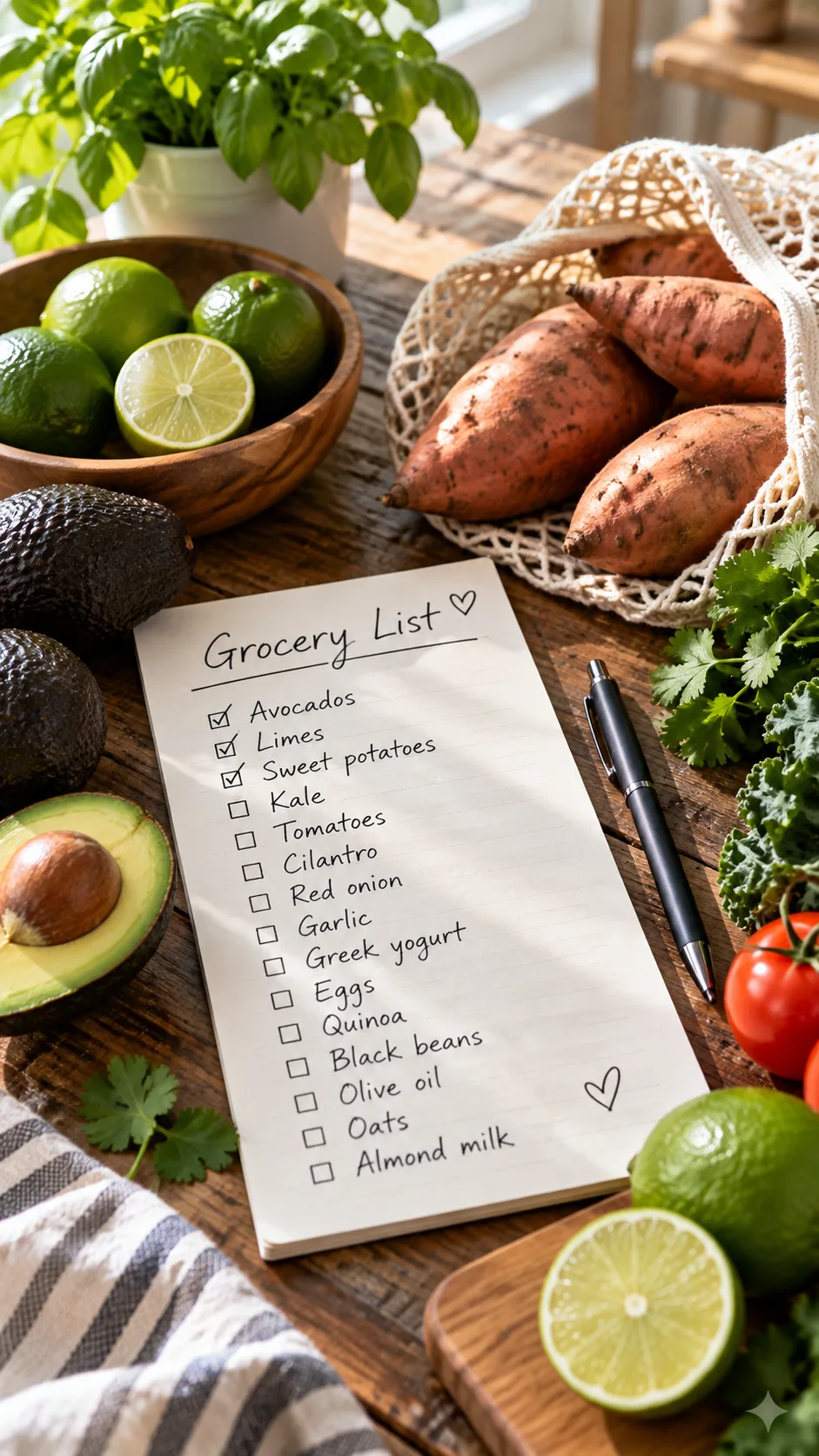
Shoppers who wander store aisles without a list waste cash on impulse buys. Build a direct route through the market instead. Review healthy plate guidelines from the Harvard T.H. Chan School of Public Health, then organize your shopping list by section:
- Produce: Pick items with different lifespans. Eat tender baby greens and berries early in the week, and save durable cabbage, sweet potatoes, and carrots for Thursday and Friday.
- Bulk grains: Buy five-pound bags of rice, quinoa, and rolled oats. They keep indefinitely on pantry shelves and cost far less than pre-cooked pouches.
- Frozen vegetables: Pack your freezer with frozen peas, edamame, and green beans. Processors freeze them within hours of harvest, and they need zero peeling or chopping.
- Pantry sauces: Keep curry pastes, jarred pestos, hot sauces, and spice rubs in stock. They turn plain grains and poultry into entirely distinct dinners.
Building the habit: start small to win big
Most fitness resolutions collapse by February because people try to overhaul their whole lifestyle in a single weekend. If you cook zero meals today, do not attempt twenty-one meals this Sunday. That leap triggers burnout every time.
Start with manageable targets:
- Week One: Prep lunches for Monday through Wednesday only. Make regular dinners or reheat leftovers at night.
- Week Two: Prep four lunches and roast a double batch of root vegetables to support your weeknight dinners.
- Week Three: Run the complete component system for both lunches and dinners across all five workdays.
Notice your progress each week. Every lunch container you fill on Sunday saves fifteen dollars, cuts midday decision fatigue, and keeps your nutrition on track during a busy day.
Take back your evenings for good
Meal prep never requires perfection. You do not need matching commercial containers or dull diet foods. Practical meal prep is simply a favor your Sunday self pays to your tired Thursday self.
Imagine walking through your front door after a long shift knowing dinner waits ready in the fridge. You pull out hearty ingredients, heat them in ninety seconds, and relax on your couch for the rest of the night. No dirty skillets crowd the sink, no delivery drivers get lost on your street, and zero stress follows you home.
Pick two proteins, two carbs, and three vegetables today. Write down your grocery list, carve out ninety minutes this Sunday, and reclaim your evenings. You have the plan: now go use it.