

You do not need to live on lemon water, sadness, and three almonds to feel lighter after three days.
This Svelte 3 Day Meal Plan gives you regular meals, plenty of protein, high fibre plants, satisfying fats, and enough food to head off late night raids on the biscuit cupboard. It will not “reset” your metabolism with the push of a button, because metabolism does not work that way. It can help you change the habits that leave you feeling sluggish, ravenous, bloated, or stuck.
If you want a short plan that feels sensible rather than punishing, start here.
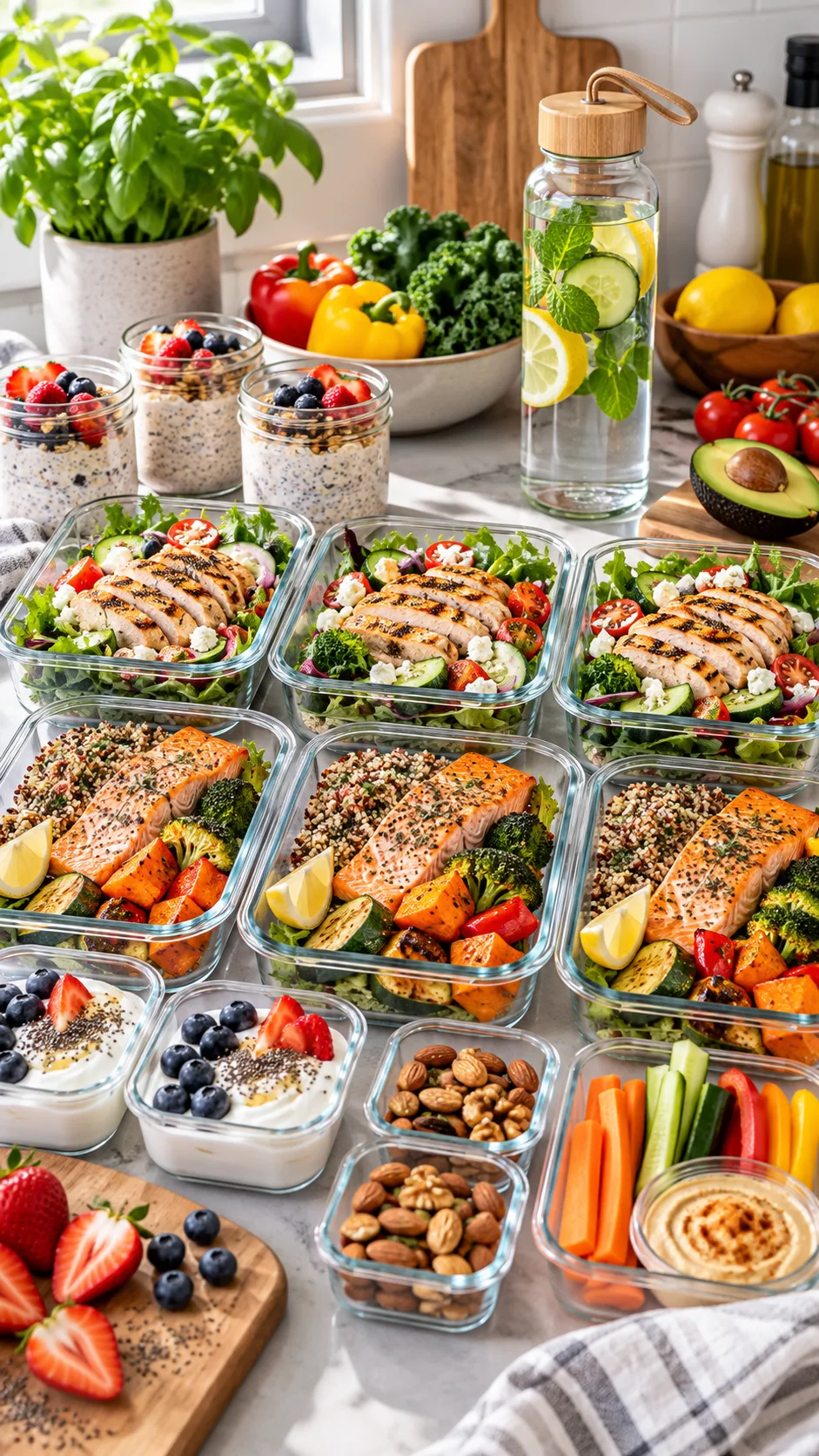
First, clear up the “metabolism reset” claim
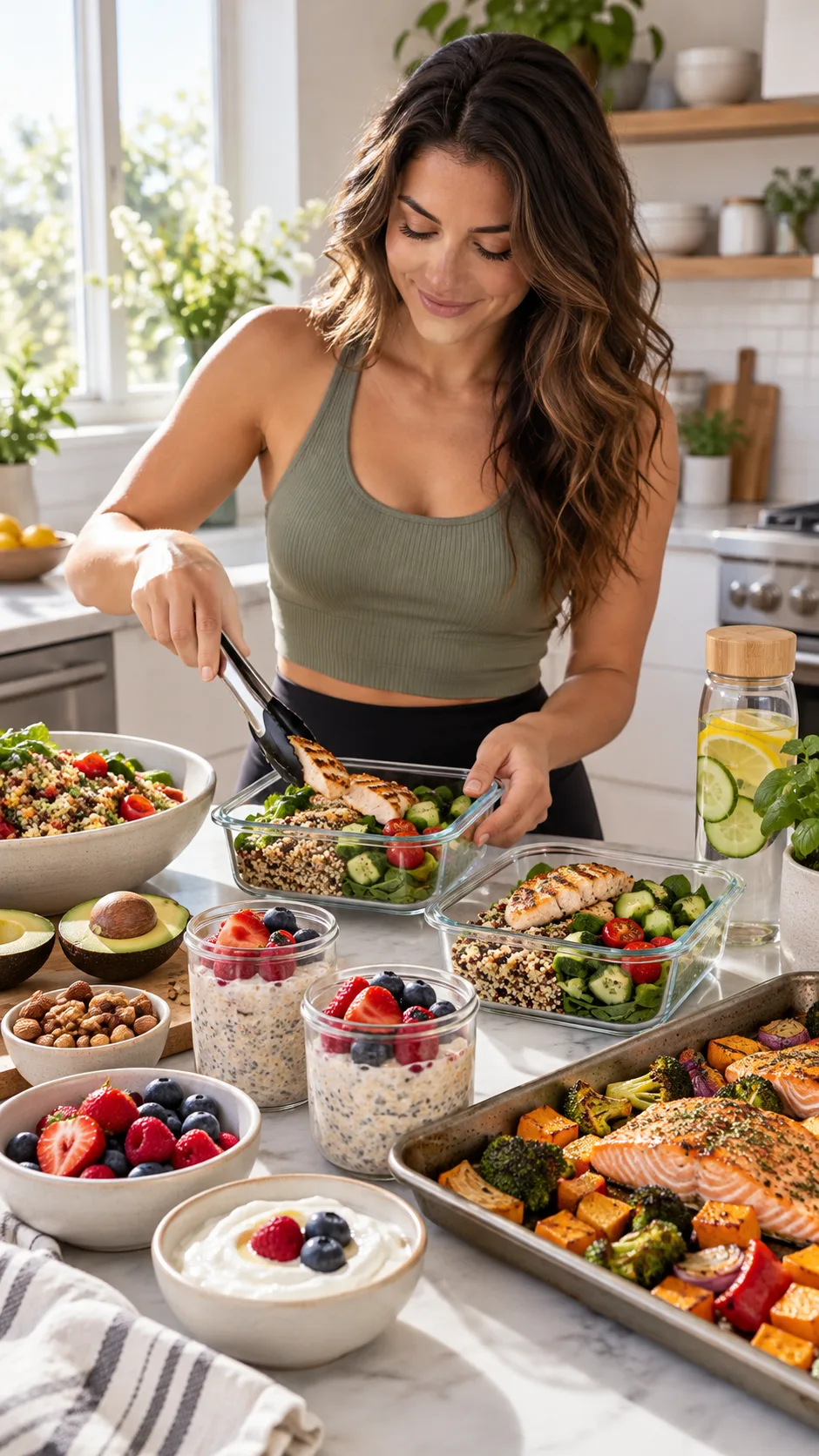
Your metabolism includes the chemical processes that keep you alive and working. Your body spends energy to breathe, think, digest food, move, repair tissue, and occasionally panic when you forget a password.
A three day meal plan cannot permanently change your metabolism. It can help you eat more consistently, manage hunger, eat fewer ultra processed foods, support digestion, and build a steadier energy routine. Those changes often make healthy eating feel much easier.
Many people feel more energetic after a few balanced days because they eat less salty packaged food, drink more water, eat more fibre, and stop skipping meals. Their bodies may also release stored water after they reduce highly refined carbs and sodium. That change can feel encouraging, but it does not mean instant fat loss.
The National Institute of Diabetes and Digestive and Kidney Diseases explains that people manage weight more successfully when they build habits around balanced eating, activity, sleep, and realistic calorie intake. You can read its practical guidance at NIDDK’s weight management resource.
What makes this 3 day meal plan work?
This plan skips starvation tactics because extreme restriction often brings intense hunger, low energy, poor workouts, and a fridge clean out at 10 p.m. Your body does not need that.
Each day follows a simple formula. Eat protein at every meal, add fibre rich carbohydrates, include vegetables or fruit, and use fats in sensible portions.
The core principles
- Protein helps you stay full: Eggs, fish, chicken, Greek yogurt, beans, tofu, and lean meat can help you feel satisfied between meals.
- Fibre helps digestion: Vegetables, fruit, oats, beans, lentils, and whole grains add bulk and help meals fill you up for longer.
- Carbohydrates give you energy: Potatoes, rice, oats, fruit, and whole grains all fit comfortably into a fat loss meal plan.
- Healthy fats make meals more satisfying: Olive oil, avocado, nuts, seeds, and oily fish add flavour and help meals feel complete.
- Regular meals calm the chaos: Planned meals help you notice real hunger and cut down on random grazing.
Have you noticed how “being good” all day can end with half a bag of crisps in the kitchen? Regular, balanced meals often stop that cycle more effectively than white knuckle willpower.
The Academy of Nutrition and Dietetics recommends a balanced eating pattern with vegetables, fruit, whole grains, protein foods, and healthy fats. Its advice offers a useful check against crash diet nonsense: healthy eating guidance from EatRight.
Before you start: make the next three days easy
You do not need a perfectly organised kitchen or a personality transplant. You need a small grocery shop, a few storage containers, and a plan for the moments when hunger makes every takeaway app look like fine dining.
Drink water, sparkling water, unsweetened tea, or coffee with modest extras. If you can, skip alcohol for these three days. Alcohol often disrupts sleep, increases appetite, and turns “just one snack” into a very persuasive idea.
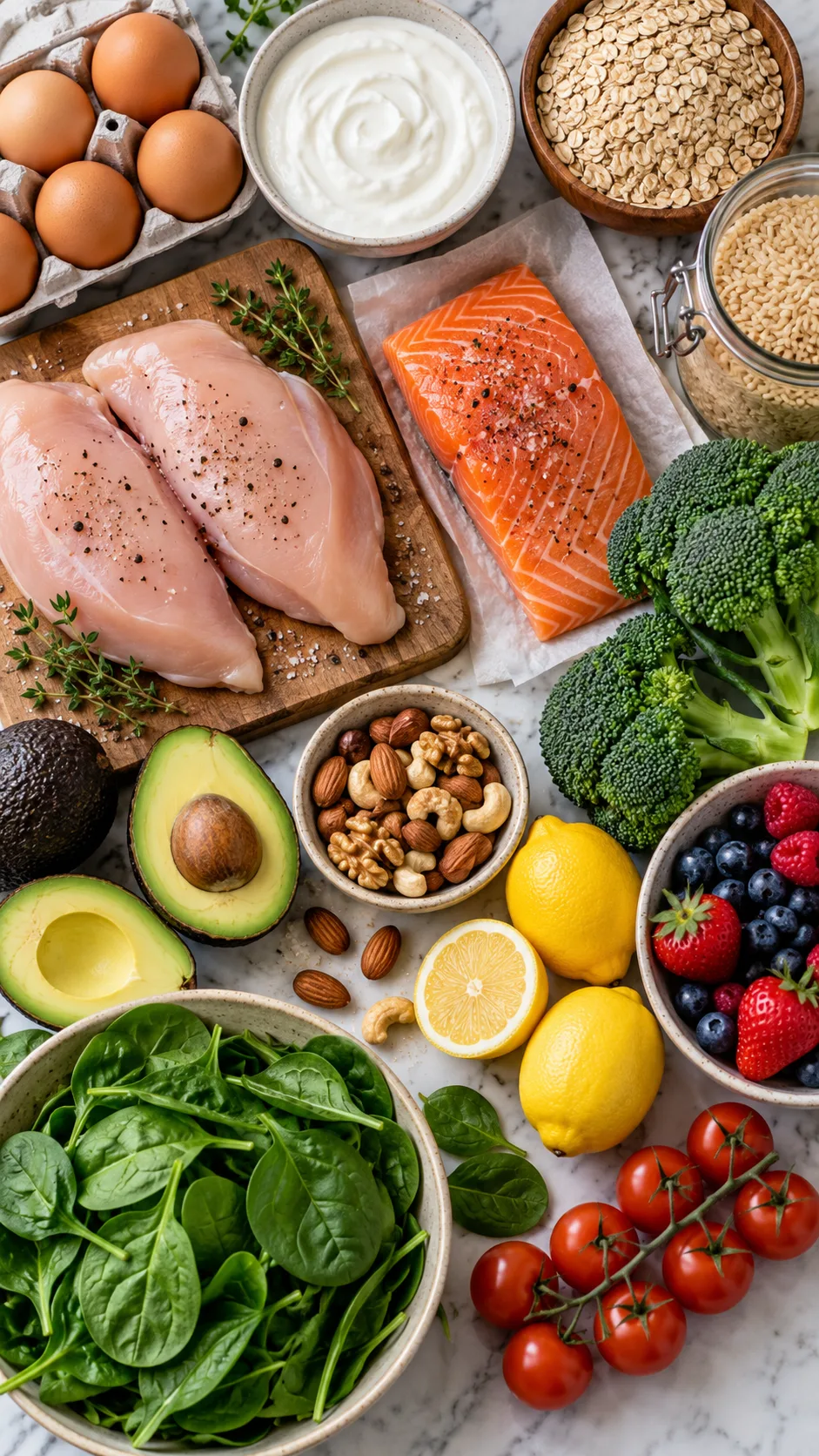
Your simple shopping list
- Eggs or egg whites
- Greek yogurt or unsweetened soy yogurt
- Chicken breast, turkey, tofu, salmon, tuna, or lean beef
- Beans, chickpeas, or lentils
- Oats, brown rice, quinoa, wholegrain bread, or potatoes
- Spinach, salad leaves, broccoli, peppers, carrots, tomatoes, onions, and mixed vegetables
- Berries, apples, bananas, oranges, or pears
- Avocado, olive oil, nuts, seeds, or natural peanut butter
- Herbs, spices, garlic, lemon, vinegar, and low sugar sauces
Buy foods you truly enjoy. If you hate kale, leave it at the shop, even if a wellness influencer arranged it beside a beige smoothie. Spinach, cabbage, green beans, and mixed salad leaves all do the job.
Day 1: steady energy, no food coma
Day one builds a routine. You will eat enough to feel satisfied while avoiding the sugar and snack roller coaster that leaves you hungry an hour after breakfast.
Breakfast: protein oats with berries
Cook ½ cup rolled oats with water or milk. After cooking, stir in ¾ cup Greek yogurt and top the oats with a handful of berries, cinnamon, and one tablespoon of chia seeds or chopped nuts.
This breakfast gives you protein, slowly digested carbohydrates, and fibre. It tastes like proper food too, which should not feel unusual, yet somehow it does.
Lunch: chicken or tofu power bowl
Build a bowl with 1 to 2 palms of grilled chicken or baked tofu, one cupped hand portion of brown rice or quinoa, and at least two handfuls of vegetables. Add olive oil, lemon juice, herbs, and a spoonful of hummus or avocado.
Use the vegetables you have. Roasted peppers, shredded carrots, cucumber, spinach, broccoli, and tomatoes add crunch, colour, and nutrients without turning lunch into a science project.
Dinner: salmon, potatoes, and greens
Serve a palm sized salmon fillet with roasted baby potatoes and a generous portion of broccoli, green beans, or spinach. Season everything with olive oil, garlic, pepper, lemon, and herbs.
Salmon provides protein and omega 3 fats, while potatoes bring filling carbohydrates and potassium. A satisfying dinner can stop the evening snack hunt before it starts.
Optional snack
Choose an apple with one tablespoon of peanut butter, a boiled egg with fruit, or Greek yogurt with cinnamon. Have a snack when you feel hungry, not because the clock calls for a ceremonial snack at 3:00 p.m.
Day 2: more fibre, more food, more satisfaction
Day two puts beans and vegetables on the plate more often. Fibre helps many people feel fuller, but add it gradually if you currently eat very little fibre. Your gut will appreciate the patience.
Breakfast: vegetable eggs on wholegrain toast
Scramble two eggs with spinach, mushrooms, tomatoes, and onions. Serve them with one slice of wholegrain toast and a piece of fruit.
Eggs provide protein, while vegetables add volume without adding many calories. This meal also travels well when mornings get busy.
Lunch: lentil and tuna salad
Mix cooked lentils with tuna, chopped cucumber, tomatoes, red onion, parsley, lemon juice, and olive oil. Add a handful of salad leaves and wholegrain crackers if you want more carbohydrates.
Lentils give you fibre, plant protein, iron, and slowly digested carbs. If you do not eat fish, swap the tuna for chickpeas, grilled chicken, tofu, or more lentils.
For more protein rich lunches that will not bore you at your desk, try these high protein low carb meal prep ideas for options you can prepare ahead.
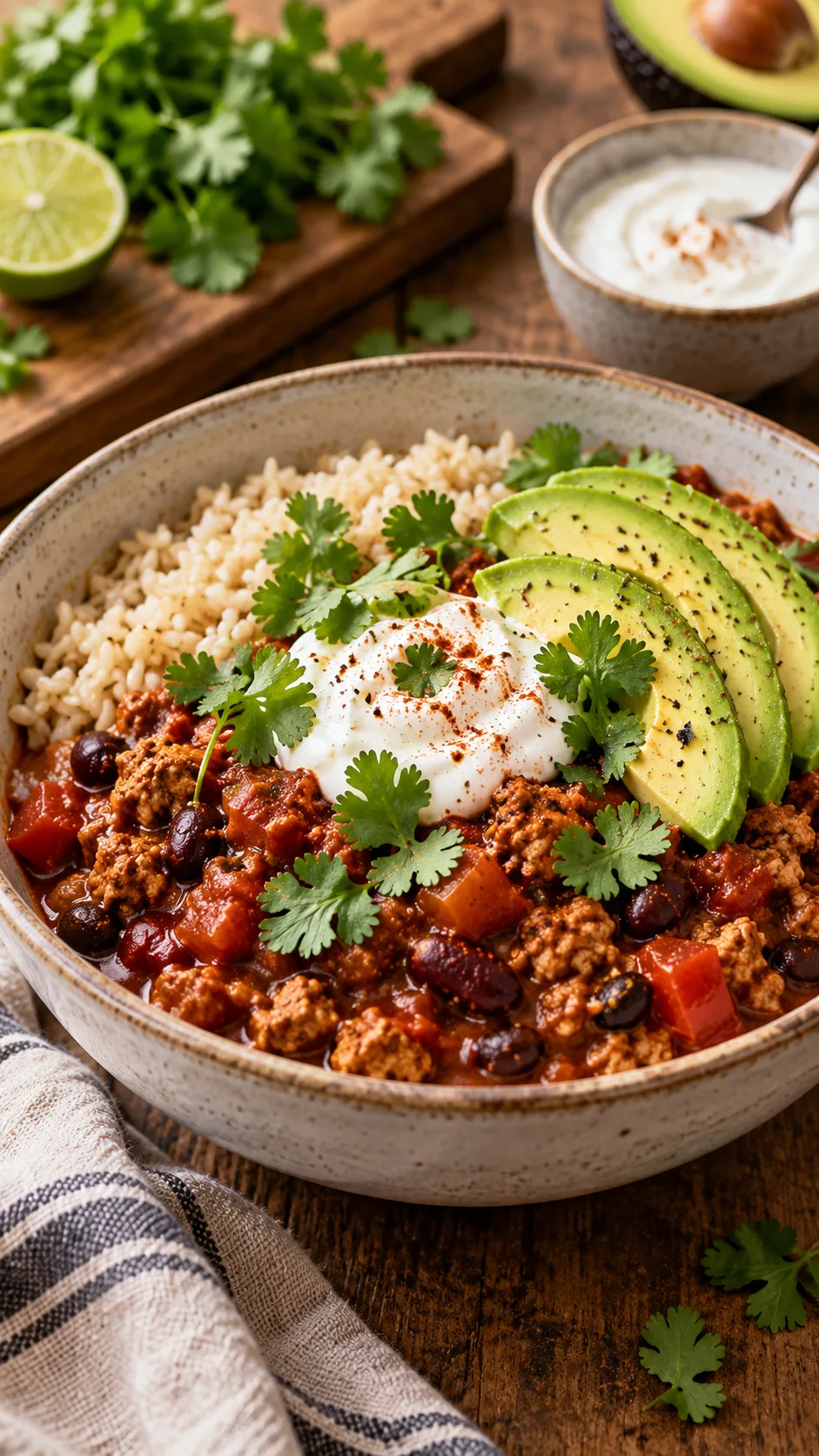
Dinner: turkey or bean chilli
Cook lean turkey mince, lean beef, or extra beans with tomatoes, onions, peppers, garlic, chilli powder, cumin, and paprika. Serve the chilli with a small scoop of brown rice, a baked potato, or cauliflower rice.
Top it with plain Greek yogurt, chopped coriander, or avocado. This meal brings protein and fibre, and the leftovers make day three easier. Future you will appreciate that.
Optional snack
Try carrots and hummus, cottage cheese with berries, or a small handful of nuts with an orange. Keep nuts to a small handful because they pack plenty of nutrition and calories into a tiny pile.
Day 3: keep it simple and finish strong
By day three, many people notice fewer cravings because they have stopped bouncing between under eating and overeating. Keep things simple. Consistency does more for results than constant novelty.
Breakfast: Greek yogurt bowl
Add 1 cup Greek yogurt to a bowl with sliced banana or berries, a tablespoon of seeds, and ¼ cup unsweetened granola or oats. Add cinnamon or vanilla extract for more flavour.
This meal takes about two minutes, so it suits busy mornings. You can use unsweetened soy yogurt and add a scoop of protein powder if you eat a plant based diet.
Lunch: leftover chilli or a big wrap
Use leftover chilli for a fast lunch. Or fill a wholegrain wrap with chicken, tofu, beans, crunchy salad, tomato, cucumber, and a yogurt based dressing.
Do not fear a wrap because it contains carbs. Your body uses carbohydrates for fuel, especially when you walk, train, work on your feet, or run errands.
Dinner: stir fry with protein and colour
Stir fry chicken, prawns, tofu, or lean beef with plenty of vegetables. Use broccoli, peppers, carrots, sugar snap peas, cabbage, mushrooms, and onions, then add ginger, garlic, soy sauce, and lime.
Serve the stir fry with a moderate portion of rice or noodles. Put more vegetables than starch on your plate first, then adjust for your hunger and activity level.
Optional snack
Have a boiled egg, fruit, edamame, or yogurt if you feel hungry. If you feel full, skip the snack. You listened to your body.
Portion sizes: the no calculator approach
You do not need to count every gram for three days unless a qualified clinician has given you specific instructions. Use your hand as a flexible guide, then adjust portions for your appetite, body size, goals, and activity.
- Protein: Aim for one palm sized serving at meals.
- Vegetables: Aim for two fists or more at lunch and dinner.
- Carbohydrates: Start with one cupped hand serving at meals.
- Fats: Use one thumb sized serving of oils, nut butter, cheese, nuts, or avocado.
- Fruit: Include one to two servings each day, or more if fruit helps you replace sweets and snack foods.
Do you feel hungry an hour after every meal? Add more protein, vegetables, or a little healthy fat. Do you feel uncomfortably full? Reduce the starch or fat portion slightly before you cut back protein or vegetables.
If you want to lose weight, do not assume you need an extremely low calorie plan. Very low intakes can leave you tired, hungry, and more likely to rebound. Our guide to low calorie meal prep ideas that keep you full gives you more filling options without miserable mini meals.
How to support your metabolism beyond food
Food matters, but your daily habits also shape your energy, hunger, and progress. A chia pudding cannot fix a chaotic sleep schedule.
Walk after meals
Take a 10 to 20 minute walk after lunch or dinner when your schedule allows. Walking can help you manage blood sugar, support digestion, lift your mood, and add movement without a punishing workout.
The Centers for Disease Control and Prevention encourages adults to make regular physical activity part of their week, including muscle strengthening work. Find its evidence based recommendations at CDC physical activity guidelines for adults.
Prioritise sleep
Too little sleep can increase hunger and make high calorie foods look much more tempting. Keep a regular bedtime, limit caffeine late in the day, and put your phone down before you start bargaining with yourself at midnight.
Drink enough water
Carry a water bottle and sip throughout the day. Water does not “flush fat,” despite dramatic detox ads, but it supports normal body function and can help you tell thirst from hunger.
Strength train when you can
Strength training helps you maintain or build muscle, and muscle contributes to your daily energy needs. You do not need a complicated gym routine. Bodyweight squats, rows, presses, lunges, and carries can all help.
If you include split squats, learn the movement before your knees complain. Read these Bulgarian split squat form mistakes to avoid before you add weight.
Common mistakes that make a 3 day meal plan backfire
- Skipping breakfast to “save calories.” Some people do well with this approach, but many reach lunch starving and overeat. Choose meal times that help you feel in control.
- Eating tiny portions. A meal plan should satisfy you, not leave you fantasising about toast all afternoon. Eating too little often leads to overeating later.
- Cutting every carbohydrate. You may lose water weight quickly, but you may also lose energy, enjoyment, and patience. Keep sensible portions of high fibre carbs.
- Ignoring protein. A smoothie with only fruit may taste good, but it rarely keeps most people full for long. Add Greek yogurt, milk, soy milk, tofu, or protein powder.
- Calling normal bloating “toxins.” Fibre changes, menstrual cycles, salty meals, constipation, and stress can all affect bloating. You do not need a juice cleanse.
- Quitting after one off plan meal. One restaurant meal does not erase your effort. Return to your next planned meal and carry on.
Who should adjust this plan?
This flexible meal plan may suit many healthy adults, but no online article can replace personal medical advice. Speak with a registered dietitian or doctor before you make major food changes if you have diabetes, kidney disease, digestive disorders, food allergies, pregnancy, an eating disorder, or another condition that affects nutrition.
People who take insulin or blood sugar lowering medication need extra care when they change their carbohydrate intake. Athletes, very active workers, teenagers, and people who want to gain muscle often need larger portions too.
If you prefer a lower carb approach, check out this low-carb beginner meal plan, but remember that 1,200 calories will not suit everyone. Your needs deserve more thought than a random number from social media.
What to expect after three days
You may feel more organised, snack less, and feel more comfortable after meals. You may also notice less puffiness if you previously ate lots of salty takeaways, sugary drinks, or ultra processed snacks.
Do not expect three days to change your body composition. Fat loss and lasting health changes take time, repetition, and a routine you can keep through workdays, weekends, birthdays, and the occasional pizza night.
Your next step involves repeating the structure rather than repeating a restrictive “detox.” Keep protein on your plate, eat vegetables and fruit each day, choose satisfying carbs, move your body, and adjust as you learn what helps you feel your best.
Final takeaway: eat enough to make better choices
The Svelte 3 Day Meal Plan works because it brings you back to basics: protein, fibre, balanced portions, hydration, and regular meals. It helps you build momentum without pretending hunger counts as a health strategy.
Start with day one, choose foods you enjoy, and make meals simple enough to repeat. Your metabolism does not need punishment. It needs steady care. A miracle cleanse may sound more glamorous, but steady care works much better.