

Clear rules feel comforting. You want distinct boundaries and fast results. Yet every time you cut out entire food categories or drink nothing but green juice, you end up face-down in a large pepperoni pizza by Thursday night.
Why does this happen so reliably? You crash because conventional strict diets demand misery as a badge of honor. Traditional meal plans confuse discipline with self-punishment.
You do not need to starve yourself to strip away body fat. Real metabolic progress requires the opposite approach. An effective strict nutrition protocol locks down daily consistency and nutrient density while protecting your social life and peace of mind.
Why traditional strict diets always fail you
Most diet plans push you into an aggressive caloric ditch. You slash your intake to 1,200 calories, drop carbs entirely, and spend your afternoons dreaming about bread. Does this sound familiar?
When you restrict fuel ruthlessly, your physiology strikes back. Severe caloric deficits suppress leptin, your primary satiety hormone, while cranking ghrelin into overdrive. Research from the National Institutes of Health confirms that deep caloric starvation slows resting metabolic expenditure and drives primal food-seeking behaviors. You do not lack willpower. Your biology simply overpowers your intentions.
Worse, standard diets strip away social rituals. You decline dinner invitations. You pack cold, unseasoned fish in plastic containers. You treat every dinner out like a minefield. Eventually, the friction breaks your resolve. You overeat and abandon the entire project. Any plan that turns dinner with friends into an emergency is a complete failure of design.
The golden principle: strict structure, flexible execution
How do we redefine strictness so that it produces results? We build ironclad boundaries around the variables that matter and grant total freedom everywhere else.
Amateurs count every leaf of spinach and panic over a stray berry. Experienced lifters track daily macros, hit their protein baseline, and prioritize high food volume. You keep the rules firm, but you keep the ingredient choices enjoyable.
Consider this framework your personal set of guardrails. The rails stay rigid to keep you on the road. Between those lines, however, you pick your own pace. You eat foods you enjoy, seasoned generously, and structured to eliminate hunger before it starts.
The 4 non-negotiable pillars of the plan
To execute this protocol successfully, treat four core metrics as absolute rules. Master these habits, and the scale takes care of itself.
1. The 1-gram protein standard
Every single day, eat one gram of protein per pound of target body weight. If your target weight equals 160 pounds, you consume 160 grams of protein daily.
Protein delivers two big biological advantages: a high thermic effect of food (TEF) and prolonged fullness. Scientists at the Harvard T.H. Chan School of Public Health point to dietary protein as the primary tool for protecting lean muscle during caloric deficits. Muscle tissue keeps your metabolic rate high while you shed body fat.
Plan your protein intake each morning. Rotate through staples like lean beef, chicken breast, egg whites, and fish. If you struggle to cook meat daily, check out these salmon meal prep ideas to prepare three days of high-protein lunches ahead of time.
2. The high-volume vegetable floor
Hunger ruins consistency faster than anything else. You cannot maintain a calorie deficit if your stomach feels empty all day. Because of that, this diet enforces a strict rule: eat at least 500 grams of fibrous vegetables every day.
Vegetables like zucchini, broccoli, cauliflower, cucumber, and spinach carry few calories relative to their weight. They physically fill the stomach and trigger mechanoreceptors that signal fullness to your brain.
3. The 800-calorie daily buffer
Standard diet plans dictate your meals from sunrise to bedtime, leaving no flexibility. This system intentionally saves an 800-calorie allowance for dinner.
When you eat lean protein and bulky vegetables during the day, you bank calories for the evening. You can sit down to a satisfying dinner with family (including healthy fats and complex carbohydrates) without blowing past your daily calorie ceiling.
4. The fluid and sodium threshold
Dehydration frequently masquerades as hunger. Many people mistake sodium drops for sugar cravings. Drink at least three to four liters of water daily, and pair your morning glass with a pinch of sea salt.
Adequate sodium supports blood volume during workouts, keeps energy stable, and clears up afternoon fatigue. Never fear salt when you eat whole, unprocessed food.
The daily meal formula: how to build your plates
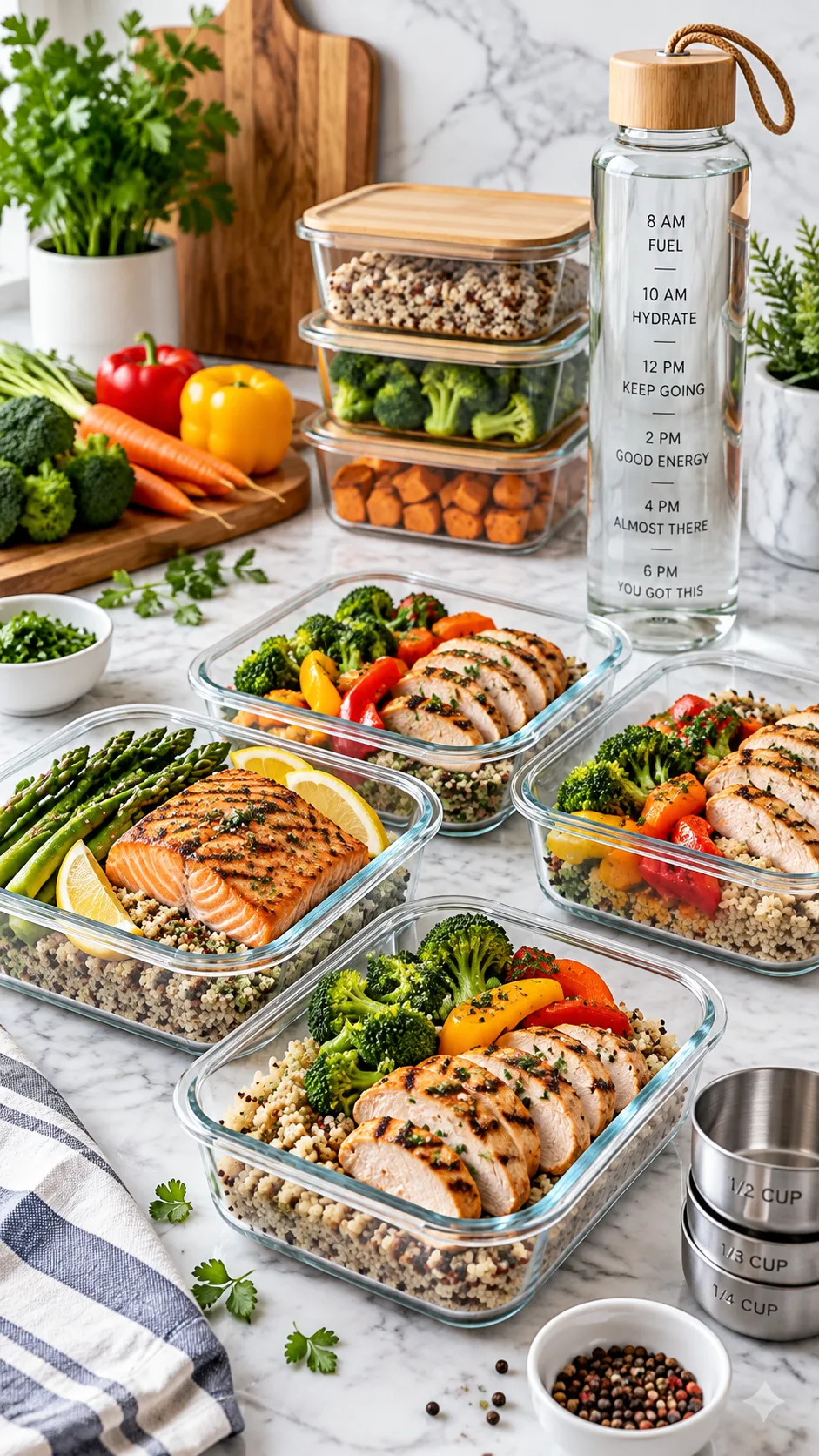
Stop overcomplicating meal design. Follow this repeatable three-part schedule throughout the week.
- Breakfast: Target 35 to 45 grams of protein and minimal carbohydrates. Scramble whole eggs with egg whites, toss in fresh spinach, and crumble an ounce of goat cheese on top. This meal stabilizes your blood sugar and curbs mid-morning snack cravings.
- Lunch: Focus on physical food volume, lean meat, and moderate clean fuel. Build a large salad or bowl. Combine six ounces of shredded chicken breast with mixed greens, sliced cucumbers, pickled onions, and a teaspoon of olive oil.
- Dinner: Use your evening calorie buffer for a filling dinner. Pair a generous cut of meat or fish with roasted vegetables and your favorite starch, like rice or roasted potatoes. For simple weeknight ideas, these ground turkey meal prep recipes pack rich flavor without breaking your fat macro budget.
You can still eat snacks if you need them. Choose plain Greek yogurt with raspberries, low-fat cottage cheese, or raw celery dipped in salted hummus. If a snack lacks protein or dietary fiber, leave it in the pantry.
Sample 7-day meal plan
Here is a complete week of meals showing how to balance high protein, vegetables, and flexible dinners.
Monday through Wednesday: momentum phase
- Morning: 3 whole eggs, 1 cup egg whites, sautéed spinach, black coffee.
- Midday: 7 ounces grilled chicken breast, 2 cups roasted broccoli, 1/2 cup cooked jasmine rice.
- Evening: 8 ounces grilled sirloin steak, large tray of roasted asparagus, 1 baked russet potato with sea salt and a pat of butter.
- Evening snack: 1 cup plain Greek yogurt with cinnamon.
Thursday through Friday: midweek routine
- Morning: Shake with two scoops whey isolate, unsweetened almond milk, frozen blueberries, and chia seeds.
- Midday: 7 ounces canned tuna mixed with light mayo, diced celery, lemon juice, served over shredded romaine.
- Evening: 8 ounces baked salmon, roasted zucchini rounds, roasted sweet potato wedges.
- Evening snack: 2 mozzarella string cheese sticks and sliced sweet peppers.
Weekend protocol: dining out and balance
- Morning: Pancakes made from blended oats, egg whites, and protein powder, topped with fresh raspberries.
- Midday: Large green salad topped with 5 ounces grilled shrimp and balsamic vinegar.
- Dinner at a restaurant: Grilled flank steak or chicken fajitas, warm corn tortillas, roasted peppers, onions, and fresh salsa. Skip the basket of fried tortilla chips.
- Evening snack: Hot peppermint tea with collagen peptides.
Notice the absence of dry rice cakes and detox teas. You eat real, seasoned food that keeps you satisfied without feeling restricted.
Meal prep without losing your entire Sunday
Nobody wants to spend six hours chopping vegetables every Sunday. You do not need to turn your kitchen into a commercial cafeteria to maintain a strict diet.
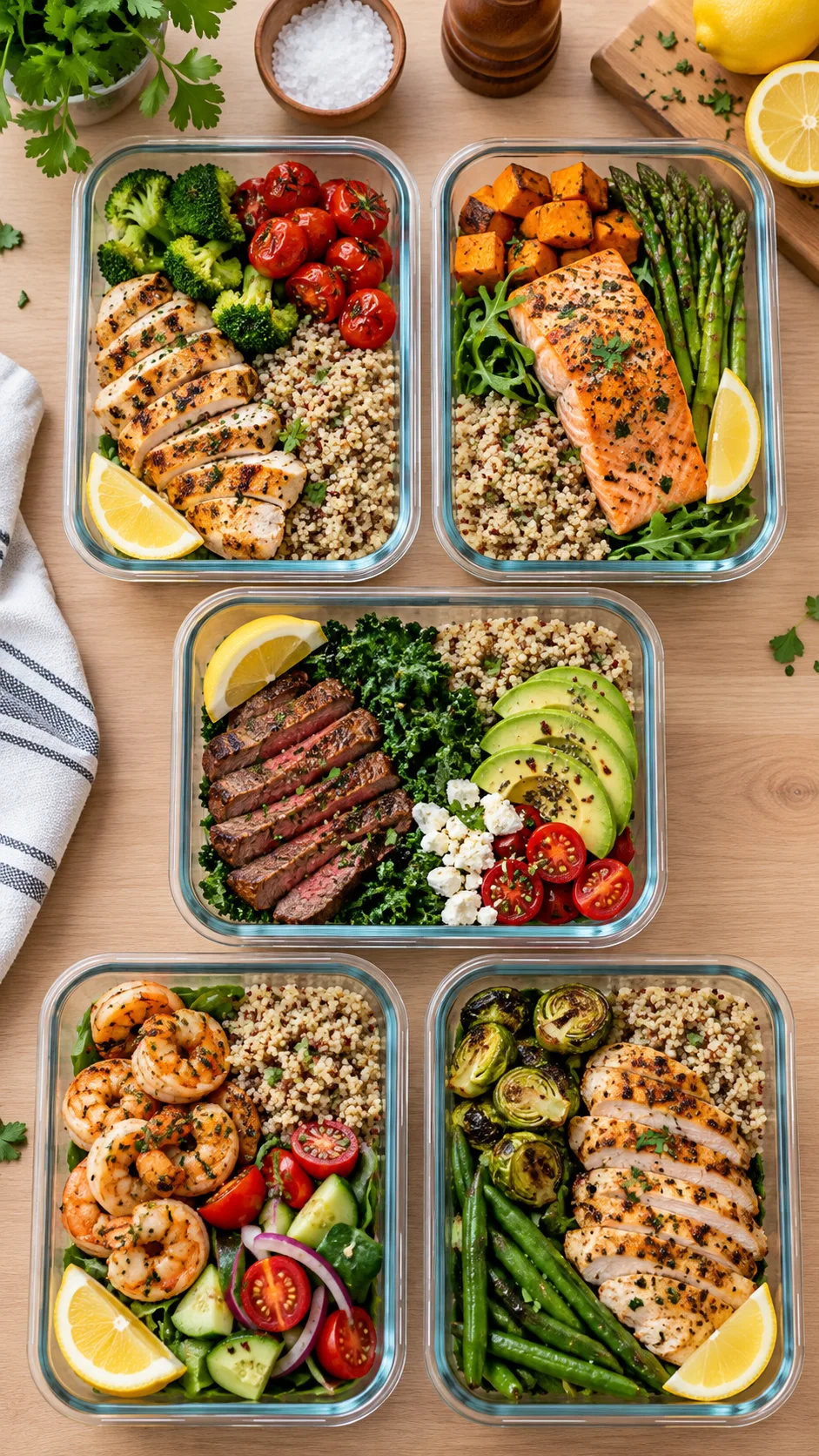
Cook individual components instead of building rigid, pre-portioned meal containers. Roast two sheet pans of mixed vegetables on Sunday evening. Grill two pounds of chicken breasts and brown two pounds of lean ground beef at the same time. Store each food item in its own glass container.
When you get hungry, combine your portions in two minutes. You avoid boredom because you change seasonings every day. Add chili powder and lime on Monday, or garlic and oregano on Tuesday. If you need simple kitchen strategies, read through these easy meal prep ideas to streamline your cooking.
How to handle social dinners and weekends
Most diets fall apart on Friday evening. The waiter drops warm sourdough on the table, friends order rounds of drinks, and rigid rules collapse. You can protect your fat loss targets without turning into a hermit.
First, drink a 40-gram whey protein shake with water thirty minutes before heading out. This knocks down immediate hunger, so you easily skip the free bread basket before your meal arrives.
Second, order strategically. Ask for grilled proteins, double portions of steamed vegetables, and dressings on the side. Commercial kitchens drown meats and sides in cooking oils. Asking the kitchen to prepare your food with light oil can save 400 calories in a single sitting.
If you drink, remember that your liver pauses fat burning while it processes alcohol. Stick to clear liquors like tequila or vodka mixed with club soda and lime juice. Skip sugary syrups, tonic water, and heavy draft beers.
Troubleshooting common roadblocks
Real life creates friction even when you follow a good plan. Use these practical adjustments when progress slows down.
Plateaus in scale weight
If the scale stalls for five days, stay calm. Hormonal shifts, high sodium meals, and hard workouts cause water retention. Track your fourteen-day average weight before cutting more food. Check your cooking oils, sauces, and drinks first: untracked cooking spray and butter ruin more diet plans than cheat meals ever do.
Energy crashes during workouts
If you feel flat during weight training, change your carbohydrate timing. Eat forty percent of your daily carbohydrates about an hour before your workout. Storing muscle glycogen right before training raises your performance, defends lean muscle mass, and keeps training volume high.
Uncontrollable late-night cravings
If you raid the refrigerator at night, your daytime routine needs adjustment. You probably cut your protein too low or skipped dietary fiber during lunch. Increase your fiber intake to at least 35 grams each day and hit your target protein numbers. Clinical research reviewed by The Mayo Clinic shows that soluble fiber slows gastric emptying and calms hunger signals before bedtime.

Your Monday morning action checklist
Stop saving meal prep graphics on social media and take immediate steps to start this week.
- Calculate your numbers: Multiply your goal body weight in pounds by 11 or 12 to find your daily calorie target. Set your daily protein target to one gram per pound of goal weight.
- Clean out the pantry: Throw away processed snacks that trigger binges. If family members keep junk food at home, place those snacks inside closed bins or out of reach.
- Shop for staples: Fill your cart with lean meats, bagged greens, cruciferous vegetables, fresh fruit, and potatoes.
- Cook two meats tonight: Brown extra-lean beef and bake a tray of chicken breasts. Having protein ready in the fridge makes following the plan effortless.
- Log your meals: Use a simple food tracking app and weigh portions on a digital kitchen scale for two weeks to learn true serving sizes.
Consistency builds momentum, and momentum turns habits into second nature. You do not need extreme misery to build a strong, lean body. Set firm rules around your protein and food volume, keep your evenings flexible, and watch the fat come off while you still enjoy everyday life.