

No diet will dissolve an endometrioma. Anyone who promises that is selling something. But food can change how much pain, bloating, and inflammation you deal with every day, and that matters a lot.
Some weeks feel manageable and others flatten you. Your plate plays a bigger role in that than most doctors have time to explain. This guide covers what the research says, what to eat, what to ease off, and how to build a plan you can live with.
What an endometrioma is, and what diet can and can’t do
An endometrioma is a cyst that forms on an ovary when endometriosis-type tissue grows there. Doctors often call it a “chocolate cyst” because it fills with dark, old blood. It means endometriosis is active in your body, and it often brings pelvic pain, painful periods, and fatigue.
Endometriosis affects roughly 1 in 10 women of reproductive age worldwide, according to the World Health Organization. The Mayo Clinic describes how the disease can cause chronic pain, scarring, and fertility problems.
The honest limits
Diet cannot shrink a large endometrioma or replace medical treatment. Your gynecologist still handles surgery, hormonal therapy, and monitoring. Think of food as a support act, not the headliner.
The realistic wins
Research suggests that eating patterns can influence inflammation, estrogen metabolism, and gut symptoms. Those three things shape how your pain feels. Food won’t fix the cyst, but it can turn down the volume on the misery around it.
Why food affects endometriosis pain
Endometriosis feeds on estrogen and drives chronic inflammation. Your diet touches both. Four mechanisms matter most.
- Prostaglandins are hormone-like chemicals that trigger cramping and pain. Omega-3 fats help your body make calmer versions, while excess processed omega-6 and trans fats push the other way.
- Fiber helps your gut move used estrogen out of your body. Low-fiber eating can slow that process.
- Many people with endometriosis also battle bloating, constipation, and IBS-style symptoms. Gut-friendly eating often eases the whole picture.
- Colorful plants deliver antioxidants, which help your cells handle the damage that oxidative stress causes.
A large 2018 study of nurses found that women who ate more trans fats had a higher risk of an endometriosis diagnosis. Women who ate more omega-3 fats had a lower risk. That doesn’t prove cause and effect, but it points in a clear direction. In my view, it’s reason enough to start there.
The core foods to build your plate around
You don’t need a 40-item shopping list or a blender the size of a toddler. You need a handful of reliable foods you enjoy. Start with these.
1. Fatty fish and other omega-3 sources
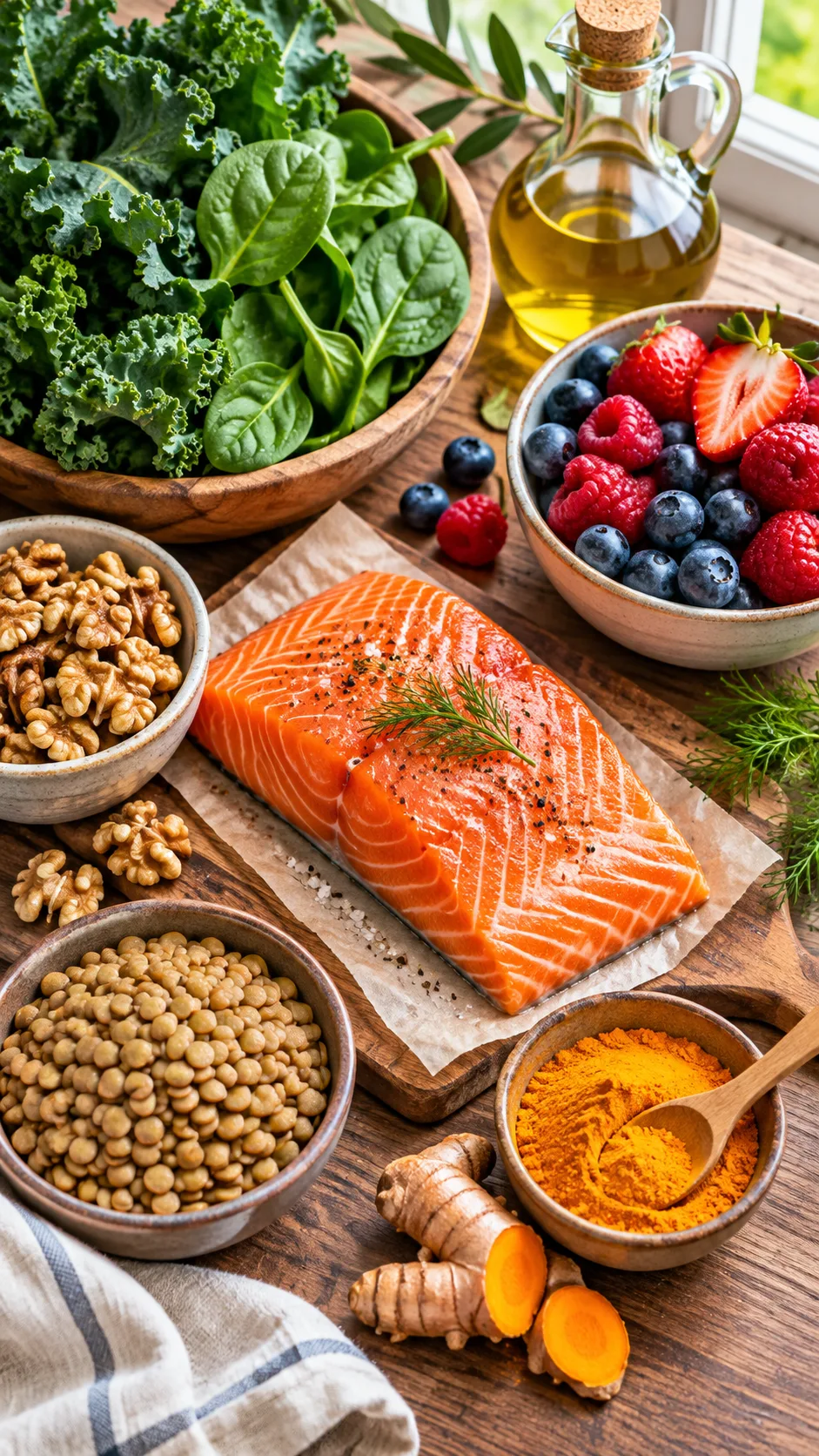
Salmon, sardines, mackerel, and trout supply EPA and DHA, the omega-3s with the strongest anti-inflammatory track record. Aim for two servings a week. If you skip fish, try ground flax, chia, or walnuts, though your body converts those into usable omega-3s less efficiently.
2. Leafy greens and cruciferous vegetables
Spinach, kale, broccoli, cabbage, and Brussels sprouts bring fiber, folate, and plant compounds that support healthy estrogen metabolism. Leafy greens also supply iron, which matters if you bleed heavily. Yes, you have to eat the broccoli. Sorry.
3. Berries and deeply colored fruit
Blueberries, strawberries, cherries, and pomegranate seeds pack polyphenols that calm inflammatory pathways. Frozen fruit works as well as fresh and costs less. Toss a handful into oatmeal or yogurt and move on with your day.
4. Whole grains and legumes
Oats, quinoa, brown rice, lentils, and chickpeas keep your fiber intake high and your blood sugar steady. Steady blood sugar means fewer inflammatory spikes. Beans also give you plant protein, so your body gets a break from heavy red meat.
5. Olive oil, nuts, and seeds
Extra virgin olive oil contains oleocanthal, a compound with mild ibuprofen-like effects. Walnuts, almonds, pumpkin seeds, and flax add magnesium and healthy fats. Magnesium may help ease muscle cramping, so these foods can pull double duty against period pain.
6. Anti-inflammatory spices
Turmeric (with black pepper), ginger, and cinnamon deserve space in your pantry. Ginger tea soothes nausea and cramps for many people. A pinch of turmeric won’t work magic, but a consistent habit adds up.
Foods to limit when you’re managing endometriosis
I’m not a fan of “forbidden food” lists. They stress people out, and stress inflames everything. Treat this section as a dial-down list, not a ban list.
Trans fats and ultra-processed foods
Packaged pastries, fried fast food, and margarine made with partially hydrogenated oils top the list. Research consistently links these foods to inflammation. Check labels for “partially hydrogenated” anything.
Excess red and processed meat
Some studies link higher red meat intake with higher endometriosis risk, while others find weaker links. The evidence isn’t airtight. Still, swapping a few beef dinners for fish, poultry, or beans costs you very little and may help.
Alcohol
Alcohol can raise estrogen levels and stress your liver, which processes hormones. It also wrecks sleep, and bad sleep amplifies pain. If you drink, keep it occasional and notice how you feel the next day.
Excess caffeine and added sugar
Research on caffeine and endometriosis gives mixed results, so you can stop panicking about your morning coffee. Heavy intake can worsen anxiety, sleep, and gut irritation, though. Added sugar fuels inflammation and energy crashes, so keep dessert as a treat rather than a daily event.
Your personal trigger foods
Most articles skip this part: your triggers may differ from someone else’s. Some people flare after dairy, some after gluten, and some after garlic. A food and symptom journal beats any generic list.
Diet experiments worth discussing with your doctor
Some people with endometriosis try structured elimination approaches. These can help, but they carry risks, so run them as short, supervised experiments.
Low-FODMAP diet
Many people with endometriosis have bowel symptoms that look like IBS. In a small 2017 study, a large majority of participants with both conditions reported better gut symptoms on a low-FODMAP diet. The approach restricts certain fermentable carbs for a few weeks, and then you reintroduce them one by one. Work with a dietitian so you don’t cut foods forever for no reason.
Gluten-free trial
A small, uncontrolled study found that many participants reported less pain after 12 months without gluten. The study design limits what we can conclude, since placebo effects run strong with pain. Still, if you suspect gluten bothers you, a structured trial of a few weeks costs nothing but effort. Reintroduce it afterward and compare.
Dairy: a mixed bag
Some research suggests dairy may even lower risk, while some people feel worse after eating it. Don’t cut it out because of a TikTok. Test it instead, and cover your calcium and vitamin D if you do remove it.

A sample day of eating for endometrioma pain relief
Abstract advice only goes so far. Here’s what a realistic day might look like, with no fancy ingredients required.
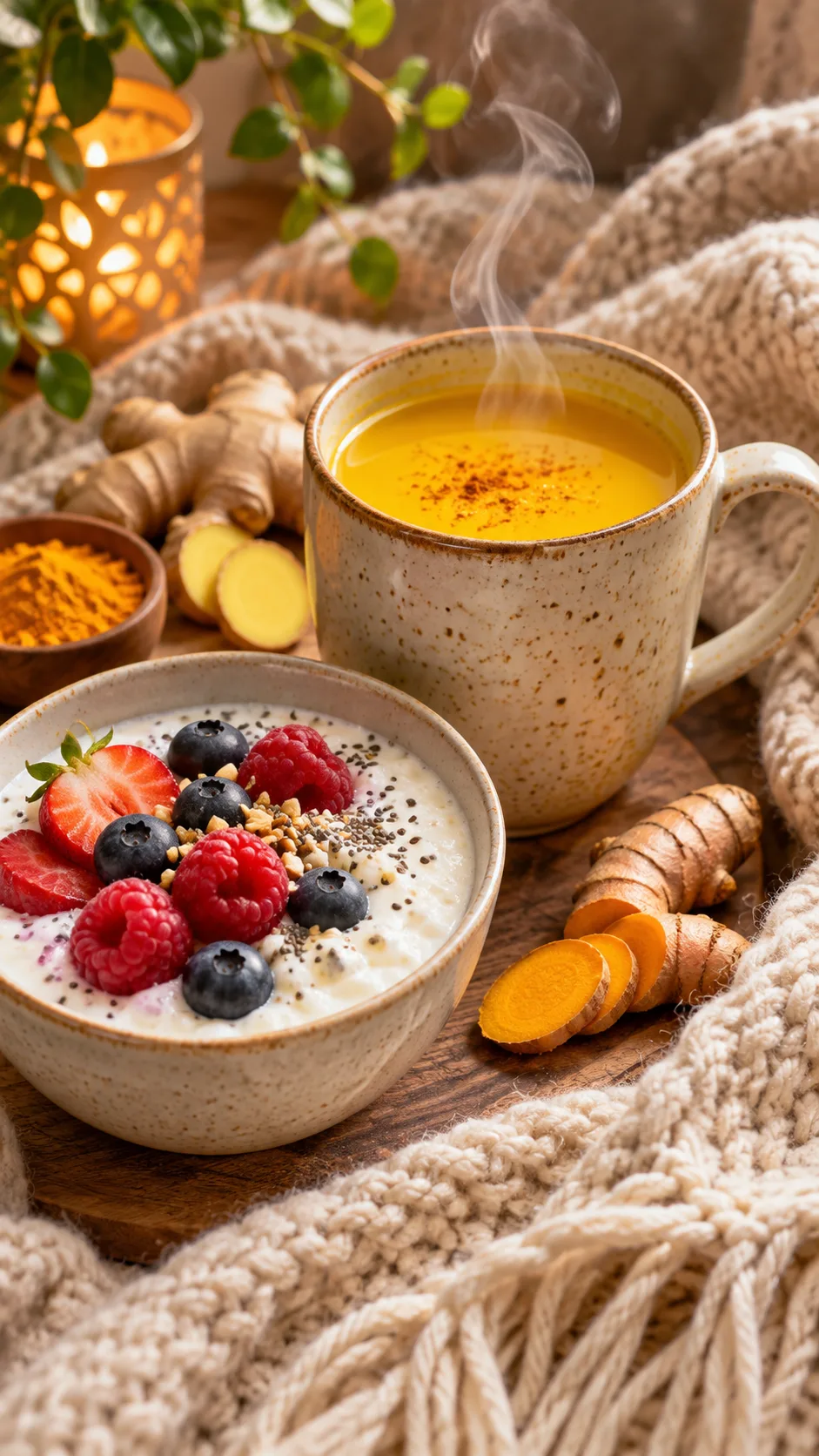
- Breakfast: oatmeal topped with blueberries, ground flaxseed, and chopped walnuts, plus a cup of ginger or green tea.
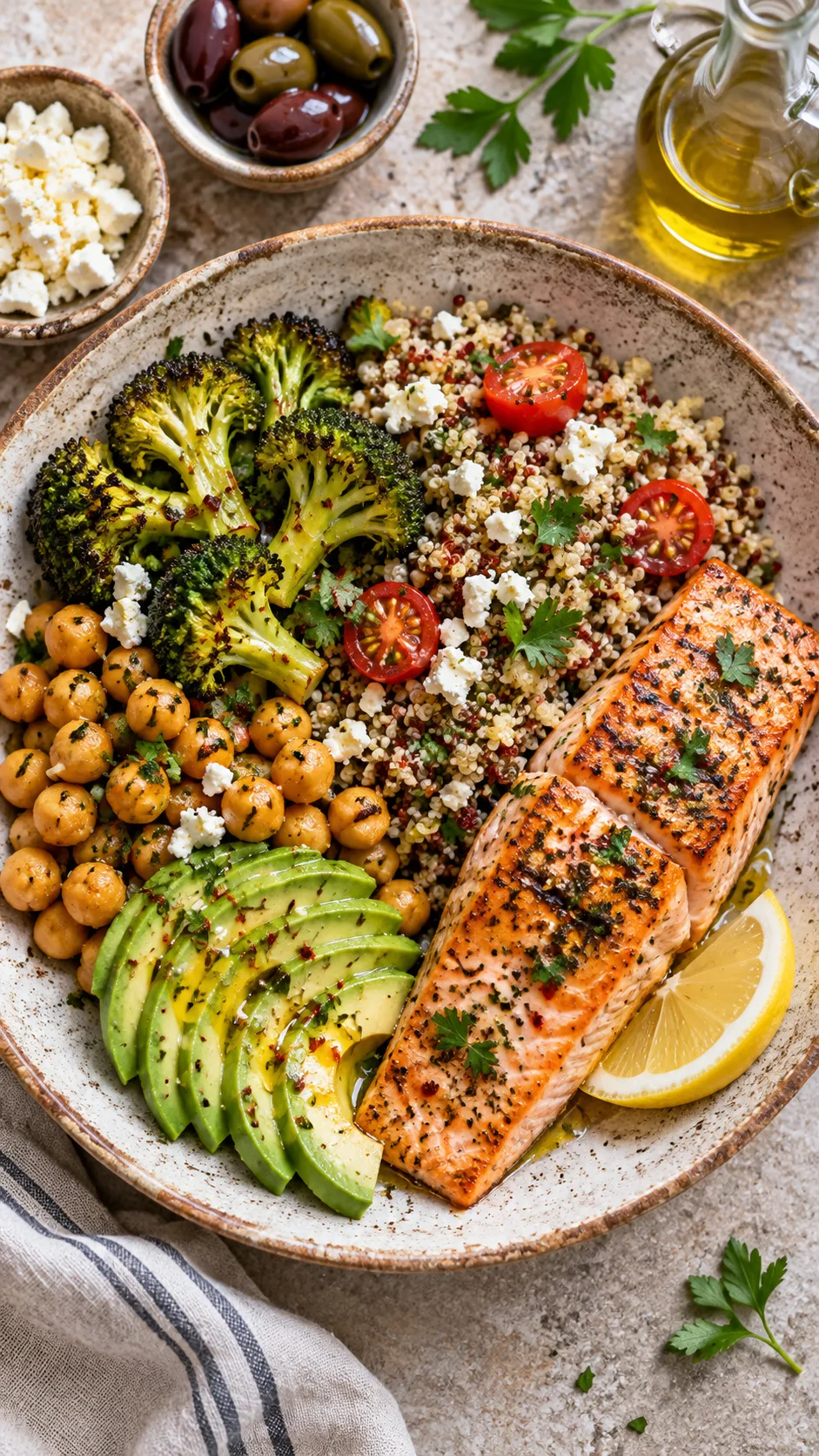
- Lunch: a big spinach salad with chickpeas, roasted sweet potato, avocado, and an olive oil and lemon dressing.
- Snack: apple slices with almond butter, or a small handful of pumpkin seeds.
- Dinner: baked salmon with roasted broccoli and quinoa, seasoned with turmeric and black pepper.
- Evening: warm chamomile tea and a square of dark chocolate. Yes, really.
Want more structure? Our anti-inflammation diet meal plan gives you a beginner-friendly template you can adapt. If you’re brand new to this style of eating, the inflammation diet for beginners guide explains the basics without overwhelming you.
Supplements: helpful or hype?
The supplement aisle loves chronic pain patients. Stay skeptical, and run any idea past your doctor first, especially if you take hormonal medication or blood thinners.
- Omega-3 (fish oil) is reasonable to consider if you rarely eat fish. Check the EPA and DHA amounts, not just the total oil.
- Vitamin D runs low in many people. A blood test tells you whether you need it and how much.
- Magnesium may help with cramps and sleep. Too much can upset your stomach.
- Iron makes sense only if testing shows you need it. Heavy periods can drain your stores, but extra iron without a deficiency causes problems.
- N-acetylcysteine (NAC), curcumin, and similar supplements look interesting in early research, but the evidence stays limited. Ask your doctor before you try them.
Supplements don’t cancel out a diet full of fried food. Food first, pills second.
Support your gut while you’re at it
Endometriosis and gut trouble travel together more often than not. Constipation, bloating, and “endo belly” can make you feel worse than the cyst itself. Steady fiber, plenty of water, and fermented foods like yogurt, kefir, or sauerkraut can help.
Some readers also like gentle, warm foods during flares. Our 21-day bone broth diet plan shows one way to calm your gut with simple, soothing meals. It won’t suit everyone, but it gives you an easy option on rough days.
Lifestyle habits that support the diet
Food works better when the rest of your life cooperates. Nobody wants a lecture, so this list stays short.
- Move gently. Walking, yoga, and swimming reduce inflammation and ease pelvic tension.
- Protect your sleep. Poor sleep makes pain feel louder, so keep a consistent bedtime.
- Manage stress with breathing exercises, therapy, or a hobby. Chronic stress keeps your body’s inflammation switch stuck on.
- Use heat. A heating pad on your lower belly beats most gadgets you’ll find online.
Pelvic posture and tight hips also contribute to lower back and pelvic discomfort for some people. If that sounds familiar, our guide on anterior pelvic tilt correction offers a few exercises to try alongside your diet.
Watch the video: eating for endometriosis
A visual walkthrough can make the basics click faster. This video explains how nutrition fits into endometriosis care.
Common mistakes that sabotage results
I’ve seen smart, motivated people trip over the same few things. Dodge these and you’ll save yourself months of frustration.
- Cutting everything at once. You can’t tell what helps if you change fifteen things on the same day.
- Going too restrictive. Extreme diets raise stress and can lead to nutrient gaps. Misery isn’t a health strategy.
- Expecting overnight results. Give any change 8 to 12 weeks before you judge it.
- Ignoring medical care. Diet supports treatment. It doesn’t replace imaging, follow-ups, or surgery when you need it.
- Blaming yourself after a flare. Endometriosis flares for reasons that have nothing to do with your lunch, so don’t let guilt run the show.
When to call your doctor
Don’t wait on a food experiment if your symptoms escalate. Contact your doctor promptly if you notice any of these:
- Sudden, severe pelvic pain, especially with fever, vomiting, or fainting (a ruptured or twisted cyst can cause this)
- Pain that suddenly worsens or no longer responds to your usual relief methods
- Very heavy bleeding that soaks through protection hourly
- Unexplained weight loss, or blood in your stool or urine
- Trouble conceiving after 6 to 12 months of trying
The American College of Obstetricians and Gynecologists offers clear patient guidance on endometriosis symptoms and treatment options. Bring your food journal to appointments too. It gives your care team real data to work with.
How to start this week
Don’t overhaul your kitchen on Sunday and burn out by Wednesday. Pick three small changes and stick with them for two weeks.
- Add one omega-3 meal, like salmon, sardines, or a flax and walnut breakfast.
- Add one extra serving of vegetables to lunch and dinner.
- Swap one processed snack for a whole food option, such as nuts, fruit, or hummus with carrots.
Track your pain, bloating, and energy daily on a simple 1-to-10 scale. After two weeks, review the pattern and add the next change. If you want a wider framework, the low inflammation diet plan for busy lives works well alongside this approach.
Frequently asked questions
Can diet shrink an endometrioma?
No. Diet can reduce inflammation and symptoms, but it won’t shrink or remove the cyst. Your gynecologist decides whether to monitor, medicate, or operate.
Is there a single best endometriosis diet?
No single plan wins for everyone. Mediterranean-style, anti-inflammatory eating gives you the strongest foundation, and you can personalize from there based on your triggers.
How long until I notice a difference?
Gut symptoms may improve within a few weeks. Pain and inflammation usually take two to three months of consistent habits to change.
The bottom line
An endometrioma diet won’t erase the cyst, but it can make daily life a lot more comfortable. Build your meals around omega-3s, colorful plants, fiber, and healthy fats. Limit trans fats, ultra-processed foods, and excess alcohol, and test your personal triggers one at a time.
Pair those habits with solid medical care, gentle movement, and decent sleep. Small changes compound faster than you’d expect. Pick one thing from this article, do it today, and let your body tell you what works.
This article offers general information and does not replace personalized medical advice. Talk with your doctor or a registered dietitian before you make major diet or supplement changes.