

Your lower back aches, your belly pokes out more than it should, and your butt looks like it’s permanently trying to leave the room. Sound familiar? You might have anterior pelvic tilt, and most people do without even knowing it.
I spent two years blaming my mattress, my chair, and even my shoes before a physio pointed at my hips and said, “There’s your problem.” A few targeted exercises later, my lower back pain practically disappeared. Here’s exactly what worked.
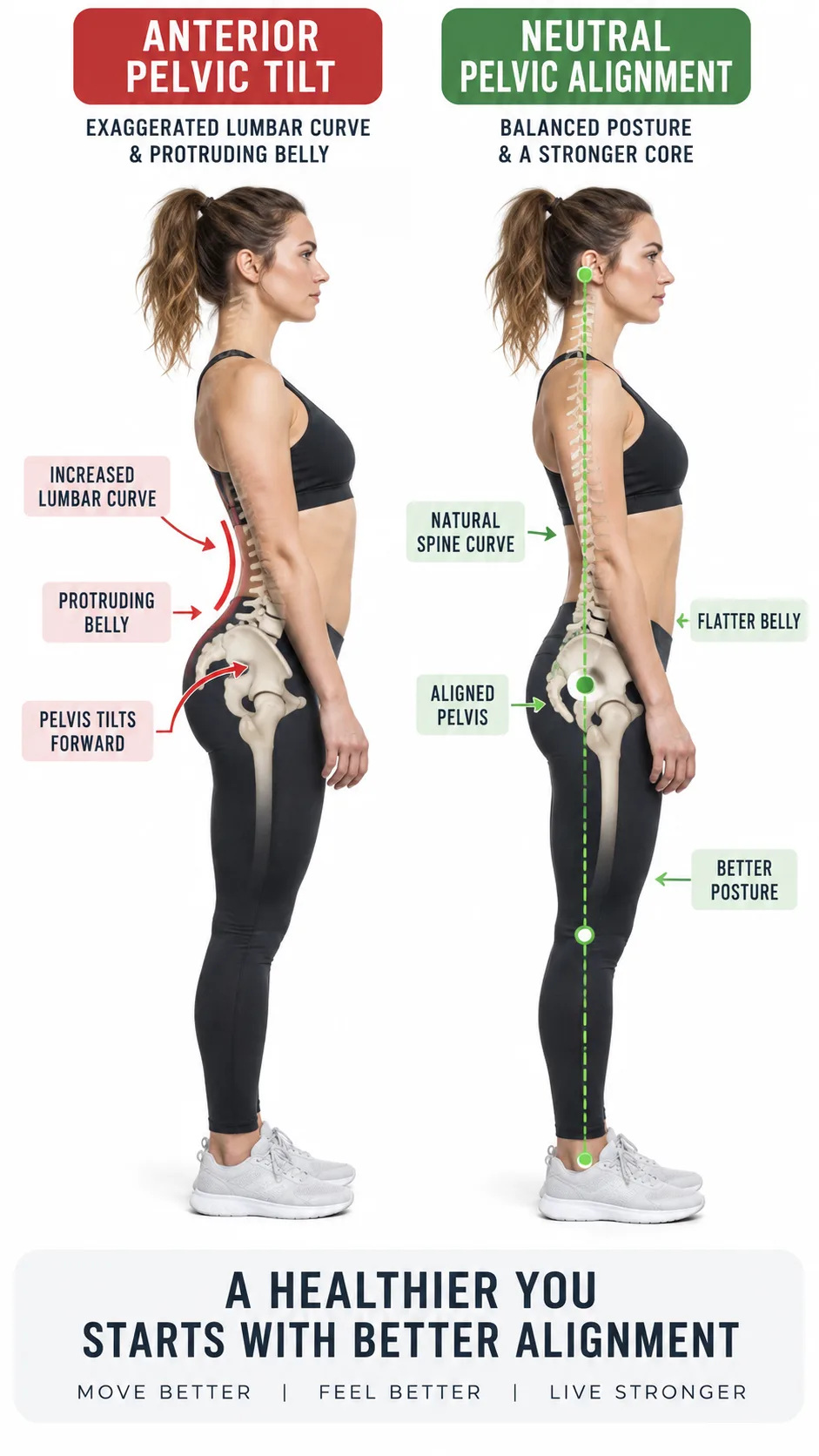
What is anterior pelvic tilt (and why should you care)?
Anterior pelvic tilt (APT) happens when the front of your pelvis drops forward and the back rises up, creating an exaggerated curve in your lower spine. Think of your pelvis like a bowl of water. APT means the water spills out the front.
This misalignment puts constant compression on your lumbar spine and tightens your hip flexors. Over time, it causes real, chronic lower back pain. Research published by the National Institutes of Health identifies poor pelvic posture as a major contributing factor to non-specific lower back pain in adults.
The good news? It’s almost entirely fixable with the right exercises. No surgery, no medication. Just consistent work on the right muscles.
Common signs you have anterior pelvic tilt
- Persistent lower back tightness or pain
- Your belly sticks out even when you’re lean
- Your butt looks excessively “popped” when standing
- Tight hip flexors and weak glutes
- Discomfort after long periods of sitting or standing
What causes anterior pelvic tilt?
Sitting. Lots and lots of sitting. When you sit for hours daily, your hip flexors (the muscles connecting your spine to your thighs) shorten and tighten. Meanwhile, your glutes and core go completely lazy from disuse.
This muscle imbalance, tight hip flexors combined with weak glutes and a weak core, pulls your pelvis forward. It’s a postural habit built over years, and desk jobs, driving, and binge-watching are the main culprits. Even athletes develop APT when they neglect the right muscle groups.
The fix requires both stretching the overactive muscles and strengthening the underactive ones. You can’t do just one and expect results.

The 8 exercises that actually fixed my anterior pelvic tilt
I did these exercises 5 days a week for about 6 weeks. By week three, my lower back stopped aching in the mornings. By week six, I felt like a completely different person. Here’s the full routine:
Stretches: releasing the tight muscles
-
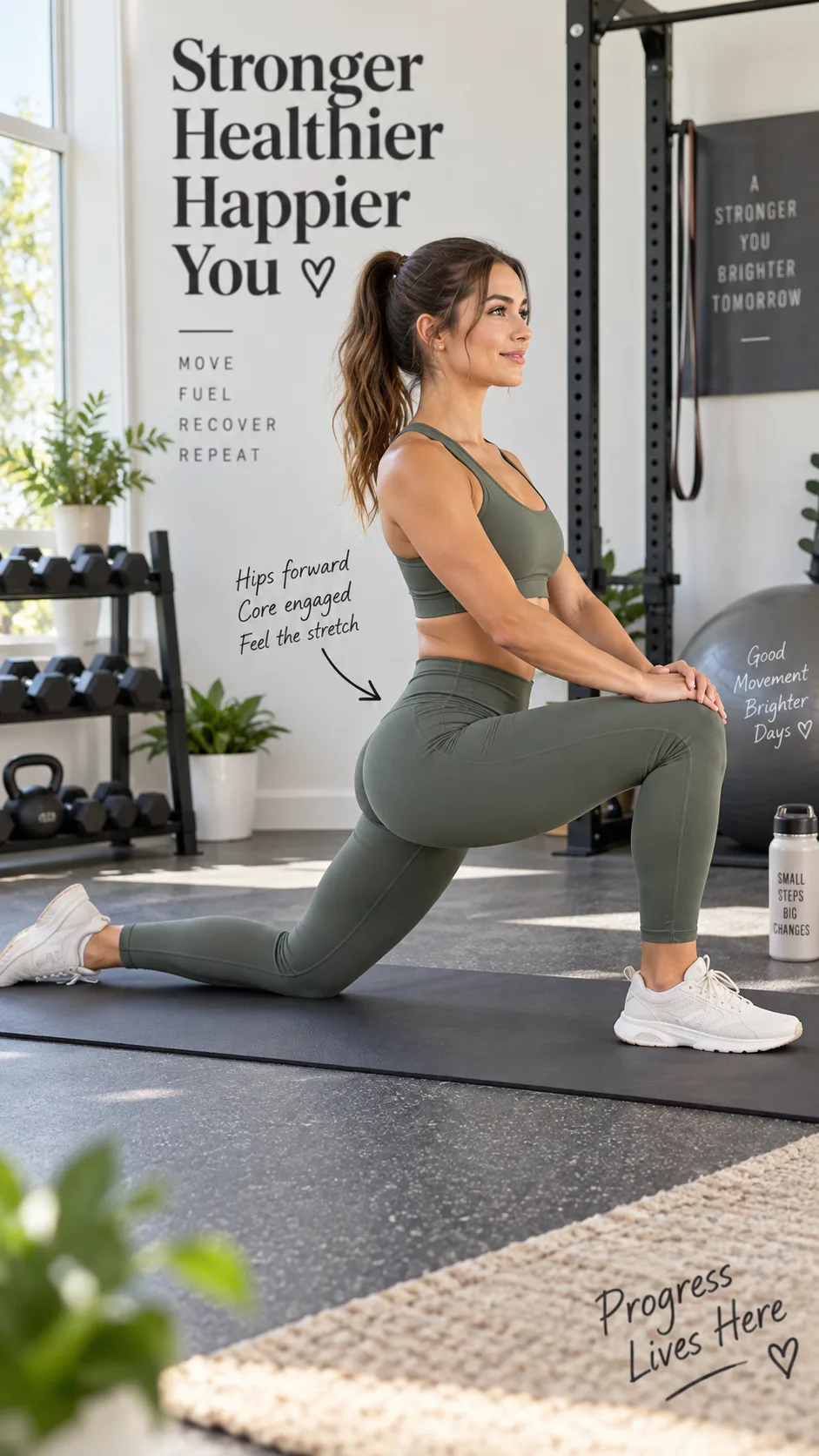
Kneeling hip flexor stretch
Drop into a lunge position with one knee on the floor. Push your hips forward gently until you feel a deep stretch in the front of the hip. Hold for 45 to 60 seconds per side. This directly targets the psoas and iliacus, the biggest culprits in APT.
-
Couch stretch
Place your back foot up on a couch or wall while your front foot stays flat on the floor in a lunge. This one is brutal at first (in the best way). Hold for 60 seconds per side and try not to curse out loud. It opens up the hip flexor more aggressively than almost anything else.
-
Supine hamstring stretch
Lie on your back, loop a towel or resistance band around one foot, and gently pull your leg toward you. Tight hamstrings also contribute to pelvic tilt, though most people forget this. Hold for 45 seconds per side.
-
Child’s pose with lateral reach
Sit back onto your heels and reach your arms forward on the floor. Then walk your hands to one side to stretch the lateral lower back. Hold each side for 30 to 40 seconds. This decompresses the lumbar spine and feels absolutely amazing after a long day.
Strengthening: building the muscles that matter
-
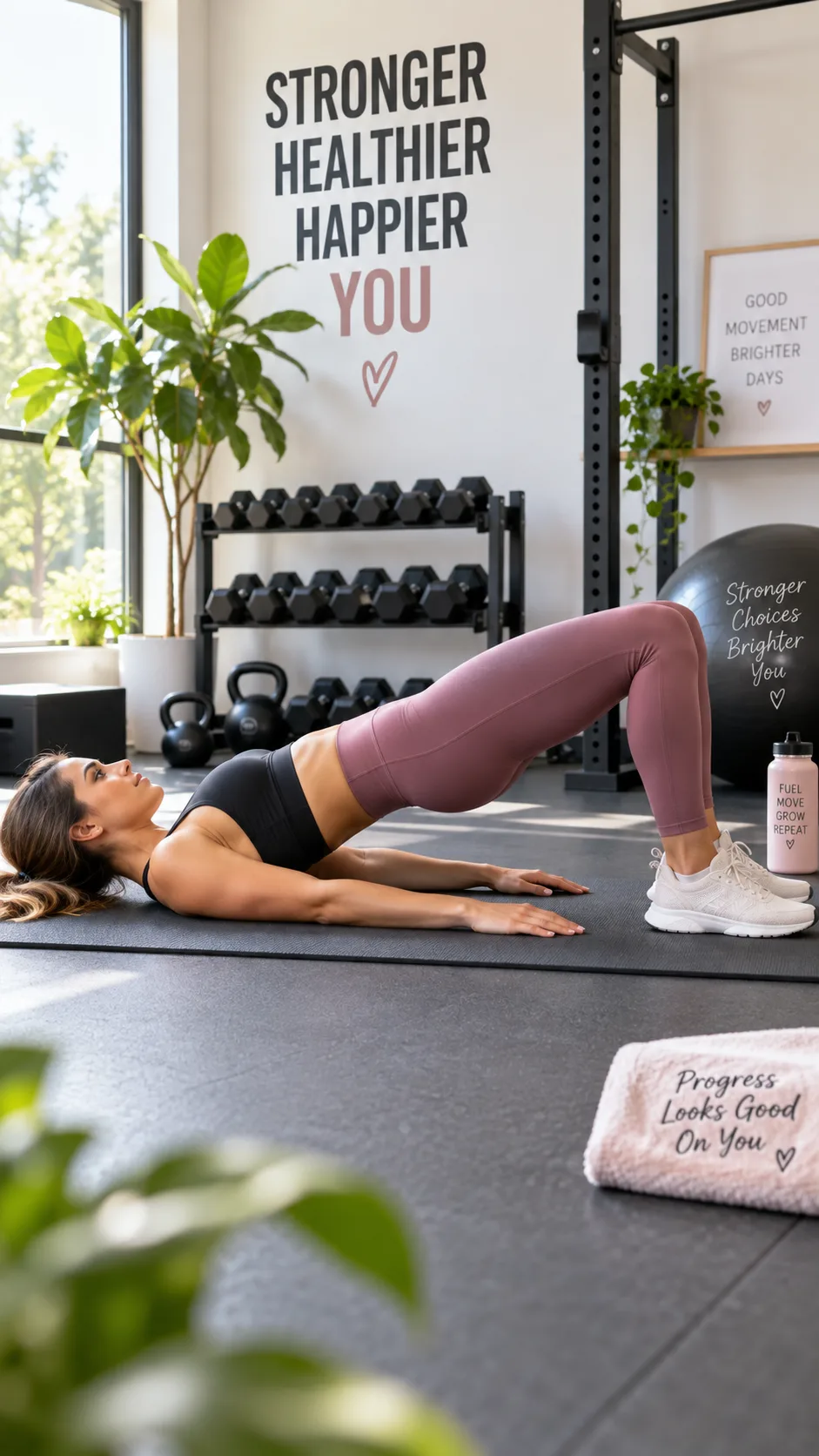
Glute bridges
Lie on your back with knees bent and feet flat on the floor. Drive your hips up, squeeze your glutes hard at the top, and hold for 2 seconds. Do 3 sets of 15 to 20 reps. Weak glutes are practically a prerequisite for anterior pelvic tilt, making this your primary fix.
-
Dead bug
Lie on your back with arms pointing to the ceiling and knees bent at 90 degrees. Slowly lower the opposite arm and leg toward the floor while keeping your lower back PRESSED flat. Do 3 sets of 10 reps per side. This builds deep core stability without creating more hip flexor tightness, unlike crunches.
-
McGill curl-up
Developed by spine specialist Dr. Stuart McGill, this is nothing like a typical crunch. Lie on your back with one knee bent and one leg straight. Slide your hands under your lower back for support. Lift ONLY your head and shoulders slightly off the floor. Do 3 sets of 8 to 10 reps. It builds core strength without stressing the lumbar spine.
-
Posterior pelvic tilt wall drill
Stand with your back against a wall. Actively tilt your pelvis backward to flatten your lower back against the wall. Hold for 5 seconds, then repeat 15 times. This teaches your body what neutral pelvic alignment actually feels like, and in my opinion it’s the most underrated exercise on this list.
How to structure your weekly routine
You don’t need hours in the gym. The whole routine takes about 20 to 25 minutes if you stay focused. Here’s the weekly structure that worked for me:
- Monday, Wednesday, Friday: Full routine (all 8 exercises)
- Tuesday, Thursday: Hip flexor stretches only (5 to 10 minutes)
- Weekend: Rest or light walking
Consistency beats intensity every single time. You won’t fix years of postural habits in one hardcore session, but 20 minutes a day, five days a week changes everything within weeks.
The Spine-Health resource center notes that correcting anterior pelvic tilt requires addressing both flexibility and strength deficits together, not separately. That’s exactly why this routine combines both approaches.
Common mistakes that slow your progress
- Only stretching and skipping strengthening — stretching alone won’t hold the pelvis in place
- Doing sit-ups and crunches — these strengthen the hip flexors and make APT worse
- Inconsistency — doing the routine twice then quitting because you “don’t feel different yet”
- Ignoring your sitting posture — if you sit badly for 8 hours, 20 minutes of exercises won’t undo it
- Rushing the stretches — holding for under 30 seconds doesn’t actually change muscle length
Worth noting: if you’re working on your posture from multiple angles, check out our guide on how to fix rounded shoulders. Anterior pelvic tilt and rounded shoulders often show up together as part of the same postural chain.
What else helps fix anterior pelvic tilt faster?
Exercise is the foundation, but a few lifestyle changes can seriously accelerate your results. Standing desks cut down the hours your hip flexors spend in a shortened position. Taking a short walk every hour breaks the sitting cycle. Sleeping on your side with a pillow between your knees keeps your pelvis neutral overnight.
If you sit at a desk all day, look into an ergonomic chair with lumbar support. The Mayo Clinic’s office ergonomics guide is genuinely useful for setting up your workstation properly.
And if you’re also trying to address back appearance alongside posture, our article on how to get rid of back rolls covers complementary exercises that support a stronger, healthier back overall.
When will you actually see results?
Most people feel a noticeable reduction in lower back tightness within 2 to 3 weeks of consistent work. Visible postural changes take longer, usually 6 to 12 weeks, because you’re genuinely retraining your neuromuscular system.
Don’t measure progress daily. Check in weekly instead. Take a side-profile photo every two weeks to track postural changes objectively. It’s surprisingly motivating when you actually see your pelvis shifting back into alignment.
Severe or long-standing APT may benefit from working alongside a physiotherapist. There’s no shame in getting professional eyes on your movement patterns. It can shave weeks off your recovery time.
Final thoughts
Anterior pelvic tilt is incredibly common, genuinely fixable, and not your fault. Modern life basically programs it into us. The eight exercises in this article directly target the root cause: tight hip flexors, weak glutes, and a dormant core.
Start with the stretches, add the strengthening work, and stay consistent for six weeks before you decide whether it’s working. Your lower back will feel better, your posture will improve, and you might even stop blaming your mattress.
Pick one exercise from this list and do it today. Your future self will be glad you didn’t wait for the perfect time to start.