

Do you ever feel like you gain two pounds just by walking past a bakery? Your friend downs a plate of pasta and stays lean, while a single roll seems to expand your waistline overnight. That frustration reflects biology, not imagination.
You probably have an endomorph body type. Your genetics program your cells to store fuel quickly and release it grudgingly. Standard low fat, high carb diet advice works against your hormones, leaving you hungry, tired, and trapped in a constant cycle of weight regain.
This guide gives you a concrete blueprint to control your metabolism. You will learn how to feed your body type properly, shed stubborn fat, and keep every lost pound off for good.
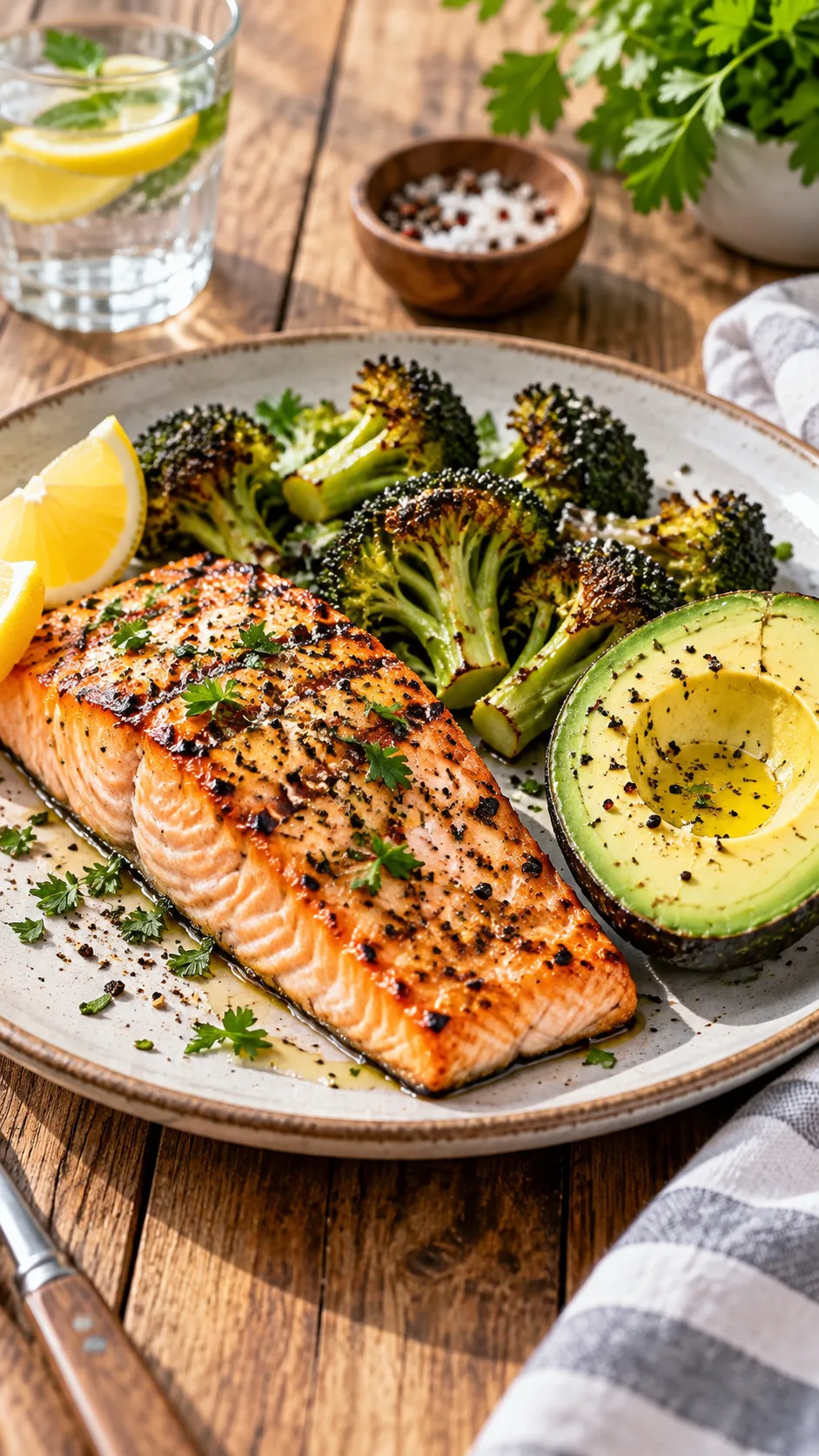
What makes an endomorph body tick (and why most diets fail you)
Dr. William Sheldon categorized human bodies into ectomorphs, mesomorphs, and endomorphs. Ectomorphs carry lean frames and burn calories rapidly. Mesomorphs add muscle easily and drop fat without excessive effort. Endomorphs, by contrast, naturally carry a higher percentage of body fat, wider bone structures, and a slower metabolic rate.
An endomorph frame does not doom you to struggle with excess weight forever. It simply means standard generic diets work against your personal hormonal makeup.
Endomorphs face two clear metabolic tendencies:
- High carbohydrate sensitivity: Your cells respond poorly to insulin. When you eat starchy or processed carbs, your pancreas pumps out surplus insulin. This excess insulin locks down your fat stores and tells your body to stash calories away rather than burn them.
- A slower resting metabolic rate: Your body burns fewer calories per hour at rest than a naturally thin frame of the same weight. When you follow standard 2,000-calorie meal plans, you create an accidental caloric surplus.
A study from the National Institutes of Health shows how baseline insulin sensitivity directly controls weight management outcomes. Standard nutrition advice tells everyone to load up on whole grains, cereals, and fruits. For an endomorph, that advice triggers blood sugar spikes, stubborn cravings, and steady fat accumulation.
The rebound loop: why the weight returns
You drop your daily intake down to 1,200 calories. You lace up your shoes and grind out 45 minutes on the treadmill each morning. You lose ten pounds over four weeks and celebrate your success. Then normal life resumes: you eat regular restaurant meals for two weekends, and all ten pounds return with extra weight on top.
Severe calorie deprivation triggers a harsh survival response. When you starve your system, your thyroid slows hormone production, and you lose functional muscle tissue. Because muscle drives the bulk of your resting energy burn, losing muscle lowers your metabolic burn rate even further.
The moment you resume eating regular meals, your sluggish metabolism cannot process the incoming fuel. Your body stores every spare calorie directly in fat cells as protection against future famine. If you ever used harsh calorie cutting to break a stubborn weight-loss stall, you felt this metabolic rebound firsthand.
To stop this rebound permanently, stop slashing calories without a plan. Shift your attention toward hormonal control, nutrient partitioning, and muscle retention.

The core blueprint: macronutrient ratios for endomorph success
Endomorphs thrive on higher protein intake, plenty of healthy fats, and controlled carbohydrates. This nutrient split stabilizes blood glucose, provides steady daytime energy, and prevents late-night cravings.
Set aside the high carb pyramid. Build your plates around this daily split instead:
- 35% protein: Protein stabilizes blood sugar, burns energy during digestion through the thermic effect of food, and protects your lean tissue while you drop fat.
- 35% healthy fats: Quality fats provide sustained energy, support hormone production, and keep you full between meals.
- 30% complex, fibrous carbs: Fiber-dense carbohydrates break down slowly, preventing the steep insulin surges that trigger fat storage.
Endomorphs with substantial insulin resistance often see faster results from a 40% protein / 40% fat / 20% carbohydrate split during their first eight weeks. Test these numbers and monitor your energy, waist circumference, and gym performance.
Prioritizing protein for muscle preservation
Anchor every meal with a quality protein source. Eat 0.8 to 1.0 grams of protein per pound of lean body mass each day. Your digestive system burns up to 30 percent of the calories in protein simply breaking down its amino acids. Fats and carbohydrates require barely 3 to 8 percent of their caloric energy for digestion.
Stock your kitchen with these whole food protein sources:
- Skinless chicken breast and turkey tenderloin
- Wild salmon, cod, tuna, and mackerel
- Lean grass-fed beef and ground bison (90 percent lean or higher)
- Pasture-raised whole eggs and egg whites
- Unsweetened Greek yogurt and low-fat cottage cheese
- Tempeh, extra-firm tofu, and shelled hemp seeds
Using healthy fats to control blood sugar
Dietary fat does not raise insulin levels. When you pair healthy fats with lean protein, you create a slow, steady digestive process that keeps your hunger signals quiet for hours.
Watch your portion sizes closely. Fats contain nine calories per gram, which means heavy pours of cooking oils add up quickly. Measure your servings and focus on whole food options:
- Extra virgin olive oil and avocado oil
- Fresh avocados
- Raw almonds, walnuts, pumpkin seeds, and chia seeds
- Natural nut butters without added sugar or hydrogenated oils
Timing your carbohydrates
Carbohydrate timing dictates your results on an endomorph plan. You do not need to eliminate carbs, but physical effort must earn them. When you sit at a desk all day, your muscle glycogen stores stay completely full. If you eat a plate of starches in that resting state, the resulting glucose spikes your bloodstream and enters storage cells.
Eat most of your daily complex carbs within two hours after a tough resistance training workout. Strenuous lifting allows your muscles to absorb glucose directly without requiring large insulin spikes. Your body pushes those carbs into muscle recovery instead of body fat. On rest days, stick to fibrous leafy greens and cruciferous vegetables.
A 7-day endomorph meal plan you can maintain
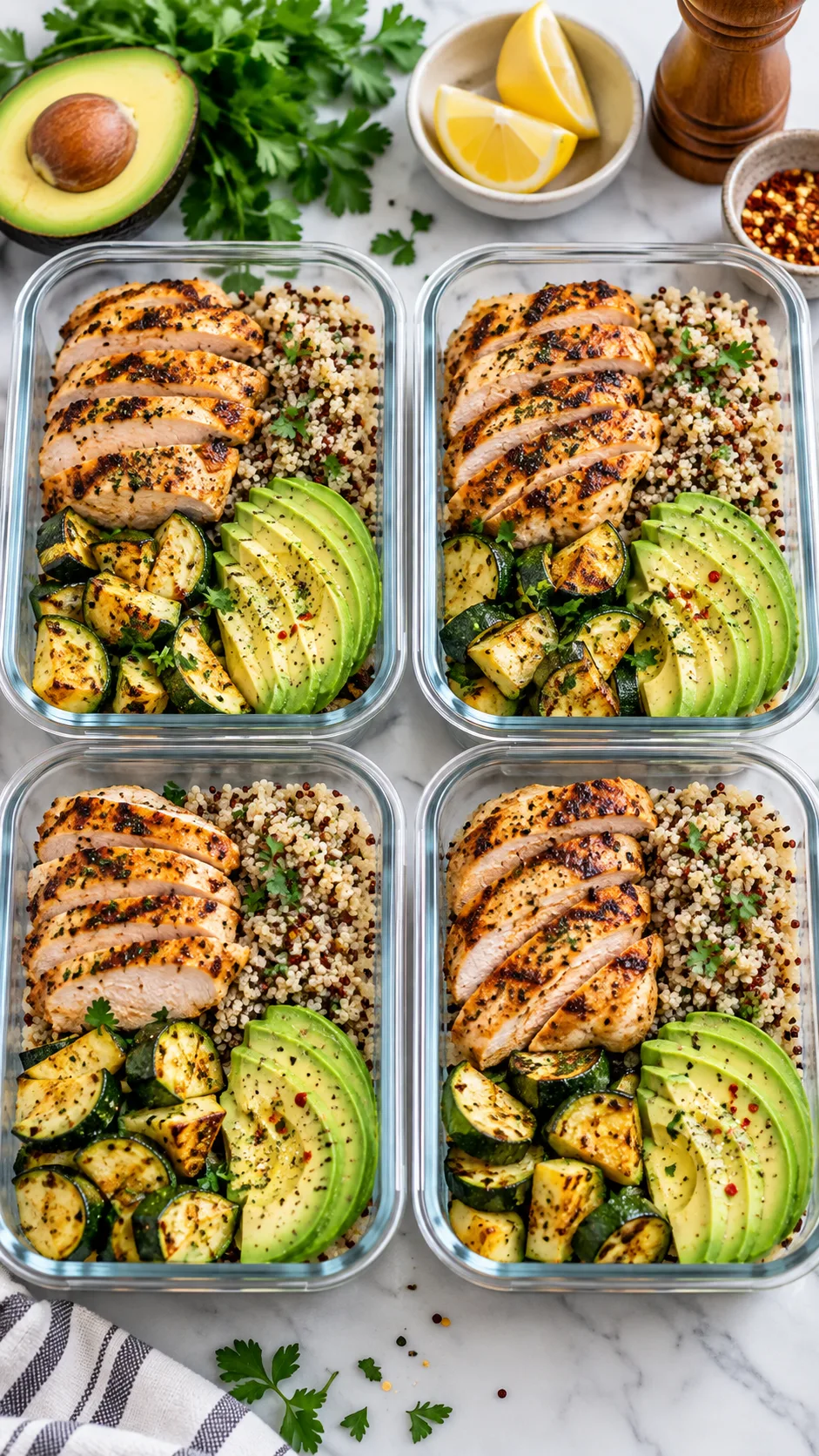
Banish dry chicken breasts and plain celery. This schedule uses hearty meals, bold seasonings, and filling portions to keep you satisfied. You can combine this structure with an intermittent fasting schedule like a 16:8 window if you want to improve your insulin response even faster.
Day 1 (Training day)
- Breakfast: Three scrambled whole eggs with baby spinach, diced bell peppers, and half an avocado.
- Lunch: Grilled chicken breast salad with mixed greens, sliced cucumbers, pumpkin seeds, and two tablespoons of olive oil vinaigrette.
- Post-workout dinner: Six ounces of baked salmon, half a cup of wild rice, and roasted asparagus spears.
- Optional snack: One cup of plain Greek yogurt with a tablespoon of chia seeds.
Day 2 (Rest day)
- Breakfast: Protein shake with unsweetened almond milk, one scoop of whey isolate, baby spinach, and one tablespoon of almond butter.
- Lunch: Flaked tuna salad mixed with mashed avocado inside romaine lettuce boats, topped with cherry tomatoes.
- Dinner: Lean ground turkey skillet with broccoli florets, sliced mushrooms, and zucchini cooked in coconut oil.
- Snack: A small handful of raw walnuts.
Day 3 (Training day)
- Breakfast: Omelet made with two whole eggs, two egg whites, sautéed mushrooms, and one ounce of goat cheese.
- Lunch: Sliced roast beef, steamed green beans, and cauliflower mash with roasted garlic.
- Post-workout dinner: Seven ounces of grilled chicken tenders, one small roasted sweet potato, and sautéed kale.
- Snack: Celery sticks with two tablespoons of natural peanut butter.
Day 4 (Rest day)
- Breakfast: One cup of whole-milk cottage cheese topped with ground flaxseed and fresh blackberries.
- Lunch: Caesar salad featuring grilled shrimp, shaved parmesan, crisp romaine, and an avocado-oil Caesar dressing.
- Dinner: Pan-seared cod with lemon butter sauce and roasted Brussels sprouts.
- Snack: One hard-boiled egg with smoked paprika.
Day 5 (Training day)
- Breakfast: Three scrambled eggs with smoked salmon, capers, and red onion.
- Lunch: Grilled turkey patty topped with sliced avocado alongside a large garden salad.
- Post-workout dinner: Six ounces of flank steak, half a cup of cooked quinoa, and grilled zucchini slices.
- Snack: One scoop of casein protein mixed into unsweetened almond milk.
Day 6 (Rest day)
- Breakfast: Chia seed pudding made with unsweetened almond milk, vanilla protein powder, and chopped pecans.
- Lunch: Shredded chicken breast mixed with fresh guacamole over baby arugula.
- Dinner: Roasted pork tenderloin medallions with seared cabbage steaks.
- Snack: Sliced cucumbers with two tablespoons of guacamole.
Day 7 (Flexible training day)
- Breakfast: Two whole eggs, two slices of turkey bacon, and sautéed mushrooms.
- Lunch: Salmon bowl with cauliflower rice, shredded red cabbage, edamame, and sesame dressing.
- Post-workout dinner: Ground bison chili cooked with tomatoes, diced onions, bell peppers, and black beans.
- Snack: One ounce of raw almonds.
This layout alternates your carbohydrate intake intentionally. On training days, you replenish muscle energy with controlled portions of sweet potatoes, wild rice, and quinoa. On rest days, you pull out the starches and add fibrous greens with healthy fats. This keeps your insulin levels steady throughout the week.
You can supplement this nutritional plan with targeted weight loss supplements such as berberine or omega-3 fatty acids to support daily glucose management.
The exercise plan: lift weights and skip chronic cardio
If your current fitness routine relies on daily hour-long elliptical sessions, step off the console. Excessive steady cardio elevates cortisol, breaks down lean muscle tissue, and drives up your appetite. In an endomorph, persistent cortisol production directs fat storage straight into deep abdominal tissue.
Instead of grinding through repetitive cardio sessions, build dense muscle tissue. Lean muscle acts like an internal furnace. Every extra pound of muscle tissue burns calories around the clock, even when you rest on the sofa.

Focus on compound lifting movements
Spend three or four days every week lifting weights. Multi-joint exercises recruit the most muscle fibers, burn significant energy, and promote healthy hormone production.
Center your gym workouts around four main movement patterns:
- Squats: Barbell back squats, goblet squats, and front squats challenge your quads, glutes, and core muscles.
- Deadlifts: Conventional and Romanian deadlifts strengthen your entire back side and keep your metabolism elevated for hours.
- Presses: Overhead presses and flat bench presses develop your shoulders, triceps, and chest.
- Pulls: Barbell rows and weighted pull-ups build back thickness and improve your posture.
Add short interval training
Trade long treadmill runs for two short interval sessions each week. Sprint hard on a stationary bike, swing a heavy kettlebell, or push a weighted sled for 30 seconds, then rest for 60 seconds. Complete six to ten rounds.
High-intensity intervals cause excess post-exercise oxygen consumption. Data from the American Council on Exercise shows that this recovery demand causes your body to burn additional calories for up to 36 hours post-workout while your muscles repair.
Daily habits that protect your progress
Poor lifestyle habits undermine good nutrition and hard training. Two habits directly influence your fat storage hormones:
1. Fix your sleep
When you sleep under seven hours each night, your leptin levels drop and your ghrelin levels climb. Research in the International Journal of Obesity showed that sleep restriction blunts fat loss and drives up sugar cravings the next day.
Power down screens an hour before sleep. Keep your bedroom cold and dark. Target seven to eight hours of solid sleep each night to maintain healthy insulin sensitivity.
2. Reduce daily stress
Ongoing mental stress keeps cortisol circulating in your bloodstream. High cortisol paired with elevated insulin prompts your body to store visceral fat around your organs. Spend ten minutes each day practicing slow diaphragmatic breathing or walking outdoors to reset your nervous system.
Walking 8,000 to 10,000 steps per day also burns reliable energy without wearing out your joints or spiking your appetite.
Common mistakes that stall progress
Endomorphs often run into three predictable dietary traps that freeze fat loss:
- Cutting calories too low: Dropping your intake below your resting metabolic needs ruins your daily energy expenditure. Never cut more than 15 percent below your maintenance calories. Consistent, moderate deficits protect your metabolic health.
- Drinking liquid carbohydrates: Commercial smoothies, bottled fruit juices, and sweetened coffees flood your liver with liquid sugars without satisfying hunger. Choose whole foods that require chewing.
- Overeating on weekends: An endomorph can erase five days of progress with two days of uncontrolled eating. When you deal with lower insulin sensitivity, massive cheat days fill fat cells quickly. Replace weekend blowouts with a single planned meal that includes clean carbs and extra protein.
Common questions
Can an endomorph ever eat bread or pasta?
Yes. You do not need to banish favorite foods forever. Once you shed excess body fat and improve your insulin sensitivity through strength training, your body manages starches far better. Treat pasta and bread as occasional treats after demanding workouts rather than everyday pantry staples.
How fast should an endomorph expect to lose weight?
Aim for a pace of one to two pounds per week. Shedding weight faster than that usually strips water and valuable muscle tissue rather than stored body fat. A controlled pace protects your metabolic rate and keeps the weight from returning.
Do I need to count calories?
Calorie tracking provides an honest reality check during your first month. Healthy fats contain high calorie counts, and casual estimates often lead to overeating. Log your meals for four weeks in an app to learn real portion sizes, then shift to intuitive eating based on your macronutrient targets.
Take control of your biology
An endomorph somatotype does not lock you into constant weight struggles. Your body simply demands a specific fuel mix and training stimulus that respects your endocrine system.
Step off the treadmill and leave low-fat diet snacks behind. Eat quality protein, welcome healthy fats, earn your complex carbohydrates through heavy lifting, and get restful sleep every night. When your daily routine works with your biology, you shed fat and keep it off permanently.