

Your gallbladder is not being dramatic. That stabbing pain under your right ribs after a cheeseburger is a real signal, and you can respond to it with your fork.
This guide gives you a practical gallstone diet meal plan you can start tomorrow. It covers the rules, the foods, a full seven-day menu, and the mistakes that keep people stuck in the cycle. Ready to eat without bracing for the aftermath?
Quick note: I’m not your doctor, and this article doesn’t replace one. Gallstones can cause serious complications, so check your plan with your healthcare provider or a registered dietitian.
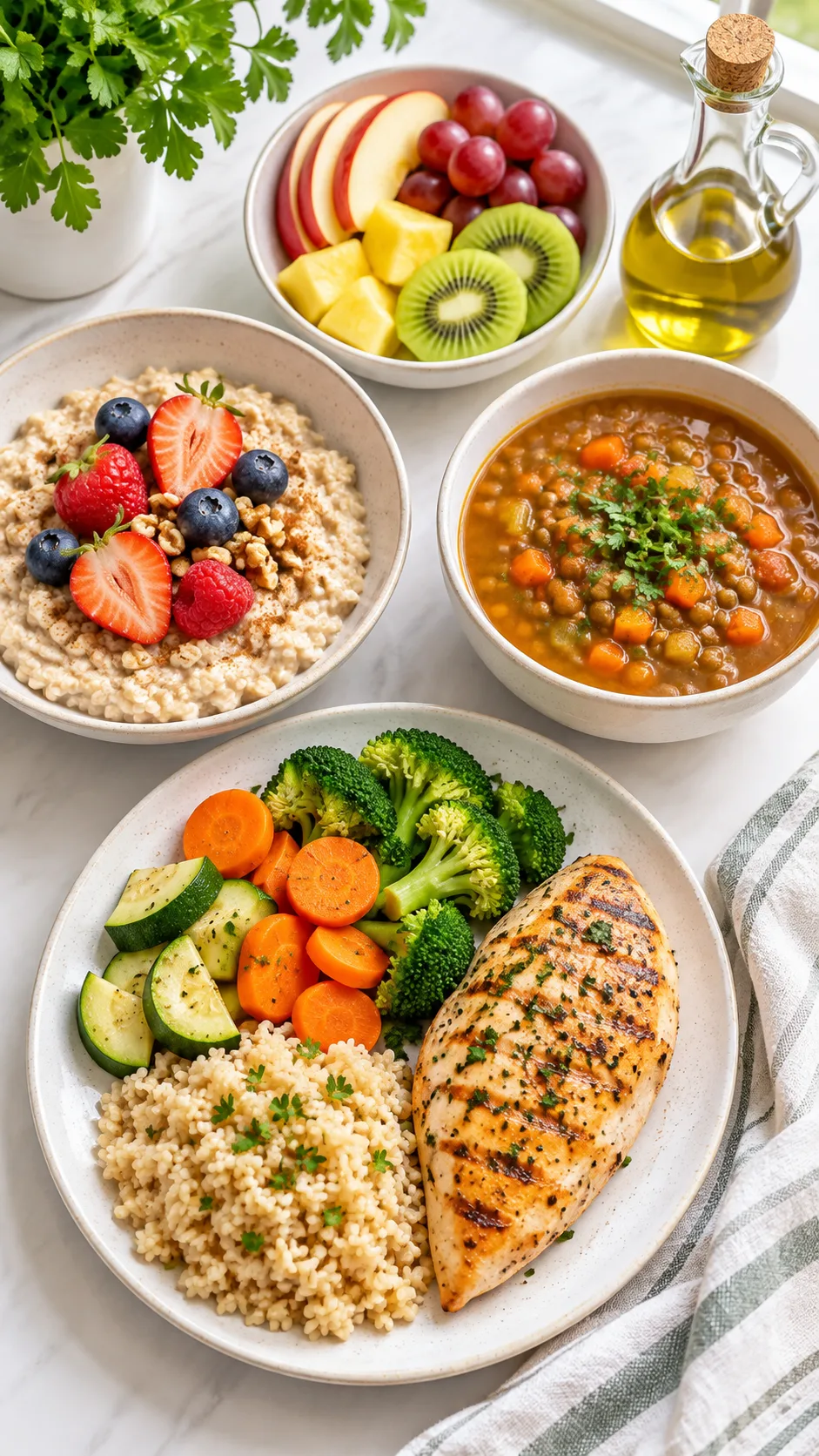
What the gallstone pain cycle looks like
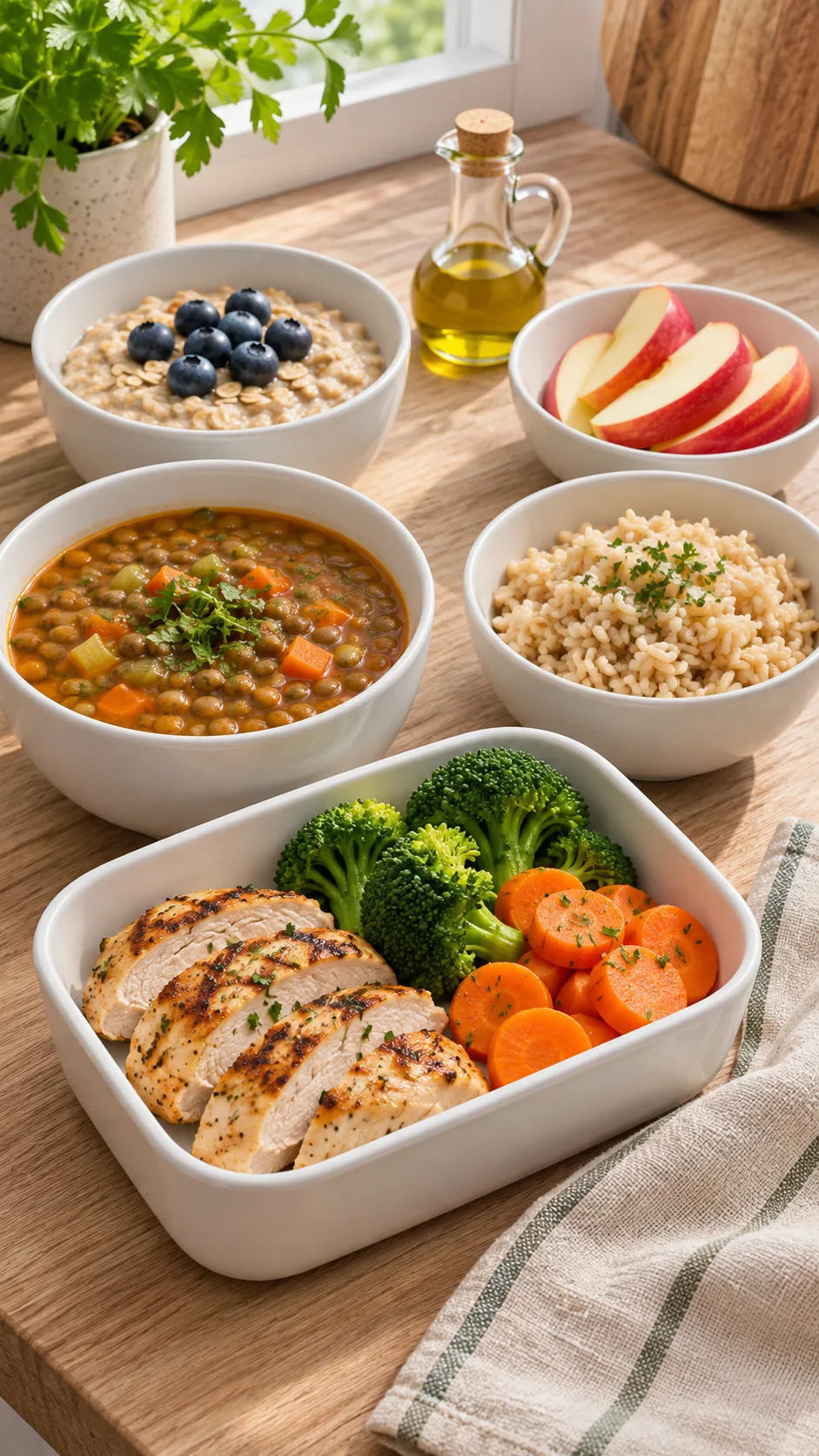
Your gallbladder sits under your liver and stores bile, the fluid that helps you digest fat. When you eat fat, the gallbladder squeezes bile into your intestine. If stones block the way, that squeeze hits a roadblock.
The result is a gallbladder attack, also called biliary colic. You feel a sharp, steady pain in the upper right or middle abdomen, sometimes with pain between your shoulder blades and nausea. It often starts 30 minutes to a few hours after a heavy or greasy meal.
Why it repeats
Stones don’t vanish on their own, so the same trigger meal produces the same squeeze and the pain comes back. Most people recognize the pattern: a big fatty dinner, pain at midnight, a few days of caution, then back to old habits.
The National Institute of Diabetes and Digestive and Kidney Diseases (NIDDK) reports that roughly 10 to 15 percent of American adults have gallstones, and many never feel a thing. If you do have symptoms, your eating pattern matters a lot.
What diet can and can’t do
Food will not dissolve existing stones. A smart diet can reduce how often attacks hit, lower the strain on your gallbladder, and help you avoid new stones. Surgery remains the standard fix for recurring symptomatic stones, and your doctor makes that call.
The 6 ground rules of a gallbladder-friendly diet
Learn the rules before you read the menu. They explain why each meal looks the way it does.
- Go low-fat, not zero-fat. Heavy, greasy meals trigger attacks. But a near-zero-fat diet can stop your gallbladder from emptying at all, which encourages stones to form.
- Eat regular, smaller meals. Long gaps let bile sit and concentrate. Aim for three modest meals and one or two snacks.
- Load up on fiber. Vegetables, fruit, beans, and whole grains support healthy digestion and steady weight.
- Choose lean protein. Fish, skinless poultry, eggs in moderation, tofu, and legumes all work.
- Cut refined carbs and added sugar. Studies tie white bread, pastries, and sugary drinks to higher gallstone risk.
- Lose weight slowly, if you need to lose it. Crash diets rank among the top stone-formers. More on that below.
Takeaway: Think “light and steady,” not “starve and pray.” Your gallbladder wants a consistent, gentle workload.
Foods that calm your gallbladder
Plenty of foods fit this plan, and none of them taste like punishment.
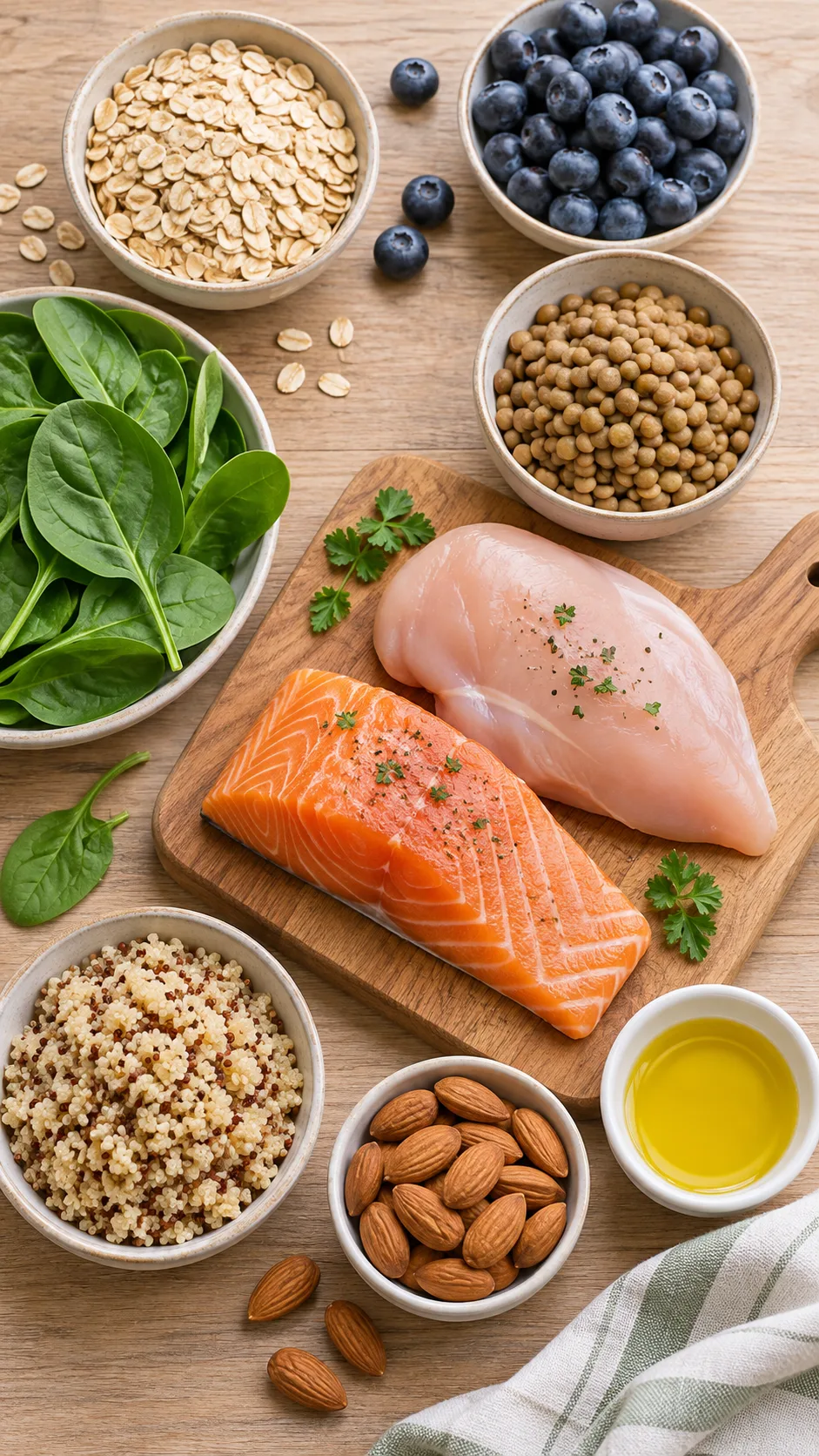
Eat these freely
- Vegetables such as leafy greens, carrots, zucchini, squash, broccoli, and peppers (steam or roast them with minimal oil)
- Fruit, including berries, apples, pears, melon, citrus, and bananas
- Whole grains like oatmeal, brown rice, quinoa, barley, and whole-wheat bread
- Lean proteins: skinless chicken or turkey, white fish, salmon in modest portions, egg whites, tofu, and tempeh
- Legumes, including lentils, chickpeas, and black beans
- Low-fat dairy such as skim or 1% milk, plain low-fat yogurt, and cottage cheese
Eat these in small amounts
- Olive oil: a teaspoon or two per meal gives your gallbladder a gentle reason to contract
- Nuts and seeds: a small handful, since studies link regular nut intake with lower gallstone risk
- Avocado: a few slices, not the whole thing mashed onto buttery toast
- Coffee: some research links moderate coffee intake with fewer gallstones, though that doesn’t mean you should chug a triple espresso on an empty stomach
Do I think you need to fear every drop of fat? No. I think the “never eat fat again” advice causes more trouble than it solves.
Foods that set off the pain cycle
These are the foods that make your gallbladder file a formal complaint. You don’t need to ban them forever, but while you have symptoms, skip them.
- Deep-fried foods like french fries, fried chicken, onion rings, and donuts
- Fatty meats, including bacon, sausage, salami, ribeye, and chicken skin
- Full-fat dairy: cream, ice cream, rich cheeses, and butter by the spoonful
- Greasy takeout such as pizza, creamy pasta, and loaded burgers
- Packaged baked goods: pastries, cookies, and anything with shortening or hydrogenated oils
- Sugary drinks and sweets, including soda, sweetened coffee drinks, and candy
- Very large meals, because even “healthy” food can trigger pain when you eat a mountain of it
Some people also report that spicy food, alcohol, or caffeine bothers them. Track your own triggers. Your body keeps better records than any generic list.
The 7-day gallstone diet meal plan
This plan keeps fat modest, fiber high, and meals regular. Swap similar foods freely, and adjust portions to your calorie needs.
Day 1 through Day 3
- Day 1:
- Breakfast: oatmeal with skim milk, blueberries, and cinnamon
- Lunch: lentil vegetable soup with a slice of whole-grain toast
- Snack: apple slices with a tablespoon of almond butter
- Dinner: baked cod, steamed broccoli, and brown rice with a teaspoon of olive oil
- Day 2:
- Breakfast: plain low-fat yogurt with sliced banana and a sprinkle of oats
- Lunch: grilled chicken salad with cucumber, tomato, and lemon-olive oil dressing
- Snack: carrot sticks with two tablespoons of hummus
- Dinner: lean ground turkey meatballs over whole-wheat spaghetti with marinara
- Day 3:
- Breakfast: two egg whites scrambled with spinach, plus whole-grain toast
- Lunch: quinoa bowl with chickpeas, roasted zucchini, and parsley
- Snack: a pear and a small handful of walnuts
- Dinner: baked skinless chicken thigh with the fat trimmed off, roasted sweet potato, and green beans
Day 4 through Day 7
- Day 4:
- Breakfast: overnight oats with chia seeds and strawberries
- Lunch: black bean and rice burrito bowl with salsa and a little avocado
- Snack: low-fat cottage cheese with melon
- Dinner: steamed white fish with ginger, bok choy, and jasmine rice
- Day 5:
- Breakfast: whole-grain toast with mashed banana and a thin spread of peanut butter
- Lunch: turkey and veggie wrap on a whole-wheat tortilla with mustard
- Snack: orange segments and a few almonds
- Dinner: tofu and vegetable stir-fry with one teaspoon of sesame oil over brown rice
- Day 6:
- Breakfast: smoothie with skim milk, spinach, frozen berries, and oats
- Lunch: minestrone soup with white beans and whole-grain crackers
- Snack: rice cakes with a thin layer of apple butter
- Dinner: a modest 4-ounce portion of baked salmon, roasted asparagus, and quinoa
- Day 7:
- Breakfast: whole-wheat egg-white pancakes with fresh fruit instead of syrup
- Lunch: chicken and barley soup with a side salad
- Snack: baby carrots and a low-fat yogurt dip
- Dinner: lean turkey chili with kidney beans and a small baked potato
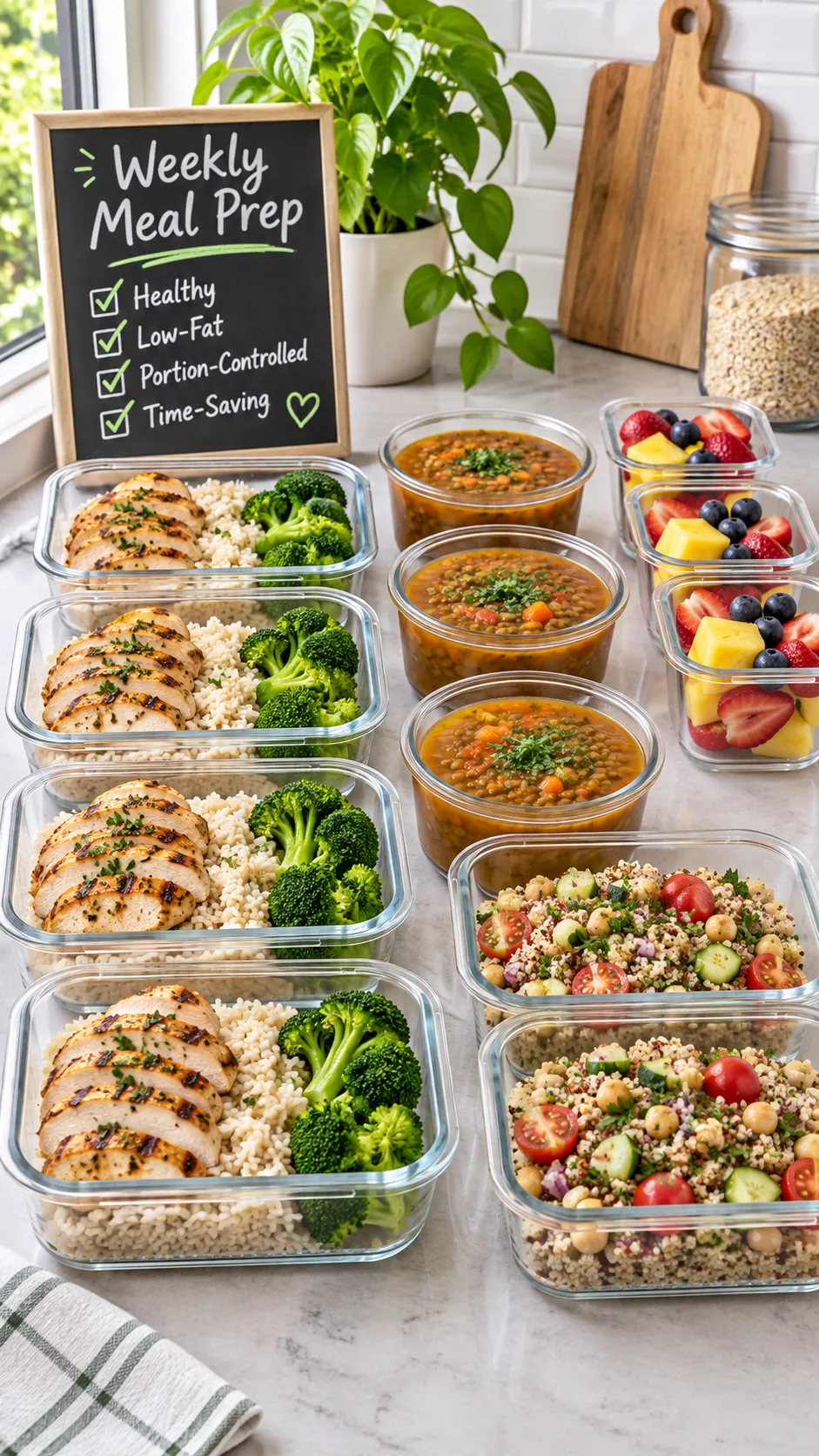
Smart cooking methods that keep fat low
The same chicken breast can soothe your gallbladder or sabotage it. The cooking method decides which.
- Bake, steam, poach, grill, or air-fry instead of pan-frying in a pool of oil.
- Measure your oil. Pour it into a spoon, not straight from the bottle (we all know how that goes).
- Trim visible fat and remove poultry skin before you cook.
- Build flavor with herbs, citrus, garlic, and spices instead of butter and cream.
- Use nonstick pans or parchment paper to cut added fat.
- Thicken soups with blended beans or potatoes instead of heavy cream.
Does low-fat food taste bland? Only if you cook it like a hospital cafeteria. A squeeze of lemon, smoked paprika, and fresh herbs rescue almost anything.
The weight-loss trap that backfires
This one catches people constantly. You get a gallstone scare, you panic, and you slash your calories to drop weight fast. Then your gallbladder punishes you for it.
Rapid weight loss raises gallstone risk. When you lose weight quickly, your liver releases extra cholesterol into bile, and your gallbladder empties less often. That combination encourages stones. Very-low-calorie diets and long fasting gaps are the usual culprits.
What to do instead
- Aim for about 1 to 2 pounds (0.5 to 1 kg) per week at most, and ask your doctor for a target that fits you.
- Don’t skip breakfast and then eat one huge dinner.
- Include a little healthy fat at meals so your gallbladder keeps moving.
If you want structure, check out this 1200 calorie diet meal plan for portion ideas, but confirm with your doctor first. Many people with gallstones need more than 1,200 calories to lose weight safely.
How this fits with liver and cholesterol health
Your gallbladder, liver, and cholesterol levels work together. Bile contains cholesterol, so high cholesterol and excess weight can feed gallstone formation. That explains why a gallbladder-friendly diet overlaps with other heart and liver eating plans.
If you want more detail, read our guide to the healthy liver diet plan. You can also pair this approach with the low cholesterol diet plan, since both lean on fiber, plants, and lean protein.
Eating out without triggering an attack
Restaurants love butter and the deep fryer. You can still eat out, but you need a game plan.
- Scan for grilled, baked, steamed, or broiled dishes. Avoid “crispy,” “creamy,” “smothered,” and “loaded.”
- Ask for sauces and dressings on the side. That way you control the amount.
- Swap fries for a baked potato or side salad.
- Split an entrée or box half of it right away. Big portions strain your gallbladder.
- Order broth-based soups over cream-based ones.
Say a friend invites you to a barbecue. You grab skinless grilled chicken, corn on the cob without the slab of butter, and a big salad. Nobody notices, your gallbladder stays quiet, and you can call that a win.
When diet isn’t enough: red flags
Food helps, but it can’t fix everything. According to the Mayo Clinic, seek medical care right away if you notice any of these:
- Abdominal pain so intense you can’t sit still or find a comfortable position
- Yellowing of your skin or the whites of your eyes (jaundice)
- High fever with chills
- Pain that lasts several hours without easing
- Persistent vomiting
- Pale stools or dark urine
These signs can point to a blocked bile duct, infection, or inflammation of the gallbladder or pancreas. Don’t tough it out. The NHS gallstones guide also explains when to call for urgent help and what treatment options exist, including surgery to remove the gallbladder.
What if you already had surgery?
After gallbladder removal, your body still digests fat, but bile drips into your intestine continuously instead of arriving in a squirt. Many people tolerate a normal diet within weeks. Some find that greasy food causes loose stools, so a lower-fat, higher-fiber approach still helps.
Common gallstone diet mistakes
I see the same slip-ups again and again. Dodge them and you save yourself some misery.
- Going completely fat-free. Your gallbladder needs some fat to contract.
- Skipping meals to “rest” the gallbladder. Fasting concentrates bile and raises risk.
- Trusting “gallbladder flush” internet hacks. Olive oil and lemon juice cleanses have no solid evidence behind them and can trigger a painful attack.
- Swapping fat for sugar. Low-fat cookies still count as junk food.
- Overeating “safe” foods. Portion size matters as much as food choice.
- Ignoring your personal triggers. A food diary solves this fast.
Want an easy way to track what you eat and how you feel afterward? Try the lazy method in our Diet Food Snap guide. Take a quick photo of each meal, add a note about symptoms, and you will spot your triggers in a couple of weeks.
Frequently asked questions
Can a gallstone diet shrink my stones?
No. Diet does not dissolve existing stones. It reduces symptoms and lowers the odds of forming new ones. If your stones keep causing problems, your doctor can discuss medications or surgery.
Is it okay to eat eggs?
Many people tolerate them well, especially egg whites. The fat in the yolk bothers some people, so test a small portion of whole egg and watch how you feel.
How long until I feel better?
Some people notice fewer episodes within a couple of weeks of cutting trigger foods. Results vary, so keep your doctor in the loop. The Cleveland Clinic offers a solid overview of symptoms and treatment timelines.
Your next move
You don’t need a miracle cure to break the pain cycle. You need a steady routine your gallbladder can handle. The short version:
- Eat low-fat, not no-fat, and spread meals evenly through the day.
- Pile on fiber from vegetables, fruit, whole grains, and legumes.
- Ditch fried, greasy, and sugary triggers while you have symptoms.
- Lose weight slowly if you need to, and skip crash diets.
- Learn the red flags and get help fast when they appear.
Start with one change tonight: swap the fried side for a roasted vegetable and see how you feel. Small wins stack up quickly. Your gallbladder has been shouting at you, so give it a quieter menu and let it settle down.