

You did everything right. You cut the calories, you walked the 10,000 steps, you swapped the cream for oat milk, and the scale just sat there, smug as ever. Sound familiar?
Nobody mentions this at your annual physical: the rules you followed at 30 stopped working at 45 because your hormones changed the game, not because your willpower collapsed. Dr. Mary Claire Haver built the Galveston Diet to fill exactly that gap. It’s also where most women go spectacularly wrong.
So let’s look at what the plan really says, what it gets right, and the mistakes that keep smart, disciplined women stuck for years.

So what is the Galveston Diet, exactly?
Dr. Mary Claire Haver is a board-certified OB-GYN who spent decades in Galveston, Texas, listening to women say the same sentence: “I’m eating less than ever and gaining weight.” She heard it so often that she eventually built a nutrition program around it.
She launched the program online around 2018, and the book hit shelves in 2023. FYI, she’s since written The New Menopause, and her thinking has moved a long way from the original plan. More on that later, because it matters.
The three pillars
The whole program rests on three legs. Miss one and the stool wobbles.
- Intermittent fasting (16:8). You eat within an 8-hour window and fast for 16. Most women land on a noon to 8pm eating window because skipping breakfast feels easier than skipping dinner.
- Anti-inflammatory nutrition. You build meals around whole foods, polyphenols, omega-3s, and fiber. You cut ultra-processed junk, added sugar, refined carbs, and anything soaked in seed oil.
- Fuel refocus. This is the macro shift: roughly 70% fat, 20% protein, 10% carbohydrate in the original protocol. Yes, that’s a lot of fat. No, it isn’t keto (more on that in a second).
Notice what’s missing? Calorie counting. Haver’s whole pitch is that what you eat and when you eat matter more than obsessively logging every almond. Refreshing, frankly.
Why your body genuinely changed after 40 (it’s not in your head)
I need you to hear this, because I think the guilt does more damage than the extra 12 pounds.
Estrogen leaves, visceral fat moves in
As estrogen declines through perimenopause, your body redistributes fat. It migrates from your hips and thighs to your abdomen, specifically as visceral fat, the metabolically nasty kind that wraps around your organs and pumps out inflammatory signals.
Research in the National Library of Medicine archive shows that the menopause transition itself increases abdominal visceral fat, separate from aging and separate from weight gain. Translation: even women who hold the same weight watch their body composition shift underneath them. Charming.
You’re quietly losing muscle
From your mid-30s onward, you lose roughly 3 to 8% of muscle mass per decade, and the rate speeds up after menopause. Muscle burns calories at rest. Less muscle means a lower resting metabolic rate, which means the same lunch that maintained you at 35 now nudges you upward at 48.
This is why I get twitchy when women respond to midlife weight gain by eating even less and running even more. You’re sanding down the exact tissue that protects your metabolism.
Sleep, cortisol, and insulin all gang up
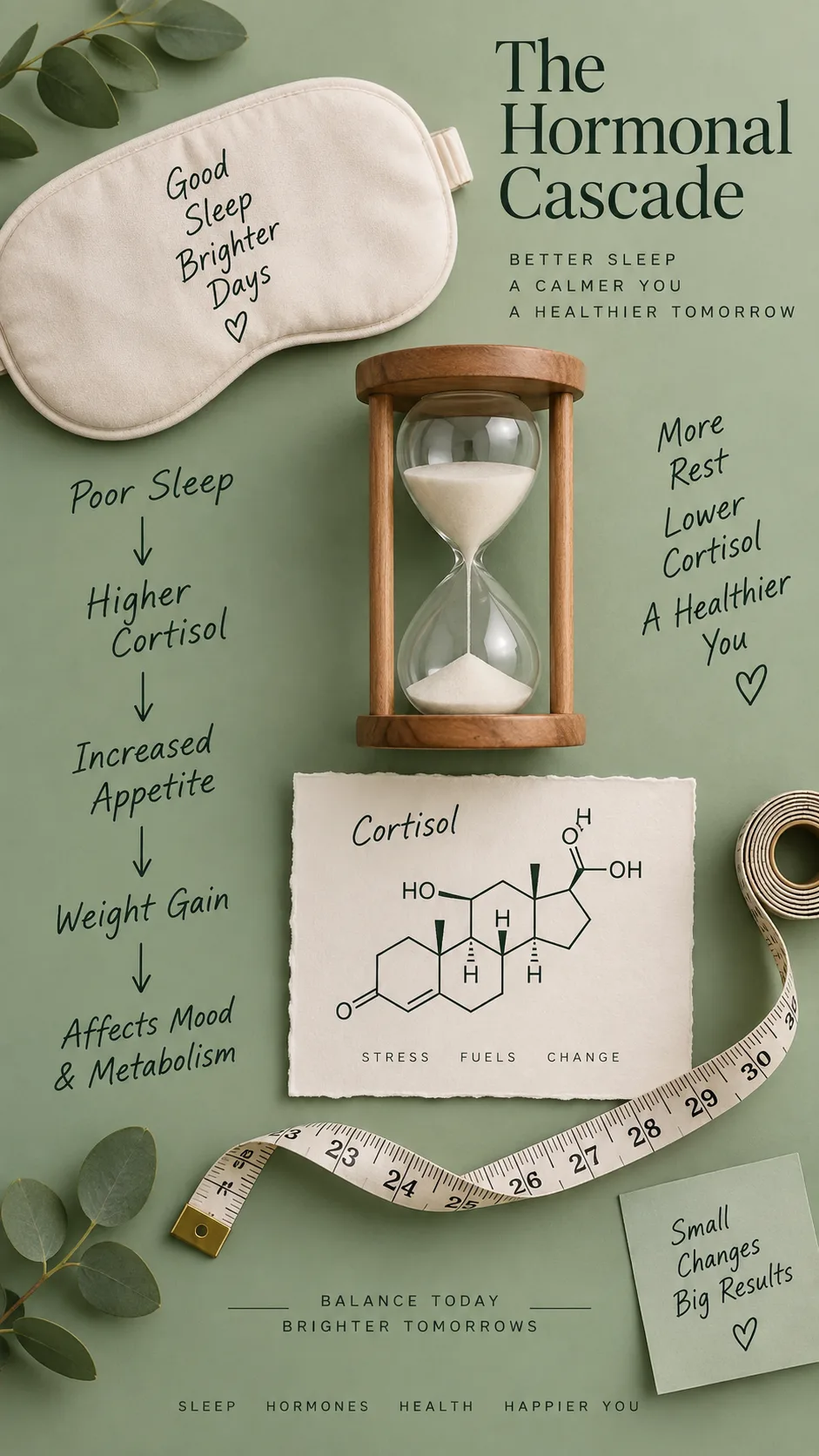
Hot flashes wreck your sleep. Bad sleep spikes cortisol. High cortisol pushes insulin resistance. Insulin resistance parks fat on your midsection. Then you wake up exhausted and crave a bagel. Ever wondered why this loop feels impossible to break by “trying harder”?
The 7 biggest mistakes midlife women make
I’ve watched friends, readers, and (sorry) my own sister cycle through every one of these. Let’s name them.
1. Treating it like keto with a beach name
70% fat sounds keto-adjacent, so women slash carbs to 20 grams, chug butter coffee, and wonder why they feel awful. The Galveston Diet is not ketogenic. It doesn’t chase ketosis, and it openly encourages fiber-rich carbs like berries, legumes, and vegetables.
The fat percentage looks enormous because fat carries 9 calories per gram against 4 for protein and carbs. By volume on your plate, it’s far less dramatic than the number suggests.
2. Under-eating protein while obsessing over fat
This is the big one, IMO. Women pour olive oil on everything, hit 70% fat with ease, and land at 60 grams of protein a day. Then they lose weight, and what they lose is muscle.
Haver has publicly updated her own stance and now pushes protein hard, telling many midlife women to aim for roughly 1.0 to 1.2 grams of protein per kilogram of body weight (some practitioners go higher for active women). If you change one thing after reading this article, change your protein intake. Please.
3. Fasting through the exact hours that wreck their cortisol
Skipping breakfast works beautifully for some women. For others, especially anyone already running on four broken hours of sleep and a stressful job, it spikes cortisol and backfires hard.
Signs your fasting window is fighting you:
- You feel shaky, foggy, or irritable by 10am
- Your sleep gets worse, not better
- You binge the moment the window opens
- Your cycle goes haywire (if you’re still cycling)
- Your workouts feel like wading through wet cement
Fasting is a tool, not a personality. Shift to 14:10 or 12:12. Nothing bad happens. Your metabolism doesn’t file a complaint.
4. Ignoring resistance training completely
The Galveston Diet is a nutrition program, so it hands you no training plan at all. Women then follow it perfectly, never touch a dumbbell, and lose weight without changing their shape.
You need to lift. Two to three sessions a week, progressive, covering your whole body. Give your glutes and posterior chain extra attention, since they collapse fastest with age and desk work. If you’re starting at home, learning proper cable kickback form will do more for your body composition than another week of tighter fasting windows.
5. Expecting a 30-pound drop in six weeks
Midlife fat loss runs slow. Painfully slow next to your twenties. A realistic pace that spares muscle sits around 0.5 to 1 pound per week, and some weeks you’ll hold steady while your waist still shrinks.
Judge progress by how your jeans fit, your energy, your sleep, and your waist-to-hip ratio. The scale gives you one data point, not a verdict on your character.
6. Going all in on day one, then quitting by day nine
You can’t overhaul your eating window, your macros, your food quality, your alcohol habit, and your gym routine all at once. You’re a human, not a software update.
Stack one change at a time. Protein first. Then food quality. Then the window. Then training. That order works, and it sticks.
7. Forgetting that alcohol is basically liquid belly fat after 40
Sorry. Truly. But alcohol disrupts deep sleep, raises cortisol, drives visceral fat storage, and worsens hot flashes. Two glasses of wine most nights will quietly undo a well-built anti-inflammatory plan.
Nobody’s demanding sainthood here. Move it from “nightly ritual” to “occasional pleasure” and watch what happens in four weeks.

What the Galveston Diet gets genuinely right
I’m not here to dunk on this plan. It earns real credit in several places.
- It validates women’s experience. After years of doctors saying “just eat less,” a physician finally said “your hormones changed, and here’s the physiology.” That alone does therapeutic work.
- The anti-inflammatory foundation lines up with the evidence. Omega-3s, polyphenols, fiber, and whole foods hold up under scrutiny, and Harvard Health backs this eating pattern for inflammation and cardiovascular risk.
- It kills calorie obsession. For women carrying decades of dieting trauma, thinking about food quality instead of numbers brings genuine psychological relief.
- It raises fiber intake substantially. Most adults eat half the fiber they need, and this plan fixes that almost by accident.
- It chips away at cardiovascular risk. Post-menopausal women watch their LDL climb, and this eating pattern helps, though you should still read up on the common high cholesterol diet mistakes that quietly sabotage progress.
Where it falls short (let’s be honest)
No plan is perfect, and pretending otherwise helps nobody.
- Limited independent research. No large randomized controlled trial has tested the Galveston Diet specifically. The individual components have evidence behind them; the branded combination doesn’t. That distinction matters.
- The 70% fat target confuses people. It refers to a percentage of calories, and most followers misread it. Muddy macro guidance produces bad execution.
- Intermittent fasting doesn’t suit everyone. The Menopause Society pushes individualized approaches, and fasting genuinely clashes with some women’s physiology or schedule.
- It costs money. The online program and supplements add up, and the food list leans expensive, since wild salmon, avocados, olive oil, and berries aren’t budget items.
- It isn’t appropriate for everyone. Anyone with a history of disordered eating, type 1 diabetes, pregnancy, or certain medications should skip fasting entirely.
Watch: Dr. Mary Claire Haver on menopause and belly fat
If you’d rather hear it from the source, she explains the hormonal mechanics far better than any article can.
What a realistic day looks like
Forget the Instagram version with edible flowers. This is a day a working woman can pull off.
12:00pm: break the fast
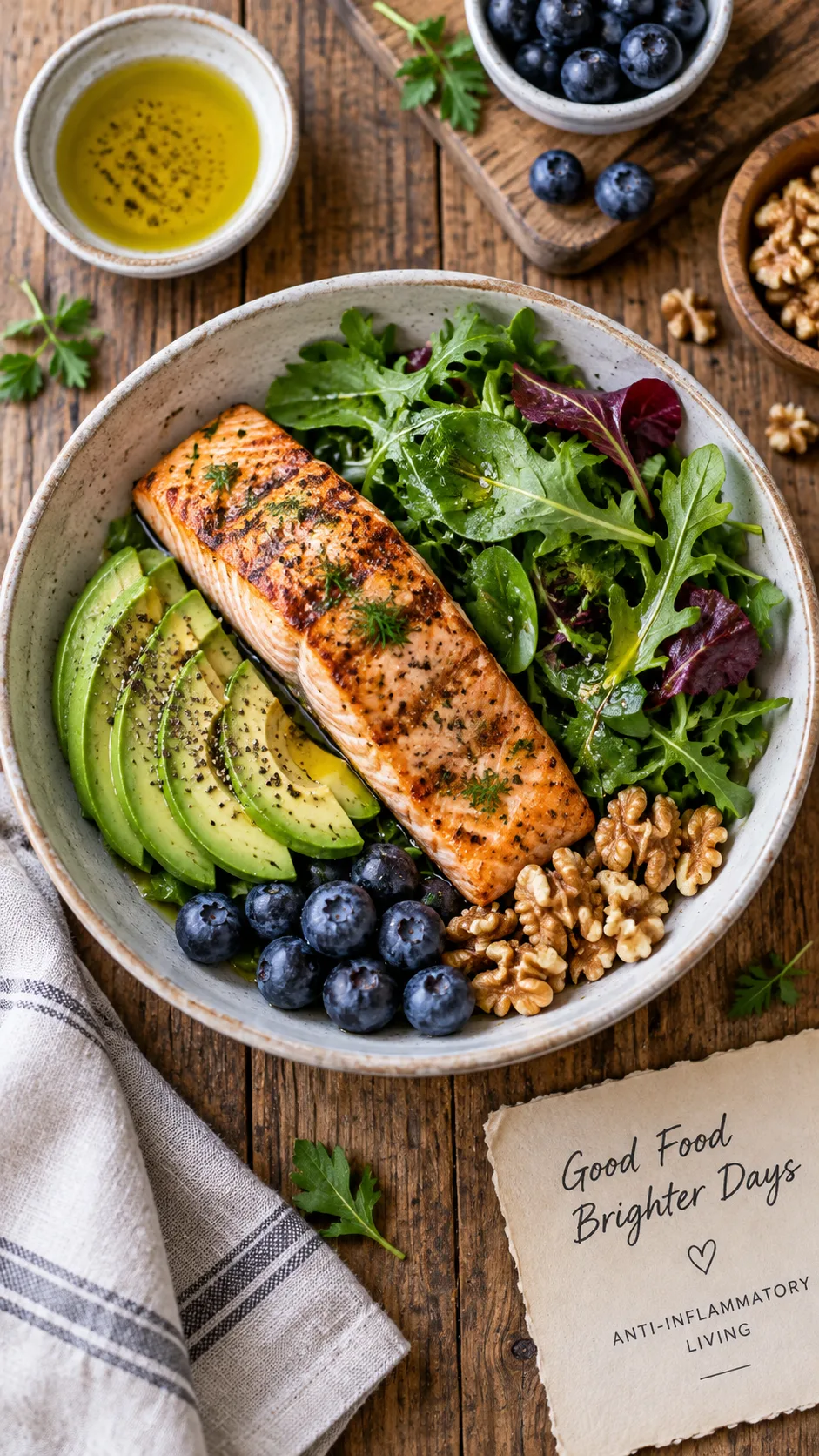
Large salad with 5 to 6 oz grilled salmon, half an avocado, pumpkin seeds, olive oil and lemon dressing, plus a handful of chickpeas. Protein target: 40g.
3:30pm: snack
Greek yogurt (full fat, plain) with blueberries, walnuts, and a sprinkle of cinnamon. Or a hard-boiled egg and a square of 85% dark chocolate. Protein target: 20g.
7:00pm: dinner
Chicken thighs roasted with olive oil, garlic, and rosemary, served over sautéed spinach and a scoop of lentils. Add a small side of roasted sweet potato if you trained that day. Protein target: 40g.
The non-negotiables
- Drink 2 to 3 litres of water daily, and yes, it genuinely helps with hot flashes
- Aim for 25 to 35g of fiber, which for most people means doubling what they eat now
- Sleep 7 to 8 hours and guard that block like a medical appointment
- Walk every day and lift 2 to 3 times a week
If you’re taking medication like semaglutide alongside dietary changes, this protein-first structure overlaps heavily with a well-built GLP-1 meal plan. Same principle, different accelerator.
How to start without losing your mind
This is the sequence I’d sketch out for a friend over coffee.
- Week 1: protein only. Change nothing else. Just hit 25 to 40g of protein at every meal. Track it for seven days so you see the real numbers, which will shock you.
- Week 2: clean the pantry. Remove added sugars, refined flour products, and ultra-processed snacks. Replace them with nuts, olives, eggs, and fruit.
- Week 3: add fiber and colour. Two vegetables at lunch and dinner. Berries daily. Legumes three times a week.
- Week 4: introduce the eating window. Start at 12:12, then 14:10. Only go to 16:8 if you feel genuinely good.
- Week 5: start lifting. Two full-body sessions. Progressive overload. Twenty-five minutes counts.
- Week 6: audit sleep and alcohol. Whatever is still sabotaging you lives here.
Six weeks. One change at a time. That approach beats a dramatic January overhaul every single time.
Who should talk to a doctor first
Please don’t wing it if any of these apply to you:
- You have a history of eating disorders or disordered eating patterns
- You take insulin or sulfonylureas for diabetes
- You’re pregnant, breastfeeding, or trying to conceive
- You manage gallbladder disease (high fat intake can trigger attacks)
- You have chronic kidney disease
- You take medications that require food at specific times
And while you’re there, ask about hormone therapy. For many women, HRT addresses the root driver that no diet can fully solve. Have that conversation with a menopause-trained clinician.
The bottom line
The Galveston Diet isn’t magic, and it isn’t snake oil. It’s a sensible anti-inflammatory eating framework wrapped in a message midlife women desperately needed to hear: your body changed, you didn’t fail.
The plan works best once you fix the execution errors. Put protein ahead of fat percentages. Treat fasting as optional, not sacred. Lift heavy things. Protect your sleep. Give it months, not weeks.
My honest take, after watching so many women white-knuckle their way through midlife: the goal was never a smaller body. It was a stronger one that carries you well into your eighties. Build muscle, lower inflammation, sleep deeply, and the waistline sorts itself out as a side effect.
Start tomorrow with one thing: 30 grams of protein at breakfast. That’s it. Everything else can wait.