

You do not need superhero lungs, expensive gear, or a love of 5 a.m. alarms to start running. You need a simple plan that gives your body time to adjust without turning every session into a wheezing crisis.
A sensible walk-to-run plan for beginners builds fitness gradually, helps you watch for injury warning signs, and gets you to your first 5K with confidence. Have you watched runners glide past and wondered how they make it seem so casual? They started somewhere too, often with more walking than they like to admit.
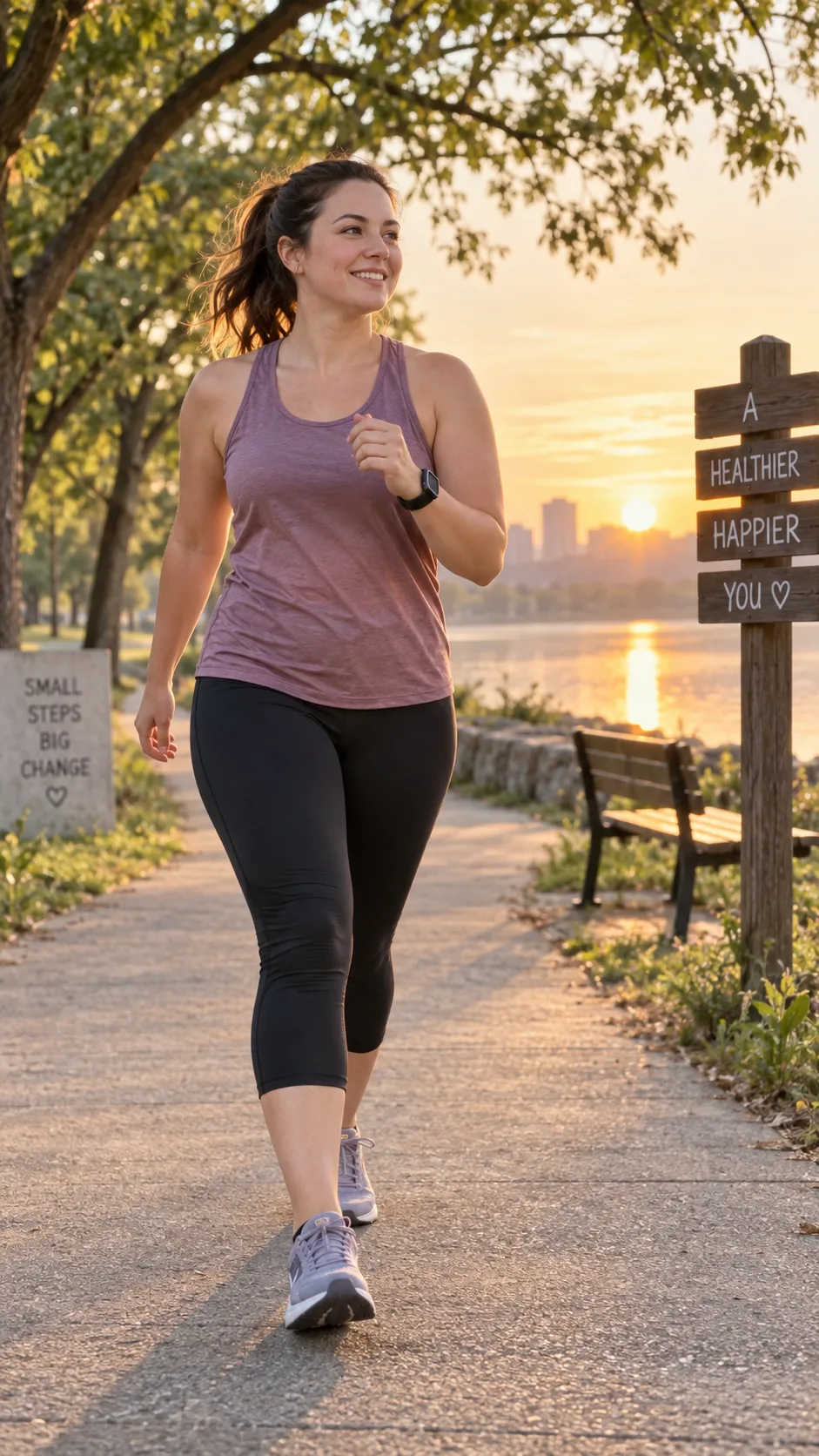
Why walk-run training works for beginner runners
Running asks a lot from your heart, lungs, muscles, tendons, and joints at the same time. Your enthusiasm may want to run a 5K tomorrow, but your calves and shins may have other plans.
Walking breaks reduce the impact while you build cardiovascular fitness. They also help you keep decent form because you avoid the tired shuffle that appears when you push too hard.
This plan gives your body small, repeatable doses of running. You run a little, walk a little, recover, then return for the next session. It may not look glamorous. It works.
What your body learns during a walk-to-run plan
- Your heart learns to deliver oxygen more efficiently during steady effort.
- Your legs build strength for repeated impact and forward movement.
- Your tendons and connective tissues get time to adjust to running.
- Your brain learns that running feels manageable rather than scary.
- Your confidence grows each time you finish a session.
The Centers for Disease Control and Prevention recommends at least 150 minutes of moderate physical activity each week for most adults. Your walks count toward that target, so do not treat them as “failed running.” They count.
Before you start: Keep your first runs comfortable
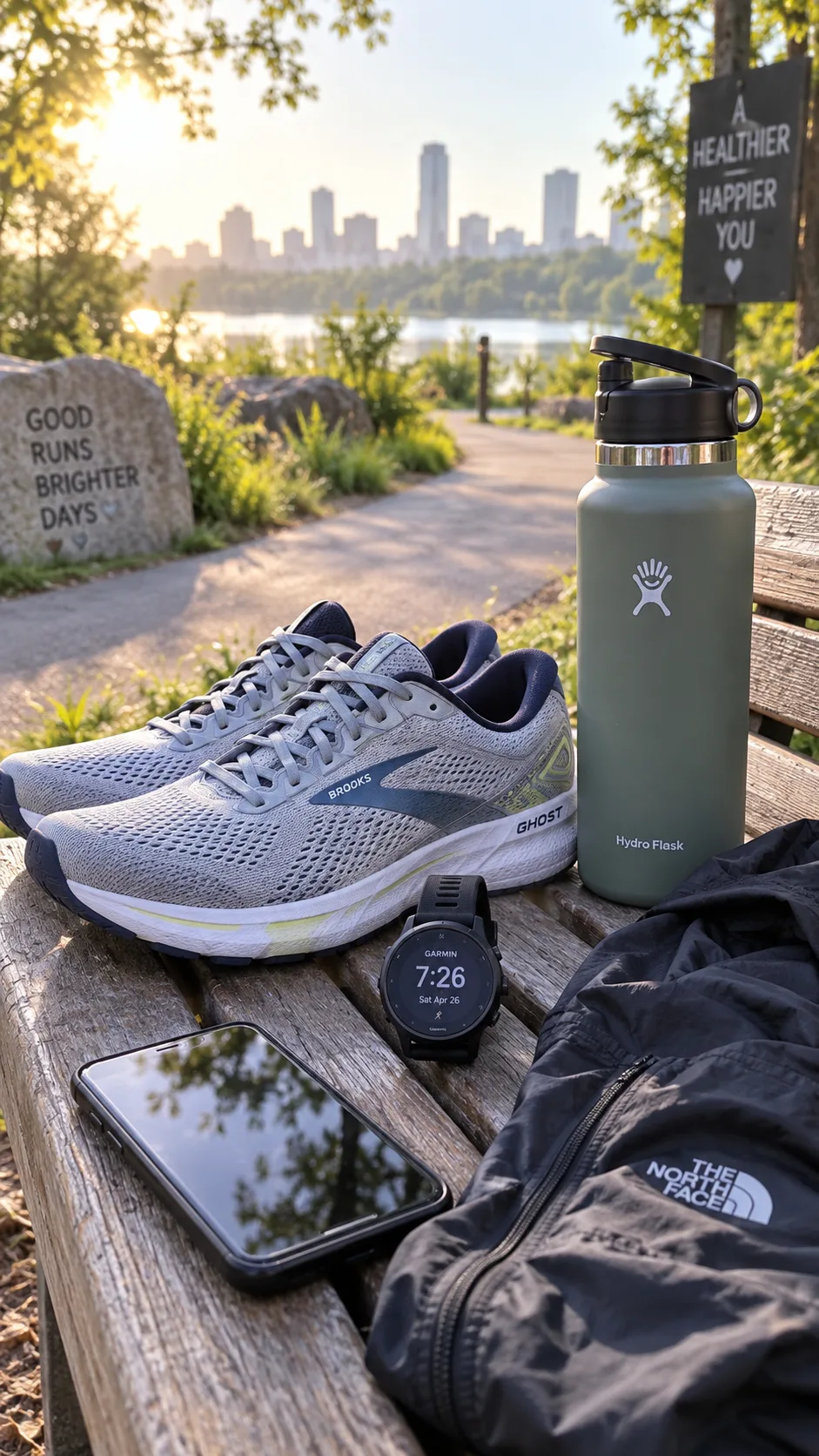
You do not need a full athlete makeover before day one. Wear comfortable clothes and shoes that fit, bring water in warm weather, and choose a route where you feel safe.
Use a flat path, park loop, track, or quiet neighborhood route for your first few weeks. Hills raise the effort quickly, and new runners already have enough to manage without accidentally recreating a Tour de France mountain stage.
Choose shoes that support your running
Wear running shoes or comfortable trainers with room around your toes. Skip worn-out shoes with tilted soles. Your feet deserve better than mystery angles.
You do not need the priciest shoe on the wall. Find a pair that feels stable and comfortable during a brisk walk and an easy jog, without causing pain.
Use the talk test
Run at a pace that lets you speak in short sentences. If you can chat but cannot sing your favorite chorus, you have probably found a useful easy-running effort.
If you gasp after 30 seconds, slow down. Easy running should feel almost suspiciously easy at first. That restraint protects your progress.
The 8-week walk-to-run plan for your first 5K
Complete three running sessions each week, with at least one rest day between sessions. You might run on Tuesday, Thursday, and Saturday, then walk, stretch, or relax on the other days.
Start each session with a five-minute brisk walk. End with a five-minute easy walk. Those bookends warm up your body, bring your effort back down, and give you a few extra minutes to feel pleased that you got out there.
- Week 1: Run for 1 minute, then walk for 2 minutes. Repeat 8 times after your warm-up.
- Week 2: Run for 90 seconds, then walk for 2 minutes. Repeat 7 times.
- Week 3: Run for 2 minutes, then walk for 2 minutes. Repeat 6 times.
- Week 4: Run for 3 minutes, then walk for 90 seconds. Repeat 5 times.
- Week 5: Run for 5 minutes, then walk for 2 minutes. Repeat 4 times.
- Week 6: Run for 8 minutes, then walk for 2 minutes. Repeat 3 times.
- Week 7: Run for 12 minutes, then walk for 2 minutes. Repeat 2 times.
- Week 8: Run for 25 to 30 minutes continuously at an easy pace.
Many new runners cover close to 5K during a 30-minute easy run, though pace and terrain affect the distance. Do not chase an exact number during week eight. Build the habit first. You can work on distance later.
If a week feels too difficult, repeat it. Repeating a week shows good judgment, not weakness. Let the plan work for you.
How to run without burning out in the first five minutes
Most beginners make the same mistake: they run every interval too fast. They sprint through the first minute, feel great for 20 seconds, then start bargaining with the universe by minute four.
Start slower than you think you need to. Keep your shoulders loose, look ahead, and take short, quiet steps. You do not need giant strides to call yourself a runner.
Simple beginner running form cues
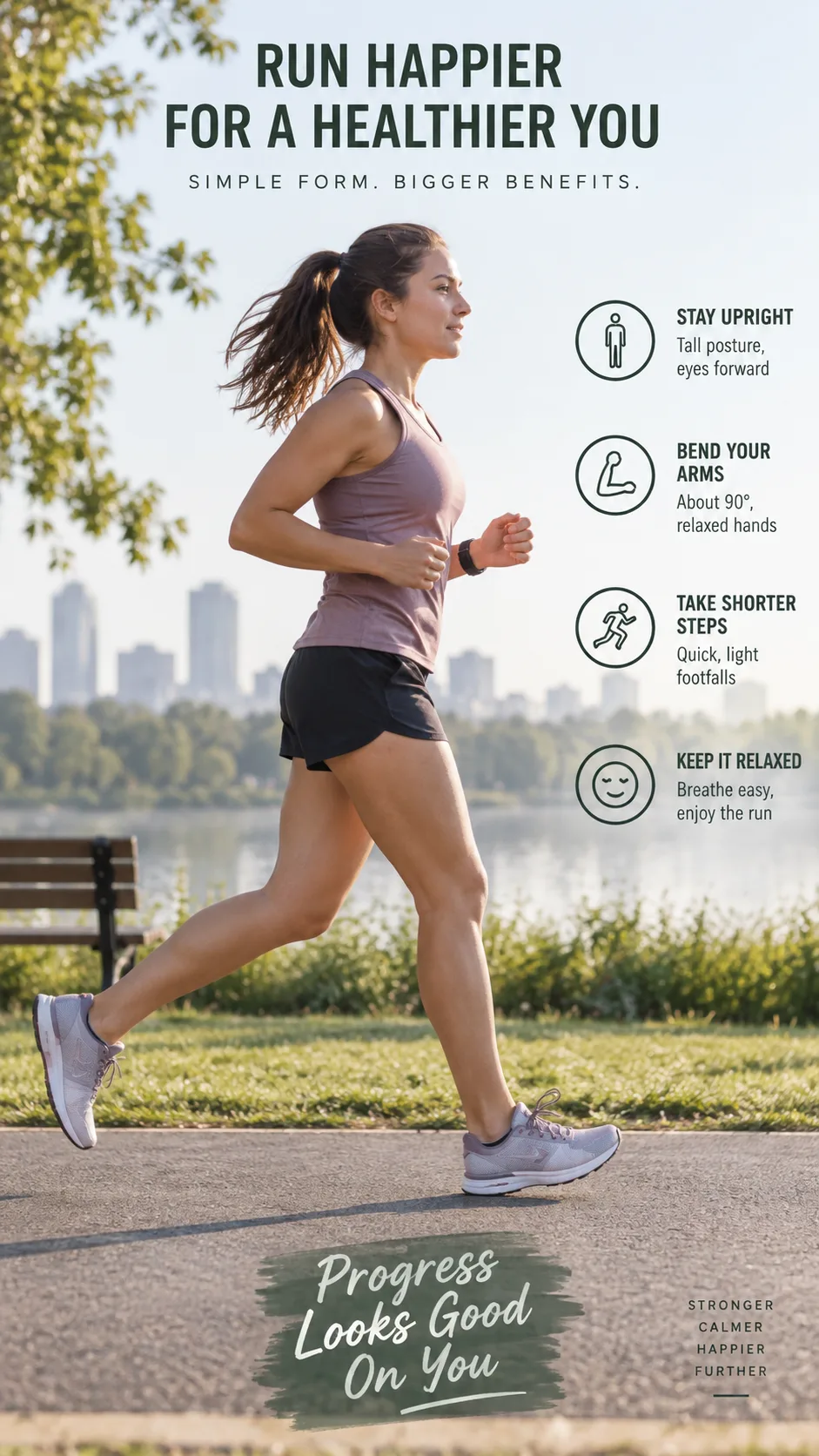
- Stand tall: Stack your head over your shoulders and hips.
- Relax your hands: Imagine you hold two potato chips that you do not want to crush.
- Keep your elbows close: Swing your arms forward and back instead of across your body.
- Take shorter steps: Let your feet land under your body rather than far ahead.
- Slow your breathing: Find a steady inhale and exhale rhythm that feels natural.
Good form should feel comfortable, not robotic. Do not fixate on every arm swing or foot strike. Focus on easy effort, upright posture, and relaxed movement.
Want some extra strength to support your running mechanics? Add one or two short sessions from this first gym workout guide for beginners each week. Strong glutes, calves, and core muscles can make your runs feel steadier without turning your schedule into a second job.
Rest days, recovery, and soreness
Your fitness improves during recovery as well as workouts. Rest days give your muscles and connective tissues time to rebuild after the new stress of running.
You may feel light stiffness after a new running session, especially in your calves, quads, and glutes. Gentle walking, mobility work, sleep, and regular meals often help.
Pay attention to sharp pain, swelling, limping, chest pain, dizziness, or pain that worsens during a run. Stop the session and speak with a qualified healthcare professional if symptoms concern you. The NHS running guidance also recommends gradual progress and sensible recovery.
Make rest days active when you want to
You can take a complete day off, and nobody will take away your runner card. You can also choose easy movement such as walking, gentle cycling, or mobility work.
Short strength sessions can support your running too. Try this beginner push-up progression if you want to build upper-body and core strength at home. Keep those sessions easy enough that they do not wreck your next run.
Fuel and hydration for beginner 5K training
You do not need complicated sports nutrition for easy 20 to 40-minute sessions. Eat regular meals with carbohydrates, protein, fruit, vegetables, and enough food to support your activity.
Eat a small snack before a run if hunger distracts you. A banana, toast, yogurt, or a small bowl of cereal can work well. Test foods on regular training days, not five minutes before your first 5K. Your stomach likes routine almost as much as your legs do.
Drink water regularly through the day, then drink extra when heat, humidity, or longer sessions call for it. The American College of Sports Medicine provides activity guidance that can help you build healthy exercise habits over time.
How to make your first 5K feel easier
Your first 5K does not need a dramatic finish-line sprint. Use a sensible pace, stay calm, and resist the urge to blow up in the first kilometer.
Walk breaks still count on race day. Many experienced runners use them on hills, in hot weather, or during longer events. Walking does not ruin a run.
Your first 5K game plan
- Start slower than the runners around you.
- Use your week-eight easy pace for the first half.
- Walk for 30 to 60 seconds when you need a reset.
- Drink small sips at water stations if conditions feel warm.
- Pick up the pace only during the final stretch if you still feel strong.
Set a process goal instead of chasing a finishing time. Tell yourself, “I will finish feeling proud and in control.” You can count that as a win whatever number your watch shows.
Final thoughts: Start small, finish strong
A good beginner running plan does not punish you. It builds you up through manageable intervals until running feels like something you can do.
Follow the walk-to-run plan, keep your pace easy, respect recovery, and repeat difficult weeks when you need to. Your first 5K starts with one short jog, not one perfect workout.
Lace up, step outside, and let the first minute feel easy. Around kilometer four, your future self may feel pretty grateful.