

You started eating more fiber because you wanted easier digestion, steadier energy, and maybe some help with weight loss. Instead, your stomach feels like it swallowed a beach ball, you hit the snack cupboard at 3 p.m., and your jeans suddenly feel rude.
You do not need to give up fiber. You may need to fix a few common high fiber diet mistakes that turn a healthy change into an all-day gas problem. A few practical adjustments can ease bloating, help you stay full, and get your gut back on your side.

First, what does fiber do?
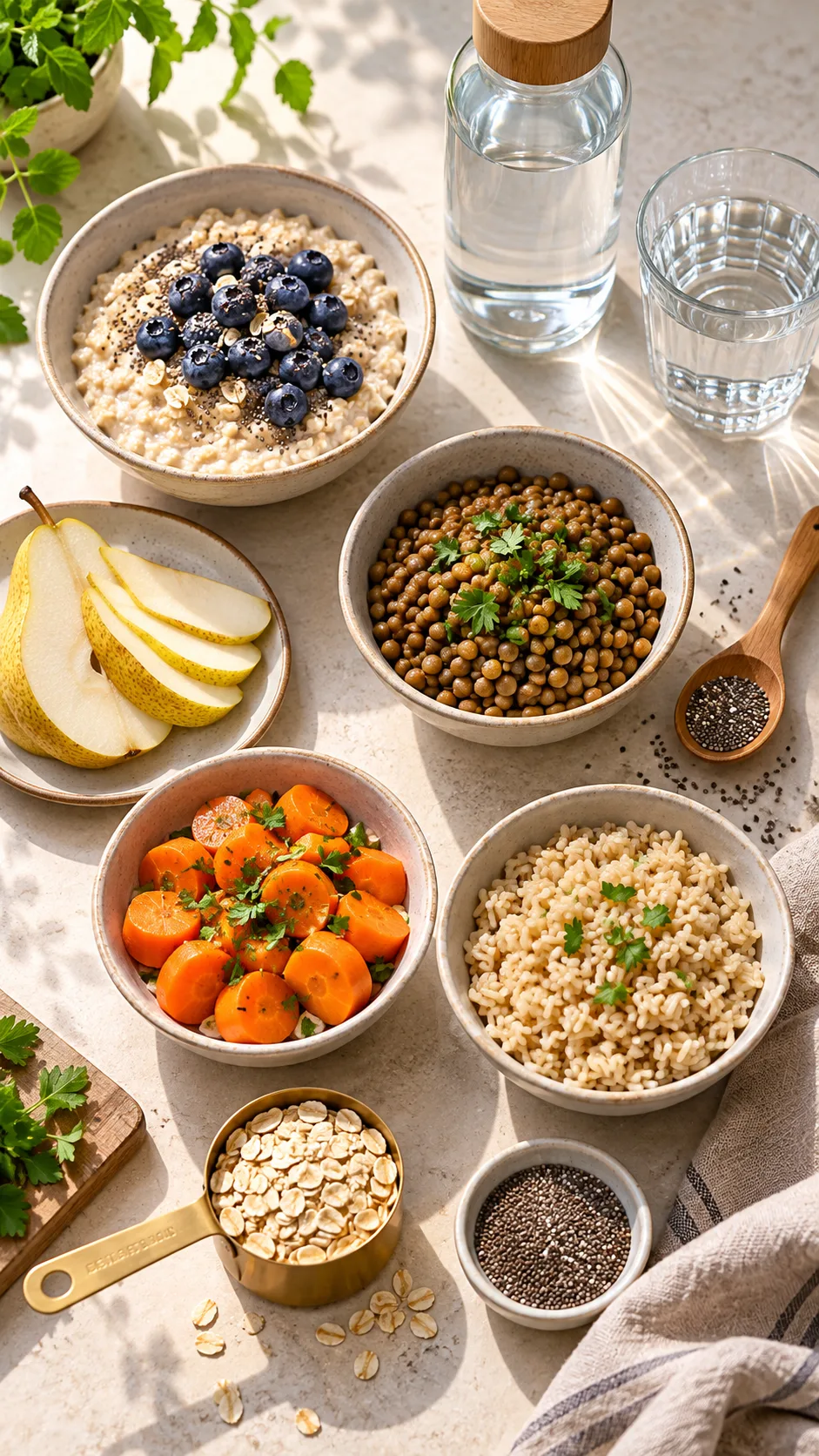
Fiber comes from plant foods such as beans, oats, vegetables, fruit, nuts, seeds, and whole grains. Your body does not fully break it down, so it travels through your digestive system and supports regular bowel movements, gut bacteria, cholesterol management, and blood sugar control.
Most adults need more fiber, but more does not always work better. The Dietary Guidelines for Americans suggest about 14 grams of fiber for every 1,000 calories you eat. For many women, that adds up to around 25 grams a day. For many men, it adds up to about 38 grams.
Use those numbers as a target, not a competitive eating event. Your gut will not reward you for jumping from 12 grams to 40 grams overnight.
Soluble fiber vs. insoluble fiber
Soluble fiber absorbs water and creates a gel-like texture in your digestive tract. Oats, beans, lentils, chia seeds, apples, citrus fruit, and psyllium contain plenty of it. This kind of fiber can help you stay full and support healthy cholesterol levels.
Insoluble fiber adds bulk to stool and helps food move through your gut. Wheat bran, leafy vegetables, brown rice, whole-wheat products, and many vegetable skins contain it. Both types matter, though your body may handle each one differently.
A bowl of oatmeal may feel gentle, while an enormous raw kale salad leaves your stomach filing a formal complaint. The type of fiber may explain why.
Mistake #1: You increase fiber too fast

This mistake causes more high fiber diet bloating than almost anything else. Your gut bacteria ferment certain fibers and produce gas in the process. When you suddenly give those bacteria a huge new supply of food, they get to work fast.
That change can bring bloating, cramping, rumbling, and shifts in your bowel habits. You did not fail at healthy eating. You changed your routine faster than your digestive system could adjust.
Increase your fiber intake gradually over two to four weeks. Add one fiber-rich food or one modest serving at a time, then notice how your stomach feels.
- Add 3 to 5 grams of fiber per day to start.
- Stay at that amount for several days.
- Increase again only after your digestion feels comfortable.
- Start with cooked vegetables, oats, ripe fruit, and lentils before tackling a mountain of raw cruciferous vegetables.
Slow progress may sound dull, but it beats sitting through a meeting and wondering whether everyone heard your stomach. Digestive comfort deserves some respect.
Mistake #2: You eat fiber without enough water
Fiber needs fluid to work well. Without enough water, high-fiber foods can leave you constipated, overly full, and even more bloated. Adding bran cereal while barely drinking all day can create the opposite result you wanted.
Soluble fiber draws in water, while insoluble fiber adds bulk. Your digestive tract needs enough liquid to move that bulk along comfortably. When you increase fiber, increase your fluids too.
You do not need to obsess over a magic number of glasses. Drink steadily through the day, aim for pale yellow urine most of the time, and drink more when you exercise or sweat heavily.
A simple hydration check
- Drink a glass of water with meals and snacks.
- Keep water near your desk, in your car, or in your bag.
- Pair higher-fiber foods with fluid-rich choices such as soup, fruit, yogurt, or herbal tea.
- Limit alcohol if it worsens dehydration or digestive symptoms.
If you have kidney disease, heart failure, or another condition that affects fluid intake, ask your clinician for personal guidance. General wellness advice cannot replace a plan that fits your health needs.

Mistake #3: You rely on fiber bars, powders, and “healthy” snacks
A fiber bar can help in a pinch, but many packaged options contain added chicory root, inulin, sugar alcohols, or very large doses of isolated fiber. These ingredients can trigger gas and abdominal discomfort, especially if you have a sensitive gut.
Manufacturers love phrases such as “gut health” and “10 grams of fiber.” Your gut may read that label and answer, “Absolutely not.”
Whole foods offer more than fiber. They give you water, vitamins, minerals, plant compounds, protein, and texture that helps you feel satisfied.
Get most of your fiber from everyday foods:
- Oats or high-fiber cereal with milk or yogurt
- Beans, lentils, and chickpeas in manageable portions
- Potatoes, sweet potatoes, brown rice, or quinoa
- Berries, oranges, kiwi, pears, and bananas
- Cooked carrots, zucchini, spinach, green beans, and squash
- Nuts, seeds, and nut butter with protein-rich foods
If you use a fiber supplement, choose it for a specific reason instead of treating it like magic powder. Psyllium causes fewer problems than inulin for many people, and the National Institute of Diabetes and Digestive and Kidney Diseases notes that fiber can help manage constipation when people increase it carefully and drink enough fluid.
Mistake #4: You ignore portion sizes for FODMAP-rich foods
Some high-fiber foods contain carbohydrates called FODMAPs. Your small intestine may not absorb these carbs well, and gut bacteria can ferment them quickly. For people with irritable bowel syndrome, which doctors also call IBS, that process can cause painful bloating, gas, diarrhea, or constipation.
Beans, onions, garlic, wheat, cauliflower, apples, pears, and some sweeteners trigger symptoms for some people. That does not make these foods bad. It means your own tolerance matters.
Portion size can change everything. Half a cup of chickpeas may feel fine, while a giant chickpea salad followed by an apple and a protein bar can ruin your afternoon.
Try a smarter experiment
Keep a simple food and symptom note for one or two weeks. Write down what you ate, how much you ate, and when bloating started. Look for patterns instead of blaming every vegetable you eat.
If symptoms continue, work with a registered dietitian who understands IBS and the low-FODMAP approach. The Monash University FODMAP program offers evidence-based education and testing resources for people who need a structured plan.
Do not cut out every fermentable food forever. A restrictive diet can reduce food variety, take the pleasure out of eating, and make social meals exhausting. Find the amount you tolerate instead of turning dinner into a science project.
Mistake #5: You forget protein and healthy fats
Fiber can help you feel full, but fiber alone may not keep hunger away. A plain apple, dry crackers, or a huge bowl of vegetables may fill your stomach for a little while, then send you searching for snacks an hour later.
Pair fiber with protein and fat to make meals that satisfy you. Protein helps you stay full and maintain muscle, while fats add flavor and make food feel more filling.
Think of fiber as one part of a solid meal. It cannot carry your whole eating plan on its back like an exhausted superhero.
- Pair fruit with Greek yogurt, cottage cheese, or peanut butter.
- Add eggs, tofu, chicken, fish, or beans to grain and vegetable bowls.
- Top oatmeal with yogurt, nuts, seeds, and berries.
- Serve roasted vegetables with olive oil, tahini, cheese, or a protein source.
- Eat whole-grain toast with avocado and eggs instead of toast by itself.
If you feel hungry all the time on a high-fiber diet, look at your overall food intake before blaming your willpower. You may need a more substantial breakfast, more protein at lunch, or enough calories for your activity level.
Mistake #6: You eat most of your fiber in one meal
Many people skip breakfast, grab something low in fiber for lunch, then try to “be healthy” at dinner with a gigantic grain bowl, bean chili, and a date-based dessert. Your gut sees that meal and starts drafting a long speech.
Spread fiber across the day. This habit can support a steadier appetite, gentler digestion, and more consistent energy.
A balanced day might include oatmeal and berries at breakfast, a sandwich on whole-grain bread with vegetables at lunch, fruit and nuts for a snack, and a modest serving of lentils or brown rice at dinner. You do not need perfection. You need better distribution.
A realistic high-fiber day
- Breakfast: Oats with banana, cinnamon, chia seeds, and Greek yogurt.
- Lunch: Whole-grain wrap with chicken or tofu, spinach, cucumber, and hummus.
- Snack: Kiwi or berries with a handful of almonds.
- Dinner: Salmon, roasted sweet potato, and cooked green beans.
- Optional add-on: A small serving of lentil soup if your stomach tolerates it well.
This plan gives you fiber without making every meal taste like cardboard and legumes. Small changes add up.
Mistake #7: You ignore constipation, stress, and your daily routine
Fiber cannot solve every digestive problem on its own. Stress, poor sleep, low activity, rushed meals, certain medications, hormonal changes, and constipation can all make bloating worse. You can eat a thoughtful high-fiber diet and still feel uncomfortable when your daily routine keeps your gut on edge.
Movement helps your digestive tract move too. A 10- to 15-minute walk after meals can ease fullness and support regular bowel habits. You do not need to power-walk as though you missed the last train.
Slow down when you eat. Chew thoroughly, sit down when you can, and avoid inhaling lunch between emails. Swallowing extra air can make bloating worse, especially when you drink fizzy drinks or chew gum all day.
For more ways to address a swollen stomach without chasing gimmicks, read the flat belly diet mistakes that keep you bloated. You may also find useful overlap in this guide to detox diet mistakes that keep you bloated, since extreme “cleanse” plans often make digestion worse.
Mistake #8: You assume every bloating problem comes from fiber
People often blame fiber because symptoms appear after they change their diet. But lactose intolerance, celiac disease, IBS, reflux, constipation, medication side effects, menstrual cycle changes, and food intolerances can also cause bloating.
Pay attention to timing and severity. Do symptoms start after dairy, wheat, large fatty meals, carbonated drinks, or certain sweeteners? Does bloating fade after a bowel movement, or does it linger regardless of what you eat?
Those details can help a healthcare professional find the real problem. Guessing may trap you in a frustrating cycle of cutting nutritious foods for no good reason.
When to see a doctor
Talk with a doctor promptly if you have persistent bloating along with unexplained weight loss, blood in your stool, severe pain, vomiting, fever, anemia, trouble swallowing, or a major change in bowel habits. These symptoms need medical attention, not another teaspoon of chia seeds.
Seek professional support if bloating disrupts daily life for several weeks. A registered dietitian can help you create a personal high-fiber eating plan, especially if you manage diabetes, IBS, inflammatory bowel disease, thyroid issues, or food allergies.
How to build a high-fiber diet without the bloat
You do not need a harsh reset. You need a calm routine you can repeat, with enough time for your body to adjust. Start with foods you already enjoy and change one thing at a time.
- Check your starting point. Track your usual food for three days so you know whether you currently eat 10 grams or 25 grams of fiber.
- Add fiber slowly. Increase by a small amount every few days instead of changing your entire menu on Monday.
- Drink fluids consistently. Pair water with meals, snacks, exercise, and higher-fiber foods.
- Favor cooked foods at first. Soups, stews, roasted vegetables, and oatmeal often feel easier on your stomach than giant raw salads.
- Balance every meal. Combine fiber with protein, healthy fats, and enough total food.
- Spread intake across the day. Give your gut smaller, manageable jobs instead of one huge evening shift.
- Notice your triggers. Track symptoms and portions before you start cutting foods out.
People often chase the “best” high-fiber foods, but the best choices are foods your body tolerates and you can eat regularly. Lentils may work beautifully for your friend and badly for you. Your digestive system gets a vote.
The bottom line on high-fiber diet bloating
A high-fiber diet should support your life, not make you dread lunch. Increase fiber gradually, drink enough water, balance meals with protein and fat, spread fiber through the day, and pay attention to your personal triggers.
Do not give up healthy foods because one oversized bowl of beans caused chaos. Make smaller changes, give your gut time, and ask for expert help if symptoms continue. You do not need to eat the most fiber possible. You need to feel well enough to enjoy life outside your kitchen.