

You’ve watched someone casually drop into a full split and thought, “There is absolutely no way my body does that.” Same. But getting your splits in one day is possible, even if you’re stiff as a board right now. You just need the right routine and a little patience.
This isn’t some promise that your hamstrings will magically loosen up while you sleep. This is a structured, science-backed stretch routine that pushes your flexibility fast and safely.
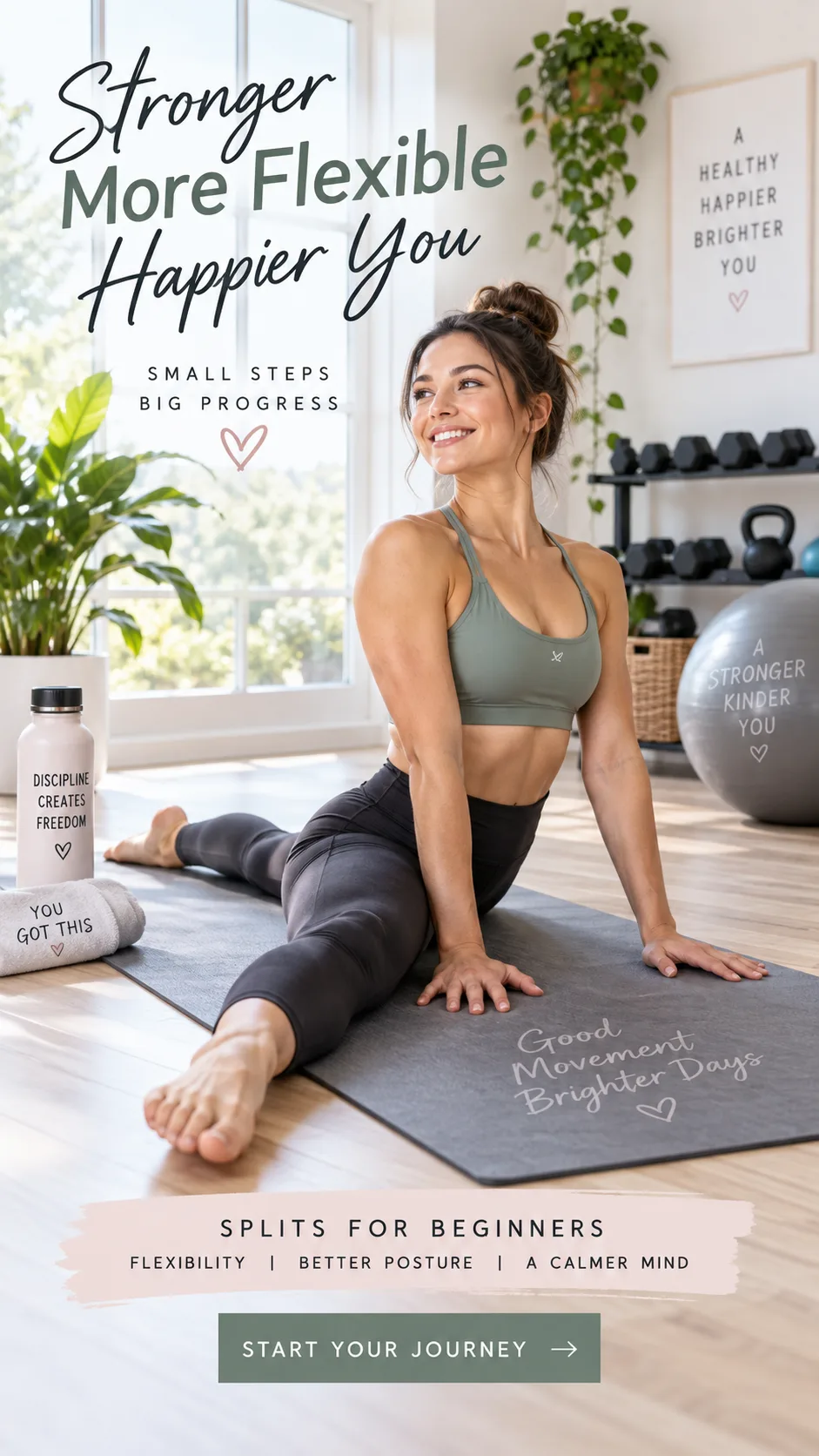
Can you really do the splits in one day?
Yes, but with realistic expectations. “One day” means one dedicated, focused session of 45 to 60 minutes, not a 10-minute casual stretch between Netflix episodes. Most stiff beginners can reach a partial split or even a full split in a single session if they follow a proper warm-up and progressive stretch sequence.
Your muscles aren’t “short.” They’re resistant to unfamiliar positions. Your nervous system limits your range of motion as a protective reflex. The goal of this routine is to convince your nervous system to relax and let your muscles lengthen safely.
If you have a pre-existing injury or joint issues, check with a physiotherapist before trying this. Safety first, splits second.
Step 1: Warm up like you mean it
Skipping your warm-up is the number one mistake beginners make. Cold muscles don’t stretch, they tear. You need to raise your core body temperature before attempting any serious flexibility work.
The ideal warm-up (10 minutes)
- Jumping jacks — 2 minutes to get blood flowing
- High knees — 1 minute, pump those arms
- Hip circles — 20 reps each direction, slow and controlled
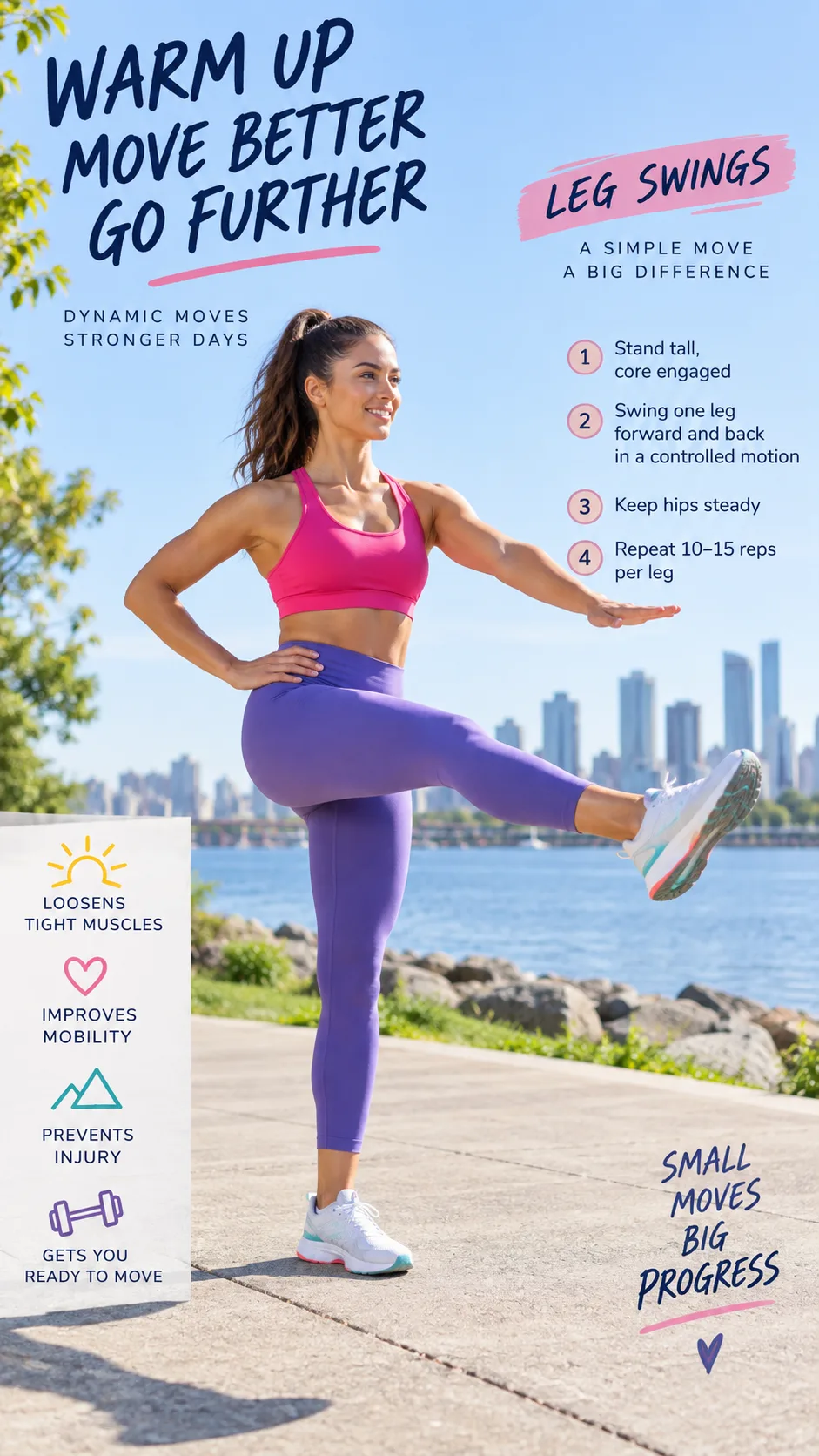
- Leg swings (front to back) — 15 reps each leg
- Leg swings (side to side) — 15 reps each leg
- Deep squat hold — 60 seconds, feet flat on the floor
By the end of this warm-up, you should feel warm and slightly sweaty. If you feel nothing, go harder. Your muscles need to be pliable and ready before the real work begins.
Step 2: Open up the hips first
Most people head straight for their hamstrings, but tight hips are usually the real villain standing between you and your splits. Spend serious time here and you’ll feel your whole lower body open up.
Hip openers to do (hold each for 45 to 60 seconds)
- Low lunge (runner’s lunge) — drop your back knee down and sink deep
- Pigeon pose — one of the most effective hip openers you’ll find
- Frog pose — get your knees out wide, hips back, hold the discomfort
- Butterfly stretch — sit tall, press knees toward the floor gently
Don’t rush through these. Breathe into each stretch. Every exhale, let your body sink a little deeper. This is where most of your progress happens, even if it doesn’t feel dramatic.
According to ACE Fitness, holding a static stretch for at least 30 seconds is the minimum needed to create real change in muscle length. Stop rushing your holds.
Step 3: Target the hamstrings directly
Now we tackle the hamstrings, the long muscles running down the back of your thighs. These are notorious for staying stubbornly tight, especially if you sit at a desk all day.
Hamstring stretches that actually work
- Standing forward fold — feet hip-width, bend forward and let gravity do the work. Don’t bounce.
- Seated forward fold — legs straight out, reach for your feet and hold
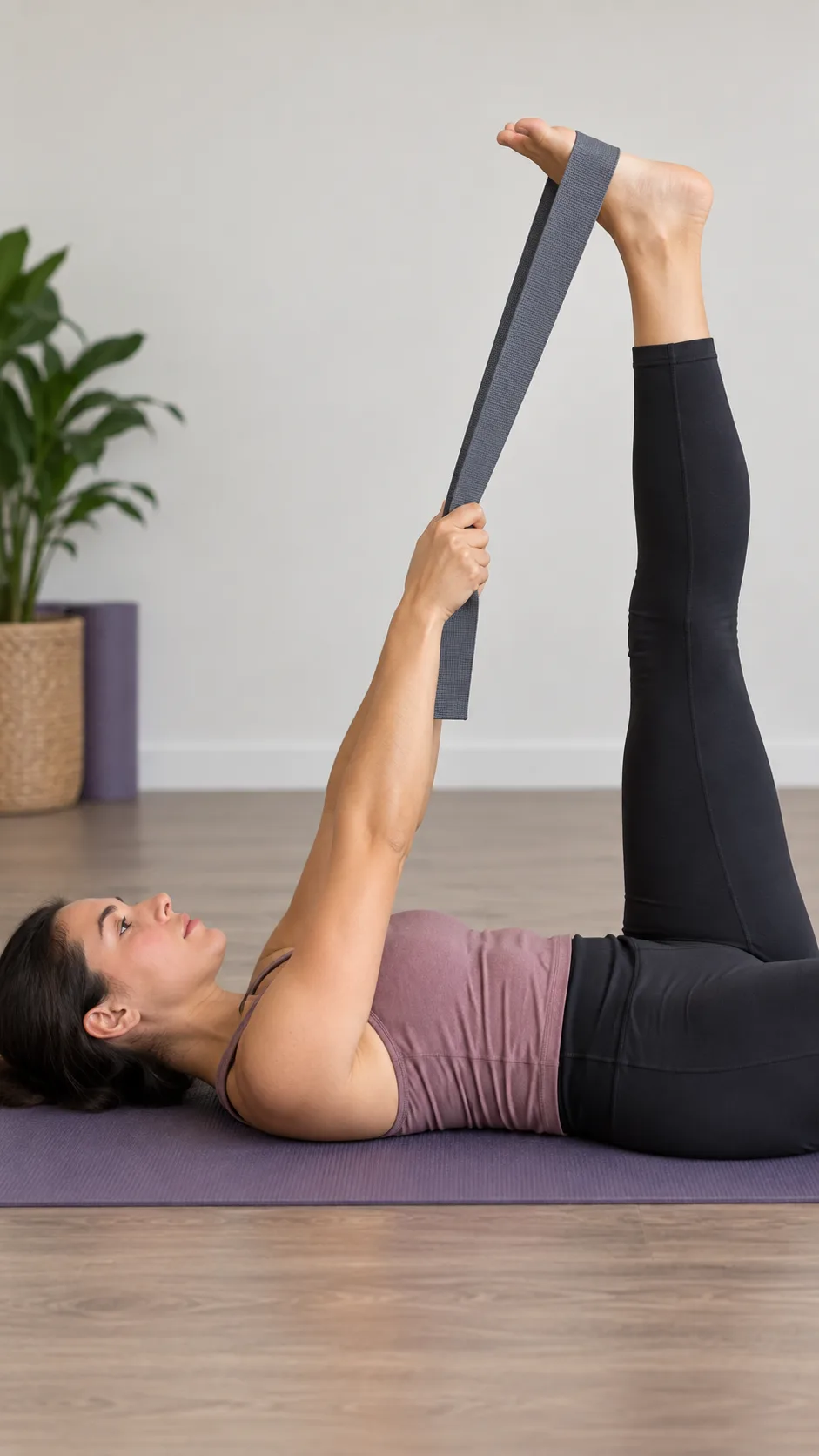
- Supine hamstring stretch — lie on your back, pull one leg up with a towel or strap
- Standing single-leg hamstring stretch — prop one heel on a surface, hinge forward
The supine hamstring stretch with a strap is the most underrated stretch in this list. You can fully relax your body while the strap does the work, no straining, no cheating with a rounded back.
Step 4: The split progression sequence
This is where things get exciting. You’ve warmed up, opened your hips, and loosened your hamstrings. Now you ease into the split itself, gradually and progressively.
Front split progression
- Start in a low lunge, front foot forward, back knee down
- Slowly slide your front foot forward a few inches
- Hold for 30 seconds, breathe deeply
- Slide a few inches further and repeat
- Use yoga blocks under each hand for support. Do not skip the blocks if you’re a beginner.
- Keep sliding and breathing until you reach your edge
Your edge is the point where you feel a strong stretch but zero sharp pain. Sharp pain means stop immediately. Discomfort is normal. Pain is not. Know the difference.
Straddle split progression (optional)
The straddle (middle split) is generally harder than the front split, so don’t stress if this one takes longer. Sit on the floor, open your legs as wide as possible, and slowly walk your hands forward. Hold each position for 60 seconds before moving deeper.
The PNF technique: your secret weapon
Why do some people make faster progress than others? This technique, Proprioceptive Neuromuscular Facilitation (PNF), is likely the reason. It sounds complicated but it’s incredibly simple to apply.
How to use PNF stretching for splits
- Get into your stretched position (e.g., low split)
- Contract the stretched muscle for 5 to 10 seconds by pushing against the floor or your hand gently
- Release the contraction and immediately sink deeper into the stretch
- Hold the new position for 30 seconds
- Repeat 3 to 4 times
Research published by the National Institutes of Health confirms PNF stretching produces significantly greater flexibility gains than standard static stretching alone. This technique genuinely works, so use it.
What to do after your session
Getting your split is one thing. Keeping your progress the next day is another. Post-session recovery matters more than most people realise.
Post-stretch recovery checklist
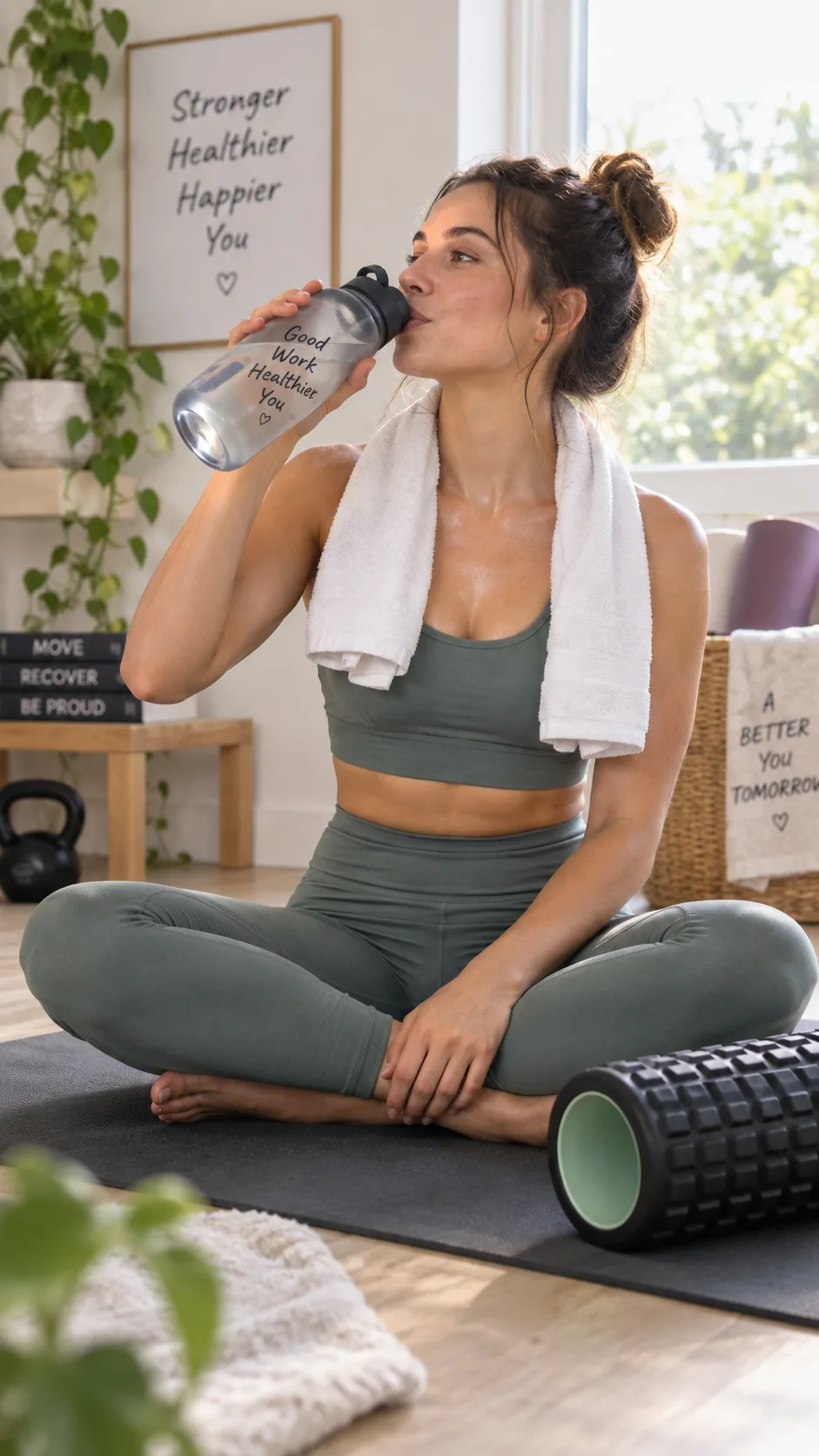
- Drink at least 500ml of water immediately after stretching
- Eat a protein-rich meal within 1 to 2 hours to support muscle repair
- Avoid sitting completely still for hours, walk around a little
- Foam roll your hamstrings and hip flexors gently if you have a roller available
- Repeat a lighter version of this routine the next day to lock in gains
If you’re also focusing on building strength in your lower body alongside flexibility, check out our guide on how to grow glutes that actually change your shape, because strong glutes and flexible hips work brilliantly together.
And if you’re fuelling your fitness journey properly, you might find our Nigerian weight loss meal plan useful for keeping your nutrition on track.
Common mistakes that slow your progress
These are the mistakes that keep people stuck, and avoiding them matters just as much as doing the right things.
- Bouncing in stretches triggers a reflex that makes muscles tighten, not loosen
- Holding your breath works against you. Oxygen keeps muscles relaxed, so breathe continuously
- Skipping the warm-up is the fastest route to injury. Warm up, full stop
- Comparing your progress to flexible people on social media ignores the fact that their hip anatomy might literally be different from yours
- Trying to force the split slows you down. Slow progression always beats aggressive forcing
According to Healthline, most stretching-related injuries happen because people push too far too fast. Respect your body’s timeline.
How long should you hold each stretch?
This question comes up constantly, so here are the specifics. Short holds don’t create lasting change because your nervous system needs time to adapt.
- Dynamic stretches (warm-up): 15 to 20 reps per exercise
- Static stretches (main session): 45 to 90 seconds per stretch
- PNF stretches: 5 to 10 seconds contraction, then a 30-second hold
- Final split hold: 2 to 3 minutes if possible
The Yoga Journal recommends longer holds for fascia release. The connective tissue around your muscles needs more time to respond than the muscle fibres themselves. Patience here pays off massively.
You’re closer than you think
Your body is more adaptable than you give it credit for. With the right warm-up, a smart progression sequence, and PNF stretching in your toolkit, reaching your first split in one day is genuinely achievable, even as a complete beginner.
Warm up fully, open your hips before your hamstrings, use PNF stretching, and never force your body past pain. Progress lives in the space between discomfort and injury. Stay in that zone and you’ll surprise yourself.
And if you don’t hit a full split today, every centimetre closer still counts. Consistency beats perfection every single time. Now go roll out that mat and show your hamstrings who’s boss. You’ve got this.