

You wrap that velcro cuff around your bicep, sit motionless on your chair, and press start. The machine hums, squeezing your arm until your fingers tingle. Then the digital screen flashes back at you: 142/92. Again. How can that happen when you threw your salt shaker into the trash weeks ago?
I know that exact sting of frustration. A few years ago, my systolic reading crept past 140. I immediately stripped all table salt from my kitchen, chewed on steamed chicken, and choked down plain raw vegetables. My reward for two months of culinary misery? My blood pressure barely shifted two points. I blamed bad genetics, but I fell into the exact dietary traps that trick millions of people every day.
Lowering blood pressure demands far more strategy than banishing the salt shaker. When you focus solely on cutting salt, you overlook the hormonal, biochemical, and mineral pathways that govern vascular resistance. Here are the biggest hypertension diet mistakes you probably make right now, along with the nutrient-dense foods you should stack onto your plate instead.
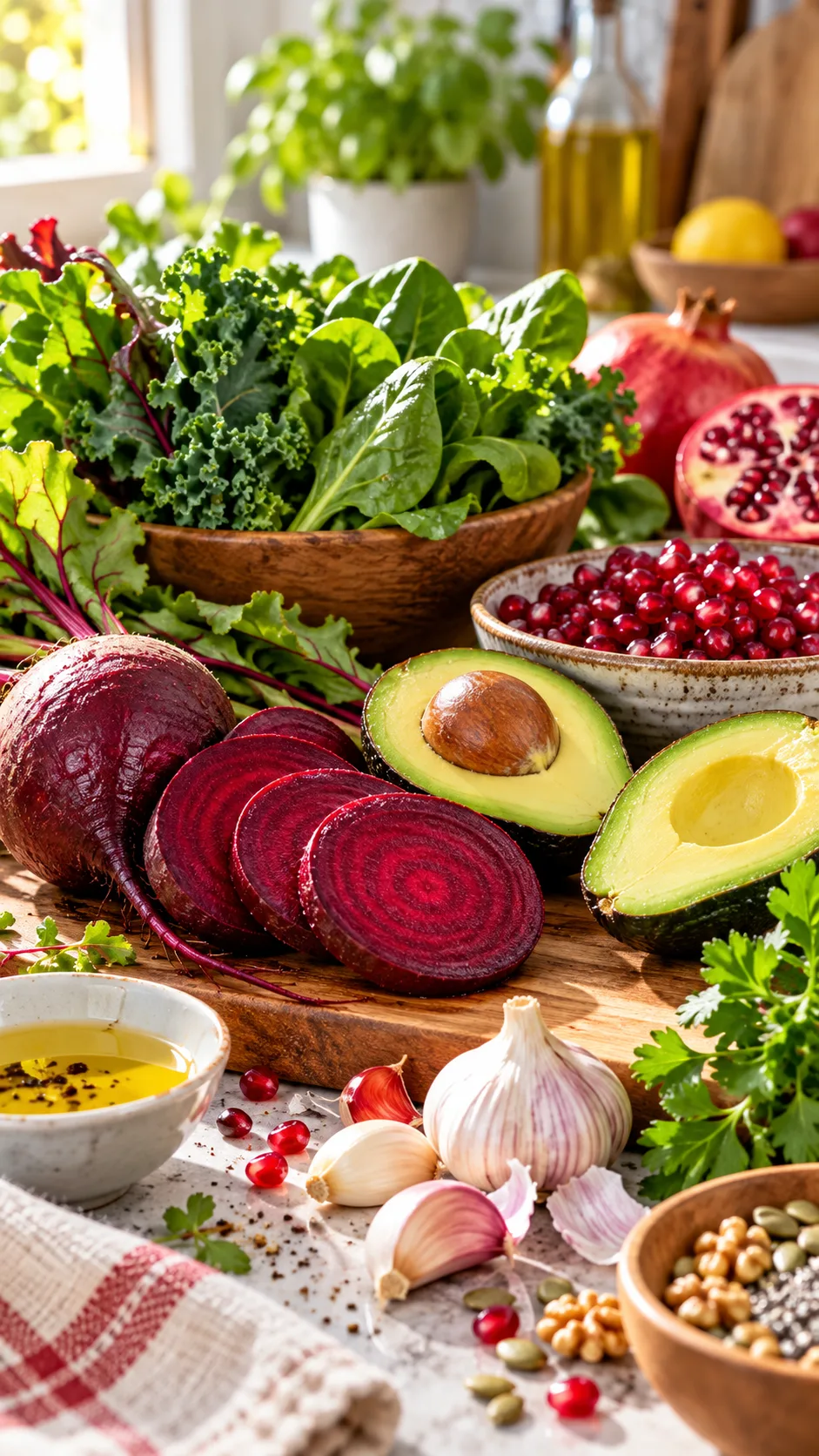
Mistake 1: The “salt shaker obsession” (while ignoring stealth sodium)
Do you measure the salt you shake onto your eggs while ignoring the bread in your toaster? If so, you chase the wrong enemy. Home cooking accounts for a tiny fraction of average sodium intake. The American Heart Association points out that commercial manufacturers pack over 70% of dietary sodium into processed, packaged foods before you even open the box.
Bread, bakery items, deli meats, commercial salad dressings, and canned soups carry heavy loads of stealth sodium. Food companies use sodium bicarbonate and sodium phosphate for shelf preservation and water retention in meats, not just flavor. You might never taste the salt in a store-bought whole-wheat bagel, but that single roll delivers 500 milligrams of sodium straight into your bloodstream.
Your kidneys balance sodium and water inside your blood vessels. When excess sodium floods your circulation, your body pulls water into your arteries to dilute the mineral. That extra fluid volume increases the hydrostatic pressure against your vessel walls, forcing your heart to pump harder with every single beat.
What to eat instead: high-flavor, low-sodium staples
Ditch the bland food mindset and rethink your spice cabinet. You do not need sodium chloride to make food taste extraordinary. Transform your meals using these flavor bases:
- Citrus zest and fresh juice: Lemon, lime, and orange juice stimulate the same taste receptors on your tongue as salt. Squeeze fresh lemon over fish, chicken, and roasted greens right before serving.
- Smoked paprika and cumin: These spices deliver a rich, savory depth that satisfies your palate without touching your water balance.
- Aromatic alliums: Garlic, shallots, scallions, and red onions deliver potent flavor alongside allicin, a compound that relaxes tense arterial walls.
- Aged balsamic or apple cider vinegar: Acidity brightens dishes instantly. Splash raw apple cider vinegar over sauteed greens to cut bitterness and eliminate the need for table salt.
Mistake 2: Starving your body of potassium and magnesium
Most people treat hypertension as a sodium problem. In reality, scientists view it as a potassium deficiency problem. Have you ever wondered why our ancestors rarely developed stiff arteries? Paleolithic diets delivered an astounding 4-to-1 ratio of potassium to sodium. The standard Western diet flips that balance completely, cramming in three times more sodium than potassium.
Potassium functions as your body’s natural diuretic. When you supply your cells with ample potassium, your renal system dumps excess sodium through your urine. Potassium also relaxes the muscular walls of your arterioles, widening blood vessels and dropping peripheral resistance within hours. If you cut sodium but ignore potassium, you keep your vascular system locked in high gear.
Meanwhile, magnesium acts as your body’s master calcium channel blocker. Calcium causes muscle fibers in your arteries to contract. Magnesium steps in and tells those smooth muscle cells to relax. When you run low on magnesium, your arteries clamp shut. Clinical data from the National Institutes of Health confirms that correcting magnesium shortages reliably drops systolic and diastolic blood pressure across diverse patient groups.
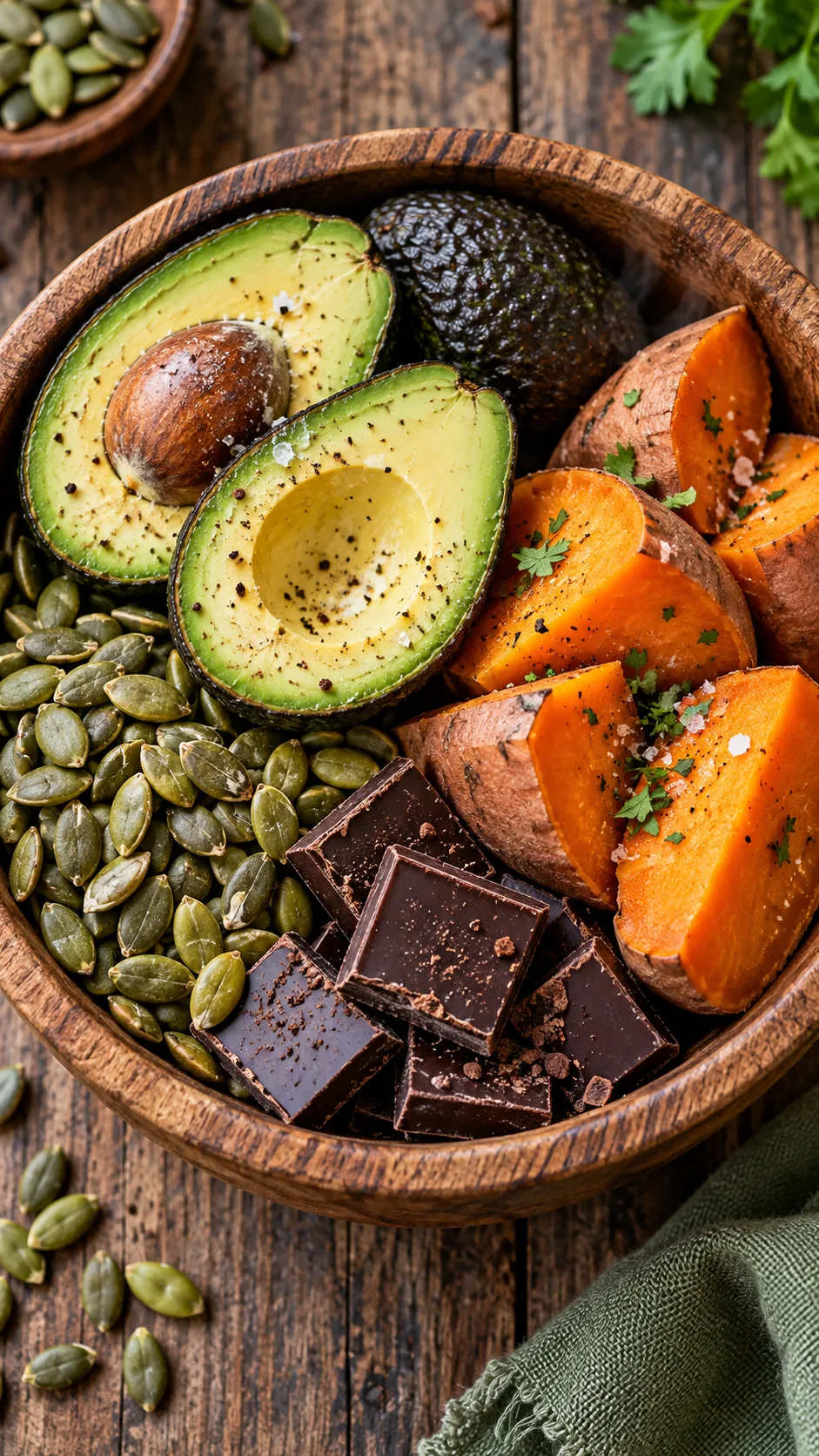
What to eat instead: mineral powerhouses
Do not rely on mineral pills, which often upset your stomach and absorb poorly. Load your daily grocery cart with real whole foods that flood your cells with bioavailable minerals:
- Avocados: One whole avocado delivers nearly 700 milligrams of potassium, easily beating a standard banana, alongside heart-healthy monounsaturated fats.
- Cooked dark leafy greens: Cooking down spinach, Swiss chard, or beet greens shrinks their volume so you can consume massive amounts of magnesium and potassium in a single bowl.
- Pumpkin seeds (pepitas): A quarter-cup of roasted pumpkin seeds supplies nearly half your daily magnesium needs. Toss them over salads or chew them as an afternoon snack.
- Baked sweet potatoes: Eat the skin! A medium baked sweet potato packs roughly 540 milligrams of potassium and provides steady, complex carbohydrates that keep blood sugar level.
- Plain coconut water: Swap sports drinks for unsweetened coconut water when you need rapid electrolyte replenishment after intense workouts.
Mistake 3: Drinking sweet drinks and liquid dehydration traps
Did you grab an iced caramel latte or a bottled green juice this morning? Liquid carbohydrates rank among the fastest ways to damage your cardiovascular health. Many folks mistakenly view fruit juices, sweet tea, and specialty coffee drinks as harmless treats. Yet high-fructose corn syrup and concentrated liquid sugars trigger immediate damage inside your endothelium, the thin inner lining of your blood vessels.
When your liver breaks down large hits of fructose, it consumes massive amounts of cellular energy. This metabolic reaction generates high levels of uric acid as a byproduct. High uric acid levels directly block nitric oxide production, causing your blood vessels to constrict tightly within minutes of drinking that soda or sweetened smoothie. The Centers for Disease Control and Prevention notes that high-sugar diets multiply hypertension risks by driving visceral fat accumulation and insulin resistance.
Add regular alcohol and excessive energy drinks into the equation, and you create a vascular disaster. Alcohol stimulates your sympathetic nervous system, constricts blood vessels, and depletes your cellular magnesium reserves overnight. If your blood pressure spikes on Sunday mornings, your weekend drinks stand out as the prime suspect.
What to drink instead: true arterial hydrators
Clear out your fridge and replace sweetened beverages with liquids that soothe your circulatory system:
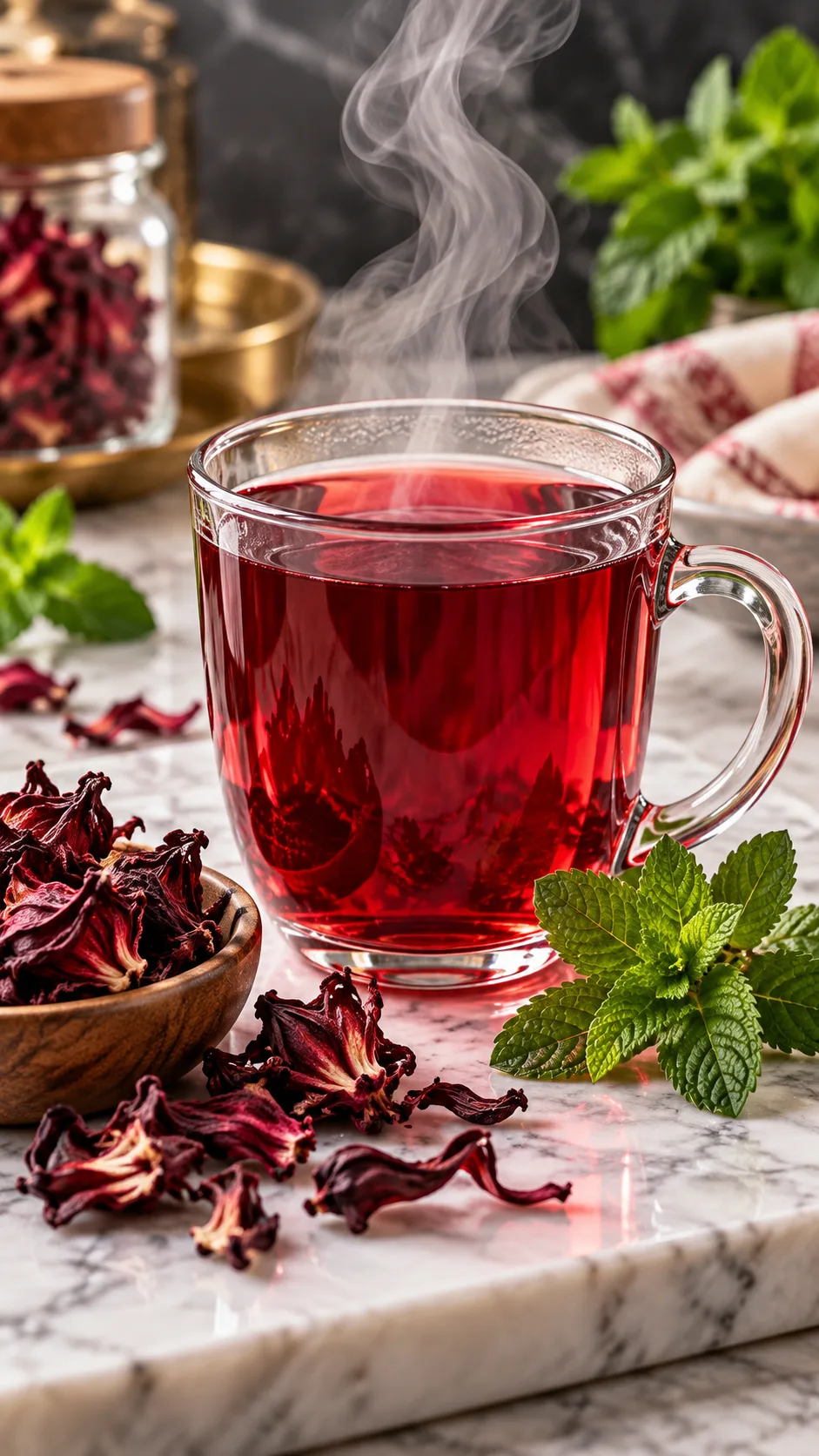
- Hibiscus tea (Agua de Jamaica): Multiple clinical trials prove that drinking two to three cups of steeped hibiscus tea daily matches the blood-pressure-lowering effect of low-dose captopril. It contains anthocyanins that inhibit angiotensin-converting enzymes.
- Filtered water with citrus: Drink half your body weight in ounces of pure water every single day. Mild dehydration thickens your blood, forcing your heart to exert excessive force just to maintain circulation.
- Unsweetened green tea (matcha): Green tea delivers powerful epigallocatechin gallate, an antioxidant that protects your blood vessels from oxidative stress and improves arterial flexibility.
Mistake 4: Eating “fat-free” diet foods instead of anti-inflammatory fats
Outdated dietary dogmas from the 1980s still haunt grocery aisles today. Millions of hypertensive patients fill their carts with fat-free yogurts, low-fat cookies, and margarine spreads made from refined seed oils. What happens when food manufacturers remove natural fats from food? They dump in refined sugars, starches, and artificial emulsifiers to make the product palatable.
Refined vegetable oils like soybean, corn, and cottonseed oil pack your cellular membranes with oxidized omega-6 fatty acids. These unstable fats promote chronic systemic inflammation. Inflamed vascular walls turn rigid, stiff, and prone to plaque development. If you want elastic, supple arteries that expand smoothly with every pulse, you need rich sources of unrefined, anti-inflammatory fats.
If you struggle to balance macronutrients on whole-food diets, take a look at our guide on Healthy Diet Food That Actually Keeps You Full. Understanding real food satiety makes ditching industrial diet meals effortless. You can also explore The Mediterranean Diet Pyramid Decoded to understand how olive-oil-rich eating patterns reduce cardiovascular events worldwide.
What to eat instead: healthy fats that relax arteries
Feed your circulatory system fats that fight inflammation and encourage healthy endothelial function:
- Extra virgin olive oil: Rich in oleocanthal and polyphenols, cold-pressed olive oil protects vascular tissue from oxidative stress. Drizzle two generous tablespoons over your vegetables daily.
- Wild cold-water fatty fish: Wild salmon, sardines, mackerel, and anchovies supply massive quantities of EPA and DHA omega-3 fatty acids. These marine fats trigger the synthesis of prostacyclin, a molecule that thins blood naturally and prevents arterial spasms.
- Raw walnuts: Walnuts provide alpha-linolenic acid and L-arginine, an amino acid your body converts into nitric oxide for rapid vasodilation.
Mistake 5: Neglecting endothelial fuel (nitric oxide starvation)
Your blood vessels contain an ultra-thin layer of tissue called the endothelium. When functioning properly, your endothelium produces a gas called nitric oxide. Nitric oxide signals the smooth muscle cells around your arteries to relax, allowing blood to flow without resistance. As we age, our natural nitric oxide synthesis drops sharply, especially when our diet lacks nitrates.
When you skip red root vegetables and pungent greens, you starve your endothelium of the raw building blocks required to make nitric oxide. Arteries then turn into stiff, unyielding pipes. Even worse, antiseptic mouthwash kills off the beneficial oral bacteria on your tongue that convert dietary nitrate into nitrite. Throw away the harsh mouthwash today.
If chronic vascular tension plagues your body, you must pair nitrate-rich eating with broader lifestyle changes. Our detailed breakdown of The Low Inflammation Diet Plan outlines how reducing systemic inflammatory loads restores cellular repair across all bodily systems.
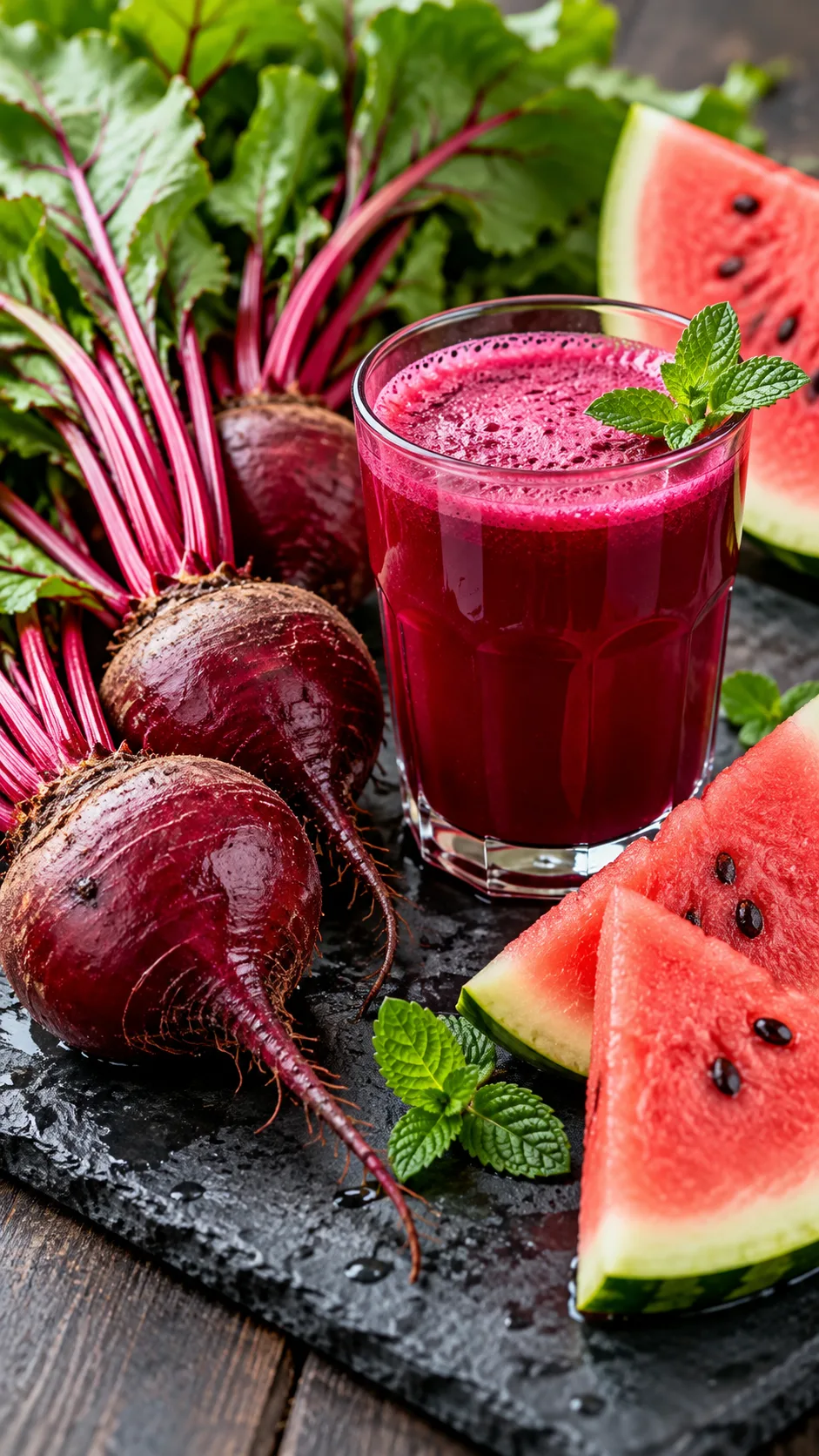
What to eat instead: natural nitric oxide boosters
Accelerate your body’s natural vasodilation mechanisms by consuming dietary nitrates and L-citrulline every single day:
- Beets and beetroot juice: Beets sit at the top of the vascular food chain. Drinking just 250 milliliters of beetroot juice can drop systolic readings by 4 to 10 points within a few hours. Roast whole beets or toss raw grated beets into your lunch bowls.
- Arugula: While spinach gets all the attention, peppery arugula contains nearly double the dietary nitrates of almost any other leafy green. Build your lunchtime salads on a bed of fresh, spicy arugula.
- Watermelon: This sweet fruit packs heavy amounts of L-citrulline, an amino acid that your kidneys convert directly into L-arginine, boosting sustained nitric oxide production without spiking uric acid.
- Crushed raw garlic: Allicin in fresh garlic activates your vascular hydrogen sulfide and nitric oxide pathways simultaneously. Crush a clove of garlic and let it rest on your cutting board for ten minutes before adding it to food, because this brief wait activates the essential alliinase enzyme.
Mistake 6: Trusting “low-sodium” condiments and deli traps
Have you ever purchased a bottle of “reduced-sodium” teriyaki sauce or turkey slices from the supermarket deli counter, feeling proud of your discipline? Turn that bottle around and look at the nutrition label. A “reduced-sodium” label legally means only that the product contains 25% less sodium than the original, salt-laden version. A single tablespoon can still flood your body with 600 milligrams of salt.
Deli meats form another severe trap. Manufacturers inject brine solutions directly into poultry breasts and roast beef cuts to plump their weight and preserve freshness. Two slices of processed deli turkey easily match the sodium content of a large bag of potato chips. You think you eat a clean, lean protein lunch, but your arteries react as if you just drank sea water.
Commercial salad dressings pull a double-cross: they blend high sodium with cheap seed oils and added sugars. When you pour store-bought ranch or vinaigrette over your salad, you erase the cardiovascular benefits of your vegetables completely.
What to eat instead: clean flavor alternatives
Stop paying food corporations to ruin your vascular health. Build these quick, delicious meal additions right on your kitchen counter:
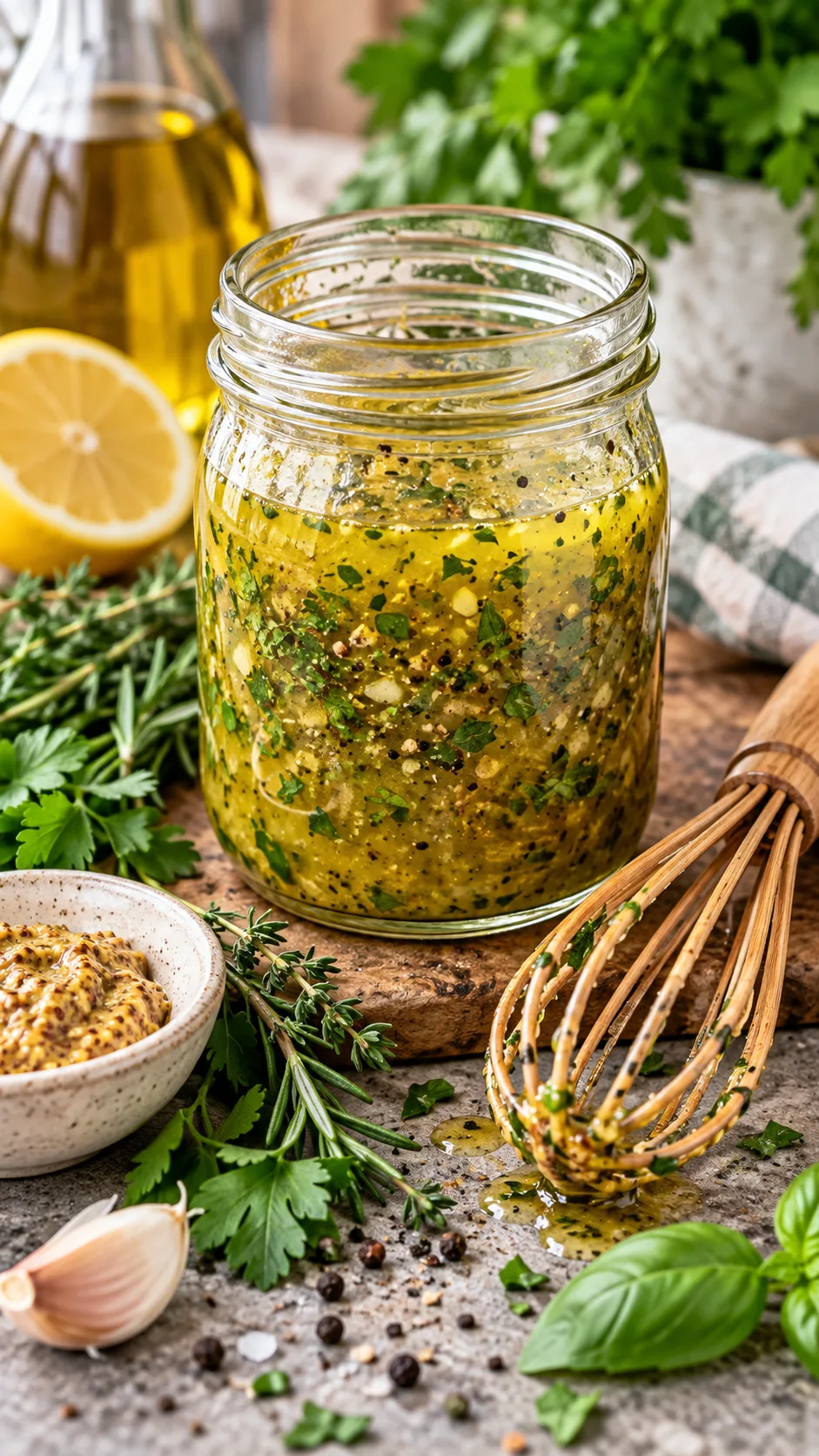
- Homemade herb dressing: Whisk extra virgin olive oil, fresh lemon juice, Dijon mustard, and crushed garlic. You get rich flavor without industrial preservatives.
- Home-roasted protein slices: Roast a whole chicken or beef roast on Sunday afternoon. Slice the cold meat thin for weekday sandwiches and wraps. You remove 90% of the sodium found in commercial deli counter meats.
- Nutritional yeast: This golden flake brings a savory, cheesy taste to popcorn, roasted vegetables, and soups while offering zero sodium and an abundance of B-complex vitamins.
The 7-day blood pressure plate blueprint
How do you assemble all these components into a routine that fits a busy schedule? You do not need complicated calorie tracking or bizarre cleanses. Structure your daily meals around a simple visual plate rule that maximizes potassium, magnesium, and nitrates while banishing stealth sodium.
Fill half of your plate with potassium-rich, high-nitrate vegetables at every meal. Allocate one-quarter of your plate to clean, minimally processed proteins like wild salmon, eggs, or home-roasted poultry. Fill the remaining quarter with complex, mineral-dense carbohydrates like sweet potatoes, black beans, or quinoa. Top the entire meal with anti-inflammatory fats: avocado slices, a handful of walnuts, or raw olive oil.
Here is an easy reference guide showing how small daily swaps transform your cardiovascular numbers over time:
Frequently asked questions about blood pressure diets
Can I ever eat regular salt again?
Yes. Once you strip out ultra-processed foods, you can safely use unrefined sea salt or pink Himalayan salt in moderation while cooking whole foods. When your body receives plenty of potassium and water, your kidneys manage moderate amounts of natural culinary salt without breaking a sweat.
How fast will these dietary changes lower my blood pressure?
Nitrate-rich foods like beet juice and arugula open blood vessels within two to four hours. Broader mineral adjustments, such as boosting potassium and dropping hidden processed sodium, consistently show measurable drops in resting blood pressure within 7 to 14 days. Consistency always beats perfection.
Are salt substitutes with potassium chloride safe for everyone?
No. If you take ACE inhibitors, ARBs, or potassium-sparing diuretics, synthetic potassium chloride substitutes can drive blood potassium levels dangerously high. Always speak with your doctor before using synthetic potassium salts. Whole food sources of potassium pose far less risk for healthy kidneys.
Take control of your arteries today
High blood pressure is not an inescapable life sentence or an unavoidable consequence of aging. It is a clear signal from your body that your vascular system lacks the raw materials it needs to stay supple, relaxed, and resilient.
Stop punishing yourself with bland, boiled diet food. Throw out the stealth-sodium junk hiding in your pantry, grab a bag of fresh beets, pour a tall glass of ruby-red hibiscus tea, and coat your vegetables in rich extra virgin olive oil. When you give your cells the right fuel, your blood vessels respond with ease, and that stubborn blood pressure monitor will finally show the healthy numbers you deserve.