

You clicked this because you’re hungry, aren’t you? Or because you tried keto once, lasted three days, then demolished half a loaf of bread at 11pm like a raccoon in a bakery dumpster.
I’ve been there. My first attempt involved plain boiled eggs, sadness, and a headache that felt like a tiny man drumming inside my skull. I quit by Wednesday.
My second attempt worked, because I finally understood one thing: keto only fails when you don’t eat enough fat, salt, and real food. This guide fixes that. You get a full 7-day keto meal plan, the science behind why it keeps you full, and the mistakes that sabotage most beginners.
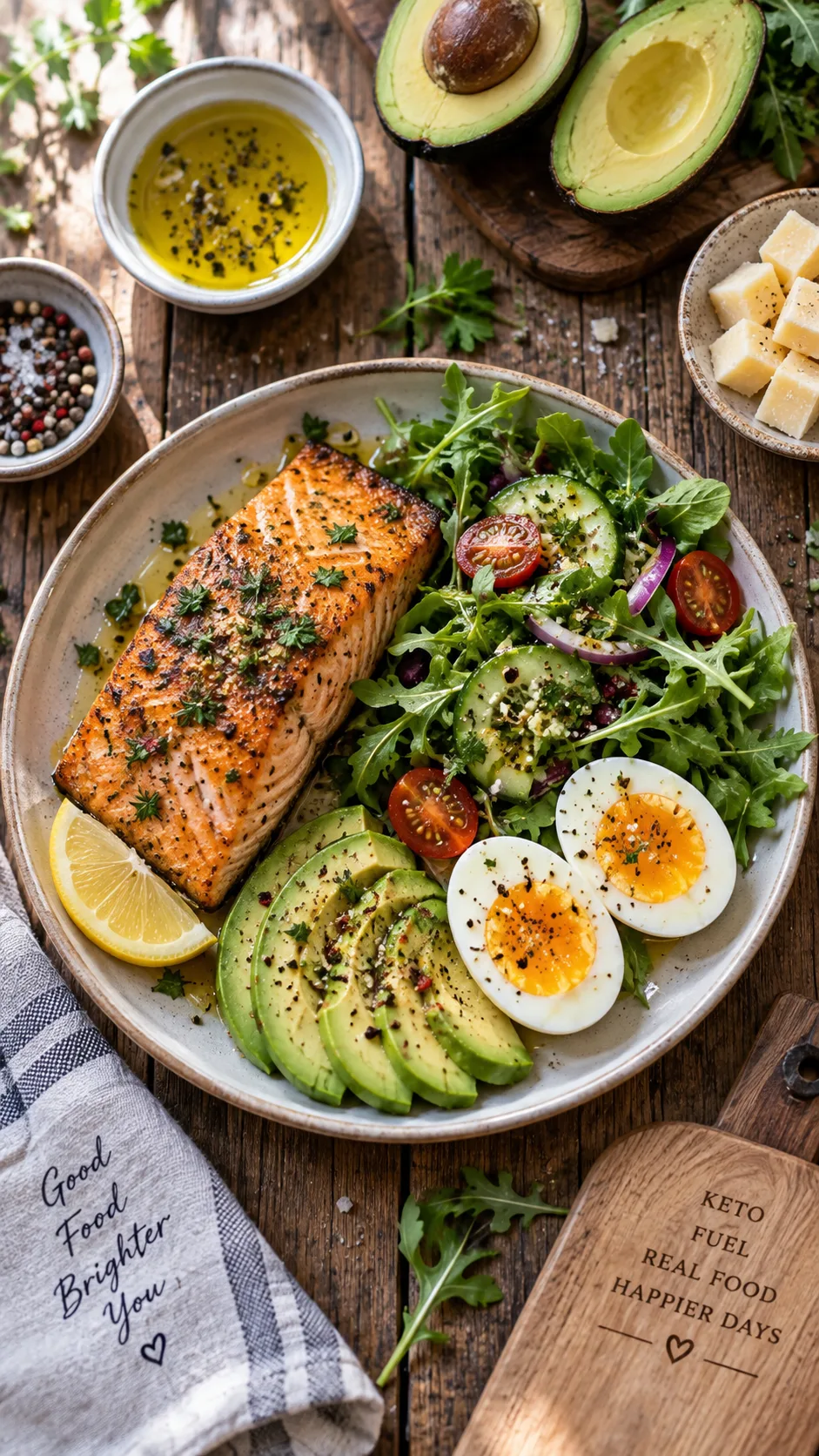
What keto does to your body (the 60-second version)
Normally your body burns glucose from carbs for fuel. Cut carbs low enough, usually under 20 to 50g of net carbs per day, and your liver starts turning fat into ketones instead. That metabolic state is ketosis.
Ever wondered why keto crushes appetite so hard? Two reasons. Ketones appear to suppress ghrelin, your hunger hormone. And fat plus protein digests far slower than a bowl of cereal.
A meta-analysis published in the British Journal of Nutrition found that people on very low carb ketogenic diets lost more weight long term than those on low fat diets. No magic involved. Fewer cravings and steadier blood sugar.
Net carbs vs total carbs: know the difference
- Net carbs = total carbs minus fiber minus sugar alcohols (erythritol, for example)
- Fiber doesn’t spike blood sugar, so most keto plans subtract it
- Beginners should target 20 to 25g net carbs daily for week one
- Track for the first 7 days, then relax once you can eyeball portions
Before you start: the 4 things nobody warns you about
1. The “keto flu” is real (but avoidable)
Days 2 to 4 can feel rough: headache, fatigue, brain fog, mood like a wet cat. Your body isn’t “detoxing.” You’re losing electrolytes. Low insulin makes your kidneys dump sodium fast, and potassium and magnesium follow it out the door.
The fix costs you nothing in extra effort. Salt your food aggressively, drink a cup of broth daily, and eat avocado and leafy greens. Most people who “can’t handle keto” are simply under-salted. Seriously.
2. You will pee a LOT
Every gram of stored glycogen holds roughly 3g of water. Burn through the glycogen and you release the water. That’s why the scale drops 2 to 4kg in week one and everyone screams “miracle!” on Instagram. It’s mostly water, FYI. The real fat loss starts after that.
3. Fat is fuel, not the enemy
Low carb plus low fat equals starvation, not keto. You’ll be miserable. Eat the olive oil. Eat the egg yolk. Cook with butter or coconut oil and skip the guilt.
4. Protein needs a ceiling, not a cliff
Aim for 1.2 to 1.7g of protein per kg of body weight. That’s enough to protect muscle and keep you satisfied, without hitting the amounts that matter for very strict therapeutic keto. For 99% of people chasing fat loss, moderate to high protein is the sweet spot.

Your keto shopping list (print this)
Don’t wander the supermarket improvising. That’s how a bag of plantain chips ends up in your basket “by accident.” Here’s exactly what to buy.
Proteins
- Eggs. Buy two dozen, you’ll use them all
- Chicken thighs (fattier and cheaper than breast)
- Beef, goat meat, or minced beef
- Fatty fish: mackerel, sardines, salmon, titus
- Shrimp or prawns
- Bacon or sausage (read the labels, sugar hides everywhere)
Fats
- Extra virgin olive oil
- Coconut oil and palm oil (yes, palm oil works on keto)
- Butter or ghee
- Avocados, your new best friend
- Heavy cream, full fat coconut milk
- Cheese: cheddar, mozzarella, cream cheese
Low carb vegetables
- Spinach, ugu (pumpkin leaves), kale, water leaf
- Cabbage, cauliflower, broccoli
- Cucumber, bell peppers, green beans
- Courgette/zucchini, garden egg (in moderation)
- Mushrooms, okra
Extras
- Almonds, walnuts, pecans (portion them out, nuts are sneaky)
- Chia seeds, flaxseed, psyllium husk
- Unsweetened almond milk
- Sea salt, Himalayan salt, bouillon cubes
- Herbs, spices, garlic, ginger, curry, thyme
The 7-day keto meal plan that keeps you full
Rule one: you may repeat meals. Variety is overrated during week one. Rule two: if you’re genuinely hungry, eat more fat and protein instead of white-knuckling it.
Each day lands around 20 to 25g net carbs. Adjust portions to your size and appetite.
Day 1: the easy start
- Breakfast: 3 eggs scrambled in butter, half an avocado, black coffee
- Lunch: Grilled chicken thighs, big spinach salad, olive oil and vinegar
- Dinner: Pan-seared mackerel with cabbage sautéed in palm oil
- Snack (optional): 10 almonds or a cheese stick
Day 2: leftover logic
- Breakfast: 2 boiled eggs, avocado, salt (be generous)
- Lunch: Leftover mackerel over cucumber and bell pepper salad
- Dinner: Beef stir-fry with broccoli, garlic, ginger and coconut oil
- Snack: Cup of hot bone broth
Day 3: keto flu defence day
- Breakfast: Omelette with cheese, mushrooms and spinach
- Lunch: Tuna or sardines mixed with mayo, served in lettuce cups
- Dinner: Pepper soup with goat meat (skip the yam, keep the broth)
- Bonus: Extra salt today. Your head will thank you.
Day 4: Nigerian comfort, keto edition
- Breakfast: Coffee with heavy cream, 2 boiled eggs
- Lunch: Efo riro (spinach stew) with beef and fish. No swallow, just the stew
- Dinner: Cauliflower “fried rice” with shrimp and vegetables
Fun fact: plenty of Nigerian soups are practically keto already. Remove the swallow, keep the protein and palm oil, and you’re set. Even a light, clean soup like afia efere (white soup) works beautifully once you skip the pounded yam.
Day 5: fasted-ish Friday
- Breakfast: Skip it if you’re not hungry (this is normal now)
- Lunch: Chicken thighs roasted with herbs, green beans in butter
- Dinner: Bunless burger patties with cheese, fried egg on top, side salad
- Snack: Half an avocado with salt and chilli flakes
Day 6: weekend cooking day
- Breakfast: Keto pancakes made with almond flour and cream cheese
- Lunch: Big chopped salad: chicken, eggs, cucumber, olives, feta, olive oil
- Dinner: Grilled fish with garlic butter and roasted cauliflower
Day 7: reset and prep
- Breakfast: Egg muffins baked with bacon and spinach (make 12, eat 3)
- Lunch: Ugu and stockfish soup with plenty of meat
- Dinner: Steak with butter, sautéed mushrooms, side salad
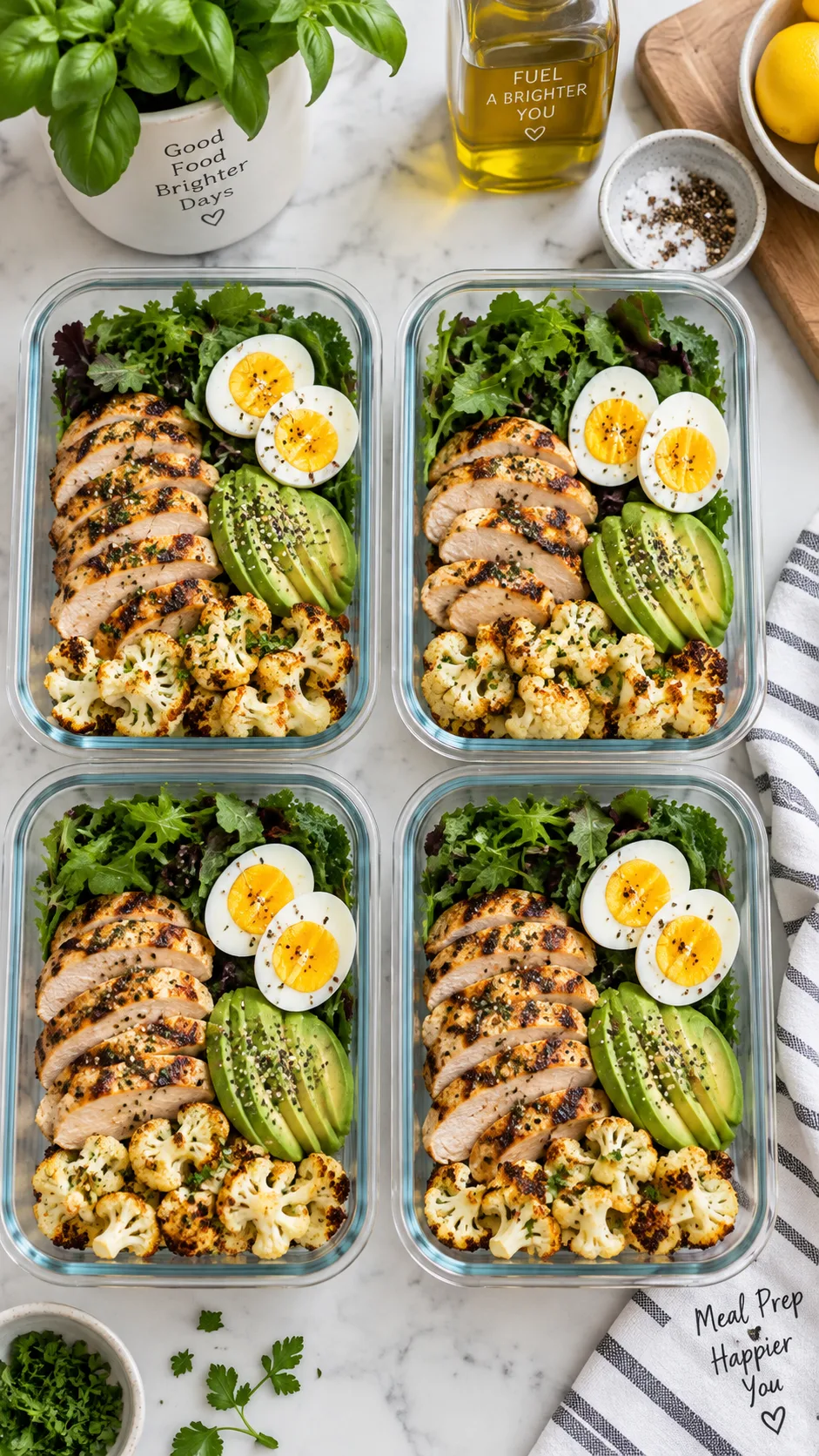
- Prep: Boil a dozen eggs, cook a tray of chicken, chop veg for week two
That Sunday prep session pays you back more than any other hour of your week. If batch cooking feels intimidating, steal a system from this low carb meal prep guide, which someone built for exactly this situation.
Why this plan keeps you full (and cheap keto doesn’t)
Three levers control satiety. Most beginner plans pull only one.
- Protein at every meal. Protein fills you up more than anything else you can put on a plate. Research from the National Library of Medicine consistently links higher protein intake to reduced appetite and lower overall calorie intake.
- Fat for staying power. Fat slows gastric emptying. You stay full for 5 or 6 hours instead of 90 minutes.
- Fiber and volume. Two cups of spinach fills your stomach physically while costing you almost nothing in carbs.
Most failed keto plans skip lever three. People eat bacon and cheese exclusively, get constipated, feel awful, and blame keto. Volume matters. Eat your greens. If things get backed up, bookmark this list of home remedies for constipation before you need it.
Watch: a beginner’s walkthrough
If you learn better by watching someone explain it out loud, this breakdown covers the fundamentals clearly:
The 7 mistakes that wreck week one
1. Fearing salt
You need more sodium on keto, not less, typically 3,000 to 5,000mg daily for healthy adults. If you have high blood pressure or kidney issues, talk to your doctor first. Everyone else: salt the food.
2. Hidden carbs in “healthy” foods
- Ketchup, BBQ sauce, most salad dressings
- Milk (12g carbs per cup, so swap for cream or almond milk)
- Fruit juice, smoothies, flavoured yogurt
- Bouillon cubes with added starch
- “Low fat” anything, since manufacturers replace the fat with sugar
3. Snacking out of boredom
Keto reduces hunger. If you’re still snacking hourly, you’re probably bored, thirsty, or stressed. Drink water first. Wait 15 minutes. Then decide.
4. Not drinking enough water
Target 2.5 to 3 litres daily. Dehydration mimics hunger and makes keto flu ten times worse.
5. Weighing yourself every single day
Water weight swings 1 to 2kg daily. Weigh once a week, same day, same time, same state of undress. Better yet, use a tape measure.
6. Going all in on processed “keto” products
Keto cookies, keto bars, keto bread: most of them cost too much, taste mediocre, and trigger cravings anyway. Whole food first. Treats later.
7. Expecting perfection
You’ll slip. You’ll eat something with sugar in it. So what? One meal doesn’t erase six days. Eat the next meal correctly and move on.

How to know you’re in ketosis
You don’t need fancy gear. Your body sends obvious signals.
- Reduced appetite, usually the first and clearest sign
- “Keto breath”, a slightly metallic or fruity taste from acetone
- More energy and sharper thinking after days 5 to 7
- Better sleep and fewer afternoon crashes
- Flatter stomach once the water retention drops
Want hard data? Ketone urine strips cost little and work fine for beginners, though they lose accuracy after a few weeks. Blood ketone meters are the gold standard. A reading of 0.5 to 3.0 mmol/L means nutritional ketosis.
Who should skip keto (seriously)
I’m enthusiastic, not reckless. Keto doesn’t suit everyone, and the Harvard T.H. Chan School of Public Health flags legitimate cautions.
- Anyone with type 1 diabetes or on insulin, who needs medical supervision
- People taking SGLT2 inhibitors (ketoacidosis risk)
- Pregnant or breastfeeding women
- Anyone with pancreatic, liver, thyroid or gallbladder conditions
- People with a history of eating disorders
- Anyone on blood pressure or diabetes medication, since dosages often need adjusting fast
Talk to your doctor. Not a TikTok comment section.
What happens after week one?
Week two feels dramatically easier. Cravings fade, energy steadies, and cooking becomes routine instead of a project. Most people settle into a rhythm of 3 to 5 repeated meals they genuinely enjoy.
From there you have options. Stay strict keto. Loosen up to a low carb approach (50 to 100g) once you hit your goal. Or cycle carbs around training days if you lift heavy.
And if keto eventually stops fitting your lifestyle, which carries no shame at all, a flexible clean eating meal plan makes a solid landing pad. The best diet is the one you’ll still follow in six months. IMO that beats perfection every time.
Quick answers to the questions everyone asks
Can I drink alcohol on keto?
Dry wine and clear spirits fit technically. Your tolerance drops hard, though, and alcohol pauses fat burning while your liver processes it. Keep it rare.
Will I lose muscle?
Not if you eat adequate protein and lift weights. Keto plus resistance training protects lean mass well.
How much weight will I lose in week one?
Typically 1.5 to 4kg, mostly water. Real fat loss averages 0.5 to 1kg per week afterwards. Anyone promising more is selling something.
Do I need exogenous ketone supplements?
No. They raise blood ketones artificially without forcing your body to burn its own fat. Save your money for better groceries.
The bottom line
Your first week on keto doesn’t have to feel like punishment. Eat real food. Salt it properly. Hit your protein. Pile on the low carb vegetables. Drink water like it’s your job.
The three non-negotiables: stay under 25g net carbs, prioritise electrolytes, and never let yourself go hungry out of misplaced discipline.
The people who succeed on keto don’t have the most willpower. They cooked enough food ahead of time that willpower never had to show up. Prep on Sunday, and Thursday-night you will practically send a thank-you card.
So what are you cooking tomorrow morning? Pick one breakfast from Day 1, buy the ingredients tonight, and start. Week one is the hardest week you’ll have. After that, it’s just eating.