

Ever scrolled past a “biblical diet” post and wondered if eating like people from 2,000 years ago can fix your 2026 body? You’re not alone. The James Duncan Diet keeps popping up in faith-based wellness circles, and the big question is simple: what does it do to you?
I’ll answer that without the hype. This article covers what goes on the plate, what shifts in your blood sugar, heart, gut, and waistline, and where the plan trips people up.
What is the James Duncan Diet, really?
I’ll be upfront about this. I couldn’t find a published protocol under the name “James Duncan Diet” that went through peer review. Versions circulate online, and they differ from source to source.
So I won’t invent a rulebook and pretend it’s official. Instead, I’ll cover the features that biblical eating plans share, and I’ll judge them by what that food does inside your body. If your version differs, you can still compare it against the points below.
Most plans in this category borrow from a few places:
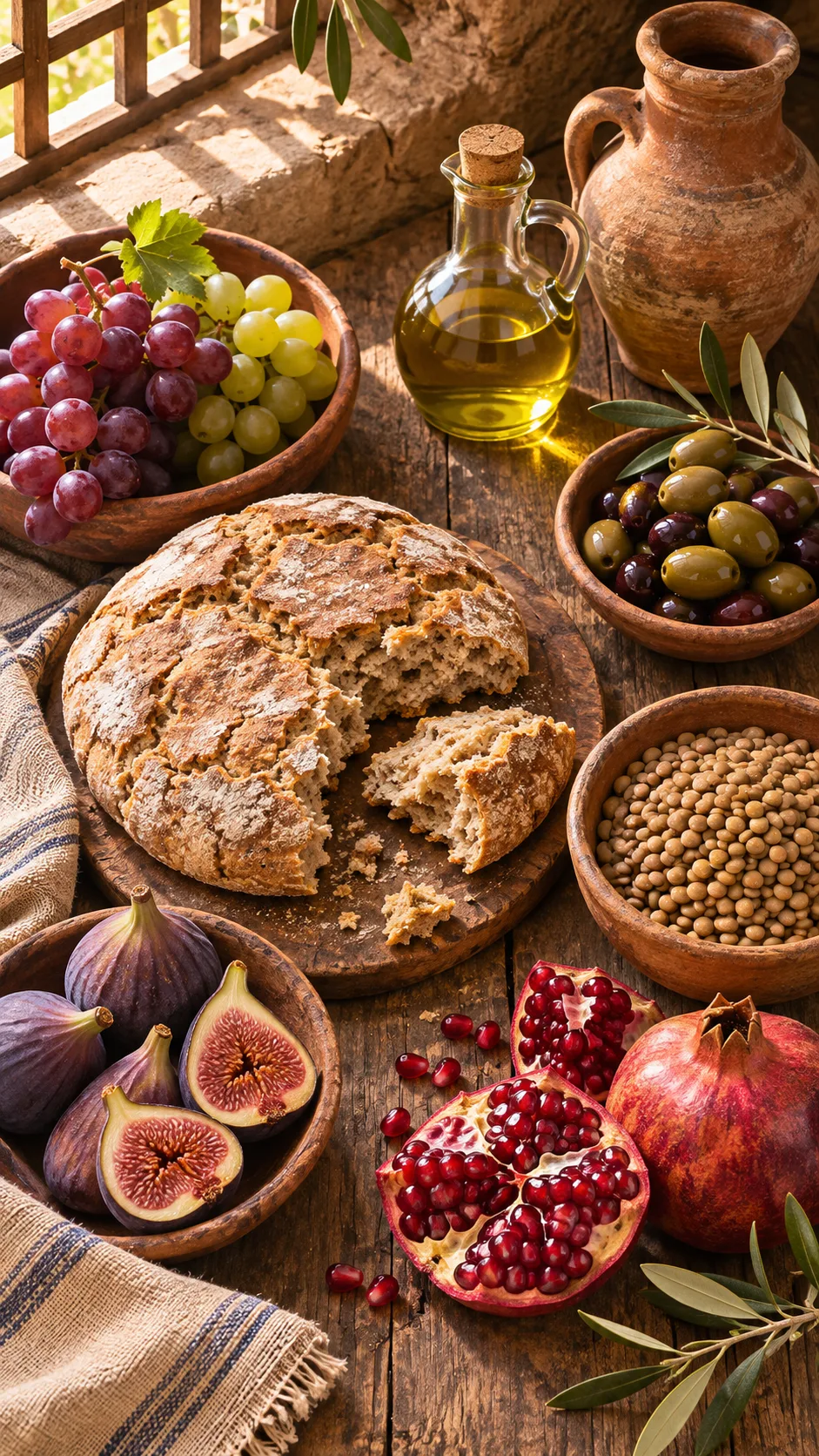
- Scripture’s food lists, like the “wheat and barley, vines and fig trees and pomegranates, olive oil and honey” passage in Deuteronomy 8.
- The Daniel Fast, a mostly plant based pattern that lasts 21 days.
- Levitical food laws, which steer people away from pork and shellfish.
That mix makes the plan more flexible than it sounds. It also makes the plan harder to judge as one single diet.
What you eat on a biblical eating plan
Picture a Mediterranean diet that went to church. You build meals around whole, minimally processed foods and skip most of the packaged stuff.
Foods the plan usually welcomes
- Whole grains such as barley, wheat, millet, and breads made from lentils and grains.
- Legumes, including lentils, chickpeas, and beans.
- Fruit like figs, dates, grapes, pomegranates, and apples.
- Vegetables such as leeks, onions, garlic, cucumbers, and leafy greens.
- Olive oil, olives, nuts, and seeds for fat.
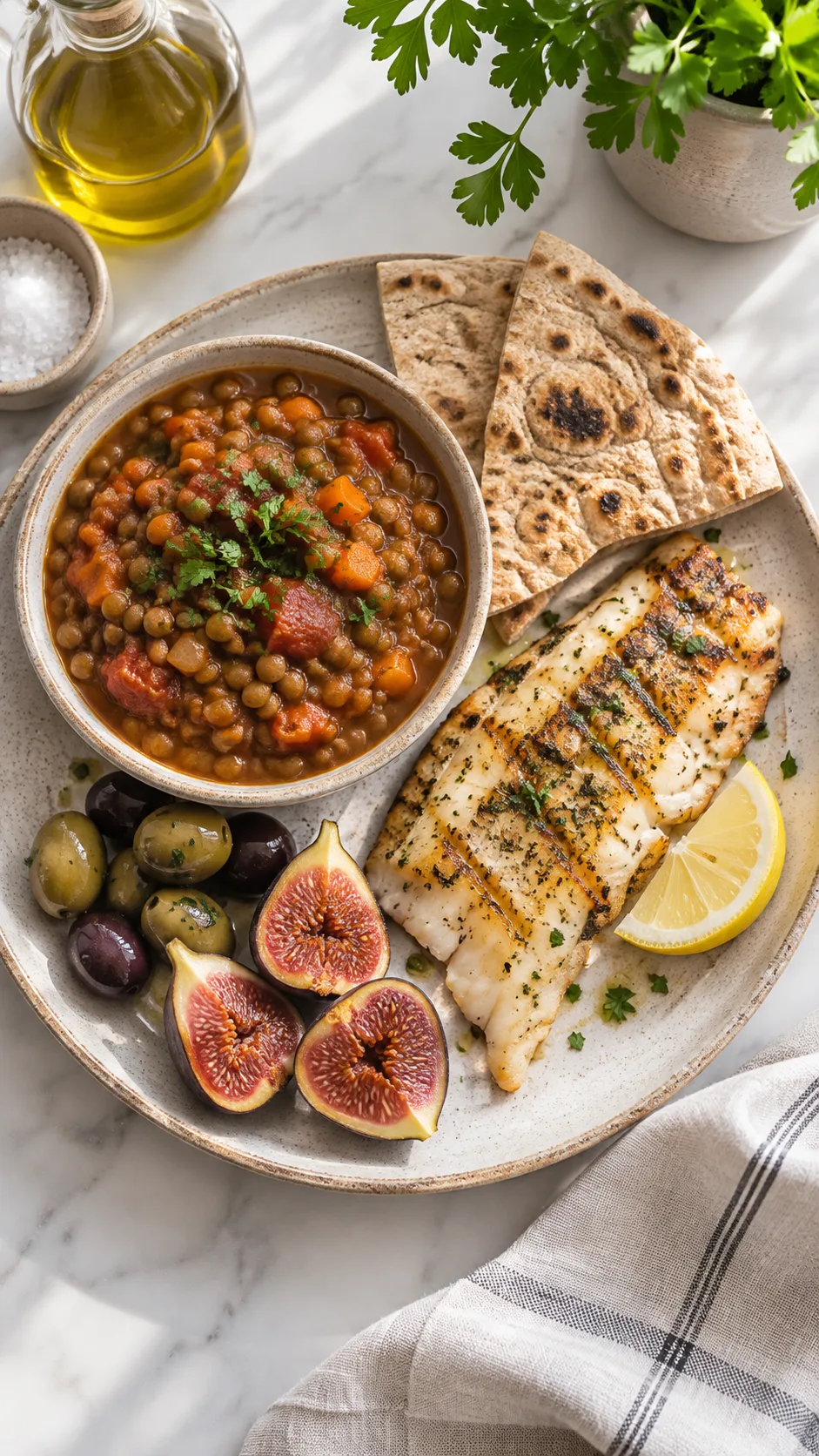
- Fish, usually the kinds with fins and scales.
- Small amounts of honey and, in some versions, yogurt or cheese.
Foods the plan usually cuts
- Pork and shellfish, based on Levitical rules.
- Refined sugar and most processed snacks.
- White flour products and fried fast food.
- Alcohol and sugary drinks in stricter versions.
Some stricter versions drop all meat and dairy, as the Daniel Fast does. Others keep lamb, fish, and eggs. Check which camp your version falls into, because that single choice changes your nutrient picture a lot.
What it does to your body
Whatever name sits on the plan, the food pattern drives the results. And this pattern has a lot going for it.
Your blood sugar gets steadier
Barley, lentils, beans, and intact grains digest slowly. They release sugar into your blood gradually instead of spiking it. That means fewer 3 p.m. crashes and fewer “why am I starving again?” moments.
To see how this works with foods you eat every day, check our glycemic index table of Nigerian foods. It shows which staples spike you and which ones don’t.
Your heart likely benefits
Olive oil, nuts, legumes, and fish form the backbone of the Mediterranean diet, which has the strongest evidence of any eating pattern for heart health. The large PREDIMED trial found that people on a Mediterranean diet supplemented with olive oil or nuts had roughly 30% fewer major cardiovascular events than the control group. You can read an overview in Mayo Clinic’s Mediterranean diet guide.
Does a biblical plan match that exactly? No. But the overlap is big, and that’s why many dietitians view the pattern favorably.
Your gut gets a fiber upgrade
Most people eat far less fiber than they should. Beans, whole grains, fruit, and vegetables fix that fast. Your gut bacteria love it, and your digestion usually improves.
Fair warning: if you jump from low fiber to high fiber overnight, you’ll meet bloating and gas. Your gut needs a week or two to adjust, so ramp up gradually and drink more water.
Your weight often drops (but not by magic)
Whole foods fill you up with fewer calories. You also cut ultra-processed snacks, which are easy to overeat. Together, those two shifts often create a natural calorie deficit without any counting.
Still, olive oil, nuts, honey, and bread carry plenty of calories. Eat them in big portions and the scale won’t budge. If you want structure, our guide to calorie deficit meal prep shows how to keep meals filling while you lose weight.

Your energy might dip first
The glossy posts skip this part. In week one, many people feel tired, headachy, or cranky. You cut sugar and maybe caffeine, and your body complains loudly.
That phase usually passes within several days. If you still feel dizzy or weak after that, you probably eat too little. Add more beans, grains, and olive oil.
What the research says
Where does the evidence stand? Some of it is solid, and some of it is hope.
The solid evidence
- Mediterranean style eating has large, long term trials behind it for heart disease, stroke, and type 2 diabetes risk.
- High fiber, plant heavy diets consistently improve cholesterol and blood sugar markers. Harvard’s Nutrition Source summarizes this well.
- Cutting ultra-processed foods helps most people eat less without feeling deprived.
The thinner evidence
- The Daniel Fast has only small, short studies. Some report lower blood pressure and LDL cholesterol after 21 days, but the samples are small and the time frame is short.
- Levitical food rules lack strong health evidence on their own. Skipping pork and shellfish doesn’t automatically make you healthier.
- The James Duncan Diet itself has no published trials that I could verify.
My read: the faith framing motivates people, but the food does the physiological work. That’s fine. Motivation counts for a lot when you try to change habits.
Where the plan can backfire
No diet gets a free pass. Biblical eating can cause trouble in a few places.
- Low protein is the first risk. If you cut meat, dairy, and eggs, you must plan protein carefully with legumes, nuts, and fish. Otherwise you lose muscle and feel hungry all day.
- Vitamin B12 can run short. B12 comes almost entirely from animal foods, so a strict plant-only version can leave you deficient over time. You may need a supplement.
- Iron and calcium can fall short too. Your body absorbs plant iron less efficiently, and dropping dairy removes a major calcium source.
- Honey and dried fruit add up fast. “Natural” sugar still raises your blood sugar and your calorie count.
- Food guilt can creep in. Some people turn food rules into moral tests, and that mindset can fuel disordered eating. Stay flexible.
Ever noticed how “clean” eating rules can sneak up and take over your whole week? I’ve watched friends spiral into guilt over one slice of cake. A food plan should serve your life, not run it.
Who should talk to a doctor first
Check with a doctor or registered dietitian before you start if any of these apply:
- You take diabetes medication or insulin, because your doses may need adjusting.
- You are pregnant or breastfeeding.
- You have kidney disease, since diets heavy in legumes can affect your potassium and phosphorus.
- You have a history of an eating disorder.
- You plan to combine the diet with extended fasting.
The Dietary Guidelines for Americans give you a solid baseline for comparing any plan’s nutrient coverage.
How to try it without wrecking your week
Want to test the waters? Start like this.
- Pick your version. Decide whether you include fish, eggs, and dairy, and write it down.
- Swap before you subtract. Trade white bread for barley or whole wheat, and trade soda for water with lemon.
- Anchor every meal with protein. Lentils, chickpeas, fish, or eggs keep you full.
- Add fiber slowly. Increase your beans and grains over two weeks.
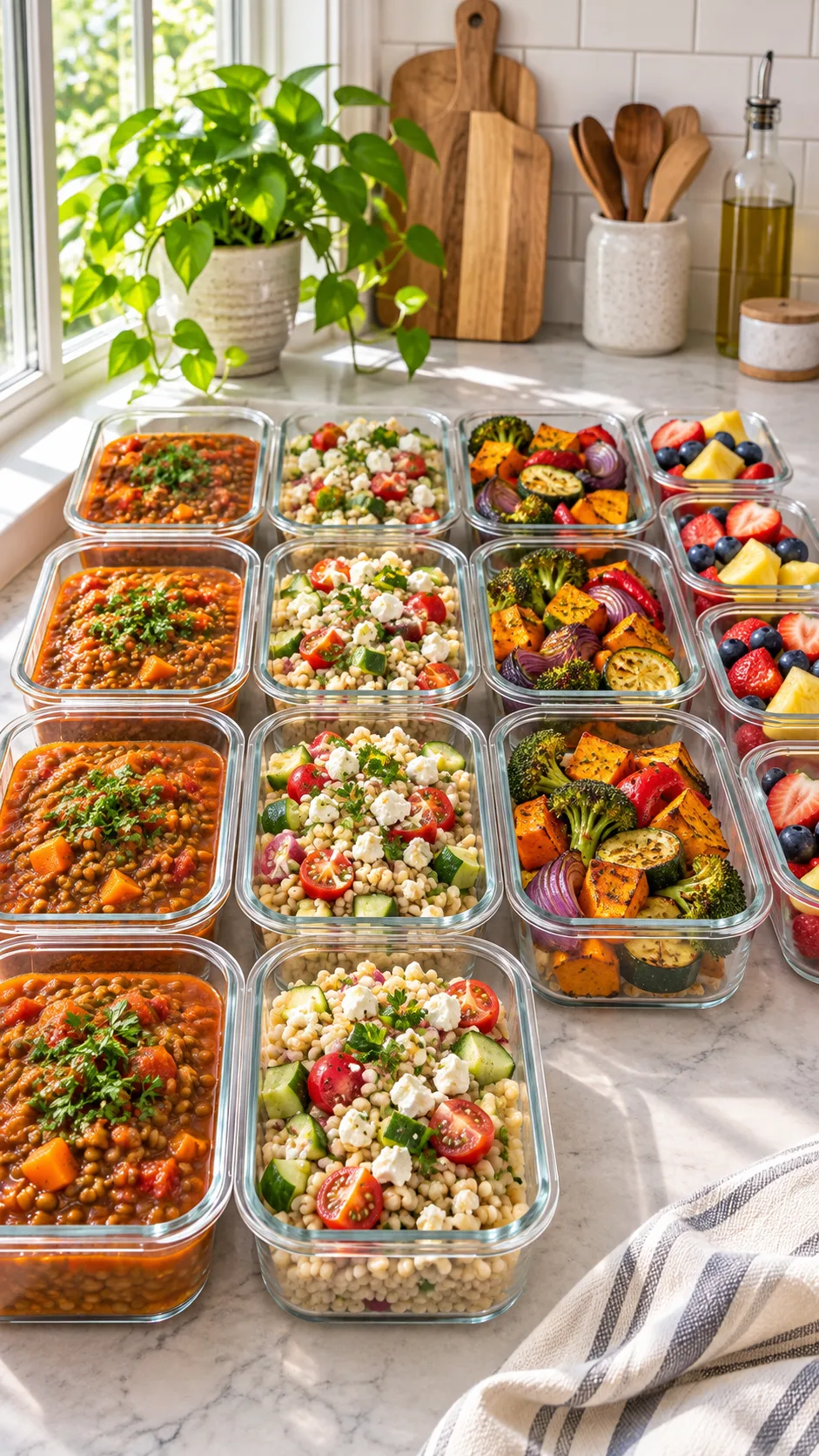
- Prep ahead. A big pot of lentil stew saves you from drive-thru temptation.
- Track how you feel. Note your energy, digestion, and mood for 14 days.
Meal prep makes this much easier. Our vegetarian meal prep ideas work well here, especially for plant-heavy versions of the plan.
A sample day on a biblical eating plan
One day might look like this. Adjust it to match your version.
- Breakfast is warm barley porridge with figs, walnuts, and a teaspoon of honey.
- Lunch is lentil and vegetable stew with a slice of whole grain flatbread.
- For a snack, grab a handful of almonds and a pomegranate or apple.
- Dinner is grilled fish with olive oil, roasted leeks, and chickpea salad.
Notice what’s missing? Nothing exotic, and nothing you can’t find at a regular grocery store. That simplicity is the plan’s biggest strength.
Does it beat other diets?
Compared with keto or carnivore, this plan sits at the opposite end. If you want to see the other extreme, our carnivore diet for beginners guide shows how different two “natural” diets can look.
Which one wins? The one you can follow for years, not weeks. Biblical eating has the advantage of being familiar, affordable, and rich in foods that nutrition science already supports.
Frequently asked questions
Is the James Duncan Diet backed by science?
I couldn’t verify any clinical trials under that specific name. Its core foods (whole grains, legumes, fruit, vegetables, olive oil, and fish) do match patterns with strong research behind them.
Can you lose weight on a biblical diet?
Yes, many people do. Whole foods fill you up, and you cut processed snacks. Portion size still matters, especially with oils, nuts, and honey.
How long should you follow it?
Short fasts like the Daniel Fast run 21 days. The broader whole food pattern works as a long term lifestyle if it covers your protein, B12, iron, and calcium needs.
Do you need supplements?
If you cut all animal foods, you will likely need B12. Ask your doctor to check your iron, vitamin D, and B12 levels before you guess.
The bottom line
The James Duncan Diet, as people describe it, works like a Mediterranean diet with a faith framing. It pushes you toward whole grains, legumes, fruit, vegetables, olive oil, and fish, and away from sugar and processed food. Those changes can steady your blood sugar, support your heart, feed your gut, and nudge your weight down.
The gaps show up in protein, B12, iron, and calcium on stricter versions, and in the risk of turning food into a guilt machine. Plan around those and you’ll sidestep most of the trouble.
Pick one change this week. Swap white bread for barley, or cook a pot of lentils on Sunday. Small, steady habits beat dramatic overhauls every time, and your body will tell you whether it works.