

Put down that bottle of cold-pressed celery juice. Drop the $90 “detox tea” package straight into the trash can. Liquid starvation diets do not clean out your body. In fact, aggressive juice cleanses starve the biological systems that keep you alive, sharp, and energized.
Your body already runs an industrial-grade filtration engine beneath your right ribcage: your liver. This football-sized organ performs over 500 vital functions every second without asking for credit. It breaks down fats, metabolizes hormones, filters waste, neutralizes alcohol, and packages nutrients so your cells can function.
When you feel sluggish, foggy, bloated, or tired after eight hours in bed, your liver does not need a mystical cleanse. It needs the specific micronutrients that power its built-in detoxification cycles. Give your liver the fuel it needs, and it handles the dirty work on its own schedule.
Here is the science behind natural liver function, the foods that support real cellular renewal, and an easy 7-day meal plan that restores your energy without starving you.
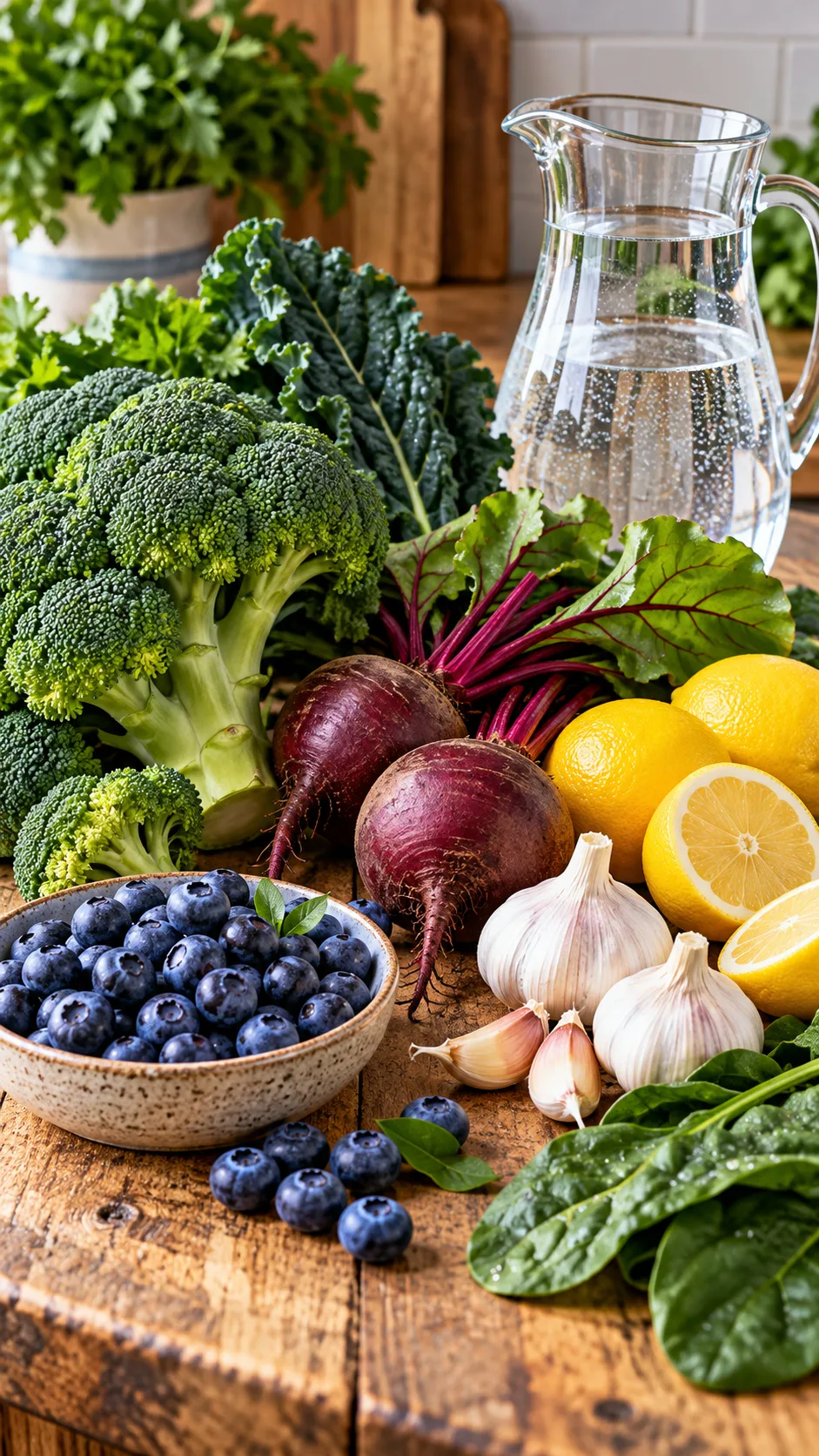
How your liver cleans house (the bio-machine breakdown)
Commercial cleanses fail because they ignore human biochemistry. Your liver does not act like a coffee filter that traps sludge until you flush it with cayenne pepper water. Instead, your liver operates a two-phase enzymatic processing plant.
Phase 1: Neutralization (the Cytochrome P450 squad)
In Phase 1, enzymes called Cytochrome P450 convert fat-soluble toxins (pharmaceutical residues, pesticides, metabolic waste, and environmental pollutants) into intermediate compounds. Think of this phase as a kitchen demolition crew that breaks old cabinets down into manageable pieces.
These intermediate compounds often become more chemically reactive than the original toxins. When your body fails to shuttle them into Phase 2 right away, they trigger cellular damage and inflammation. Research from the National Institutes of Health shows that Phase 1 clearance needs a steady supply of antioxidant helpers like B-vitamins, glutathione, and vitamin C.
Phase 2: Conjugation (the safe disposal unit)
Phase 2 binds those volatile intermediates to water-soluble compounds so your body can excrete them through urine or bile. Your liver uses six separate pathways to accomplish this, including sulfation, glucuronidation, and glutathione conjugation.
Phase 2 relies on dietary amino acids and sulfur compounds to finish this work. When you drink nothing but apple and kale juice for three days, you starve Phase 2 of protein. Your liver continues Phase 1 demolition, releases reactive intermediate chemicals, and lacks the raw materials to escort them out. That imbalance explains why juice cleanses trigger pounding headaches and nausea. You stall your own biochemical clearance pathways.
Signs your liver needs a reset
Your liver possesses remarkable resilience. Surgeons can remove two-thirds of the organ, and it regrows to full size within weeks. Even so, chronic stress, ultra-processed food, environmental toxins, and liquid sugars force it into survival mode.
You might recognize several of these daily friction points:
- The 3:00 PM crash: Severe afternoon fatigue hits you, and a second coffee fails to fix it.
- Stubborn belly fat: You eat balanced meals, yet visceral fat stays glued to your midsection.
- The 3:00 AM wake-up: You wake up abruptly between 2:00 AM and 4:00 AM with a racing pulse from nighttime liver glycogen dumps.
- Brain fog: You lose your train of thought mid-sentence and struggle to concentrate on basic tasks.
- Skin breakouts: Blemishes, redness, or histamine reactions appear across your chin and cheeks.
- Digestive heaviness: Greasy meals leave you nauseated or bloated for hours afterward.
If you recognize these symptoms, do not panic. Your body works fine; it just carries a heavy metabolic workload. Just as you reset stress hormones on The Cortisol Detox Diet Plan, giving your liver a break from processed ingredients lets your internal systems recover fast.
The anti-cleanse rules: what stays and what goes
True recovery relies on addition rather than starvation. You crowd out inflammatory foods by loading your plate with nutrient-dense ingredients.
- Cut high-fructose corn syrup and sugary drinks: Your liver handles the entire job of processing dietary fructose. Excess fructose turns straight into liver triglycerides, driving non-alcoholic fatty liver disease. Cut sodas, sweet teas, and packaged pastries today.
- Drop industrial seed oils: Corn, soybean, and canola oils oxidize under high heat. They trigger liver inflammation and stress cellular membranes. Swap them for extra virgin olive oil, avocado oil, and grass-fed ghee.
- Eat more sulfur and alliums: Garlic, onions, leeks, shallots, broccoli, Brussels sprouts, cabbage, and cauliflower provide sulfur compounds. Your body uses sulfur to manufacture glutathione, its primary antioxidant.
- Eat clean, high-grade protein: Wild salmon, pastured eggs, chicken breast, and lentils supply glycine, taurine, glutamine, and cysteine. These amino acids power Phase 2 conjugation.
- Eat bitter greens: Arugula, dandelion greens, radicchio, and endive stimulate bile production. Bile carries processed waste from your liver into your gut for elimination.
- Drink water with minerals: Water carries water-soluble waste through your kidneys. Drink 2.5 to 3 liters of clean, filtered water every day.
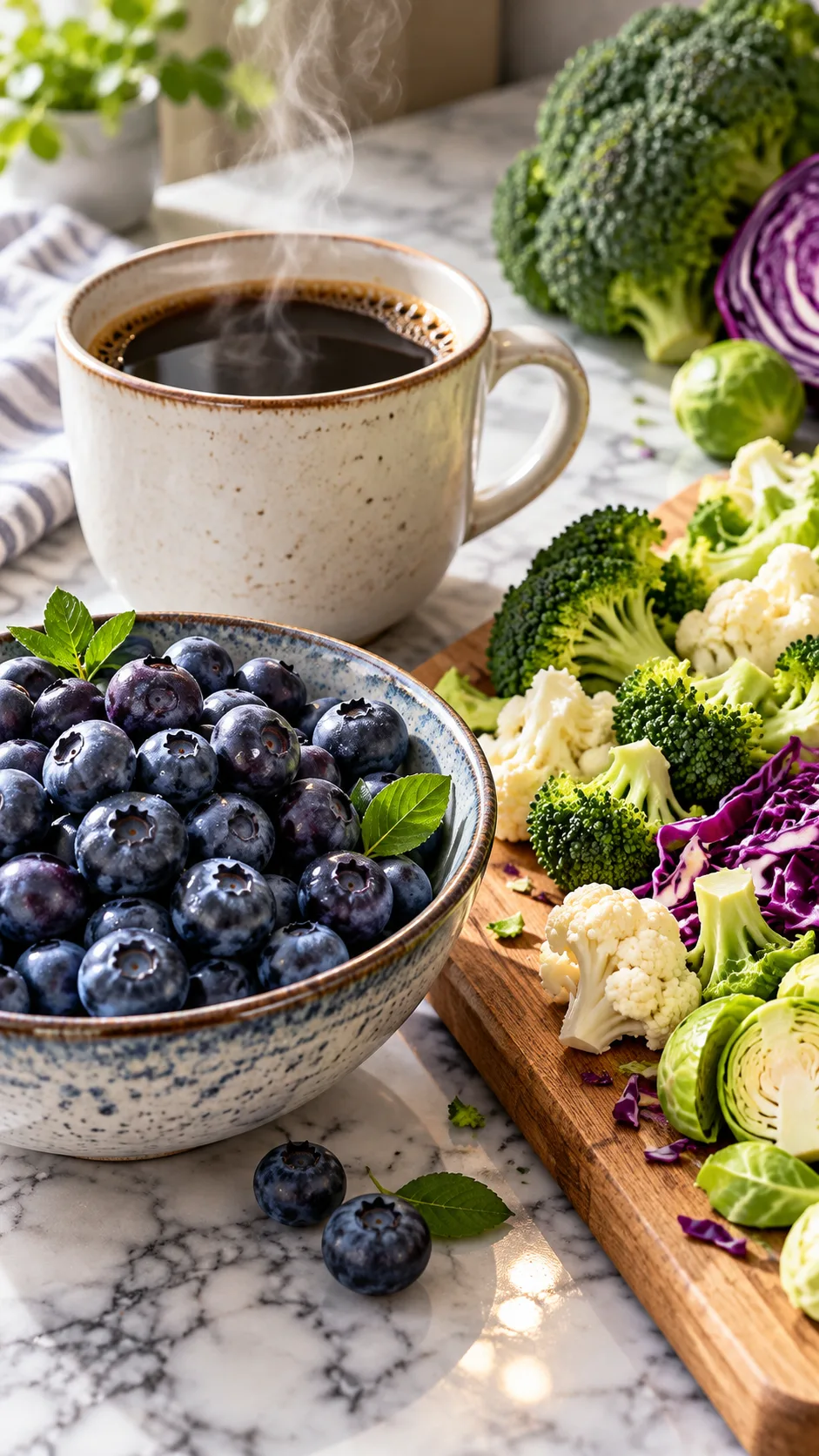
The primary nutrients your liver needs each day
Before jumping into the meal plan, look at the specific foods you will eat this week. These ingredients taste good and work as direct metabolic fuels.
Cruciferous sulforaphane: Broccoli sprouts and cruciferous vegetables contain glucoraphanin. When you chop or chew them, myrosinase enzymes convert glucoraphanin into sulforaphane. Sulforaphane turns on the Nrf2 pathway, which activates hundreds of internal antioxidant defenses.
Coffee and green tea: You can keep your morning mug. Clinical data from Johns Hopkins Medicine shows that regular coffee intake protects liver tissue from stiffness and lowers liver enzymes. Green tea supplies epigallocatechin gallate (EGCG), a polyphenol that reduces lipid buildup in liver cells.
Choline: Choline transports fat out of your liver so muscle cells can burn it for energy. Without enough dietary choline, fat accumulates in liver tissue. Pastured egg yolks offer the densest food source of choline available. Combine them with an approach like The Clean Eating Meal Plan to maintain long-term metabolic health.
Beets and betaine: Red beets supply betaine, a compound that supports liver transmethylation pathways and shields bile ducts from oxidative damage. If you want meals that support your heart at the same time, look over The Low Cholesterol Diet Plan alongside this protocol.
The complete 7-day liver reset meal plan
This 7-day plan takes the guesswork out of your kitchen. Every meal delivers clean protein, stable fats, sulfur-rich vegetables, and polyphenol sources. You will eat whole foods, stay full, and supply your liver with every raw building block it needs.
Day 1: The kick-off
- Breakfast: Scramble two pastured eggs in half a teaspoon of ghee with one cup of baby spinach and sliced red onions. Add half an avocado seasoned with sea salt. Drink black coffee or green tea.
- Lunch: Toss a kale salad with five ounces of grilled chicken breast, shaved raw beets, pumpkin seeds, sliced cucumber, extra virgin olive oil, minced garlic, and fresh lemon juice.
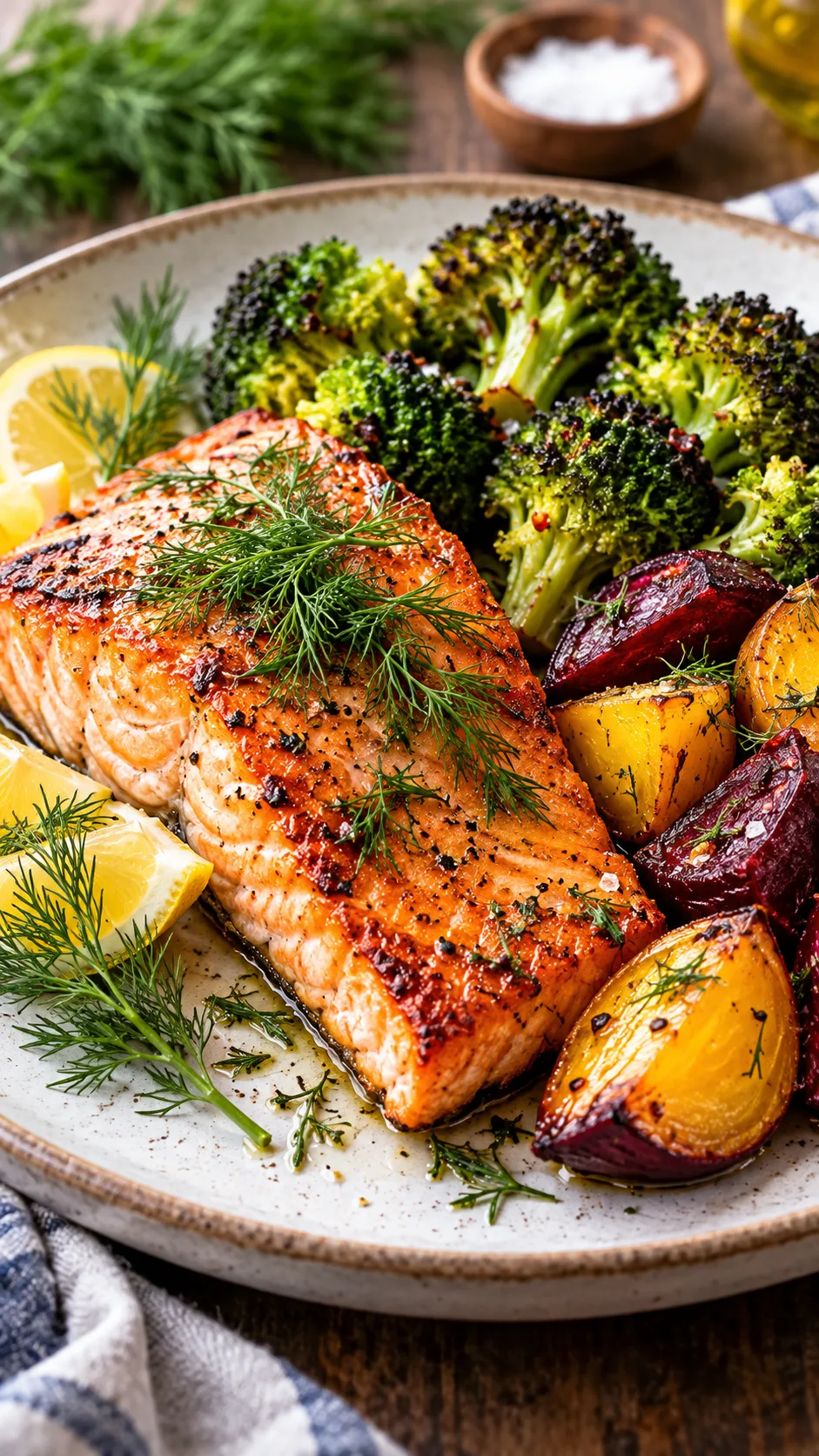
- Dinner: Bake six ounces of wild salmon fillet with fresh dill and lemon slices. Serve it with roasted broccoli florets tossed in avocado oil and salt.
- Snack (Optional): One cup of fresh organic blueberries with a handful of raw walnuts.
Day 2: Cruciferous power
- Breakfast: Blend one scoop of unsweetened whey or sprouted pea protein, one cup of unsweetened almond milk, one tablespoon of ground flaxseed, half a frozen green banana, one cup of frozen wild blueberries, and a handful of baby arugula.
- Lunch: Assemble a bowl with five ounces of shredded rotisserie chicken over warm cauliflower rice, diced artichoke hearts, kalamata olives, cherry tomatoes, and two tablespoons of garlic tahini.
- Dinner: Stir-fry lean grass-fed beef strips in coconut aminos with minced garlic, fresh grated ginger, bok choy, snap peas, and shiitake mushrooms. Serve over steamed cabbage.
- Snack (Optional): A crisp green apple with two tablespoons of raw almond butter.
Day 3: Sulfuric clearance
- Breakfast: Cook a three-egg omelet with chopped leeks, fresh garlic, sliced mushrooms, and flat-leaf parsley. Eat with a cup of fresh raspberries.
- Lunch: Mix canned wild sardines or tuna with diced celery, red onion, Dijon mustard, and avocado oil mayonnaise. Spoon the mixture into romaine lettuce leaves.
- Dinner: Pan-sear pastured chicken thighs alongside roasted Brussels sprouts tossed in olive oil, plus a side of steamed cauliflower mashed with garlic powder.
- Snack (Optional): Warm bone broth simmered with crushed garlic and fresh turmeric.
Day 4: Deep antioxidant infusion
- Breakfast: Mix chia seeds into unsweetened coconut milk with pure vanilla extract. Top the pudding with pumpkin seeds, hemp hearts, and fresh blackberries.
- Lunch: Toss shredded red cabbage, shaved carrots, chopped cilantro, edamame, and sliced grilled chicken breast with a sesame-ginger-lime vinaigrette.
- Dinner: Bake a wild cod fillet with olive oil and capers. Pair it with steamed asparagus spears and sautéed Swiss chard.
- Snack (Optional): Sliced cucumbers and radishes with fresh guacamole.
Day 5: Bile flow booster
- Breakfast: Poach two pastured eggs over sautéed dandelion greens or arugula. Serve with half a roasted sweet potato and extra virgin olive oil.
- Lunch: Simmer a lentil soup using bone broth, carrots, celery, diced tomatoes, onions, garlic, and rosemary. Add four ounces of shredded chicken for extra protein.
- Dinner: Grill pastured pork tenderloin medallions or turkey cutlets. Serve with roasted beets, goat cheese, and steamed green beans tossed with toasted almonds.
- Snack (Optional): Two raw Brazil nuts (which supply your full daily selenium requirement) with a mug of green tea.
Day 6: Pure cellular rejuvenation
- Breakfast: Sauté crumbled pastured tempeh or ground turkey with diced bell peppers, red onions, garlic, spinach, and ground turmeric. Top with sliced avocado.
- Lunch: Flake leftover grilled salmon over watercress and endive, then toss with cucumber slices, walnuts, and a lemon-dill dressing.
- Dinner: Simmer a chuck roast in beef bone broth with onions, whole garlic cloves, parsnips, and celery. Serve with steamed broccoli sprouts to maximize sulforaphane intake.
- Snack (Optional): Celery sticks filled with sunflower seed butter.
Day 7: The sustained reset
- Breakfast: Eat two soft-boiled eggs, half an avocado, half a grapefruit, and sprouted grain toast drizzled with olive oil. Drink unsweetened matcha green tea.
- Lunch: Pack a jar with chickpeas, diced cucumbers, shredded beets, flat-leaf parsley, sunflower seeds, and canned wild tuna tossed in olive oil and apple cider vinegar.
- Dinner: Roast herb chicken breast with Romanesco florets, caramelized shallots, and sautéed rainbow chard.
- Snack (Optional): A square of 85% dark chocolate with roasted dandelion root tea.
Daily habits that speed up liver recovery
Diet builds the foundation, but daily habits finish the job. Minor lifestyle changes remove background stress from your internal organs.
Pause alcohol intake for 14 days: Alcohol halts other metabolic jobs. When ethanol enters your blood, your liver drops glucose and fat processing to clear the toxin first. A two-week break lets liver triglycerides drop and replenishes cellular enzymes.
Stop eating three hours before sleep: Digestion demands significant energy. When you eat late at night, your liver processes food instead of running overnight repair cycles. Finish dinner by 7:00 PM, fast until morning, and let your cells carry out routine cleanup.
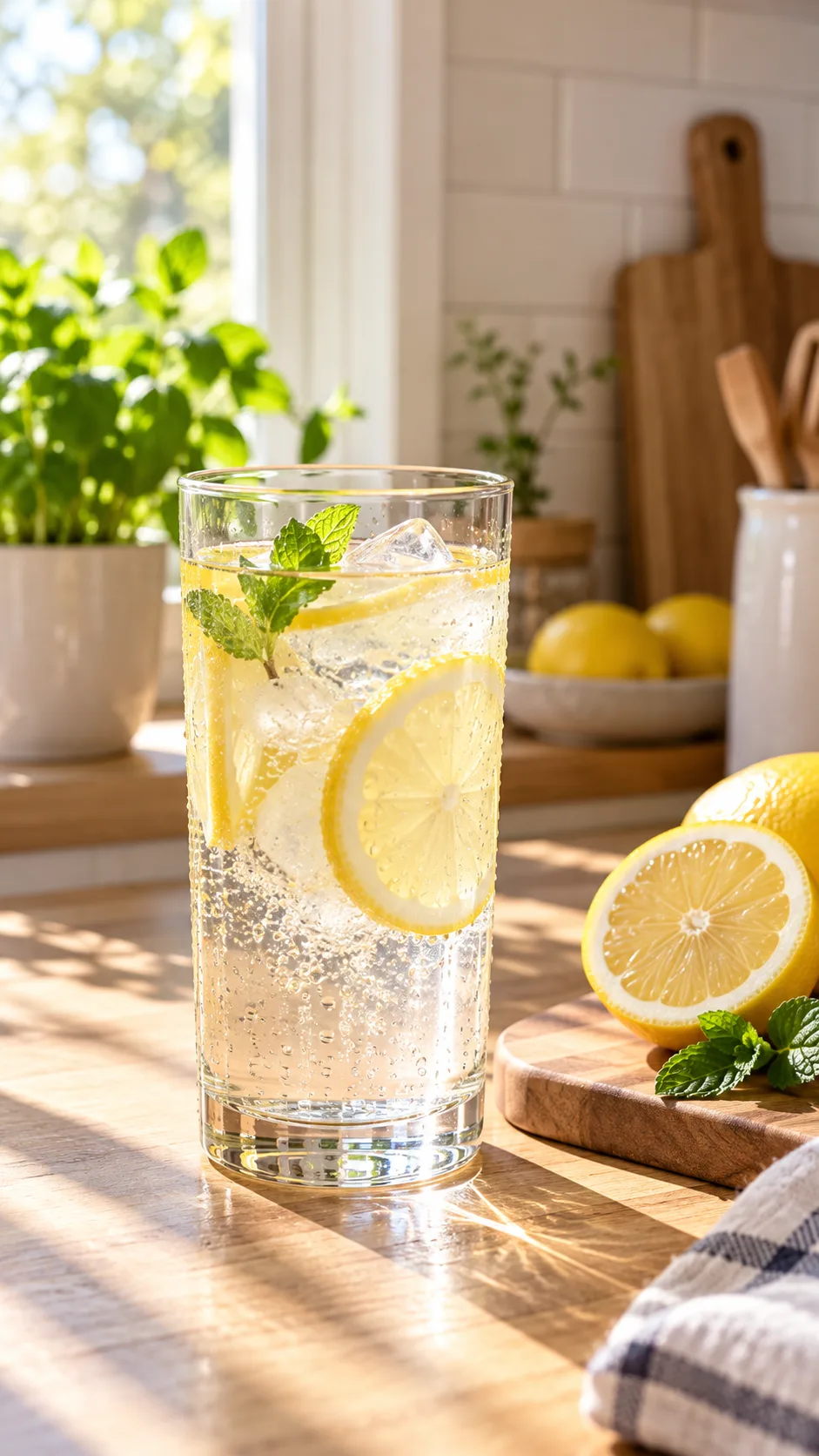
Hydrate before your morning caffeine: Drink 500 milliliters of room-temperature water with a pinch of sea salt and lemon juice when you wake up. This habit triggers bile flow, rehydrates your digestive tract, and gets your bowels moving.
Sweat four days each week: Your skin works alongside your kidneys and liver. When you sweat during exercise, incline walking, or sauna sessions, you expel heavy metals and persistent compounds through your pores. Sweating keeps your liver from handling the entire toxic workload alone.
Common myths about liver cleansing
Marketing campaigns trick people into wasting money on useless detox kits. Here is the reality behind three common myths.
Myth 1: “You need detox tea to flush your liver”
Most commercial detox teas rely on cheap laxatives such as senna leaf. They irritate your intestinal wall, cause diarrhea, pull water out of your tissues, and leave you dehydrated. Laxative teas do not alter liver enzymes or help Phase 2 conjugation. They simply send you running to the bathroom.
Myth 2: “Juice cleanses clear out heavy metals”
Fruit juice floods your liver with concentrated fructose. Fructose speeds up de novo lipogenesis (the direct creation of new liver fat). Starving your body of dietary protein also shuts down glutathione production, leaving your cells unprotected against free radicals.
Myth 3: “Only heavy drinkers develop fatty liver”
Non-alcoholic fatty liver disease affects roughly one in four adults globally, according to data from the Mayo Clinic. Refined carbohydrates, industrial seed oils, chronic stress, and a sedentary lifestyle drive fat accumulation in liver tissue just as aggressively as excessive alcohol use.
Frequently asked questions
How long does it take to reset your liver?
Your liver begins healing right away. Within 72 hours of removing alcohol, concentrated fructose, and industrial trans fats, liver inflammation subsides. Within two to four weeks of eating nutrient-dense whole foods, liver enzymes like ALT and AST drop, liver fat decreases, and energy improves.
Can I drink coffee while following this plan?
Yes. Black coffee or coffee with a splash of unsweetened almond milk protects your liver. Avoid syrups, artificial creamers, and refined sugars that turn a healthy cup into a heavy metabolic burden.
Will I lose weight on this meal plan?
Most people lose between three and eight pounds during the first week. You will shed water weight from systemic inflammation, reduce abdominal bloating, and improve your insulin response. When your liver metabolizes fats properly, your body burns stored fuel with less resistance.
Your next step: feed the machine
Your liver does not need expensive powders, juice fasts, or unproven supplements. It needs quality fuel and simple habits. Give it sulfur-rich alliums, cruciferous vegetables, bitter greens, complete proteins, clean water, and regular sleep.
Write your grocery list, buy the ingredients for Day 1, and clear the ultra-processed items out of your pantry. Support your liver with real food, and it will keep your energy, digestion, and metabolism sharp for years to come.