

Your liver handles an absurd amount of work every day without any applause. It manages blood sugar, processes nutrients, handles fats, filters toxins, and keeps digestion moving. When fat builds up inside it, your liver needs practical changes at the table, not another round of detox tea drama.
A sensible liver diet can lower liver fat, support weight loss, and help some people reduce liver size before surgery. But keep this in mind: no meal plan can safely reduce liver size quickly without medical context. Your health history, medications, alcohol intake, diagnosis, and timeline all shape what makes sense for you.
If a doctor has told you that you have fatty liver disease, raised liver enzymes, or an enlarged liver, use this guide as a starting point and discuss it with your healthcare team. Your liver already has plenty to deal with.
What does “shrinking your liver” mean?
People often say “shrink your liver” when they mean reducing the fat stored inside the liver. Doctors may use the phrase before bariatric surgery or another abdominal procedure, when reducing liver volume can make the operation safer.
Fatty liver, which doctors also call metabolic dysfunction-associated steatotic liver disease (MASLD), develops when fat collects in liver cells. Insulin resistance, excess body weight, high triglycerides, sugary drinks, refined carbohydrates, and alcohol can all drive that process.
There is good news here. Your liver can respond quickly when you give it better conditions. Even modest weight loss can lower liver fat, and research supports gradual changes that you can keep up over crash diets.
The National Institute of Diabetes and Digestive and Kidney Diseases states that weight loss can reduce liver fat, inflammation, and fibrosis risk in people with fatty liver disease. You do not need a cleanse. You need a plan you can follow again tomorrow.
How quickly can diet changes reduce liver fat?
Doctors sometimes prescribe very low calorie diets before surgery. These closely supervised plans can reduce liver fat within days or weeks for certain patients. Do not copy a pre-surgery diet from an online forum and treat it like medical care.
For most people, a safer approach combines gradual weight loss with better food choices. Many liver specialists recommend losing about 5% of body weight to reduce liver fat. Greater weight loss may also improve inflammation and lower the risk of scarring.
Your body will not stick to a tidy calendar. Sleep, stress, medication, menopause, insulin resistance, activity, and alcohol all affect your progress. Put your energy into habits you can maintain for months rather than a plan that makes the scale drop for four days.
When to get medical guidance first
Talk with a doctor or registered dietitian before trying rapid weight loss if you have diabetes, use insulin or glucose lowering medication, have kidney disease, have gallstones, feel unwell, or have a history of an eating disorder. Severe restriction can trigger low blood sugar, nutrient shortfalls, dehydration, and other problems.
Get urgent medical help if you notice yellow skin or eyes, confusion, vomiting blood, black stools, severe abdominal swelling, or intense pain in the upper right part of your abdomen. Those symptoms call for medical care, not a smoothie recipe.
The best liver diet plan: The big picture
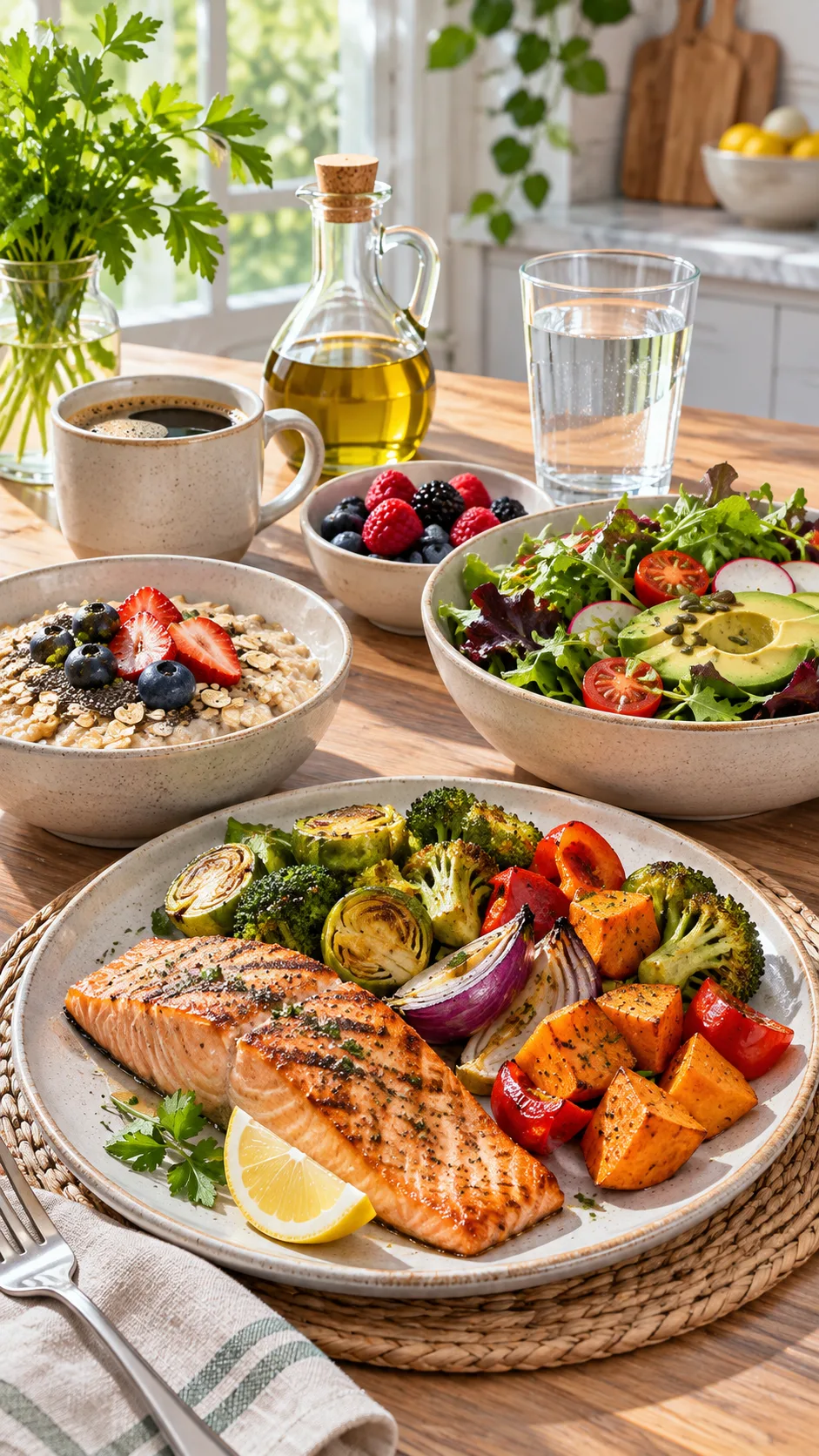
The best liver diet plan often resembles a Mediterranean style way of eating. It includes enough protein and fewer ultra processed foods. Build meals around vegetables, fruit, beans, fish, lean proteins, whole grains, nuts, seeds, olive oil, and unsweetened drinks.
You do not need to fear every carbohydrate. Your liver handles fiber rich carbohydrates very differently from soda, sweets, white pastries, and huge bowls of sugary cereal. Aim for better carbohydrate choices and sensible portions, not food anxiety.
Think of this as a “less food from packets, more food that grew somewhere” approach. It may not sound glamorous, but fatty liver disease does not care about glamorous.
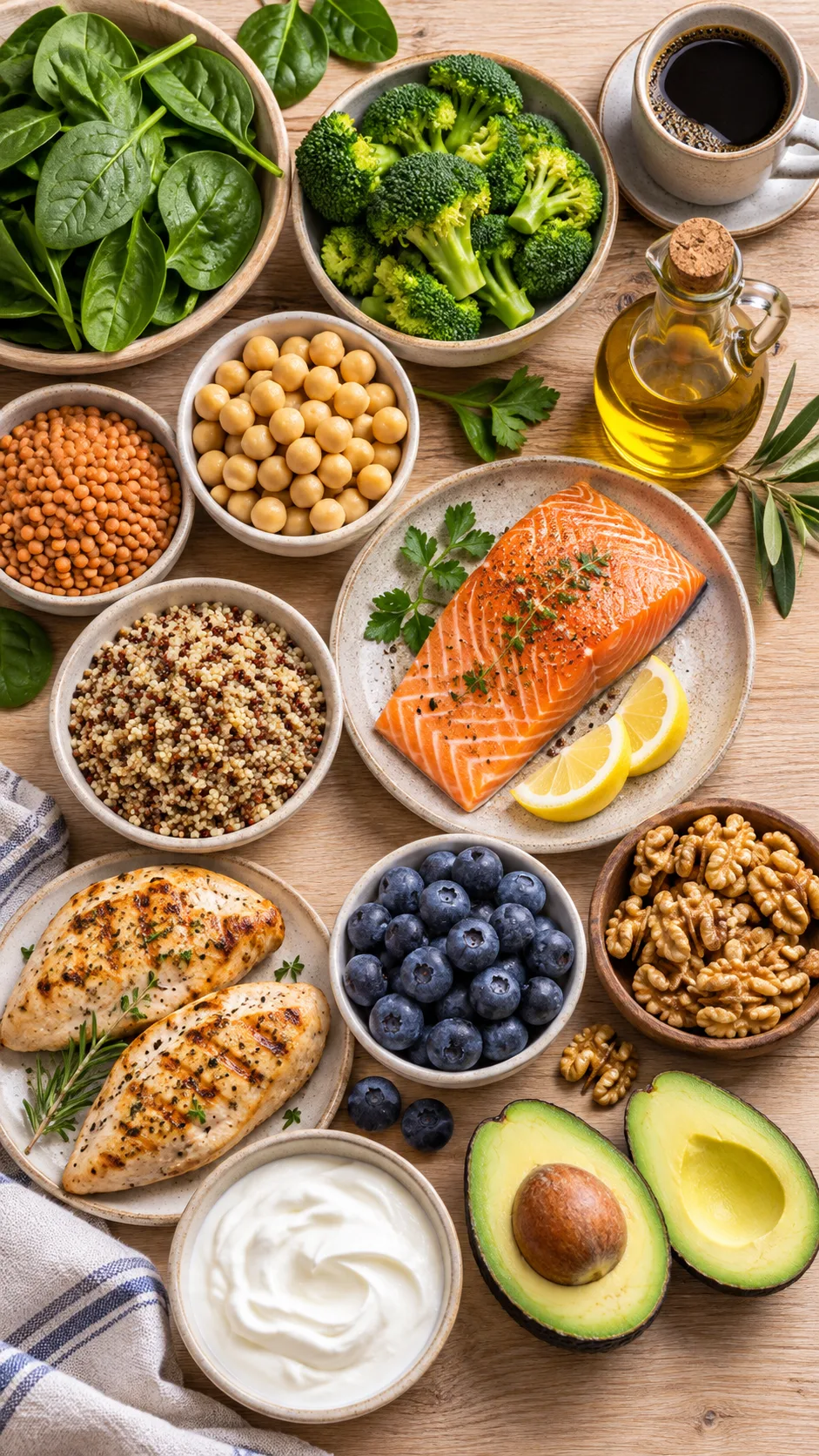
Build meals around these four anchors
- Protein: chicken, turkey, fish, eggs, tofu, tempeh, beans, lentils, plain Greek yogurt, cottage cheese, or lean meat.
- Fiber: vegetables, berries, apples, beans, oats, brown rice, quinoa, whole grain bread, and seeds.
- Healthy fats: olive oil, avocado, nuts, seeds, and oily fish such as salmon or sardines.
- Flavor without sugar: garlic, lemon, vinegar, chili, herbs, spices, mustard, salsa, and plain yogurt sauces.
This approach makes meals more filling and can stop that 3 p.m. hunt for snacks. Have you ever eaten a “healthy” lunch, then found yourself searching the biscuit cupboard an hour later? More protein and fiber often fix that problem.
Foods that can help reduce liver fat
No single food melts liver fat. Anyone who promises that probably wants to sell you a powder with a name like LiverBlaster 9000. Still, some food groups can support metabolic health and make this way of eating easier to stick with.
Vegetables and fruit
Fill at least half your lunch and dinner plate with non starchy vegetables. Try broccoli, cauliflower, peppers, mushrooms, green beans, courgettes, salad leaves, cabbage, carrots, tomatoes, and asparagus.
Choose whole fruit more often than juice. Berries, apples, oranges, kiwi, pears, and grapefruit provide fiber and nutrients without the blood sugar swings that fruit juice can cause.
Protein that keeps you full
Protein helps you feel full and helps you hold on to muscle while you lose body fat. Add a palm sized serving to each main meal. Ask a dietitian about portions if kidney disease or another health condition changes your protein needs.
Good options include salmon, tuna, sardines, chicken breast, turkey, eggs, edamame, tofu, lentils, beans, and unsweetened Greek yogurt. Plant protein counts too.
High fiber carbohydrates
Fiber helps you stay full and can support steadier blood sugar. Start with modest portions of oats, quinoa, brown rice, sweet potato, barley, beans, lentils, or whole grain bread.
If cravings or high blood sugar cause trouble, a lower carbohydrate approach may help. Our 21-day low carb diet plan with filling meal ideas offers practical choices without treating every carrot like a problem.
Healthy fats
Use olive oil instead of butter most of the time. Include nuts, seeds, avocado, and oily fish in realistic amounts, since healthy fats still contain plenty of calories.
A tablespoon of olive oil, a quarter of an avocado, or a small handful of nuts can add flavor and help you feel satisfied. You do not need to finish a whole bag of almonds in front of the television to benefit.
Coffee can fit the plan
Plain coffee can work well in a liver friendly diet for many people. Research links regular coffee drinking with better liver outcomes, although coffee cannot replace medical care or undo a daily fast food habit.
Keep coffee simple: black coffee, coffee with a splash of milk, or unsweetened iced coffee. Skip syrup loaded drinks that bring more sugar than your liver needs.
The American Association for the Study of Liver Diseases offers research based information and clinical guidance about liver health. If you have diagnosed liver disease, follow specialist advice instead of social media certainty.
Foods and drinks to cut back for a healthier liver
You do not need perfection. You do need to make meaningful swaps often enough for your liver to benefit. Start with the largest sources of added sugar, refined starch, and alcohol in a typical week.
- Sugary drinks: soda, sweet tea, energy drinks, fruit punch, sweetened coffee drinks, and large servings of fruit juice.
- Alcohol: alcohol can worsen liver damage, especially if you already have fatty liver disease or inflammation.
- Refined carbohydrates: white bread, pastries, cakes, biscuits, sugary cereal, white pasta, and oversized takeaway portions.
- Ultra processed snacks: crisps, sweets, packaged baked goods, and “healthy” bars packed with syrups.
- Processed meats: bacon, sausage, salami, hot dogs, and deli meats should take up less space in your diet.
- Deep fried foods: fried chicken, chips, doughnuts, and heavily battered takeaway meals can make calorie control much harder.
Give alcohol extra attention. If you have liver disease, ask your clinician whether you need to avoid alcohol completely. The Centers for Disease Control and Prevention explains that alcohol affects many organs, including the liver, and heavier drinking raises risk.
Do not swap alcohol for sugary mocktails every evening. Sparkling water with lime, mint, frozen berries, or a splash of no added sugar cordial can give you the ritual without loading up on sugar.
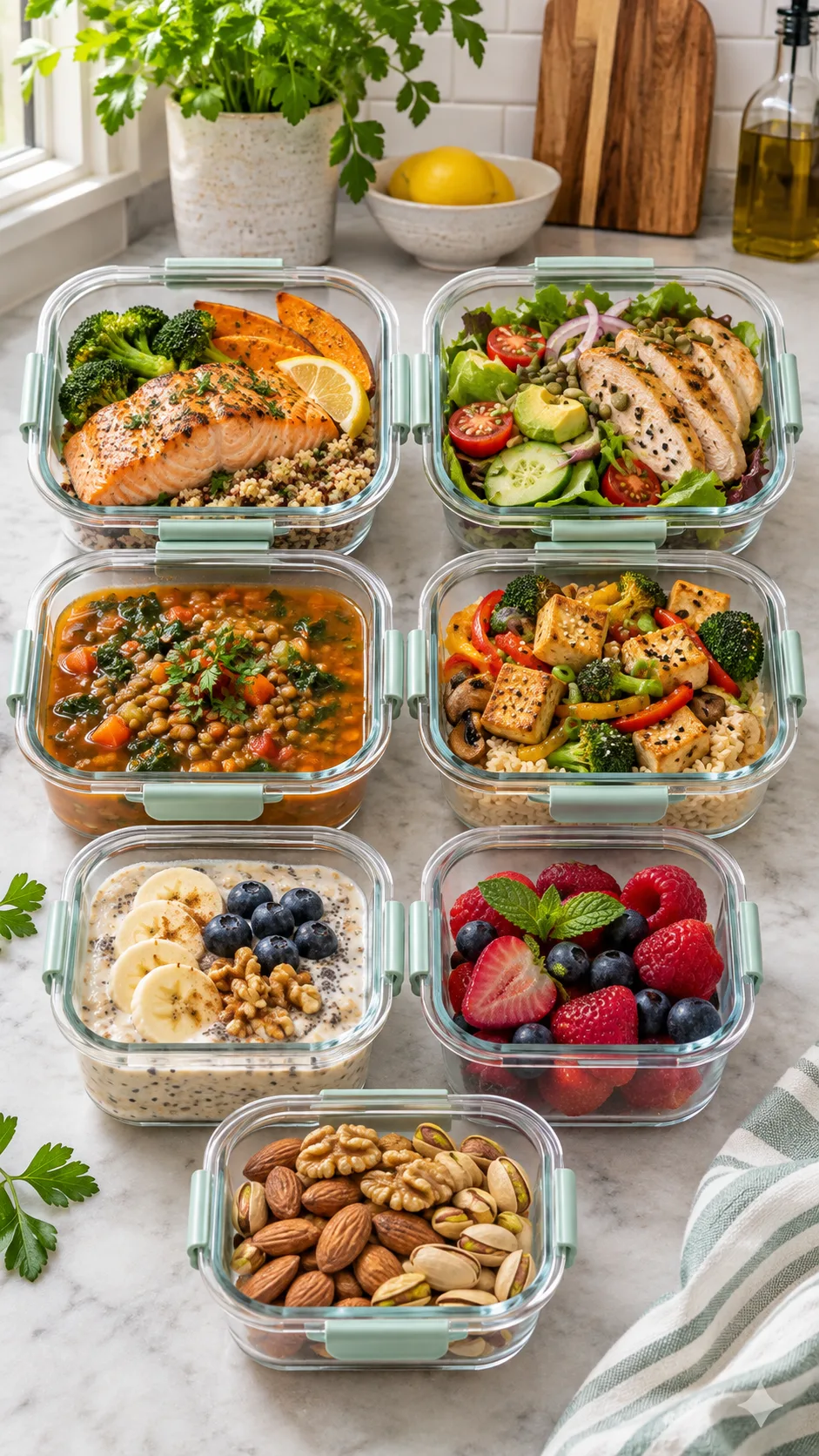
A 7-day liver diet meal plan with easy ideas
This meal plan gives you flexible ideas rather than strict rules. Adjust portions for your hunger, body size, activity, and medical needs. If you take diabetes medication, ask your prescriber how dietary changes could affect your dose.
Day 1
- Breakfast: Greek yogurt with berries, chia seeds, and chopped walnuts.
- Lunch: Chicken salad with mixed leaves, cucumber, tomatoes, chickpeas, olive oil, and lemon.
- Dinner: Baked salmon, roasted broccoli, and a small serving of quinoa.
- Snack: Apple slices with peanut butter.
Day 2
- Breakfast: Vegetable omelette with spinach, mushrooms, and tomatoes.
- Lunch: Lentil soup with a side salad and a slice of whole grain toast.
- Dinner: Turkey mince lettuce wraps with peppers, onions, salsa, and avocado.
- Snack: Cottage cheese with cucumber and black pepper.
Day 3
- Breakfast: Oats cooked with milk or fortified plant milk, topped with cinnamon and blueberries.
- Lunch: Tuna and white bean salad with rocket, red onion, lemon, and olive oil.
- Dinner: Stir fried tofu with broccoli, pak choi, peppers, and brown rice.
- Snack: A small handful of almonds and an orange.
Day 4
- Breakfast: Whole grain toast with scrambled eggs and sliced tomato.
- Lunch: Leftover tofu stir fry or a grain bowl with chicken and vegetables.
- Dinner: Chicken tray bake with courgettes, red onion, peppers, herbs, and sweet potato.
- Snack: Plain Greek yogurt with cinnamon.
Day 5
- Breakfast: Smoothie with plain Greek yogurt, spinach, berries, chia seeds, and unsweetened milk.
- Lunch: Black bean bowl with lettuce, tomatoes, corn, avocado, salsa, and a spoonful of plain yogurt.
- Dinner: Cod with green beans, roasted carrots, and barley.
- Snack: Pear with a few walnuts.
Day 6
- Breakfast: Eggs, sauteed spinach, mushrooms, and a small serving of beans.
- Lunch: Mediterranean chickpea salad with cucumber, tomatoes, olives, parsley, lemon, and olive oil.
- Dinner: Lean beef or lentil bolognese over courgette noodles or whole wheat pasta.
- Snack: Carrots and hummus.
Day 7
- Breakfast: Overnight oats with grated apple, cinnamon, yogurt, and pumpkin seeds.
- Lunch: Salmon or sardines on whole grain toast with a large side salad.
- Dinner: Roast chicken, cauliflower, green beans, and a small baked potato.
- Snack: Berries or air popped popcorn.
Simple liver friendly swaps that make a difference
Small swaps often work better than dramatic plans because you can repeat them. Pick two or three changes this week, then add more when those feel normal. You do not need to make life harder than it already is.
- Swap soda for sparkling water with citrus.
- Swap sugary cereal for eggs, oats, or Greek yogurt.
- Swap a large takeaway pizza for grilled protein, vegetables, and a side of potatoes or rice.
- Swap creamy bottled dressing for olive oil, lemon, vinegar, herbs, and mustard.
- Swap late night biscuits for yogurt, fruit, or a square of dark chocolate with nuts.
- Swap daily alcohol for alcohol free days and a non alcoholic drink ritual you enjoy.
If you want a broader break from packaged foods, read this no processed food diet reset with real meal ideas. It can help you notice the less obvious sources of added sugar and excess calories that can get in the way of liver health goals.
Exercise, sleep, and weight loss: Your liver support team
Food deserves most of the attention, but movement helps your liver too. Exercise can reduce liver fat and improve insulin sensitivity before you see major weight loss on the scale.
Aim for at least 150 minutes of moderate activity each week. Brisk walking, cycling, swimming, and dancing in the kitchen while dinner cooks all count. Add strength training two or three times a week if your body and schedule allow it.
A walk after meals can help manage blood sugar, and it costs nothing. Start with ten minutes after lunch or dinner. The habit sounds almost too simple, which probably explains why people overlook it.
Sleep matters too. Poor sleep can increase hunger, cravings, stress, and insulin resistance. Aim for a regular bedtime and keep your room dark and cool. Your liver works overnight, so give it decent conditions.
What about liver detoxes, juice cleanses, and supplements?
Your liver already detoxifies your body. That work sits right in its job description. A juice cleanse may cut calories for a few days, but it can also leave you hungry, short on protein, and ready to order takeaway by Thursday.
Treat “liver cleanse” supplements with caution. Some herbal products can interact with medication or injure the liver, especially when companies hide ingredients inside proprietary blends. Natural does not always mean gentle or safe.
Ask a pharmacist, doctor, or registered dietitian before you take supplements for liver health. The NHS healthy eating guidance gives you a more dependable foundation: balanced meals, plenty of plants, sensible portions, and fewer foods high in sugar, salt, and unhealthy fats.
Your practical liver diet plan checklist
Use this checklist over the next two weeks. Keep it on your fridge or phone, and aim for steady progress rather than a gold star performance.
- Eat protein at every meal.
- Fill half your lunch and dinner plate with vegetables.
- Choose whole fruit instead of juice most days.
- Replace sugary drinks with water, sparkling water, tea, or coffee without loads of syrup.
- Limit or avoid alcohol based on your clinician’s advice.
- Walk or move for at least ten minutes after one meal each day.
- Plan three easy dinners before your week gets chaotic.
- Track how you feel, not only what the scale says.
Final thoughts: Feed your liver like you want it on your side
A liver diet plan works best when you focus on less alcohol, fewer sugary drinks, more fiber, enough protein, healthy fats, and regular movement. Those habits can reduce liver fat, support gradual weight loss, and give you more energy without making food feel like punishment.
Start with your next meal, not next Monday. Add protein, load up your plate with vegetables, choose water, and take a short walk afterward. Your liver does not need perfection. It needs you to stop making its work harder.