

You’ve done the dramatic pantry purge before. Three days later, you stood in the kitchen at 9 p.m., staring at a drive-thru app like it owed you money. Sound familiar?
Most no processed food diet attempts fail for one boring reason: they demand perfection and offer no plan. This reset takes a different route. You’ll learn what to cut, what to keep, and what to eat, with real meal ideas you can cook on a Tuesday night.
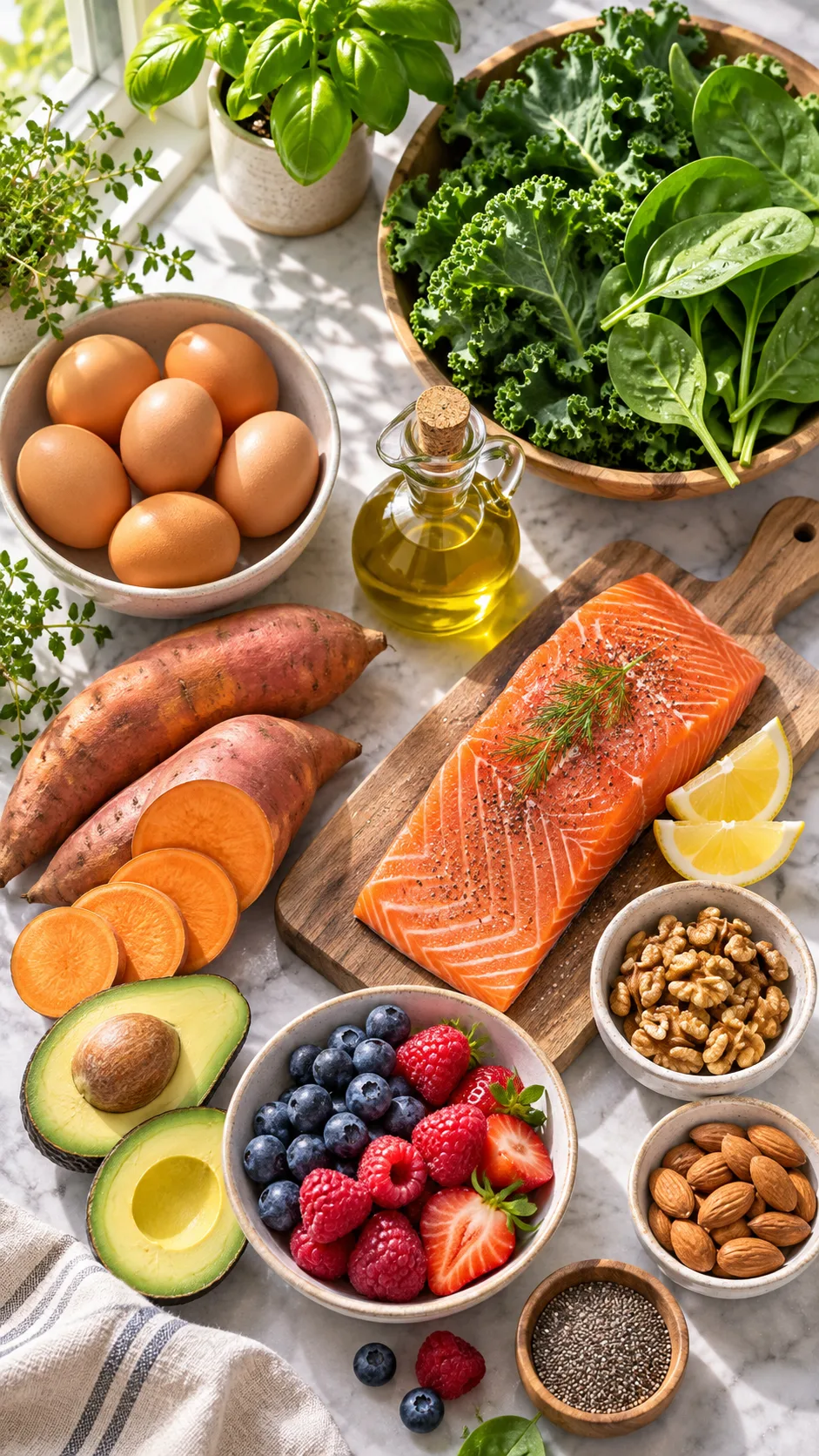
Why a processed food reset works (and why willpower isn’t the point)

Food companies hire chemists and taste panels so you can’t stop at one serving. Salt, sugar, fat, and crunch hit your brain in a combination that whole foods rarely match.
Researchers at the National Institutes of Health tested this directly. In a controlled trial published in Cell Metabolism, 20 adults lived in a research center and ate either an ultra-processed diet or an unprocessed diet for two weeks. On the ultra-processed diet, they ate about 500 more calories per day and gained weight. On the unprocessed diet, they lost weight. The meals matched on calories, sugar, fat, and fiber as presented, yet people still ate more of the processed stuff.
So if you’ve blamed yourself for “no self-control,” stop. You fought a product built to win. A reset moves the fight to your grocery cart, where you hold all the power.
What counts as “processed food” anyway?
Most people trip on this question. Frozen broccoli counts as processed. So do canned chickpeas, and nobody needs to panic about either. The real problem is ultra-processed food.
The NOVA groups in plain English
Researchers often sort food using the NOVA system, which has four groups:
- Unprocessed or minimally processed: fruit, vegetables, eggs, plain meat, fish, beans, rice, plain yogurt, nuts.
- Processed culinary ingredients: olive oil, butter, salt, honey, vinegar.
- Processed foods: canned fish, cheese, simple bread, canned beans, salted nuts.
- Ultra-processed foods: soda, packaged snacks, instant noodles, sweetened cereals, chicken nuggets, most “protein” bars, and flavored yogurts with a mile-long ingredient list.
This reset targets group four. Groups one through three stay on your plate. That distinction makes the diet far easier to follow.
The ingredient list shortcut
Can’t decide whether something counts? Read the label. If the ingredients include things you wouldn’t find in a home kitchen (modified starch, hydrogenated oils, “natural flavors,” emulsifiers, artificial sweeteners), you’re holding an ultra-processed product.
A short ingredient list doesn’t always mean “safe,” and a long one doesn’t always mean “bad.” Treat the list as a guide, not a courtroom verdict.
The 7 rules that make this reset stick
I’ve watched plenty of strict plans collapse by day five. These rules bend where they can and hold firm where it counts.
- Cut ultra-processed foods, not entire food groups. You keep carbs, fats, dairy, and everything else if it comes in whole form.
- Eat enough. Under-eating triggers the cravings that wreck your week. Fill your plate.
- Build every meal around protein. Protein keeps you full and quiets the snack monster.
- Plan two or three default meals per category. Decision fatigue kills more diets than hunger does.
- Follow an 80/20 rhythm after the first two weeks. Perfection breeds the “I blew it, so whatever” spiral.
- Drink water, coffee, and tea. Soda and sweetened drinks rank among the easiest ultra-processed items to drop.
- Prep one thing per day, not everything on Sunday. Small, frequent prep beats the heroic meal-prep marathon you’ll quit by week two.
Step one: clear out your kitchen (without wasting money)
Skip the bonfire and run a sorting session instead. Grab three bags or boxes and get to work.
- Toss opened junk, stale snacks, and anything you only eat when stressed.
- Donate sealed, unopened packages. A food bank can use them.
- Swap anything that has a whole food twin (more on that below).
Why bother? Because environment beats motivation every time. If the cookies live on your counter, you will eat the cookies. I’d bet money on it.

Easy swaps for common ultra-processed foods
- Sweetened cereal → plain oats with fruit and cinnamon
- Flavored yogurt → plain Greek yogurt with berries and honey
- Chips → roasted chickpeas, popcorn you pop yourself, or nuts
- Bottled dressing → olive oil, lemon, mustard, salt
- Store-bought sauces → canned crushed tomatoes plus garlic and herbs
- Deli meat with additives → leftover roast chicken or hard-boiled eggs
- Soda → sparkling water with citrus
Your shopping list: what to buy
Shop the edges of the store first. The produce, meat, fish, eggs, and dairy usually live there. Then hit a few inner aisles for the good stuff.
Proteins
- Eggs, chicken thighs, ground turkey, salmon, canned sardines or tuna
- Dried or canned beans and lentils
- Plain Greek yogurt, cottage cheese
Carbs and fiber
- Oats, brown rice, potatoes, sweet potatoes, quinoa
- Whole fruit (fresh or frozen) and any vegetables you’ll realistically eat
- Simple bread with a short ingredient list (flour, water, salt, yeast)
Fats and flavor
- Olive oil, butter, avocado, nuts, seeds
- Garlic, onions, lemons, spices, vinegar, mustard
Frozen vegetables and canned beans are your friends. They cost less, keep longer, and save you from the sad wilted spinach in the back of the fridge.
Real meal ideas for your no processed food diet
Mix and match, repeat favorites, and don’t feel guilty about eating the same breakfast five days running. Boring works in your favor here.
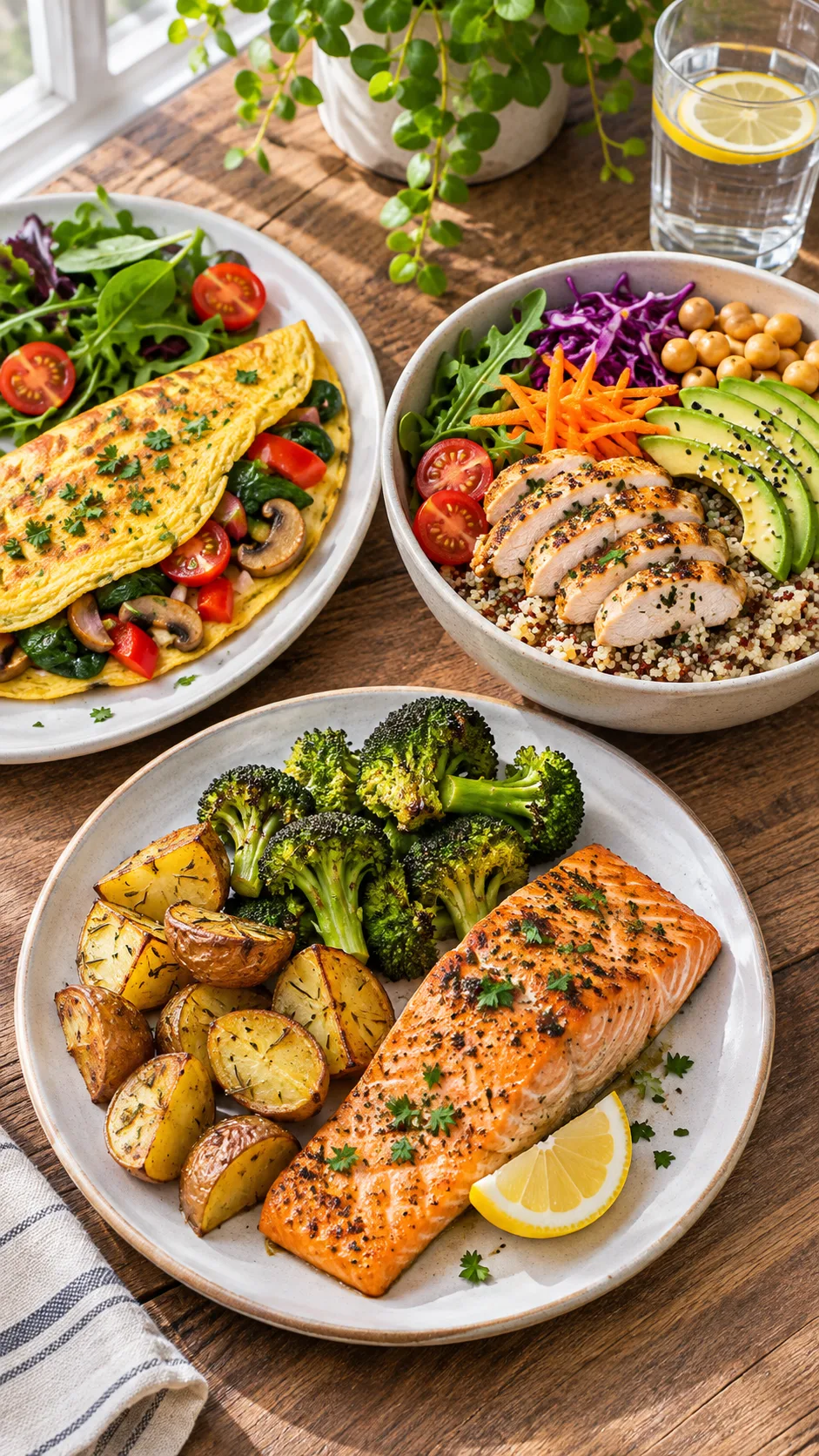
Breakfast ideas
- Veggie scramble: three eggs, spinach, tomatoes, and feta, cooked in butter or olive oil.
- Overnight oats: oats, milk, chia seeds, mashed banana, and a handful of walnuts.
- Greek yogurt bowl: plain yogurt, berries, pumpkin seeds, and a drizzle of honey.
- Sweet potato hash: diced sweet potato, onion, and peppers topped with a fried egg.
Lunch ideas
- Big salad with a real protein: greens, chickpeas, cucumber, olives, grilled chicken, and olive oil with lemon.
- Lentil soup: lentils, carrots, celery, onion, garlic, and cumin. Make a big pot and freeze portions.
- Tuna and white bean bowl: canned tuna, white beans, red onion, parsley, and olive oil.
- Leftover dinner bowl: rice, roasted vegetables, and whatever protein you cooked last night.
Dinner ideas
- Sheet-pan chicken thighs: bone-in thighs, potatoes, and broccoli with salt, pepper, and paprika. It takes forty minutes and one pan.
- Baked salmon: serve it with quinoa and a lemony green salad.
- Turkey chili: ground turkey, canned tomatoes, kidney beans, onion, chili powder, and cumin.
- Veggie stir-fry: frozen stir-fry vegetables, eggs or shrimp, garlic, ginger, and rice. Season with a splash of tamari if you tolerate it, or use salt and lime.
Snacks that don’t come in a bag with a mascot
- Apple slices with almond butter (check the label: nuts and salt only)
- Hard-boiled eggs
- A handful of almonds and a piece of fruit
- Cottage cheese with cucumber or pineapple
- Homemade popcorn with olive oil and sea salt
A simple week-one game plan
Week one decides whether this sticks. Keep it simple and skip the fifteen new recipes.
- Day 1: Clear the kitchen and shop. Write your meals for the next three days.
- Day 2: Cook a big batch of something, like chili, soup, or roasted chicken.
- Day 3: Boil a dozen eggs and wash your produce so you can grab it fast.
- Day 4: Test one new recipe. Just one.
- Day 5: Plan a restaurant meal in advance (see below).
- Day 6: Cook a large dinner that guarantees leftovers.
- Day 7: Review the week. What did you love? What annoyed you? Adjust.
How to handle cravings without losing your mind
Cravings show up, especially in the first week. They’re normal, and they usually fade. The urge for a sugary snack tends to peak right when you’re tired or bored.
Try this before you cave
- Eat a real meal first. Hunger disguises itself as a craving more often than you’d think.
- Drink a big glass of water and wait 15 minutes.
- Move. A ten-minute walk resets your head better than any lecture.
- Keep a “yes” list. Dark chocolate with a short ingredient list, fruit with nut butter, and a baked apple with cinnamon all count.
I think the “yes” list matters more than the “no” list. Your brain hates a vacuum, so give it something to chew on.
Eating out, travel, and social events
You don’t need to live in a cave. You do need a few rules of thumb for the real world.
- Pick simple dishes: grilled fish or meat, roasted vegetables, rice, salad, soup.
- Ask for sauces and dressings on the side. Restaurants often use pre-made ones.
- Eat a protein-rich snack before a party so you don’t arrive starving.
- Pack travel food: nuts, fruit, hard-boiled eggs, and jerky with a clean ingredient list.
Will every restaurant meal sit at 100% unprocessed? Nope. That’s fine. The Harvard T.H. Chan School of Public Health consistently points readers toward whole, minimally processed foods as the base of a healthy diet, and your overall pattern matters far more than a single dinner out.
Common mistakes that sink the reset
Going too low on calories
People cut processed food and accidentally cut half their calories too. Then they feel awful and blame the diet. Eat until you feel satisfied, especially at breakfast and lunch.
Replacing junk with “health” junk
A gluten-free, plant-based, keto-friendly snack bar can still be ultra-processed. The label on the front tells you nothing. Flip the package over and read the ingredients.
Skipping planning
Without a plan, you default to convenience, and convenience usually comes in a wrapper. Spend ten minutes on Sunday and ten more midweek. That’s the whole trick.
Treating one slip as failure
You ate a drive-thru burger. So what? Eat a whole food dinner and carry on. Consistency beats purity, every time.
What results can you expect?
Results vary, and anyone promising a magic number is selling something. Many people report steadier energy, fewer cravings, and better digestion within a couple of weeks, mostly because they eat more fiber and protein and get fewer sugar spikes. Weight loss often follows, but it depends on your body, your habits, and your total intake.
Large reviews point the same direction. A 2024 umbrella review in The BMJ linked higher ultra-processed food intake with a greater risk of several health problems, including cardiovascular disease, type 2 diabetes, and common mental health disorders. These studies show association, not proof of cause, so treat them as strong hints rather than guarantees. If you have a medical condition, take medication, or have a history of disordered eating, talk to your doctor or a registered dietitian before you change how you eat.
Where this reset fits with other eating styles
A no processed food approach plays nicely with other plans. If you like the idea of eating the way our ancestors did, you’ll enjoy our guide to the primal diet reset. If you want something built around satiety and steady energy, check out the real food diet reset. And if your doctor wants you watching your heart health, this heart healthy diet plan overlaps a lot with this reset.
You don’t need a label for what you eat. Find a pattern you can keep for years, not weeks.
Frequently asked questions
Do I have to give up bread and pasta?
No. Simple bread and plain pasta with short ingredient lists fit fine. Many packaged breads add emulsifiers and sweeteners, so check the label.
Is coffee allowed?
Yes. Black coffee or coffee with milk works. Flavored creamers and syrups usually don’t make the cut.
Can I do this on a budget?
Yes. Beans, lentils, eggs, oats, frozen vegetables, and whole chickens cost less than most packaged snacks and convenience meals. Cooking at home also shrinks your food bill over time.
How long should the reset last?
Give it at least two to four weeks to feel the difference. After that, most people settle into a long term pattern where whole foods dominate and the occasional treat doesn’t derail anything. For official guidance on building a balanced plate, the Dietary Guidelines for Americans offers a solid starting framework.
The bottom line
A no processed food diet works without perfection, fancy ingredients, or a stack of Tupperware that mocks you from the fridge. It runs on a clear target (ultra-processed foods), a stocked kitchen, a handful of go-to meals, and room to be human.
- Target ultra-processed foods, not every packaged item.
- Eat enough protein and fiber to keep cravings quiet.
- Plan simple meals and repeat the ones you love.
- Aim for 80/20, not 100/0.
If you want a lower-carb version of this approach, our 21-day low carb diet plan pairs nicely with these meal ideas. Pick three dinners from the list above, write them on a sticky note, and shop tonight. Tomorrow’s you will say thanks.