

You clicked because someone at work won’t shut up about paleo, right? Or maybe your jeans staged a protest this morning. Either way, you want the real story, not a lecture about cavemen wrestling mammoths.
So here’s the deal. I’ll give you the exact foods to eat, the ones to skip, and the honest reason most beginners quit around week three. I’ve coached enough people through this to know where the wheels come off. Let’s get you fed.
What is the paleo diet, really?
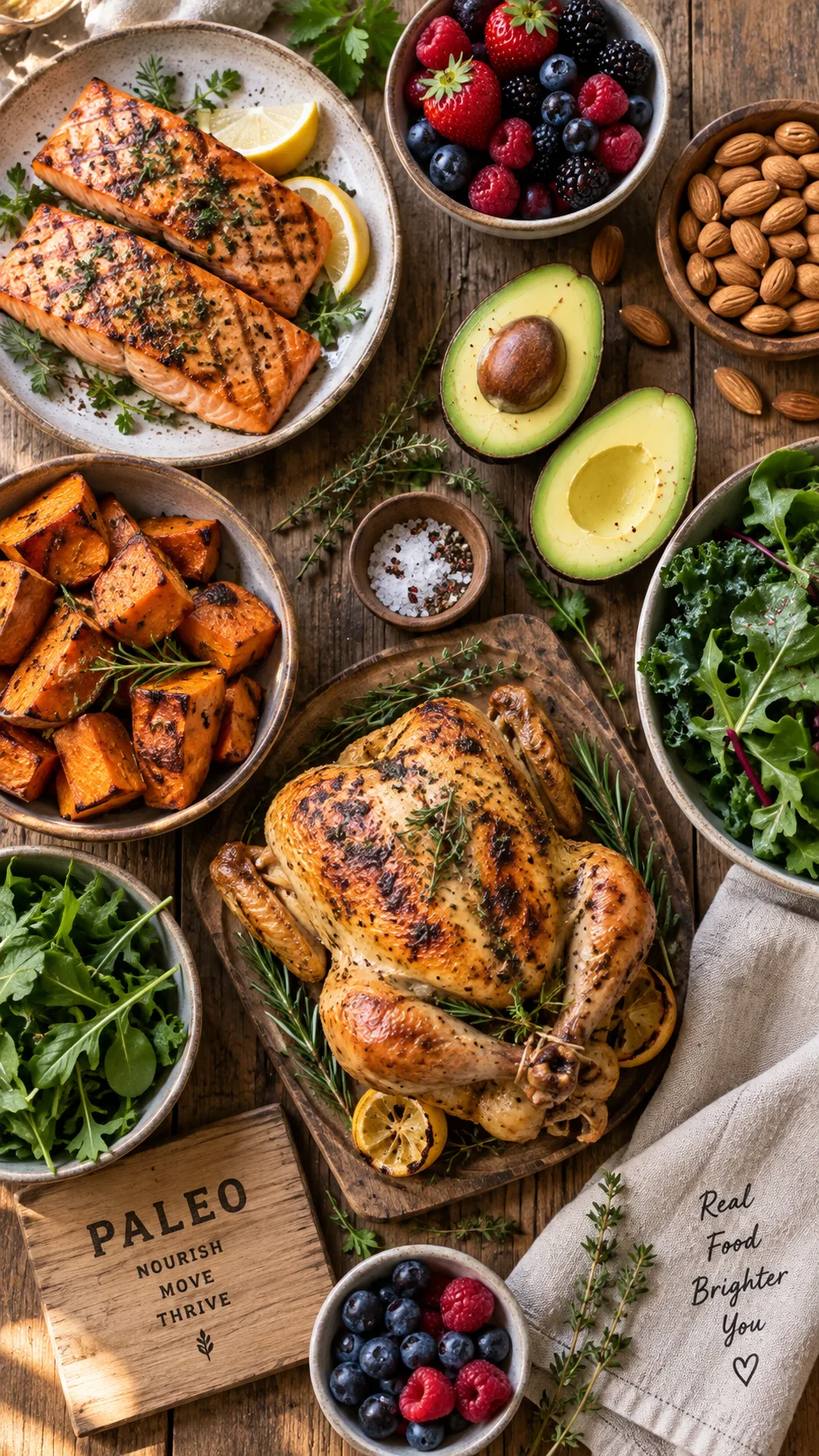
The paleo diet, sometimes called the caveman diet or Stone Age diet, asks one simple question: would your great-great-great-(times a thousand)-grandparents recognize this as food? If yes, eat it. If it came out of a factory with a barcode and 34 ingredients, skip it.
That’s the whole philosophy in one sentence. You eat meat, fish, eggs, vegetables, fruit, nuts, and seeds. You drop grains, dairy, legumes, refined sugar, and processed junk.
Loren Cordain, a professor at Colorado State University, popularized the modern version in the early 2000s. His argument? Our genes adapted over hundreds of thousands of years to whole foods, and agriculture only showed up around 10,000 years ago, which is a blink in evolutionary terms.
Does the science back it up?
Let me be straight with you, because trust matters more than hype. The “caveman” evolutionary story is the weakest part of paleo. Ancient humans ate wildly different diets depending on where they lived, and we have clearly evolved since then (hello, lactase persistence).
But the food list holds up surprisingly well. A 2015 meta-analysis in the American Journal of Clinical Nutrition found that paleo eaters improved waist circumference, blood pressure, triglycerides, and fasting blood sugar compared to control diets. No magic there, just the predictable result of eating real food.
So ignore the mythology and keep the grocery list. That’s my honest take after years of watching diet trends come and go.
The paleo yes list: what you eat
Good news. This list is way bigger than beginners expect. You’re not living on jerky and sadness.
- Meat and poultry: beef, lamb, pork, chicken, turkey, bison, venison. Grass-fed if your budget allows, regular if it doesn’t. Seriously, don’t let “grass-fed or nothing” stop you from starting.
- Fish and seafood: salmon, sardines, mackerel, shrimp, cod, mussels. Fatty fish twice a week is the single best habit here.
- Eggs: the cheapest, fastest paleo meal on earth. Buy more than you think you need.
- Vegetables: all of them. Broccoli, spinach, zucchini, peppers, cauliflower, carrots, asparagus, Brussels sprouts, mushrooms.
- Fruit: berries, apples, bananas, citrus, melon, stone fruit. Paleo is not keto. Fruit is welcome.
- Nuts and seeds: almonds, walnuts, macadamias, pumpkin seeds, sunflower seeds. Peanuts are out (they’re legumes, the sneaky little impostors).
- Healthy fats: olive oil, avocado oil, coconut oil, ghee (debated), animal fats, avocados, olives.
- Starchy tubers: sweet potatoes, regular potatoes, yuca, plantains. Yes, potatoes. Modern paleo made peace with them.
- Herbs and spices: unlimited. This is where your food stops tasting like punishment.
The paleo no list: what you skip
Here’s where it gets uncomfortable. Most beginners read this list and quietly mourn their morning toast.
- Grains: wheat, rice, oats, corn, barley, quinoa (technically a seed, still usually excluded), bread, pasta, cereal.
- Legumes: beans, lentils, chickpeas, soy, peanuts, and yes, hummus. I know. I’m sorry.
- Dairy: milk, cheese, yogurt, butter (though plenty of people keep ghee and grass-fed butter, more on that below).
- Refined sugar: table sugar, high-fructose corn syrup, soda, candy, most desserts.
- Refined seed oils: soybean, corn, canola, cottonseed, sunflower oil in processed forms.
- Processed foods: if it has a cartoon mascot, it’s out.
- Artificial sweeteners: aspartame, sucralose, and friends.
The gray areas nobody warns you about
Strict paleo says no to everything above. Real humans living real lives negotiate. Here’s how most of the people I know handle it without falling apart:
- Grass-fed butter and ghee: widely accepted in “primal” circles. Low lactose, high flavor.
- White rice: plenty of athletes add it back for training fuel. It’s low in the anti-nutrients paleo worries about.
- Dark chocolate (85% and up): the loophole that saves relationships.
- Red wine: not paleo, technically. Cavemen also didn’t have tax season.
- Honey and maple syrup: fine in small amounts, but they’re still sugar. Don’t kid yourself.
Ever wondered why the strict versus flexible argument gets so heated online? Purists measure success by rule-following. The rest of us measure it by whether we’re still doing it in six months. Guess which group has better results.
What happens to your body in the first 30 days
Nobody tells beginners this part, and it’s why so many quit on day 9.
Days 1 to 4: the honeymoon
You feel great. You’re motivated. You bought three types of squash and you’re going to cook ALL of them. Enjoy this, it’s fleeting.
Days 5 to 12: the carb withdrawal slump
Headaches, irritability, brain fog, and an oddly emotional relationship with bread. Your body is switching fuel sources and your gut bacteria are renegotiating their contracts. Drink more water and add salt to your food. Most of this misery comes down to dehydration and electrolyte loss.
Days 13 to 21: the turn
Energy stabilizes. The 3 PM crash quietly disappears. Sleep usually improves around here, which is the benefit nobody advertises but everybody notices.
Days 22 to 30: the new normal
Cooking gets faster. Cravings shrink. You walk past the office donuts without an internal monologue about it. That’s the real win, not the scale.

A realistic week of paleo eating
Forget the Instagram meal plans with 14 ingredients per dish. Here’s what a normal week looks like when you have a job and limited patience.
Breakfast options (pick 3, rotate)
- Three eggs scrambled in olive oil, half an avocado, a handful of spinach
- Leftover dinner meat with sweet potato hash
- Smoothie: frozen berries, coconut milk, almond butter, handful of greens
- Sardines on cucumber slices (hear me out, it grows on you)
Lunch options
- Big salad, grilled chicken, olive oil and lemon dressing
- Tuna mixed with mashed avocado instead of mayo, wrapped in lettuce
- Last night’s roast with roasted vegetables
- Soup: bone broth, shredded chicken, whatever vegetables are dying in the crisper
Dinner options
- Salmon, asparagus, roasted potatoes
- Beef stir-fry with coconut aminos over cauliflower rice
- Slow-cooker pulled pork with coleslaw made from olive-oil mayo
- Burger patties (no bun), sweet potato fries, big green salad
Snacks that don’t require effort
- Hard-boiled eggs
- Macadamias or walnuts (portion them out, nut bags are bottomless pits)
- Apple slices with almond butter
- Beef jerky with no added sugar (read the label, they ALL add sugar)
- Olives, cherry tomatoes, cucumber with sea salt
One thing to remember: build a rotation of 10 to 12 meals you genuinely like. Variety sounds noble but consistency wins. My own rotation has had the same four breakfasts for two years and I’m fine.
The 7 mistakes that sink beginners
- Going 100% strict on day one. You wouldn’t max out a deadlift on your first gym visit. The same logic covers the classic beginner gym mistakes that stall progress in month one.
- Not eating enough. Paleo foods carry fewer calories per bite than bread and pasta. You need MORE volume, not less. Undereating causes most of the “paleo made me miserable” complaints I hear.
- Buying every paleo product on the shelf. Paleo cookies are still cookies. A $9 box of grain-free crackers doesn’t make you healthier.
- Ignoring vegetables. Paleo is not “eat meat and call it a day.” Half your plate should be plants. If you want a pure meat approach, that’s a different diet entirely.
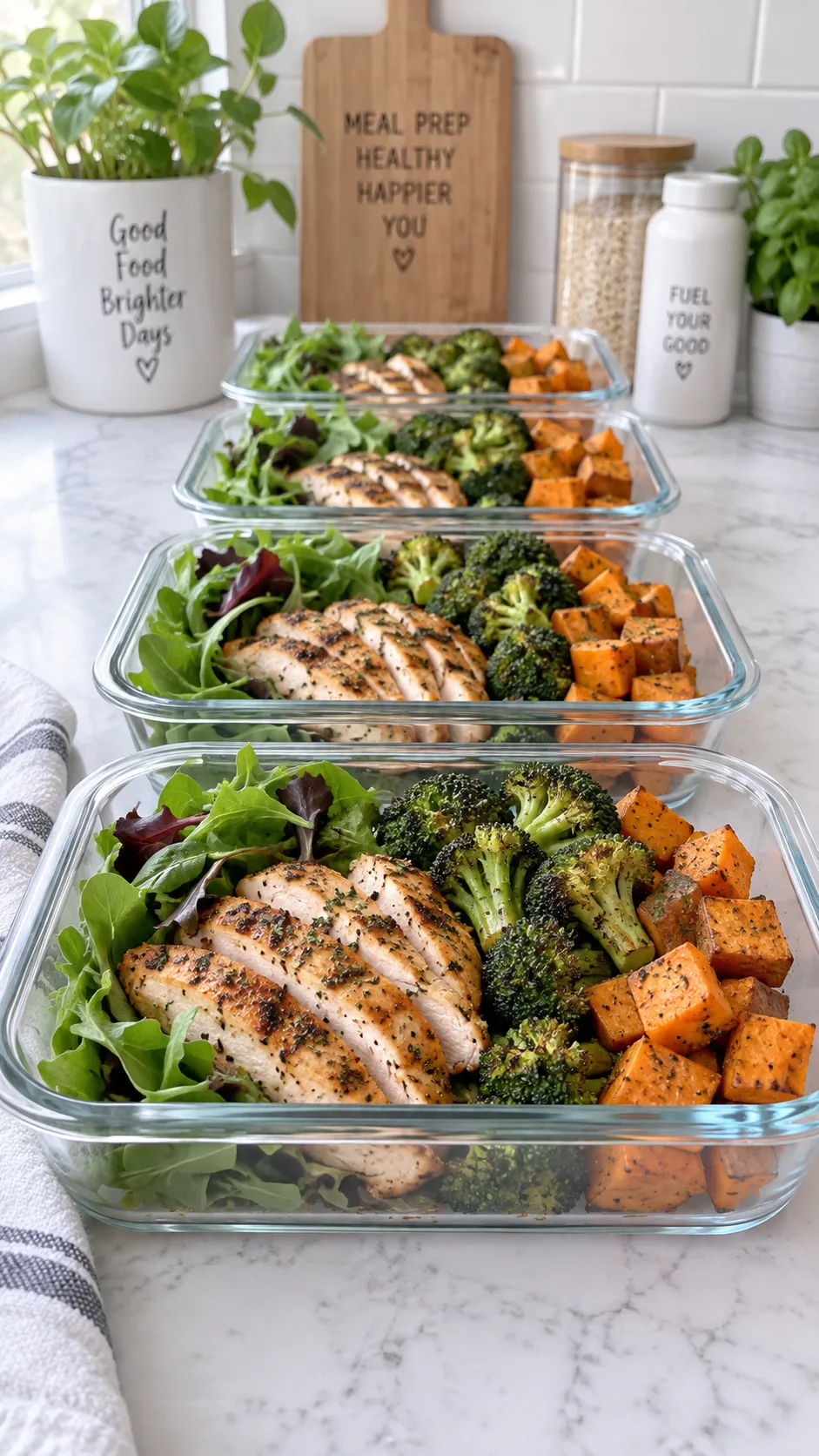
- Skipping meal prep. Two hours on Sunday saves you from Tuesday’s drive-thru decision. Don’t negotiate on this one.
- Obsessing over “is this paleo?” Somebody once asked me if green beans were allowed. They’re a legume. They’re also a vegetable. Eat the green beans and get on with your life.
- Forgetting fiber. Cutting grains cuts fiber. Make it up with vegetables, berries, avocado, and nuts, or your digestion will send strongly worded complaints.
Paleo vs. keto vs. Mediterranean vs. Whole30
You’re probably comparing options. Fair. Here’s the quick and honest breakdown.
- Paleo: focused on food quality. Carbs allowed from fruit and tubers. Moderate difficulty, good sustainability.
- Keto: focused on macros. Under about 30g of carbs daily. Strong results for some people, but the rules are tight. Compare it yourself in this keto starter guide.
- Mediterranean: includes whole grains, legumes, and dairy. Easiest to sustain and it has the most research behind it. Read up on the Mediterranean approach before you commit to anything.
- Whole30: basically strict paleo for 30 days as an elimination protocol. Great diagnostic tool, terrible permanent lifestyle.
My view: paleo sits in a sweet spot. Strict enough to change your habits, loose enough that you can eat at a restaurant without interrogating the waiter.
How to stick with it (the part that matters)
1. Change your kitchen before you change your diet
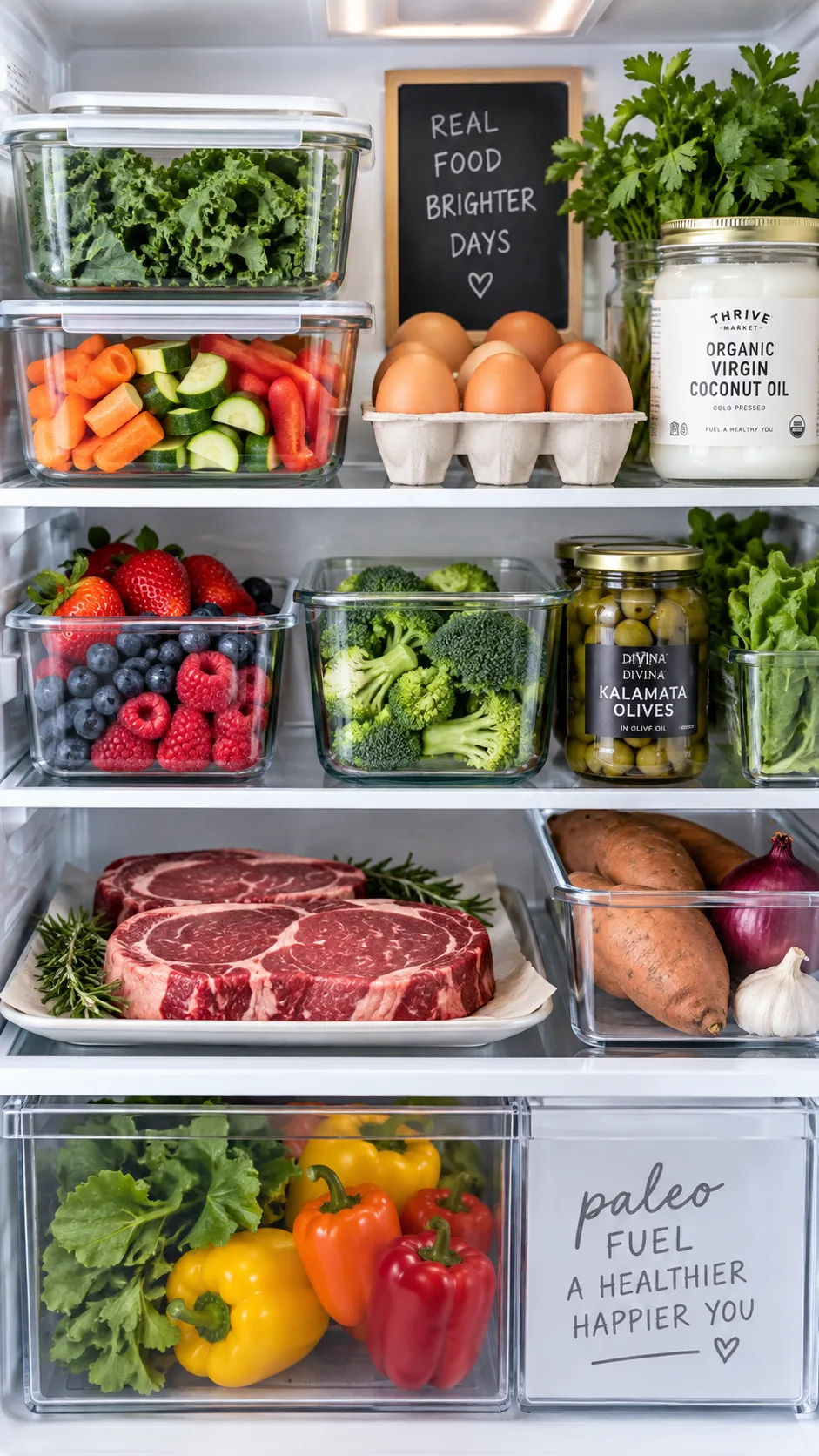
Willpower is a terrible strategy. Your environment beats motivation every single time. Clear out the obvious triggers and stock the fridge with protein you can eat cold and greens somebody else already washed.
2. Use the 85/15 rule
Eat paleo for roughly 85% of your meals. That works out to about three non-paleo meals a week. You’ll get 95% of the benefits with 40% of the stress, and you’ll still be eating this way next year.
3. Master five recipes, not fifty
Pick five meals you can cook half-asleep. A sheet-pan chicken and veg. A skillet beef hash. A big salad formula. Repeat them until they’re muscle memory.
4. Plan your restaurant order in advance
Almost every restaurant serves protein and vegetables. Ask them to cook it in olive oil or butter instead of seed oil. Swap the fries for a side salad. Done.
5. Pair it with movement you don’t hate
Diet and training feed each other, and people who start exercising clean up their eating almost automatically. You don’t need anything fancy. A walk-to-run plan or two gym sessions a week does the job.
6. Track how you FEEL, not just weight
Energy, sleep quality, digestion, skin, mood, joint comfort. These shift before the scale does, and they’re what keep people going. The Harvard T.H. Chan School of Public Health notes that paleo’s biggest wins come from dropping processed food, and you feel that fast.
7. Expect to mess up
You will eat the birthday cake. Eat it, enjoy it, move on. The people who fail aren’t the ones who slip. They’re the ones who treat a slip as proof the whole thing was pointless.
Who should be careful with paleo
I’d be a bad guide if I pretended this suits everyone. Talk to a doctor or registered dietitian first if you:
- Have kidney disease (protein load matters)
- Have type 1 or type 2 diabetes and take medication (carb changes affect dosing)
- Are pregnant or breastfeeding
- Have a history of disordered eating, since restrictive rule sets can be a trigger
- Take blood thinners (big vitamin K swings from leafy greens)
Also worth knowing: cutting dairy cuts a major calcium source. The NIH Office of Dietary Supplements recommends 1,000 to 1,200 mg daily for most adults. Canned sardines with bones, kale, broccoli, and almonds cover it, but you have to eat them regularly.
FYI, if bloating and gut issues are your main reason for trying paleo, a low FODMAP approach might target the problem more precisely.
Your first-week shopping list
- 2 dozen eggs
- 2 lbs ground beef or turkey
- 4 chicken thighs or breasts
- 2 salmon fillets and 2 cans of sardines
- Spinach, broccoli, zucchini, bell peppers, onions, garlic
- 3 sweet potatoes
- 2 avocados, 1 bag frozen berries, apples, bananas
- Olive oil, coconut oil, sea salt, black pepper, paprika, cumin
- Almonds, almond butter, coconut milk
That’s under an hour of shopping and it covers a full week. No specialty store, no $40 “ancestral” protein powder.
The bottom line
Paleo works, but not because cavemen were nutritional geniuses. It works because it forces you to eat real food and cook it yourself. Strip away the branding and that’s the entire mechanism.
Eat meat, fish, eggs, vegetables, fruit, nuts, and good fats. Skip grains, legumes, dairy, sugar, and processed junk. Aim for 85% consistency, build a small rotation of meals you love, and judge progress by your energy and sleep rather than the scale alone.
Start this week. Buy the eggs, cook one real dinner, and let the momentum do the rest. Your future self, standing in a kitchen that smells like garlic and roasted chicken instead of listening to a microwave beep at 10 PM, will thank you.