

Your bones don’t send a calendar invite before they start losing strength. They quietly thin out while you focus on calories, carbs, protein shakes, and roughly 47 other nutrition rules. That sneaky nature makes osteoporosis diet mistakes especially frustrating.
You can eat “healthy” every day and still miss the nutrients and habits that protect your skeleton. Ever wondered why someone who eats salads, avoids junk food, and walks daily can still develop low bone density? The answer often sits on the plate.
An osteoporosis diet needs more than calcium. Your body also needs enough protein, vitamin D, magnesium, vitamin K, overall energy, and weight-bearing activity. Skip one too often, and your bones pick up the bill.

Why your food choices matter so much for bone health
Your skeleton constantly breaks down old bone tissue and builds fresh tissue. During childhood and early adulthood, your body usually builds bone faster than it loses it. Later, especially after menopause, bone loss can gain ground.
Food can’t magically reverse every case of osteoporosis. But smart nutrition gives your body the raw materials it needs to maintain bone mass and support treatment. Think of it as maintenance for the house you live in forever, minus the annoying contractor quotes.
The Bone Health & Osteoporosis Foundation recommends calcium and vitamin D as core parts of a bone-health plan. Your clinician may also recommend medication, lab work, or a bone-density scan based on your age, fracture history, and risk factors.
Calcium targets give you a useful starting point
Most adults need around 1,000 milligrams of calcium daily. Women over 50 and men over 70 generally need 1,200 milligrams daily. Your age, health history, and medication use can change that target, so ask your clinician for advice that fits you.
Food works best as your first calcium source because it brings along protein, potassium, phosphorus, and other helpful nutrients. The National Institutes of Health calcium fact sheet offers a detailed look at food sources, supplements, and safe intake limits.
Mistake #1: You count on one glass of milk to do all the work
A glass of milk helps, but it can’t carry your entire bone-health plan on its tiny dairy shoulders. One cup of milk contains roughly 300 milligrams of calcium, so most people need several calcium-rich choices across the day. Your body benefits from consistency, not one heroic Tuesday yogurt.
Many people underestimate their calcium intake because they eat very little dairy, avoid fortified foods, or simply forget about bone-friendly options. Others assume leafy greens cover everything, but some greens provide less absorbable calcium than dairy or fortified plant milk.
Build calcium into meals you already eat
You don’t need a complicated “osteoporosis meal plan” with fourteen ingredients and a spiritual attachment to chia seeds. Add calcium where it naturally fits. Small upgrades beat grand plans that disappear by Thursday.
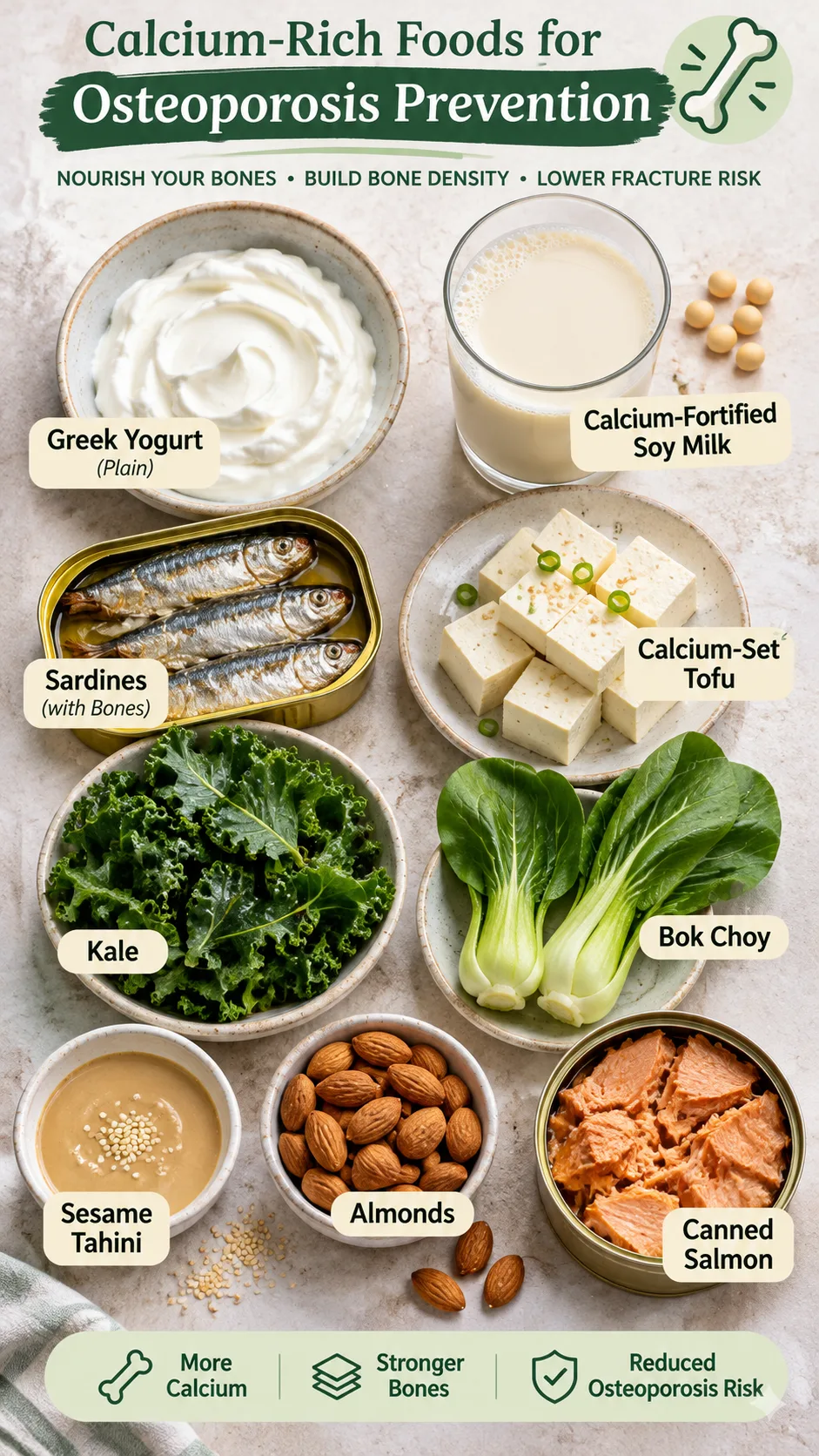
- Breakfast: Choose Greek yogurt, kefir, fortified soy milk, or calcium-fortified oatmeal.
- Lunch: Add canned salmon with bones, tofu made with calcium sulfate, or a side of edamame.
- Dinner: Serve broccoli, bok choy, kale, collards, beans, or sardines alongside your main meal.
- Snacks: Try cheese, yogurt, fortified plant yogurt, almonds, tahini, or calcium-fortified orange juice.
Check labels on plant milks and yogurts. Brands vary wildly, and some contain very little calcium despite their wholesome-looking cartons. Shake fortified drinks before you pour them because calcium can settle at the bottom.
If dairy bothers your stomach, you still have options. Lactose-free milk, hard cheeses, yogurt, fortified soy products, canned fish with bones, and calcium-set tofu can support a high-calcium diet without turning meals into a digestive gamble.
Mistake #2: You take calcium but ignore vitamin D
Calcium needs vitamin D to do its job well. Without enough vitamin D, your intestines absorb less calcium from food. You can eat all the yogurt in the dairy aisle and still leave your bones underfed.
Your skin makes vitamin D after sun exposure, but many factors affect that process. Season, latitude, skin tone, age, sunscreen use, clothing, and indoor routines all play a part. A quick stroll from your car to the office doesn’t always cut it.
The NIH vitamin D fact sheet lists 600 IU daily for most adults through age 70 and 800 IU for adults over 70. Your doctor may suggest a different amount if blood tests show a deficiency or if a medical condition affects absorption.
Food helps, but testing can clear up guesswork
Fatty fish, egg yolks, fortified milk, fortified plant drinks, and fortified cereals provide vitamin D. Food alone may not meet your needs, especially during darker months. Ask your clinician whether a 25-hydroxy vitamin D blood test makes sense for you.
Don’t take huge doses because someone online called vitamin D “the sunshine miracle.” Too much vitamin D can raise calcium levels and cause real health problems. Supplements deserve the same common sense you apply to prescription drugs.
Pair vitamin D with a meal that contains some fat because your body absorbs this fat-soluble vitamin better that way. Eggs with avocado, salmon with vegetables, or a supplement with lunch all work nicely.
Mistake #3: You diet so hard that your bones lose resources
Extreme calorie cutting can weaken bones, especially when it lasts for months. Your body needs energy to run every system, including bone remodeling. When you chronically under-eat, your body shifts into conservation mode, and your skeleton doesn’t get VIP treatment.
This risk matters for people who follow very low-calorie plans, athletes with irregular periods, and adults who lose weight quickly. Men can face this issue too, although people often overlook it. A shrinking number on the scale doesn’t automatically equal better health.
If you keep feeling cold, exhausted, dizzy, food-obsessed, or unable to recover from workouts, talk with a registered dietitian or clinician. You may need more energy, more protein, or help with a restrictive eating pattern. Your body doesn’t award medals for running on fumes.
If hunger keeps wrecking your weight-loss efforts, this guide to low-calorie diet mistakes that keep you hungry can help you build meals that feel more sustainable. Slow, steady changes protect more than your willpower.
Protein protects more than your muscles
Some people fear protein because they heard an old claim that it “leaches calcium” from bones. Research doesn’t support that simple story for people who eat enough calcium. Adequate protein actually supports muscle strength, balance, recovery, and bone health.
A practical goal: include protein at every meal. Eggs, fish, poultry, Greek yogurt, beans, lentils, tofu, tempeh, cottage cheese, and lean meat all count. Your exact needs depend on age, body size, kidney health, activity level, and medical guidance.
- Start your day with eggs, yogurt, tofu scramble, or cottage cheese.
- Add beans, lentils, tuna, chicken, or tofu to lunch instead of relying on bread alone.
- Choose a protein-rich snack after strength training.
- Include protein and calcium together when you can, such as yogurt with fruit or tofu with bok choy.
Mistake #4: You treat “healthy” plant foods as automatically bone-perfect
Plant-forward eating can absolutely support strong bones. Fruits, vegetables, beans, nuts, seeds, and whole grains bring potassium, magnesium, vitamin K, and antioxidants to the table. The trouble starts when a plant-based diet lacks calcium, vitamin D, protein, or enough total calories.
Some plant foods contain oxalates or phytates, which can reduce calcium absorption. Spinach offers many nutrients, but its oxalates limit how much calcium your body can actually absorb from it. Bok choy, kale, broccoli, collards, and calcium-set tofu often offer more usable calcium.
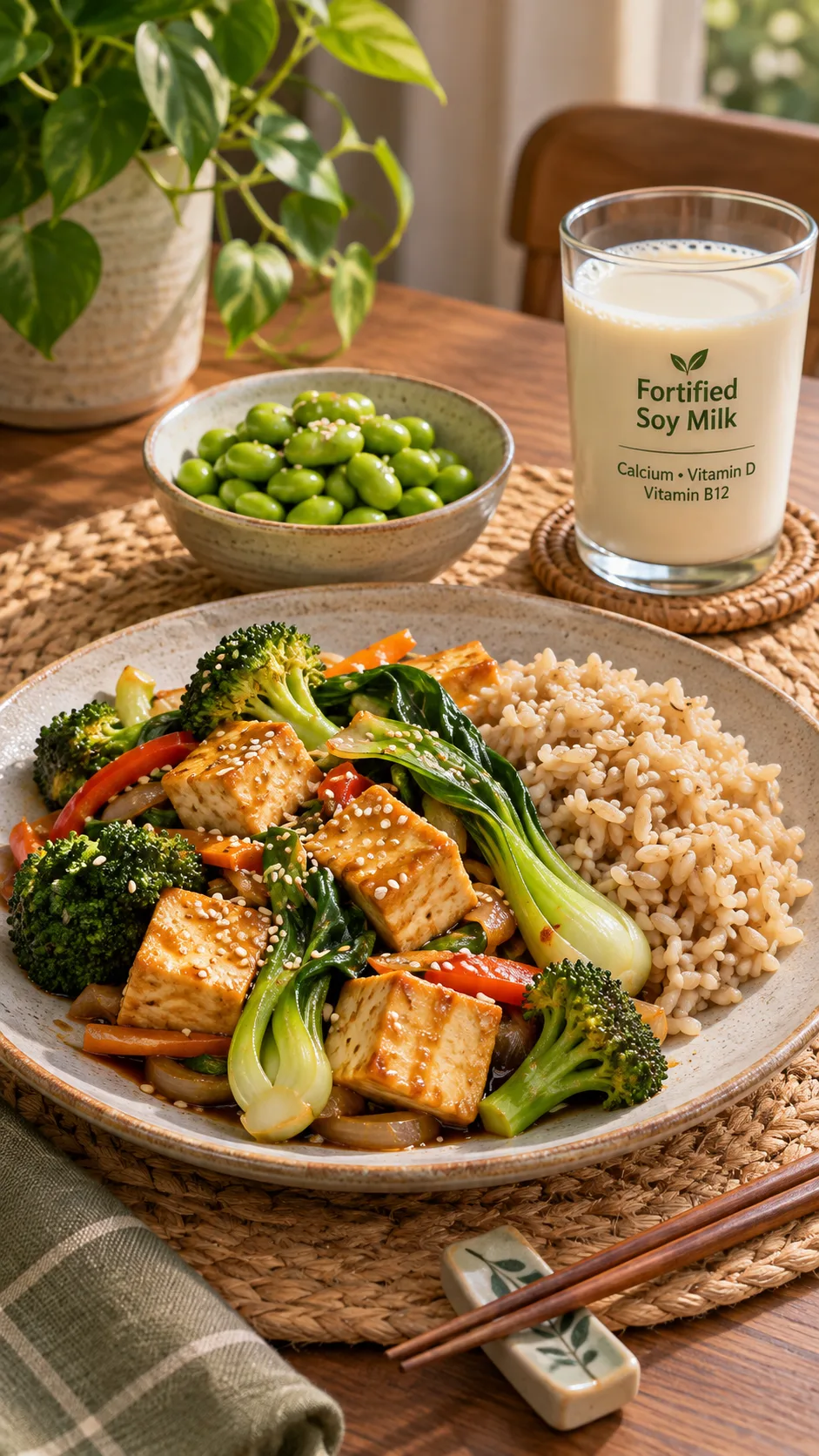
Vegans and vegetarians should pay special attention to fortified soy milk, calcium-set tofu, fortified yogurt, beans, greens, nuts, seeds, and vitamin D status. A registered dietitian can help you cover the gaps without forcing you into a food identity crisis.
A balanced traditional eating pattern can make this easier. Our guide to the Asian diet plan shares practical meal ideas that feature tofu, greens, fish, soy foods, and nutrient-rich staples.
Mistake #5: You overlook magnesium, vitamin K, and potassium
Calcium gets all the headlines, but your bones rely on a whole team. Magnesium helps your body manage calcium and supports normal vitamin D metabolism. Vitamin K helps activate proteins involved in bone mineralization.
Potassium-rich foods may also support bone health by helping your body maintain a healthy acid-base balance. You don’t need to memorize biochemistry before breakfast. You just need a varied plate more often than not.
Eat a wider range of bone-supporting foods
Colorful produce helps you cover more nutrients without complicated math. Dark leafy greens, beans, lentils, potatoes, bananas, oranges, squash, berries, nuts, and whole grains all earn a place. Variety beats obsessing over one “superfood” every single time.
- Choose two vegetables at lunch or dinner, including a dark green option several times each week.
- Add a handful of nuts or seeds to yogurt, oats, salads, or snacks.
- Swap some refined grains for oats, quinoa, brown rice, or whole-grain bread.
- Eat fruit daily for potassium, vitamin C, and an easy source of fiber.
- Use beans or lentils several times each week for plant protein and minerals.
People who take warfarin need a consistent intake of vitamin K rather than sudden huge changes. Leafy greens can still fit your diet, but your prescribing clinician should guide the plan. Medication rules always outrank internet nutrition enthusiasm.
Mistake #6: You let salt, soda, and alcohol crowd out better choices
You don’t need to fear salt or never enjoy a fizzy drink again. But a high-sodium diet can increase calcium loss through urine, and heavy alcohol use can harm bone health and increase fall risk. Patterns matter more than perfection.
Ultra-processed foods often stack sodium, low nutrient density, and convenience into one sneaky package. Frozen pizza, deli meats, instant noodles, salty snacks, and restaurant meals can push sodium high before dinner even arrives. Read labels and compare brands when you shop.
Some research also links cola-heavy habits with lower bone mineral density, particularly among women. The caffeine, phosphoric acid, displacement of milk, and overall dietary pattern may all play a role. One soda won’t demolish your femur, FYI, but water and milk or fortified alternatives make better everyday drinks.
Make the easy swaps first
- Choose lower-sodium soups, beans, broths, and sauces when possible.
- Flavor meals with garlic, lemon, herbs, chili, vinegar, and spices before adding more salt.
- Keep alcohol moderate or skip it if your clinician advises that choice.
- Drink water regularly and include calcium-fortified beverages if you need them.
- Save soda for an occasional choice instead of your default hydration plan.
Mistake #7: You forget that bone strength needs exercise too
Food gives your bones materials, but movement tells them to stay strong. Weight-bearing exercise and resistance training place healthy stress on bone tissue and muscles. Your body responds to that signal by supporting strength and stability.
Walking, hiking, dancing, stair climbing, tennis, and jogging all count as weight-bearing activities. Swimming and cycling help your heart and joints, but they place less impact stress on bones. Add resistance bands, machines, dumbbells, or bodyweight exercises for an even stronger plan.
If you already have osteoporosis, vertebral fractures, severe joint pain, or balance problems, ask a physical therapist or qualified clinician about safe exercise choices. Some movements, especially repeated loaded spinal flexion, can increase fracture risk for certain people. Smart training beats random online workouts every time.
Balance work matters too. Tai chi, heel-to-toe walking, supported single-leg stands, and strength training can lower fall risk. Bones do better when you avoid the falls that test them unexpectedly.

Mistake #8: You self-prescribe supplements without looking at the full picture
Supplements can help when food intake falls short or when a clinician identifies a deficiency. They don’t replace a balanced osteoporosis diet, regular movement, or medical care. More is not better when minerals enter the conversation.
Large calcium supplements can cause constipation and may interact with certain medications. Calcium can interfere with the absorption of levothyroxine, some antibiotics, and other drugs. Ask your pharmacist about timing if you take regular medication.
Your body absorbs calcium best in smaller doses, often around 500 to 600 milligrams at a time. Calcium carbonate works best with food, while calcium citrate can work with or without food and may suit people who take acid-reducing medication. Your clinician or pharmacist can help you choose wisely.
The International Osteoporosis Foundation offers practical guidance on nutrition, calcium, protein, and vitamin D. Use reputable sources instead of trusting a supplement label with a mountain graphic and aggressive promises.
A simple one-day bone-healthy eating template
You don’t need to eat perfectly to support healthy bones. You need repeatable meals that cover the basics. This simple template gives you a flexible place to start.
- Breakfast: Greek yogurt or fortified soy yogurt with berries, oats, and chopped almonds.
- Lunch: Lentil and vegetable soup with a whole-grain sandwich, cheese, tofu, or salmon.
- Snack: Fruit with a handful of nuts, or fortified milk with a protein-rich snack.
- Dinner: Salmon, chicken, beans, or tofu with broccoli or bok choy, whole grains, and olive oil.
- Evening option: Kefir, milk, fortified soy milk, or calcium-set tofu pudding if your daily calcium still needs a boost.
Adjust portions to your hunger, goals, health conditions, and activity. If you manage thyroid disease, digestive conditions, kidney disease, or an eating disorder history, get individual guidance. Nutrition works best when it fits your actual life.
When to talk with your doctor about osteoporosis
Diet changes help, but they can’t diagnose osteoporosis or tell you your fracture risk. Ask your clinician about screening if you are a woman aged 65 or older, a man aged 70 or older, or a younger adult with risk factors. A DEXA scan can measure bone density and guide next steps.
Speak up sooner if you have had a fracture after a minor fall, lost height, developed a rounded upper back, used steroid medication long term, entered menopause early, or have a family history of hip fracture. Celiac disease, inflammatory bowel disease, thyroid disorders, kidney disease, and low body weight can also affect bone health.
Don’t assume aches tell the full story. Osteoporosis often causes no pain until a fracture happens. Early action gives you more options, and that alone makes the conversation worthwhile.
The bottom line on an osteoporosis diet
Strong bones need more than a calcium supplement and good intentions. Build meals around calcium, vitamin D, protein, colorful produce, and enough total food. Add strength training, weight-bearing movement, balance work, and medical screening when you need it.
Start with one simple change this week: add a calcium-rich food to breakfast, check your vitamin D plan, or lift weights twice. Small choices compound quietly, just like bone loss does. Give your bones a better quiet story to tell.