

You know the feeling all too well. It hits at 6:30 PM on a Tuesday. You stand in your kitchen, exhausted from eight hours at work, staring into a refrigerator that holds half an onion, expired yogurt, and sheer disappointment. Do you spend 50 minutes chopping and sauteing, or do you surrender $35 to food delivery apps? Most nights, convenience wins, and your wallet loses.
Cooking dinner from scratch every single night steals seven to ten hours of your week. When you factor in grocery runs, chopping, active cooking, and scraping scorched pans, dinner turns into a grueling second shift. But meal prep never requires you to sacrifice your entire Sunday afternoon to the culinary gods.
You can reclaim at least five full hours every week without eating soggy broccoli or dry chicken breasts five days in a row. You simply need a smarter system. These meal prep methods will slash your kitchen time, preserve your sanity, and keep dinner ready on demand.
The fatal flaw: why your past meal prep failed
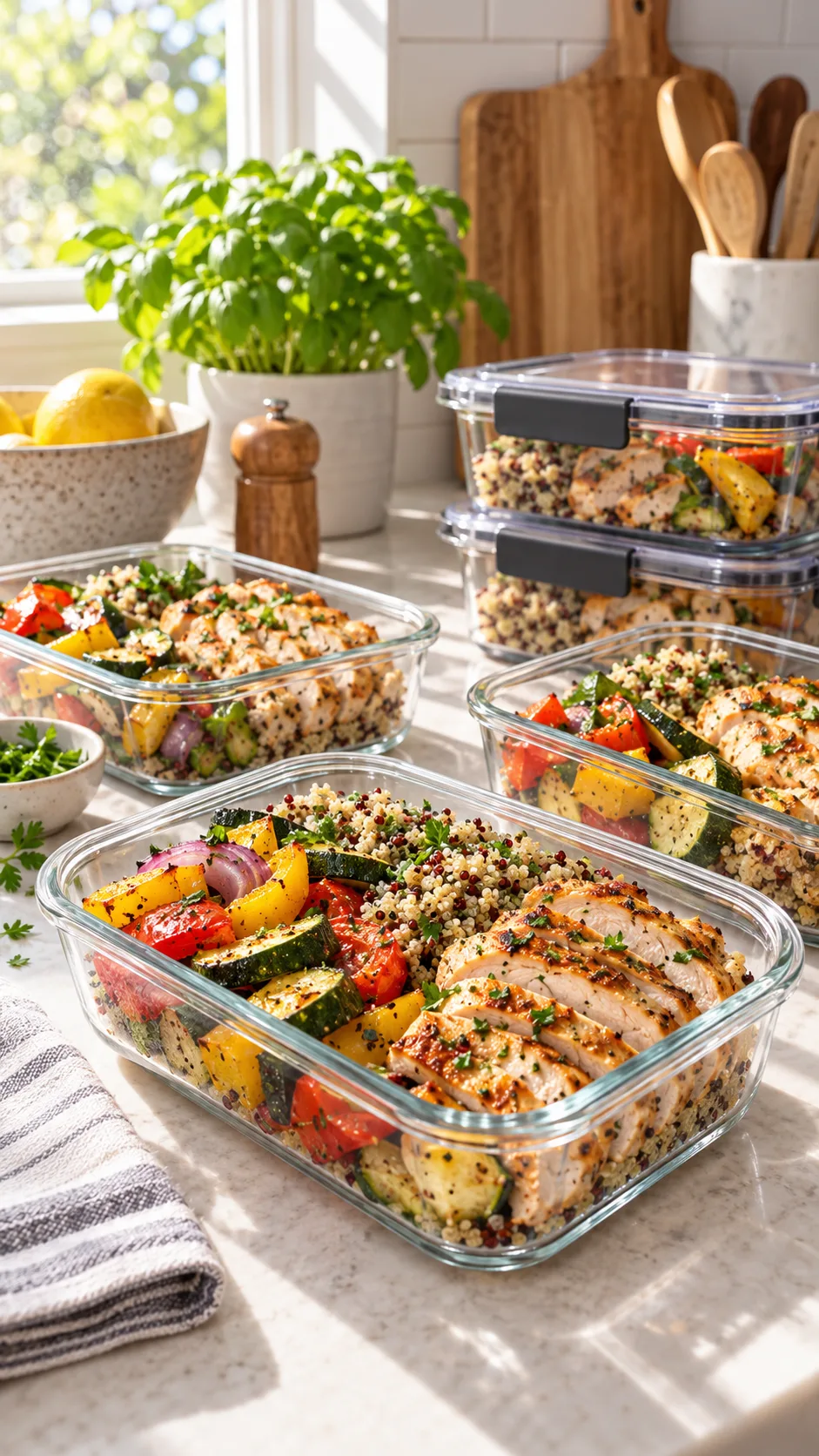
Most beginners approach meal preparation completely wrong. You probably tried the standard fitness routine: you spent four hours on Sunday cooking five identical plastic containers of white rice, plain chicken breast, and steamed green beans. By Wednesday lunch, that rubbery chicken tasted like cardboard, and by Thursday, you ordered takeout anyway.
People crave variety. Cooking identical meals triggers palate fatigue within 48 hours. Different foods also spoil at different speeds; delicate greens turn into brown slime while starchy carbs dry out.
Stop cooking identical finished meals. Instead, start prepping versatile building blocks. Professional restaurant kitchens rely on this precise philosophy, which chefs call mise en place and batch-component assembly. When you prepare core components instead of rigid meals, you unlock fast options all week long.
Secret 1: Master the component method instead of full meals
The component method completely changes the meal prep equation. Instead of locking yourself into five identical casseroles, you prep separate elements that you can combine in dozens of ways in under five minutes. If you want a structured plan for this, explore our guide on healthy meal prep for the week to see how foundational bases operate in daily life.
Divide your weekly food into four distinct groups:
- Smart Proteins: Two versatile protein sources, like shredded chicken thighs and spiced black beans.
- Universal Bases: Two hearty carb or fiber foundations, like roasted sweet potatoes and fluffy quinoa.
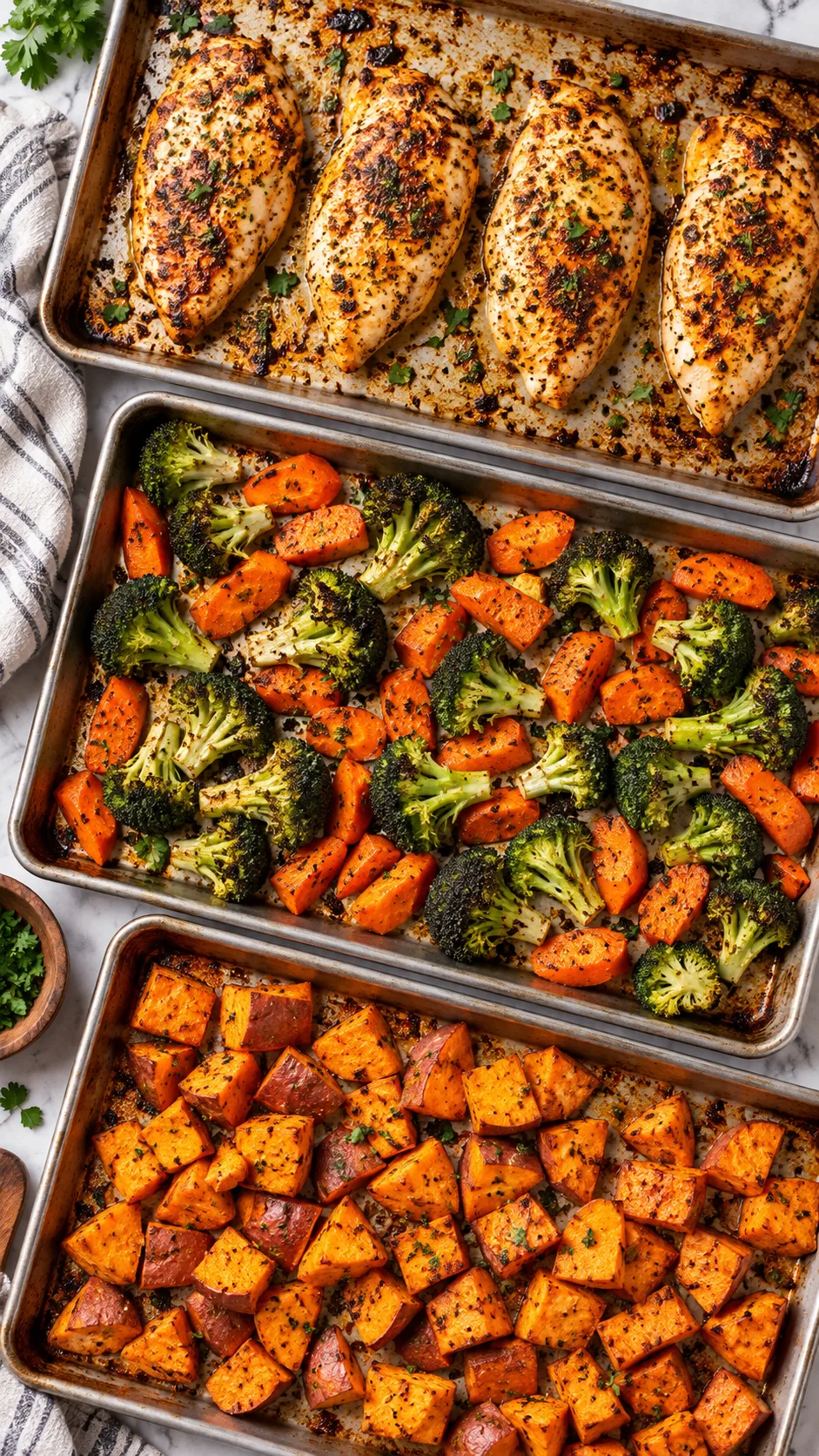
- High-Volume Veggies: Two or three sheet pans of roasted vegetables, such as bell peppers, broccoli florets, and zucchini.
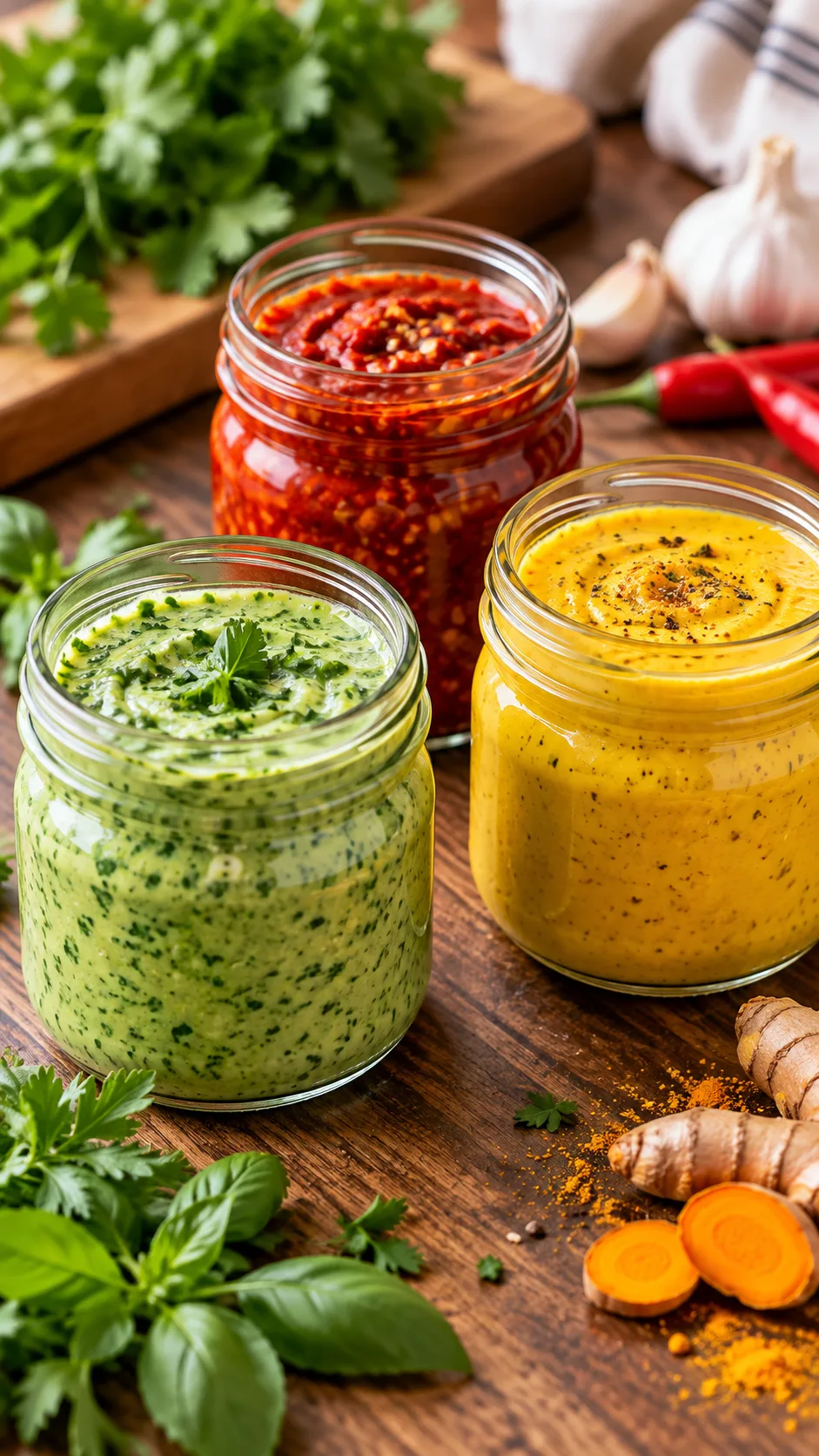
- Flavor Drivers: Two bold sauces, such as chipotle crema, peanut sauce, or lemon-herb tahini.
On Monday night, you combine chicken, sweet potatoes, and broccoli with peanut sauce. On Tuesday, you toss black beans, quinoa, peppers, and chicken into a skillet with taco seasoning and chipotle crema. You eat distinct, fresh meals every evening, yet you touch a cutting board zero times after your prep day.
Secret 2: Execute the 90-minute parallel processing power hour
Most people spend four hours prepping food because they cook sequentially. They chop onions, cook them, start the rice, wait for the rice, and finally season their chicken. This single-task habit destroys your free time.
Professional kitchen staff run multiple cooking techniques simultaneously. You can finish five days of food in 90 minutes if you run all your kitchen equipment at once. Follow this step-by-step plan:
- Minutes 0 to 15 (The Chop and Preheat Sprint): Turn your oven to 400°F (200°C). Set an Instant Pot or deep saucepan on the counter. Chop all vegetables and meats in one continuous pass so you only wash your cutting board once.
- Minutes 15 to 20 (Launch the Passive Cookers): Dump your grains into the rice cooker or Instant Pot. Start your slow cooker now if you plan slow-simmered dishes; our breakdown of crockpot meal prep secrets demonstrates how these countertop appliances do the heavy lifting while you focus elsewhere.
- Minutes 20 to 30 (Load the Oven Trays): Place your protein on one baking sheet and your dense vegetables on two others. Slide everything into your preheated oven at high heat.
- Minutes 30 to 60 (Stovetop and Cleanup): While your oven and countertop cookers run, blend your sauces in a high-speed blender. Wash your cutting boards, knives, and prep bowls.
- Minutes 60 to 90 (Cooling and Packing): Pull trays from the oven, let the steam dissipate, and divide everything into designated storage containers.
When you treat meal prep as an orchestrated assembly line rather than a leisurely Sunday cooking show, you cut your kitchen time in half.
Secret 3: Stop peeling, chopping, and dicing everything from scratch
Culinary snobs might sneer at pre-chopped garlic or bagged coleslaw mix, but guilt over pre-cut produce costs you hours of rest. You do not need to peel every carrot and dice whole heads of garlic to eat clean food.
Modern supermarkets stock convenient ingredients that match the exact nutritional value of their untouched counterparts. The Harvard T.H. Chan School of Public Health notes that convenient, minimally processed plant foods offer strong nutritional profiles while removing barriers to healthy eating.
Add these time-saving shortcuts directly to your grocery cart:
- Pre-shredded Cabbage and Slaw Mixes: These sturdy greens hold their crunch for six days in the fridge, unlike delicate baby spinach which wilts in 48 hours. Toss them into stir-fries, warm grain bowls, or raw salads.
- Frozen Fire-Roasted Corn and Edamame: Flash-freezing locks nutrients into vegetables right after harvest. You can dump them straight into hot skillets without washing, peeling, or cutting.
- Pre-peeled Garlic and Pureed Ginger: Peeling garlic cloves consumes five unnecessary minutes every evening. Buy whole peeled garlic cloves or quality ginger paste tubes instead.
- Canned Beans and Lentils: Canned chickpeas, black beans, and brown lentils eliminate hours of soaking and boiling. Rinse away the canning liquid under cold water, and you have instant food.
Save time through smart prioritization. Your body processes vitamins from pre-shredded carrots identically to carrots you spent twenty minutes grating yourself.
Watch: Streamlined prep work in real time
Visualizing an efficient kitchen workflow makes execution much simpler. When you observe how experienced home cooks organize their stations and run pans, the entire process clicks into place.
Notice how professional meal preppers minimize their steps between the sink, cutting board, and refrigerator. Setting up a trash bowl right next to your cutting surface instantly eliminates dozens of unnecessary trips across the room.
Secret 4: Use the two-base, two-protein, three-sauce matrix
Boredom ruins healthy eating habits faster than almost anything else. You avoid boredom not by cooking fifteen different recipes, but by mastering a basic flavor formula. Sauces do 90 percent of the work in any dish.
Every week, prep according to this simple matrix:
- Base A: Brown jasmine rice or farro.
- Base B: Roasted spiced potatoes or cauliflower rice.
- Protein A: Citrus-marinated chicken strips. Check out our tested ideas for work lunch meal prep to discover high-yield proteins that stay juicy for four straight days.
- Protein B: Ground turkey cooked with cumin and garlic, or crispy baked tofu.
- Sauce 1 (Creamy): Greek yogurt mixed with lemon, dill, and crushed garlic.
- Sauce 2 (Spicy): Sriracha mixed with honey, tamari, and sesame oil.
- Sauce 3 (Herbaceous): Chimichurri made with parsley, oregano, red wine vinegar, and olive oil.
Do the simple math: two bases, two proteins, and three distinct sauces yield twelve unique meal combinations. You never eat the same flavor profile twice in one work week, yet your actual cooking takes less than two hours.
Secret 5: Upgrade to commercial kitchen containers
Throw away your mismatched, warped collection of takeout tubs. Searching for matching lids in a chaotic drawer wastes ten frustrating minutes every week. Cheap plastic also absorbs food odors, stains red from tomato paste, and releases microplastics when heated.
Upgrade to uniform storage solutions:
- Borosilicate Glass Containers: Buy sets with airtight, snap-locking lids. Glass handles extreme shifts from freezer to microwave, cleans effortlessly, and never retains onion aromas.
- Commercial Deli Containers: Restaurants use clear 8oz, 16oz, and 32oz deli containers for good reason. They share identical universal lids, stack vertically without tipping, and cost very little.
- Sturdy Half-Sheet Pans: Commercial aluminum half-sheet pans distribute heat evenly and handle massive roasting volumes that flimsy baking sheets warp under.
When every lid fits every container in your cabinet, packing lunch takes seconds instead of an archaeological excavation.
Secret 6: Master food safety and storage chemistry
Nothing ruins meal prep faster than tossing out sour food on Thursday morning. If your meals spoil early, you waste both your time and your groceries. Basic food chemistry prevents premature spoilage.
First, conquer condensation. Condensation ruins prepped food faster than almost anything else. When you pack steaming grains or roasted vegetables into sealed containers, trapped steam turns into liquid water on the lid. This moisture drips back onto your food, creating an ideal breeding ground for bacteria and turning crisp vegetables into soggy mush.
Always let your cooked food cool to room temperature on open trays for 20 minutes before locking lids into place. The food safety guidelines at FoodSafety.gov provide precise refrigerated storage rules for cooked meats and leftovers to keep households safe.
Second, implement the paper towel barrier. When storing tender greens, sliced cucumbers, or pre-cooked green beans, place a single folded sheet of dry paper towel inside the container before sealing the lid. The paper towel absorbs ambient moisture and doubles the lifespan of fresh produce.
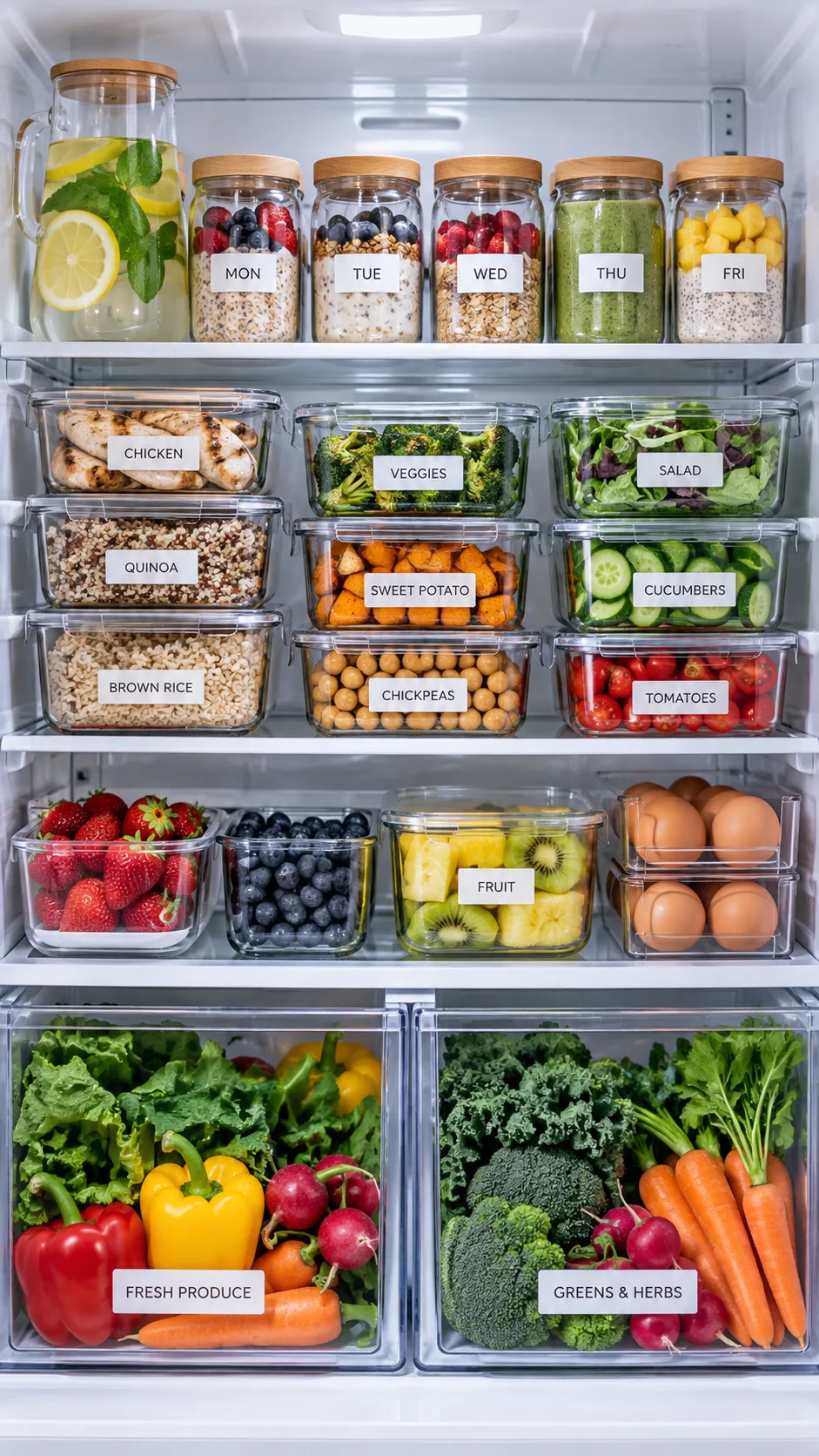
Arrange your refrigerator shelves by the calendar. Slide your Wednesday, Thursday, and Friday meals toward the colder rear zone of your fridge, where temperatures remain consistently beneath 40°F (4°C). Keep Monday and Tuesday meals up front.
Secret 7: Schedule the 15-minute Wednesday reset
Do not expect Sunday prep to carry you through Sunday night dinner. Cooking seven continuous days of meals in a single afternoon leads to stale food and miserable Friday dinners.
Plan a two-phase prep strategy instead:
- Phase 1 (Sunday Big Batch): Knock out your heavy carbs, roasted roots, and marinated proteins for Monday through Wednesday.
- Phase 2 (The Wednesday Night Reset): Spend exactly 15 minutes midway through your week refreshing core elements.
How does the Wednesday reset work? While you warm up your Wednesday dinner, boil half a dozen eggs, pan-sear a fresh salmon fillet or quick steak, and chop a fresh cucumber. This minor 15-minute tune-up carries your meal quality through Saturday morning with fresh textures and zero cooking fatigue.
Calculate your time savings: the weekly math
Examine the actual time investment across a standard seven-day calendar:
| Routine Action | Daily Cooking Path | Batch Component Path |
|---|---|---|
| Kitchen Prep & Chopping | 15 mins x 7 = 105 mins | 20 mins total |
| Active Stove/Oven Cooking | 35 mins x 7 = 245 mins | 50 mins (passive cooking) |
| Dishwashing & Pan Scrubbing | 20 mins x 7 = 140 mins | 25 mins total |
| Total Time Expended | 490 minutes (~8.2 hours) | 95 minutes (~1.6 hours) |
The numbers speak clearly. Switching from daily cooking to structured batch assembly hands you back roughly 6.6 hours of free time every single week. Consider what you can do with seven extra hours: read a book, lift weights, or relax on the sofa without thinking about dirty pots.
Reclaim your evenings starting this week
Ditching the daily dinner scramble requires no extraordinary cooking talent. You only need to replace disorganized daily cooking with deliberate, parallel systems.
Start small this weekend. Do not attempt to prep twenty meals at once. Choose two versatile proteins, roast two large trays of vegetables, and blend one sauce you love. Then assemble a dinner in four minutes on a stressful Tuesday night.
Once you experience the freedom of five extra hours every week, you will never stare into an empty refrigerator at 6:30 PM again. Grab your sheet pans, turn on your oven, and take control of your kitchen schedule today.