

Your kid just announced that the sandwich you packed is “weird now.” It’s Tuesday. You packed it Sunday night, and your blood pressure is climbing.
Sound familiar? Back-to-school meal prep lunches promise a calm, organized week, but they only work when your kids eat the food. A fridge full of containers means nothing if the lunch box comes home untouched.
This guide shows you how to prep school lunches that survive the fridge, the backpack, and a picky eater’s brutal review. You’ll get a simple formula, seven kid-tested ideas, a Sunday game plan, and the food safety basics that keep everything fresh.
Why kids reject meal prepped lunches (and how to fix it)
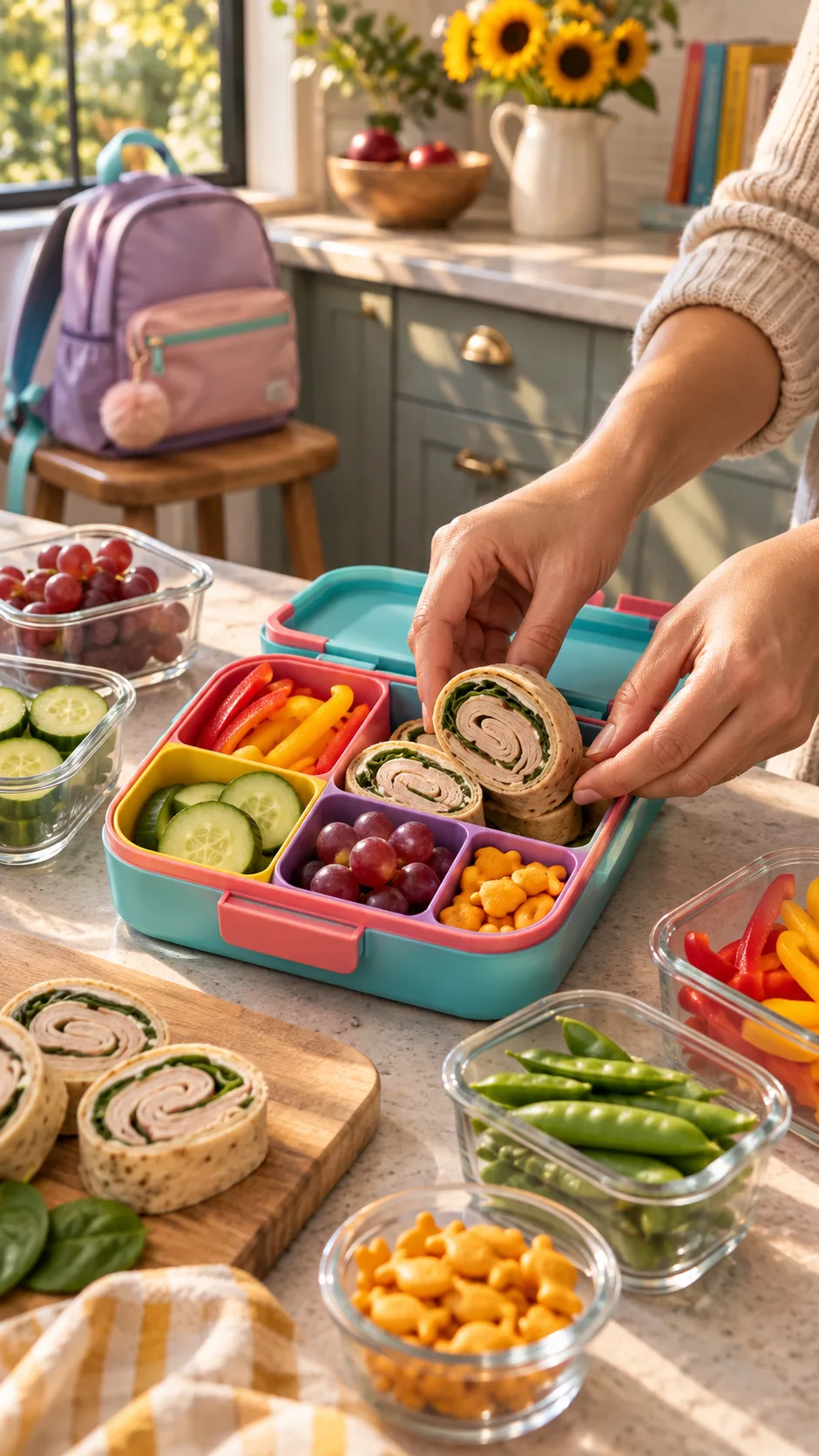
Adults tolerate the same chicken and rice for five days. Kids don’t. They notice every soggy edge, every strange smell, and every food that touches another food.
Most meal prep lunches fail for four predictable reasons:
- Sogginess ruins them when wet ingredients sit against bread or crackers for days.
- Boredom sets in when kids face the identical lunch on Monday and Friday.
- Kids have 20 minutes to eat, so they won’t fight a stubborn container.
- Kids refuse food they never picked.
Every one of these problems has a fix, and none of them require culinary talent. You prep components instead of full identical meals. That one shift changes the whole week.
Ground rules before you start prepping
Before you chop a single carrot, set a few rules. They save you from the most common meal prep disasters.
Respect the 3-to-4 day rule
Most “prep for the whole week” posts skip this part. The USDA says cooked leftovers stay safe in the fridge for about 3 to 4 days. You can find the details at FoodSafety.gov.
So “all week” really means two prep rounds, or a freezer assist. I cook cold items on Sunday for Monday through Wednesday. Then I pull frozen items out for Thursday and Friday. It works every time.
If you want a deeper beginner walkthrough of the whole process, read this beginner’s blueprint for meal prepping the week.
Use the lunch box formula
Forget complicated recipes. Build every lunch from the same five slots:
- A protein: turkey, chicken, eggs, cheese, beans, or hummus.
- A carb: pasta, tortillas, crackers, rice, or whole grain bread.
- A fruit: grapes, apple slices, berries, or clementines.
- A veggie: cucumber, snap peas, bell pepper strips, or carrots.
- A fun extra: a dip, a small treat, or a crunchy snack.
The USDA MyPlate guidelines back up this balance of food groups. Kids who eat protein and fiber at lunch also tend to stay focused through the afternoon, which helps when homework waits at home.
7 back-to-school meal prep lunches kids will eat
I picked these because they hold up in the fridge, travel well, and survive the cafeteria table. Rotate them and your kids will never see the same lunch twice in one week.
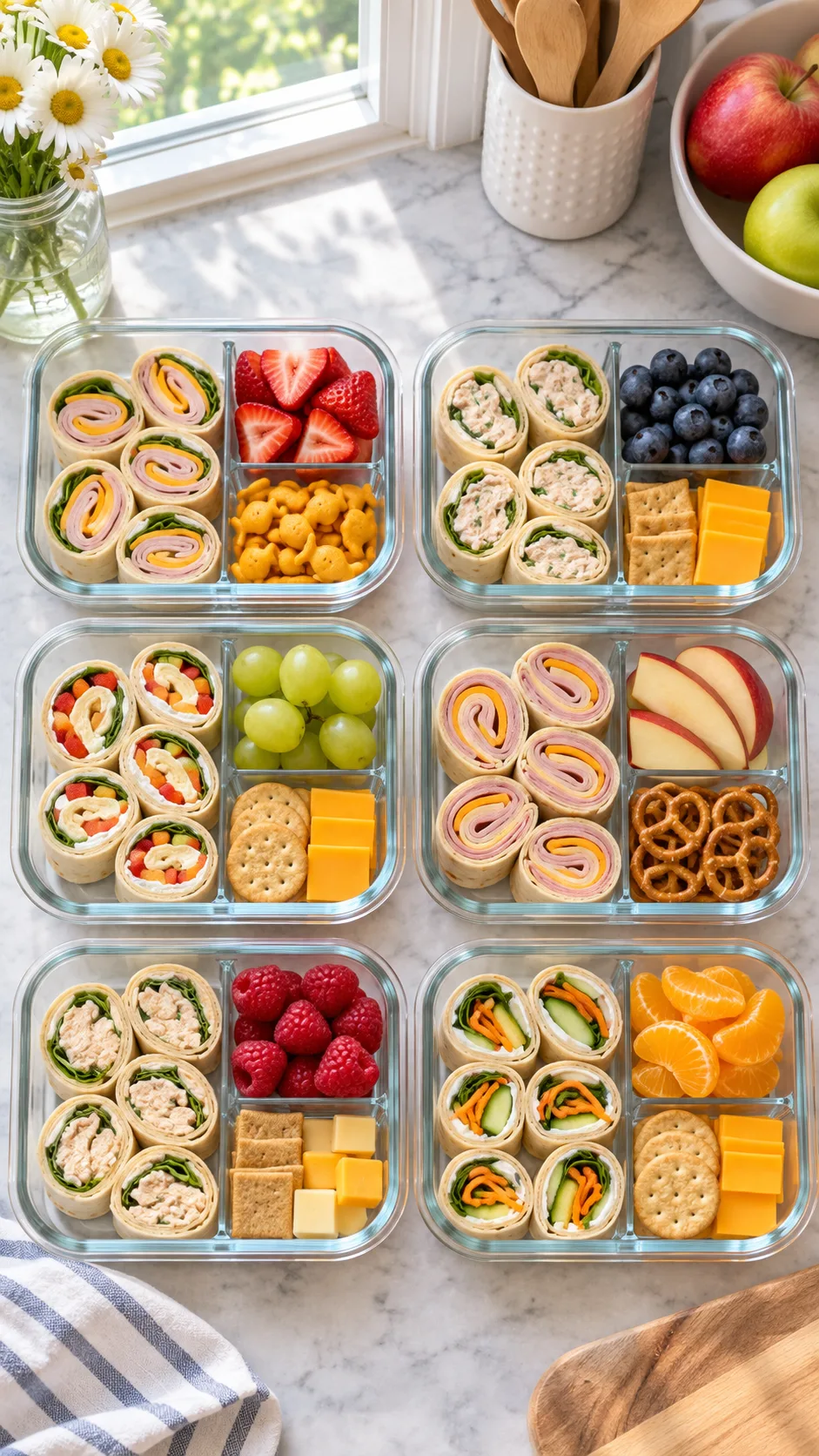
- Turkey and cheese pinwheels. Spread cream cheese on a tortilla, add turkey and spinach, then roll it tight. Slice it into rounds. Pinwheels look like a treat, and they stay fresh for three days. Pro tip: wrap the whole roll in plastic and slice it the night before so the edges stay neat.
- Mini chicken quesadilla wedges. Fill tortillas with shredded chicken and cheese, then crisp them in a skillet. Cut them into triangles. Kids eat these cold or warm, and they freeze well for a few months. Pack a small cup of salsa or guacamole on the side.
- Mild Italian pasta salad. Toss rotini with cucumbers, cherry tomatoes, mozzarella pearls, and a light dressing. Skip the heavy vinaigrette and use a drizzle of olive oil and lemon instead. Want more ideas? Our guide to pasta salad meal prep covers dozens of variations.
- DIY snack boxes. Think homemade “lunchables.” Pack crackers, sliced cheese, deli meat, grapes, and a few dark chocolate chips. Kids build their own mini sandwiches, which turns lunch into a game. I think this is the easiest win on the list.
- Mini frittata or egg muffin cups. Whisk eggs with cheese and finely chopped veggies, then bake in a muffin tin. They reheat in 30 seconds and travel without a mess. Tuck two into a lunch box with fruit and whole grain toast.
- Baked chicken meatballs with dipping sauce. Bake a big batch on Sunday. Pack them in a preheated thermos with marinara, or serve them cold with ranch dip. Kids love anything they can dunk, and dunking beats forking every time.
- Sunflower butter roll-ups. Many schools ban peanuts and tree nuts, so sunflower seed butter fills the gap. Spread it on a tortilla, add a banana, and roll. Slice into bite-size pieces. Always check your school’s allergy policy first.

Your Sunday prep game plan (60 to 90 minutes)
You don’t need an entire afternoon. A focused 90 minutes covers most of the week. I follow this order:
- Start the slow stuff first. Put meatballs or egg muffins in the oven while you work on everything else.
- Boil the pasta or rice. Cool it fast on a sheet pan so it doesn’t turn gummy.
- Wash and chop produce. Cut cucumbers, peppers, and apples, and toss the apples in a splash of lemon water to stop browning.
- Assemble the no-cook items. Roll pinwheels and portion crackers and cheese.
- Cool everything completely. Packing warm food traps steam and makes everything soggy.
- Portion the food into containers. Label each one with the day, and put the Thursday and Friday items in the freezer.
Want more recipe inspiration beyond lunch boxes? Parents often borrow tricks from work lunch meal prep routines, and you can scale those meals down for kid-size appetites.
Prep components instead of complete meals
This is my favorite shortcut. Instead of building five finished lunches, cook three proteins, two carbs, and a pile of fruit and veggies. Then mix and match each morning in about five minutes.
Your kid gets variety. You get speed. Nobody cries over a limp sandwich.
Keep lunches fresh and safe until the lunch bell
A great lunch means nothing if it sits in a warm backpack for four hours. Food safety matters more with kids, because their immune systems are still developing and foodborne bacteria make them sick more easily.
The USDA’s food safety guidance recommends these basics:
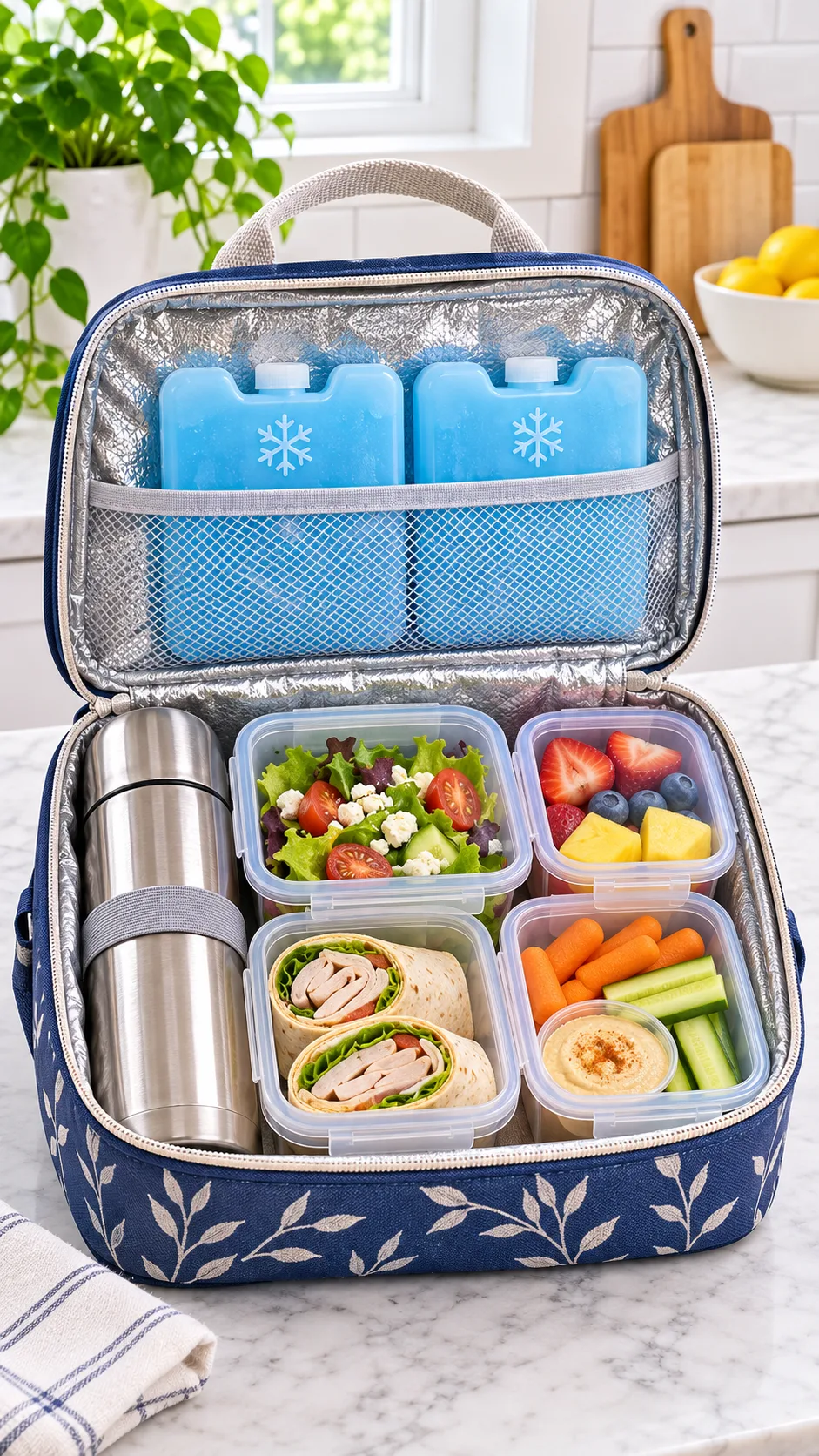
- Keep cold food at 40°F or below. Pack at least two ice packs, or freeze a water bottle or juice box to act as one.
- Keep hot food at 140°F or above. Preheat your thermos with boiling water for a few minutes, then add the hot food.
- Use an insulated lunch bag. Paper bags and cheap tote bags let temperatures climb fast.
- Don’t leave perishables out for more than two hours. In heat above 90°F, the limit drops to one hour.
For more guidance, the USDA Food Safety and Inspection Service publishes free resources on packing safe lunches.
Stop sogginess before it starts
Soggy food ruins more lunches than picky taste buds do. Try these simple fixes:
- Pack dressings and dips separately in tiny leak-proof cups.
- Place a paper towel or a lettuce leaf between wet and dry ingredients.
- Toast bread lightly before you build a sandwich.
- Dry fruit and veggies thoroughly after you wash them.
Do you want a trick that works for older kids too? The same layering logic drives mason jar meal prep salads, where the dressing goes at the bottom and the crunchy stuff stays on top.
Get your kids involved (yes, even the picky ones)
I learned the hard way that a kid who helps choose the lunch eats the lunch. A kid who finds a “healthy mystery wrap” in the box does not.
The American Academy of Pediatrics’ HealthyChildren.org encourages parents to involve kids in food choices and preparation. Kids who participate feel ownership, and they usually try more foods.
Easy ways to give kids a say
- Offer two choices per slot. “Grapes or apples?” feels like control, and you still decide the menu.
- Let them pick the weekly “wild card.” One fun item per lunch keeps them excited.
- Hand them a job on Sunday. Even a five-year-old can sprinkle cheese or stack crackers.
- Pack one familiar food alongside anything new. That safety net lowers the stakes.
Will your kid still reject something? Yes. Kids turn down foods they adored last week, just to keep you humble. Stay calm and serve it again in a few weeks.
Common meal prep mistakes that kill lunch box success
I’ve made every one of these, so learn from my wasted chicken. Watch out for these traps:
- Prepping seven days of the same meal. Boredom hits by Wednesday, so rotate at least three options.
- Overpacking. A huge lunch overwhelms small appetites and guarantees leftovers.
- Ignoring the “novelty drop.” Kids love a new lunch for two weeks. After that, you need fresh ideas, and by November the honeymoon ends.
- Skipping the leftovers check. Look at what comes home each day, because that bag tells you exactly what flopped.
- Forgetting the freezer. Frozen backups rescue you when the fridge items run out or the week goes sideways.
The best habit on this list is to check the lunch box when it comes home. It gives you free, honest feedback from your toughest critic.
Make it fit your family
Every family eats differently, so adjust these ideas freely. Vegetarian household? Swap in beans, hummus, and cheese. Dairy-free? Use dairy-free wraps and seed butter. Our vegetarian meal prep ideas offer plenty of protein-packed options that work for kids too.
If your child has food allergies, read every label and talk to the school nurse about packing rules. Cross-contact matters, and no meal prep shortcut is worth that risk.
Quick FAQ on back-to-school meal prep
How far ahead can I prep school lunches?
Prep fresh items up to 3 to 4 days ahead and freeze the rest. Cooked proteins, pasta, and cut fruit all follow that window.
What if my child won’t eat cold food?
Buy a good insulated thermos. Preheat it with boiling water, then fill it with hot pasta, meatballs, or soup. A quality thermos pays for itself within a month.
How do I keep fruit from browning?
Toss apple and pear slices in a mix of water and a splash of lemon juice. Pat them dry, then pack them. They stay crisp and light all morning.
Final thoughts: aim for an empty lunch box
Great school lunches don’t need fancy containers or Pinterest-worthy bento art. They need variety, safe temperatures, and a little kid input. Prep components, rotate your menu, and use your freezer as a backup plan.
Start small this week. Pick two recipes from the list, prep them on Sunday, and watch what comes home in the lunch box. Your kids will tell you what works, even if they do it by leaving a single sad carrot behind.
So what’s going in the lunch box tomorrow? Pick one idea, take 20 minutes tonight, and give your future self a gift.