

Day three of a soft food diet hits like a brick wall. You stare down into another lukewarm bowl of pasty instant mashed potatoes, and your appetite vanishes. Nobody wants to live on baby food, applesauce, and lukewarm pudding cups.
Wisdom teeth removal, jaw fractures, dysphagia, and major abdominal surgery all turn chewing into a painful chore. Most people quickly fall into the trap of eating beige carbs until their energy crashes and their taste buds revolt. Soft food does not have to feel like a culinary prison sentence.
You deserve bold flavors, savory aromas, and meals that keep you full for hours. This guide offers rich, high-protein soft food meals that redefine recovery cooking. Leave cafeteria-style starch behind and choose dishes that satisfy your palate while helping your body mend.
What Really Counts as a Soft Food? (And Why Most People Get It Wrong)
Doctors divide soft foods into distinct tiers based on your medical condition. If you are recovering from an operation, check our guide on the soft food diet after surgery to confirm your exact plan. Clinical teams usually split textures into pureed, mechanically altered, and soft bite-sized categories.
The Mayo Clinic sets clear criteria for soft diets: foods must require minimal chewing, swallow easily, and contain zero tough skins, seeds, or stringy fibers. Convenience often pushes patients toward sugary shakes, processed puddings, and endless potato flakes. That pattern sends blood sugar swinging and deprives your cells of basic nutrients.
Healing requires steady amounts of protein, zinc, and bioavailable vitamins. Cutting out steak, salads, and nuts removes your easiest sources of fullness. You can build richness through smooth emulsions, purees, and slow-braised meats instead of defaulting to empty carbs. Good flavor also provides genuine comfort while you heal.
Breakfast Ideas That Put Instant Oatmeal to Shame
Standard breakfast advice on a soft diet rarely goes beyond gummy porridge. You can easily do better. Craft breakfasts with real depth that slide down without irritating sensitive gums or a sore throat.
1. Turkish-Style Whipped Ricotta with Warm Spiced Berries
Skip prepackaged yogurt cups and buy whole-milk ricotta. Whip eight ounces of ricotta cheese in a food processor with a drizzle of honey, a pinch of sea salt, and a dash of ground cardamom until it turns smooth and light. In a small saucepan, simmer frozen blueberries and raspberries with a splash of orange juice until the skins burst into a smooth compote. Spoon the warm compote over the cold whipped cheese. This temperature contrast tastes fantastic and supplies over 20 grams of dairy protein.
2. Silken Tofu Scramble with Turmeric and Hass Avocado
Eggs get old quickly when you scramble them into dry curds. Silken tofu provides a delicate custard texture that demands zero chewing. Warm a skillet over medium heat with butter or olive oil, slide in drained silken tofu, and break it apart gently with a spatula. Fold in nutritional yeast, turmeric, garlic powder, and black salt for a rich egg-like flavor. Top the scramble with salted mashed avocado to add healthy monounsaturated fats.
3. Classic Savory Chawanmushi (Japanese Steamed Egg Custard)
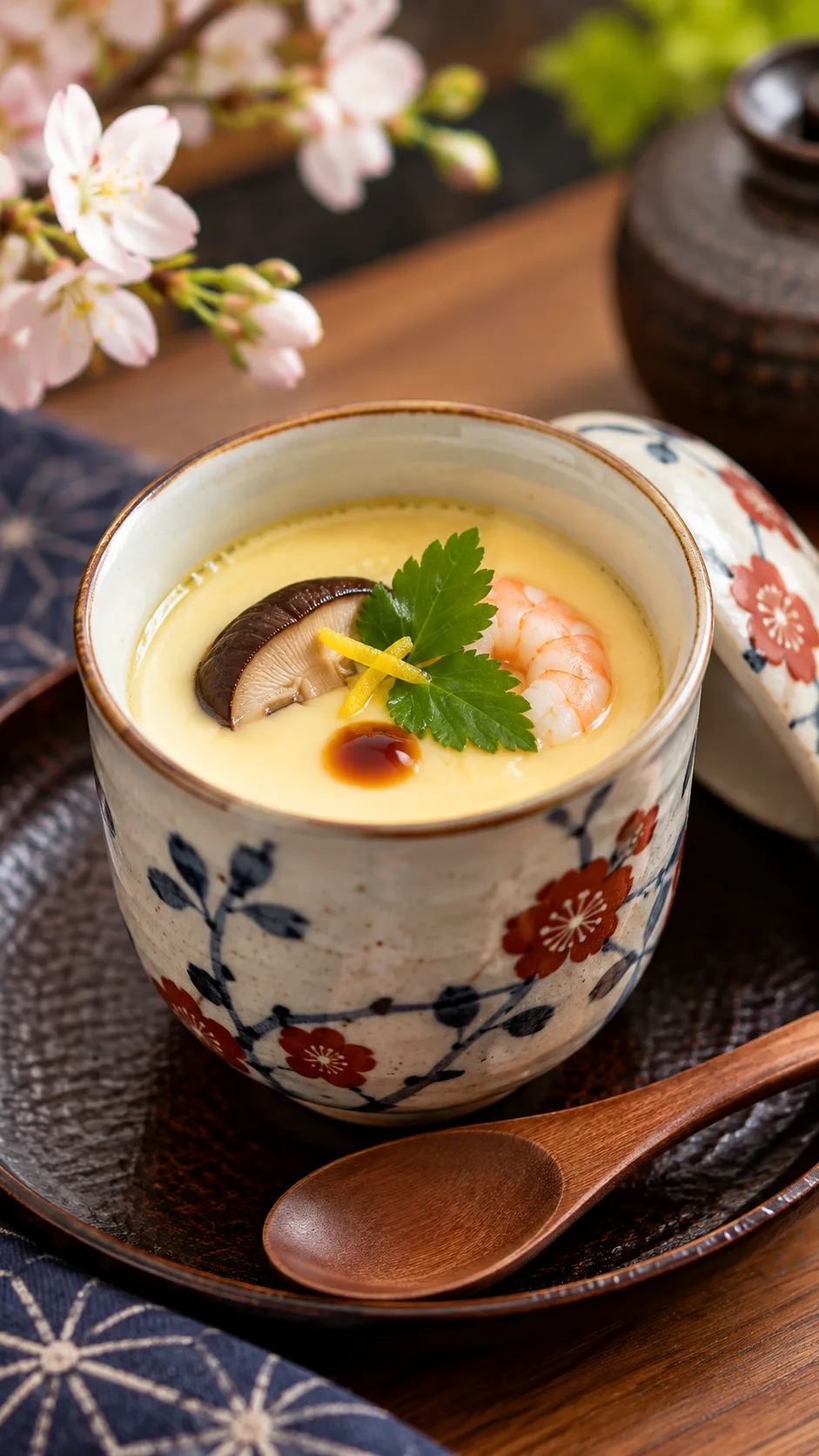
Japanese cuisine treats savory egg custard with deep respect, and chawanmushi shows why. Whisk two fresh eggs into warm dashi broth, strain the liquid through a fine sieve, and steam it gently in a ramekin until it sets. This dish creates a savory, umami pudding that dissolves on your tongue while delivering clean protein.
High-Protein Savory Lunches Packed with Real Flavor
Lunch presents a steep hurdle when you cannot bite into a sandwich or chew through a salad. Turn to culinary traditions that mastered soft textures centuries ago.
- Velvety Turkish Red Lentil Soup (Mercimek Çorbası): Red split lentils break down completely without leaving grit behind. Simmer them with grated onions, carrots, cumin, and bone broth, then blend the pot until smooth. Stir in warm melted butter with mild Aleppo pepper and fresh lemon juice to wake up your palate without irritating sore tissue.
- Flaked Salmon in Lemongrass Coconut Broth: Gently poach fresh salmon in coconut milk with ginger, bruised lemongrass, and mild fish sauce. The fish softens so completely that your tongue can press it apart against the roof of your mouth. This soup supplies ample omega-3 fats, which lower systemic inflammation, according to research from Harvard Health.
- Creamy Golden Dahl with Ghee: Split yellow moong dal breaks down into a rich, comforting porridge within thirty minutes. Toast cumin seeds and turmeric in warm ghee, stir the spiced fat into the lentils, and top the bowl with plain whole-milk kefir for easy digestion.
None of these dishes depend on boring russet potatoes. Each recipe offers deep flavor while accommodating tender mouths. If you had oral surgery recently, review our guide to the soft food diet after surgery to ensure your food temperatures stay safe.
Dinners That Feel Like Real Food
Dinner brings the toughest mental test. When friends or family enjoy pizza, burgers, or crusty bread, a carton of cold cottage cheese feels miserable. You need meals that feel like real dinner entries instead of hospital trays.
The Magic of True Northern Italian Polenta
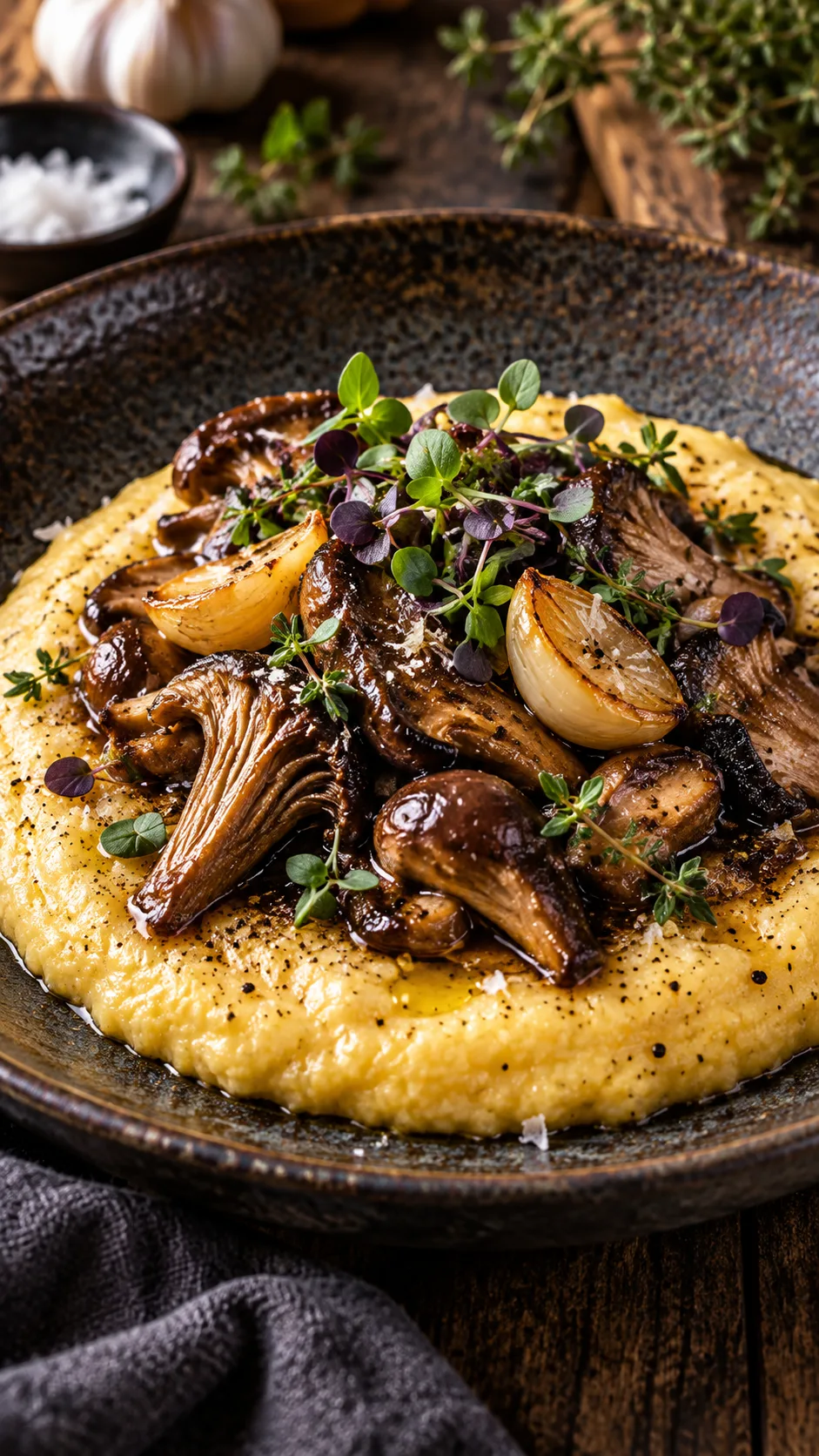
Skip the rubbery polenta logs from the supermarket shelf. Coarse ground cornmeal, whisked slowly into warm broth and finished with heavy cream and fontina cheese, turns completely silky. Polenta carries natural corn sweetness and a rich texture that leaves you thoroughly satisfied.
Pair polenta with rich additions that demand zero chewing effort:
- Melted Taleggio or Fontina: Stir soft, high-fat cheeses directly into the warm cornmeal for rich flavor.
- Slow-Braised Mushroom Puree: Sauté cremini and shiitake mushrooms with thyme, then puree them with garlic butter into a smooth paste to top your bowl.
- Garlic Confit: Simmer whole garlic cloves in olive oil over low heat until a spoon easily mashes them into spreadable paste.
Melt-in-Your-Mouth Braised Meats
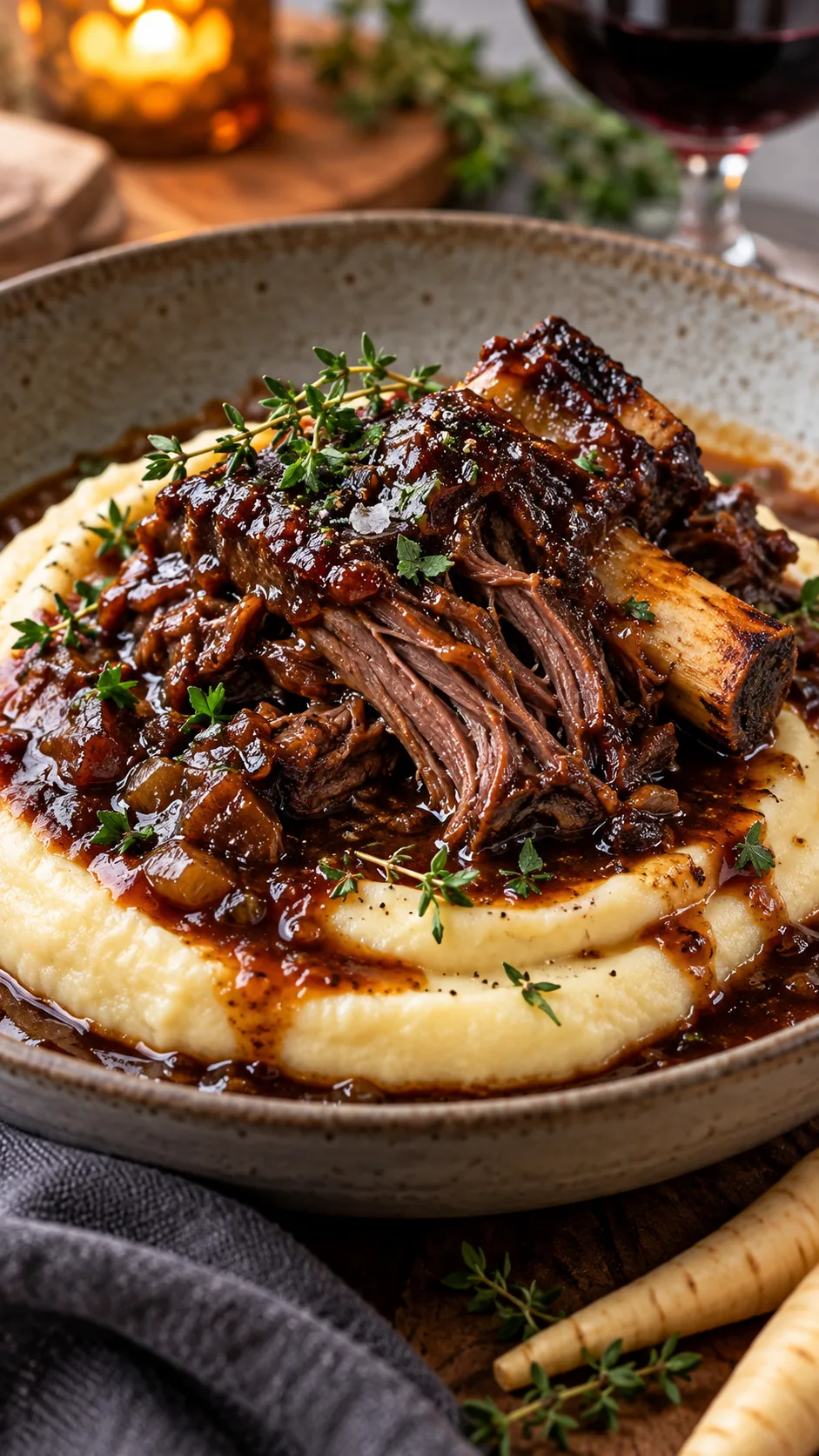
You can enjoy beef and poultry on a soft diet when you cook them with patience. Direct high heat toughens meat, but slow braising softens it completely. Simmer beef short ribs or chicken thighs in seasoned broth on low heat for several hours until the connective tissues break down into gelatin.
Shred the meat, remove any tough gristle, and pulse it briefly in a food processor with warm pan drippings. The meat will dissolve smoothly in your mouth without any hard chewing. Spoon this tender meat over parsnip puree or cauliflower mash for a hearty dinner.
Silky Fish Pies without Crusts
Cod, haddock, and bay scallops turn wonderfully tender under gentle heat. Poach chunks of white fish in a creamy béchamel sauce seasoned with dry mustard, white pepper, and parsley. Pour the mixture into a baking dish, top it with sweet potato puree, and bake until the edges bubble. This dish supplies plenty of protein and minerals without demanding any chewing effort.
Smart Protein Boosters: Stop Starving Your Muscles
The biggest pitfall of a soft diet is missing your daily protein target. The Cleveland Clinic notes that healing tissue requires consistent protein intake. Without chicken breasts or nuts, your daily protein totals drop sharply unless you plan your meals with intent.
Work these simple protein sources into your daily meals:
- Whipped Greek Yogurt & Bone Broth Combos: Whisk unflavored collagen peptides into warm bone broth for ten extra grams of protein per mug. When you crave sweet flavors, stir creamy peanut butter and maple syrup into whole-milk Greek yogurt.
- Pasteurized Liquid Egg Whites: Whisk pasteurized egg whites into warm soup right before you eat. The residual heat cooks the whites into the broth without changing the flavor or forming chunks.
- Hemp Heart Creams: Soak hemp seeds in warm water for fifteen minutes and blend on high speed. This method yields a nutty cream that supplies complete protein to soups and morning bowls.
Treat every liquid and puree as an opportunity for nutrition. Drinking clear broths without added collagen, milk, or pureed beans slows your healing time.
Flavor Weapons: How to Make Purees Taste Incredible
Commercial baby foods and recovery meals taste flat because manufacturers leave out acid, umami, and aromatic fats. You do not have to endure bland food unless your doctor prescribes a strict gastrointestinal rest diet.
Use these reliable flavor tools to improve soft dishes:
Compound Butters and Infused Oils: Fat carries aroma straight to your senses. Drizzle sesame oil, basil oil, or truffle oil over pureed soup right before eating. Melt a spoonful of garlic herb butter into root vegetable purees to turn bland food into something delicious.
Bright, Gentle Acids: Soft foods often feel dull because they lack acidity. A squeeze of lemon juice, a drop of balsamic vinegar, or a pinch of sumac cuts through heavy cream and starch, waking up your palate right away.
Concentrated Umami Pastes: Whisk white miso into butternut squash puree. Stir yeast extract or nutritional yeast into potato leek soup. These savory ingredients provide deep flavor without adding rough particles to your food.
Textures to Avoid at All Costs (The Danger List)
A soft food diet requires care because ordinary ingredients often hide sharp, rough edges. A single errant bite can tear surgical sutures, irritate swollen throat tissue, or cause choking. Watch out for these four hazards:
- Small Seeds and Grains: Berry seeds, chia seeds, and whole grains easily lodge into surgical wounds. Strain pureed fruits through a fine mesh sieve before eating.
- Fibrous, Stringy Veggies: Celery, unpeeled asparagus, and corn skins survive even powerful blenders. Peel your vegetables thoroughly and pass fibrous purees through a food mill.
- Sticky or Gummy Carbs: White sandwich bread, bagels, and firm pasta form sticky clumps that demand heavy jaw effort. Choose loose, moist starches like congee or soft polenta instead.
- Sharp Crisps and Crusts: Skip toasted breadcrumbs, crackers, and croutons, no matter how much you miss crunch. Wait until your doctor clears you for normal chewing. Read our practical roadmap on the soft food diet after surgery for guidance on transitioning safely back to solid meals.
Sample 3-Day Gourmet Soft Food Meal Plan
Here is a complete three-day plan that keeps your meals appetizing, filling, and easy to swallow.
Day 1: The Comfort Classic Rework
Breakfast: Whipped vanilla ricotta topped with strained strawberry coulis and raw honey.
Lunch: Turkish red lentil soup with lemon butter.
Snack: Smooth chocolate avocado mousse made with cocoa powder, ripe avocado, and maple syrup.
Dinner: Tender cod poached in coconut curry broth over loose jasmine rice congee.
Day 2: Umami & Spice
Breakfast: Soft scrambled eggs folded with creamy goat cheese and finely minced chives.
Lunch: Roasted butternut squash soup blended with white miso and toasted sesame oil.
Snack: Plain Greek yogurt mixed with smooth peanut butter and ground cinnamon.
Dinner: Warm parmesan polenta topped with pureed garlic mushrooms and garlic confit.
Day 3: Deep Nourishment
Breakfast: Warm silken tofu scramble with turmeric and mashed avocado.
Lunch: Chicken bone broth with tender rice noodles and savory chawanmushi egg custard.
Snack: Smooth mango lassi made with plain kefir, mango puree, and cardamom.
Dinner: Braised beef short ribs over smooth parsnip puree with warm pan jus.
Final Thoughts: Take Control of Your Plate
A soft diet never requires bland food. While your mouth, throat, or stomach heals, do not settle for cold potato flakes or instant pudding. You can protect your recovery and still enjoy delicious, satisfying meals.
Rely on slow braises, rich dairy, smooth vegetable purees, and gentle spices. Good food makes the recovery period far more manageable. Plug in your blender, stock up on hearty broths, and take control of your meals today.