You started South Beach Diet Phase 1, cleared your pantry, skipped the bread basket, and expected the scale to cheer for you. Then nothing happened. Or worse, you felt hungry, cranky, and weirdly obsessed with a banana.
That frustration usually comes from a few fixable South Beach Diet Phase 1 mistakes, not from a lack of willpower. Phase 1 asks for a big change, so small misunderstandings can throw off your progress fast. The good news? Most of these problems have straightforward fixes.
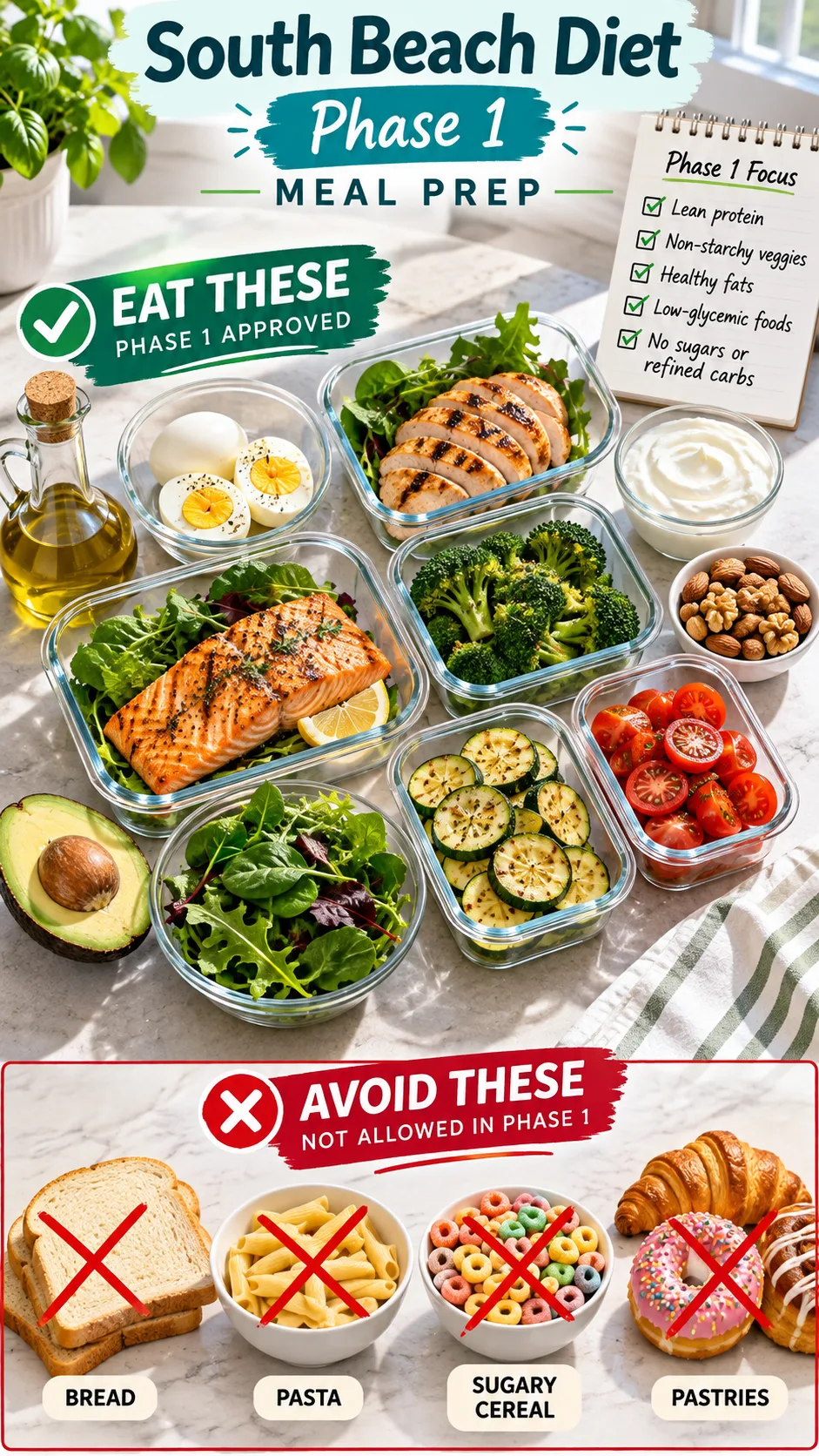
Quick reminder: Phase 1 typically lasts two weeks and focuses on lean protein, non-starchy vegetables, healthy fats, and limited low-fat dairy. You cut added sugar, refined grains, most fruit, alcohol, and starchy foods for a short reset.
First, know what South Beach Diet Phase 1 actually tries to do

South Beach Diet Phase 1 aims to reduce cravings for sugar and refined carbs while helping you build steadier eating habits. It does not ask you to starve yourself, live on chicken breast, or fear every carb for the rest of your life.
The original South Beach approach uses Phase 1 as a short starting point. After that, you gradually bring back higher-fiber carbs such as fruit, whole grains, and certain starchy vegetables. That structure matters because many beginners accidentally treat Phase 1 like a permanent food prison.
For a clear food-by-food breakdown, read South Beach Diet Phase 1: What to Eat, What to Skip, and Why It Works So Fast. A solid plan beats random “healthy” guesses every single time.
1. You eat too little because you think Phase 1 means “no food”
This mistake hits beginners hard. You remove bread, rice, pasta, fruit, snacks, and desserts, then you replace them with one sad salad and a prayer. Of course you feel ravenous by 4 p.m.
Phase 1 works best when you eat enough protein, vegetables, and healthy fat to feel satisfied. Hunger does not prove that the plan works. Hunger usually tells you that your meal needs more substance.
What to do instead
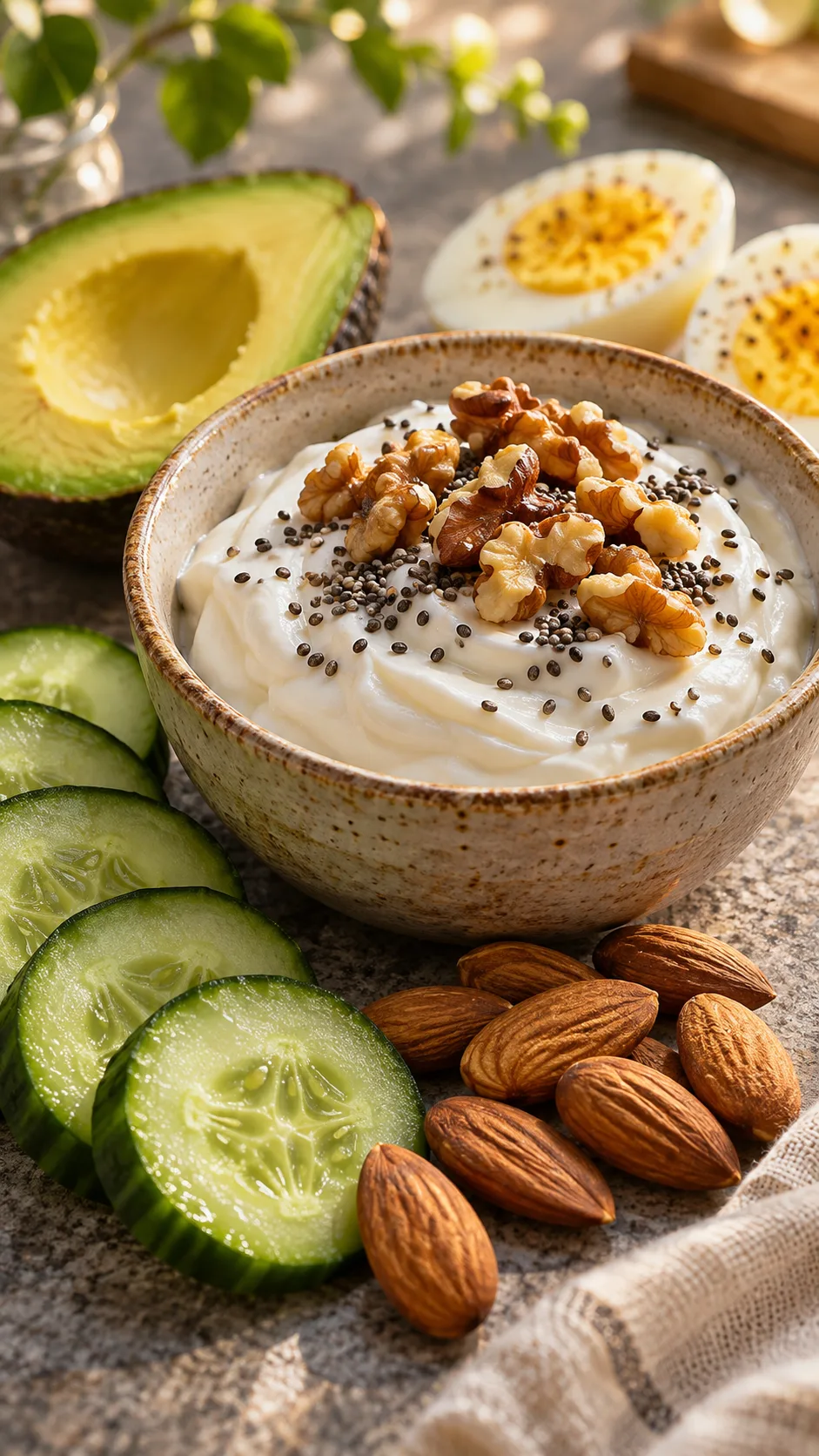
Build each meal around a clear protein source, then add high-fiber vegetables and a measured source of healthy fat. Think eggs with spinach and avocado, chicken salad with olive oil dressing, or salmon with roasted asparagus.
- Protein: eggs, fish, poultry, lean meat, tofu, tempeh, or unsweetened Greek yogurt.
- Non-starchy vegetables: leafy greens, peppers, broccoli, cauliflower, zucchini, mushrooms, cucumber, and green beans.
- Healthy fats: avocado, olives, olive oil, nuts, seeds, and natural nut butter.
Try a simple hunger check after meals: can you comfortably go three to four hours without prowling around the kitchen? If not, add protein or vegetables first. Your body needs actual fuel, not motivational quotes.
2. You let “low-carb” packaged foods run the show
Many low-carb bars, shakes, cookies, and candy products promise an easy South Beach Diet Phase 1 shortcut. Some fit the plan better than others, but many pack sugar alcohols, refined oils, artificial sweeteners, and enough calories to quietly erase your deficit.
Labels can play sneaky games. A product can say “keto,” “protein-packed,” or “no added sugar” while still leaving you hungry and craving more sweet food. Ever eaten a “healthy” cookie and somehow wanted six more? Exactly.
What to do instead
Use packaged foods as backup, not as the foundation of your diet. Choose whole foods most of the time, and check every label for serving size, added sugars, total carbohydrates, protein, and ingredients.
- Choose foods with a short, recognizable ingredient list.
- Look for meaningful protein, not just clever front-label marketing.
- Watch portions on nuts, cheese, dressings, and snack bars.
- Notice whether a product triggers cravings or stomach discomfort.
- Keep one convenient emergency option for busy days, then return to real meals.
The FDA Nutrition Facts guide can help you compare products without guessing. Five minutes with a label can save you five days of wondering why progress stalled.
3. You accidentally eat more sugar and starch than you realize
Phase 1 rules sound straightforward until hidden carbs show up. Marinades, salad dressings, ketchup, flavored yogurt, sauces, coffee drinks, deli meat, and restaurant meals can all bring sugar or starch along for the ride.
You do not need to panic over every gram. You do need to notice patterns. A few “little extras” across the day can turn a low-carb plan into a carb-heavy plan wearing a trench coat.
Common hidden-carb trouble spots
- Sweetened coffee creamers and flavored lattes
- Balsamic glazes, barbecue sauce, teriyaki sauce, and honey mustard
- Flavored Greek yogurt and “light” fruit yogurt
- Pre-seasoned rotisserie chicken or marinated meat
- Croutons, crispy toppings, sweet dressings, and oversized restaurant salads
- “Healthy” smoothies made with fruit juice, dates, or sweetened protein powder
Choose plain yogurt, oil-and-vinegar dressings, mustard, herbs, spices, lemon juice, and no-sugar-added sauces when possible. At restaurants, ask for dressing and sauce on the side. You control more than you think.
The American Diabetes Association offers practical guidance on reading carbohydrate information and making food choices that support steadier blood sugar. Check its carbohydrate education resources if labels make your eyes cross.
4. You skip vegetables and call it low carb
Some beginners interpret “no potatoes” as “no vegetables.” Then they eat bacon, cheese, chicken, and maybe one wilted lettuce leaf all week. That approach may cut carbs, but it also cuts fiber, volume, micronutrients, and bathroom happiness.
Non-starchy vegetables make Phase 1 easier because they add volume without loading your plate with refined carbohydrates. They also bring potassium, vitamin C, folate, and plant compounds that support an overall healthy eating pattern.
Aim for vegetables at lunch and dinner, then add them to breakfast when you can. Eggs with mushrooms count. Turkey lettuce wraps count. A giant chopped salad with grilled chicken absolutely counts.
5. You overdo cheese, nuts, and “healthy” fats
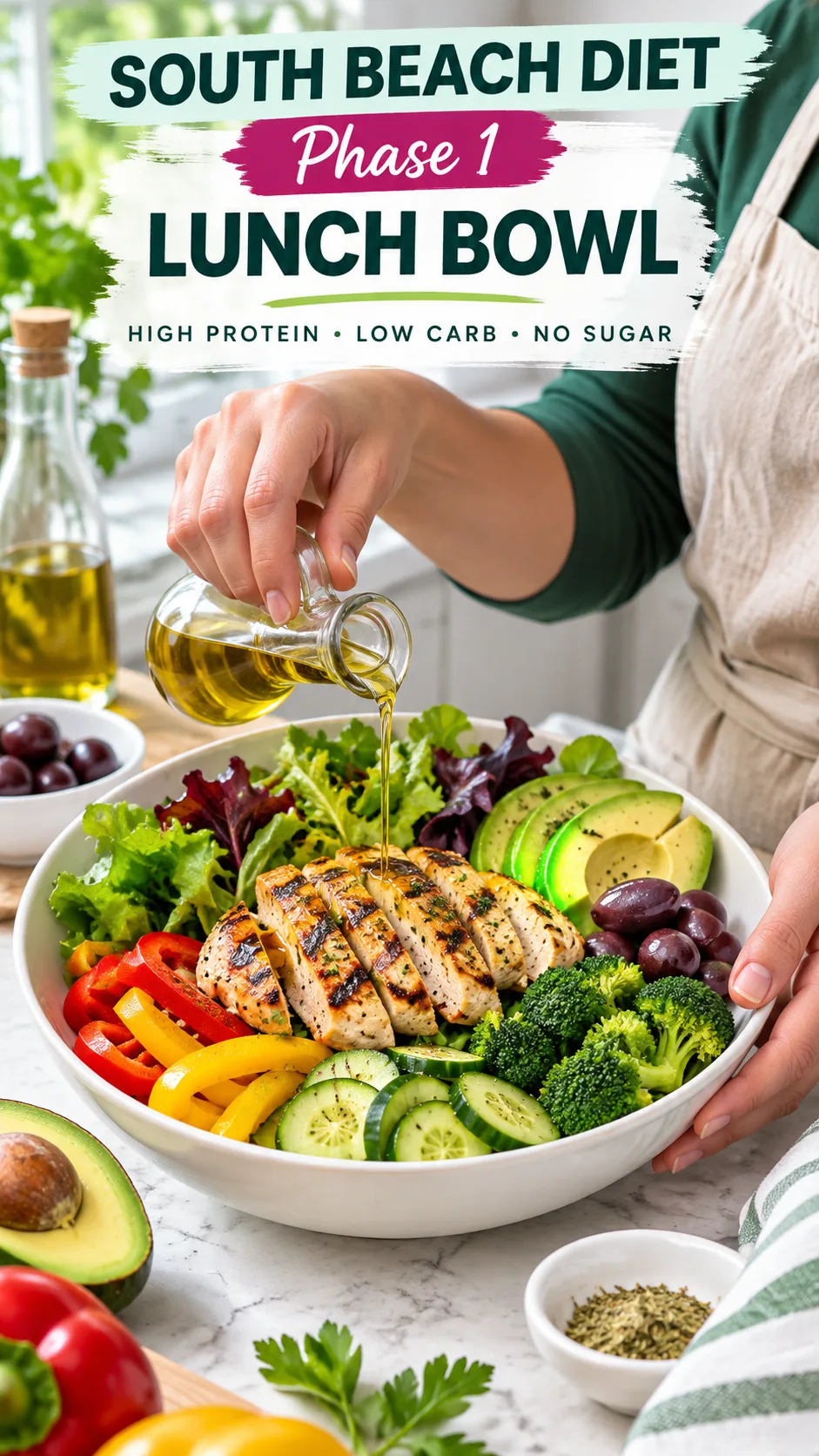
Healthy fats can support fullness and make meals taste better. They can also become calorie dense very quickly. A handful of nuts turns into three handfuls, cheese lands on every meal, and olive oil pours with the confidence of a cooking show host.
Phase 1 does not require fat-free eating. It does require awareness. Weight loss still depends on your overall energy intake, even when your meals contain nutritious foods.
What sensible portions look like
- A small handful of nuts, not an open bag beside the couch
- A few slices of avocado or about one-quarter to one-half of the fruit
- A measured spoonful or two of olive oil for dressing or cooking
- A modest serving of cheese instead of cheese appearing in breakfast, lunch, dinner, and emotional support snacks
Use measuring spoons for a week if portions surprise you. That short experiment teaches a lot without forcing you to track forever. Most people learn more from one honest week than from a month of vague “I eat pretty healthy” thinking.
6. You ignore drinks, especially alcohol and coffee add-ons
Liquid calories can quietly block South Beach Diet Phase 1 results. Sweet tea, soda, juice, energy drinks, sweetened iced coffee, creamy cocktails, and alcohol all make the plan harder.
Phase 1 traditionally excludes alcohol, and that rule serves a purpose. Alcohol can lower your food restraint, disrupt sleep, add calories, and make late-night snacking feel like a genius idea. It rarely ends with celery sticks.
Stick with water, sparkling water, unsweetened tea, and coffee without sugar-heavy extras. If plain water bores you, add lemon, cucumber, or mint. You do not need a neon beverage to stay hydrated.
The CDC explains how water supports healthy weight habits, including the value of choosing water instead of sugar-sweetened drinks. Simple choices add up fast.
7. You treat one off-plan meal like a total failure
You eat a slice of pizza at a birthday party, then decide you “ruined” Phase 1. Next, you order dessert because the day already feels lost. That all-or-nothing mindset causes more damage than the pizza ever did.
One meal does not erase your progress. Your next choice matters far more than your guilt spiral. You can return to your planned meal at the very next opportunity. No dramatic cleanse required.
Use this reset plan
- Drop the guilt and skip the punishment workout.
- Drink water and eat your next planned Phase 1 meal.
- Identify what triggered the detour: hunger, stress, social pressure, poor planning, or plain old convenience.
- Make one practical adjustment for tomorrow.
- Keep going without “starting over” every Monday.
Consistency beats perfection because humans live real lives. Birthday cake exists. Work lunches happen. Your plan needs enough flexibility to survive both.
8. You expect the scale to drop every day
Early weight changes on a lower-carb plan often include shifts in water weight. Your body stores carbohydrate as glycogen, and glycogen holds water. When you change your food intake, the scale can move quickly at first, then slow down.
That slower pace does not automatically signal failure. Sodium, hydration, digestion, menstrual cycles, hard workouts, stress, and sleep can all affect scale weight from day to day. Your scale reports data, not a personality review.
Track more than one marker. Notice your waist measurement, cravings, energy, hunger between meals, clothing fit, and consistency with your plan. These signs often tell a more useful story than a single morning number.
9. You forget sleep, stress, and movement
Food drives the core of your South Beach Diet Phase 1 plan, but your daily habits shape your results too. Poor sleep can increase hunger and make high-calorie foods look wildly more appealing. Stress can push you toward impulsive eating even when you know exactly what to do.
You do not need an extreme workout schedule. Start with a daily walk, basic strength training, or any movement you can repeat. The best routine fits your real schedule, full stop.
The CDC physical activity guidelines recommend regular movement for overall health, including muscle-strengthening activity. Begin where you stand, then build from there.
10. You stay in Phase 1 too long
Some people see early results and decide to stay in Phase 1 indefinitely. Others fear that fruit, beans, or whole grains will instantly undo everything. That fear misses the point of the South Beach Diet’s phased approach.
Phase 1 gives you a short reset. Phase 2 gradually reintroduces nutrient-rich carbohydrates so you can find a sustainable balance. Long-term success depends on habits you can maintain, not on winning an endless contest against apples.
If you struggle with food rules, cravings, or restrictive eating patterns, talk with a registered dietitian or qualified healthcare professional. You deserve advice that fits your health history, medications, activity level, and goals.
If restrictive plans feel familiar, you may also find useful lessons in The Elimination Diet Phase 1 Mistakes That Keep You Stuck (And What to Do Instead). Different plans create different rules, but the same traps often show up: under-eating, poor planning, and perfectionism.
A simple South Beach Diet Phase 1 day that actually feels doable
Need a reality check? Here is how a balanced Phase 1 day can look without turning your kitchen into a laboratory.
- Breakfast: scrambled eggs with spinach, mushrooms, and avocado.
- Lunch: grilled chicken salad with cucumber, tomatoes, peppers, olives, and olive oil vinaigrette.
- Snack if hungry: plain Greek yogurt, a hard-boiled egg, or a small portion of nuts.
- Dinner: baked salmon with roasted broccoli and zucchini sauteed in olive oil.
- Drinks: water, sparkling water, unsweetened tea, or black coffee.
This kind of day gives you protein, fiber, flavor, and enough food to keep cravings from running the show. You can swap foods based on your preferences, budget, and schedule. The plan should serve your life, not become your full-time job.
When to get professional guidance
Talk with your clinician before starting South Beach Diet Phase 1 if you take diabetes medication, manage kidney disease, live with a history of an eating disorder, are pregnant or breastfeeding, or have another condition that affects your nutrition needs. A lower-carb eating change can alter blood sugar needs, especially when medication enters the picture.
A registered dietitian can help you personalize portions, food choices, and your transition beyond Phase 1. Good nutrition advice should make you feel more capable, not more confused or scared of food.
The bottom line: fix the basics before you blame the plan
Most South Beach Diet Phase 1 mistakes come down to a few simple issues: you eat too little, miss hidden carbs, overeat calorie-dense extras, skip vegetables, or expect perfection. Fix those basics, and the plan becomes far easier to follow.
Eat satisfying whole-food meals, read labels, drink mostly calorie-free beverages, move your body, and treat slip-ups like information instead of disasters. You do not need a flawless two weeks. You need two weeks of honest, repeatable choices.
Start with your next meal. Make it balanced, make it satisfying, and let “good enough” beat “perfect” again and again.