

You stripped your plate down to plain turkey, steamed zucchini, and white rice. You passed on dinner with friends, said goodbye to morning lattes, and read every microscopic ingredient panel at the grocery store. Yet on day fourteen, you still battle brain fog, belly bloat, and sheer exhaustion. What gives?
I know this frustration intimately. A few years ago, I spent three miserable weeks surviving on bland poultry and boiled carrots. I thought absolute restriction equaled instant healing, but my body felt worse than when I started. I made nearly every rookie mistake in the book before I finally grasped the real goal of an elimination protocol.
An elimination diet remains the most effective tool to uncover food sensitivities, tame chronic inflammation, and restore digestive harmony. However, Phase 1 (the initial removal stage) trips up almost everyone. When you slip into common traps during this baseline phase, you stall your progress and miss vital clues about your gut health.
You do not need to spin your wheels any longer. Let us break down the biggest Phase 1 mistakes holding you back and lay out the exact steps that will jumpstart your recovery.
What Phase 1 Demands (And Why Most People Botch It)

Phase 1 strips away the most common immunological triggers for three to four weeks. During this window, you temporarily remove gluten, dairy, soy, corn, eggs, refined sugar, peanuts, and industrial seed oils. Many practitioners also pull nightshades, shellfish, and tree nuts depending on your specific protocol.
Why do you follow this step? You remove these foods to calm your immune system and lower systemic inflammation. Think of Phase 1 as hitting the emergency reset button on a frozen computer. Once you quiet the baseline noise, your body gives you clear, unambiguous signals when you reintroduce foods in Phase 2.
People often confuse this functional medical tool with a typical weight loss plan. While protocols like the South Beach Diet Phase 1 focus on restricting carbohydrates to shift fuel sources and drop water weight, a medical elimination protocol targets immune complexes, intestinal permeability, and cytokine production. Mixing up these goals causes immediate friction.
When you view Phase 1 solely through the lens of restriction rather than systematic investigation, errors multiply. Let us look at where things go sideways.
Mistake 1: Swapping Real Food for “Safe” Processed Frankenfoods
Did you celebrate finding a gluten-free, dairy-free, soy-free frozen waffle at the store? Put the waffle down. One of the quickest ways to ruin Phase 1 involves replacing standard junk food with allergen-free processed alternatives.
Food manufacturers love slapping “Free From” labels on ultra-processed products. Walk down the health aisle, and you will find grain-free crackers, dairy-free cheeses, and vegan cookies. Inspect those labels closely. You will spot an arsenal of problematic fillers:
- Industrial gums: Xanthan gum, guar gum, and acacia gum frequently irritate sensitive intestinal walls.
- Isolated starches: Tapioca starch, arrowroot powder, and potato starch spike blood sugar and feed opportunistic bacteria.
- Emulsifiers: Sunflower lecithin and polysorbate compounds disrupt the protective mucous layer in your gut, according to gastroenterology research on intestinal barriers.
- Extracted proteins: Pea protein isolate and lupin flour can trigger cross-reactive inflammatory responses.
These engineered ingredients provoke gut inflammation just as aggressively as the wheat or dairy you pulled out. When your digestive tract already struggles with hyper-permeability, foreign emulsifiers keep your immune defenses on high alert.
What to Do Instead
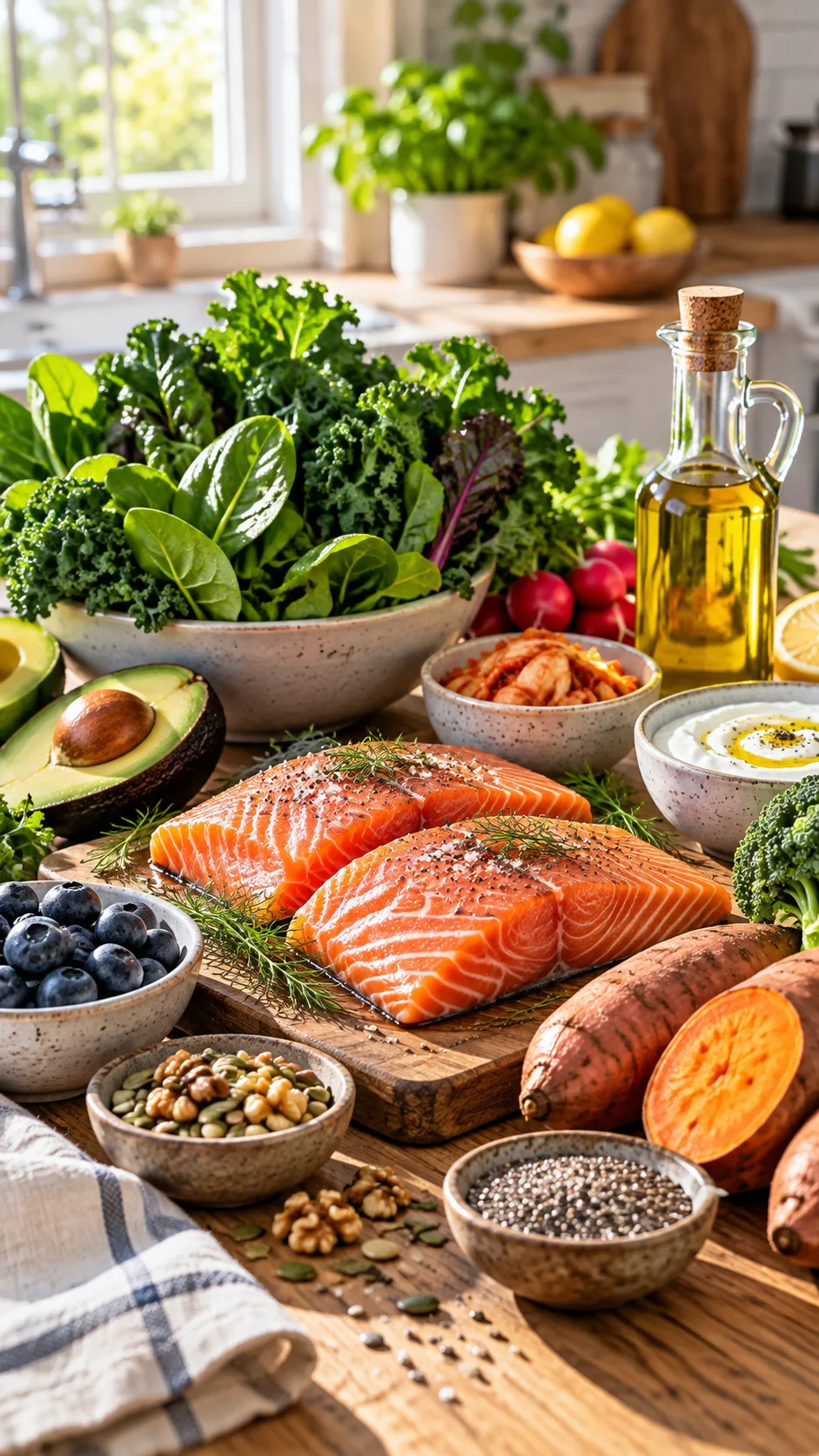
Eat exclusively whole, single-ingredient foods during Phase 1. If an item contains a list of ten ingredients with words your grandmother never uttered, leave it on the grocery shelf. Base your meals on pastured meats, wild-caught fish, organic vegetables, healthy fats, and easy-to-digest roots like parsnips and sweet potatoes.
Mistake 2: Accidentally Starving Your Body of Calories
What happens when you eliminate bread, pasta, cheese, butter, yogurt, snacks, and condiments all on a Monday morning? You drop your daily calorie intake off a cliff without realizing it.
Most individuals slash their baseline intake by 40% simply by cutting processed convenience items. You might cheer at first if the scale drops, but severe caloric restriction wrecks gut motility and digestive enzyme output. When your body senses starvation, it down-regulates thyroid function (specifically the conversion of T4 to active T3).
Low thyroid output slows your migrating motor complex, which is the cleansing wave that sweeps debris through your small intestine. Consequently, undigested food sits in your gut, ferments, and produces painful gas. You blame the vegetables, but chronic under-eating caused the problem in the first place.
Cortisol also surges when you under-fuel. Elevated cortisol breaks down your mucosal barrier and weakens secretor immunoglobulin A (sIgA), which acts as your primary defense against gut pathogens. Under-eating turns Phase 1 into a stress-induced disaster.
What to Do Instead
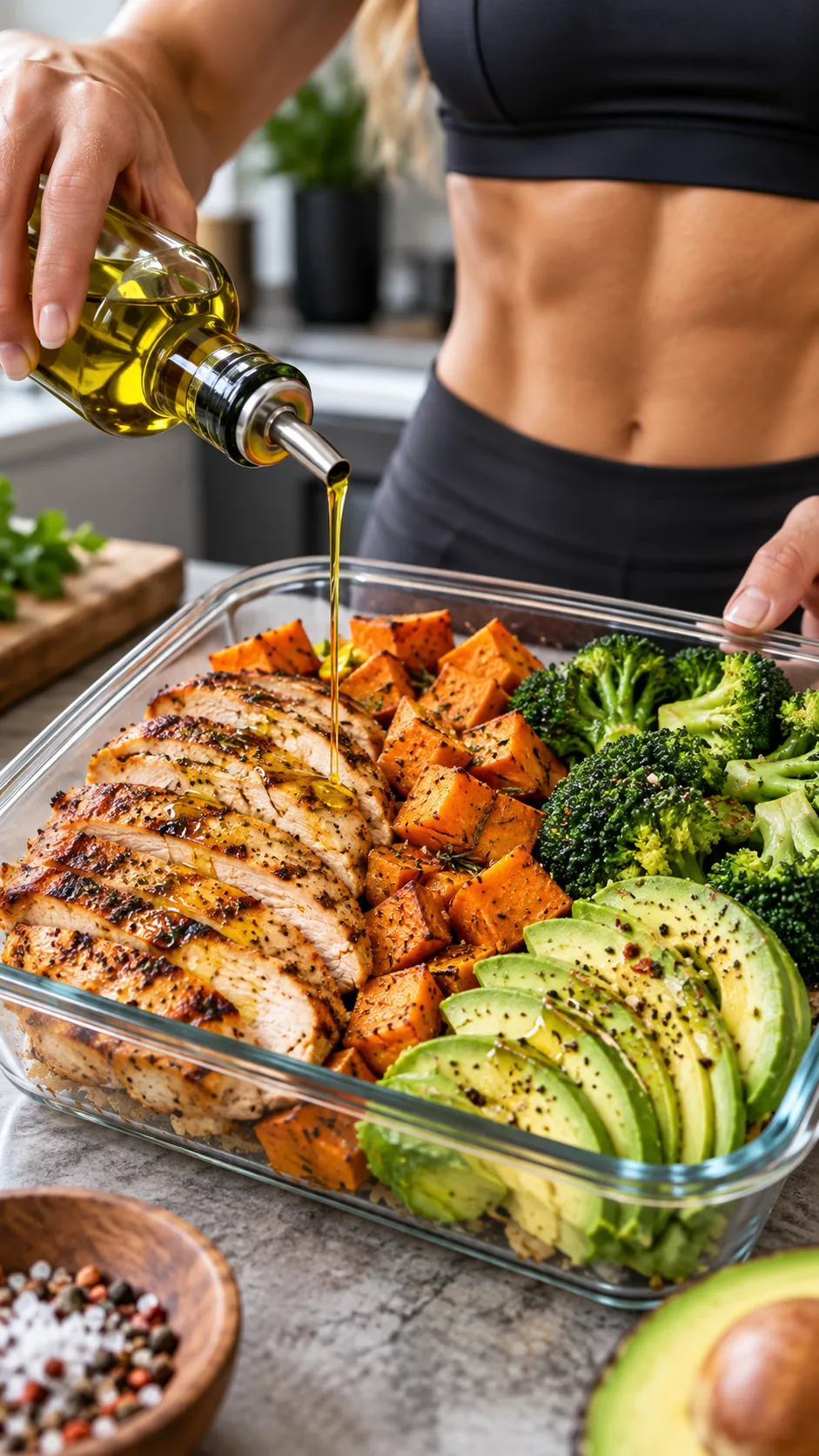
Track your food intake for three days using a simple app just to monitor caloric totals. Do not count calories to restrict yourself; count them to guarantee you eat enough. Ramp up your clean dietary fats to compensate for missing carbohydrate and dairy calories:
- Drizzle extra virgin olive oil generously over every vegetable dish.
- Add a half or full avocado to lunch and dinner.
- Cook with stable fats like virgin coconut oil or duck fat.
- Eat substantial portions of complex, Phase-1-safe starches such as plantains, kabocha squash, and yams.
Mistake 3: Overloading on High-Histamine and High-FODMAP “Superfoods”
Do you drink two cups of bone broth daily, pile homemade sauerkraut onto every plate, and snack on avocado slices constantly? These items earn universal praise in wellness circles, but they might explain why your skin itches and your stomach expands like a balloon by mid-afternoon.
Long-simmered bone broth and fermented vegetables contain massive quantities of histamine. If your gut lacks sufficient diamine oxidase (DAO), the enzyme that degrades histamine in the digestive tract, these foods provoke immediate reactions. You might experience headaches, nasal congestion, flushing, heart palpitations, and stubborn bloating.
Similarly, nutrient-dense foods like cauliflower, Brussels sprouts, garlic, and onions contain fermentable oligosaccharides, disaccharides, monosaccharides, and polyols (FODMAPs). Clinical researchers at Monash University demonstrate that bacteria in your gut rapidly ferment these specific carbohydrates. If you carry an underlying bacterial overgrowth (SIBO), standard Phase 1 foods will inflame your symptoms rather than cure them.
What to Do Instead
Listen to your immediate bodily feedback rather than generic health dogmas. If ferments, broths, or avocados make you feel miserable, drop them immediately. Opt for meat stocks simmered for less than two hours instead of long-cooked bone broths. Swap high-FODMAP produce for gut-soothing alternatives like baby spinach, zucchini, carrots, bok choy, and cucumbers.
Mistake 4: Falling Victim to Cross-Contamination and Secret Ingredients
Can a single drop of soy sauce or a trace dusting of flour really derail your entire elimination phase? Yes. In Phase 1, you evaluate immunological sensitivity, not caloric volume. Tiny micro-exposures trigger an antibody response that can circulate in your bloodstream for weeks.
Most unintentional exposures occur outside your house. Restaurants cook Phase-1-friendly steaks on the same flat-top grill where they toast wheat hamburger buns. Fryers share oil between French fries and breaded mozzarella sticks. Sauces routinely hide modified wheat starch, maltodextrin, and hydrolyzed vegetable protein behind the innocent label of “spices.”
Check out how common culprits hide under deceptive aliases in standard grocery items:
- Dairy: Casein, whey, lactalbumin, ghee (in strictly dairy-free phases), natural butter flavor.
- Soy: Textured vegetable protein (TVP), tocopherols, lecithin, bouillon cubes.
- Gluten: Dextrin, brewer’s yeast, caramel color, smoke flavoring, malt extract.
- Corn: Dextrose, crystalline fructose, zein, sorbitol, citric acid (producers often derive this from corn).
Eating these covert additives resets your immunological clock. You will never know whether your symptoms cleared up if hidden triggers enter your system every three days.
What to Do Instead
Cook all your meals at home for the first twenty-one days. This demands rigorous discipline and weekly batch cooking, but it protects your investment. If you must dine out, order unseasoned, dry-grilled proteins and plain steamed vegetables, and clearly notify your server about severe food allergies to prevent kitchen cross-contamination.
Mistake 5: Dragging Phase 1 Out for Months on End
Here lies one of the most destructive habits: the endless elimination trap. You eliminate foods, you finally start feeling decent, and panic sets in. You become terrified that adding a single food back will ruin your relief, so you camp out in Phase 1 for six months, a year, or longer.
Phase 1 serves as a temporary diagnostic test, not a permanent lifestyle. Prolonged dietary restriction starves your microbiome of beneficial prebiotic fibers. The American Gut Project study proved that individuals consuming more than 30 distinct plant varieties each week maintain significantly more diverse and resilient gut biomes than those eating fewer plants.
When you aggressively restrict foods for excessive periods, microbial species that produce beneficial short-chain fatty acids (like butyrate) wither away. Paradoxically, you become sensitive to more foods over time because your depleted microbiome loses the capacity to tolerate dietary variety.
What to Do Instead
Draw a hard line in the sand. Set a strict deadline of three to four weeks for Phase 1. If your symptoms clear up within twenty-one days, transition directly into structured Phase 2 reintroductions. If symptoms persist unchanged after thirty days of strict compliance, further restriction will not fix you; an underlying infection, parasite, heavy metal toxicity, or enzyme deficiency requires functional lab testing.
Mistake 6: Ignoring Stress, Sleep, and Physical Mechanics
Do you inhale your elimination-safe meal over your laptop keyboard between back-to-back work emails? If so, you render your clean diet completely useless.
Digestion requires parasympathetic activation (the classic “rest and digest” state). When chronic stress drives your sympathetic nervous system, your body shunts blood away from your stomach and intestines toward your skeletal muscles. Stomach acid (HCl) production drops, pancreatic enzymes fail to deploy, and gut motility freezes.
Physical biomechanics matter just as much as mental stress. Slumping in a desk chair for nine hours compresses your abdominal viscera, physically obstructing intestinal movement. Posture and movement govern gut motility every single day.
Think of it this way: just as mastering proper push up form protects your joints and maximizes neuromuscular recruitment during training, executing proper postural and diaphragmatic mechanics during meals ensures optimal gastric emptying and prevents reflux. Everything in your body links together.
What to Do Instead
Create a dedicated meal ritual. Sit down at an actual table, silence your smartphone, and take five slow, deep diaphragmatic breaths before your first bite. Chew every mouthful until it reaches liquid consistency. You give your digestive organs the mechanical fighting chance they require to break down complex nutrients.
Mistake 7: Failing to Track Data Systematically
How do you plan to evaluate your elimination phase? Relying on vague memory guarantees failure. You cannot rely on fuzzy recollections like, “I think my energy felt slightly better last Thursday, but maybe that was the extra coffee.”
Sensitivities do not always present as instant stomach aches. IgG antibodies drive Type III hypersensitivity reactions, taking anywhere from twenty-four to seventy-two hours to manifest. A breakout, migraine, joint ache, or sinus flare on Saturday might trace back directly to something you ate on Wednesday afternoon.
Without meticulous data, you will mistake random environmental symptoms for food reactions, or miss genuine immune triggers entirely.
What to Do Instead
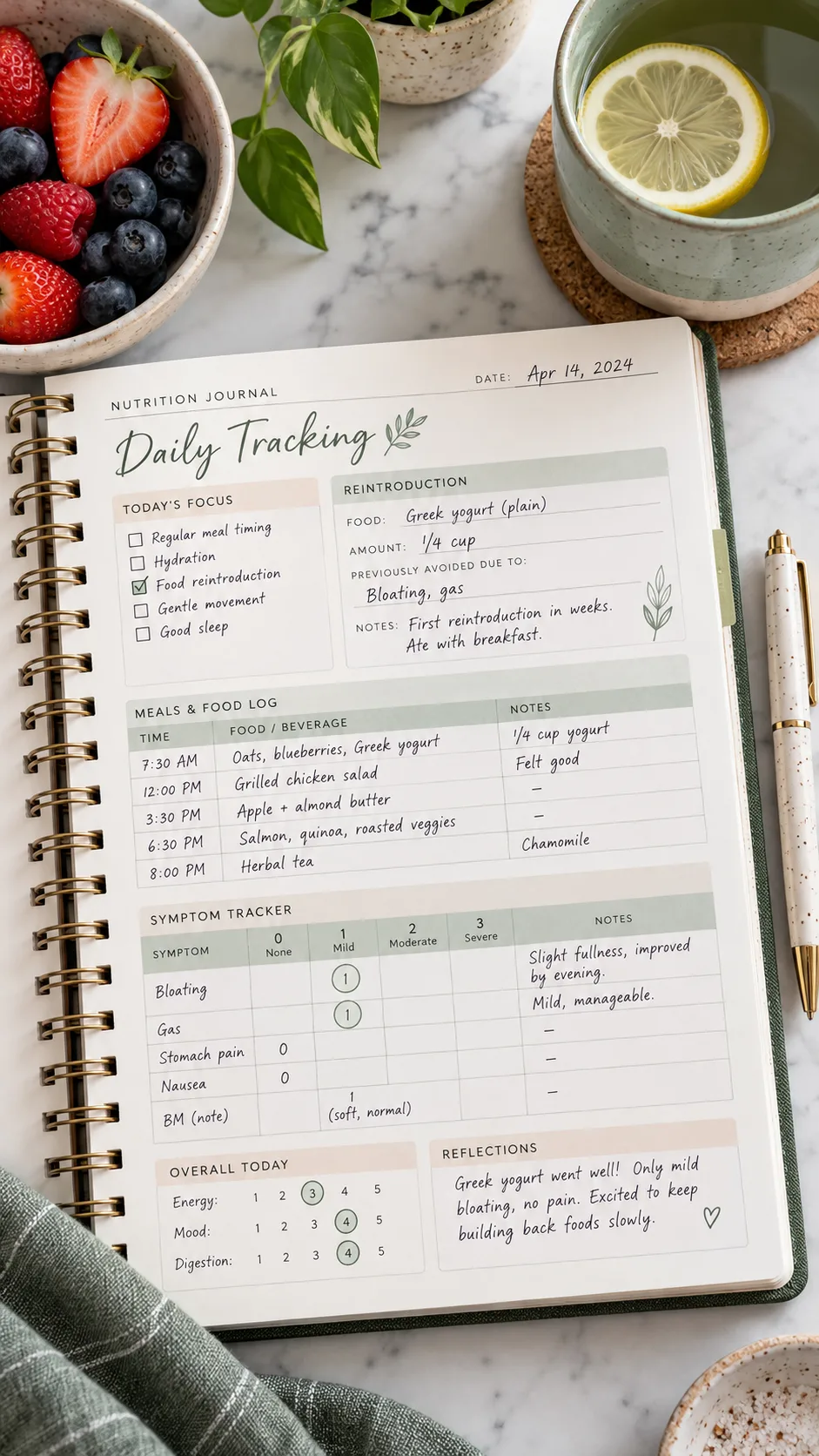
Maintain a simple, structured daily log throughout Phase 1. Create columns for the following metrics:
- Exact meal composition and cooking oils used
- Stool quality (use the Bristol Stool Scale for objective consistency)
- Energy levels rated on a scale of 1 to 10 upon waking, mid-afternoon, and bedtime
- Skin changes, respiratory issues, or unexplained joint soreness
- Sleep duration and resting heart rate
This document becomes your master baseline. When you eventually transition into Phase 2 reintroductions, this hard data will pinpoint your true trigger foods with mathematical precision.
Phase 1 Troubleshooting Cheat Sheet
Keep this quick reference guide handy whenever challenges arise during your elimination baseline:
| Symptom in Phase 1 | Probable Cause | Immediate Corrective Action |
|---|---|---|
| Severe Fatigue | Caloric deficit or salt depletion | Add unrefined sea salt to water; boost sweet potatoes and olive oil. |
| Worsening Gas & Bloat | FODMAP overload or excessive fiber | Cook all veggies thoroughly; temporarily reduce brassica vegetables. |
| Stubborn Constipation | Lack of bulk, dehydration, or slow thyroid | Increase clean water intake, supplement magnesium glycinate, walk daily. |
| Headaches / Palpitations | Histamine reaction to broths/ferments | Stop bone broth, cured meats, and ferments immediately. |
The Ironclad Phase 1 Action Plan
Execute these four clear steps starting right now to reset your Phase 1 protocol and secure real answers:
- Purge your kitchen pantry: Discard or box up all processed allergen-free snacks, sauces containing gums, and ambiguous spice blends. Stock up on single-ingredient staples.
- Calibrate your fuel: Plate balanced meals that provide ample protein, plenty of clean fats, and safe complex carbohydrates at every sitting to protect your metabolic rate.
- Mark your calendar: Set your Phase 1 finish line exactly 21 to 28 days from your restart date. Commit fully to entering Phase 2 reintroductions the moment that calendar notification rings.
- Log everything daily: Document food, bowel movements, energy, and physical symptoms without skipping days.
Phase 1 demands dedication, patience, and attention to detail. However, when you eliminate the sloppy mistakes, skip the ultra-processed substitutes, and nourish your cells properly, you transform this restrictive diet from a miserable chore into an empowering masterclass on your personal biology. Take control of your plate today, follow the blueprint, and reclaim your digestive peace.