Tirzepatide can quiet the relentless “what snack can I find?” chatter, but it cannot create a healthy eating routine for you. You still need food that supports weight loss, protects muscle, settles your stomach, and gives you enough energy to get through the day.
A workable tirzepatide diet plan stays simple: put protein first, add fibre slowly, drink enough fluids, and keep portions in line with your smaller appetite. Skip the detox tea, the bleak lettuce-only lunch, and the idea that a huge greasy takeaway will feel good afterward.
This guide covers what to eat on tirzepatide, what to limit, how to handle common GLP-1 side effects, and how to make meals fit real life.
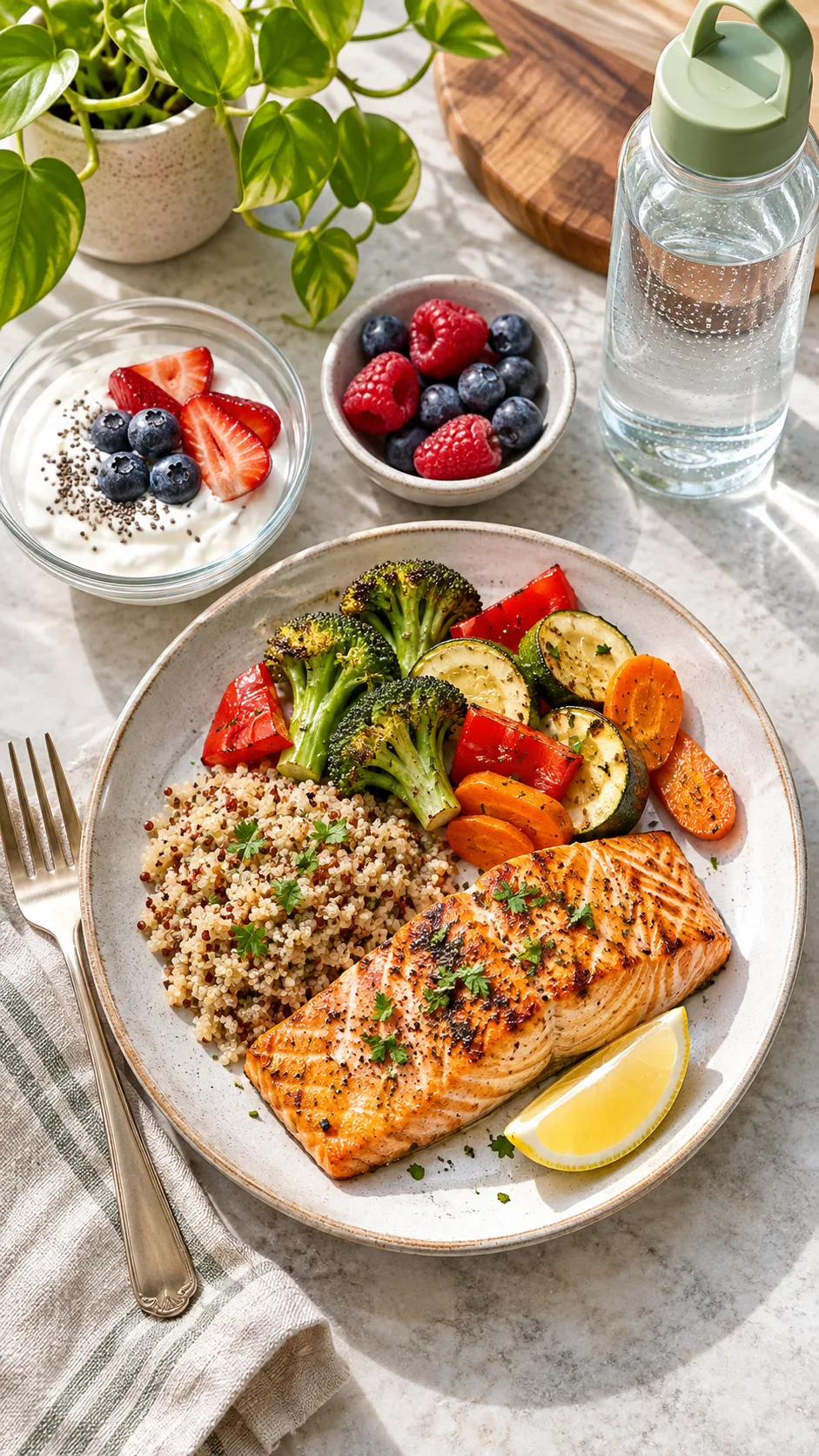
First: what tirzepatide does to your appetite
Tirzepatide acts on the GIP and GLP-1 hormone pathways. These hormones help you feel full sooner, slow digestion, and support healthier blood sugar levels. Doctors prescribe tirzepatide under brand names such as Mounjaro and Zepbound for specific medical reasons.
You may find that food feels less urgent. A meal that once looked ordinary may suddenly look enormous. Nothing has gone wrong if that shift feels odd. The medication changes the signals between your gut and brain.
A lower appetite gives you an opening, but it can cause problems when you eat too little protein, fibre, fluid, or food overall. You may lose muscle, feel weak, become constipated, and worsen side effects. Nobody wants to lose weight and feel like a wilted houseplant.
The FDA provides current prescribing information and safety details for Mounjaro (tirzepatide). Your prescriber should guide your dose, medical monitoring, and treatment changes.
The core rules of a tirzepatide diet plan
You do not need a complicated meal plan with seventeen colour-coded containers. You need repeatable habits that suit a smaller appetite and slower digestion. Start with these basics, then adjust as you go.
1. Build every meal around protein
Start every meal and snack with protein. Tirzepatide can lead to quick weight loss, and your body may lose muscle along with fat when protein falls short. Muscle helps you stay strong, move well, manage metabolism, and maintain weight over time.
Choose a protein source first, then add produce and a high-fibre carbohydrate if your appetite allows. Many people handle several small protein servings more easily than one huge dinner. Forcing down a large chicken breast when your stomach objects does not make for a pleasant meal.
- Eggs or egg whites
- Greek yogurt, cottage cheese, or skyr
- Chicken, turkey, lean beef, or pork tenderloin
- Fish, tuna, prawns, salmon, or sardines
- Tofu, tempeh, edamame, lentils, and beans
- Protein shakes with little added sugar when solid food feels difficult
Your protein needs depend on your body size, activity level, kidney health, age, and calorie intake. Ask a registered dietitian or clinician for a personal target, especially if kidney disease or another condition affects your protein needs.
2. Eat small meals slowly
Tirzepatide slows gastric emptying, so food remains in your stomach longer. Large meals, quick eating, and heavy foods can bring on nausea, reflux, stomach pain, or an uncomfortable level of fullness.
Start with a smaller plate. Take a few bites, pause, and give your body time to catch up. Stop when you feel comfortably satisfied, even when food remains on the plate.
Try three smaller meals, or eat two meals and one or two protein-focused snacks. Your schedule matters less than meeting your nutrition needs without overloading your stomach.
3. Add fibre, but do not go wild on day one
Fibre helps digestion, fullness, cholesterol management, and blood sugar control. A sudden jump from very little fibre to a mountain of bran cereal can also bring bloating, cramps, and constipation.
Build up fibre slowly and drink more water along the way. Vegetables, fruit, oats, chia seeds, beans, lentils, whole grains, and nuts can all help. The National Institute of Diabetes and Digestive and Kidney Diseases recommends sustainable eating patterns instead of dramatic restrictive plans.
4. Drink fluids all day
People who take GLP-1 medications can become dehydrated because both appetite and thirst may feel quieter. Vomiting, diarrhoea, sweating, and constipation can make dehydration worse. Keep a water bottle nearby and sip throughout the day.
Water works well, and herbal tea, sparkling water, broth, and low-sugar electrolyte drinks can help too. Cut back on fizzy drinks if they cause bloating or reflux. You do not need to chug a gallon before breakfast. Regular sips work better.

What to eat on tirzepatide
Good tirzepatide meals pack plenty of nutrition into manageable portions. Aim for nutrient-dense, protein-forward foods that digest easily, rather than eating small amounts of whatever sits nearest.
High-protein foods that often work well
Choose proteins that sound appealing and sit comfortably in your stomach. Some people prefer cold foods such as yogurt or cottage cheese during nausea. Others tolerate warm soup, eggs, or soft cooked fish better.
- Breakfast: Greek yogurt with berries and chia, eggs with spinach, or a protein smoothie with fruit.
- Lunch: Chicken and vegetable soup, tuna with whole-grain crackers and cucumber, or a tofu grain bowl.
- Dinner: Salmon with roasted courgette and potatoes, turkey chilli with beans, or lentil pasta with lean mince.
- Snacks: Cottage cheese, edamame, a boiled egg, roasted chickpeas, a cheese stick, or a protein shake.
Fruit and vegetables
Fruit and vegetables give you vitamins, minerals, water, and fibre without taking up much of your calorie allowance. Cooked vegetables often go down more easily than raw salads when nausea or bloating flares. Start with soft choices such as carrots, green beans, squash, spinach, courgette, mushrooms, bananas, berries, melon, and peeled apples.
Raw cruciferous vegetables, onions, and huge salads can cause extra gas for some people. You do not need to ban them forever. Change the portion or preparation method instead. Your gut gets a say in the matter.
Smart carbohydrates
Carbohydrates do not ruin tirzepatide weight loss. Your body uses carbs for energy, and high-fibre choices can make meals more satisfying. Pick portions that suit your appetite, then pair them with protein and vegetables.
- Oats and overnight oats
- Potatoes or sweet potatoes
- Brown rice, quinoa, bulgur, and whole-grain pasta
- Whole-grain toast or wraps
- Beans, lentils, and chickpeas
- Fruit and dairy foods
If you manage insulin resistance or type 2 diabetes, balanced carbohydrates matter even more. Our insulin resistance diet plan offers practical meal ideas built around protein, fibre, and steadier blood sugar.
Healthy fats in modest portions
Healthy fats add flavour, help you feel full, and help your body absorb nutrients. Large amounts of fat can sit in your stomach longer and worsen nausea on tirzepatide. Use a small amount rather than pouring oil like a celebrity chef.
Add avocado, olive oil, nuts, seeds, nut butter, olives, or oily fish in portions that feel comfortable. A tablespoon of nut butter or olive oil can stretch surprisingly far when your appetite has shrunk.
Foods to avoid or limit on tirzepatide
You do not need a forbidden-food list that makes you think about every biscuit. Some foods do commonly bring on nausea, reflux, diarrhoea, bloating, and painful fullness. Limit them while you learn what you tolerate.
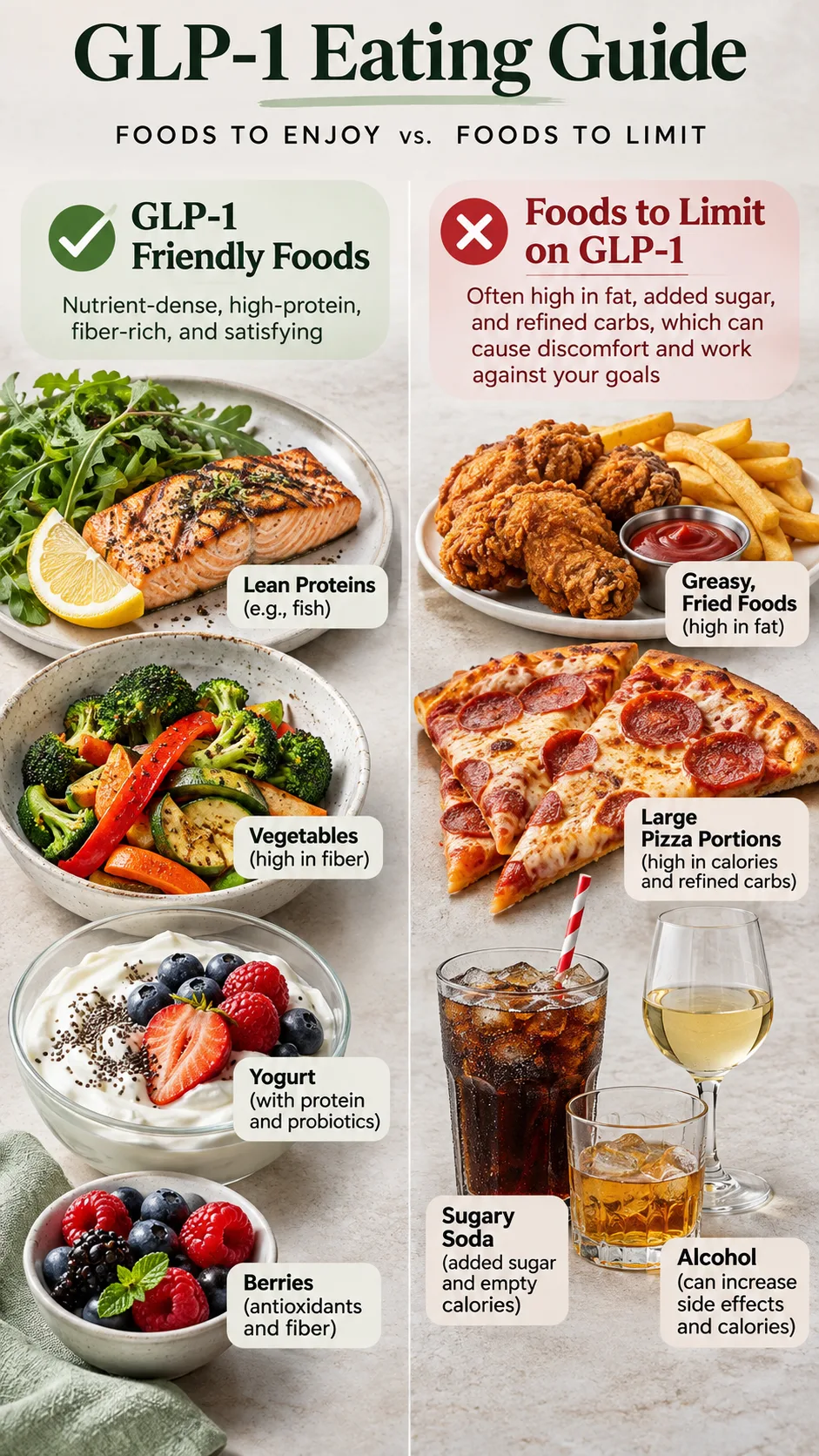
Very fatty, fried, or greasy foods
Fried chicken, chips, creamy sauces, buttery pastries, fatty takeaway meals, and greasy pizza can feel very different on tirzepatide. Slower digestion can turn a former favourite into hours of nausea or reflux. You can still have richer foods now and then, but start with a small portion and notice how your body responds.
Huge meals
A massive meal can overwhelm your stomach even when every ingredient looks healthy. Do not save all your food for one giant evening plate after skipping meals all day. Smaller meals often feel better and make it easier to meet your protein target.
High-sugar drinks and sweets
Sugary drinks add calories with little nutrition, and they can cause blood sugar swings. Limit soda, sweet coffee drinks, energy drinks, sweetened juices, and giant milkshakes. Choose water, unsweetened tea, coffee with modest additions, or low-sugar drinks instead.
Have dessert when you want it, but eat a small serving after a balanced meal instead of using sweets as a meal replacement. A couple of squares of chocolate can fit. An empty stomach in a bakery can lead to chaos. You know your own weak spots.
Alcohol
Alcohol can irritate your stomach, worsen nausea, add calories, reduce your food intake, and raise your risk of dehydration. It can also affect blood sugar, especially when you take insulin or sulfonylurea medications. Ask your prescriber whether alcohol fits safely into your medication plan.
Foods that trigger your personal symptoms
Your trigger foods may differ from everyone else’s. Make a quick note on your phone when a meal causes nausea, reflux, diarrhoea, constipation, or stomach pain. Look for patterns before cutting out entire food groups.
Common triggers include spicy food, tomato sauces, carbonated drinks, large salads, sugar alcohols, onions, garlic, and heavily processed snack foods. Your body gives useful feedback, even when it delivers that feedback without much subtlety.
A simple 7-day tirzepatide meal plan
This sample plan gives you flexible ideas rather than rigid rules. Adjust portions for your hunger, food preferences, medical needs, and cultural eating style. Add snacks when you need them, especially when eating enough protein feels difficult.
- Day 1: Greek yogurt, berries, and chia for breakfast; chicken vegetable soup for lunch; salmon, potatoes, and green beans for dinner.
- Day 2: Eggs on whole-grain toast for breakfast; tuna and avocado wrap for lunch; turkey chilli with beans for dinner.
- Day 3: Protein smoothie with banana and spinach for breakfast; cottage cheese, crackers, and tomatoes for lunch; tofu stir-fry with rice for dinner.
- Day 4: Overnight oats with protein yogurt for breakfast; lentil soup and a side salad for lunch; grilled chicken, roasted carrots, and quinoa for dinner.
- Day 5: Scrambled eggs with mushrooms for breakfast; salmon salad with olive oil dressing for lunch; lean beef mince pasta with cooked vegetables for dinner.
- Day 6: Cottage cheese with fruit and walnuts for breakfast; chickpea and chicken bowl for lunch; baked cod, sweet potato, and spinach for dinner.
- Day 7: Skyr with oats and berries for breakfast; leftover turkey chilli for lunch; vegetable omelette with whole-grain toast for dinner.
For snacks, rotate boiled eggs, edamame, Greek yogurt, fruit with peanut butter, a small protein shake, cheese with crackers, or roasted chickpeas. Keep quick protein foods where you can see them in the kitchen, because hunger rarely sends a calendar invite.
How to manage nausea, constipation, and other GLP-1 side effects
Many people have digestive side effects when they begin tirzepatide or increase their dose. Food choices and meal timing can often ease mild symptoms. Contact your clinician promptly when symptoms feel severe, persistent, or concerning.
If nausea hits
- Eat smaller portions more often.
- Choose bland, lower-fat foods such as toast, crackers, rice, bananas, soup, yogurt, or baked chicken.
- Eat slowly and stop before you feel full.
- Drink fluids between meals instead of washing down a large meal.
- Try ginger tea or ginger chews if your clinician says they suit you.
- Avoid greasy foods, alcohol, strong smells, and lying down straight after eating.
If constipation shows up
Constipation often improves when you drink more fluid, move your body, and build fibre gradually. Try kiwi, prunes, oats, berries, beans, vegetables, chia, or ground flaxseed. A daily walk can get a sluggish gut moving.
Talk with your clinician or pharmacist before you use a laxative regularly. Do not ignore severe abdominal pain, ongoing vomiting, an inability to pass stool or gas, or signs of dehydration. Those symptoms need medical care, not a heroic amount of coffee.
If you get diarrhoea or reflux
Choose simpler, lower-fat meals and skip spicy or greasy foods for a few days. Eat slowly, avoid large meals, and stay upright after eating. Keep drinking fluids and electrolytes if diarrhoea continues beyond a brief spell.
The NHS guide to tirzepatide explains common side effects and when to seek help. Tell your prescribing team about symptoms that make eating, drinking, or daily life difficult.
How to protect muscle while you lose weight
Weight loss involves more than watching a number drop. You want to lose fat while keeping as much muscle and strength as you can. Protein and resistance training give you the strongest tools for that job.
Aim for two or more strength sessions each week if your health and mobility allow it. Use dumbbells, resistance bands, machines, bodyweight exercises, or everyday movements such as sit-to-stands. Start where you are, not where a fitness influencer says you should begin.
Spread protein through the day instead of cramming it into dinner. Add a protein source at breakfast, lunch, dinner, and snacks when you need it. When food volume feels impossible, a prepared protein shake can fill the gap.
People who previously had bariatric surgery or struggle with very low food intake may need more individual support. Our bariatric diet plan guide covers the small-meal, protein-first approach that many people find useful.

When to call your doctor
Diet changes can ease common mild side effects, but they cannot replace medical care. Contact your prescriber if you cannot keep liquids down, vomit repeatedly, have severe or ongoing stomach pain, feel faint, show signs of dehydration, or notice symptoms that concern you.
Tell your clinician about every medicine and supplement you take. Tirzepatide can change how your body handles some medications, and it can raise your risk of low blood sugar when you use insulin or certain diabetes drugs. People with a history of pancreatitis, gallbladder problems, severe gastrointestinal disease, or certain thyroid cancer risks need personal medical advice.
Do not chase faster weight loss by skipping meals, doubling medication, or cutting calories to extremes. Steady progress protects your health, your muscle, and your sanity. Barely eating does not count as a nutrition strategy.
The bottom line: make tirzepatide fit your life
A tirzepatide diet plan that works can look pleasantly ordinary: eat protein first, choose high-fibre whole foods, drink enough water, keep portions modest, and pay attention to your body. Limit greasy meals, huge portions, alcohol, and sugary drinks when they cause symptoms.
Give yourself time to learn your new appetite. Track what helps, plan a few easy meals, and ask for professional support when food feels difficult. Tirzepatide can turn down hunger, but your daily choices build the routine that lasts.
Start with your next meal, not a perfect Monday. Put protein on the plate, add something colourful, pour a glass of water, and count that as a win.