

You want to eat more plants, not take on a second job as the household lentil manager. A sensible vegan meal plan can keep breakfast, lunch, dinner, and snacks straightforward all week.
This plan skips fiddly recipes, pricey mystery powders, and the limp desk salad that somehow costs $14. Cook a few flexible basics, combine them into filling meals, and let your fridge pull its weight.
Whether you want a fully plant-based week, a dependable vegan weight-loss meal plan, or more easy vegan meals in your usual routine, this guide gives you a practical starting point. Monday to Friday food decisions do not need this much drama.
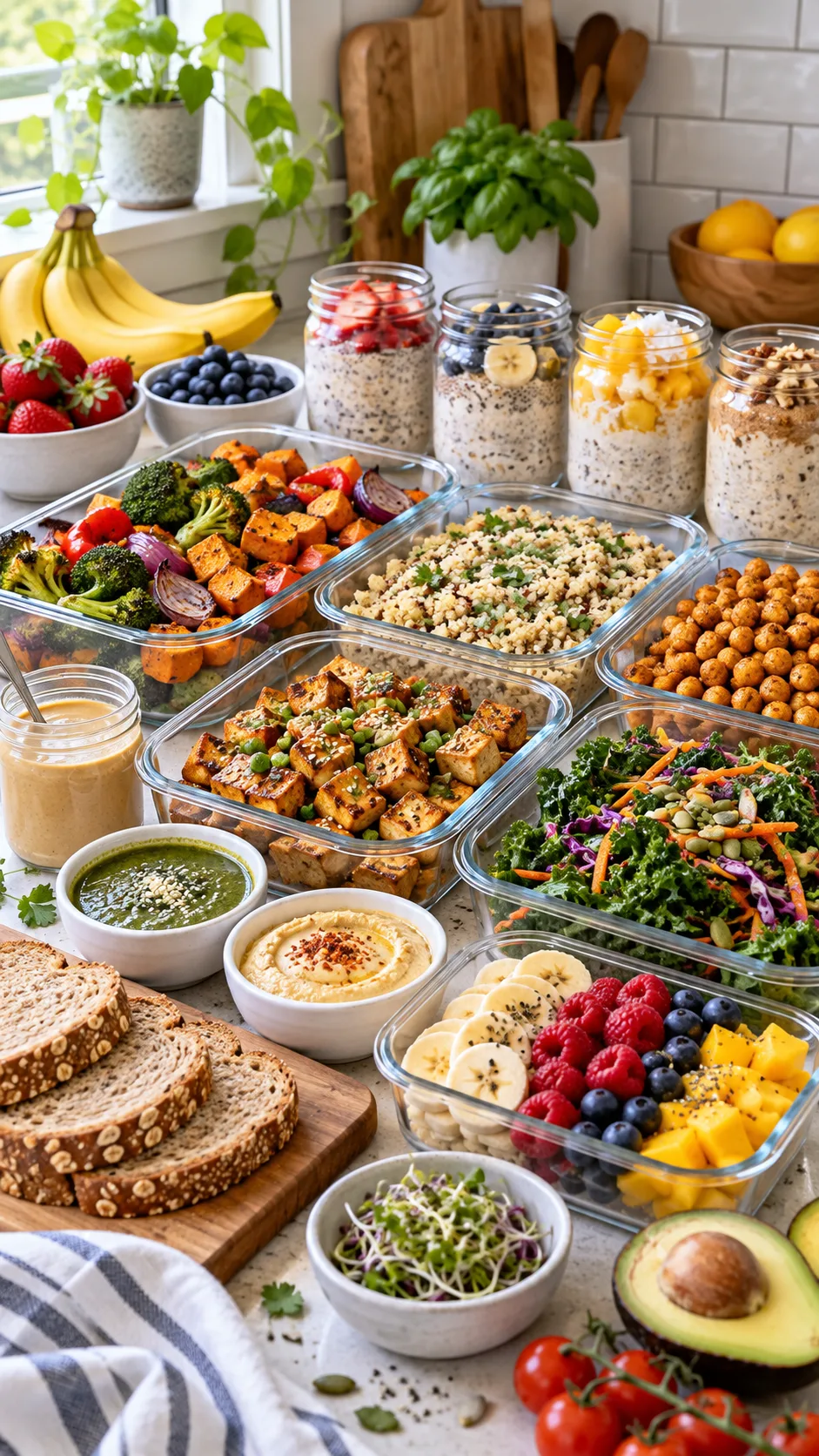
Why this vegan meal plan feels easy
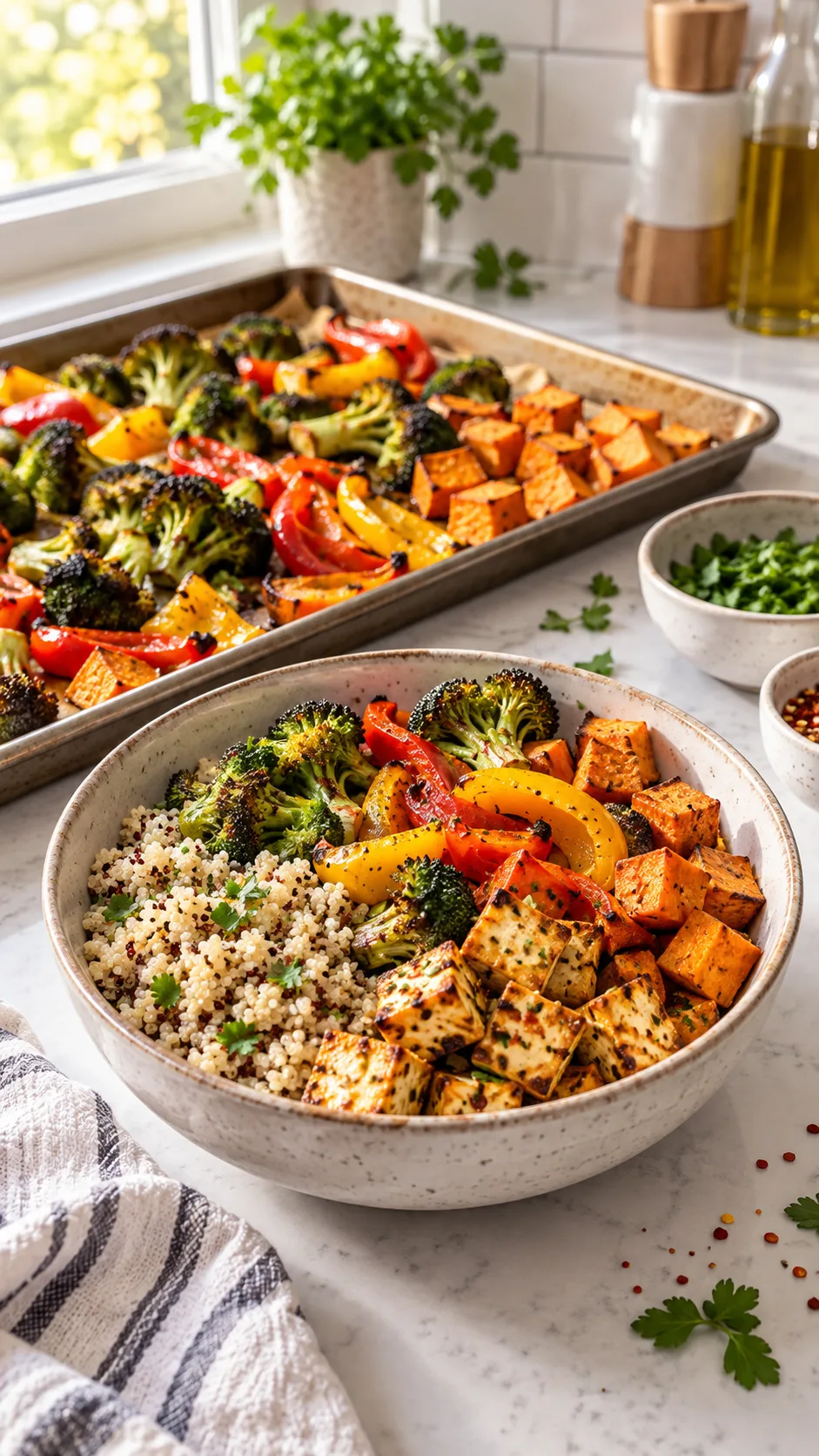
Most people abandon meal plans because those plans demand too much. They expect you to cook a new dish every night, measure every spinach leaf, and hunt down a teaspoon of spice that no nearby supermarket stocks. Hard pass.
This easy vegan meal plan uses repeat ingredients in different ways. Roast vegetables once, cook grains once, make one punchy sauce, and use those basics in several meals.
That approach saves money, cuts food waste, and makes plant-based eating easier to stick with. Have you ever opened the fridge on Wednesday and wondered why you bought those abandoned mushrooms? This plan helps you avoid that familiar scene.
The effortless formula
Each meal follows a simple structure: plant protein + high-fibre carb + vegetables or fruit + healthy fat + flavour. This combination helps you stay full and gives you a wide mix of nutrients without making lunch feel like a maths exam.
- Plant protein: tofu, tempeh, beans, lentils, edamame, soy yoghurt, peanut butter, or fortified plant milk.
- High-fibre carbs: oats, brown rice, quinoa, potatoes, whole-grain pasta, wraps, or whole-grain bread.
- Colour and crunch: leafy greens, peppers, tomatoes, broccoli, carrots, berries, apples, and cabbage.
- Healthy fats: avocado, tahini, olive oil, nuts, seeds, or natural nut butter.
- Flavour builders: lemon, garlic, salsa, soy sauce, chilli flakes, nutritional yeast, herbs, and spices.
The British Nutrition Foundation’s guidance on vegan diets also recommends variety and planning for particular nutrients. You do not need to worry over every nutrient. You need a decent cupboard and a few habits that work for you.
Your simple vegan meal prep game plan
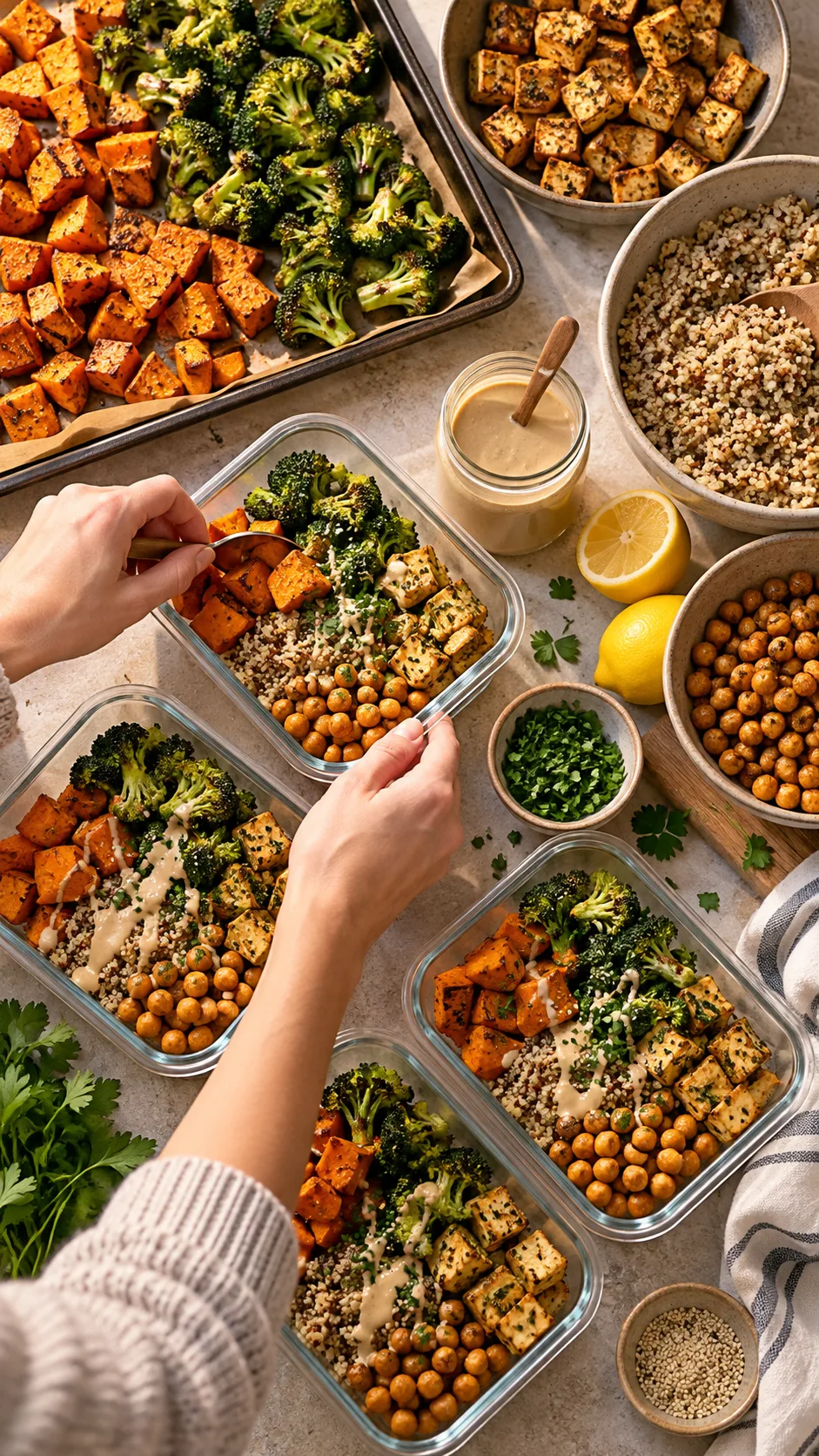
Set aside 60 to 90 minutes on Sunday, or split the work between two evenings if Sunday already feels full. You do not need to prepare every bite for seven days. Prepare the building blocks, then put meals together quickly.
I find that far more useful than stacking seven identical containers of beige rice and broccoli in the fridge. Your taste buds deserve better.
Prep these five building blocks
- Cook one grain: Make 3 to 4 cups of cooked brown rice, quinoa, couscous, or farro.
- Roast two trays of vegetables: Use broccoli, peppers, courgette, onions, carrots, cauliflower, or sweet potato. Toss them with olive oil, salt, pepper, and smoked paprika.
- Make or buy a protein: Bake tofu, simmer lentils, or rinse and season canned chickpeas and black beans.
- Wash quick vegetables: Slice cucumber, shred cabbage, rinse salad leaves, and halve cherry tomatoes.
- Blend one sauce: Whisk tahini, lemon juice, garlic, water, salt, and maple syrup for a creamy dressing you can use on almost anything.
Store cooked food in sealed containers and keep sauces separate until you eat. The FoodSafety.gov cold storage chart gives practical advice on leftovers. Follow safe storage times, then use your eyes, nose, and common sense too.
Want to do even less? Take a few shortcuts from our lazy girl meal plan for healthy eating. Frozen vegetables, bagged salad, microwave grains, and canned beans all count as real food.
The 7-Day Vegan Meal Plan
This plant-based meal plan puts filling portions, fibre, protein, and food you will want to make again at the centre of the week. Adjust serving sizes for your hunger, activity, goals, and medical needs.
If you manage a health condition, take medication, or follow a very low-calorie target, talk with a registered dietitian or clinician about your needs. Your body deserves better advice than a random comment section can offer.
Day 1: Start with familiar favourites
Breakfast: Make overnight oats with rolled oats, fortified soy milk, chia seeds, berries, and peanut butter. Soy milk and peanut butter bring protein, while oats and chia help breakfast stay with you.
Lunch: Build a hummus veggie wrap with hummus, roasted peppers, shredded cabbage, cucumber, spinach, and avocado. Add fruit on the side if your afternoons usually bring a wave of snack cravings.
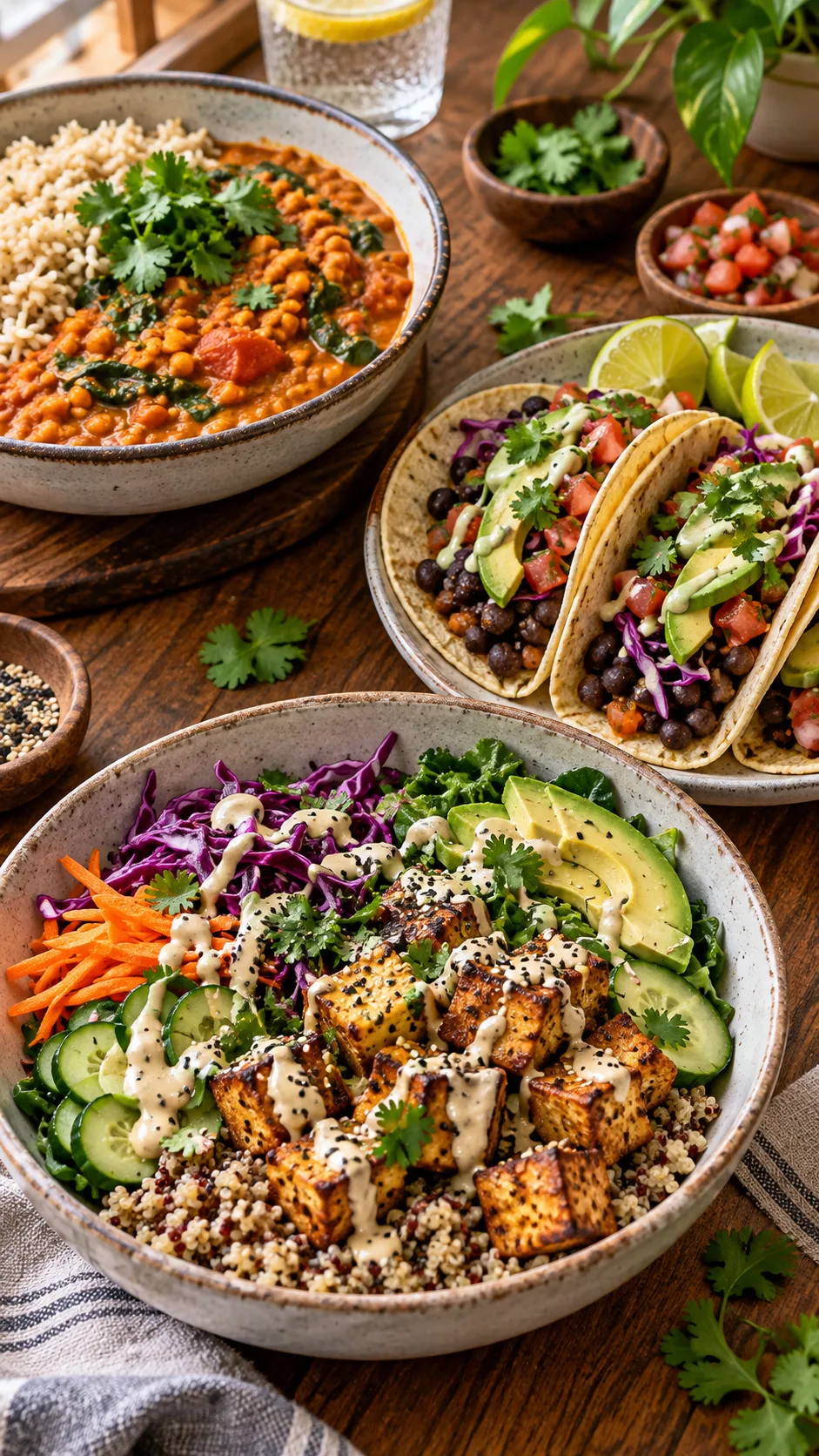
Dinner: Serve baked tofu grain bowls with quinoa, roasted broccoli, carrots, edamame, and lemon-tahini sauce. Add chilli sauce if you like a little heat at dinner.
Snack: Eat an apple with peanut butter or a handful of roasted edamame.
Day 2: Use the leftovers like a pro
Breakfast: Toast whole-grain bread and top it with mashed avocado, sliced tomatoes, hemp seeds, and chilli flakes. Pair it with an orange or kiwi for something fresh and juicy.
Lunch: Turn yesterday’s grain bowl ingredients into a big salad with greens, chickpeas, quinoa, roasted vegetables, and tahini dressing. Lunch takes five minutes because you did the work yesterday.
Dinner: Cook a quick red lentil curry with onion, garlic, curry powder, canned tomatoes, coconut milk, red lentils, and spinach. Spoon it over brown rice or eat it with whole-grain naan.
Snack: Choose fortified soy yoghurt with berries and pumpkin seeds.
Day 3: Lean on pantry staples
Breakfast: Blend a smoothie with fortified soy milk, banana, frozen berries, spinach, oats, and peanut butter. Add ground flaxseed for texture and a little omega-3 fat.
Lunch: Fill a baked sweet potato with black beans, corn, salsa, avocado, and a dollop of unsweetened plant yoghurt. A potato can hold far more interest than another sad sandwich.
Dinner: Make whole-grain spaghetti with lentil tomato sauce, mushrooms, courgette, garlic, and Italian herbs. Finish with nutritional yeast or a vegan parmesan alternative.
Snack: Eat carrots and peppers with hummus.
Day 4: Keep lunch interesting
Breakfast: Make tofu scramble with crumbled firm tofu, turmeric, black pepper, spinach, mushrooms, and nutritional yeast. Serve it with toast and berries.
Lunch: Spoon leftover lentil pasta sauce over greens or grains for a warm, filling bowl. Add pesto or fresh basil if you have either in the fridge.
Dinner: Cook a tofu or tempeh stir-fry with frozen mixed vegetables, broccoli, rice, garlic, ginger, and low-sodium soy sauce. Scatter sesame seeds over the top for crunch.
Snack: Try air-popped popcorn with nutritional yeast and smoked paprika.
Day 5: Finish the workweek strong
Breakfast: Make overnight oats again, then change the toppings with grated apple, cinnamon, walnuts, and raisins. Repeating breakfast feels less dull when you change the flavour.
Lunch: Mix chickpea “tuna” salad with mashed chickpeas, celery, red onion, capers, lemon juice, mustard, and vegan mayo or tahini. Spoon it into a sandwich, wrap, or lettuce cups.
Dinner: Make black bean tacos with warm corn tortillas, black beans, cabbage slaw, salsa, avocado, and lime. Add roasted sweet potato cubes if you want a heartier plate.
Snack: Have a banana and a small handful of almonds.
Day 6: Let breakfast feel like a weekend treat
Breakfast: Cook banana-oat pancakes with mashed banana, oats, flour, baking powder, fortified plant milk, and cinnamon. Top them with berries and a spoonful of soy yoghurt.
Lunch: Toss together a Mediterranean quinoa bowl with chickpeas, cucumber, tomatoes, olives, parsley, roasted vegetables, and lemon-tahini dressing.
Dinner: Bake loaded potatoes with chilli-style beans, corn, salsa, avocado, and chopped spring onions. You get a comforting dinner without needing restaurant-level cooking skills.
Snack: Enjoy dark chocolate with strawberries or pear slices.
Day 7: Reset without overthinking it
Breakfast: Blend another smoothie, or use up the remaining oats, fruit, and plant milk in a warm porridge bowl. Add seeds or nut butter so breakfast keeps you full until lunch.
Lunch: Make a fridge-clear-out soup with onions, garlic, canned tomatoes, lentils or beans, leftover vegetables, stock, and herbs. Serve it with crusty whole-grain bread.
Dinner: Build a big vegan nourish bowl with leftover grains, vegetables, beans, sauce, and salad leaves. It may look a little chaotic, but it will taste good and save food.
Snack: Choose whatever remains from your planned snacks, then write down what you want to prepare next week.
How to get enough protein on a vegan meal plan
People ask vegan eaters about protein with the urgency of a detective in a crime drama. Protein matters, but plants give you plenty of solid options.
Include a protein-rich food at every meal and with most snacks. That habit makes meals more filling and spreads your protein intake through the day.
- ½ block firm tofu: roughly 18 to 22 grams of protein, depending on the brand.
- 1 cup cooked lentils: roughly 18 grams of protein.
- 1 cup cooked chickpeas: roughly 14 to 15 grams of protein.
- 1 cup shelled edamame: roughly 17 grams of protein.
- 1 cup fortified soy milk: often 6 to 8 grams of protein.
- 2 tablespoons peanut butter: roughly 7 to 8 grams of protein.
Brands and portions differ, so check labels if you track protein targets. Our high-protein 1600 calorie meal plan can help if you want more structure around calories and filling meals.
For guidance based on nutrition research, the Academy of Nutrition and Dietetics says people can meet nutritional needs at every life stage with vegetarian and vegan eating patterns when they plan their diets well. Planning matters.
Vegan nutrition basics you should not skip
A balanced vegan diet includes more than salads and smoothie bowls. Plants provide fibre, folate, potassium, and many other nutrients, but you need to give a few nutrients extra attention.
Vitamin B12 comes first
Vitamin B12 needs deliberate attention on a vegan diet. Plants do not reliably supply enough active B12, so take a dependable B12 supplement or eat fortified foods and discuss your needs with a qualified healthcare professional.
The National Institutes of Health B12 fact sheet explains that B12 helps your body form red blood cells and supports nervous system function. Do not gamble on this because a social media wellness account claims sea moss fixes everything.
Other nutrients worth planning
- Iron: Eat lentils, beans, tofu, pumpkin seeds, fortified cereals, and leafy greens. Pair them with vitamin C-rich foods such as citrus, berries, peppers, or tomatoes.
- Calcium: Choose fortified plant milk, fortified yoghurt, calcium-set tofu, tahini, kale, and bok choy.
- Vitamin D: Check fortified foods and ask your clinician about supplements, especially during months with little sunlight.
- Iodine: Use iodised salt in sensible amounts or discuss supplements with a professional. Do not treat seaweed like an unlimited snack bar.
- Omega-3 fats: Add ground flaxseed, chia seeds, hemp seeds, walnuts, and consider algae-based DHA/EPA if it suits your needs.
Your one-week vegan grocery list
This grocery list supports the meal plan without filling your kitchen with ingredients that expire while judging you from the back of the fridge. Adjust quantities for your household and appetite.
Produce
- Bananas, berries, apples, oranges or kiwis, and lemons
- Spinach or kale, mixed salad leaves, cabbage, and fresh herbs
- Broccoli, carrots, peppers, mushrooms, courgettes, onions, and garlic
- Sweet potatoes, white potatoes, tomatoes, cucumber, and avocado
Protein and dairy alternatives
- Firm tofu or tempeh
- Canned chickpeas, black beans, and lentils
- Red lentils and frozen edamame
- Fortified soy milk and soy yoghurt
- Hummus, peanut butter, tahini, nuts, seeds, and nutritional yeast
Grains, tins, and flavour
- Rolled oats, brown rice, quinoa, whole-grain bread, wraps, pasta, and tortillas
- Canned chopped tomatoes, corn, salsa, coconut milk, and vegetable stock
- Olive oil, soy sauce, mustard, vinegar, maple syrup, and hot sauce
- Curry powder, smoked paprika, turmeric, cumin, black pepper, cinnamon, and chilli flakes
How to make this plan work for weight loss, muscle gain, or busy weeks
You can adapt this vegan weekly meal plan without abandoning the whole structure. Keep the protein, vegetables, and flavour, then adjust portions for your own goal.
For vegan weight loss
Fill half your plate with non-starchy vegetables, include a clear protein source, and eat satisfying portions of grains and fats. Pay attention to hunger before you cut portions too hard, because relentless hunger often sends people searching the kitchen around 9 p.m.
Use calorie-dense foods such as nuts, oils, avocado, tahini, and coconut milk with intention, not fear. They fit into a healthy diet, but portions matter when fat loss drives your goal.
For muscle gain or a bigger appetite
Add extra tofu, beans, lentils, edamame, soy yoghurt, or a protein shake. Eat more rice, oats, potatoes, wraps, and fruit around training sessions to support your energy intake.
Eat a snack with protein and carbohydrates after workouts, such as soy yoghurt with granola, toast with peanut butter and banana, or a smoothie with soy milk. Straightforward food can do the job very well.
For your busiest weeks
Buy pre-cut vegetables, microwave rice, canned beans, jarred sauces, and frozen fruit. Convenience foods can help you follow your vegan meal plan. Consistency beats elaborate cooking every time.
Keep one emergency meal on hand: beans, microwave grains, frozen vegetables, salsa, and avocado. You can make dinner from that collection in about ten minutes, which beats ordering another costly meal you barely wanted.
Final thoughts: Keep plant-based eating flexible
This vegan meal plan works because it gives you a framework instead of a food prison. Prepare a few basics, reuse ingredients with some thought, include protein at every meal, and plan for B12 and other nutrients.
You do not need perfect recipes or a picture-perfect fridge to eat well. Start with one week, notice which meals leave you energised and satisfied, and keep those meals in rotation.
Make the next meal easy, and the rest of the week can follow. Your future self will thank you, probably while eating a black bean taco over the kitchen sink 🙂