

You wrapped twelve burritos on Sunday. By Wednesday at 9:45 a.m., your stomach growls loud enough to interrupt a meeting. Sound familiar?
Here’s the thing nobody tells you: most homemade breakfast burritos fail the fullness test. They taste great for ninety seconds and then abandon you. The fix isn’t more food. It’s smarter construction.
I’ve made roughly 400 freezer breakfast burritos over the last three years (yes, I counted, my freezer is basically a burrito bunker). I’ve also made every mistake possible: soggy tortillas, rubbery eggs, foil welded to cheese. Let me save you the trouble.
Why your breakfast burritos stop working by 10 a.m.
Blame the ratio. Most burrito recipes lean hard on eggs, cheese, and a giant white-flour tortilla. That combination delivers calories, sure, but it skips the two nutrients that control hunger: protein and fiber.
Protein moves the needle the most. Research summarized by the Harvard T.H. Chan School of Public Health shows protein increases satiety hormones and blunts the hunger hormone ghrelin more than carbs or fat do. Two eggs give you about 12 grams. That’s a snack, not a breakfast.
Fiber does the other half of the job. It slows digestion and flattens the blood sugar spike that sends you hunting for a muffin. The average American eats around 15 grams of fiber a day when the recommendation sits closer to 25 to 38 grams, according to the Dietary Guidelines for Americans.
The numbers that matter
Aim for these targets per burrito and everything changes:
- 25 to 35g protein: the sweet spot for morning satiety
- 7 to 10g fiber: beans and a whole-grain tortilla carry this easily
- 400 to 550 calories: enough to count as a real meal
- 10 to 18g fat: fat slows gastric emptying, so don’t fear it
Hit those and you’ll cruise past 10 a.m. without thinking about food. Miss them and you’ll be the person eyeing the office donut box at 9:50.
The protein stack: building a burrito with staying power
I use what I call the double-protein rule: eggs alone never carry a burrito. Eggs plus one substantial protein source, every single time.
Best protein combos (ranked by how well they freeze)
- Eggs, black beans, cheese. Cheapest, vegetarian, freezes beautifully. About 28g protein.
- Eggs, shredded chicken thigh, pepper jack. My personal favorite. Thighs stay juicy after reheating; breast turns to sawdust.
- Eggs, spicy ground turkey, black beans. Lean, high volume, around 35g protein. Steal ideas from these ground turkey meal prep recipes.
- Eggs, chorizo, potato. Flavor king, but watch the fat and add beans for fiber.
- Eggs with cottage cheese blended into the scramble. Sounds weird, tastes creamy, adds 8g protein per burrito.
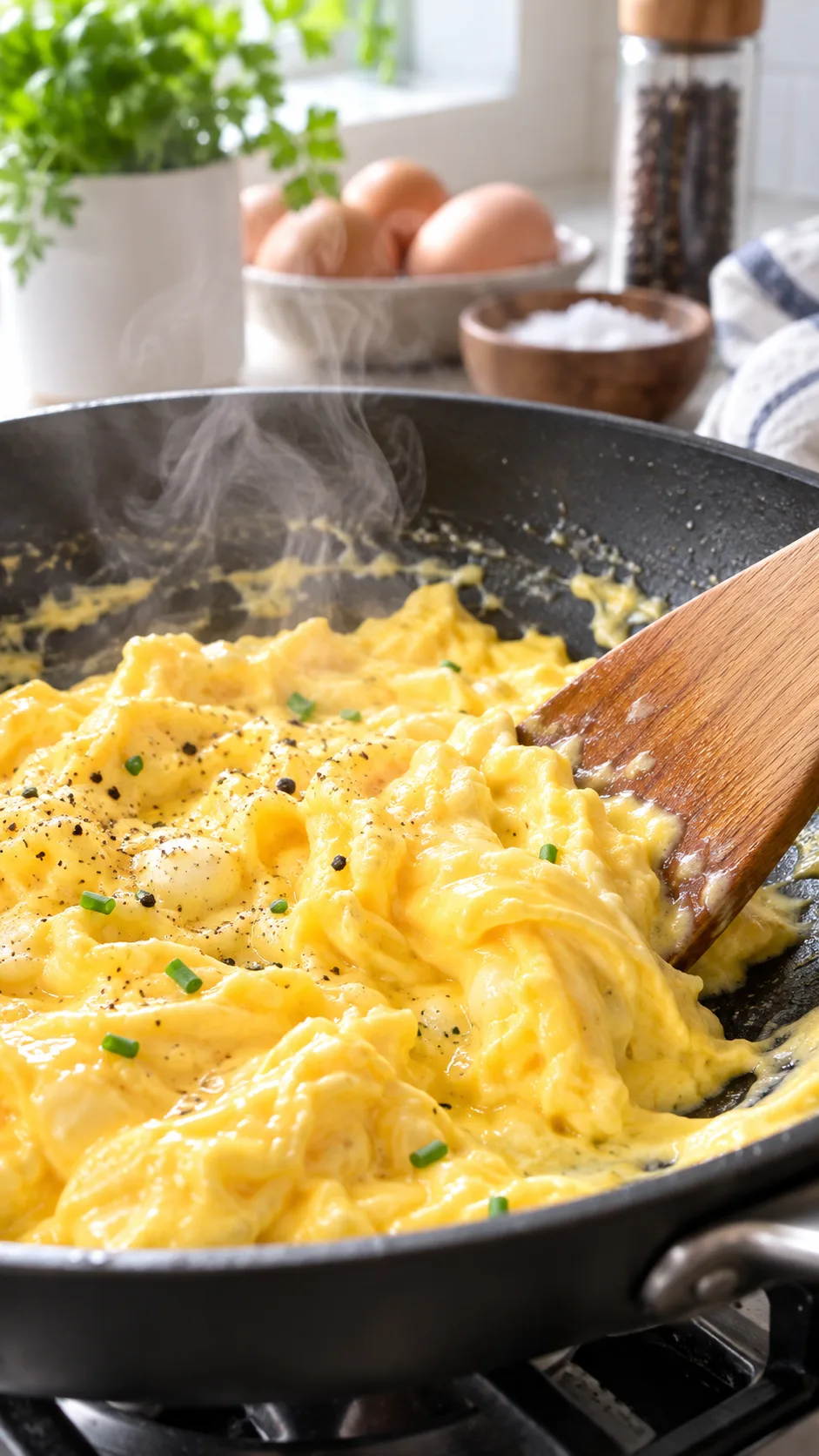
That last one deserves a note. I blend half a cup of full-fat cottage cheese into every 8 eggs before scrambling. You cannot taste it. The eggs turn custardy instead of rubbery, and the protein jumps. Ever wondered why restaurant scrambled eggs feel silkier than yours? Dairy and low heat. That’s the whole secret.
Plant-based? You’re covered
Swap eggs for a firm tofu scramble seasoned with turmeric, nutritional yeast, and black salt (kala namak, which genuinely tastes eggy, and I was skeptical too). Add black beans and a sprinkle of pepitas. You’ll land around 24g protein without any animal products.
The soggy tortilla problem, and how I finally beat it
My first batch of freezer burritos turned into what I can only describe as savory wet socks. Every filling leaked moisture, the tortilla absorbed it, and reheating produced a gummy tragedy.
Moisture is the enemy. Fat is your shield. That’s the whole philosophy.
Six rules for a tortilla that survives the freezer
- Cool everything completely. Warm fillings steam inside the wrap and soak it from the inside out. I spread fillings on a sheet pan for 20 minutes.
- Undercook your eggs by about 15%. They finish cooking during reheating. Fully cooked eggs reheat into rubber.
- Drain and pat everything. Squeeze the water out of rinsed beans and cooked veggies. Salsa goes ON TOP after reheating, never inside.
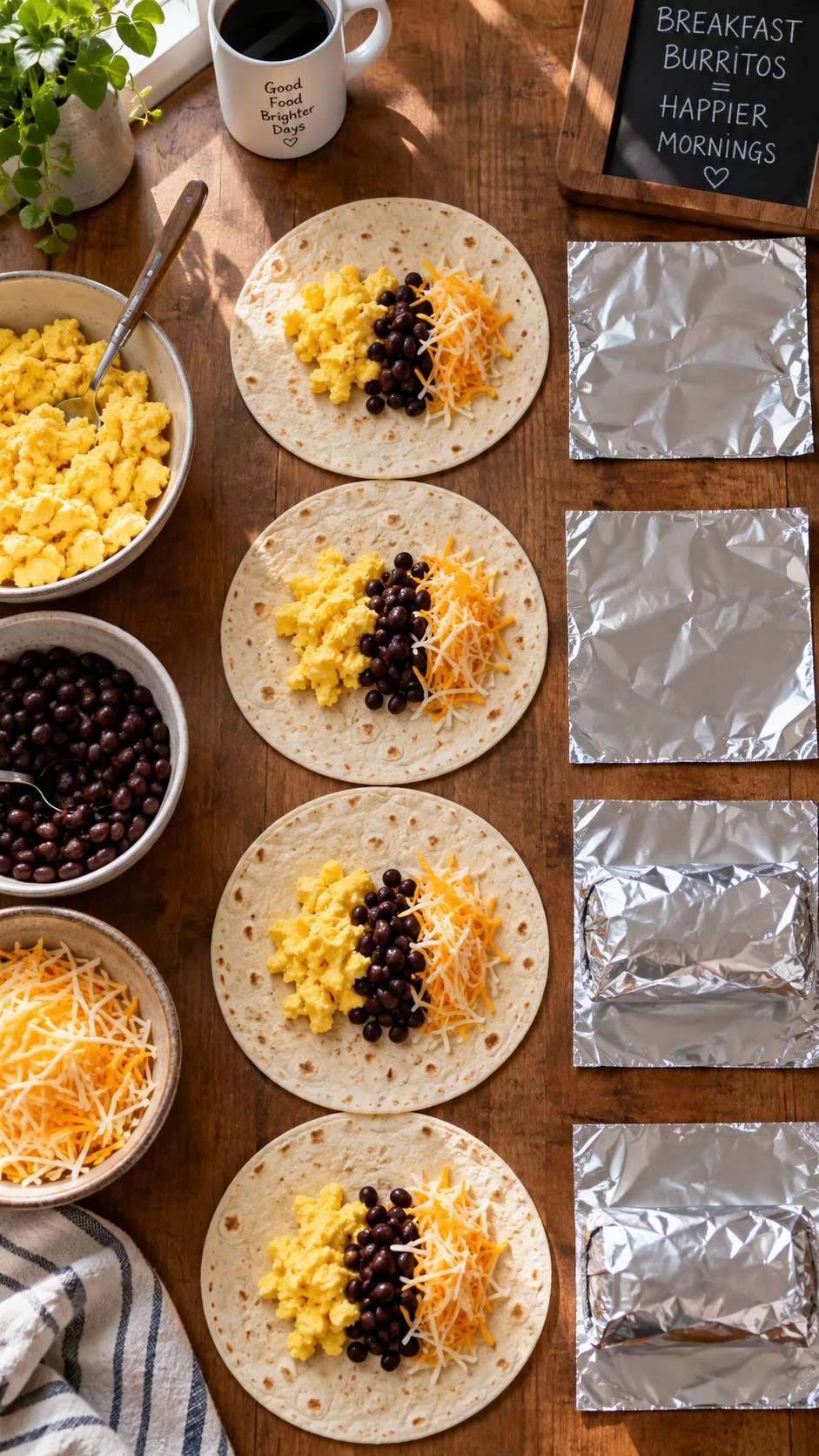
- Build a cheese barrier. Lay shredded cheese directly on the tortilla, then pile fillings on top. The cheese melts into a waterproof layer. This single trick fixed 80% of my problems.
- Skip watery vegetables. Zucchini, tomatoes, and mushrooms release liquid. Use peppers, onions, spinach (squeezed dry), or roasted sweet potato instead.
- Warm the tortilla before rolling. Ten seconds in a dry skillet makes it pliable and prevents cracking.
Follow those and your Thursday burrito tastes like your Sunday burrito. Wild concept, right?
Your Sunday assembly line: 12 burritos in 60 minutes
I run this like a tiny factory. Batching beats making things one at a time, always. If you’re new to batch cooking, the beginner’s blueprint for weekly meal prep covers the broader system, and burritos slot right into it.
The timeline
- 0:00 to 0:10. Roast potatoes or sweet potatoes at 425°F. Dice peppers and onions.
- 0:10 to 0:25. Brown your meat protein. Sauté peppers and onions in the same pan (fewer dishes, you’re welcome).
- 0:25 to 0:40. Scramble eggs low and slow. Rinse and drain beans. Shred cheese.
- 0:40 to 0:50. Spread everything on sheet pans to cool. Lay out 12 foil squares and 12 tortillas.
- 0:50 to 1:00. Assemble, roll, wrap, label, freeze.
One hour. Twelve breakfasts. That’s five minutes per meal, which beats every drive-thru line I’ve ever sat in.
The fold that doesn’t fall apart
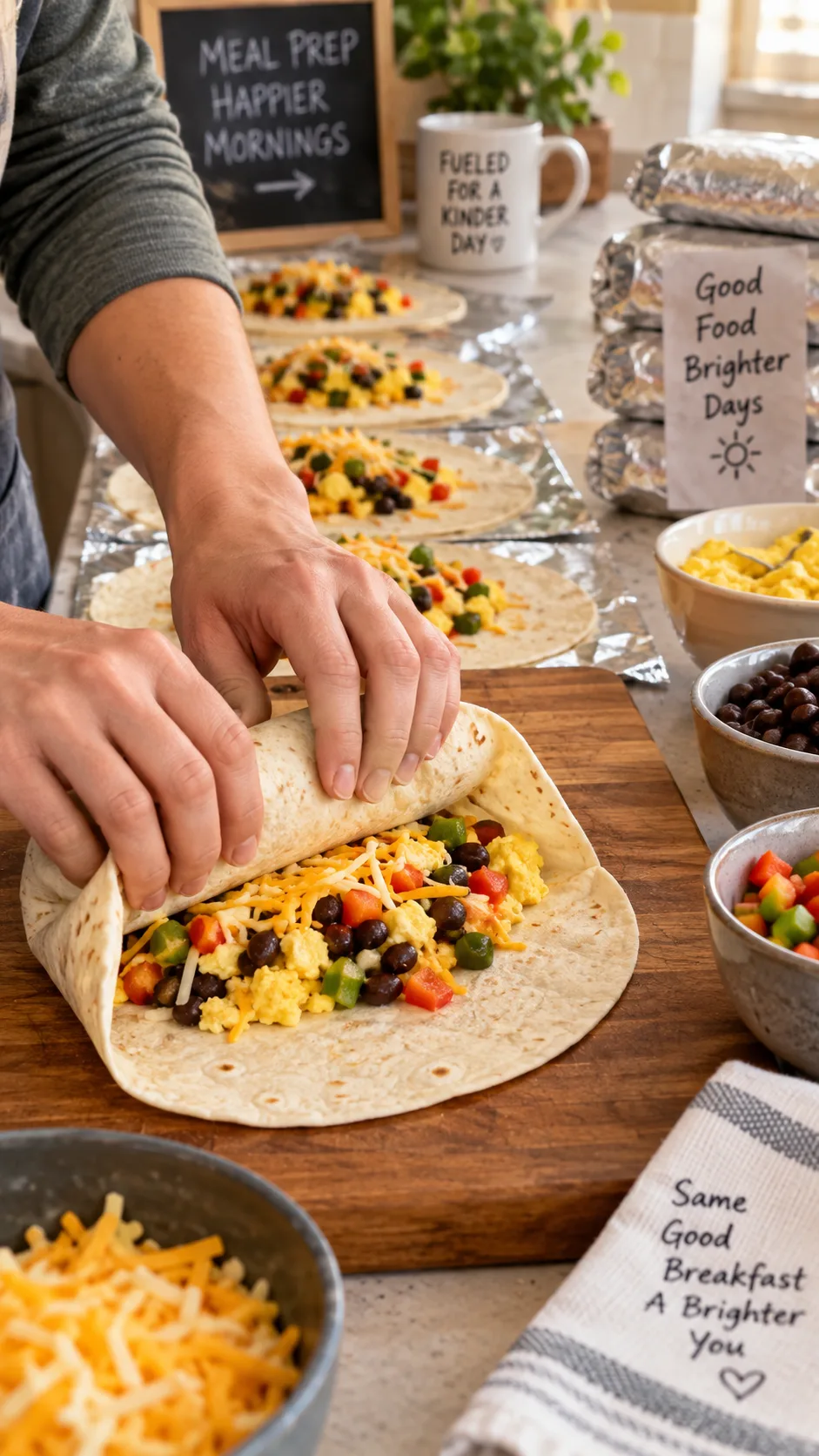
Use 10-inch burrito-size tortillas and resist overfilling. I know, I know, you want a monster burrito. Overfilled burritos burst in the microwave and you’ll eat your breakfast with a fork, sadly, off a paper towel.
- Place cheese down first, slightly below center.
- Add fillings in a horizontal log, leaving 2 inches clear on each side.
- Fold the left and right sides inward.
- Fold the bottom edge up and over the filling.
- Tuck firmly with your fingertips, then roll forward tightly.
- Rest seam-side down for a minute so it holds.
Tight rolling matters more than you’d think. Air pockets create ice crystals, and ice crystals create sogginess. Physics, not vibes.
Wrapping, freezing, and storing without ruining everything
Foil versus parchment versus plastic wrap: people argue about this like it’s politics. Here’s my verdict after a lot of trial and error.
The two-layer method
Wrap each burrito in parchment paper first, then foil. Parchment touches the food and goes in the microwave safely. Foil blocks freezer burn and goes in the oven or air fryer. You get both options without unwrapping a frozen brick at 7 a.m.
Then drop all the wrapped burritos into a large freezer bag, press out the air, and label it with the date and filling. Trust me, unlabeled foil torpedoes all look identical in month two.
How long do they last?
- Refrigerator: 3 to 4 days, max. The USDA cold food storage guidelines back this up for cooked egg dishes.
- Freezer: 3 months for best quality. They stay safe longer, but texture declines after that.
- Never refreeze a thawed burrito. Just don’t.
FYI, I keep a rotating stock of two flavors so I don’t burn out. Eating the same burrito twelve mornings in a row is how people quit meal prep entirely.
Reheating: where most people ruin a perfectly good burrito
You did everything right, and then you microwaved it for four straight minutes on high. Now the ends are lava and the center is an ice cube. Here’s the fix.
Microwave (fastest, about 3 minutes)
- Remove the foil. Keep the parchment on.
- Microwave 90 seconds at 50% power to thaw evenly.
- Flip, then microwave 60 to 90 seconds at full power.
- Let it rest 1 minute. The heat redistributes and the center catches up.
That 50% power step is the difference between a good burrito and a sad one. Most people skip it. Don’t be most people.
Air fryer (best texture, about 12 minutes)
Microwave the burrito for 90 seconds first to thaw the middle, then air fry at 380°F for 4 to 5 minutes, turning once. The tortilla crisps up and shatters slightly when you bite it. Genuinely restaurant-level.
Oven (best for a crowd)
Leave the foil on, bake at 350°F for 30 to 35 minutes from frozen. Unwrap for the last 5 minutes if you want browning. I do this when friends stay over and I want to look organized.
Five burrito builds I keep in rotation
1. The workhorse (28g protein)
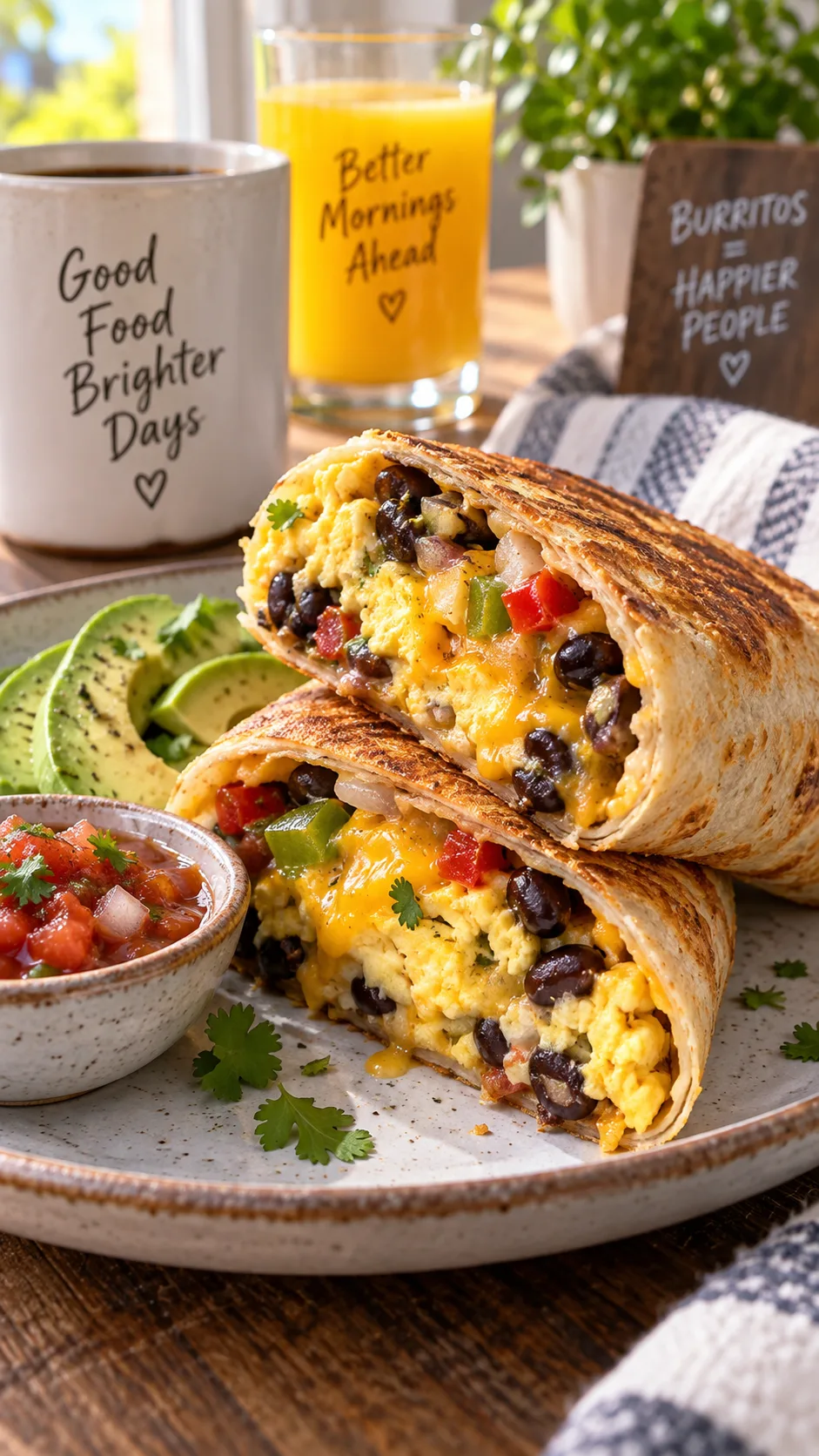
Eggs, black beans, sharp cheddar, roasted red pepper, cumin, smoked paprika. Cheap, reliable, and it never gets old. My default.
2. The green machine (26g protein)
Eggs with cottage cheese, spinach squeezed bone-dry, feta, white beans, lemon zest. Tastes like a Mediterranean brunch and packs serious fiber.
3. The big protein (36g protein)
Eggs, spicy ground turkey, black beans, pepper jack, pickled jalapeño. If you lift weights or work a physical job, this one’s yours. For more of this energy, check these high protein breakfast meal prep ideas.
4. Sweet potato chorizo (30g protein)
Eggs, chicken chorizo, roasted sweet potato cubes, cotija, black beans. The sweet-spicy contrast slaps. Roast the sweet potato hard so it doesn’t turn mushy.
5. The southwest chicken (34g protein)
Eggs, shredded chicken thigh, corn, black beans, monterey jack, chipotle. Perfect use for leftovers from your chicken meal prep recipes.
Mistakes I made so you don’t have to
- I used fat-free tortillas. They cracked, tasted like cardboard, and offered zero fiber. Whole-wheat or high-fiber low-carb tortillas win every time.
- I added salsa inside. Catastrophic. Water content destroyed everything within 48 hours.
- I overcooked the eggs. Reheating cooks them a second time. Pull them off the heat while they still look slightly wet.
- I made 24 identical burritos. By day nine I hated them and ordered breakfast sandwiches for a week. Variety is strategy, not a luxury.
- I skipped seasoning the eggs properly. Cold-weather flavors fade in the freezer. Season 20% more aggressively than you would fresh.
That last point surprises people. Freezing genuinely dulls flavor perception. Extra cumin, garlic powder, and salt compensate.
Nutrition reality check: tracking without losing your mind
You don’t need a spreadsheet, but knowing your rough macros helps. Plug your exact ingredients into the USDA FoodData Central database once, write the numbers on a sticky note, and forget about it.
A typical build lands around:
- Calories: 450 to 520
- Protein: 28 to 34g
- Fiber: 8 to 11g
- Cost: roughly $1.80 to $2.60 per burrito
Compare that to a $7 coffee-shop breakfast sandwich with 14g of protein. The math isn’t close. IMO that’s the most underrated benefit of burrito prep: it quietly saves you $1,200 a year.
Watching calories more carefully? These low calorie meal prep ideas pair well with a lighter burrito build using egg whites and a low-carb tortilla.
Quick answers to things people always ask me
Can I prep burritos without freezing them?
Absolutely. Refrigerate them for up to 4 days. I prep six on Sunday for the fridge and freeze six for the following week. Best of both worlds.
Do I have to use potatoes?
Nope. Potatoes add bulk and comfort but very little protein. Beans give you protein AND fiber in the same space. If you want both, use half the potato you think you need.
Will the tortilla get freezer burn?
Only if air reaches it. The parchment, foil, and freezer bag combo seals it properly. I’ve pulled burritos out at 10 weeks that tasted brand new.
What about sauces?
Keep them separate. Hot sauce, salsa verde, Greek yogurt crema, or sliced avocado go on after reheating. Your burrito stays structurally sound and you get fresh flavor.
The bottom line
Breakfast burritos keep you full when you build them right, and they fail when you treat them like an egg-and-cheese afterthought. Three things decide everything:
- Stack two proteins and hit 25 to 35g per burrito.
- Add beans for fiber and use a cheese barrier to block moisture.
- Cool completely, wrap in two layers, and reheat at 50% power first.
Spend one hour this Sunday. Twelve mornings later, you’ll wonder why you ever paid seven dollars for a sandwich that left you hungry by ten.
Now go raid your freezer for space. Your future self, the one not staring at the donut box, will thank you.