

You inject your weekly dose into your stomach or thigh, wait twenty-four hours, and food suddenly loses its pull. It sounds convenient at first. Then day four arrives. Your stomach growls while your brain rejects everything in your refrigerator, or you swallow three bites of chicken and feel bloated for hours.
Zepbound alters brain chemistry and gut motility simultaneously. Few people anticipate the gap between suppressed appetite and basic metabolic need. When you under-eat, you shed lean muscle mass and stall your metabolism. When you choose the wrong ingredients, you spend your evening clutching your stomach on the bathroom floor.
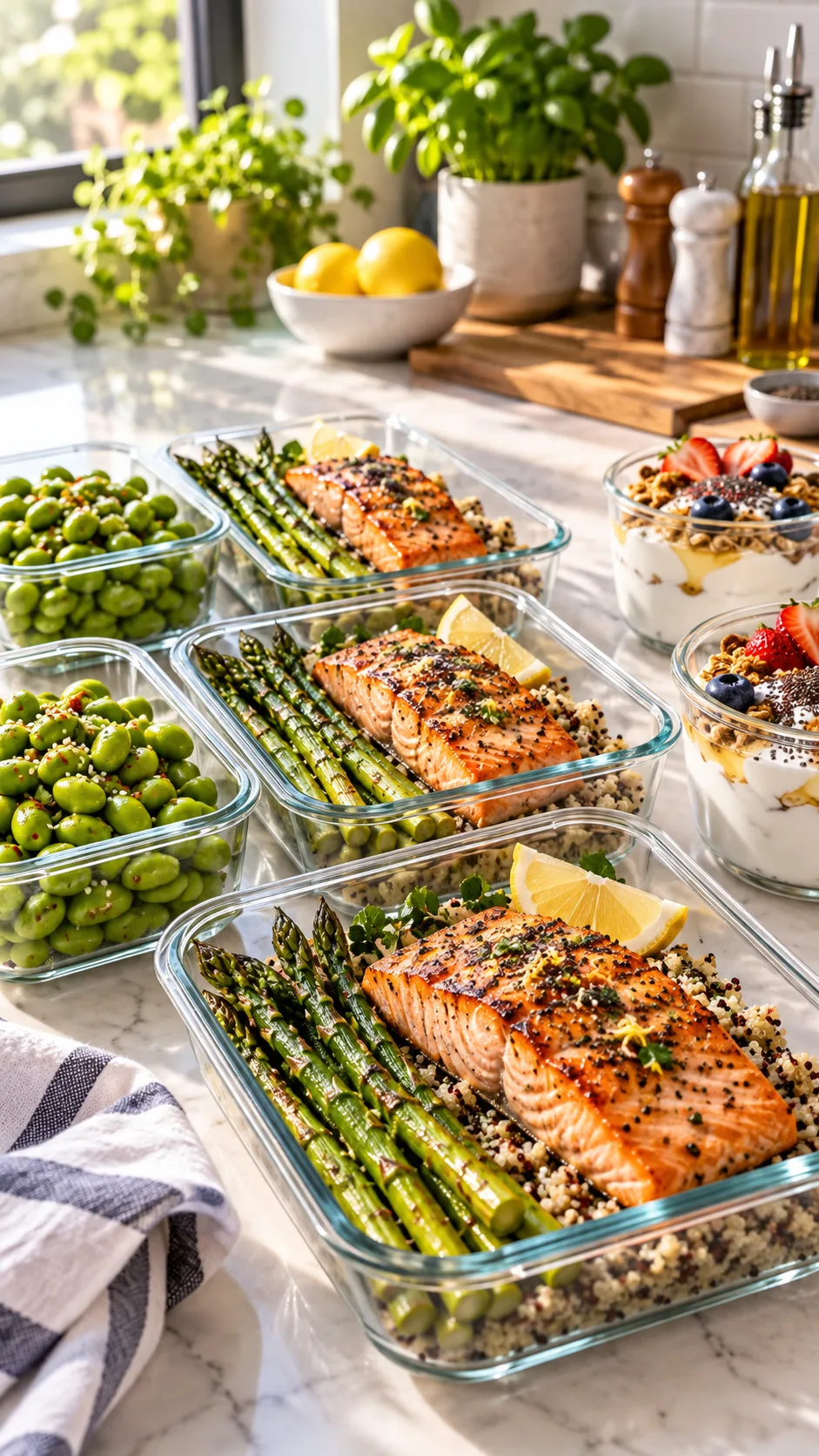
We built this Zepbound meal plan to solve that dilemma. It helps you nourish your body, hit your daily protein targets, avoid sulfur burps, and sustain steady energy all week.
Why eating on Zepbound feels so different
Greasy food often provokes instant nausea on tirzepatide. The medication mimics two gut hormones: GLP-1 (glucagon-like peptide-1) and GIP (glucose-dependent insulinotropic polypeptide). This dual action slows your digestive tract far more than single-hormone options like semaglutide.
In The New England Journal of Medicine SURMOUNT-1 clinical trial, tirzepatide reduced body weight by up to 20.9% at top doses. The drug accomplishes this by physically slowing stomach contractions, a process clinicians call delayed gastric emptying.
Because food sits in your digestive tract longer, your body signals fullness for hours. That biological shift creates two real dietary traps:
- High-volume meals backfire: Huge bowls of raw kale that worked on past diets cause intense discomfort now. Your stomach simply cannot handle large physical volumes.
- Protein intake plummets: When you slash total calories without a strategy, your body burns lean muscle instead of fat stores. You need structured nutrition, similar to the blueprint in our comprehensive GLP-1 meal plan guide.
To succeed over the long haul, you must rethink portion sizes. Focus on compact, easily digestible foods that deliver rich nutrition in modest servings.
The 4 essential rules of the Zepbound diet
Before you cook a single meal, commit these four rules to memory. These habits prevent most gastrointestinal issues that drive patients to online forums for advice.
1. Prioritize protein above everything else
Eat your protein first at every meal. When your fullness switch flips halfway through lunch, you want salmon in your stomach instead of potatoes. Aim for 0.8 to 1.0 grams of protein per pound of your goal weight every day. For a closer look at high-protein menus, review our 7-day high protein meal plan.
2. Hydrate with electrolytes, not just plain water
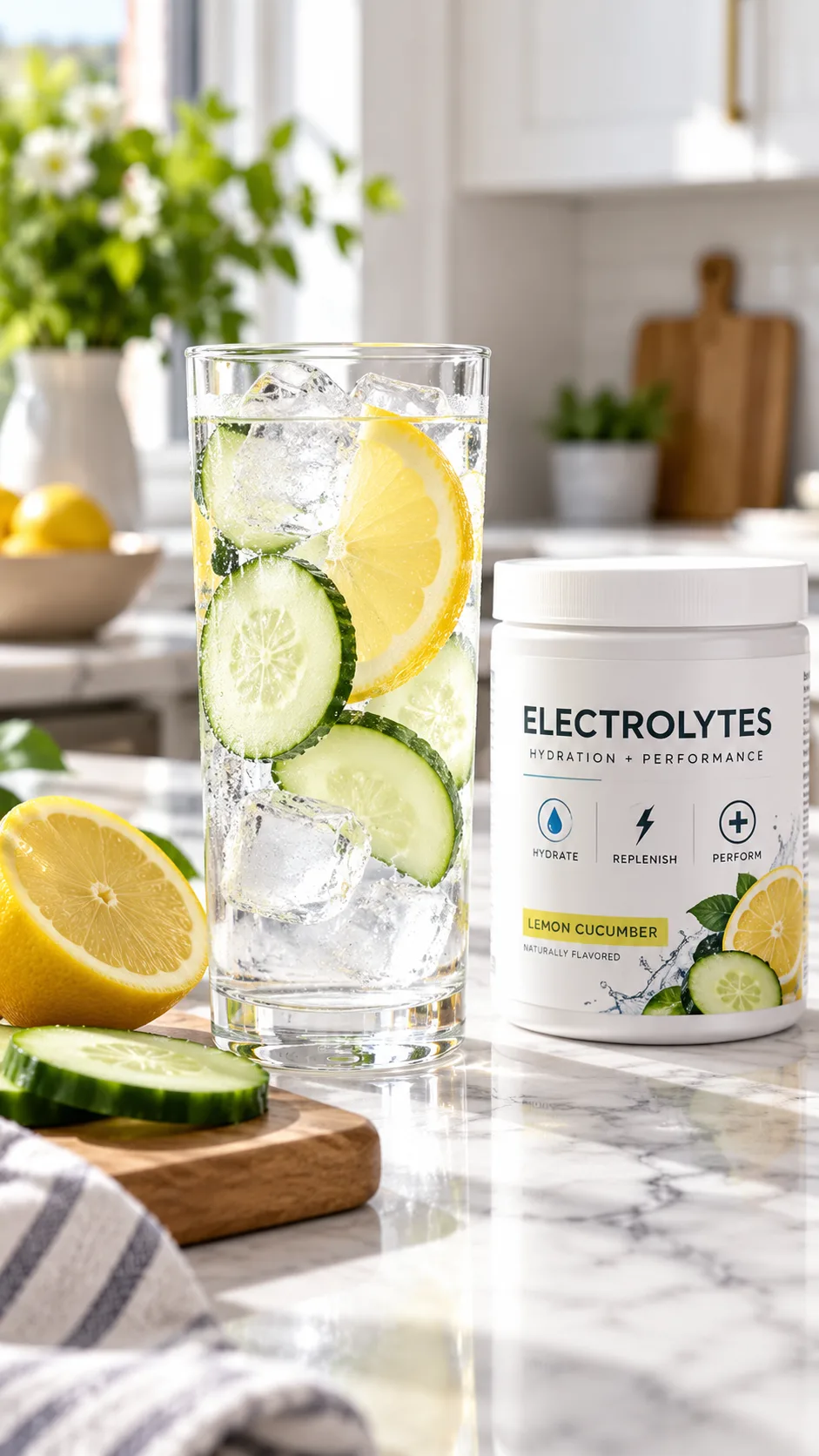
GLP-1 medications quiet thirst cues alongside hunger cues. You might simply forget to drink fluids throughout the day. Rapid weight loss also flushes out sodium, potassium, and magnesium. Stir an unsweetened electrolyte packet into your morning water bottle to keep daily fatigue away.
3. Choose soluble fiber over roughage
Insoluble fiber from raw broccoli stalks or tough kale leaves requires fast digestive action. On Zepbound, your stomach cannot maintain that pace. Choose soft soluble fiber instead: chia seeds, rolled oats, peeled zucchini, and soft berries. Soluble fiber absorbs water, eases digestion, and prevents painful constipation.
4. Stop eating at 70% fullness
Your stomach alerts your brain on a distinct delay, so clearing your plate will ruin your night. Put down your fork the moment your hunger fades. When you wait until you feel stuffed, you have already overeaten by twenty minutes.
What a realistic calorie target looks like
Most adults on active Zepbound doses do best between 1,400 and 1,800 calories per day, depending on sex, muscle mass, and daily activity. Dropping below 1,200 calories per day often triggers temporary hair thinning, extreme fatigue, and gallstone formation.
If you have higher baseline calorie needs, you may prefer our structured 1700 calorie meal plan. The sample menu below provides roughly 1,500 calories with 110 to 130 grams of protein per day. That balance preserves lean muscle tissue while keeping fat loss on track.
The 7-day Zepbound meal plan
This meal plan divides your calories across three balanced meals and one optional snack. It emphasizes tender textures, gentle seasonings, and reliable protein sources.
Day 1: Kickoff day (post-injection friendly)
- Breakfast: Scrambled eggs (2 whole eggs plus 2 egg whites) in 1 teaspoon olive oil, 1 slice sourdough toast, and 1/4 sliced avocado. (340 calories, 22g protein)
- Lunch: Shredded rotisserie chicken breast (4 oz) over warm quinoa (1/2 cup), steamed zucchini, and 2 tablespoons tzatziki sauce. (380 calories, 36g protein)
- Snack: Plain low-fat Greek yogurt (3/4 cup) stirred with 1 scoop collagen peptides and 1/4 cup fresh blueberries. (180 calories, 25g protein)
- Dinner: Pan-seared cod or halibut (5 oz), mashed sweet potato (1/2 cup), and roasted asparagus tips with lemon. (390 calories, 34g protein)
- Daily totals: Roughly 1,290 calories, 117g protein. (Ideal for injection day when nausea peaks.)
Day 2: Steady energy
- Breakfast: Overnight oats made with rolled oats (1/2 cup), unsweetened almond milk, 1 scoop vanilla whey isolate, 1 tablespoon chia seeds, and cinnamon. (360 calories, 32g protein)
- Lunch: Turkey lettuce wraps with lean ground turkey (4 oz, seasoned with cumin and oregano), diced bell peppers, black beans (2 tablespoons), and salsa in soft butter lettuce leaves. (350 calories, 31g protein)
- Snack: Two hard-boiled eggs seasoned with sea salt. (140 calories, 12g protein)
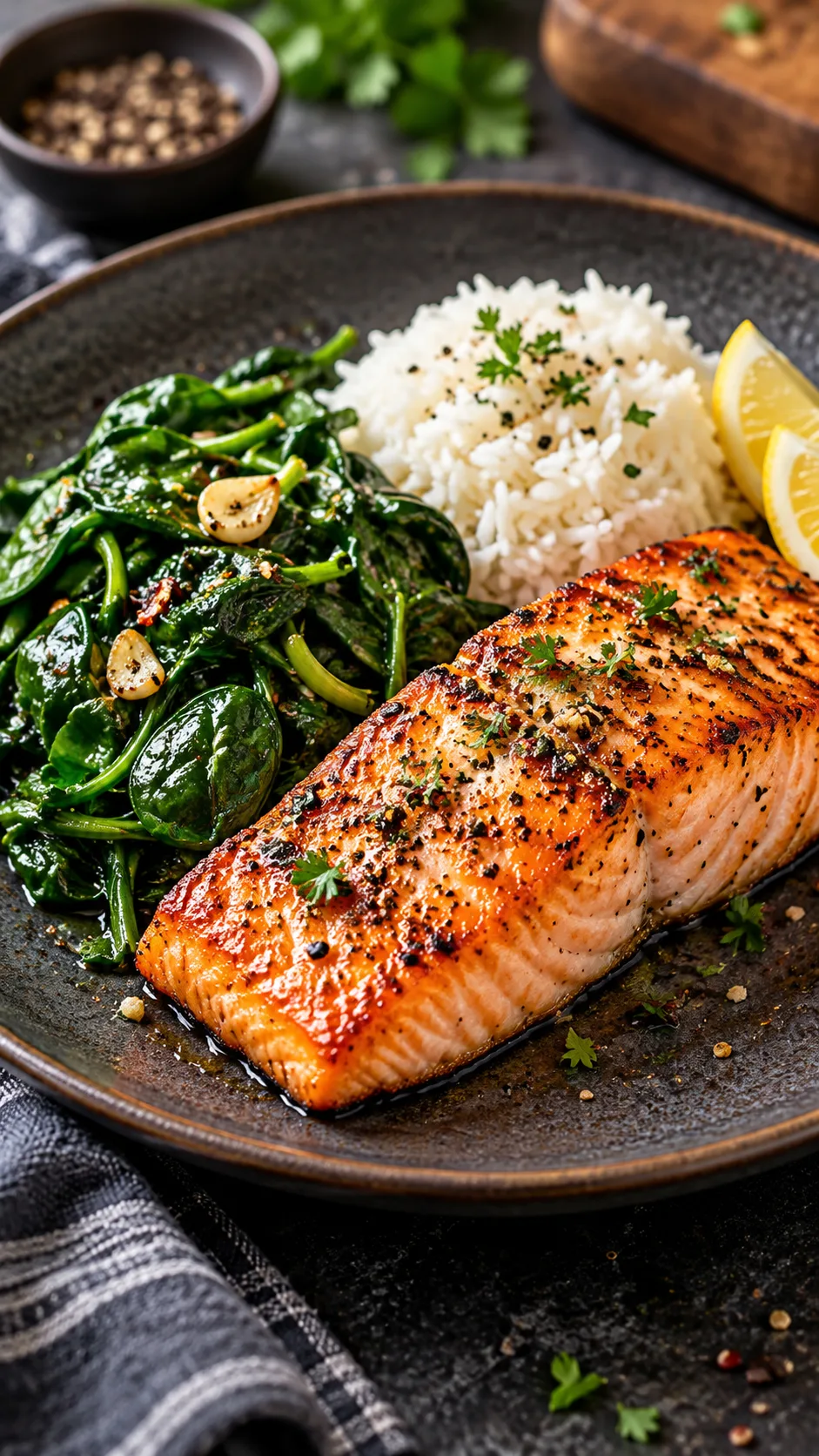
- Dinner: Air-fried salmon fillet (5 oz) brushed with Dijon mustard and honey, tender sautéed spinach, and 1/2 cup jasmine rice. (460 calories, 38g protein)
- Daily totals: Roughly 1,310 calories, 113g protein.
Day 3: Mid-week fuel
- Breakfast: Protein smoothie blending unsweetened soy milk (1 cup), 1 scoop protein powder, half a frozen banana, 1 tablespoon almond butter, and baby spinach. (380 calories, 33g protein)
- Lunch: Tuna salad bowl using canned wild tuna (1 can), 1 tablespoon avocado oil mayo, diced celery, and lemon, served with seed crackers and sliced cucumbers. (340 calories, 32g protein)
- Snack: Low-fat cottage cheese (1/2 cup) topped with sliced strawberries and cinnamon. (110 calories, 14g protein)
- Dinner: Grilled lean beef tenderloin (4 oz), roasted butternut squash cubes (3/4 cup), and soft steamed green beans. (420 calories, 36g protein)
- Daily totals: Roughly 1,250 calories, 115g protein.
Day 4: Gut-restoration day
- Breakfast: Warm oatmeal (1/2 cup dry) cooked with egg whites (1/3 cup whisked in for a custard texture), topped with warm blueberries and 1 tablespoon hemp hearts. (310 calories, 20g protein)
- Lunch: Bone broth chicken soup with warm chicken bone broth (1.5 cups), shredded chicken breast (4 oz), soft carrots, and celery, with a small sourdough roll. (390 calories, 42g protein)
- Snack: String cheese and 10 almonds. (160 calories, 10g protein)
- Dinner: Baked boneless chicken thighs (4.5 oz), cauliflower mash (3/4 cup), and roasted zucchini rounds. (380 calories, 35g protein)
- Daily totals: Roughly 1,240 calories, 107g protein.
Day 5: The appetite adjustment
Your hunger might pick up around day five or six. Clinical data from Eli Lilly shows tirzepatide concentrations peak around day two to three before tapering. Do not worry. Use this window to eat slightly more volume and fiber.
- Breakfast: Egg white frittata slice with spinach, feta cheese, and turkey bacon, served with 1 slice sprouted grain toast. (320 calories, 28g protein)
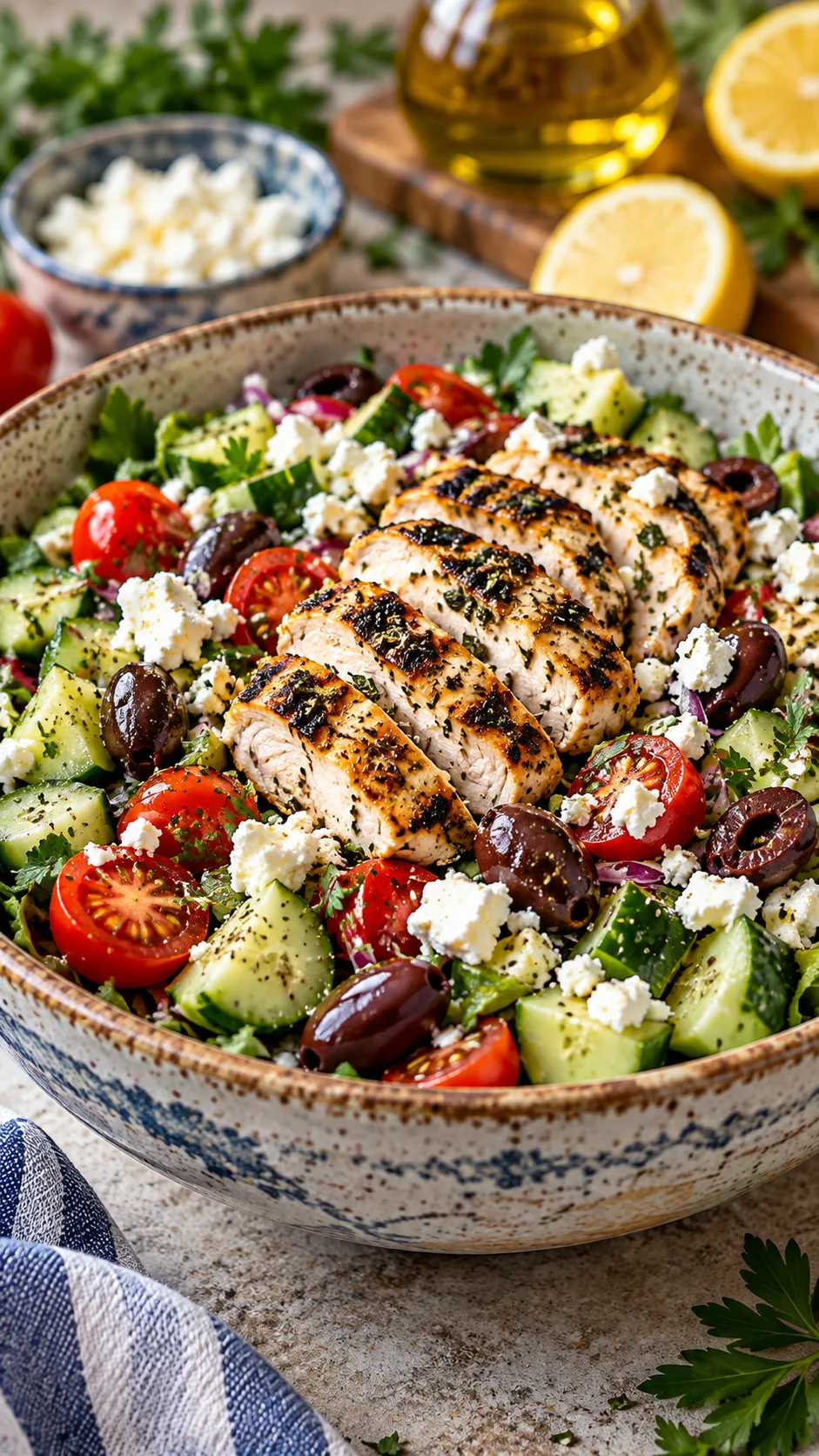
- Lunch: Mediterranean salad with chopped grilled chicken breast (4 oz), diced cucumber, four kalamata olives, cherry tomatoes, and 2 tablespoons light feta dressing over romaine. (370 calories, 35g protein)
- Snack: Steamed edamame pods (1 cup) with coarse salt. (150 calories, 17g protein)
- Dinner: Lean ground bison (4 oz, 90% lean) sautéed with onions, served over white rice (1/2 cup) and soft roasted bell peppers. (440 calories, 33g protein)
- Daily totals: Roughly 1,280 calories, 113g protein.
Day 6: Higher activity day
- Breakfast: Protein pancakes using high-protein mix (1/2 cup dry), topped with 2 tablespoons sugar-free syrup and 1/4 cup raspberries. (280 calories, 18g protein)
- Lunch: Smoked salmon roll-ups with wild smoked salmon (4 oz), whipped cream cheese, capers, cucumber spears, and 1 whole-wheat pita. (390 calories, 34g protein)
- Snack: Ready-to-drink protein shake offering 26 grams of protein. (170 calories, 26g protein)
- Dinner: Shrimp stir-fry with large shrimp (5 oz) or extra-firm tofu (6 oz), broccoli florets, snap peas, and low-sodium coconut aminos over brown rice (1/2 cup). (410 calories, 36g protein)
- Daily totals: Roughly 1,250 calories, 114g protein.
Day 7: Prep and reset
- Breakfast: Two poached eggs over warm pinto beans (1/2 cup), topped with salsa verde and 1 tablespoon cotija cheese. (320 calories, 20g protein)
- Lunch: Grilled chicken wrap using a low-carb tortilla, grilled chicken breast (4 oz), mixed greens, and light dressing. (330 calories, 34g protein)
- Snack: Half a sliced apple with 1 tablespoon natural peanut butter. (150 calories, 4g protein)
- Dinner: Slow-cooker pork tenderloin (4 oz), roasted baby carrots, and half a baked russet potato topped with plain Greek yogurt. (430 calories, 38g protein)
- Daily totals: Roughly 1,230 calories, 96g protein.
Foods to avoid while taking tirzepatide
Most patients discover trigger foods through uncomfortable trial and error. Specific ingredients clash directly with slow digestion. The U.S. Food and Drug Administration (FDA) identifies gastrointestinal complications as the main side effect group for GLP-1 medications. Protect your stomach by removing these items:
- Fried and greasy dishes: Heavy fat slows stomach emptying past tolerable levels. Fried chicken and french fries prompt sharp acid reflux, nausea, and cramping.
- Carbonated drinks: Seltzer, soda, and sparkling water fill your stomach with carbon dioxide. Because your stomach empties slowly, trapped gas causes severe bloating.
- Raw cruciferous vegetables: Skip raw broccoli, cabbage, and cauliflower salads. Steam these vegetables until tender. Raw portions ferment in your digestive tract and produce sulfur burps.
- High-sugar desserts: Concentrated sweets pull excess fluid into the bowel or empty too quickly into the small intestine, leading to shakiness and diarrhea.
Troubleshooting common Zepbound stomach issues
Even with careful planning, digestive issues can emerge. Apply these targeted adjustments to get quick relief.
Manage nausea with food temperature
Cold and room-temperature foods emit far fewer aromas than piping-hot meals. Strong cooking smells often trigger sudden nausea on GLP-1 medications. Sip cold electrolyte water or suck on hard ginger candies twenty minutes before eating.
Prevent nighttime acid reflux
Finish your final meal at least three hours before going to bed. If your stomach still holds dinner when you lie down, stomach acid rises into the esophagus. Prop your head up with an extra pillow if reflux keeps you awake.
Treat sluggish digestion early
Address slow bowel movements before they become severe. Add two tablespoons of ground flaxseed or whole chia seeds to your yogurt or protein shake. The Cleveland Clinic medical staff suggests drinking 64 to 80 ounces of fluids each day so your bowels can process fiber smoothly.
Fuel your body for the long run
Zepbound quietens constant thoughts about food, but you still make the daily decisions. Treat the medication as a metabolic tool rather than a substitute for whole food. When you supply your body with lean protein, digestible fiber, and consistent hydration, you protect your muscle tissue and maintain your health.
Select three recipes from this plan to prepare this week. Pay close attention to early fullness cues, maintain your fluid intake, and give your body the exact nutrients it requires.