

Your doctor probably told you to “just eat less and move more.” You slashed your daily intake to 1,200 calories, spent hours on the elliptical, and watched your collarbones pop out while your legs stayed the exact same size. That maddening cycle happens because standard diet culture treats lipedema like ordinary weight gain.
Lipedema fat does not respond to caloric restriction. Diseased adipose tissue acts like a rogue biological sponge: it hoards fluid and fuels localized inflammation. If you want relief from the heavy, aching pressure in your limbs, shift your focus away from calorie math and target cellular inflammation instead.
This guide lays out the nutritional framework that calms irritated lymphatic pathways, relieves tissue pain, and restores your mobility. Put away the starvation mindset and rebuild your plate with real food.
Why Traditional Calorie Deficits Fail Lipedema Bodies
Standard weight loss advice relies on a simple idea: burn more energy than you consume, and your body will burn stored fat evenly across your frame. Lipedema breaks that rule. Lipedema tissue suffers from damaged microcirculation, fragile capillary walls, and sluggish lymphatic drainage that traps fluid in your tissues.
Cutting carbs to near-zero without addressing food sensitivities often leaves your calves swollen by the end of the day. Damaged blood vessels constantly leak plasma into your subcutaneous tissue. Macrophages rush into the area, trigger persistent inflammation, and build fibrotic tissue around those fat cells. This dense fibrotic matrix locks the fat in place and creates painful nodules under your skin.
When you starve yourself on an aggressive low-calorie regimen, your body cannibalizes healthy muscle tissue and burns normal fat from your face, chest, and torso. The diseased tissue in your thighs, calves, and arms stays right where it started. Extreme calorie restriction also spikes cortisol levels, and elevated cortisol makes your body retain more water. You end up exhausted, malnourished, and just as swollen as before.
Ditch the calorie deficit as your primary strategy. You need a nutritional approach that repairs capillary walls, calms systemic inflammation, and promotes steady lymphatic flow. Once you cool down that underlying irritation, your tissues can finally release stagnant fluid.
The Real Driver: Chronic Low-Grade Inflammation and Fluid Stagnation
Inflammation acts as both the trigger and the result of lipedema progression. When fluid pools in your fat layers, oxygen cannot travel through your tissues efficiently. This localized oxygen drop triggers hypoxia-inducible factor 1-alpha (HIF-1alpha), which prompts your body to build more fragile, leaky capillaries. The cycle feeds itself constantly.
Insulin drives this process forward. High circulating insulin tells your kidneys to retain sodium. More sodium in your bloodstream pulls extra water into your tissues, overwhelming your lymphatic vessels. Blood sugar spikes also create advanced glycation end-products that damage delicate vessel linings.
Many women with lipedema also manage autoimmune reactions or connective tissue disorders like Ehlers-Danlos syndrome. If your gut barrier leaks, food proteins slip into your bloodstream and trigger widespread immune responses. Following an intentional low-inflammation diet plan gives your immune system the relief it needs to stop attacking your tissues.
Core Pillars of the Anti-Inflammatory Lipedema Diet
You do not need an endless list of strict rules. Anchor your meals around four biological principles that protect your lymphatic vessels and lower inflammation.
- Control Blood Sugar and Insulin Spikes: Keep insulin levels low and steady throughout the day. Steady insulin prevents unnecessary water retention, reduces systemic inflammation, and removes the chemical trigger that forces fat into storage mode.
- Strengthen Your Vascular and Lymphatic Walls: Eat foods rich in bioflavonoids, polyphenols, and essential amino acids. These nutrients repair leaky capillary walls, reduce plasma leakage, and protect tissue beds from easy bruising.
- Balance Your Potassium and Sodium: Cut out processed table salt from packaged snacks, but do not strip your body of minerals. Fill your plate with potassium-rich whole foods like leafy greens, avocados, and winter squash to flush excess sodium and fluid from your tissues.
- Eliminate Gut-Irritating Food Triggers: Remove common inflammatory triggers, especially industrial seed oils, refined sugars, and chemical additives. A healthy gut lining leads directly to calmer, less painful adipose tissue.
Evaluating the Most Effective Dietary Protocols
Women in the lipedema community often debate different dietary styles. Some prefer a strict carnivore approach, while others prefer a Mediterranean template. Three clinical approaches stand out based on real patient outcomes.
1. The Rare Adipose Disorder (RAD) Diet
Endocrinologist Dr. Karen Herbst developed the RAD protocol specifically for patients with lipedema and Dercum disease. This plan centers on whole, unrefined foods and removes dairy, gluten, processed sugars, artificial sweeteners, and excess salt. It prioritizes low-glycemic vegetables, clean proteins, and gut-friendly fiber.
The RAD protocol works well for beginners because it eliminates major inflammatory triggers without requiring meticulous macro tracking. Most women notice lighter legs within two weeks simply because cutting processed additives reduces fluid retention.
2. The Ketogenic and Low-Carb Protocol
If you deal with severe pain and heavy swelling, clinical evidence points directly toward a well-formulated ketogenic diet plan. Nutritional ketosis produces beta-hydroxybutyrate, a ketone body that directly blocks the NLRP3 inflammasome, the main molecular pathway driving painful fat remodeling.
A clinical trial in PubMed showed that a ketogenic diet significantly lowered pain and improved quality of life in women with lipedema. Ketosis also prompts your kidneys to flush stored sodium and fluid. Patients frequently report that their legs feel lighter and softer within days of starting.
3. The Modified Mediterranean Anti-Inflammatory Diet
If you prefer more dietary variety or do not tolerate high fat intakes, a modified Mediterranean approach provides a balanced alternative. This version emphasizes wild-caught fish, extra virgin olive oil, antioxidant-packed vegetables, herbs, and modest servings of berries. To protect your lymphatic flow, leave out the commercial pastas, refined grains, and heavy dairy products found in traditional Mediterranean menus.
Foods to Put on Your Plate (And Why They Work)
Every meal either feeds inflammation or fights it. Stock your kitchen with these whole foods to support your lymphatic network directly.
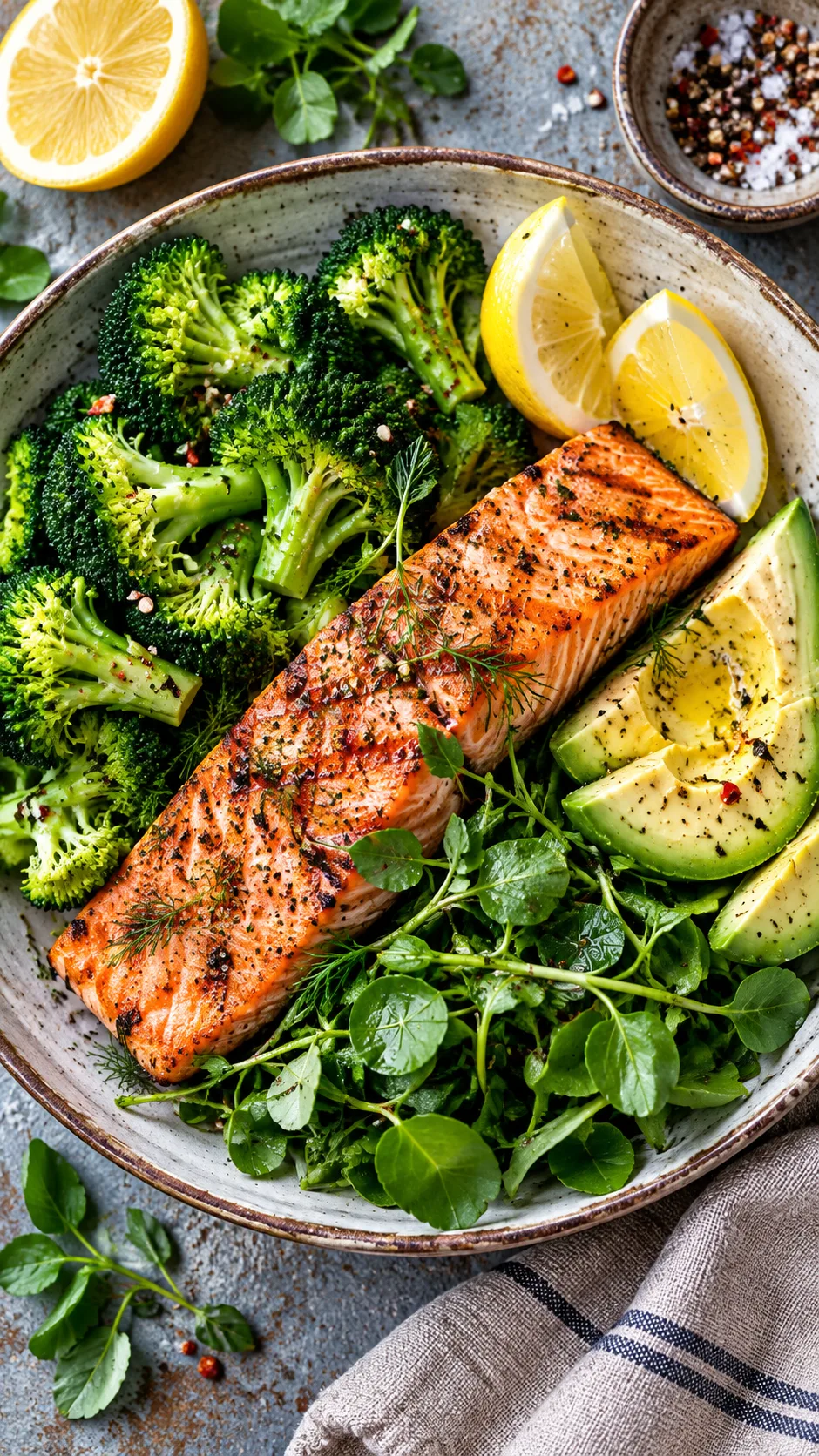
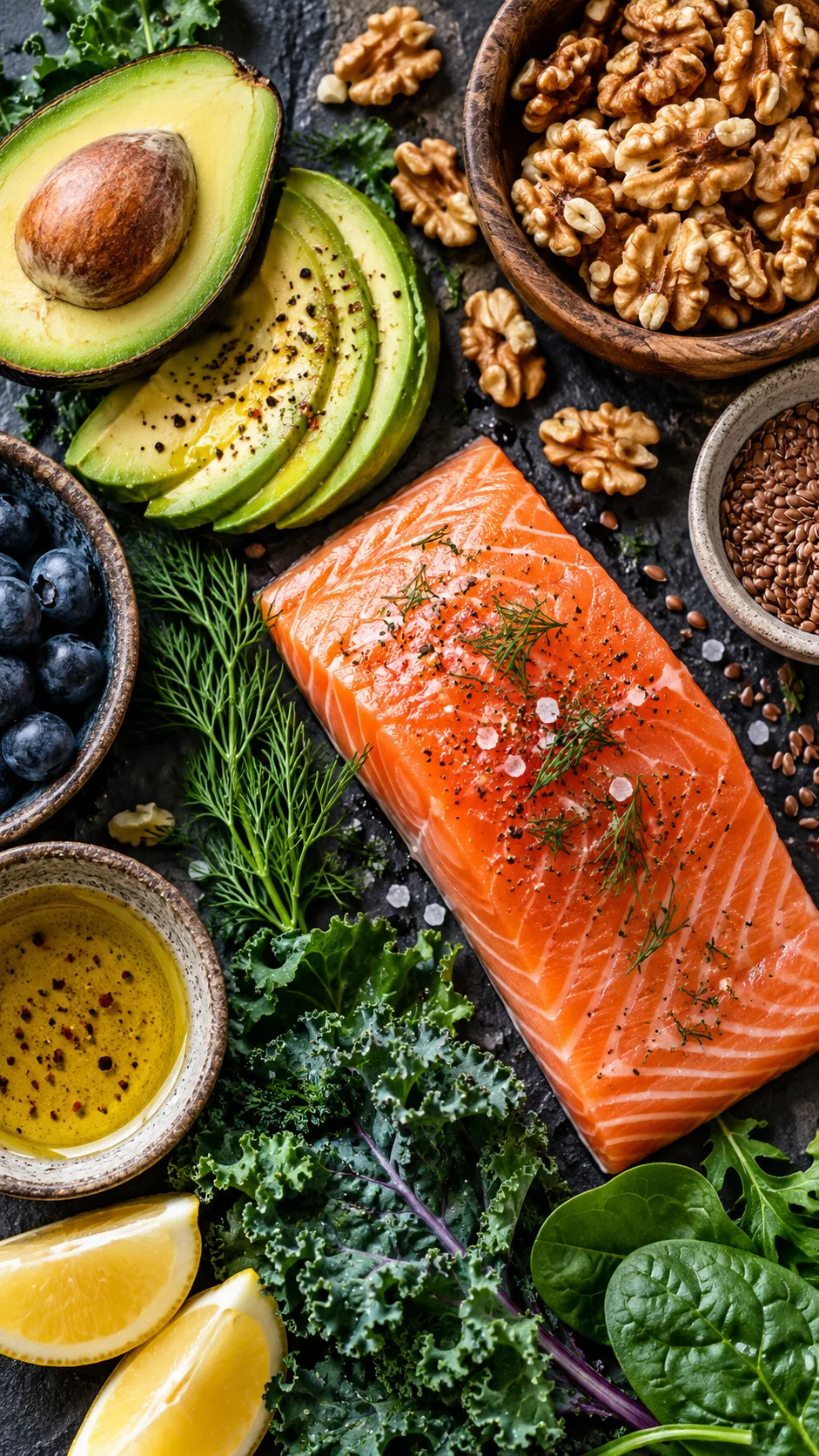
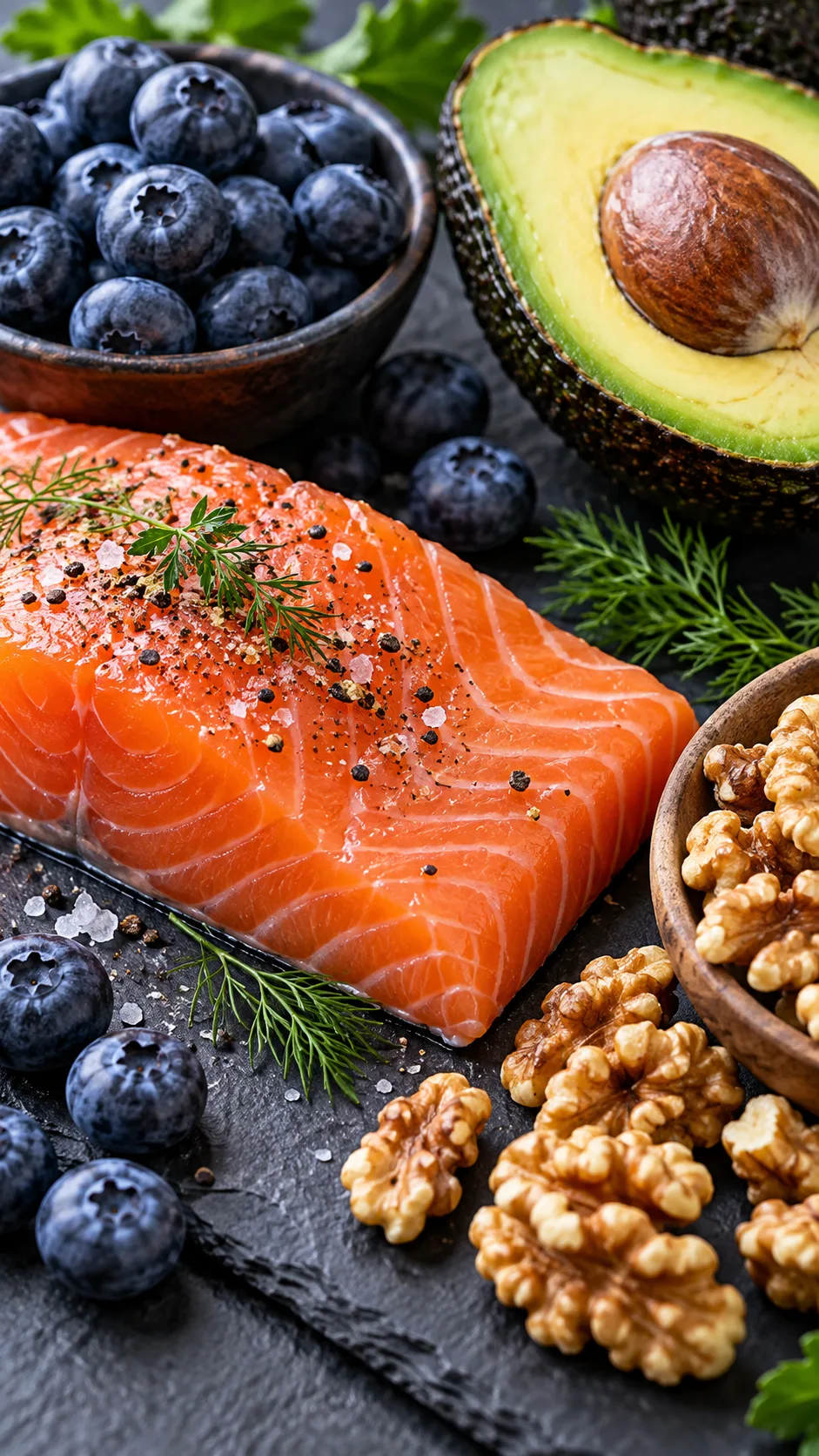
- Wild-Caught Fatty Fish: Salmon, mackerel, sardines, and anchovies supply long-chain omega-3 fatty acids (EPA and DHA). These fatty acids resolve tissue inflammation, improve capillary integrity, and help thin sluggish lymph fluid.
- Cruciferous Vegetables: Broccoli, Brussels sprouts, kale, and cabbage contain sulforaphane, a compound that activates your Nrf2 cellular defense pathway. This pathway shields blood vessels from oxidative stress and supports healthy estrogen breakdown.
- Bioflavonoid-Rich Berries: Wild blueberries, blackberries, and raspberries provide anthocyanins, quercetin, and rutin. Rutin strengthens weak capillary walls and stops fluid from leaking into your fat layers.
- Culinary Herbs and Spices: Turmeric (paired with black pepper), ginger, garlic, and rosemary exert strong soothing effects. Curcumin lowers inflammatory cytokines like TNF-alpha and interleukin-6, calming sensitive tissue.
- Leafy Greens and Bitter Herbs: Arugula, dandelion greens, watercress, and endive supply rich amounts of potassium and magnesium. Bitter compounds also stimulate bile flow, which helps your liver clear out metabolized hormones and waste products.
- Healthy Fats: Extra virgin olive oil, avocados, and unrefined coconut oil deliver clean cellular fuel. Olive oil contains oleocanthal, a natural compound that works along the same pathways as ibuprofen without irritating your stomach.
Foods That Disrupt Lymphatic Flow
Certain everyday ingredients cause fluid leaks and vascular stress. Cut these items from your meals to give your lymphatic system room to heal.
- Refined Seed and Vegetable Oils: Soybean, corn, canola, and sunflower oils contain heavy amounts of omega-6 linoleic acid. When you eat these unstable fats in large quantities, they oxidize rapidly and drive inflammation across your fat tissue.
- Refined Sugars and High-Fructose Corn Syrup: Sugar creates rapid insulin spikes, damages blood vessels, and stresses your gut lining. Sweeteners like agave overload your liver and prompt fluid retention just as quickly.
- Conventional Dairy Products: Many women with lipedema react poorly to the A1 beta-casein in standard cow milk. Casein can trigger low-grade immune activation, congestion, and visible lower-body swelling. If you enjoy cheese, choose small amounts of aged sheep or goat varieties instead.
- Gluten and Refined Grains: Wheat proteins weaken intestinal tight junctions, triggering systemic immune distress. Many women with lipedema also navigate undiagnosed thyroid conditions; if you share those symptoms, read our guide on the Hashimoto’s disease diet plan to see how gluten disrupts recovery.
- Processed, Sodium-Laden Convenience Foods: Commercial cured meats, frozen meals, and packaged snacks rely on refined sodium chloride and chemical preservatives. This sharp sodium spike disrupts cellular fluid balance and draws water straight into your limbs.
A Practical 7-Day Anti-Inflammatory Lipedema Meal Plan
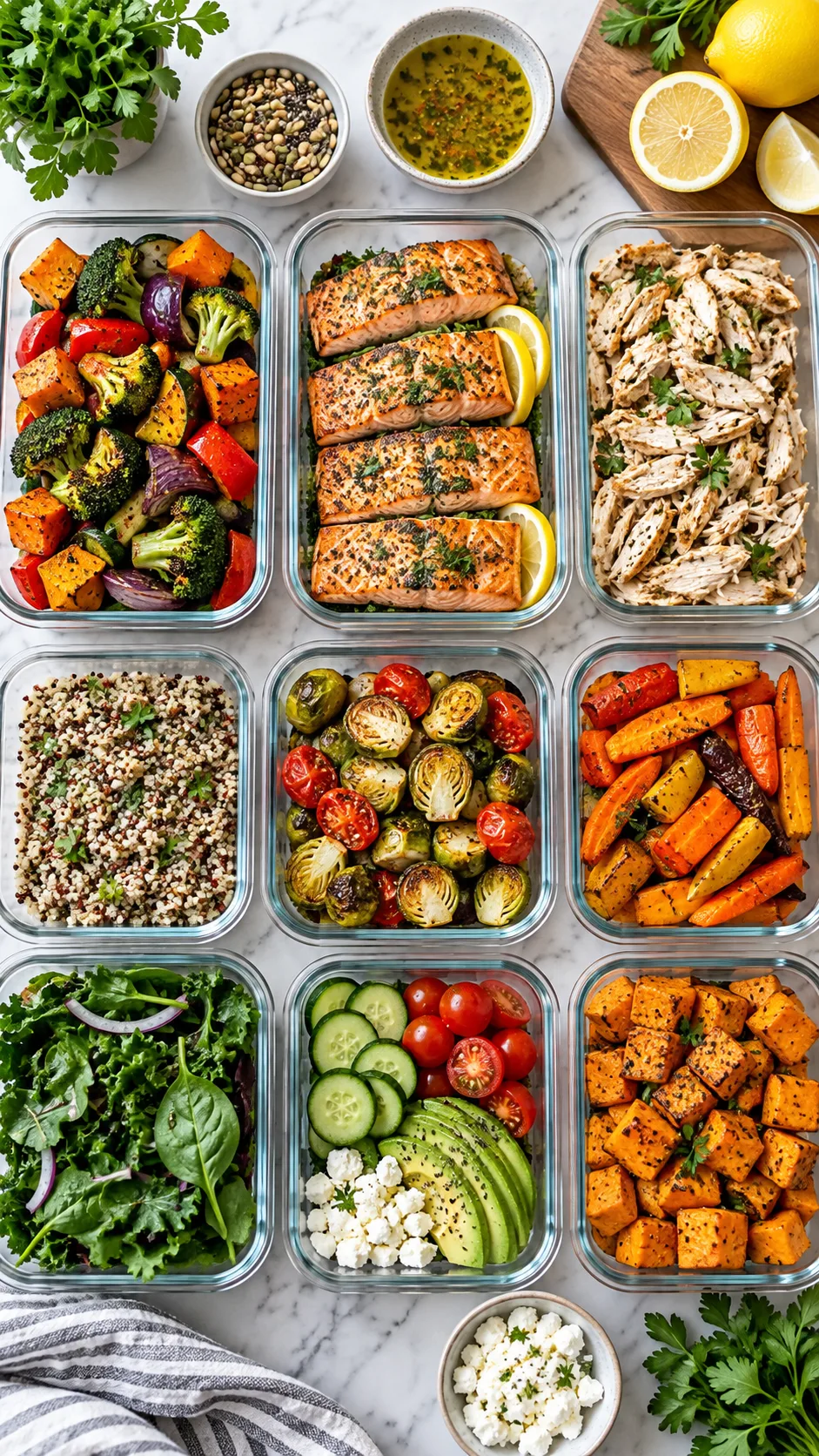
Simple recipes work best. This 7-day meal plan shows how delicious anti-inflammatory eating looks in day-to-day life. Adjust portions to meet your individual energy needs.
Day 1
- Breakfast: Scramble pasture-raised eggs in extra virgin olive oil, then serve them with sliced avocado and fresh arugula dressed with lemon juice.
- Lunch: Mix canned wild salmon with mashed avocado, diced celery, fresh dill, and red onion over a generous bowl of mixed greens.
- Dinner: Grill a pasture-raised chicken breast, top it with chimichurri sauce, and serve it alongside roasted asparagus and mashed cauliflower.
- Snack (if hungry): Eat a handful of raw macadamia nuts alongside a cup of organic green tea.
Day 2
- Breakfast: Spoon wild blueberries, raw pumpkin seeds, and Ceylon cinnamon over unsweetened coconut yogurt.
- Lunch: Slice leftover chimichurri chicken over baby spinach, cucumbers, kalamata olives, and cold-pressed olive oil.
- Dinner: Pan-sear wild cod fillets and serve them over garlicky rainbow chard and roasted zucchini rounds.
- Snack (if hungry): Dip crisp celery sticks into fresh guacamole.
Day 3
- Breakfast: Cook an omelet filled with sauteed spinach, wild mushrooms, and fresh herbs in unrefined coconut oil.
- Lunch: Simmer hearty bone broth soup packed with shredded pasture-raised turkey, zucchini, carrots, and chopped kale.
- Dinner: Grill a grass-fed beef patty without a bun, top it with tomato slices, red onion, and mustard, and serve it with a bitter greens salad.
- Snack (if hungry): Sip warm bone broth seasoned with sea salt and fresh ginger.
Day 4
- Breakfast: Blend unsweetened almond milk with grass-fed collagen peptides, baby spinach, cucumber, ginger, and half a green apple.
- Lunch: Warm up a leftover grass-fed beef burger and serve it over cauliflower rice sauteed with garlic and parsley.
- Dinner: Roast a wild sockeye salmon fillet glazed with Dijon mustard, paired with roasted Brussels sprouts and sliced fennel.
- Snack (if hungry): Slice fresh cucumbers and sprinkle them with Celtic sea salt and lemon juice.
Day 5
- Breakfast: Pair soft-boiled eggs with steamed asparagus spears and sliced avocado drizzled with olive oil.
- Lunch: Serve canned sardines over a warm salad of sauteed cabbage, bacon crumbles, and apple cider vinegar.
- Dinner: Slow-cook pork shoulder with garlic, cumin, and oregano, then serve it with steamed broccoli and sauteed bell peppers.
- Snack (if hungry): Eat a handful of raw sprouted walnuts.
Day 6
- Breakfast: Stir chia seeds into unsweetened almond milk with vanilla extract, then top with fresh raspberries and toasted unsweetened coconut flakes.
- Lunch: Build a carnitas bowl using leftover slow-cooked pork, shredded lettuce, fresh tomato salsa, cilantro, and avocado.
- Dinner: Roast chicken thighs with crispy skin, served alongside braised red cabbage and tender green beans.
- Snack (if hungry): Snack on green olives and raw cucumber slices.
Day 7
- Breakfast: Poach eggs over sauteed kale, shiitake mushrooms, and sliced radishes.
- Lunch: Toss chilled shrimp with diced avocado, cucumbers, cilantro, and lime juice over mixed field greens.
- Dinner: Roast grass-fed lamb chops with fresh rosemary and garlic, served with roasted root vegetables and broccolini.
- Snack (if hungry): Brew hibiscus tea and enjoy a square of 90% dark chocolate.
Daily Habits That Support Your Diet
Nutrition sets your biological foundation, but food alone cannot move stagnant fluid upward. Your lymphatic network lacks a central pump like your heart; it relies on muscle movement, breathing patterns, and physical compression to circulate fluid toward your thoracic duct.
Pair your anti-inflammatory meals with these physical therapies to keep fluid moving:
- Medical-Grade Compression Wear: Flat-knit compression garments provide firm structural support that stops fluid from pooling in your legs. Put your garments on right away in the morning before swelling starts. For clinical diagnostic criteria and management standards, review the Cleveland Clinic Lipedema Overview.
- Whole-Body Vibration: Stand on a low-frequency vibration plate for 10 to 15 minutes each day. This movement stimulates micro-vessel circulation, encourages lymphatic flow, and activates muscles without pounding your joints.
- Manual Lymphatic Drainage: This gentle, rhythmic skin-stretching massage clears congested lymph nodes and redirects fluid toward working drainage pathways. You can learn simple routines to perform at home before sleep.
- Low-Impact Movement: Hard jumping and heavy running can irritate lipedema tissue and create micro-tears. Choose gentle exercises like swimming, water aerobics, recumbent cycling, or brisk walking while wearing your compression garments.
Common Mistakes to Avoid
Switching to an anti-inflammatory protocol requires patience. Many women run into setbacks by slipping back into conventional dieting habits. Avoid these mistakes to keep your momentum going.
Mistake 1: Cutting calories down to starvation levels. You cannot heal inflamed tissue while starving your cells of basic nutrients. Eat enough food, make protein your priority, and let nutrient-dense ingredients do the work.
Mistake 2: Fearing healthy dietary fats. If you follow a low-carb or ketogenic plan, your body requires fuel from healthy fats. Skimping on fats causes persistent hunger, raises stress hormones, and tempts you toward sugary snacks.
Mistake 3: Giving up after two weeks. Tissue remodeling and lymphatic decongestion take time. You will likely shed trapped water weight early on, but breaking down fibrotic nodules requires months of steady anti-inflammatory signals. Give your body the time it needs.
Mistake 4: Relying on packaged keto snacks. Commercial bars, low-carb breads, and sugar-free candies contain processed fibers, seed oils, and sugar alcohols that irritate your gut lining. Eat real, minimally processed food instead.
Frequently Asked Questions
Can diet cure lipedema?
No diet cures lipedema completely, because genetics drive the development of this tissue. An anti-inflammatory food plan can significantly reduce leg pain, prevent stage progression, reduce standard fat around the affected areas, and clear stagnant fluid. For research updates and community support, visit the Lipedema Foundation.
Should I cut out alcohol completely?
Cutting alcohol yields noticeable benefits. Alcohol strains your liver, weakens the gut barrier, dilates blood vessels, and speeds up fluid leakage into your lower legs. Many women report throbbing leg pain shortly after drinking a single glass of wine. Skip alcoholic drinks or save them for special occasions.
Do supplements help reduce swelling?
Certain bioflavonoids strengthen blood vessels when combined with anti-inflammatory meals. Diosmin and hesperidin support venous tone and lymphatic drainage. Pycnogenol, butcher’s broom, and selenium also help reduce capillary leakage in clinical settings.
Can intermittent fasting help with inflammation?
A simple 16:8 intermittent fasting schedule helps many women keep insulin levels low throughout the day. Fasting also triggers autophagy, your body’s process for clearing out damaged proteins and cellular debris. Pay close attention to how you feel; if fasting makes you anxious or leads to overeating, eat three balanced meals each day instead.
Final Thoughts: Taking Control of Your Health
Managing lipedema can leave you feeling frustrated, especially after dealing with dismissive medical advice and exhausting low-calorie diets. Keep this truth in mind: your body did not fail; standard dieting advice failed your biology.
Stop trying to shrink your body through punishment. Use your meals to calm your lymphatic system, protect your capillary walls, and quiet tissue pain. Start with one simple change today: drop industrial cooking oils, add wild salmon to dinner, or remove gluten for a week. Give your tissues the support they need and take back your comfort and mobility.