
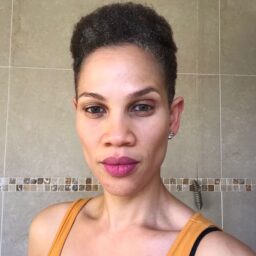
You do not need a gym membership, a rack of dumbbells, or a dramatic Rocky montage to build biceps you can see. You need smart arm training, enough effort, and the patience to repeat it when your motivation seems to have gone missing.
Many women train their arms with tiny weights, endless reps, and no plan to make the work harder. That can feel productive, but your biceps need a real challenge if you want more shape, strength, and definition.
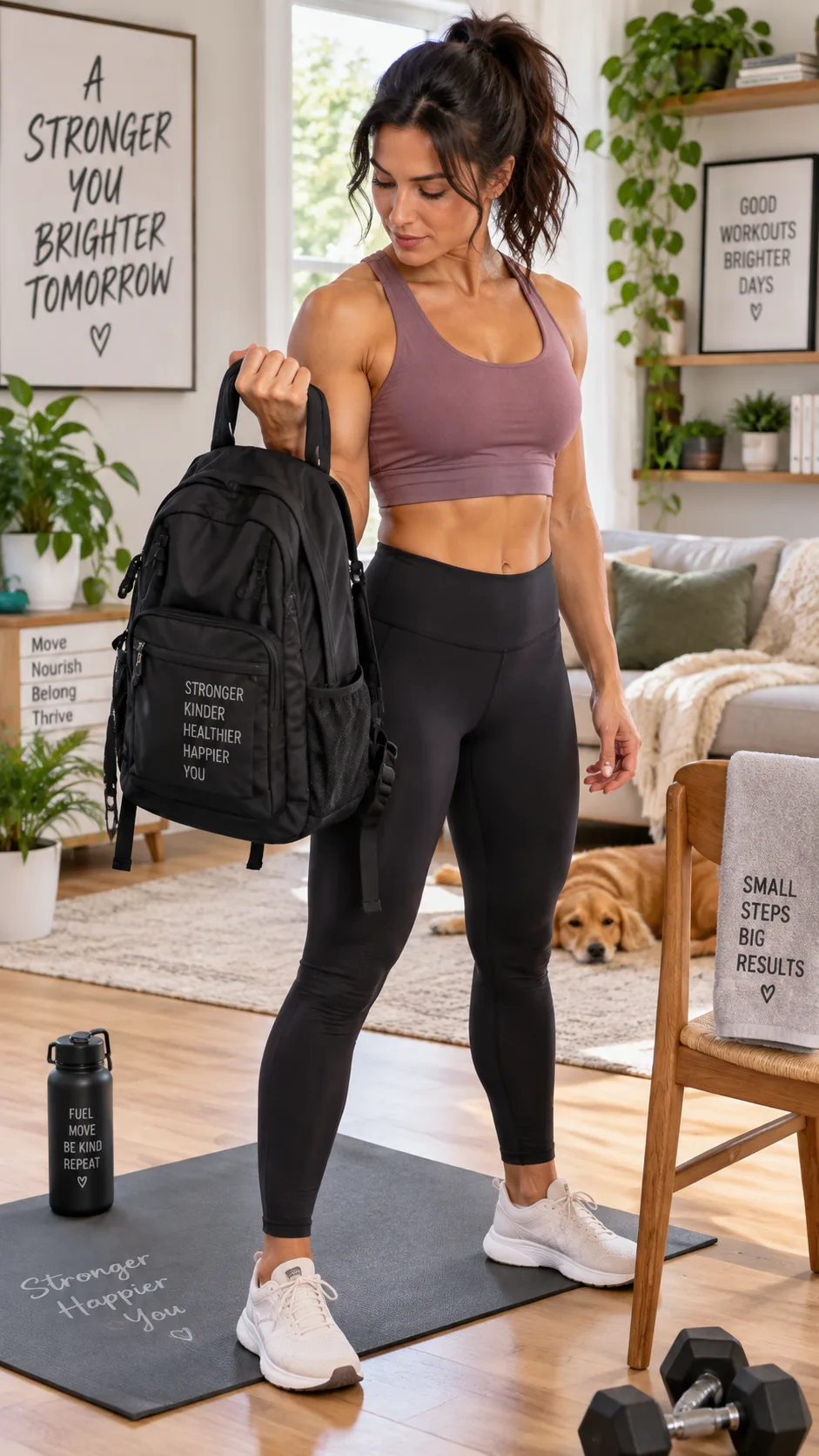
First: What makes biceps show?
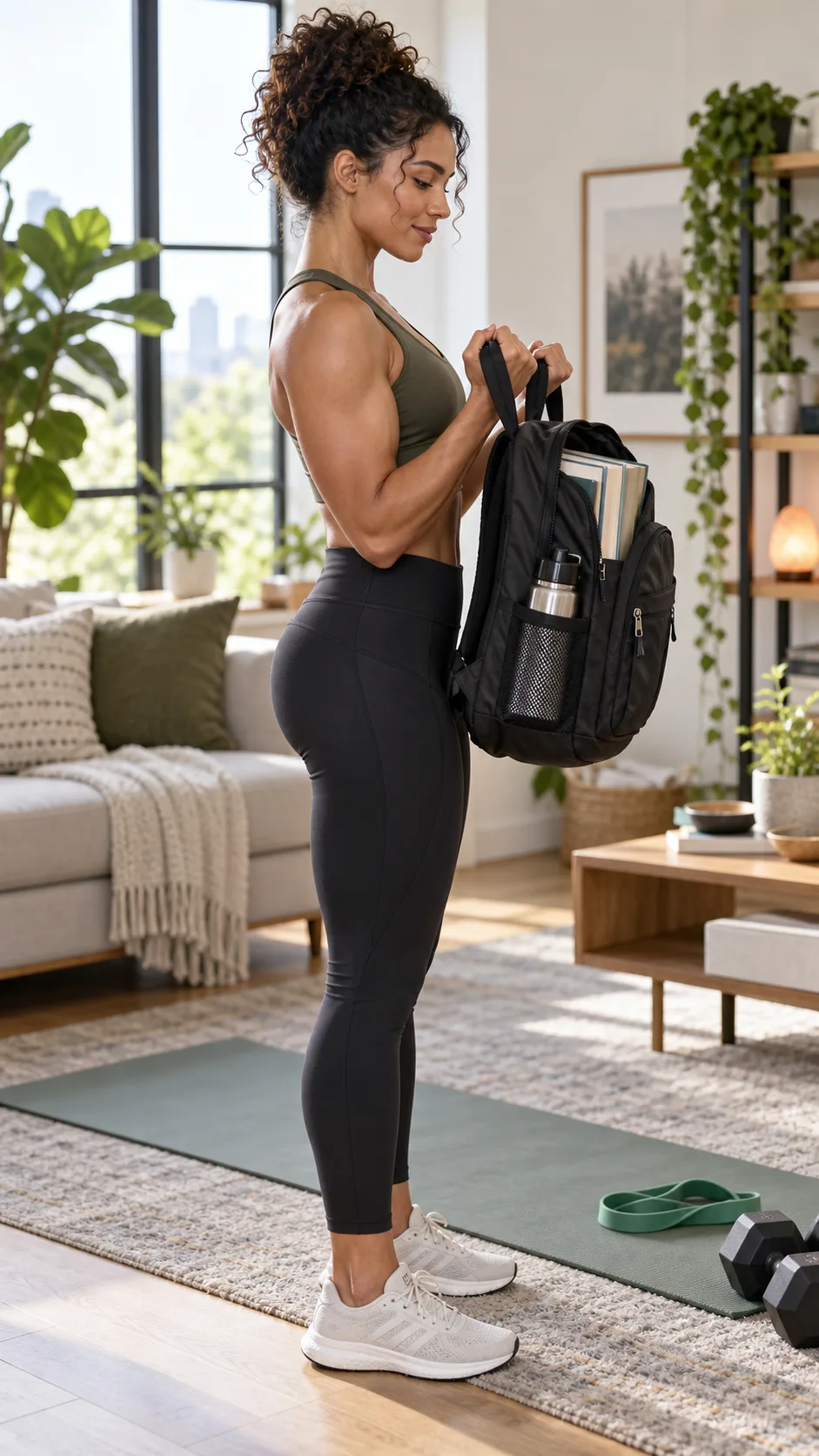
Your biceps run along the front of your upper arms. They bend your elbow, help you turn your palm upward, and make carrying grocery bags feel a little less rude.
Visible biceps come from two things: building the muscle and having a body fat level that lets arm definition come through. You cannot reduce fat in your arms alone, no matter how many “burn arm fat fast” videos say you can.
You can build stronger, more defined arms at home. Use enough resistance, move through a full range of motion, and make your routine harder over time.
Muscle definition does not mean “bulky”
Many women worry that biceps curls will give them huge arms overnight. That fear deserves a polite eye roll. Muscle growth takes regular training, enough food, recovery, and time.
Three home workouts per week will not suddenly give you bodybuilder arms. Most women notice firmer arms, better posture, and more confidence when they train their upper body regularly.
For a bigger picture plan, read this guide to gaining muscle for women. It covers the training habits that help women build muscle without second guessing every step.
Why most no-gym arm workouts fail
Many home arm workouts rely on light weights and frantic high reps. Your arms may burn, but that feeling does not always mean your muscles will grow.
Your biceps grow when you give them work they need to adapt to. The last few reps should feel hard while your form stays clean.
The mistakes that keep your arms stuck
- You stop too early. If you finish every set and could easily do 15 more reps, your biceps have little reason to adapt.
- You never add resistance. Your body adapts quickly, so those same water bottle curls eventually turn into a cute warmup.
- You skip pulling exercises. Rows, pull down movements, and backpack pulls work your biceps while they strengthen your back.
The American College of Sports Medicine recommends muscle strengthening exercise at least two days per week for adults. Read its guidance on physical activity and strength training.
FYI: You do not need soreness to prove that training worked. Track your reps, load, and control instead.
The equipment-free and no-gym biceps plan
You can train your biceps with a backpack, water bottles, grocery bags, resistance bands, or household items that you can hold safely. Start with what you have, then make it harder bit by bit.
A backpack works well because you can add books, canned food, or small bottles until the last few reps demand effort. Balance the load so the bag does not swing around like it has personal beef with you.
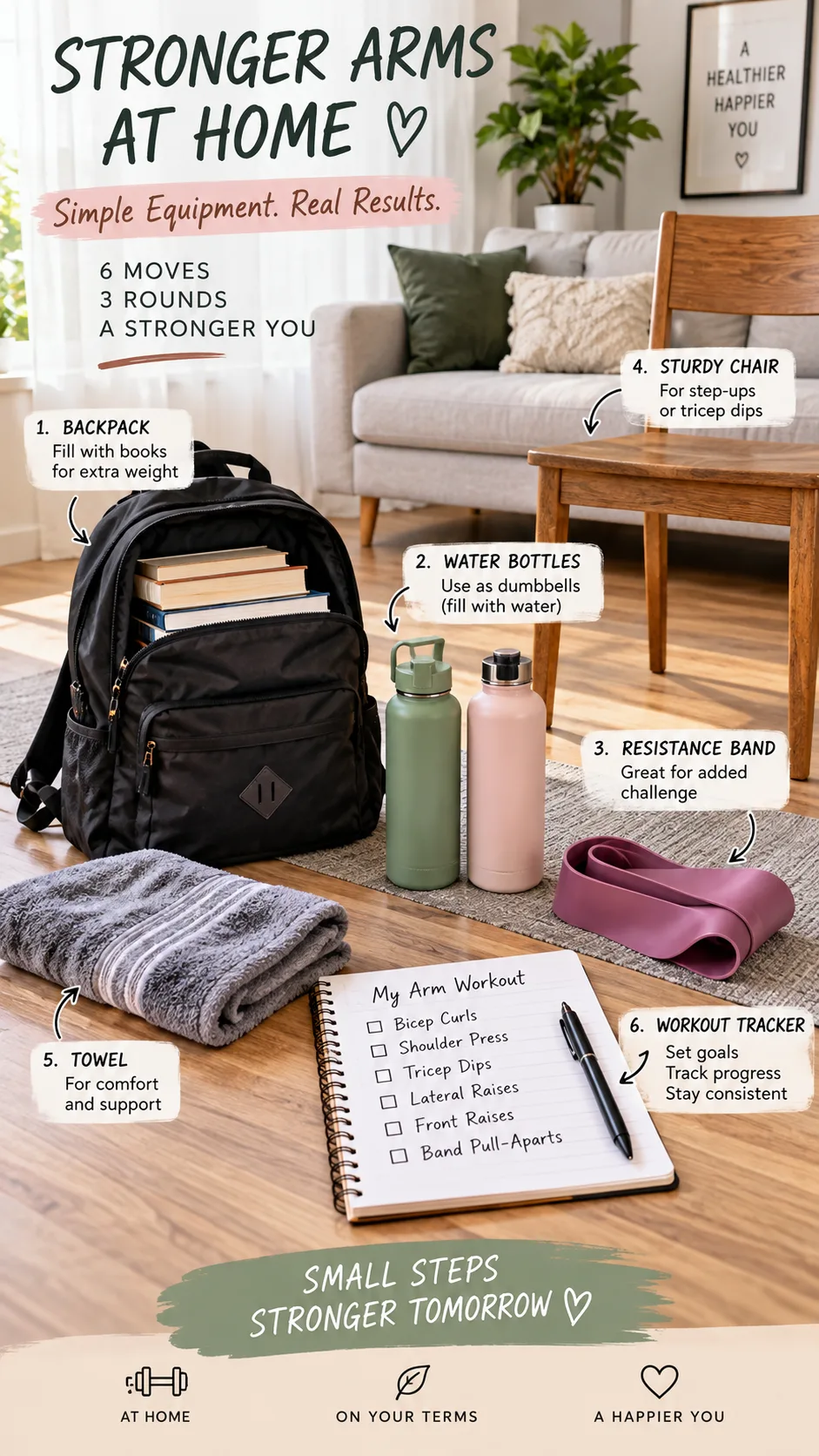
Choose your resistance
- Beginner: two water bottles, light grocery bags, or a lightly loaded backpack.
- Intermediate: a backpack with books, heavier bottles, or medium resistance bands.
- Advanced: a heavily loaded backpack, strong bands, slower reps, and single arm variations.
Choose a load that lets you finish your target reps with good technique. Your final two or three reps should require focus, but your shoulders should not take over.
The 20-minute no-gym arm routine
Do this routine two or three times per week, with at least one rest day between sessions. Move with control rather than speed. Your biceps do not award bonus points for flailing.
Before you begin, roll your shoulders, circle your arms, and do a few easy curls. Take three to five minutes to warm up so your elbows and wrists feel ready.
Your workout
- Backpack biceps curls: 3 sets of 8 to 15 reps. Hold your backpack by the top handle with both hands. Keep your elbows close to your ribs, curl the bag up, squeeze your biceps, then lower it slowly for three seconds.
- Hammer curls with bottles or bags: 3 sets of 10 to 15 reps. Face your palms toward each other. Curl without swinging, then lower with control to work your biceps and forearms.
- One-arm backpack curls: 3 sets of 8 to 12 reps per side. Hold one side of the backpack handle. Keep your torso still and let your arm do the work.
- Backpack bent-over rows: 3 sets of 10 to 15 reps. Hinge at your hips, pull the backpack toward your lower ribs, and squeeze your shoulder blades. Rows give your biceps more work and build a stronger back.
- Towel isometric curls: 2 rounds of 20 to 30 seconds. Stand on the middle of a towel, grab both ends, and curl upward while your feet press down. Create tension deliberately and keep breathing.
Rest for 45 to 75 seconds between sets. To make the work harder without adding much weight, lower each rep more slowly. A modest load can feel much tougher that way.
You can pair this plan with the broader approach in this beginner-friendly strength training guide for women. Whole body strength work helps your arms look balanced and supports steady progress over time.
Form cues that make your biceps work harder
Ever wonder why you feel curls in your shoulders instead of your biceps? Your body loves a shortcut, especially when the load feels heavy.
Use these cues to keep tension in your biceps:
- Keep your elbows near your sides. When they drift forward, your biceps do less work.
- Keep your ribs stacked over your hips. Do not lean back to force the weight upward.
- Turn your palm up during standard curls. That position lets your biceps contract more strongly.
- Lower more slowly than you lift. Take two to three seconds on the way down.
- Stop before pain begins. Muscle effort feels normal. Sharp elbow, wrist, or shoulder pain does not.
If a joint hurts, reduce the load, shorten your range a little, or switch to hammer curls. Talk with a qualified clinician or physiotherapist if pain continues, gets worse, or follows an injury.
The National Academy of Sports Medicine offers education on biceps curl technique. Good form keeps your training useful and stops a simple curl from becoming a full body interpretive dance.
How to progress so your arms keep changing
Your biceps adapt to your workouts, so you need to raise the challenge over time. Fitness people call this progressive overload. In plain terms, you do a little more once your current routine feels easier.
Track each workout in your phone notes or a notebook. Write down the load, reps, sets, and form notes, because memory tends to rewrite history after leg day.
Use one progression at a time
- Add one or two reps to each set until you reach the top of your rep range.
- Add a little weight to your backpack or switch to heavier bottles.
- Slow your lowering phase from two seconds to three or four seconds.
- Add a fourth set to one or two exercises.
- Use one arm curls to make the same load feel harder.
Change one variable at a time. Small progress that you can repeat beats random arm day chaos.
Food and recovery matter more than most people expect
You train your biceps during a workout, but your body repairs and builds muscle afterward. Give your muscles enough protein, calories, sleep, and rest days if you want visible changes.
Protein helps your muscles repair and grow, especially when you spread it across your meals. The International Society of Sports Nutrition states that active people often benefit from 1.4 to 2.0 grams of protein per kilogram of body weight each day, depending on their goals and activity level.
Read its position stand on protein and exercise. You do not need to eat perfectly. Include protein rich foods such as Greek yogurt, eggs, tofu, beans, chicken, fish, cottage cheese, or lentils regularly.
Sleep matters too. Build a routine that gives you enough rest to recover and train well, instead of making coffee your whole personality 🙂
When will you see biceps definition?
You may feel stronger within a few weeks, especially when you start from scratch. Visible changes often take longer because muscle grows slowly and body fat changes on its own schedule.
Many people notice more arm shape after eight to twelve weeks of steady strength training, sensible food choices, and progression. Your genetics, starting point, sleep, stress, and overall training plan all affect the pace.
Do not compare your arms with edited photos, pumped up gym selfies, or someone who has trained for years. Compare your current reps, photos, and strength with your own starting point.
Build the arms you want
Train your biceps two or three times each week, use resistance that challenges you, and progress slowly. Add rows, keep your form strict, eat enough protein, and give your body time to recover.
You do not need fancy equipment to build arms that look strong and feel capable. Grab your backpack, start your first set, and let consistency handle the part motivation rarely finishes.