

You ate the salad. You drank the water. Twenty-seven minutes later, your stomach started filing a formal complaint. Sound familiar?
Here’s the thing nobody tells you when you decide to eat better: hunger is not a character flaw. If your “healthy” meal leaves you raiding the biscuit tin by 4pm, the meal failed you. You didn’t fail the meal.
I spent years eating sad, dry chicken breast with steamed broccoli because someone on the internet told me that’s what discipline looks like. Spoiler: I quit every single time. Then I learned which foods flip the fullness switch in your brain, and eating well stopped feeling like a hostage situation.
So let’s talk about healthy diet food that genuinely keeps you full and tastes like something you’d willingly eat twice.
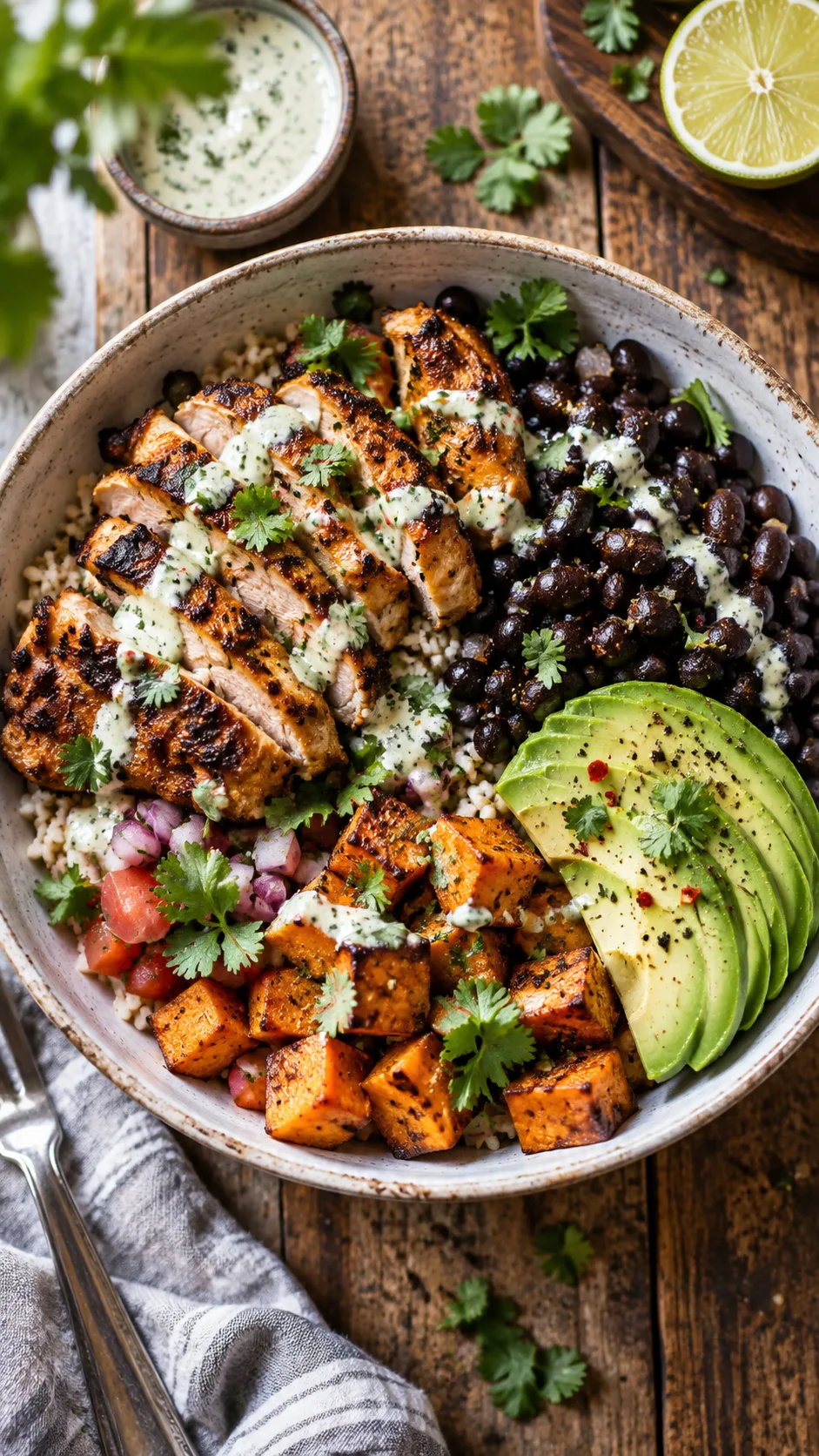
Why you’re still starving after “eating healthy”
Fullness isn’t about willpower. Your gut sends hormonal signals to your brain, and certain foods shout those signals while others whisper. A rice cake whispers. A bowl of lentil stew grabs a megaphone.
Three things drive real, lasting fullness:
- Protein triggers satiety hormones like GLP-1 and PYY, and it burns more energy during digestion than carbs or fat.
- Fibre slows digestion, feeds your gut bacteria, and physically fills space in your stomach.
- Volume and water content matter because your stomach has stretch receptors. They respond to size, not calories.
Most “diet food” fails because it nails the calorie part and ignores all three of those. A 100-calorie snack pack of crackers? Low protein, low fibre, zero volume. You may as well eat air with a marketing budget.
Research backs this up hard. The Harvard T.H. Chan School of Public Health keeps pointing to protein and fibre-rich whole foods as the anchors of appetite control. Ultra-processed foods do the opposite. An NIH controlled trial found people ate roughly 500 extra calories per day on an ultra-processed diet without even noticing. Five hundred! That’s a whole extra dinner you didn’t consciously choose.
The satiety index nobody talks about
Back in 1995, researchers ranked foods by how full they made people feel per calorie, using white bread as the baseline (score of 100). The winners surprised everyone:
- Boiled potatoes: 323 (yes, the food diet culture demonised for two decades)
- Fish: 225
- Oatmeal: 209
- Oranges: 202
- Eggs: 150
- Croissant: 47 (delicious, useless, IMO)
Ever wondered why boiled potatoes crush the list? Water, fibre, resistant starch, and serious volume. They’re cheap, they’re filling, and people have slandered them unfairly for years. Justice for potatoes.
The protein foods that do the heavy lifting
If you only fix one thing, fix your protein. Aim for 25 to 40g per meal and watch your snack cravings quietly disappear.
Eggs (the most underrated food on earth)
Three eggs scrambled with peppers, onions, and a fistful of spinach costs almost nothing and keeps me full for four hours. Studies comparing egg breakfasts to bagel breakfasts of equal calories found the egg eaters ate significantly less at lunch. Cheap, fast, delicious. What’s not to love?
Greek yogurt and skyr
Regular yogurt gives you around 5g of protein per serving. Strained Greek yogurt gives you 15 to 20g. Add berries, a spoon of peanut butter, and some granola: congratulations, you built a dessert that fights hunger. That’s my go-to late-night fix when the kitchen starts calling my name.
Want the full breakdown on building these properly? I wrote about the surprising health benefits of parfait, and it’s genuinely one of the best high protein, high fibre combos you can throw together in two minutes.
Beans, lentils, and legumes
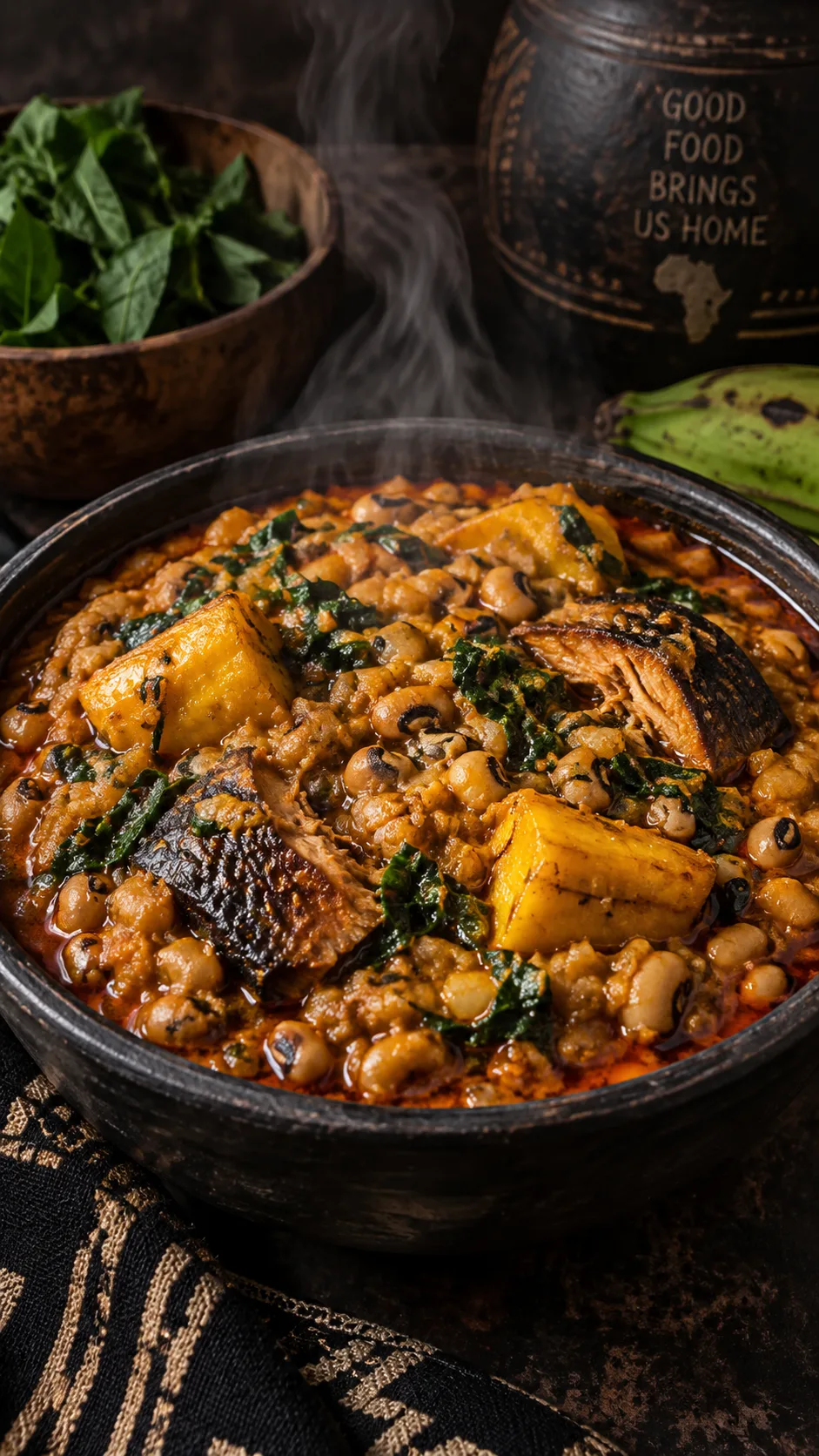
Here’s the cheat code: beans give you protein AND fibre in the same bite. A cup of cooked black beans delivers around 15g protein and 15g fibre. Nothing else does that at that price point.
Nigerian beans porridge, moi moi, lentil dal, chickpea curry, black bean chilli: every culture figured this out independently. They knew.
Fish, chicken thighs, and lean beef
Fish tops satiety charts again and again. Mackerel, sardines, salmon, and tilapia all hit hard, plus you get omega-3s for your brain and heart. And please, use chicken thighs sometimes. They have more fat, more flavour, and they don’t turn into shoe leather if you look away for thirty seconds.
Cottage cheese, tofu, and tempeh
Cottage cheese has made an aggressive comeback, and honestly? Deserved. It’s slow-digesting casein protein, which keeps you satisfied for hours. Tempeh brings protein plus fermented fibre, a real double threat if you eat plant-based.
Fibre: the ingredient everyone skips
Roughly 95% of adults don’t hit their daily fibre target. The recommendation sits around 25 to 38g depending on your size and sex, and most people manage about 15g. That gap explains a LOT of afternoon snacking.
Fibre works in two ways. Soluble fibre forms a gel in your gut and slows everything down. Insoluble fibre adds bulk and keeps your digestion moving. You want both, and whole foods conveniently give you both. The Mayo Clinic’s fibre guide lays out the specifics if you want the deep detail.
High-fibre foods worth your plate space
- Oats because beta-glucan does serious work on satiety
- Chia and flax seeds, and chia absorbs up to 10x its weight in water
- Avocado, 10g fibre in one fruit, plus healthy fat
- Berries, with raspberries hitting 8g per cup
- Sweet potatoes, plantain (unripe), yam: real carbs with real staying power
- Popcorn, a whole grain with huge volume that’s socially acceptable at the cinema
- Garden egg, ugu, okra, bitter leaf: local, cheap, seriously fibrous
If you’re shopping in Nigeria and want options that don’t require a trip to an overpriced import store, this list of 18 Nigerian foods rich in fibre gives you exact fibre counts per serving. Bookmark it.
Volume eating: how to feel like you cheated
Want to eat a plate so big it looks illegal? Volume eating is your answer. The strategy is simple: build meals around water-rich, fibre-rich foods, then add protein and fat for flavour and staying power.
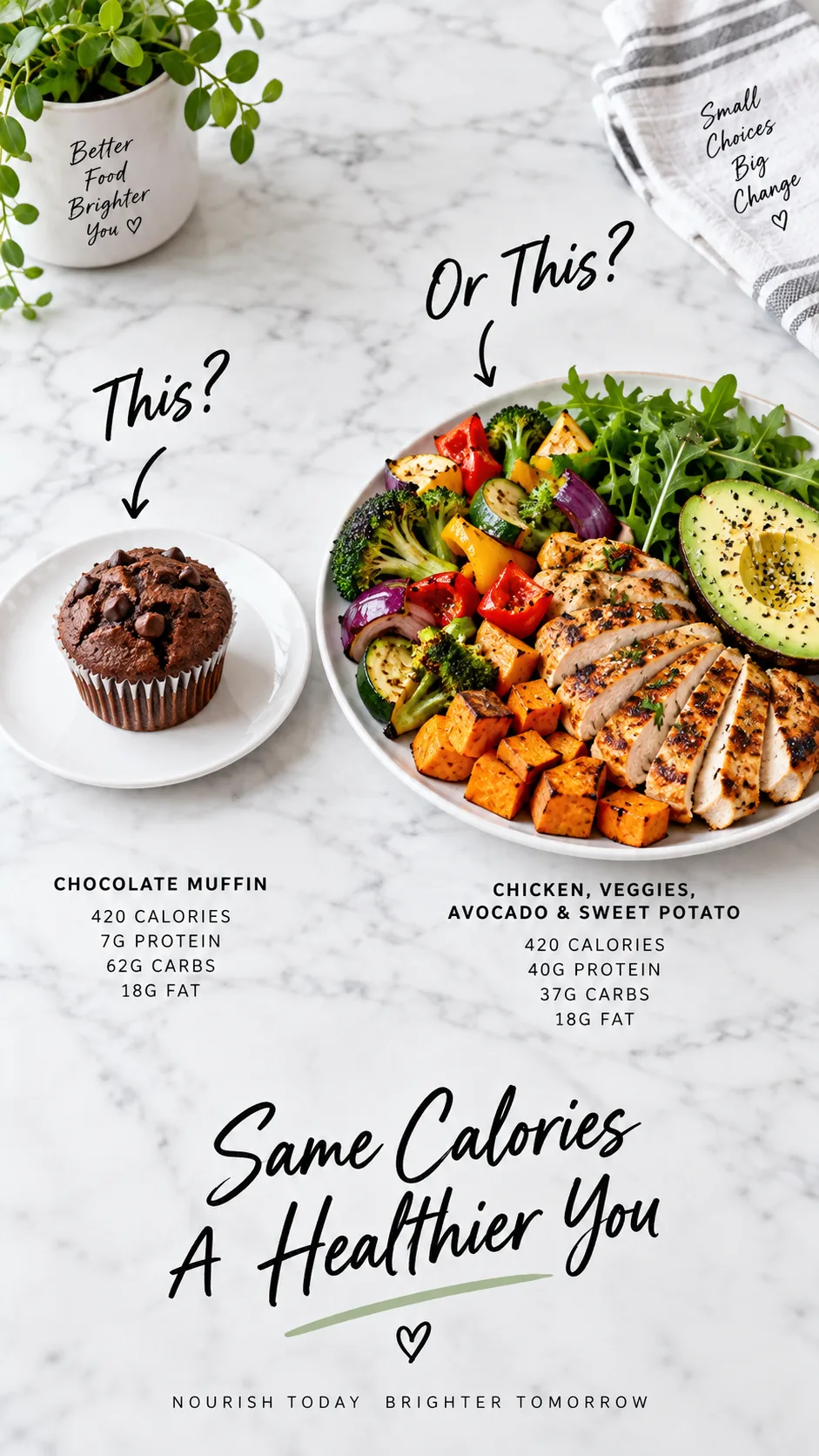
Compare these two 400-calorie meals:
- Option A: One large blueberry muffin. Gone in 90 seconds. Hungry in 45 minutes.
- Option B: Grilled chicken, a mountain of roasted vegetables, half an avocado, and a boiled sweet potato. Takes 15 minutes to eat. Full for four hours.
Same calories. Wildly different experience. Which one sounds like deprivation to you?
Volume hacks that hold up in a real kitchen
- Double the vegetables in every recipe. Every single one. Nobody has ever regretted extra peppers.
- Start meals with soup or salad. Studies show a low-calorie starter cuts total meal intake by up to 20%.
- Bulk out rice with cauliflower or grated courgette. Go 50/50 and you honestly can’t tell.
- Add greens to everything. Spinach wilts down to nothing and disappears into stews, eggs, and pasta sauces.
- Drink water before eating. Not glamorous, but it works.
Flavour is not optional (stop eating sad food)
This is where most people crash. They think healthy eating means stripping out flavour, so they eat cardboard for eleven days and then demolish a whole pizza out of spite. Been there. Twice. :/
My position: fat and seasoning are not the enemy. A tablespoon of olive oil costs you 120 calories and turns a boring tray of vegetables into something you’d pay for at a restaurant.
Your flavour toolkit
- Acid: lemon, lime, vinegar, tamarind. Instantly makes food taste finished.
- Heat: scotch bonnet, chilli flakes, harissa, sriracha. Nearly zero calories, massive payoff.
- Umami: soy sauce, fish sauce, mushrooms, tomato paste, crayfish, nutritional yeast.
- Fresh herbs: coriander, basil, mint, parsley. Add them at the end, not the start.
- Texture: toasted nuts, seeds, crispy onions, crunchy raw veg. Texture is half of enjoyment.
- Smart fats: avocado, olive oil, tahini, peanut butter, full-fat yogurt.
FYI, a homemade tahini, lemon, and garlic sauce takes 90 seconds and makes any grain bowl taste expensive. That one sauce single-handedly saved my meal prep habit.
Speaking of tangy flavour boosters, this tamarind juice recipe doubles as a marinade base. It’s sharp, it’s sweet, and it does wonders on grilled protein.
Real meals that keep you full for hours
Enough theory. Here’s what this looks like on a plate.
Breakfasts
- Savoury oats: oats cooked in stock with an egg stirred in, topped with chilli oil and spring onion. Sounds weird. Tastes incredible.
- Three-egg veggie scramble with a slice of wholegrain toast and half an avocado.
- Greek yogurt bowl: 200g yogurt, raspberries, chia seeds, crushed peanuts, drizzle of honey.
- Akara and pap, traditional, high protein, genuinely filling. Grandma knew.
Lunches
- Chicken and chickpea bowl: shredded chicken, chickpeas, cucumber, tomato, red onion, feta, lemon dressing.
- Beans porridge with unripe plantain and a side of sautéed ugu.
- Loaded tuna salad: tuna, Greek yogurt instead of mayo, sweetcorn, peppers, wrapped in a wholemeal tortilla.
- Lentil soup with a thick slice of seeded bread. Cheap, warming, unreasonably satisfying.
Dinners
- Baked mackerel with pepper sauce, boiled sweet potato, and steamed greens.
- Turkey and vegetable stir-fry over a cauliflower-rice blend with soy, ginger, and garlic.
- Black bean chilli topped with yogurt, coriander, and lime.
- Egusi with plenty vegetables and a controlled portion of swallow. Yes, it fits.
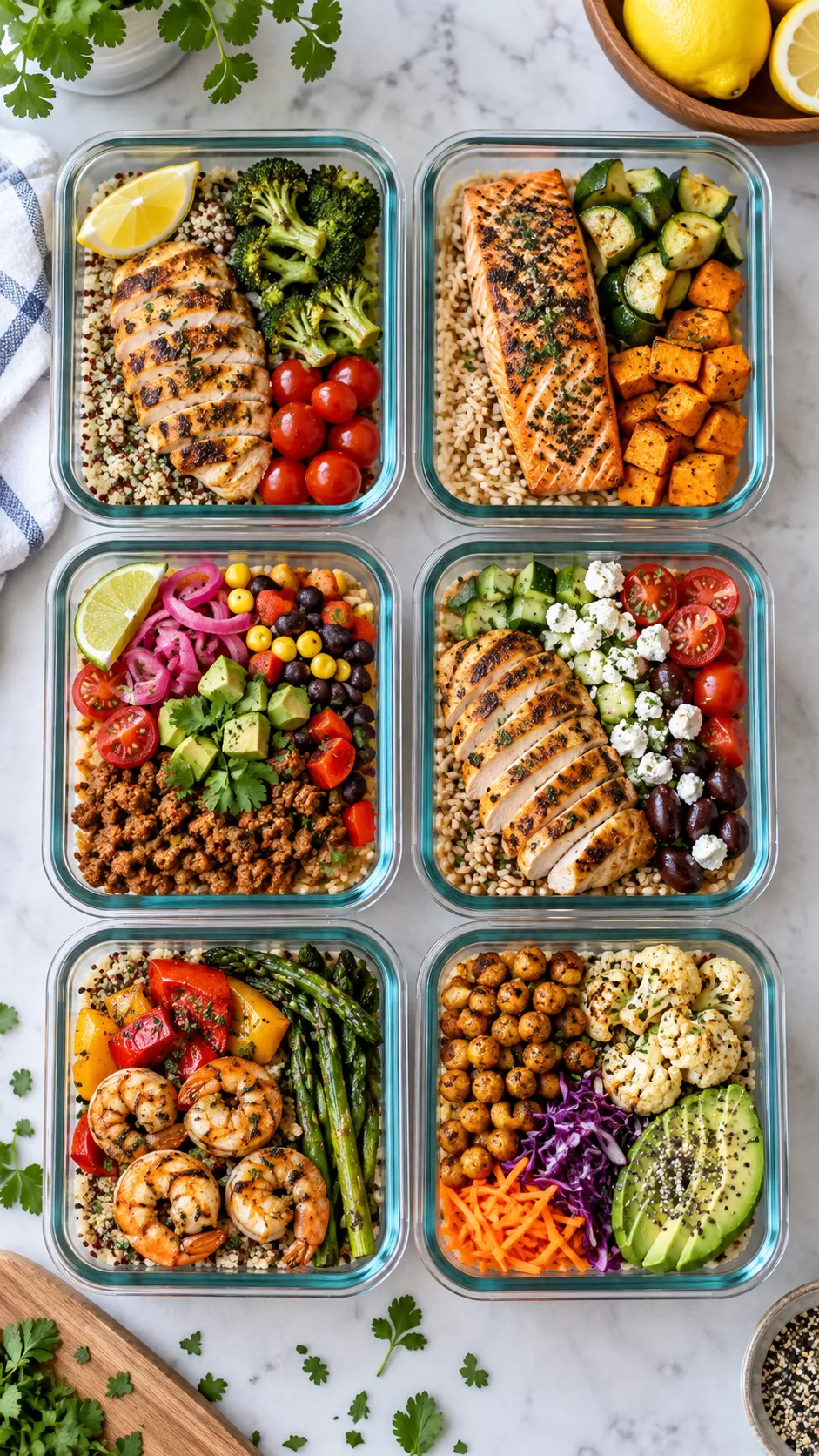
If you want a system so you’re not cooking from scratch every night, my guide to lunch meal prep for the week covers the batching approach. And if you eat plant-based, the healthy vegetarian meal prep ideas post solves the protein puzzle without leaning on soy every day.
Watch a practical breakdown
Sometimes seeing beats reading. This breakdown covers the science of satiety and which foods give you the most fullness per calorie:
The traps that quietly ruin your progress
Some “healthy” foods sabotage your fullness completely. I learned these the hard way.
- Smoothies as meals. Blending wrecks the fibre structure and your stomach empties fast. Chew your fruit. (Smoothies work brilliantly if you’re trying to gain weight, though. Different goal, different tool.)
- Granola. Often 500 calories per cup with barely any protein. Delicious dessert, terrible breakfast.
- Fruit juice. All the sugar, none of the fibre, zero fullness.
- “Low-fat” anything. Manufacturers take out the fat and add sugar. You end up hungrier and less satisfied.
- Rice cakes and diet crackers. Puffed air with a health halo.
- Skimping on protein at breakfast. A carb-only breakfast sets up a hunger spiral that lasts all day.
If you want the full local list, these 11 foods that make you fat in Nigeria (and their replacements) covers the sneaky everyday culprits nobody suspects.
Build your plate: the simple formula
Forget tracking every gram. Use this instead, every meal, and you won’t need to do any maths:
- ½ plate: non-starchy vegetables (greens, peppers, tomatoes, garden egg, okra, cabbage)
- ¼ plate: protein (eggs, fish, chicken, beans, tofu, lean beef)
- ¼ plate: fibre-rich carbs (sweet potato, brown rice, oats, unripe plantain, yam)
- Plus: a thumb of healthy fat and as much seasoning as you like
That’s it. Do this most of the time and your hunger levels settle within a week or two. I’ve watched it work for friends, for family, and for my own stubborn appetite.
And remember, food is one lever. Movement matters too. Building muscle raises your baseline metabolism and improves how your body handles carbs. If you’re starting out, learning to properly activate your glutes makes a real difference to your lower-body training results. Want a full roadmap? The no-nonsense weight loss guide for Nigeria ties food and training together.
Final thoughts: full beats perfect
Let’s recap the stuff that matters:
- Protein and fibre control your hunger hormones. Put them in every meal, no exceptions.
- Volume matters more than calories for how full you feel. Big plates, smart ingredients.
- Flavour keeps you consistent. Acid, heat, umami, and fat are your allies, not your enemies.
- Ultra-processed food quietly overrides your fullness signals. Cook more, even if it’s simple.
- Sustainable beats optimal. A “perfect” diet you abandon in a week still beats nothing, but only barely.
The diet you stick to is the one that feeds you properly. Not the one that turns you into a hangry, biscuit-hunting gremlin at 4pm.
So here’s your homework: pick ONE meal this week and rebuild it using the plate formula. Add real protein. Double the vegetables. Season it like you respect yourself. Then notice how long you stay full.
Eating well should feel like eating more, not less. Once that clicks, you stop needing willpower, and that’s when everything changes. 🙂