

You opened your lunch container at 12:30, looked at the sad, grey chicken breast and three lonely broccoli florets, and thought: I’d rather eat the container. Been there. I once prepped five identical boxes of boiled rice and steamed fish on a Sunday and seriously considered quitting food by Wednesday.
Lunch meal prep falls apart for two boring reasons: the food doesn’t keep you full, and it doesn’t taste like anything. Fix those two and you become the person at work everyone eyes jealously at lunchtime. So let’s build that.
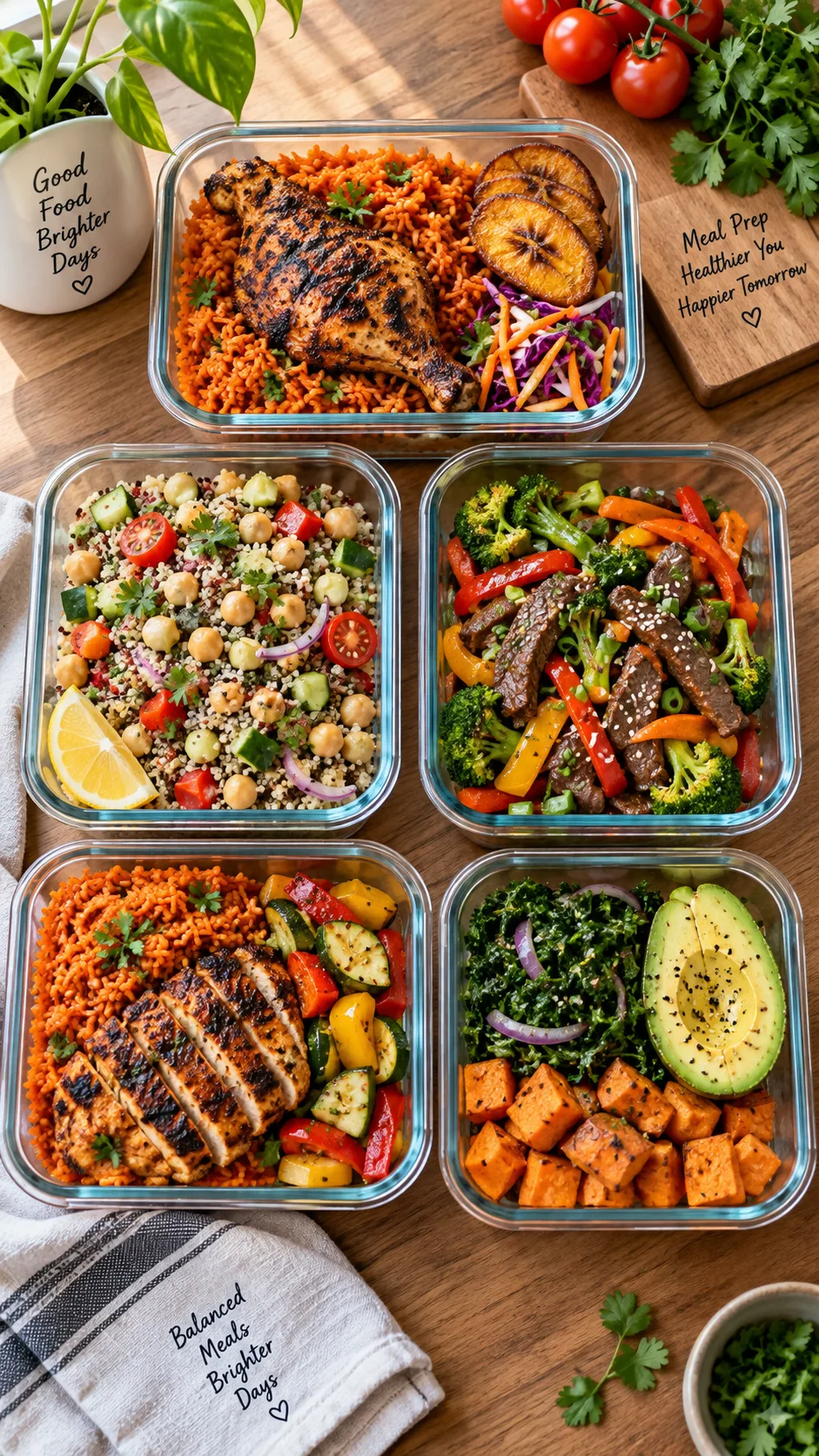
Why most meal prep lunches leave you hungry by 2PM
Let me guess your usual prep: a pile of carbs, a small piece of protein, and a vegetable you added out of guilt. You eat it, you feel briefly virtuous, and then 90 minutes later your stomach starts filing complaints.
Fullness isn’t about volume. It’s about composition. Protein, fibre, fat and water content decide how long a meal holds you. Skip one of those and your lunch becomes a snack wearing a costume.
The four levers that control satiety
- Protein does the heavy lifting. Harvard’s Nutrition Source explains that protein slows digestion and influences appetite hormones like ghrelin. Aim for 25 to 40g per lunch. Read their protein breakdown here.
- Fibre slows the whole show down and feeds your gut bacteria. The Mayo Clinic recommends 25 to 38g daily, and most of us manage maybe half. See the guidelines.
- Fat adds flavour, carries fat-soluble vitamins, and keeps the meal from tasting like punishment. Olive oil, avocado, nuts, egg yolks, palm oil in moderation.
- Volume and water come from leafy greens, cucumber, tomatoes, soups. They stretch your stomach without stretching your calories.
Ever wondered why a big bowl of vegetable soup with meat keeps you going longer than a bigger plate of plain pasta? That’s all four levers pulling at once. FYI, this is also why certain Nigerian foods work brilliantly for weight loss. They carry plenty of protein and fibre on their own, once you stop drowning them in swallow.
The formula: build any lunch in 60 seconds
Forget recipes for a moment. Recipes lock you in. Formulas set you free. Memorise this template and you can prep lunch from whatever your fridge and your budget allow.
The 1-1-2-1 plate
- 1 palm-sized protein: chicken thigh, beef, fish, eggs, beans, tofu, turkey
- 1 cupped-hand carb: rice, sweet potato, plantain, couscous, quinoa, yam, wholewheat pasta
- 2 fists of vegetables: yes, two. This is the part everyone cheats on
- 1 thumb of fat: olive oil, avocado, sesame, groundnut, cheese
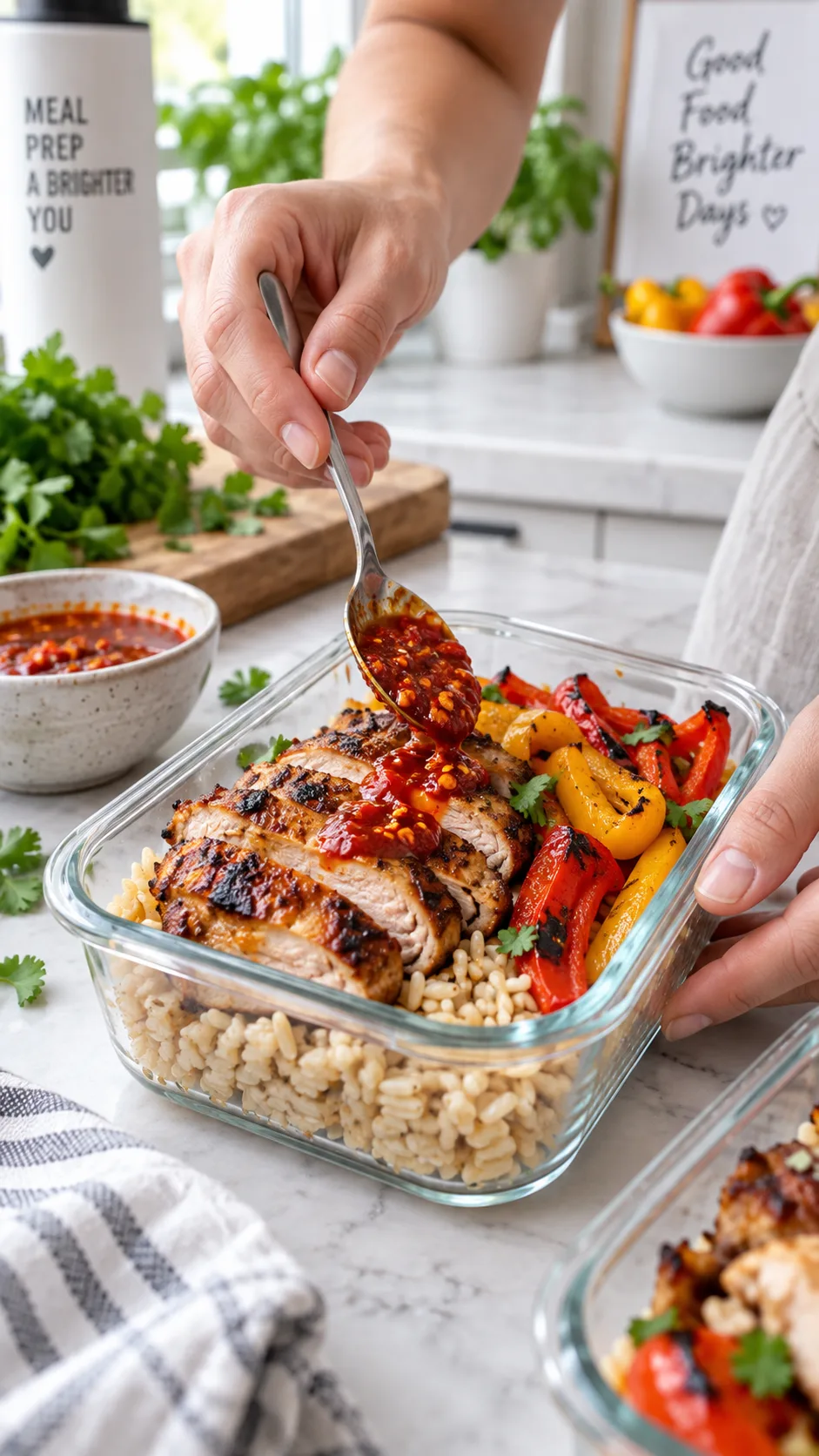
Then add the part nobody talks about: a sauce or a crunch. A drizzle of chilli oil, a spoon of pepper sauce, toasted nuts, crispy onions, pickled red onions. This single step separates “food I tolerate” from “food I look forward to.”
Prepping low-carb? Adjust, don’t abandon
If you eat fewer carbs, swap the carb slot for cauliflower rice, extra vegetables, or a bigger protein portion. Plenty of people I know run this style successfully. Check the full list of low-carb and non-carbohydrate foods if you need ideas that don’t taste like cardboard.
The Sunday system: 90 minutes, five lunches
I used to spend four hours meal prepping. Four. Hours. Then I worked out that I was mostly standing around waiting for things to cook while scrolling my phone. Now I run this and I’m done before the football starts.
Step-by-step timeline
- Minute 0 to 5: Preheat the oven to 200°C. Put a big pot of water on. Momentum matters.
- Minute 5 to 20: Chop everything. Vegetables on one board, protein on another. Season the protein generously, roughly twice as much as feels reasonable.
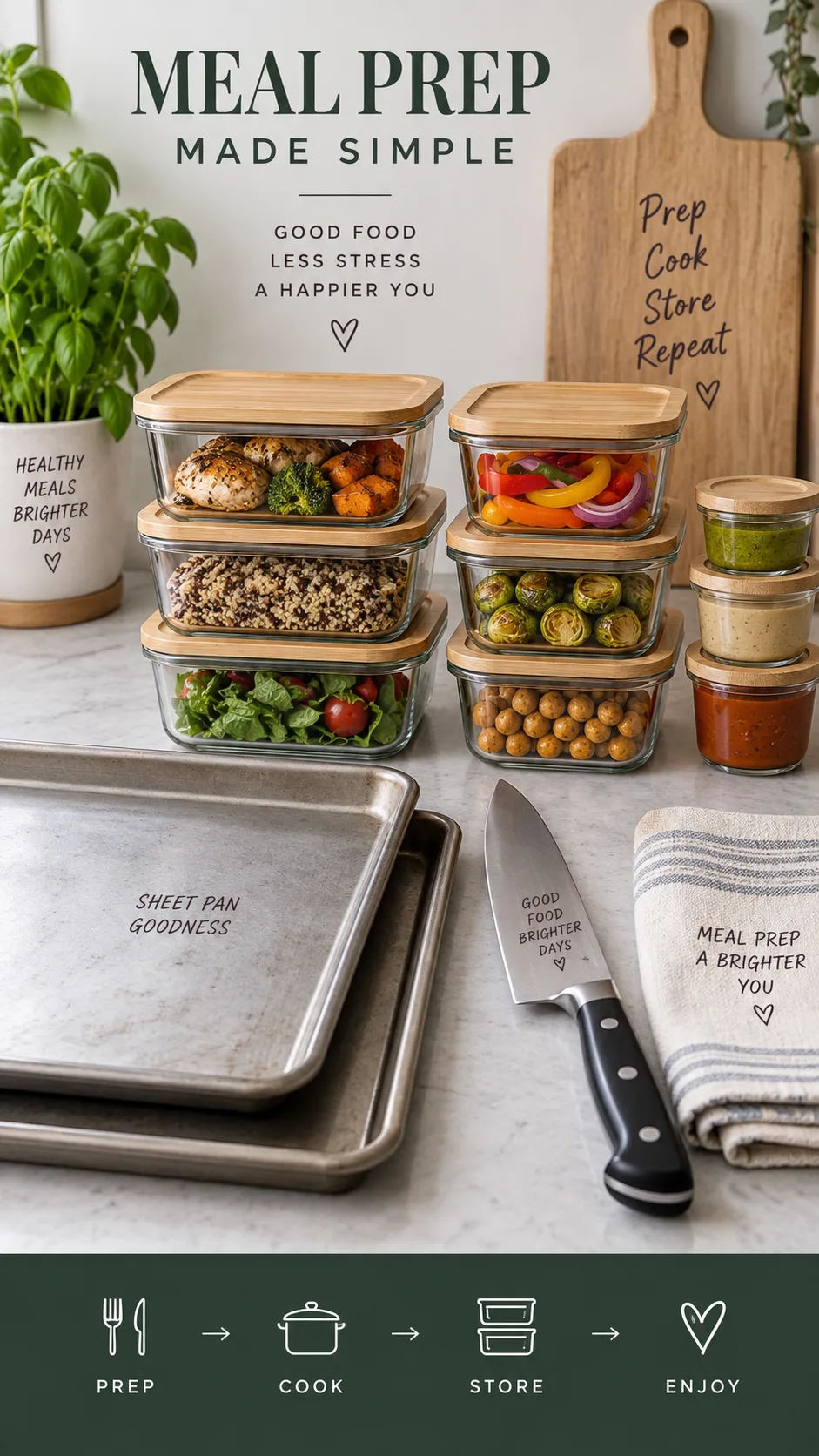
- Minute 20 to 25: Load two sheet pans. One for protein, one for vegetables. Into the oven they go.
- Minute 25 to 45: Cook your grain or starch. Rice, quinoa, or sweet potatoes in the boiling water. Meanwhile, make your sauce.
- Minute 45 to 60: Pull the pans. Let everything cool on the counter, because hot food in a sealed container creates steam, and steam creates sadness.
- Minute 60 to 75: Assemble. Grain first, protein second, vegetables third, sauce in a separate small pot.
- Minute 75 to 90: Wash up. Label lids with masking tape and a marker. Future you will send thanks.
Golden rule: never cook five identical meals. Cook components. Three proteins, two carbs, a pile of roasted veg, and two sauces give you dozens of combinations. Same effort, and you never get bored.
Seven lunch meal prep ideas that don’t get old
These rotate through my fridge constantly. Each one survives three to four days, travels well, and tastes good cold or reheated.
1. Jollof-style rice bowls with spiced chicken thighs
Thighs beat breasts for meal prep, full stop. They stay juicy on day four while breast meat turns into rope. Add roasted peppers, cucumber-tomato salad on the side, and a boiled egg for extra protein.
2. Peanut-sauce stir fry
Beef or chicken strips, broccoli, carrots, bell peppers, groundnut sauce. Keep the sauce separate and toss it in at lunch. Nobody enjoys soggy vegetables at 1PM.
3. Loaded bean bowls
Beans quietly beat almost everything else on fullness per naira. Black-eyed peas or brown beans with sautéed onions, tomatoes, a swirl of palm oil, and fried plantain. Roughly 15g protein and 12g fibre per cup, which buys you a genuine four hours.
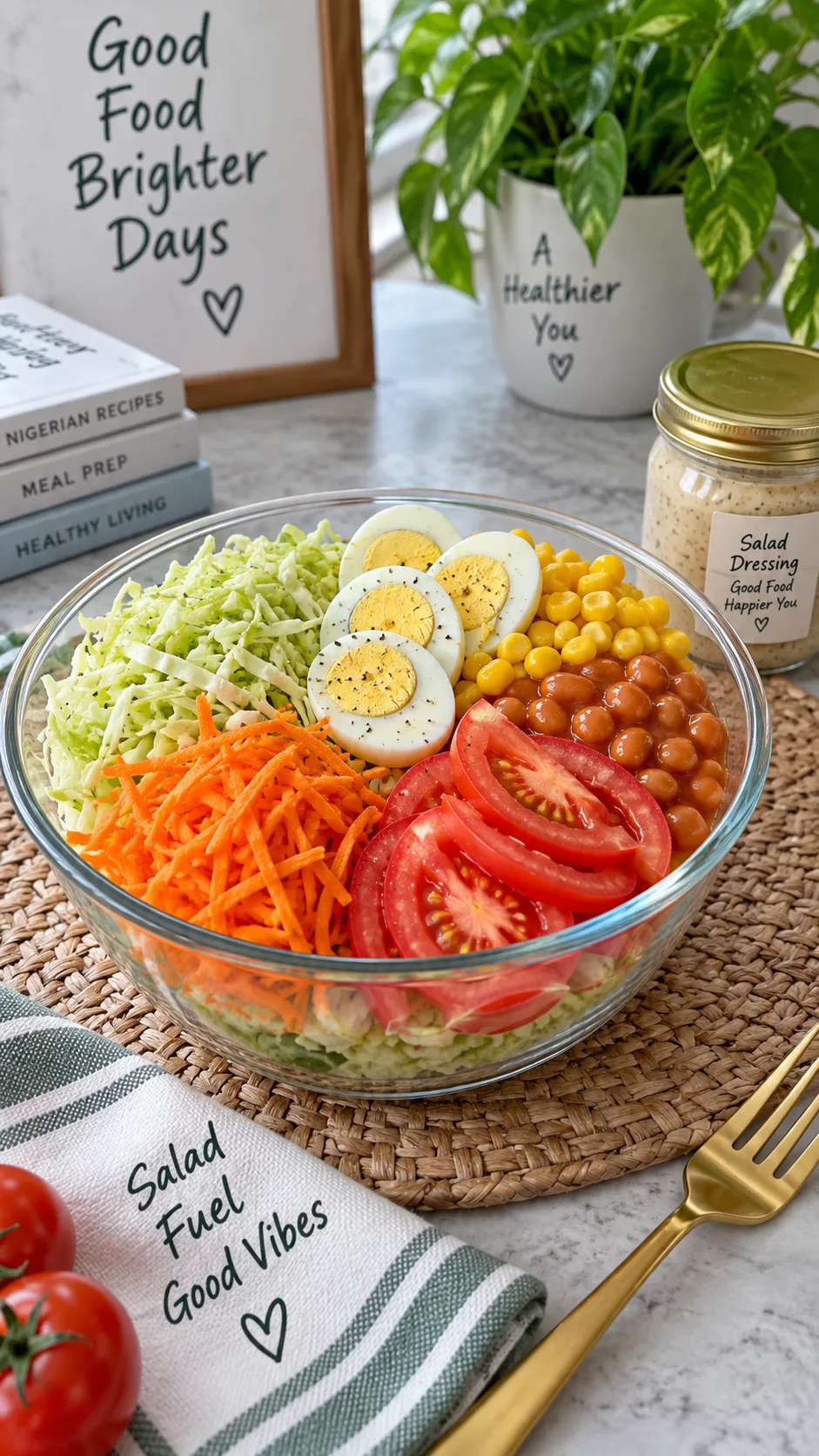
4. Big salad plus a protein add-on
Salads get a bad reputation because people build them wrong. Add real protein, real fat, and a real dressing, and they hold you fine. This step-by-step Nigerian salad method makes a version that fills you up rather than teasing you.
5. Sheet-pan fish with roasted vegetables
Mackerel, tilapia, or salmon with sweet potato wedges and green beans. Fish reheats poorly in a microwave, IMO. Eat it cold or at room temperature with a squeeze of lime. It’s better that way anyway.
6. Yam porridge batch
One pot, serves four, tastes better on day two. If you’ve never nailed the texture, this yam porridge recipe with two easy methods sorts it out. Add extra protein (smoked fish, beef, or eggs) so it holds you properly.
7. Mason jar soups
Layer cooked lentils, shredded chicken, chopped vegetables and seasoning in a jar. Pour boiling water in at work, stir, wait five minutes. Cheap, warm, high in fibre, and weirdly satisfying on a rough day.
Food safety: the boring part that matters most
I’ll keep this short, but please don’t skip it. Cooked food lasts three to four days in the fridge, not seven. The USDA’s cold storage guidance says so plainly, and you can check the full chart here.
- Cool food within 2 hours of cooking, then refrigerate it. In hot climates, make that 1 hour.
- Reheat to steaming hot, around 74°C / 165°F all the way through.
- Freeze days 4 and 5 on Sunday, then move them to the fridge on Tuesday night. This one trick solves the whole problem.
- Rice deserves respect. Cool it fast and refrigerate it promptly, because reheated rice left at room temperature can host Bacillus cereus. The NHS explains it plainly.
- Never trust the sniff test alone. Plenty of nasty bacteria produce no smell at all.
Also: cooked rice reheated after chilling develops resistant starch, which feeds gut bacteria and blunts the blood sugar spike slightly. Your lazy fridge habit has a small scientific upside. Nice. 🙂
Containers, gear and the stuff worth spending on
You don’t need a fancy setup. But a few things genuinely change the experience.
- Glass containers with locking lids. They don’t stain, they don’t hold onto pepper smell, and they go straight into the microwave. Worth every naira.
- Small sauce pots (60 to 100ml). The single best purchase for lunch prep. Sauce stays sauce.
- Two large sheet pans. Roasting beats boiling for flavour every single time.
- A sharp knife. Dull knives make prep feel like a chore and send people back to takeaway.
- An insulated lunch bag. If your office fridge is a warzone or doesn’t exist, you need one.
Flavour strategy: how to stay excited by Thursday
Boredom kills more meal prep habits than lack of time ever will. So attack boredom directly.
Cook neutral, season later
Roast your chicken with just salt, pepper and oil. Then on Monday it becomes a peri-peri bowl, on Wednesday a peanut-sauce wrap, on Friday a salad topper. Same chicken, three completely different meals. Your tastebuds will never catch on.
Build a sauce arsenal
- Pepper sauce: scotch bonnet, onion, garlic, tomato, blended and fried in oil
- Green sauce: parsley, garlic, lemon, olive oil, salt
- Peanut sauce: groundnut paste, soy sauce, lime, ginger, warm water
- Yoghurt-garlic: plain yoghurt, crushed garlic, lemon, salt
- Quick pickles: red onion in vinegar and a pinch of sugar, ready in 20 minutes
Each takes under five minutes. Each one transforms an entire week. Which you make first depends on your mood, nothing more.
Add texture on purpose
Soft food gets boring fast. Keep a jar of toasted groundnuts, roasted pumpkin seeds, or crispy fried onions on your desk. Sprinkle at lunch. Crunch tricks your brain into thinking the meal is fresh.
Common meal prep mistakes (I’ve made every one)
- Prepping seven days at once. Day six tastes like regret. Prep three or four days, then top up midweek.
- Undersalting. Cold food mutes flavour. Season slightly beyond what tastes right when hot.
- Dressing salads on Sunday. You’ll open a container of compost. Keep it separate.
- Ignoring portion drift. Weigh or eyeball consistently for the first two weeks so you learn what a real portion looks like.
- Choosing food you don’t like. You will not eat it. I don’t care how healthy it is.
- Skipping the freezer. Your freezer is a pause button for food. Use it. :/
- Going all-in on week one. Start with three lunches. Win. Then scale.
Make it fit your goals
Meal prep does more than save time. It’s the most reliable lever you have for controlling what you eat. If fat loss sits on your list, prepped lunches remove the daily decision fatigue that drives people to the nearest buka. Pair it with these five practical weight-loss cheats and you’ve got a system, not a diet.
Want to gain muscle? Push protein toward the top of the range and add an extra carb portion on training days. Want steadier energy? Lean heavier on fibre and fat, lighter on refined carbs. The formula stays the same. Only the dials move.
One more honest note from experience: meal prep improves your health mostly because it removes chaos. No panic-ordering. No 3PM vending machine raid. Just a container that already answered the question for you.

Your first week: a simple starting plan
- Sunday: Roast 6 chicken thighs plus 1 tray of mixed vegetables. Cook 3 cups of rice. Make pepper sauce.
- Monday: Rice bowl, chicken, veg, pepper sauce.
- Tuesday: Chicken and veg over a big salad base, olive oil and lemon.
- Wednesday: Rice, chicken, fried egg on top, pepper sauce.
- Thursday: Cook a quick bean pot in the evening (20 minutes with pre-soaked beans).
- Friday: Beans and plantain. Treat yourself, you earned it.
That’s it. Six steps, one shopping trip, and you never panic at lunchtime.
The bottom line
Lunch meal prep works when your food keeps you full and makes you happy. Nail protein, fibre, fat and volume. Cook components instead of complete meals. Keep sauces separate. Respect the three to four day fridge window. Add crunch.
Start this Sunday with three lunches. Not five, not seven. Three. Prove to yourself the system works, then let it grow.
And if Thursday’s container still looks boring? Throw a spoon of pepper sauce on it and call it a new recipe. That’s basically how cooking got invented anyway.