

Most people laugh when they see a claim about dropping 10 kilos in 10 days on an egg diet. You probably raised an eyebrow too, wondering if anyone can shed that much weight so quickly just by boiling a carton of eggs.
I asked myself that exact question two years ago when a bridesmaid dress refused to zip up two weeks before my best friend’s wedding. Panic drives rash decisions. I boiled two cartons of eggs, prepared for a week of sulfur burps, and stepped onto the scale every morning.
The scale drops fast on an egg regimen. Yet most people approach this experiment wrong. They wreck their digestion, dump pure water and muscle, and regain 12 kilos the following weekend. You need a sensible blueprint to see visible results without crashing your metabolism. Read our foundational guide on the egg diet plan that works to understand how sustainable egg protocols function over longer stretches.
The science: can you really lose 10kg in 10 days?
Consider the basic metabolic math. One kilogram of human body fat stores roughly 7,700 calories. Burning 10 kilograms of fat in 10 days requires a deficit of 77,000 calories, or 7,700 calories each day. Unless you run back to back ultramarathons through Death Valley on an empty stomach, your body cannot burn that much adipose tissue in ten days.
Where does that dramatic weight drop come from instead? Why do the numbers plunge so fast during the first four days?
Your body stores carbohydrate energy inside your liver and skeletal muscle tissue as glycogen. Every single gram of glycogen binds to approximately three to four grams of water. According to research published by the National Library of Medicine, when you slash carbohydrates down to near-zero levels, your body burns through its glycogen reserves within 48 to 72 hours. As those glycogen stores drain, your kidneys flush out that bound water through frequent urination.
Here is the realistic breakdown of that 10kg loss:
- Water weight (4kg to 6kg): Depleting glycogen and calming systemic inflammation dumps trapped fluid.
- Digestive waste (1.5kg to 2.5kg): Cutting carbohydrate volume empties your intestines.
- Body fat (2kg to 3kg): High protein intake pushes your body into ketosis, which consumes stored fat for energy.
- Intracellular fluid (0.5kg to 1kg): Muscle cells temporarily contract as they release water.
The scale will drop and your clothes will loosen. You will regain that weight immediately, however, if you return to junk food on day eleven. Treat these ten days as an aggressive reset rather than a quick pass to binge later.
Four major mistakes that ruin the egg diet
Most versions of the boiled egg diet sound like medieval punishment. Dieters adopt rigid rules, feel lightheaded on day two, and quit by day four. Here are four widespread mistakes that cause people to fail.

Mistake 1: eating only hard-boiled eggs
Nobody requires you to boil eggs until the yolk turns chalky gray. When you choke down dry yolks three times a day, meal fatigue hits quickly. Cook your eggs in different styles. Scramble them with a light spray of avocado oil, poach them over greens, or bake them into a frittata. Variety keeps you on track.
Mistake 2: throwing away the yolks
The low-fat craze of the 1990s convinced millions of people to discard the yellow center. That throws away the best nutrients. The yolk holds choline for your brain, lutein for your eyes, vitamins A, D, E, and K, plus fats that trigger fullness signals. Research from Harvard T.H. Chan School of Public Health confirms that dietary cholesterol in whole eggs does not raise heart risks for most healthy adults. Eat the whole egg.
Mistake 3: ignoring electrolytes
The dull headache that hits on day three of a strict low-carb diet rarely signals hunger. It signals low sodium, potassium, and magnesium. Your kidneys dump sodium rapidly when insulin drops. If you do not salt your eggs, you will battle fatigue, brain fog, and muscle cramps. Salt your food generously with sea salt.
Mistake 4: skipping fibrous greens
Eggs digest easily, but they contain zero dietary fiber. If you eat only eggs for ten days without greens, your digestion stalls. A backed-up digestive system holds water and waste, which stops scale progress in its tracks. Pair your eggs with non-starchy vegetables like spinach, arugula, cucumbers, or asparagus.
The 10-day egg diet meal protocol
This plan spaces out protein, protects lean muscle, and keeps insulin low to speed up fat burning. Follow this daily meal plan.
Days 1 to 3: the depletion phase
During the first three days, your body shifts from burning glucose to burning fat. Expect fast drops on the scale as your body releases stored glycogen. Drink water constantly.
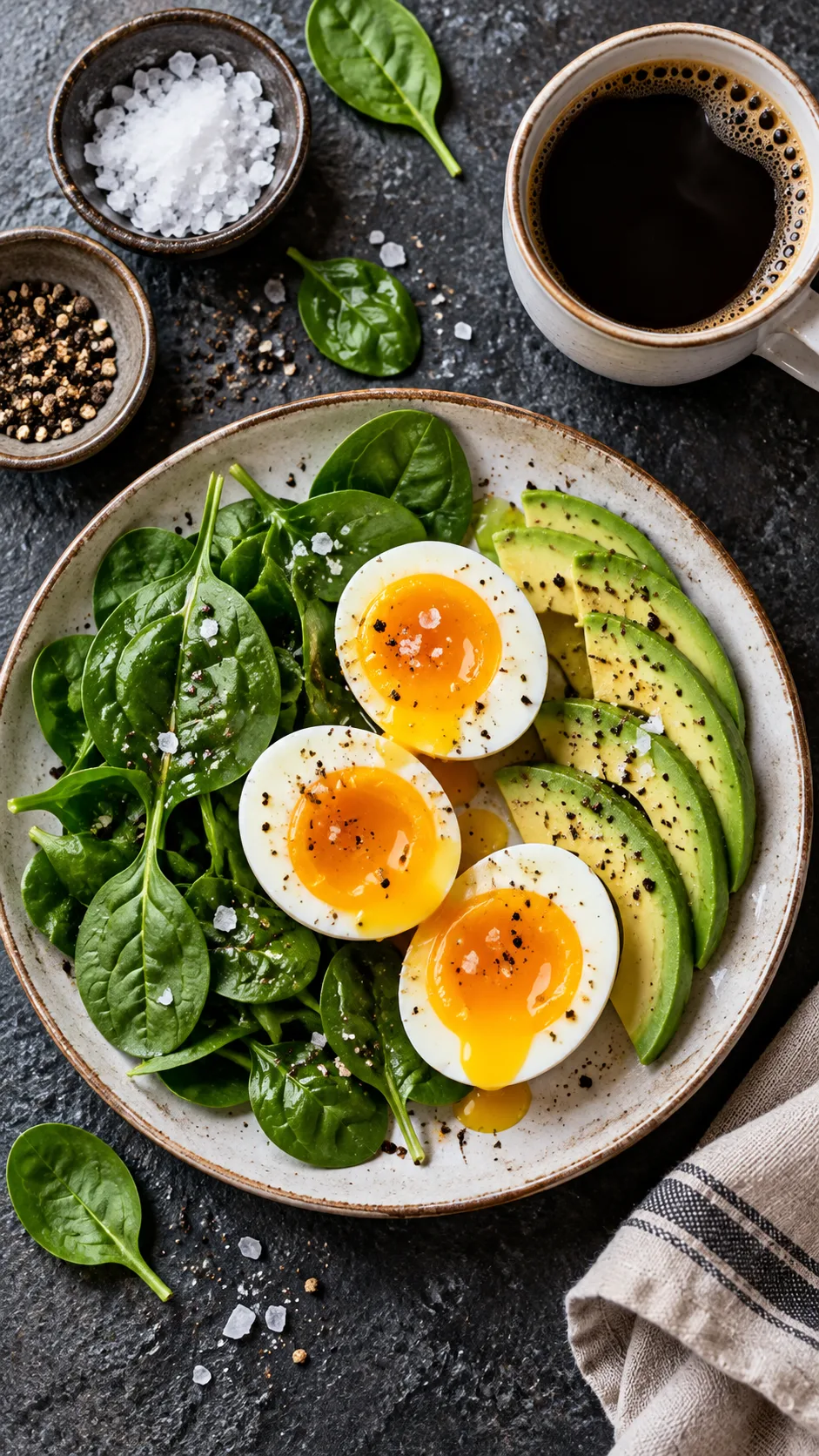
- Breakfast: Two whole eggs (poached or soft-boiled), a cup of steamed spinach with sea salt and black pepper, and a cup of unsweetened green tea or black coffee.
- Lunch: Two scrambled eggs cooked with fresh chives or parsley, plus one small cucumber sliced with apple cider vinegar.
- Snack (Optional): One hard-boiled egg with smoked paprika if you get hungry between meals.
- Dinner: Two sunny-side-up eggs over 150 grams of steamed broccoli or asparagus, drizzled with a teaspoon of extra virgin olive oil.

Days 4 to 7: the adaptation phase
By day four, your body adapts to using fat for fuel. Hunger quiets down and your energy levels level out. This phase adds lean poultry or fish at dinner to diversify your protein while keeping calories low.
- Breakfast: A three-egg omelet folded over baby arugula and three sliced cherry tomatoes, with black coffee or herbal tea.
- Lunch: Egg salad made from two hard-boiled eggs mashed with a half tablespoon of Greek yogurt, a teaspoon of Dijon mustard, and diced celery, wrapped in romaine lettuce leaves.
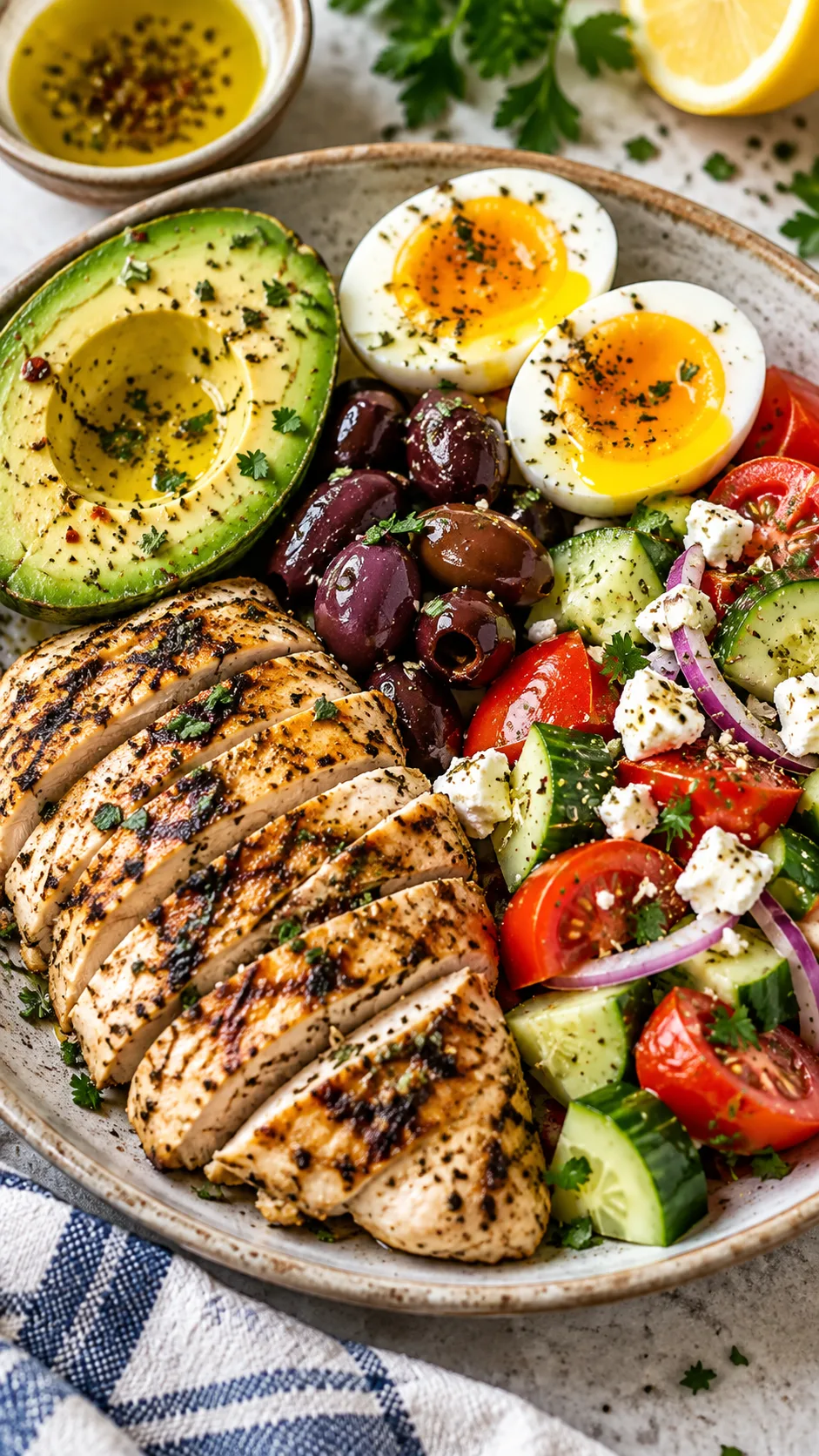
- Dinner: 150 grams of grilled chicken breast or cod, one hard-boiled egg, and a large bowl of mixed greens with lemon juice and sea salt.
For more ideas on organizing your weekly meals, review our overview of the egg diet plan that works to stay motivated across the full ten days.
Days 8 to 10: the final flush phase
The final three days strip away remaining water retention. You will drop inflammatory triggers and drink plenty of clean liquids.
- Breakfast: Two whole eggs baked inside bell pepper rings with Himalayan pink salt, alongside warm water with fresh lemon juice.
- Lunch: Two poached eggs over 100 grams of sautéed zucchini ribbons and fresh basil.
- Dinner: Two soft-boiled eggs, 100 grams of steamed wild salmon, and steamed asparagus spears.
- Evening drink: A cup of warm chamomile tea or pure bone broth before bed.

Core rules to follow
To see reliable progress on the scale, you need strict boundaries during these ten days. Consistency determines your outcome.
- Drink 3.5 liters of water daily: Your liver needs water to break down fatty acids. Dehydration slows fat metabolism and forces your body to hold fluid.
- Cut all liquid calories: Skip sodas, milk, plant milks, alcohol, and fruit juices. Drink plain water, sparkling water, black coffee, and unsweetened tea.
- Shorten your eating window: Follow an intermittent fasting schedule like 14:10 or 16:8. Eat your first meal around 10:00 AM and finish dinner by 6:00 PM to keep nightly insulin levels low.
- Salt your meals: Do not avoid sodium during an ultra-low-carbohydrate plan. Adequate salt prevents dizziness, headaches, and cravings.
- Sleep eight hours every night: Poor sleep elevates cortisol, which leads to fluid retention and muscle loss. Quality sleep keeps fat loss moving.
Grocery shopping list for the 10 days
Stock your kitchen before day one starts. Having the right groceries on hand keeps you from reaching for old snacks.
- Eggs: Three or four cartons. Pick pasture-raised or organic eggs if your budget allows.
- Lean proteins: 600 grams of chicken breast, 300 grams of wild salmon, and 300 grams of white fish fillets.
- Low-carb vegetables: Baby spinach, arugula, romaine lettuce, zucchini, broccoli, fresh asparagus, and cucumbers.
- Seasonings: Apple cider vinegar, lemons, Dijon mustard, sea salt, black peppercorns, smoked paprika, chives, and garlic powder.
- Cooking fats: Cold-pressed extra virgin olive oil and one ripe avocado.
- Beverages: Loose-leaf green tea, black coffee, chamomile tea, and sparkling mineral water.

Managing side effects: staying comfortable during the diet
Rapid dietary shifts bring brief physical adjustments while your body switches to burning fat. You can handle the most common issues with simple adjustments.
Clearing brain fog with electrolyte water
If a headache strikes around mid-afternoon on day two, stir a pinch of sea salt, fresh lemon juice, and a splash of raw apple cider vinegar into 500ml of water. This mixture restores your sodium levels and clears brain fog quickly.
Preventing constipation with magnesium
Low-carb meals produce smaller amounts of digestive waste. If your bowels stop moving for two straight days, take 300 milligrams of magnesium citrate before bed. Magnesium pulls water into your intestines to promote regular morning elimination.
Managing late-night cravings
When your brain looks for sweets late at night, you usually crave dopamine rather than calories. Brew a warm mug of peppermint or cinnamon tea. The aroma and heat satisfy your palate without interrupting fat burning.
The post-diet transition: keeping the weight off
Many dieters finish on day ten, feel thrilled with their progress, and immediately celebrate with pizza and cake. They wake up three days later bloated, holding water, and frustrated to see the scale jump back up.
You need a structured plan to exit the diet safely and protect your metabolic rate. Follow this three-day transition to return to everyday eating:
- Day 11 (Introduce root vegetables): Keep breakfast and lunch egg-based, then add 100 grams of roasted sweet potato or butternut squash to dinner. This steady carbohydrate addition refills muscle glycogen without causing wild fluid swings.
- Day 12 (Add berries and cultured dairy): Eat a half cup of blueberries or blackberries with 100 grams of plain Greek yogurt at breakfast. These fermented foods and gentle fibers nourish your gut flora.
- Day 13 and beyond (Build a whole-food baseline): Move toward a Mediterranean dietary pattern. Keep your morning eggs, but incorporate fish, poultry, olive oil, nuts, seeds, and grains like quinoa. You can find more transition strategies in our guide to the egg diet plan that works.
Who should avoid this plan
This short-term routine produces fast changes on the scale, but it does not suit everyone. Protect your health before pursuing rapid aesthetic goals.
Avoid this 10-day protocol if you fall into any of these groups:
- Pregnant or nursing women: Fetal development and milk production require balanced calories and varied nutrients.
- People with chronic kidney disease: Processing higher amounts of protein strains impaired kidneys. Read guidance from the National Kidney Foundation on dietary protein limits.
- Anyone with a history of disordered eating: Strict food plans can re-trigger cycles of restriction and overeating.
- Individuals with familial hypercholesterolemia: If your genetics make you hyper-responsive to dietary cholesterol, speak with a doctor before raising your egg consumption.
Frequently asked questions
Can I use butter to fry my eggs?
Keep cooking fats light during these ten days. Half a teaspoon of butter or a light mist of olive oil works well. Pouring several tablespoons into your pan piles on hidden calories that will stall your progress.
Will my cholesterol shoot through the roof?
Research shows dietary cholesterol does not drive cardiovascular problems for most people. Your liver slows its own production when food provides more cholesterol. If you have medical concerns about your lipid markers, check your numbers with your doctor before and after making major diet shifts.
Can I exercise during these 10 days?
Dial back heavy weightlifting and intense cardio. Your body holds minimal glycogen, so high-exertion workouts will feel exhausting. Stick to low-intensity movement: walk 10,000 steps each day, stretch, or do gentle yoga. Let your meals create the deficit.
What if I despise hard-boiled eggs?
Cook them however you like. Scramble them, poach them, or bake them into vegetable egg cups. The nutrition stays the same across cooking styles, as long as you do not add heavy cream or excess oil.
Final thoughts: starting your 10-day reset
This 10-day egg plan provides a short reset rather than a lifelong lifestyle. It sheds bloating, drops excess fluid, and helps break sugar habits faster than standard regimens.
You have the full plan to succeed. You know how to hydrate, season your food, eat your greens, and reintroduce carbohydrates safely afterward. Get your cartons of eggs, clear your kitchen pantry, and put the plan into action today.