

So your glucose test came back wonky, and someone handed you a photocopied sheet that basically says “eat plain chicken and cry.” I’m going to save you from that fate. A gestational diabetes diet does not have to taste like cardboard soaked in regret.
You can eat jollof. You can eat bread. You can eat dessert. You just need to know how to build the plate so your blood sugar stops doing rollercoaster impressions every afternoon.
Let’s get into the actual food.
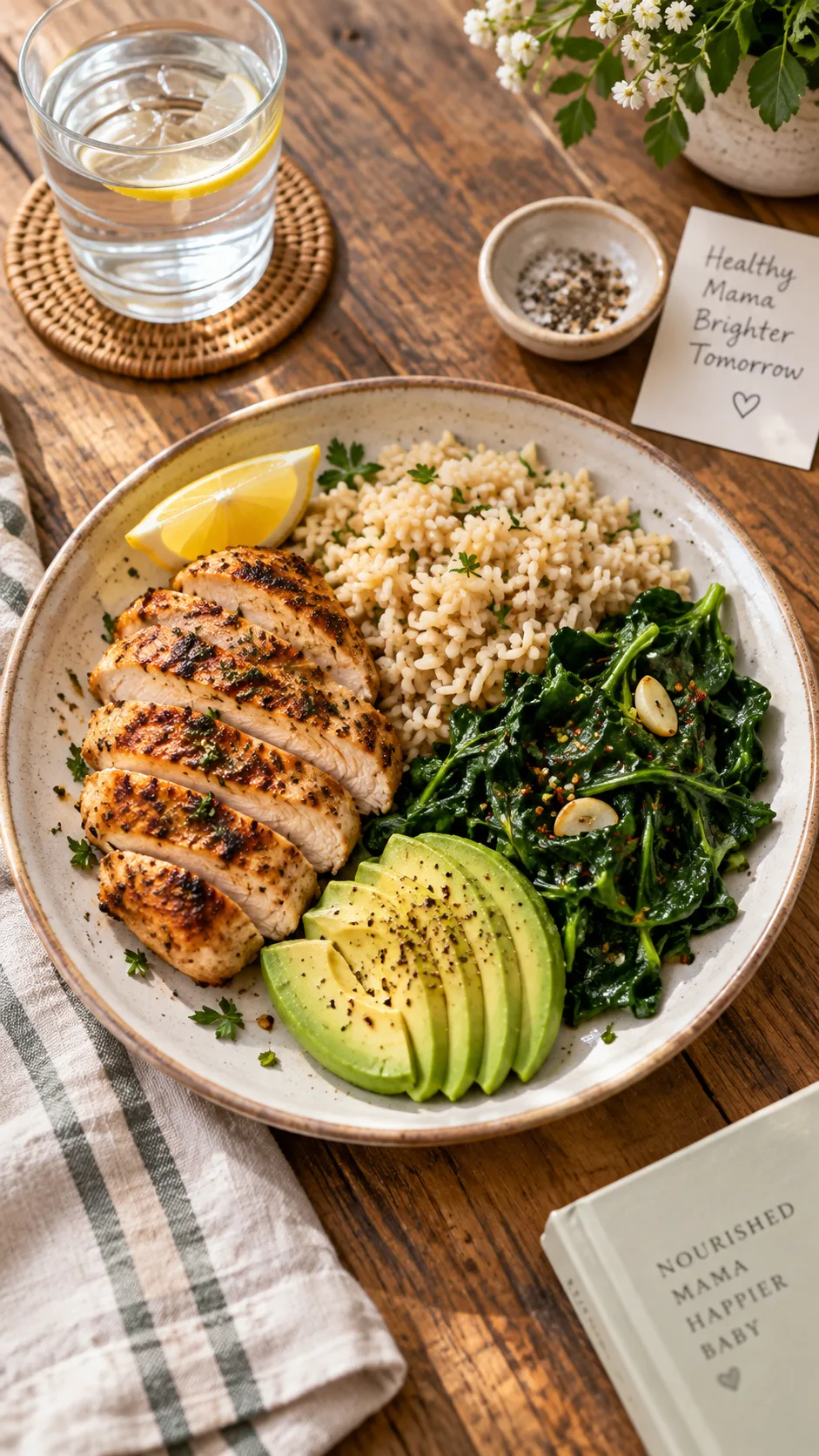
First, What Actually Happens to Your Blood Sugar in Pregnancy?
Your placenta pumps out hormones. Those hormones make your cells ignore insulin — a phenomenon doctors politely call insulin resistance. Your pancreas tries to compensate by producing more insulin. Sometimes it keeps up. Sometimes it waves a white flag, and you get gestational diabetes mellitus (GDM).
Here’s the part nobody tells you: this is not your fault. You didn’t eat too much cake. Genetics, placental hormones, age, and body composition all stir the pot. The CDC estimates gestational diabetes affects roughly 2–10% of pregnancies in the US each year, and rates run higher in many other regions.
Why does this matter for your dinner plate? Because food is the lever you control several times a day. Hormones you can’t negotiate with. Carbs you can.
The Numbers Your Doctor Wants
Most clinicians in this space aim for targets like these (your provider may adjust them — always follow THEIR numbers):
- Fasting: under 95 mg/dL (5.3 mmol/L)
- 1 hour after a meal: under 140 mg/dL (7.8 mmol/L)
- 2 hours after a meal: under 120 mg/dL (6.7 mmol/L)
The American Diabetes Association publishes updated standards of care every year, and your OB or dietitian will translate those into your personal plan. Bookmark that, not random Facebook groups.
The One Rule That Fixes 80% of the Problem
Never eat a naked carb.
That’s it. That’s the headline. A slice of bread alone spikes you. A slice of bread with eggs and avocado? Completely different story. Protein, fat, and fiber slow digestion, which slows glucose absorption, which keeps your curve smooth instead of spiky.
Ever wondered why the banana you ate at 10am sent your meter into orbit, but the same banana with peanut butter behaved itself? Same sugar. Different delivery speed. Your bloodstream notices.
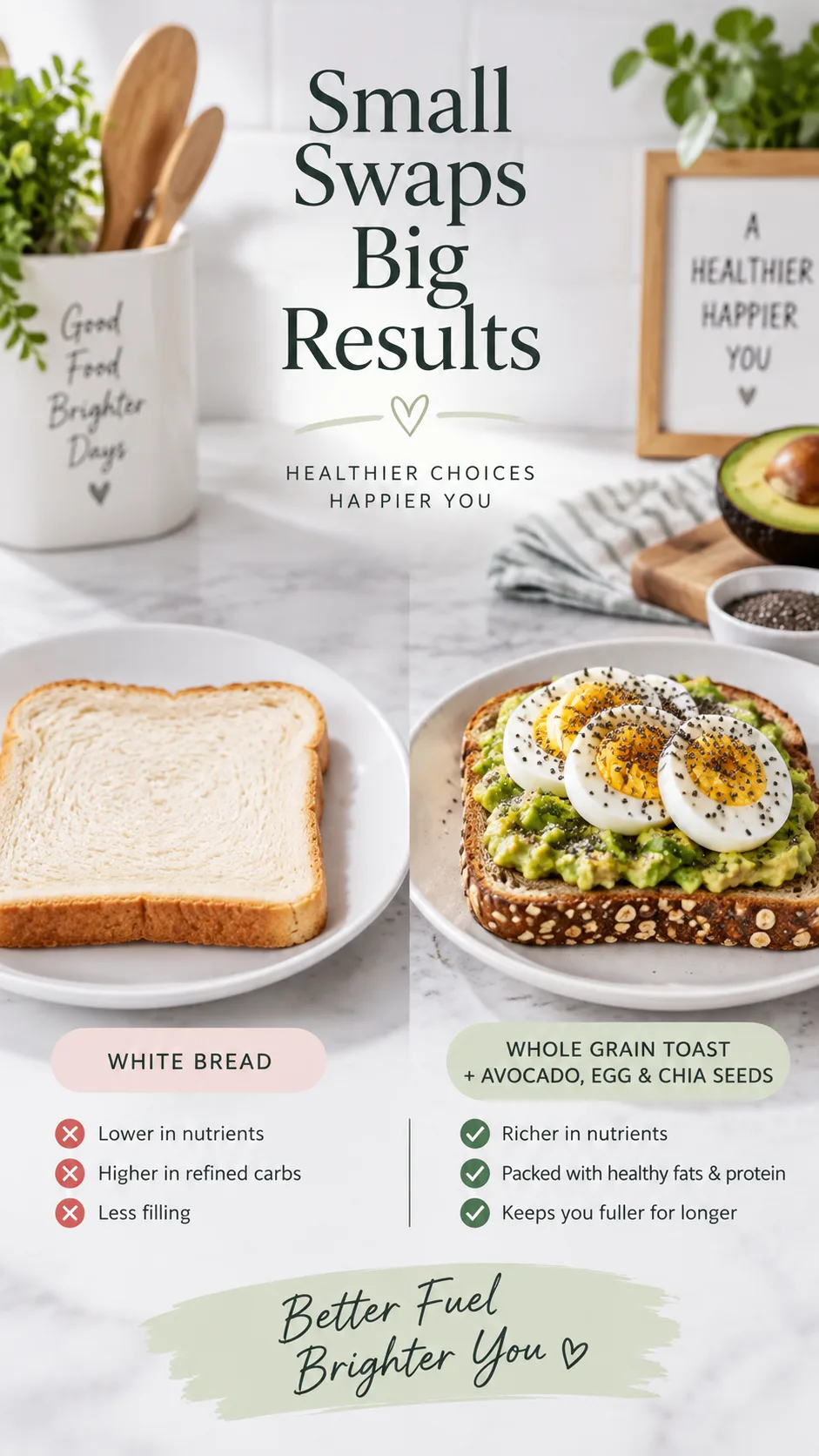
The Plate Formula I Actually Use
- Half the plate: non-starchy vegetables. Ugwu, spinach, broccoli, green beans, garden egg, cucumber, cabbage, peppers.
- A quarter: protein. Eggs, fish, chicken, beef, beans, tofu, Greek yogurt.
- A quarter: smart carbs. Brown rice, oats, sweet potato, whole grain bread, plantain (careful with the ripe ones).
- Add fat: olive oil, palm oil in moderation, avocado, nuts, seeds.
Notice I didn’t say “eliminate carbs.” Your baby’s brain runs on glucose. Most guidelines recommend a minimum of about 175g of carbohydrate per day during pregnancy — you’re managing carbs, not banishing them.
Breakfast: Where Most People Blow It
Morning insulin resistance peaks. That’s just biology being rude. The cereal-and-milk breakfast that felt innocent pre-pregnancy will now spike you harder than an afternoon plate of rice. Annoying? Yes. Predictable? Also yes.
Keep breakfast carbs to roughly 15–30g and always pair with protein and fat. Here’s what actually works:
5 Breakfasts That Don’t Wreck Your Numbers
- Two eggs + sautéed spinach + one slice of seeded whole grain toast. The gold standard. Boring? Add pepper sauce and it isn’t.
- Greek yogurt + chia seeds + a handful of berries + almonds. High protein, low sugar, done in 90 seconds.
- Moi moi + a boiled egg. Bean-based, protein-heavy, culturally normal, and genuinely delicious.
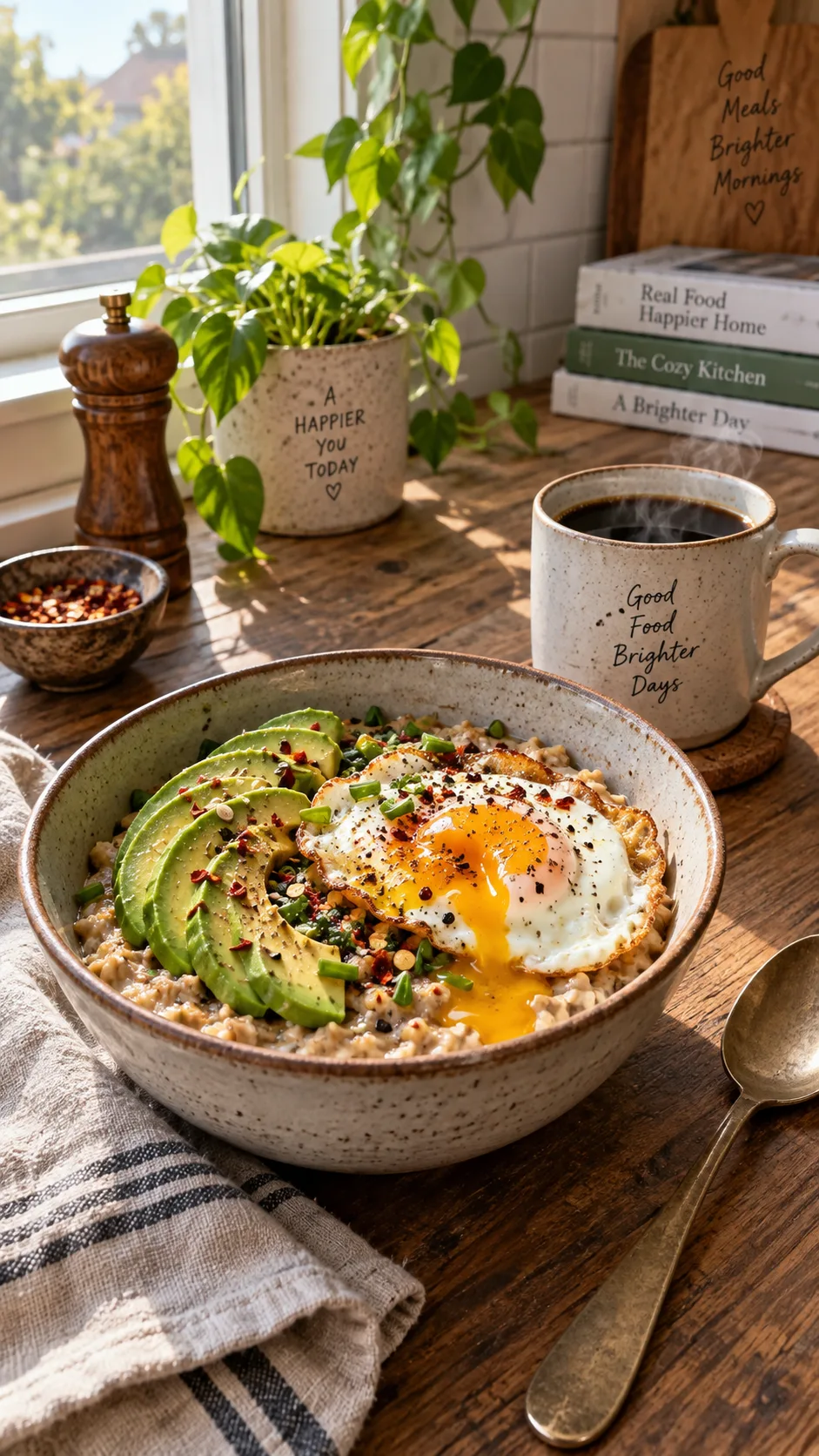
- Savoury oats. Steel-cut oats cooked with stock, topped with a fried egg and avocado. Sounds weird, tastes unreal.
- Vegetable omelette with cheese + half an avocado. Near-zero carb, so if fasting numbers are your struggle, this one’s your friend.
What to skip in the morning: fruit juice, sweetened cereal, pancakes with syrup, pap on its own, and — I’m sorry — that beloved bowl of custard. Liquid and refined carbs hit your bloodstream at rocket speed. Speaking of liquids, some popular drinks sabotage blood sugar more than food does; this breakdown of drinks that quietly wreck your goals is worth a skim.
Lunch and Dinner That Feel Like Real Food
You’re Nigerian, Ghanaian, Caribbean, wherever — your food culture is not the enemy. Swamp-of-white-rice portions are the enemy. There’s a difference.
Smart Swaps That Don’t Kill the Joy
- White rice → brown rice, ofada rice, or cauliflower rice mixed 50/50 with white rice. The 50/50 blend is criminally underrated.
- Pounded yam mountain → a small fist-sized portion + double the soup and protein.
- Ripe plantain → unripe or semi-ripe plantain, boiled or grilled. Sweetness equals sugar. Sorry.
- Garri/eba → a smaller portion with lots of vegetable soup. Fiber saves you here.
- Semolina → oat or almond-flour swallow. Takes adjusting, but numbers love it.
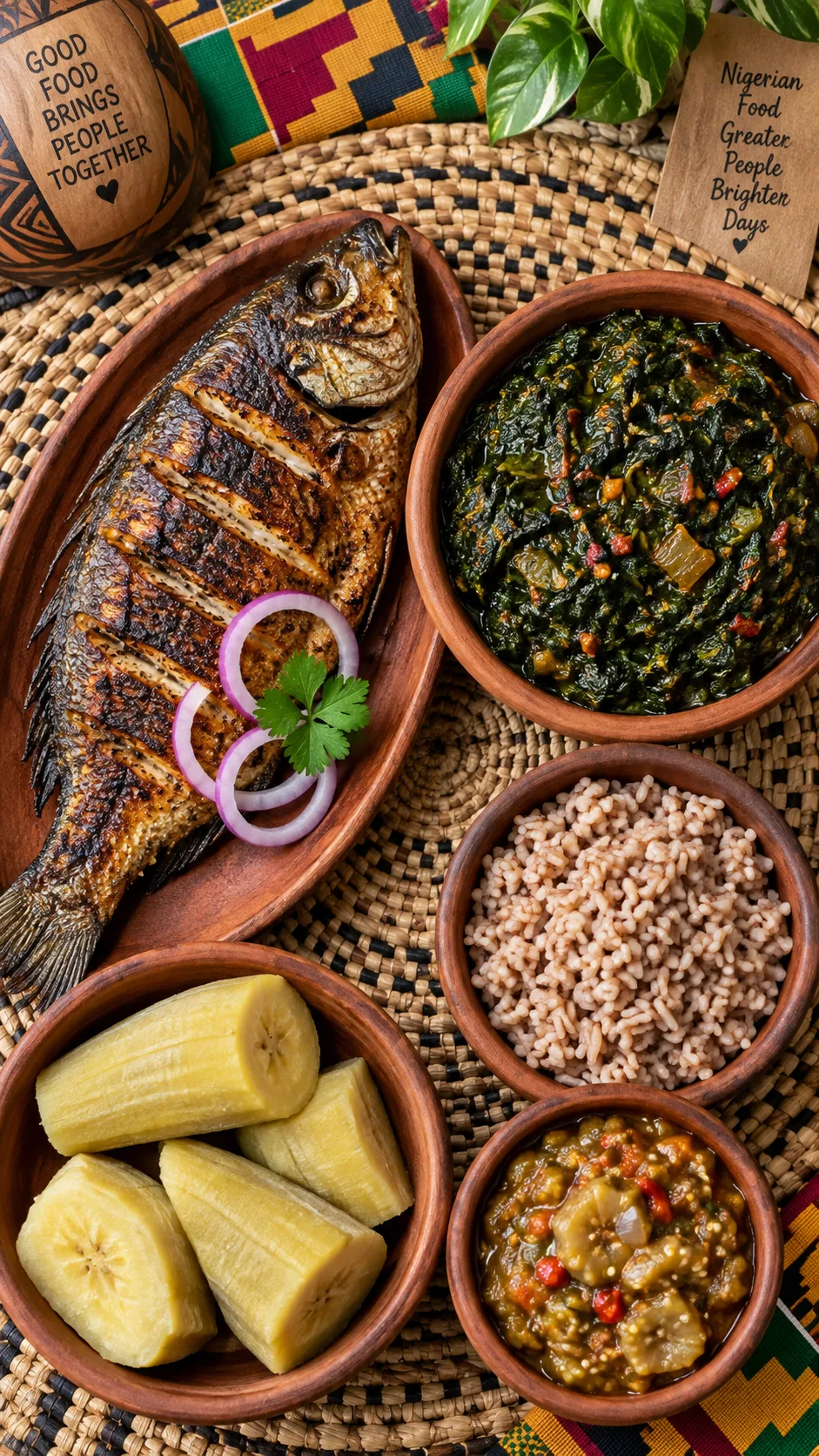
Soups do a lot of heavy lifting in this diet. Ofe nsala and abak atama are protein-forward, vegetable-rich, and pair beautifully with a controlled swallow portion. You’re not eating “diet food” — you’re eating your actual cuisine with better ratios.
A Week of Dinners, Zero Boredom
- Monday: Grilled tilapia, sautéed ugwu with peppers, small portion of ofada rice.
- Tuesday: Chicken stir-fry with cabbage, carrots and green beans over cauliflower rice.
- Wednesday: Beef and vegetable soup with a fist-sized oat swallow.
- Thursday: Beans (ewa) with palm oil sauce, boiled unripe plantain, side of steamed greens.
- Friday: Peppered goat meat, garden egg sauce, half cup brown rice.
- Saturday: Grilled chicken salad with avocado, boiled egg, olive oil dressing, and a small sweet potato.
- Sunday: Egusi soup loaded with spinach + controlled swallow portion.
See any starvation on that list? Me neither. Volume comes from vegetables and protein. Carbs play a supporting role, not the lead.
By the way, garden egg deserves a permanent spot in your fridge — low carb, high fiber, and it makes a sauce that genuinely slaps.
Snacks: Your Secret Weapon Against Fasting Spikes
Going too long without eating backfires. Your liver panics, dumps stored glucose, and your fasting reading looks like you ate a cake at 3am. Ironic, right?
Eat every 2.5–3 hours. Three meals plus 2–3 snacks. And the bedtime snack? Non-negotiable for most women fighting high morning numbers.
Bedtime Snack Ideas That Actually Fix Fasting Numbers
- A handful of almonds + a small cheese stick
- Greek yogurt with cinnamon
- Boiled egg + a few olives
- Peanut butter on one cracker or a celery stick
- Cottage cheese with a spoon of ground flaxseed
The pattern? Protein and fat with minimal carbs. That combo keeps glucose stable through the overnight fast without triggering a spike before bed.
Daytime Snacks Under 15g Carbs
- Hard-boiled eggs with chili salt
- Roasted groundnuts (a small handful, not the whole bag — I see you)
- Cucumber slices with hummus
- Kilishi or biltong (watch the sugar in the marinade)
- Guava or a small orange with a few cashews
- Chin-chin? Occasionally. Post-walk. Small. Life is long.
Fruit isn’t forbidden, FYI. Whole fruit with skin and fiber behaves differently from juice. Citrus in particular delivers real value — if you want ideas beyond the obvious, this list of Nigerian foods rich in vitamin C gives you options that won’t tank your readings.
The Post-Meal Walk: The Cheapest Intervention Available
Want to know the single best free tool in your kit? A 10–15 minute walk after every meal. Your muscles pull glucose from your blood without needing insulin to do it. Straight up magic, except it’s just physiology.
I’ve watched women drop their one-hour readings by 20–30 mg/dL doing nothing but walking around the compound after dinner. Same meal. Different number. Try it for three days and check your meter.
Gentle strength work helps too, since more muscle equals more glucose storage capacity. If you’re cleared by your provider, this beginner-friendly strength training guide for women explains how to start without overdoing it. And on days when motivation ghosts you, these tricks for getting off the couch actually work. 🙂
Testing: Stop Guessing, Start Learning
Your glucometer isn’t a judge. It’s a teacher. Every reading tells you how YOUR body handled THAT meal — and bodies disagree wildly about the same foods.
My friend could eat oatmeal without flinching. Mine spiked me every single time. Hers tolerated plantain. Mine absolutely did not. You’re gathering personal data, not following a universal rulebook.
How to Test Smart
- Test fasting immediately on waking, before water or coffee.
- Test 1 or 2 hours after the FIRST bite of each meal — whichever your provider prefers.
- Log the food next to the number. Not just “lunch.” Write “1 cup brown rice, chicken thigh, spinach.”
- Look for patterns over 3–4 days, not single readings. One high number after a party means nothing.
- Bring the log to every appointment. Your care team makes better decisions with better data.
If your numbers stay high despite solid eating, you might need medication or insulin. That is not failure. It means your placenta is aggressive, which honestly, is not something you can out-salad. ACOG has an excellent patient-facing explainer on when treatment escalates.

Eating Out, Parties, and Real Life
You will attend a wedding. There will be jollof. What now?
- Eat protein before you go. Boiled egg in the car. Unglamorous, effective.
- Load the salad and protein first, then add a modest scoop of rice.
- Drink water, not malt or soft drinks. Zobo without sugar works too.
- Walk after. Dance, even. That counts double.
- Skip the “I’ve ruined everything” spiral. One meal doesn’t define your pregnancy.
Want the snack you actually crave? Make it yourself with better ratios. A homemade Nigerian spring roll stuffed with cabbage and chicken, eaten after protein, lands far softer than three store-bought ones on an empty stomach. Portion and pairing beat prohibition every time.
What About Weight Gain?
Gestational diabetes does not mean “diet to lose weight.” Never restrict calories aggressively during pregnancy. Your baby needs nutrients, and ketosis from under-eating isn’t the goal here.
Aim for steady, appropriate gain based on your starting BMI, as your provider advises. Some women actually need help gaining enough while keeping glucose controlled — a tricky balance that leans on healthy fats, nuts, avocado, and protein-dense meals rather than sugar. The principles in this clean weight gain diet approach translate well, minus the junk food shortcuts.
Common Mistakes I See Constantly
- Skipping meals to “fix” a high reading. Backfires. Every time.
- Drinking smoothies. Blending destroys fiber structure. A “healthy” fruit smoothie spikes most women hard.
- Fearing fat. Fat slows glucose absorption. Olive oil, avocado, nuts — use them.
- Eating “sugar-free” everything. Sugar alcohols upset pregnant digestion, and refined flour is still refined flour.
- Testing once and panicking. Trends matter. Single numbers lie.
- Ignoring sleep. Poor sleep raises insulin resistance measurably. Protect your rest. :/
The Bottom Line
A gestational diabetes diet works best when it looks like YOUR food, portioned smarter. Pair every carb with protein, fat, and fiber. Eat every 3 hours. Never skip the bedtime snack. Walk after meals. Test, log, adjust.
Most women manage GDM with food and movement alone, and most see their blood sugar normalise after delivery. You’ll also want a follow-up glucose test 6–12 weeks postpartum, plus regular screening afterward — your future self will thank you.
Here’s my honest take after watching this play out hundreds of times: the women who thrive aren’t the strictest. They’re the most consistent. They found ten meals they genuinely love, rotated them, walked after dinner, and stopped treating every reading like a final exam.
Go build your ten meals. Start with three. Your meter will tell you the rest.