

You want your body to use fat for fuel instead of sending you hunting for another snack an hour after breakfast. Fair enough. A sensible hyper ketosis meal plan lowers carbs, includes healthy fats, and gives your body another source of energy.
First, ignore the dramatic label. Marketers use “hyper ketosis” to describe deeper nutritional ketosis, but medicine does not recognize it as a standard diagnosis. You do not need extreme ketone readings, bacon-scented air, or a butter-coffee identity to make progress.
This plan centers on low-carb meals, adequate protein, whole foods, hydration, and realistic portions. You can build momentum without turning your kitchen into a chemistry lab.
What “hyper ketosis” means
Your body usually relies heavily on glucose from carbohydrates. When you cut carbs sharply, your liver makes ketones from fat. Your brain, muscles, and other tissues can use ketones for energy.
Most people call this state nutritional ketosis. Many keto eaters aim for blood ketone levels around 0.5 to 3.0 mmol/L, though food choices, activity, sleep, stress, and body size can all change those numbers. Your body does not give extra credit for the largest number on a ketone meter.
Think of this as a focused keto plan, not a contest to produce more ketones for faster fat loss. Fat loss still comes down to total energy intake, food quality, consistency, and daily habits. Unfortunately, cheese cubes do not erase every consequence.
Nutritional ketosis vs. ketoacidosis
Nutritional ketosis and diabetic ketoacidosis belong in very different categories. Carb restriction causes nutritional ketosis when your liver makes ketones and your body continues to regulate blood sugar and insulin.
Diabetic ketoacidosis, often called DKA, causes a dangerous medical emergency. It usually affects people with type 1 diabetes, and it can affect people with insulin-deficient type 2 diabetes. High blood glucose, high ketones, dehydration, nausea, vomiting, deep breathing, and confusion call for urgent medical care.
The Centers for Disease Control and Prevention explains diabetes complications and warning signs clearly. If you take insulin, SGLT2 medications, or other glucose-lowering drugs, talk with your clinician before starting a ketogenic diet. That conversation matters far more than a flashy meal-plan headline.
How this fat-burning keto meal plan works
This keto meal plan cuts carbohydrate intake enough to encourage ketosis while giving you enough protein to support muscle and fullness. Most people begin with 20 to 30 grams of net carbs per day. Net carbs equal total carbohydrates minus fiber.
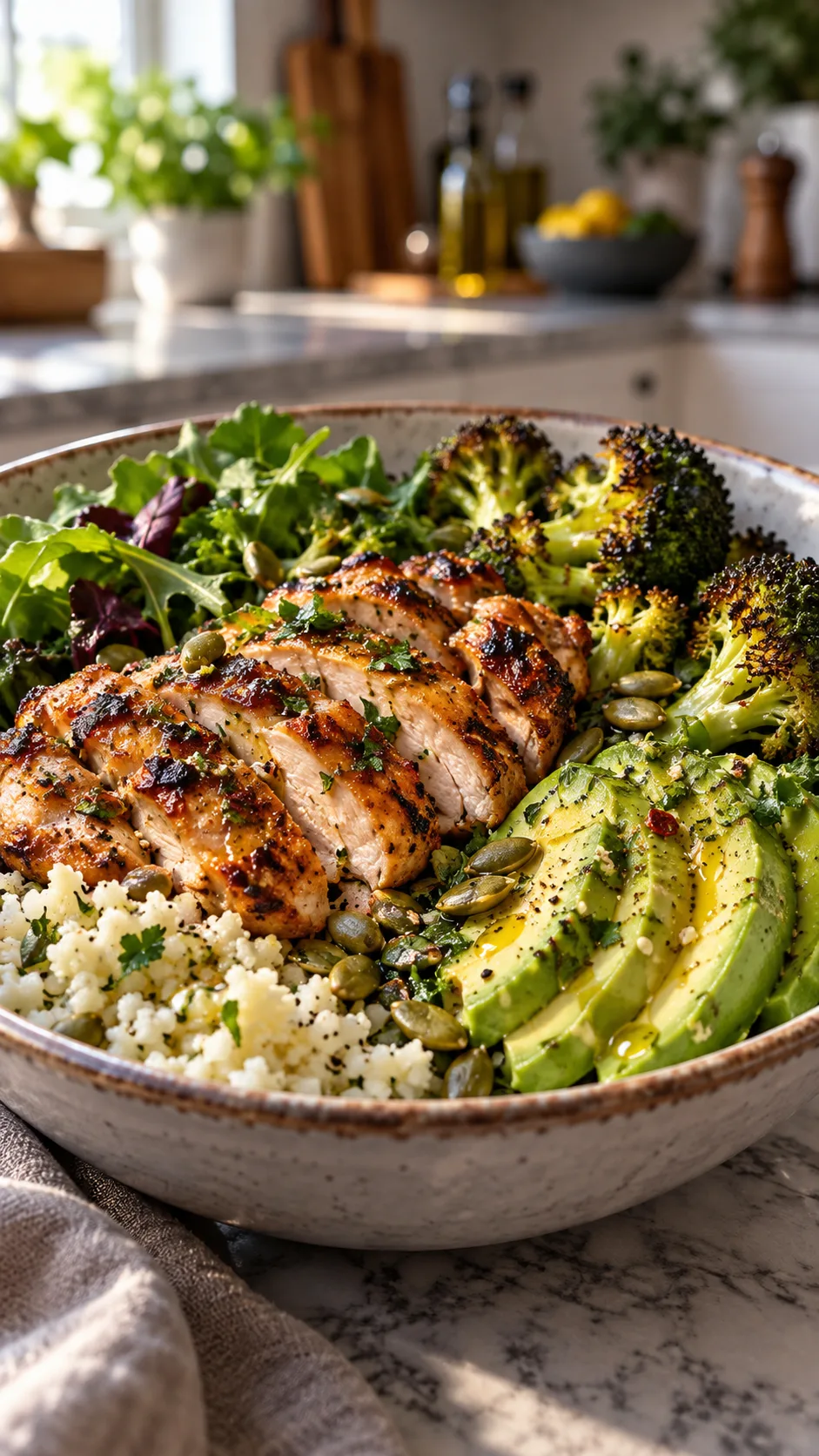
Build each plate around protein, non-starchy vegetables, satisfying fats, and simple seasonings. Those foods make meals enjoyable and cut down on the frantic “what can I eat now?” feeling that trips up many beginners.
A bowl of sugary cereal can leave you hungry before your inbox settles down. Lower-carb meals can help steady your appetite because they avoid the sharp blood-sugar swings that refined carbs often cause.
Your daily macro starting point
Treat these numbers as a flexible starting point, not a food prison. Your age, body size, activity level, medications, goals, and health history all matter. A registered dietitian can tailor targets if you want more precision.
- Net carbohydrates: 20 to 30 grams daily
- Protein: roughly 1.2 to 1.6 grams per kilogram of goal body weight for many active adults
- Fat: use enough olive oil, avocado, eggs, nuts, fish, and full-fat dairy to feel satisfied
- Fiber: focus on leafy greens, broccoli, cauliflower, zucchini, chia seeds, flaxseed, and avocado
- Fluids: drink water through the day and add electrolytes when needed
Pay close attention to protein. Many people turn keto into a butter-and-coffee experiment, then wonder why hunger hits at 4 p.m. Start with chicken, fish, eggs, beef, tofu, Greek yogurt, cottage cheese, or another protein you enjoy eating.
Foods that help you reach ketosis faster
Consistency moves things along faster than starvation. Keep carbs low, eat enough protein, skip constant snacking, and buy foods that make simple meals easy. Your grocery cart does not need to look like a science fair project.
Choose these keto-friendly staples
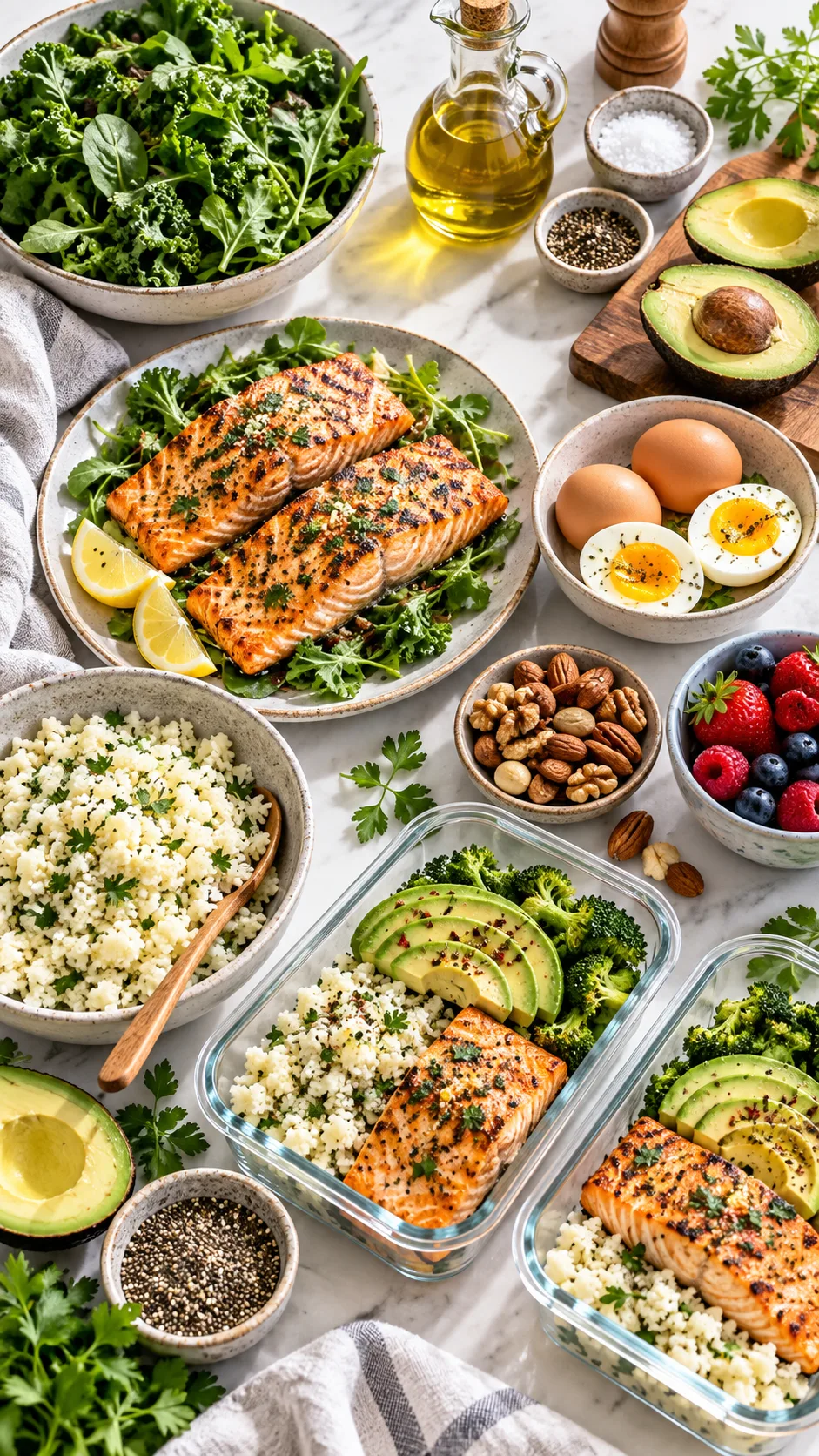
- Proteins: eggs, salmon, tuna, sardines, chicken thighs, turkey, lean beef, pork, tofu, tempeh, shrimp, and unsweetened Greek yogurt
- Vegetables: spinach, kale, arugula, broccoli, cauliflower, cabbage, zucchini, mushrooms, asparagus, cucumber, and green beans
- Fats: extra-virgin olive oil, avocado, olives, butter, ghee, coconut, nuts, seeds, and natural nut butter
- Flavor boosters: lemon, lime, garlic, herbs, chili flakes, mustard, vinegar, pickles, salsa without added sugar, and spices
- Low-sugar extras: raspberries, blackberries, unsweetened cocoa, and dark chocolate with a high cocoa percentage
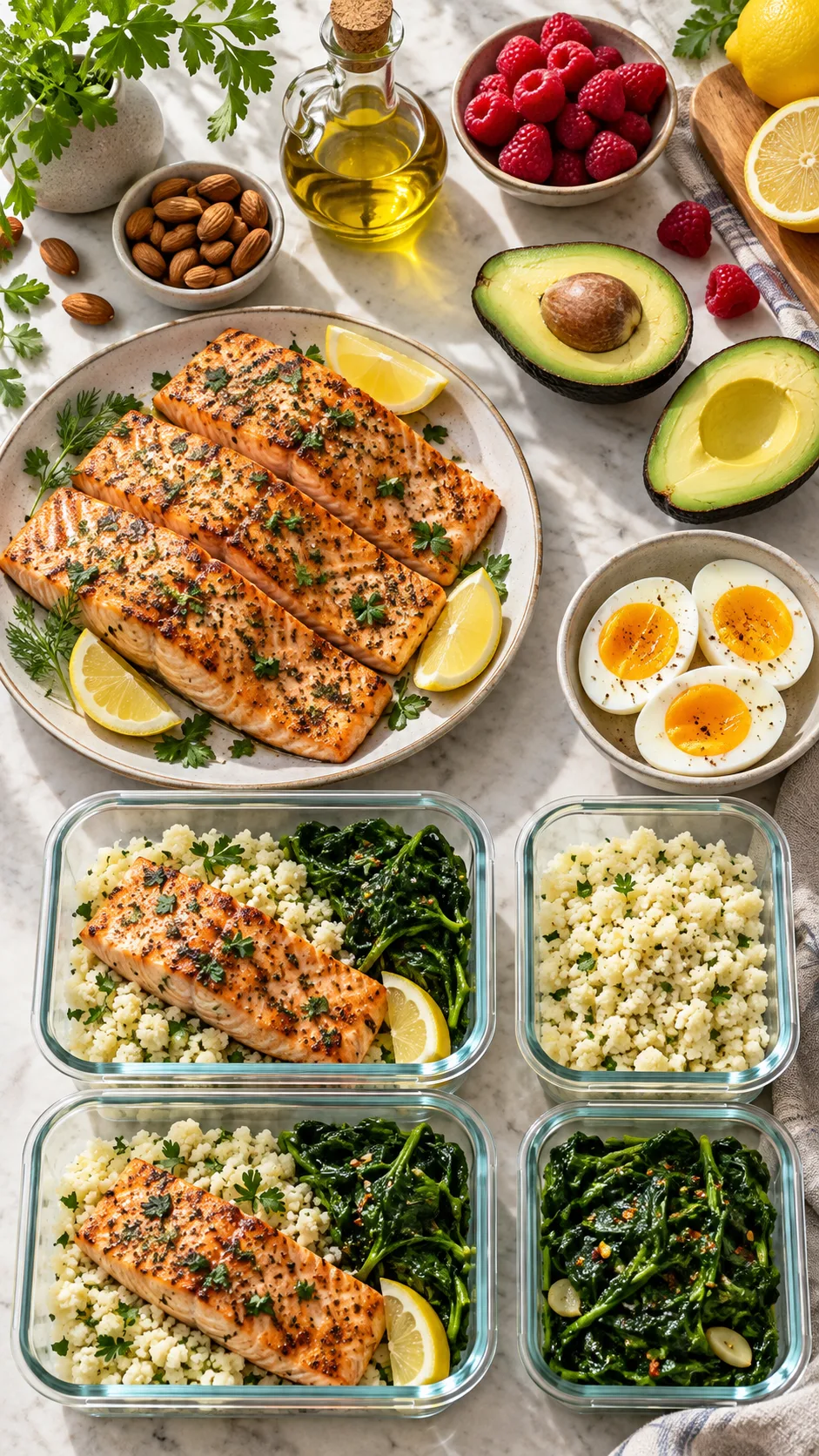
Whole foods make keto easier because they provide nutrients alongside fat and protein. Salmon gives you protein and omega-3 fats. Spinach provides potassium and folate, while avocado adds fiber, potassium, and creaminess without a major carb load.
Put these foods on pause
Some foods look healthy but make ketosis much harder. You do not need to avoid them forever, but take a clear break during your keto reset. Bread, juice, and oversized “healthy” granola bowls make it hard for your body to stay low carb.
- Bread, rice, pasta, cereal, crackers, tortillas, and pastries
- Potatoes, sweet potatoes, corn, peas, and large servings of beans
- Fruit juice, regular soda, sweetened coffee drinks, and sports drinks
- Candy, cookies, sweetened yogurt, ice cream, and most packaged snack foods
- Beer, sugary cocktails, and mixers loaded with syrup
Read labels closely, especially on sauces, dressings, protein bars, and “keto” treats. Brands often add sweeteners, starches, or oversized portions of calorie-dense ingredients. A cookie with “keto” on the wrapper can still add up like a cookie in your daily calorie total.
The 7-day hyper ketosis meal plan
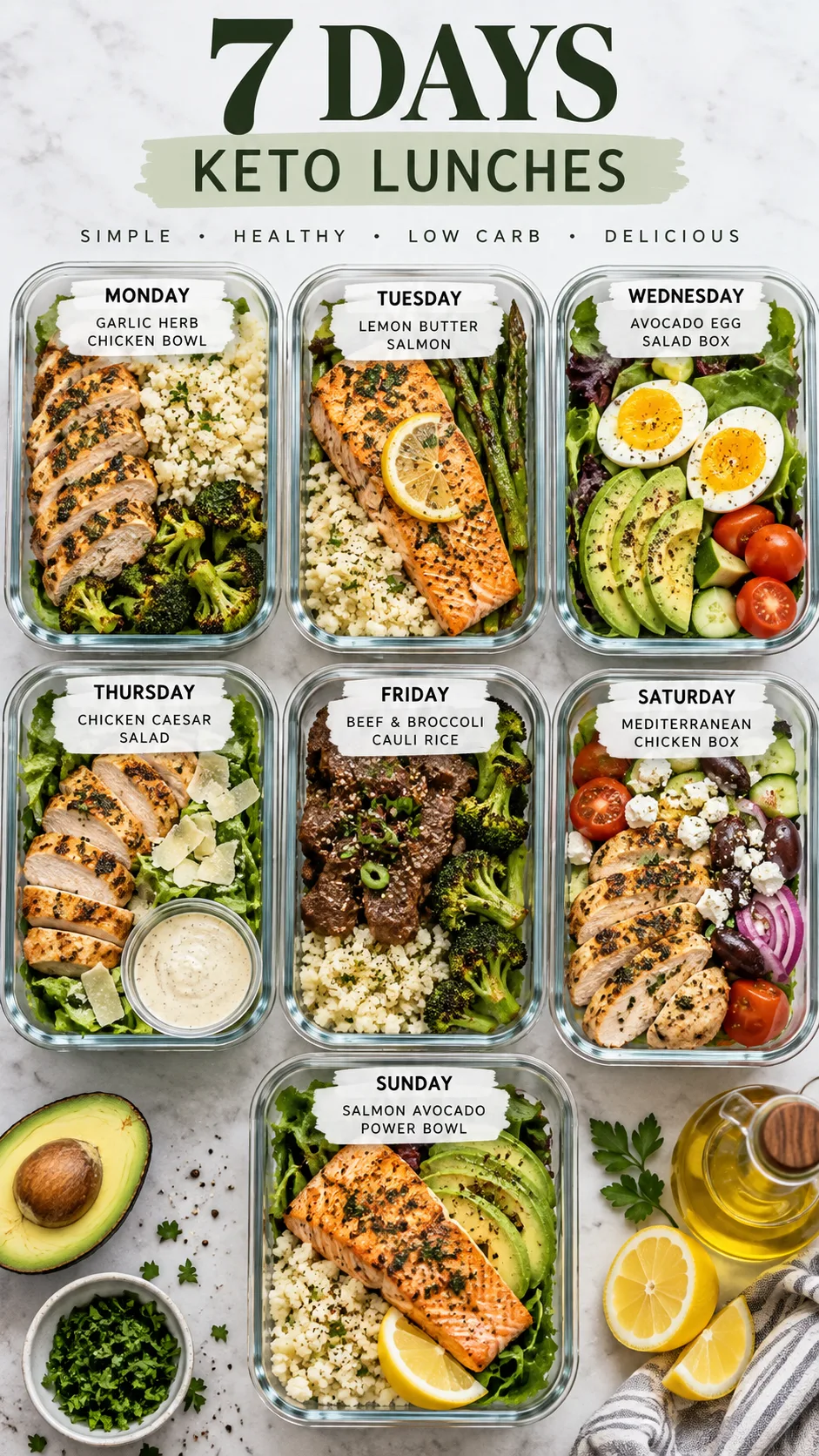
This seven-day keto meal plan keeps prep manageable and offers variety without forcing you to search for rare powders. Each day comes in near 20 to 30 grams of net carbs when you use sensible portions. Add or reduce fats according to your hunger, calorie needs, and goals.
Day 1: Simple and satisfying
- Breakfast: Three eggs scrambled with spinach, mushrooms, feta, and half an avocado.
- Lunch: Grilled chicken salad with mixed greens, cucumber, olives, olive oil, lemon, and pumpkin seeds.
- Dinner: Baked salmon with asparagus and cauliflower mash.
- Optional snack: A small handful of almonds or celery with cream cheese.
This first day provides plenty of protein and potassium-rich foods. Drink water with meals and salt your food to taste unless your clinician tells you to limit sodium. Your body often releases extra water during the first few days of keto.
Day 2: Crunch without the chips
- Breakfast: Full-fat unsweetened Greek yogurt with chia seeds, walnuts, cinnamon, and a few raspberries.
- Lunch: Turkey lettuce wraps with cheese, avocado, mustard, cucumber, and a side salad.
- Dinner: Beef stir-fry with broccoli, bell pepper, mushrooms, garlic, sesame oil, and tamari.
- Optional snack: Two hard-boiled eggs with salt and pepper.
Bell peppers contain more carbs than leafy greens, so keep the serving moderate. This meal still fits a low-carb keto plan because the rest of the day stays controlled. That flexibility can help you keep going longer than three intense days.
Day 3: Mediterranean keto day
- Breakfast: Omelet with goat cheese, tomatoes, basil, and olives.
- Lunch: Tuna salad made with olive-oil mayo, celery, pickles, and greens.
- Dinner: Chicken thighs roasted with zucchini, eggplant, olive oil, garlic, and herbs.
- Optional snack: A few slices of cheese with cucumber.
Olive oil, fish, vegetables, herbs, and nuts can give keto a Mediterranean feel that many people enjoy more than a diet built around processed meat. The American Heart Association encourages people to choose unsaturated fats such as olive oil, nuts, seeds, and fish. Use butter sometimes, but get most of your fats from whole foods.
Day 4: Fast meal prep day
- Breakfast: Egg muffins with sausage, spinach, cheese, and chopped peppers.
- Lunch: Leftover chicken thighs over a large salad with avocado ranch dressing.
- Dinner: Bunless beef burgers with cheese, sautéed mushrooms, cabbage slaw, and pickles.
- Optional snack: Olives and a small portion of macadamia nuts.
Make extra egg muffins and chicken today, then spare yourself a drive-thru scramble later in the week. Meal prep rarely feels glamorous, but neither does a vending-machine snack that has to stand in for lunch. For a practical prep routine, visit easy keto meal prep for the week.
Day 5: Seafood and greens
- Breakfast: Smoked salmon, two eggs, cucumber, cream cheese, and arugula.
- Lunch: Shrimp Caesar salad with parmesan, romaine, olive oil dressing, and no croutons.
- Dinner: Cod or white fish cooked in butter with green beans and toasted almonds.
- Optional snack: Unsweetened cottage cheese with cinnamon and a few crushed walnuts.
Seafood changes up your protein choices and adds nutrients to your keto diet. Choose low-mercury fish often, including salmon, sardines, shrimp, trout, and cod. The U.S. Food and Drug Administration fish guidance gives adults and families useful information.
Day 6: Weekend comfort food
- Breakfast: Keto breakfast bowl with scrambled eggs, avocado, salsa, cheese, and sautéed spinach.
- Lunch: Taco salad with seasoned ground beef, lettuce, cheese, sour cream, guacamole, and pico de gallo.
- Dinner: Creamy Tuscan chicken with spinach, sun-dried tomatoes in a small portion, and cauliflower rice.
- Optional snack: Dark chocolate with 85% or higher cocoa content.
Comfort food can fit keto when you replace the starch instead of taking all the pleasure out of the meal. Cauliflower rice, lettuce cups, zucchini noodles, and cabbage stir-fry bases can work well. Your taste buds often adjust quickly when your meals still taste like real food.
Day 7: Reset and repeat
- Breakfast: Chia pudding with unsweetened almond milk, almond butter, cinnamon, and a few blackberries.
- Lunch: Rotisserie chicken with broccoli, avocado, and olive oil lemon dressing.
- Dinner: Pork chops or tofu steaks with roasted Brussels sprouts and garlic butter.
- Optional snack: Bone broth or a small serving of cheese and walnuts.
Use day seven to check in with yourself. Did hunger ease? Did cravings settle down? Did you sleep better, feel worse, or notice no change at all?
Your own notes matter more than an influencer’s ketone selfie. Track meals, energy, digestion, mood, sleep, and measurements for two to four weeks. That record gives you something concrete to work with instead of vague guesses.
How to avoid the “keto flu” and feel better faster
When you cut carbs, your body releases stored water and electrolytes. That change can cause headaches, fatigue, cramps, dizziness, irritability, or low energy during the first week. People often call this group of symptoms the “keto flu.”
A few plain habits can ease those symptoms. Hydration advice may sound dull, but your cells need water, sodium, potassium, magnesium, and enough food.
- Drink water regularly: Keep a bottle nearby and sip throughout the day.
- Salt your meals: Add salt to food or drink broth if your clinician allows extra sodium.
- Eat potassium-rich keto foods: Choose avocado, leafy greens, mushrooms, salmon, and zucchini.
- Prioritize magnesium: Add pumpkin seeds, almonds, spinach, or a clinician-approved supplement.
- Keep workouts easy at first: Walk, stretch, or lift lightly while your body adjusts.
- Sleep enough: Late-night scrolling and poor sleep can make cravings louder than your goals.
If symptoms feel severe, last beyond several days, or include fainting, vomiting, chest pain, confusion, or unusual heart symptoms, contact a healthcare professional. Do not push through serious symptoms just to stay in ketosis. Use common sense.
Who should avoid a strict ketogenic meal plan?
A hyper ketosis meal plan does not fit everyone. Pregnancy, breastfeeding, a history of eating disorders, kidney disease, liver disease, pancreatic disease, and certain metabolic disorders call for personal guidance from a healthcare professional.
People who take insulin, sulfonylureas, SGLT2 inhibitors, blood-pressure medication, or diuretics need extra care because carb restriction can change blood glucose, fluid balance, and medication needs. Never change prescribed doses on your own. Your prescriber can help you make a safe plan.
Kids and teens need specialized guidance too, unless a clinical team prescribes ketogenic therapy for a medical reason such as epilepsy. If you want a less strict low-carb approach, try this beginner-friendly keto meal plan and adapt it with help from a qualified professional.
Common hyper ketosis meal plan mistakes
Most keto plans fall apart because people make them too complicated. They track every lettuce leaf, fear protein, eat too little, or try to live on snacks and coffee. You need a routine you can repeat, not a nutrition-themed escape room.
Mistake 1: Eating too little protein
Protein supports muscle, fullness, recovery, and long-term weight management. Start meals with a substantial protein source, then add vegetables and fats. You do not need to drown chicken in oil because someone online called it a “fat bomb.”
Mistake 2: Treating fat as a mandatory goal
Fat can help you feel satisfied, but your body fat already stores energy. If you want to lose fat, use dietary fat with intention instead of pouring on unlimited butter, cream, and oil. Add enough fat to enjoy your food and manage hunger.
Mistake 3: Ignoring calories entirely
Ketosis can curb appetite for many people, but it does not override energy balance. Nuts, cheese, oils, cream, and keto desserts add calories quickly. Pay attention to portions, especially if your progress stalls.
Mistake 4: Forgetting fiber and vegetables
Some keto eaters replace vegetables with bacon and call that a strategy. Your gut may disagree, and it has a fair point. Fill your plate with low-carb vegetables, drink water, and eat chia, flax, avocado, and leafy greens.
Make this plan work in real life
Start with one week instead of making a lifetime promise. Buy a few proteins, two or three vegetables, eggs, avocado, olive oil, and basic seasonings. Repeating meals during the first week can help because too many decisions create chaos.
Keep restaurant orders straightforward: order grilled protein, vegetables, salad, olive oil, butter, or avocado. Ask your server to skip bread, fries, sweet sauces, and sugary drinks. Restaurants make substitutions all day, so a side salad will not shock anyone.
If strict keto starts to feel miserable, make changes before you quit. Eat more non-starchy vegetables, raise protein, plan a meal that satisfies you, or try a less restrictive low-carb approach. Habits you can maintain beat perfect macros every time.
Final thoughts: Build ketosis, not chaos
A solid hyper ketosis meal plan keeps carbs low, protein steady, fats satisfying, and meals simple. Focus on whole foods, hydration, electrolytes, sleep, and consistent portions instead of chasing magic ketone numbers.
Try this seven-day plan, pay attention to how you feel, and make practical changes along the way. Your goal reaches beyond getting into ketosis quickly. Build a way of eating that leaves you energized, full, confident, and in control.