

Every health influencer online screams the exact same advice: eat more fiber. They tell you to blend kale into smoothies, scatter chia seeds over oatmeal, and replace white rice with brown cardboard. But what happens when that mountain of roughage turns your intestines into a war zone? If you feel like an angry badger lives in your colon, you do not need more roughage.
Sometimes your digestive tract simply needs a break. The low fiber diet flips standard wellness advice upside down to give your gut rest. In this guide, you will learn why cutting roughage calms inflamed bowels, which foods soothe your stomach, which items trigger flares, and how to execute the plan without frustration.
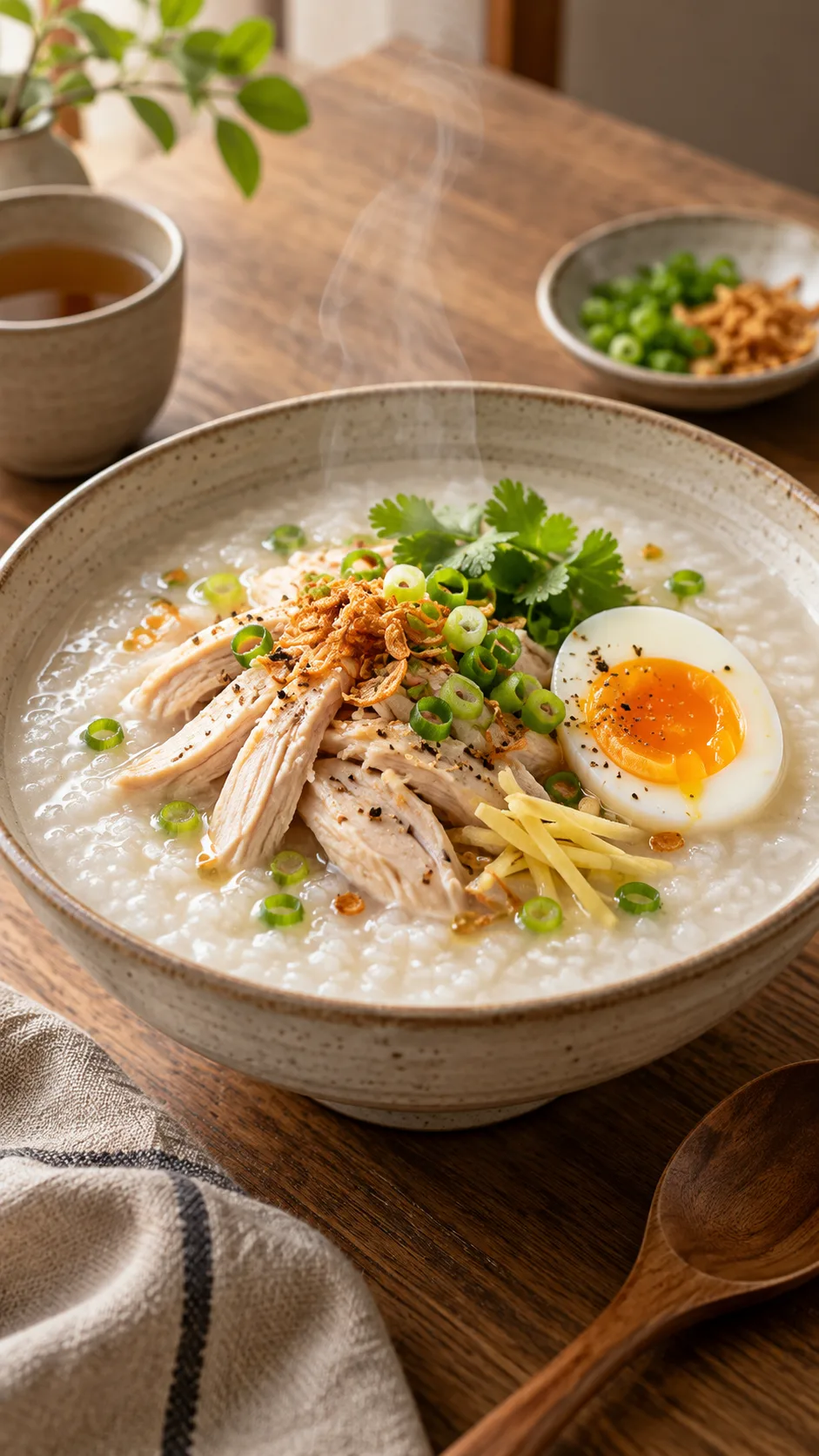
What is a low fiber diet?
Let us clear up the confusion immediately. A low fiber diet, which doctors often call a low residue diet, limits foods that leave undigested plant material in your intestinal tract. You intentionally drop your daily fiber intake below 10 to 15 grams.
Most health guidelines tell adults to eat 25 to 38 grams of fiber daily. On this protocol, you cut that target in half. You trade fibrous roughage for tender, refined foods that your small intestine breaks down with minimal effort.
Why would anyone choose white bread over whole wheat? When your colon inflames, undigested plant fiber acts like coarse sandpaper across an open cut. When you remove bulk, you reduce bathroom trips, shrink stool volume, and give irritated tissue time to heal.
Low fiber vs. low residue: Is there a difference?
People often treat these two terms as identical, but dietitians recognize a clear distinction:
- Low fiber diet: Strictly limits dietary fiber (both soluble and insoluble) to less than 10 to 15 grams daily.
- Low residue diet: Limits dietary fiber plus foods that accelerate bowel activity, including milk, tough gristle, and large amounts of dairy.
In medical practice, doctors blend both approaches. If you recently prepared for a colonoscopy or completed a clear liquid diet, your physician likely handed you a menu that combined both concepts into one simple plan.
Who needs this diet and why it works
Nobody starts a low fiber protocol for fun. People adopt this eating pattern out of clear medical necessity. When your intestines narrow, bleed, or spasm, fiber creates friction you cannot afford.
Gastroenterologists frequently prescribe a low fiber meal plan for several specific conditions:
- Diverticulitis flare-ups: When small pouches in your colon wall become inflamed, roughage causes painful pressure. Cutting fiber lets those pockets settle down.
- Inflammatory bowel disease (IBD): During active flares of Crohn’s disease or ulcerative colitis, fiber triggers intense cramps and urgent diarrhea.
- Intestinal strictures: When scar tissue narrows the bowel channel, bulky fibrous stools can create serious blockages.
- Post-surgical healing: People recovering from bowel resections, ostomy operations, or pelvic radiation require gentle digestion. If you had surgery recently, pairing low fiber meals with a soft food diet after surgery speeds up your recovery.
- Colonoscopy preparation: Eating low fiber three to five days before your exam cleans out your colon, helping your doctor spot polyps clearly.
A clinical review in the National Library of Medicine notes that restricting residue shrinks stool mass and slows bowel motility. Less volume creates less friction against sensitive intestinal walls.
The science: Why giving your colon a break calms inflammation
To understand this process, look at how the human body processes plant matter. Insoluble fiber (the tough cellulose in wheat bran, kale stems, and apple skins) does not dissolve in water. It travels through your stomach untouched, arrives in your colon intact, and pulls in water to expand your stool.
Under healthy conditions, that bulk helps your digestion run smoothly. But imagine rubbing coarse sandpaper over an inflamed burn. That image captures what insoluble fiber does to raw intestinal tissue. When gut tissue swells, large stools stretch the bowel wall, irritating nerve endings and triggering intense spasms.
When you remove rough fiber, your stomach and small intestine absorb almost everything you eat long before waste reaches the colon. The colon rests and repairs its cellular lining without physical agitation. That downtime provides immediate relief during a painful flare.
What to eat: Your low fiber shopping cart
Here is the pleasant surprise: you have a clear clinical reason to skip tough grain bowls and enjoy simple comfort foods. Build your meals around tender, refined, easy-to-digest ingredients.
1. Refined grains and starches
Skip the whole grain shelf. Refined carbs digest smoothly and leave almost no waste behind.
- White rice: Jasmine, basmati, and sushi rice digest without strain.
- Refined pasta: Traditional semolina noodles, vermicelli, and ramen.
- White breads: White sandwich slices, soft seedless sourdough, French baguettes, and plain English muffins.
- Low-fiber cereals: Cornflakes, crisped rice, and cream of rice (verify the label lists under 1 gram of fiber per serving).
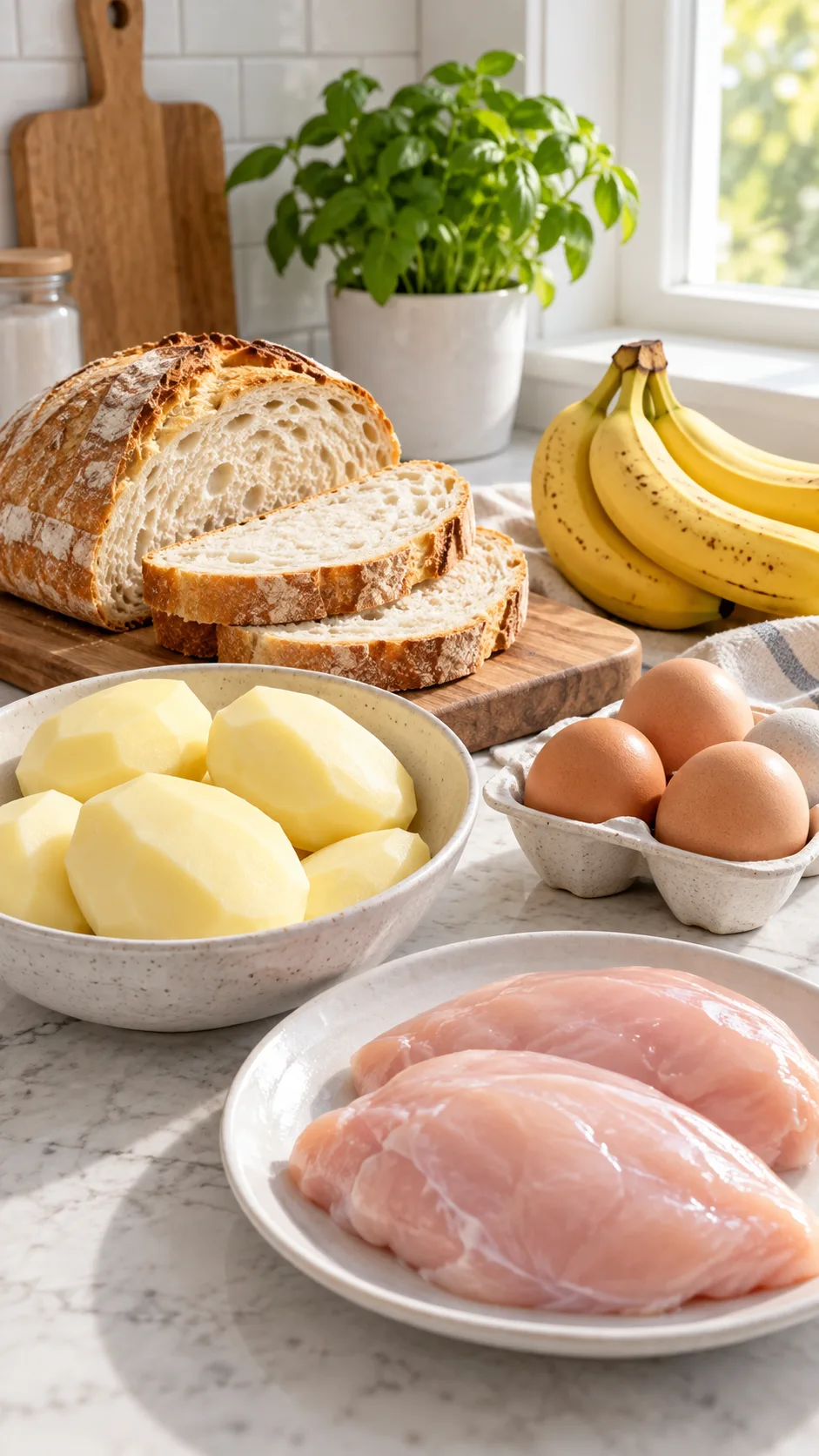
- Potatoes: Russet, red, or Yukon Gold potatoes (always peel them, then mash, boil, or bake).
2. Lean, tender proteins
Protein delivers amino acids for tissue repair, which matters when your gut lining needs to heal. Choose soft meats and skip tough cuts with gristle.
- Eggs: Scrambled, poached, soft-boiled, or baked.
- Poultry: Skinless chicken breast, ground turkey, and tender roast chicken.
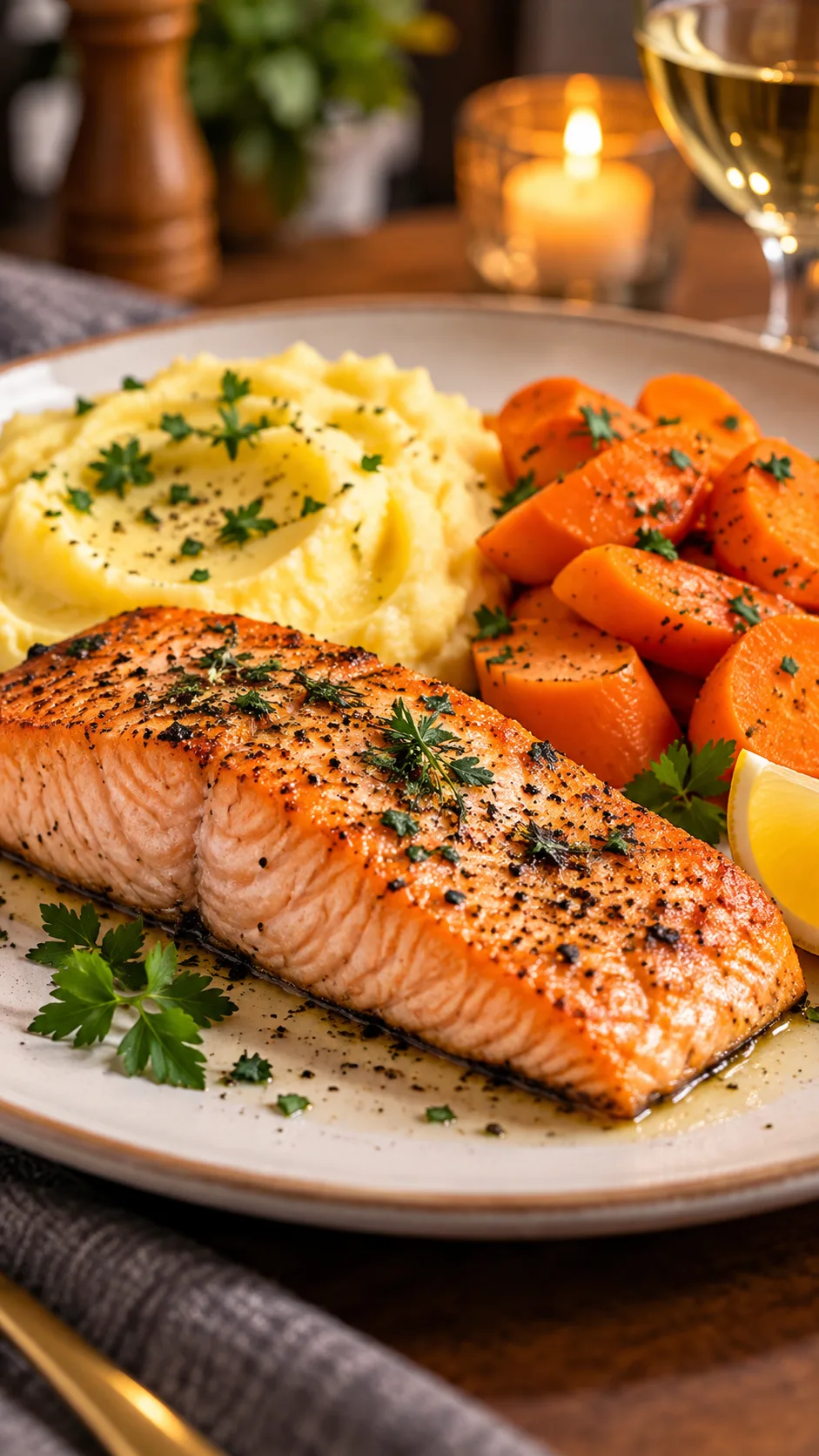
- Fish and seafood: Cod, salmon, canned light tuna in water, and shrimp.
- Tofu: Silken or firm tofu absorbs seasoning easily and digests fast.
- Smooth nut butters: Creamy peanut or almond butter (keep portions to 1 or 2 tablespoons, and avoid crunchy styles).
3. Well-cooked, skinless vegetables
You can eat vegetables on this diet if you cook them until soft and discard every skin and seed.
- Peeled carrots: Boil, steam, or mash them until you can crush them with a fork.
- Skinless zucchini and summer squash: Remove the seeds and sauté gently.
- Peeled cucumber: Remove the seeds before eating.
- Seedless squash: Roast and purée butternut squash.
- Strained tomato sauce: Use smooth sauce without seeds, skins, or vegetable chunks.
4. Ripe, skinless fruits
Avoid raw apples and whole berries. Pick seedless fruits that pass through the gut smoothly.
- Ripe bananas: Choose soft bananas with yellow or spotted peels.
- Applesauce: Smooth, unsweetened applesauce works well (a reliable staple from the BRAT diet protocol).
- Canned fruit: Peaches, pears, and mandarin oranges in light juice or water (drain the liquid first).
- Melons: Cantaloupe, honeydew, and seedless watermelon in modest portions.
5. Dairy and fats
Most adults handle moderate amounts of dairy on this diet. If gut irritation creates temporary trouble with lactose, choose lactose-free options instead.
- Yogurt: Plain Greek yogurt or smooth yogurt without fruit bits or seeds.
- Hard cheeses: Cheddar, Swiss, and Parmesan (these carry minimal lactose and low residue).
- Cottage cheese: Mild, smooth curds that supply easy-to-digest protein.
- Butter and cooking oils: Olive oil, avocado oil, and butter in modest amounts for cooking.
What to skip: The high-fiber danger zone
When your gut flares up, a single handful of trail mix can erase several days of progress. Keep these high-residue items off your plate until your doctor approves them.
1. Raw vegetables and cruciferous items
Raw vegetables have sturdy cell walls that digestive enzymes cannot break down easily. Cruciferous vegetables also release sulfur gas in the colon.
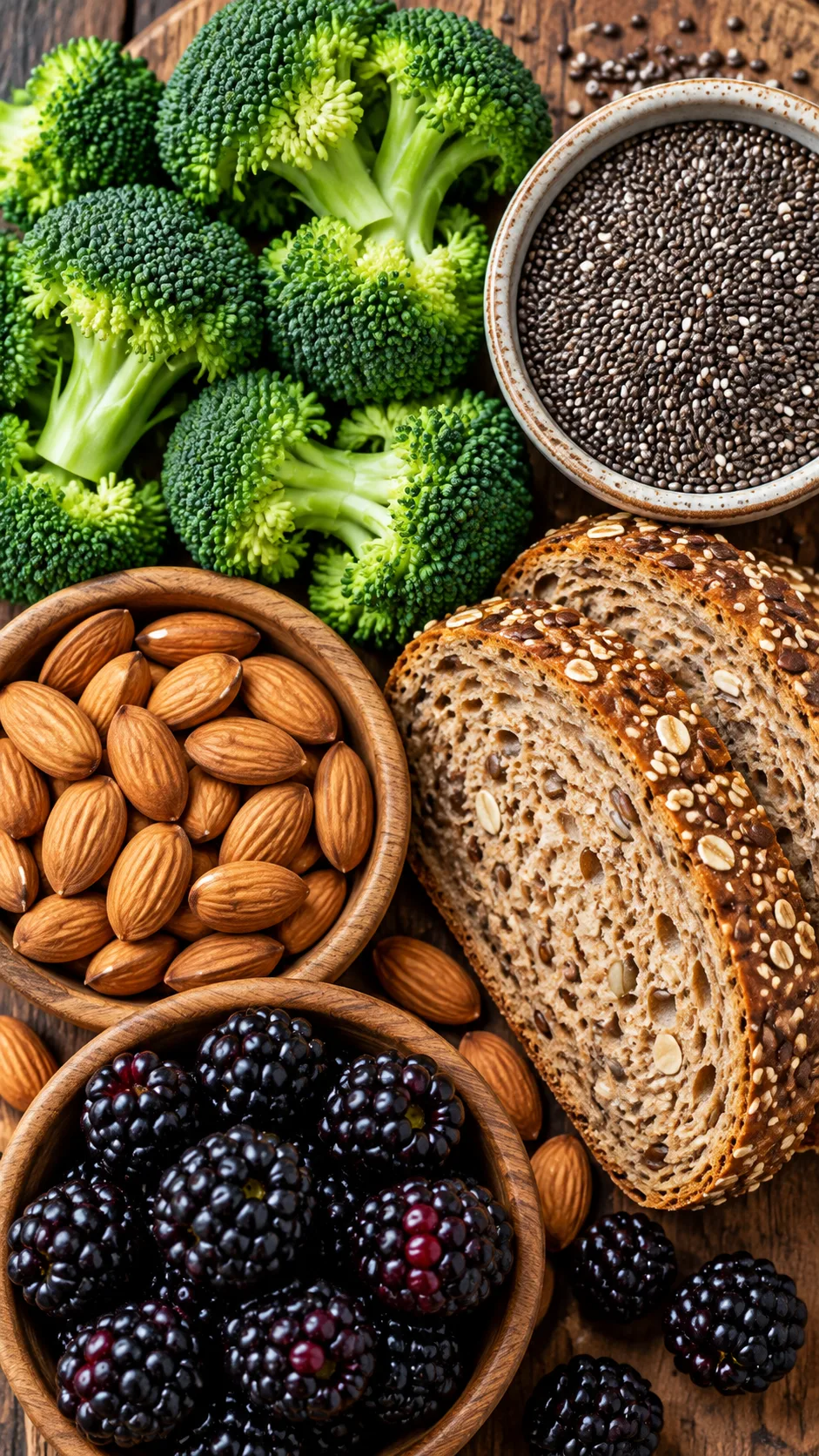
- Skip: Raw salads, kale, cabbage, broccoli, cauliflower, Brussels sprouts, onions, and garlic.
- Skip: Whole corn (the tough outer hull survives human digestion entirely intact).
2. Whole grains and coarse flours
Health articles praise whole grains, but your inflamed intestine struggles with them.
- Skip: 100% whole wheat bread, rye bread, pumpernickel, and seeded multigrain loaves.
- Skip: Steel-cut oats, rolled oats, barley, quinoa, farro, and wild rice.
- Skip: Granola, bran flakes, and shredded wheat cereals.
3. Seeds, nuts, and legumes
Small seeds hide in many recipes. They irritate diverticular pockets and scratch sensitive tissue.
- Skip: Chia seeds, flaxseeds, sesame seeds, and sunflower seeds.
- Skip: Whole almonds, walnuts, cashews, and chunky nut spreads.
- Skip: Black beans, kidney beans, chickpeas, lentils, and split peas.
4. Tough meats and fibrous fruits
Certain proteins and fruits take far too long to break down, overburdening your gastrointestinal tract.
- Skip: Tough steak, gristly cuts, beef jerky, and sausage casings.
- Skip: Berries (blackberries, raspberries, and strawberries contain hundreds of tiny seeds per cup).
- Skip: Dried fruits such as raisins, prunes, figs, and dates.
- Skip: Whole apples and pears with skins intact.
Low fiber vs. high fiber cheat sheet
Keep this quick guide on your refrigerator when you prep meals:
| Food category | SAFE (Eat this) | AVOID (Skip this) |
|---|---|---|
| Grains | White bread, white rice, refined pasta, cream of rice | Whole wheat, brown rice, oats, barley, popcorn |
| Vegetables | Peeled carrots, peeled potatoes, seedless cooked squash | Raw salads, broccoli, cauliflower, corn, peas, onions |
| Fruits | Ripe bananas, smooth applesauce, canned peaches | Berries, dried fruit, raw unpeeled apples, oranges |
| Proteins | Eggs, soft poultry, tender fish, silken tofu | Tough beef, sausages in casing, beans, lentils |
| Snacks | Saltines, plain pretzels, smooth yogurt, gelatin | Granola bars, nuts, seeds, trail mix, potato chips |
A 3-day sample low fiber meal plan
Many patients dread this plan because they expect bland mush. You can create comforting, tasty meals that protect your digestion and satisfy your appetite.
Day 1
- Breakfast: Two scrambled eggs cooked in butter, one slice of white sourdough toast with seedless jelly, and mint tea.
- Mid-morning snack: One ripe banana mashed with a tablespoon of creamy peanut butter.
- Lunch: Tender shredded chicken breast over warm jasmine rice with a drizzle of soy sauce and sesame oil.
- Afternoon snack: Half a cup of smooth vanilla Greek yogurt.
- Dinner: Pan-seared cod fillet alongside skinless mashed potatoes and steamed carrots.
Day 2
- Breakfast: Warm cream of rice cereal cooked in lactose-free milk, seasoned with cinnamon and a splash of pure maple syrup.
- Mid-morning snack: Two plain rice cakes topped with smooth cottage cheese.
- Lunch: Sliced turkey and provolone on white bread with mayonnaise, served with smooth applesauce.
- Afternoon snack: Canned peaches packed in water.
- Dinner: Ground turkey meatballs in strained tomato passata over white spaghetti.
Day 3
- Breakfast: Two soft-boiled eggs, half a toasted plain bagel with cream cheese, and pulp-free orange juice.
- Mid-morning snack: Saltine crackers with a stick of mild cheddar.
- Lunch: Simple egg-drop soup using chicken bone broth, white rice, and whisked eggs.
- Afternoon snack: Fresh honeydew melon slices with all seeds removed.
- Dinner: Baked chicken tenderloins, peeled zucchini rounds, and a peeled baked potato with butter.
Cooking techniques that cut fiber fast
You can turn borderline foods into safe dishes using practical prep methods. Apply these four rules whenever you step into the kitchen:
- Peel thoroughly: Remove every peel from potatoes, carrots, zucchini, cucumbers, and apples. The outer skin contains the vast majority of a plant’s insoluble fiber.
- Scoop out seeds: Scrape the seeds from squash, cucumbers, and tomatoes with a metal spoon before you cook them.
- Cook low and slow: Braise, steam, or poach your produce and meats. Heat softens tough plant walls so your digestive enzymes encounter little resistance.
- Purée your food: Use an immersion blender to transform soft vegetables into smooth soups. Pureeing cuts the mechanical workload your stomach must perform.
Common pitfalls to avoid
People often stumble when they first switch to low residue eating. Watch for these three frequent errors:
1. Forgetting to drink fluids
When you remove fiber, you also lose the internal sponge that holds water in your stool. If you skip fluids, your stool turns dry and triggers painful constipation. Drink water, bone broth, and herbal teas consistently across the day.
2. Relying on packaged junk food
White bread, potato chips, and sugary candies contain minimal fiber, but refined snack foods trigger gut inflammation in other ways. Choose simple, minimally processed foods that naturally contain little fiber, such as eggs, lean fish, and peeled root vegetables.
3. Staying on the protocol too long
Use this diet as a temporary bridge, not a lifelong plan. Beneficial gut bacteria need fermentable fibers to manufacture short-chain fatty acids like butyrate. Starving those microbes for months weakens your microbiome diversity. Unless your doctor orders a permanent low-residue plan for an uncorrectable bowel narrowing, return to fiber once your tissue recovers.
Physicians at the Mayo Clinic instruct patients to follow low-residue diets under medical supervision so they avoid micronutrient deficiencies over time.
How to transition back to fiber safely
When your flare clears, your surgeon grants approval, or your procedure ends, you must rebuild your fiber tolerance gradually.
Never celebrate recovery by ordering a massive bowl of raw kale or three-bean chili. That mistake causes severe bloating and cramps within hours. Follow this step-by-step reintroduction plan instead:
- Week 1 (Test soluble fiber): Add soft soluble fibers first. Eat small servings of cooked oatmeal, soaked chia seeds in milk, or baked sweet potato without skin. Soluble fiber absorbs liquid and forms a soft gel that travels through the intestines smoothly.
- Week 2 (Add cooked fibrous vegetables): Introduce tender green beans, steamed asparagus tips, or soft broccoli florets. Track how your stomach feels over the next twenty-four hours.
- Week 3 (Reintroduce whole grains): Swap white bread for sourdough whole wheat or brown rice at one meal per day. Note any changes in stool consistency.
- Week 4 (Raw vegetables and whole nuts): Finally, add raw salad greens, seeds, and whole nuts in moderate amounts.
If pain or cramps flare during any step, return to the previous comfort level for three or four days before trying again. Your digestive system dictates the schedule.
Give your gut time to heal
Modern wellness culture constantly demands that we add more superfoods and force our bodies harder. Many people bring that same rigid mindset to eating, assuming that if roughage helps healthy bowels, more roughage must solve everything. But true gut health starts when you listen to your body and give it rest.
A low fiber diet offers your gut a targeted therapeutic pause. Clear away the abrasive roughage, eat tender proteins and warm rice, and give your digestive system the space it needs to rebuild.