

You probably know the classic horror story. Someone decides to eliminate carbs, buys three pounds of skinless chicken breasts, stocks up on raw celery, and spends seventy-two hours daydreaming about warm sourdough bread. By day four, they snap, raid the pantry at midnight, and inhale an entire box of donuts. People call this the low carb crash cycle, and it feels miserable.
Cutting carbs does not require self-punishment. When you run this protocol correctly, you eliminate hunger completely. You stop checking the clock every twenty minutes to see when you can eat again. Your energy stabilizes, your brain clears up, and frantic sugar cravings vanish.
Why do most people fail so fast? They cut carbohydrates without replacing those calories with the right fats and proteins. You cannot remove fuel from your body and offer nothing in return. If you want sustainable fat loss without white-knuckling your afternoon, you need a no carb diet plan that fuels your metabolism and satisfies your stomach.
Why Most Zero Carb Diets Make You Miserable (The Fatal Mistake)
Why do dieters turn into irritable wrecks the moment they drop carbs? They commit a classic error: they restrict carbohydrates and dietary fat at the same time.
Your body needs fuel to run. It burns two main sources for energy: glucose from carbohydrates, or fatty acids and ketones from fat. Protein builds muscle, enzymes, and tissue, but makes a terrible primary fuel source. When you strip away bread, rice, and fruit, you eliminate your glucose supply. If you also eat lean meats and avoid fat out of outdated health fears, you starve your cells of usable energy.
Your adrenals respond by pumping out cortisol. Your thyroid slows down. Your stomach screams for sugar because your cells need fuel right now. You do not lack willpower; you run on empty fuel tanks. If you want a zero carb approach that keeps you full, you must eat plenty of fat.
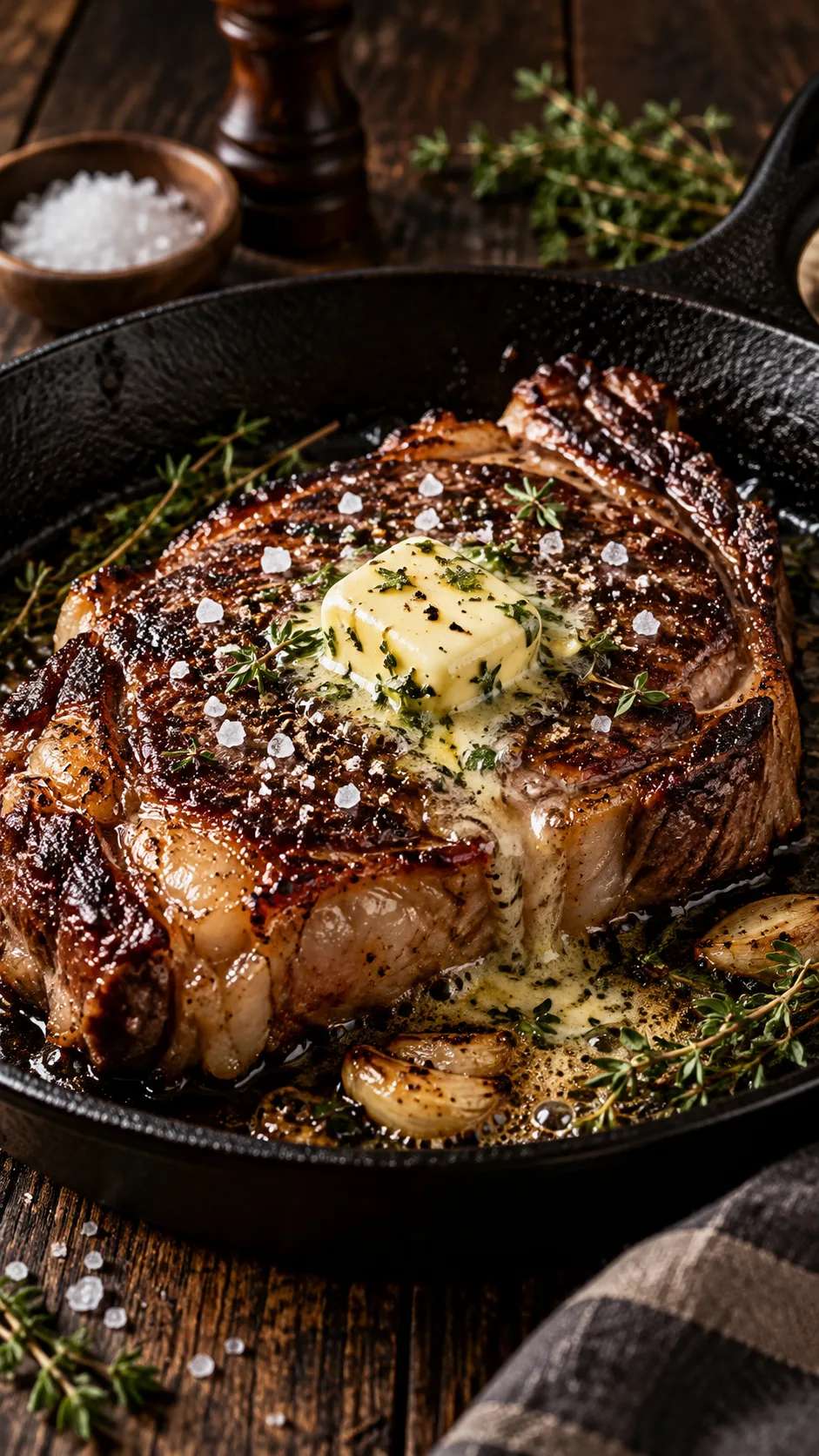
Fat slows digestion in the stomach. It signals your gut to release powerful hormones that tell your brain you have plenty of fuel. If your meals leave you hungry, examine your plate. Did you trim the fat cap off that steak? Did you skip the butter on your eggs? Fix that mistake on your very next plate.
The Science of True Satiety: How Zero Carb Crushes Appetite
Cutting carbohydrates switches off your appetite fast because of how your hormones respond to food. When you eat meals loaded with refined flour and sugar, your pancreas floods your system with insulin to clear glucose from your blood.
Rapid insulin spikes cause steep blood sugar drops. When your blood sugar crashes two hours after lunch, your brain sounds an alarm. It releases ghrelin, your main hunger hormone, demanding another hit of fast carbohydrates. You feel shaky, annoyed, and ravenous, even after eating a massive bowl of pasta.
A zero carb framework breaks that loop. Without carbohydrate spikes, your blood sugar stays steady throughout the day. Your pancreas releases very little insulin, which frees your liver to burn stored body fat for fuel. To learn more about how steady blood sugar regulates daily energy, read The 7-Day High Protein Meal Plan That Keeps You Full for a deeper look at macronutrient balance.
Protein and fat also release two potent fullness hormones: cholecystokinin (CCK) and peptide YY (PYY). The National Institutes of Health published research showing that dietary protein produces profound fullness by activating these gut peptides. When these compounds reach your brain, they shut down your desire to snack. You simply forget about food because your body has everything it needs.
The Zero Carb Food Matrix: What You Can Eat
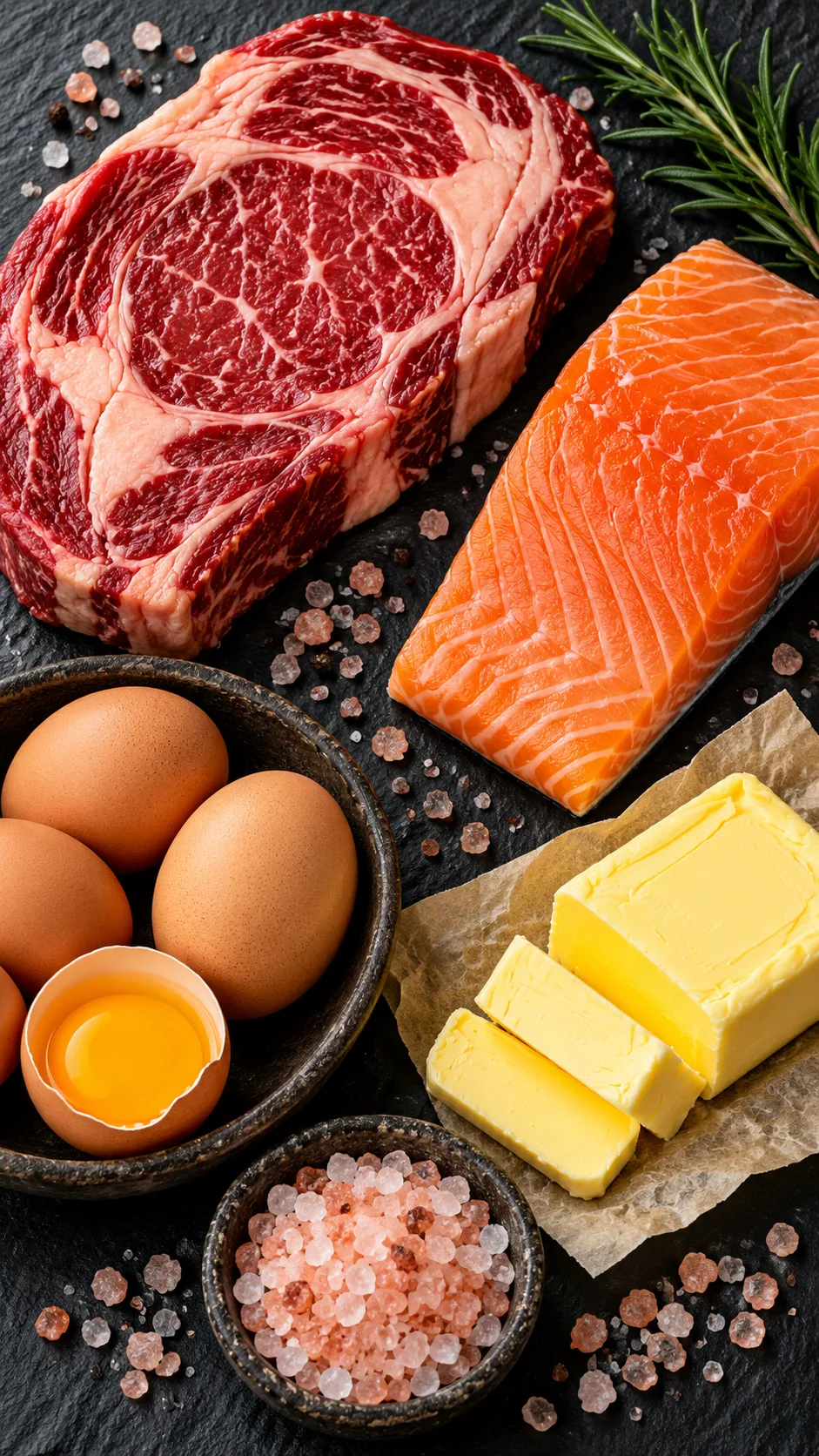
A true no carb plan, often called a carnivore diet, focuses entirely on nutrient-dense animal foods and healthy fats. These foods contain almost zero net carbohydrates and supply abundant micronutrients. Build your grocery list around these staples.
1. The Core Proteins (The Foundation)
- Ruminant Meats: Beef, lamb, bison, venison, and goat. Choose fatty cuts like ribeye, 80/20 ground beef, chuck roast, and lamb chops.
- Pork: Pork belly, bacon without added sugar, bone-in pork chops, and pork shoulder.
- Poultry: Chicken thighs with skin, duck breast, chicken wings, and drumsticks. Avoid skinless chicken breasts unless you sear them in several tablespoons of butter.
- Seafood: Salmon, mackerel, sardines, tuna, shrimp, and crab. Fatty cold-water fish provides essential omega-3 fatty acids that calm inflammation.
- Eggs: Whole pasture-raised eggs. Eat the yolks with the whites, since the yolk contains almost all the vitamins, choline, and healthy fat.
2. Satiety Fats (Your Primary Fuel)
- Grass-Fed Butter and Ghee: These fats supply fat-soluble vitamins A, D, and K2, alongside butyrate for gut health.
- Tallow and Lard: Traditional animal fats handle high heat well, making them ideal for searing steaks and frying eggs.
- Duck Fat: This fat adds immense flavor and rich monounsaturated fats to poultry and beef dishes.
- Cold-Pressed Fruit Oils: Extra virgin olive oil and avocado oil work well for dressing cold dishes, though animal fats deliver stronger fullness.
3. Flavor Savers with Trace Carbs
Strict purists consume only meat and water, but most people stick to this lifestyle longer when they add slight variety. You can include hard, aged cheeses like parmesan, cheddar, and pecorino, along with heavy cream, bone broth, salt, black pepper, and garlic powder. These foods contain negligible carbs and make your meals taste great.
If you are switching from an ordinary high-carb diet, reading Your First Week on Keto: A Simple Keto Meal Plan That Keeps You Full offers a smooth intermediate step before you remove plant foods completely.
What to Strike from Your Kitchen Immediately
Eliminating carbs requires clearing out obvious junk and hidden sugars. Toss these items before you start your first week:
- All Grains: Wheat, oats, rice, quinoa, corn, and any food containing flour.
- Liquid Sugars: Soda, fruit juices, sweet tea, and sports drinks.
- Starchy Root Vegetables: Potatoes, sweet potatoes, yams, and parsnips.
- Legumes: Beans, lentils, chickpeas, and peanuts.
- Processed Low-Carb Snacks: Packaged diet bars, sugar-free candies, and low-carb tortillas that contain gut-irritating gums and starches.
- Seed Oils: Canola oil, soybean oil, corn oil, and sunflower oil. These unstable oils disrupt normal cellular function and metabolic health.
The 7-Day No Carb Meal Plan That Truly Satisfies
This 7-day protocol relies on dense protein and rich fats to eliminate hunger pangs. Eat until you feel completely full at every meal. Do not weigh your food, do not track calories, and do not leave the dinner table feeling hungry.
Day 1
- Breakfast: Three large eggs scrambled in two tablespoons of butter, paired with three thick slices of sugar-free bacon.
- Lunch: Two 80/20 ground beef patties topped with cheddar cheese and sea salt.
- Dinner: A 12-ounce ribeye steak seared in garlic butter and fresh thyme.
- Snack: Two hard-boiled eggs mashed with cold butter.
Day 2
- Breakfast: An omelet made with three eggs, chopped pork belly, and grated gruyere cheese.
- Lunch: Canned wild salmon mixed with avocado oil mayonnaise, rolled inside slices of roast beef.
- Dinner: Crispy skin-on chicken thighs roasted in duck fat, seasoned with smoked paprika and sea salt.
- Snack: Thick slices of aged parmesan cheese.
Day 3
- Breakfast: Four pasture-raised eggs fried in beef tallow, served with sugar-free breakfast sausage patties.
- Lunch: Cold roasted chicken thighs alongside a hot mug of salted beef bone broth.
- Dinner: Pan-seared lamb chops with rosemary butter and sea salt.
- Snack: Plain pork rinds dipped in sour cream.
Day 4
- Breakfast: Smoked salmon slices over scrambled eggs prepared with heavy cream.
- Lunch: Two bunless burger patties loaded with melted blue cheese and bacon crumbles.
- Dinner: Beef short ribs braised slowly in bone broth until tender.
- Snack: Traditional beef biltong or zero-sugar beef jerky.
Day 5
- Breakfast: Diced leftover steak fried in beef tallow, topped with three sunny-side eggs.
- Lunch: Large shrimp sautéed in minced garlic, butter, and lemon zest.
- Dinner: Thick pork chops seared in a cast-iron skillet with sage butter.
- Snack: Beef bone broth with a tablespoon of melted butter.
Day 6
- Breakfast: Three baked egg cups wrapped in prosciutto and filled with goat cheese.
- Lunch: Cod fillets seared in clarified butter and seasoned with black pepper.
- Dinner: A 14-ounce strip steak topped with herbed compound butter.
- Snack: Whole-milk mozzarella string cheese or rolled prosciutto.
Day 7
- Breakfast: A three-egg scramble cooked with Mexican chorizo and pepper jack cheese.
- Lunch: Tuna salad made with boiled egg yolks and full-fat mayonnaise.
- Dinner: Beef chuck roast served with natural pan drippings and coarse salt.
- Snack: Cold strips of cooked bacon from the morning batch.
Pairing this plan with time-restricted eating speeds up fat adaptation. If you want to simplify your eating windows, read The 16:8 Intermittent Fasting Meal Plan That Keeps You Full to combine no carb meals with intermittent fasting.

The Electrolyte Protocol: Dodge the “No Carb Flu”
Why do so many dieters suffer from throbbing headaches, muscle twitches, and exhaustion on day three? They blame carb withdrawal, but electrolyte deficiency causes almost all of these symptoms.
When you drop carbohydrates, your circulating insulin drops sharply. The Cleveland Clinic notes that lower insulin prompts your kidneys to dump water and sodium into your urine. As your body sheds this water, minerals go with it. If you do not replace those minerals, your blood pressure drops, your muscles cramp, and your head pounds.
Dodge this problem with a daily mineral routine:
- Sodium: Take in 4,000 to 5,000 milligrams of sodium daily. Salt your steaks and eggs heavily with sea salt. Drink two mugs of salted bone broth each day, or stir half a teaspoon of salt into water every morning.
- Potassium: Aim for 1,000 to 2,000 milligrams. Beef, wild salmon, and pork provide plenty of potassium naturally. Skip potassium pills, which can irritate your stomach wall.
- Magnesium: Take 300 to 400 milligrams of magnesium glycinate before sleep. Magnesium relaxes muscles, promotes deep rest, and stops nighttime leg cramps.
Avoid commercial sports drinks because they contain too much sugar and tiny amounts of minerals. Build your own electrolyte routine with clean salt and basic mineral supplements.
Eating Out on Zero Carbs Without Hassle
You can maintain an active social life without eating carbs. Eating at restaurants feels straightforward once you learn how professional kitchens prepare food.
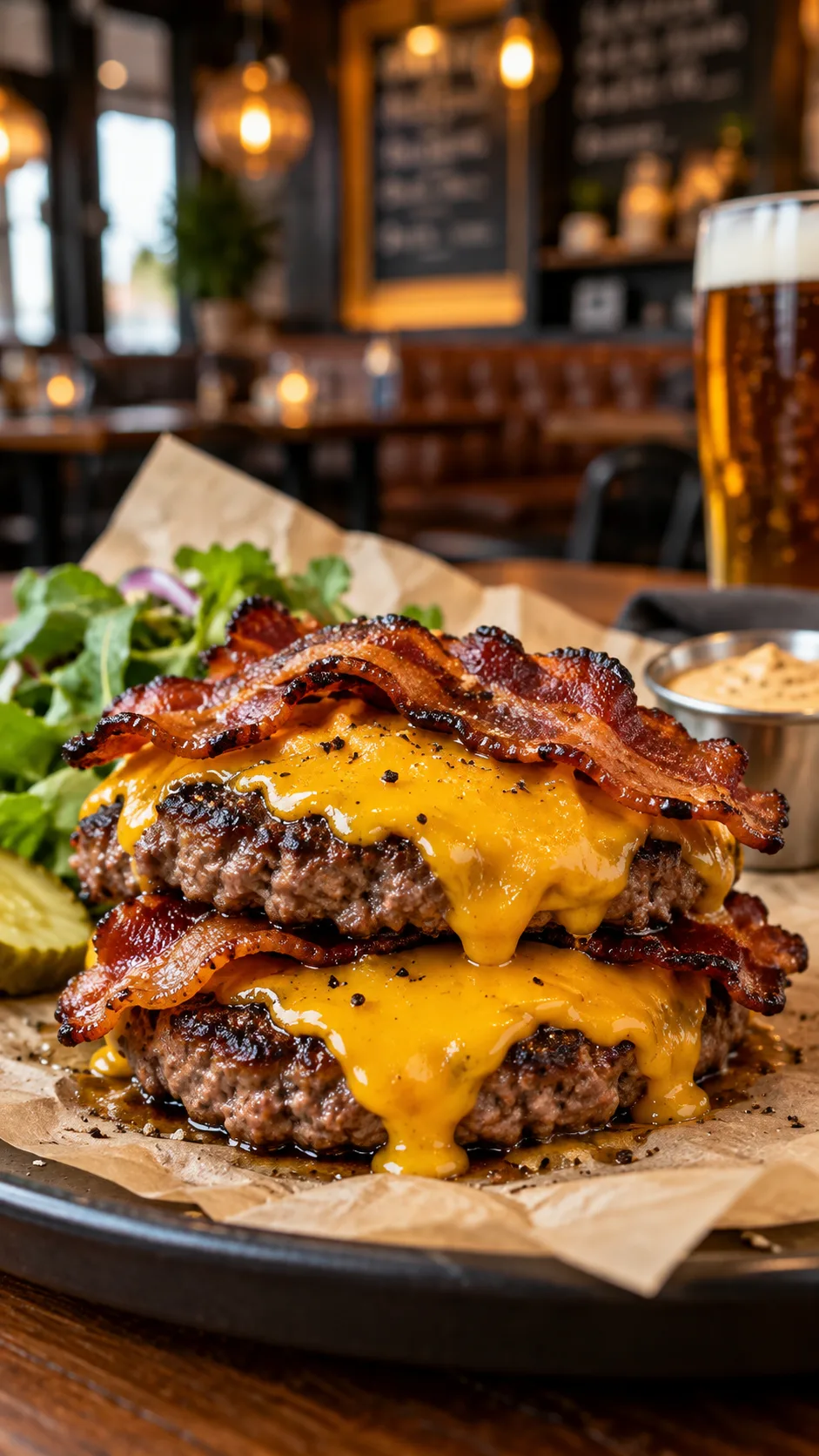
Choose steakhouses, burger joints, diners, or seafood spots. These kitchens cook meat constantly. Walk into any burger restaurant and order two double bacon cheeseburgers without buns, ketchup, or sugary house sauces. Ask for extra bacon on top.
At a steakhouse, ask the kitchen to cook your steak in butter rather than soybean oil. Ask your server to swap the baked potato or french fries for extra bacon strips or two fried eggs. Kitchens handle these basic substitutions every day.
Always ask your server if the cooks mix pancake batter into their scrambled eggs. Several popular breakfast chains use pancake batter to fluff up their eggs on the griddle. Request fresh shell eggs cracked directly onto the grill to keep your breakfast completely free of starch.
3 Traps That Ruin Your Results
Even motivated dieters trip over familiar stumbling blocks. Steer clear of these three mistakes to keep your health goals on track.
1. Fearing Protein
Many online forums scare people about gluconeogenesis, which is the process where your liver turns amino acids into glucose. Critics claim that eating plenty of protein spikes insulin and shuts off fat burning. Clinical science disproves this claim. Gluconeogenesis runs on demand, not on supply. Your liver produces glucose only when your organs require it, never simply because you ate another burger patty. Eat your protein without fear.
2. Overeating Dairy
Hard cheeses and heavy cream contain few carbs, but dairy contains growth proteins and trace sugars that stimulate cravings. Many people find it far too easy to eat hundreds of extra calories of cheese without noticing. If your weight loss stalls or your stomach bloats, remove cheese and cream. Stick entirely to meat, fish, eggs, and butter for two weeks.
3. Drinking Diet Sodas
Diet sodas contain zero carbs, but artificial sweeteners fool your senses. Sweet flavors trigger digestive responses in your nervous system. When your bloodstream fails to receive the sugar your taste buds promised, your brain demands sweet snacks later in the evening. Cut out diet drinks to reset your taste receptors. After two weeks without sweeteners, real butter and beef will taste naturally rich and satisfying.
Frequently Asked Questions
Will saturated fat clog my arteries?
Nutritional research has overturned the idea that natural dietary fat causes cardiovascular disease. Refined carbohydrates combined with industrial seed oils cause the cellular inflammation that damages blood vessels and oxidizes cholesterol. The Harvard T.H. Chan School of Public Health notes that fat sources and overall metabolic health determine cardiovascular risk. When you drop refined starches, your triglycerides drop, your HDL cholesterol climbs, and your inflammation falls.
Can I build muscle without carbohydrates?
Yes. Resistance training and dietary amino acids drive muscle protein synthesis, not carbohydrate consumption. While carbs restock glycogen during long endurance events, your body makes its own glycogen from amino acids and glycerol through natural liver pathways. You will build lean muscle on a diet of meat, eggs, and healthy animal fat.
How long should I follow a zero carb meal plan?
Many people use this diet as a 30-day reset to break sugar habits, soothe gut irritation, and drop excess fluid. Others maintain the diet permanently because they enjoy steady daily energy, sharp focus, and pain-free joints. Pay attention to your body and let your personal results guide your long-term choices.
Reclaim Your Energy and Stop Hunger for Good
Diets fail whenever they force you to fight your basic biology. Calorie restriction, low-fat plans, and high-carb processed foods keep you trapped in constant hunger and low energy. You do not need to spend your life thinking about your next snack or choking down dry chicken breasts.
When you remove carbohydrates and give your metabolism nutrient-dense meat, eggs, and fats, you regain control over your appetite. Your blood sugar steadies. Your hormones work in your favor. Fullness becomes your normal daily state. Fill your kitchen with good steaks, salt your food generously, and enjoy real meals without hunger.