

You love your pet like family. You buy orthopedic beds, book weekend agility classes, and share your duvet. Yet, every evening at dinner, the food in their bowl might quietly shorten their life.
Pet nutrition invites wild internet theories, slick marketing campaigns, and heavy human guilt. We project our own diet fads onto animals with completely different metabolic needs. Your dog might beg for cucumber slices from your cutting board, then immediately eat dirt outside. Animal physiology follows rules that differ radically from our own.
Feeding an animal correctly requires looking past commercial hype and understanding how their bodies process food. Correcting a few common daily feeding mistakes will keep your companion healthy and energetic well into old age.

Myth #1: You feed your pets like tiny humans
Humans crave variety. We eat tacos one night, pasta the next, and takeout on weekends. We assume our pets feel miserable eating the exact same brown kibble every day.
Pets want consistency, not culinary adventures. Canine and feline digestive tracts maintain specific colonies of gut bacteria that thrive on a steady, predictable formula. When you swap proteins every few days out of sympathy, you disrupt their gut flora. That rapid switching causes diarrhea, bloating, and stomach pain.
While you might organize your household meals with a family weekly meal plan, your dog needs predictable fuel. Predictable food protects their digestive health.
The danger of table scraps and seasonings
Sharing table scraps feels like an expression of love. When your dog stares up at you with wide eyes, you want to hand over a treat. But a single thick strip of bacon fat can trigger severe acute pancreatitis and land your dog in an emergency clinic overnight.
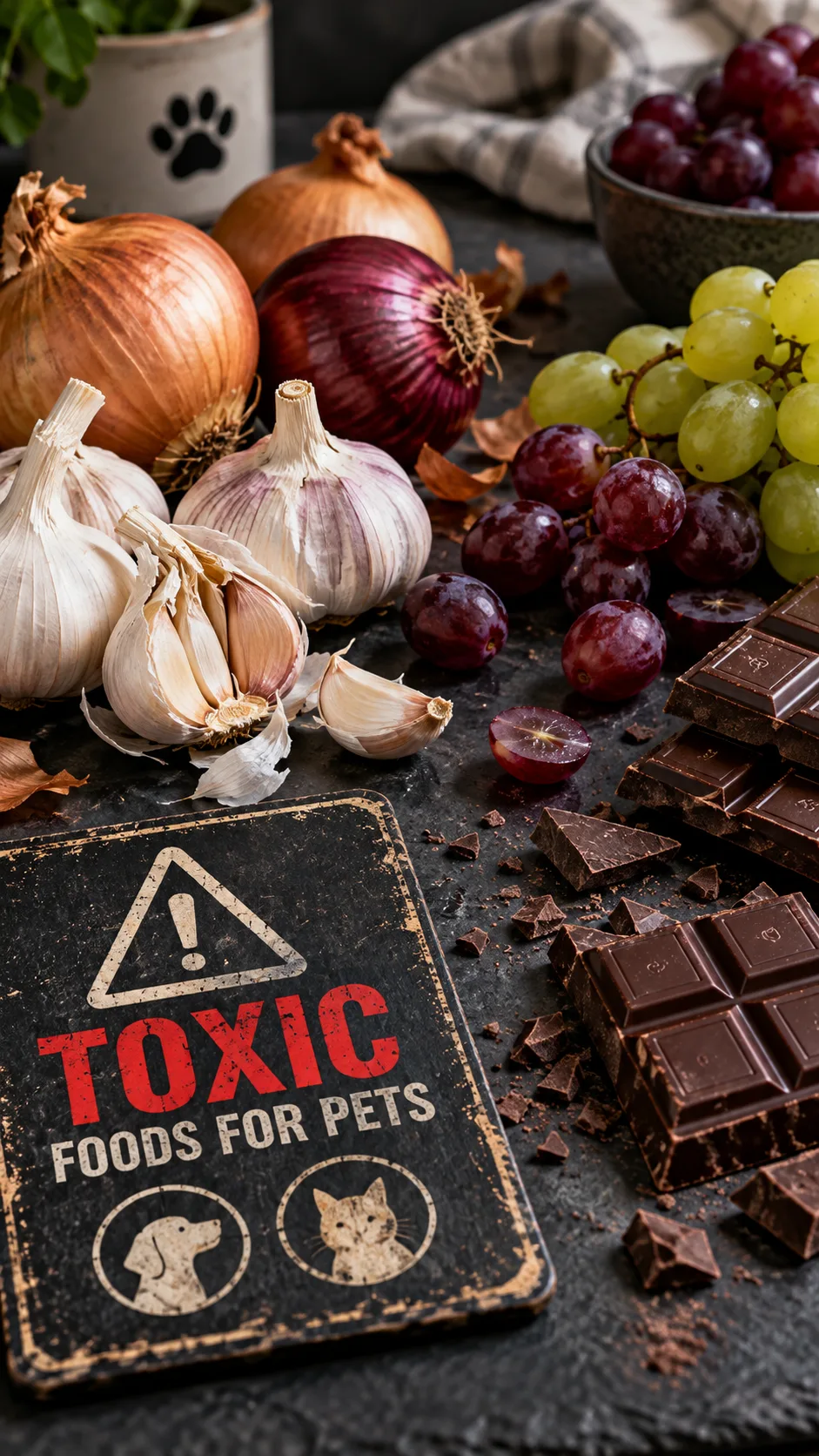
Everyday human foods contain compounds that poison pets. Garlic and onions damage red blood cells, causing hemolytic anemia in both dogs and cats. Grapes and raisins trigger acute kidney failure. Even a trace amount of xylitol (a common birch bark sweetener) drops canine blood sugar to lethal levels and destroys liver tissue.
Save the seasoned carbohydrates for your own healthy pasta meal prep. Heavy, salted table scraps disrupt animal metabolism. Feed spices, oils, and cooked human dishes only to animals whose organs can tolerate them: human beings.
Myth #2: The grain-free trap and boutique pet food
Pet food marketing campaigns made a fortune over the past decade. Brands persuaded millions of owners that grains trigger allergies and systemic inflammation. Pet supply stores filled their shelves with bags stamped with “100% Grain-Free” seals, charging inflated prices for the claim.
In reality, genuine grain allergies rarely afflict dogs or cats. When pets suffer true dietary allergies, the culprits almost always turn out to be animal proteins like chicken, beef, or dairy. Whole grains supply fiber, fatty acids, and easily digestible carbohydrates.
When manufacturers pulled corn, wheat, and rice out of these recipes, they substituted legumes. Bulk peas, lentils, chickpeas, and potatoes replaced traditional grains to keep ingredient expenses low.
The heartbreak of diet-associated DCM
Veterinary cardiologists raised alarms when they tracked a sudden spike in canine Dilated Cardiomyopathy (DCM). This heart muscle failure historically afflicted certain large breeds with known genetic risks. Suddenly, atypical breeds like golden retrievers, whippets, and mixed breeds began collapsing from congestive heart failure.
The FDA launched an investigation into boutique, exotic, and grain-free diets. Research teams found that high concentrations of pulse ingredients, specifically peas and lentils, impair taurine metabolism and damage heart muscle cells. Buying trendy grain-free food does not protect your dog; it exposes their heart to real danger.
Review the guidelines published by the Tufts Clinical Nutrition Service. Board-certified veterinary nutritionists prioritize long-term clinical feeding trials over marketing fads.
Myth #3: The raw meat obsession
Advocates of raw feeding pitch an appealing story: wild wolves do not eat dry kibble, so you should feed your dog their ancestral diet. That logic falls apart the moment you examine canine genetics.
A French bulldog does not live like a timber wolf on the frozen tundra. Dogs split from wolves thousands of years ago, developing duplicate copies of the amylase gene (AMY2B). This genetic adaptation allows domestic dogs to digest and thrive on cooked starches that wild wolves cannot digest.
Raw diets create serious health risks for pets and families:
- Foodborne pathogens contaminate raw meat: Uncooked chicken backs, necks, and beef carry Salmonella, Listeria, and E. coli. Pets shed these bacteria around your house, exposing children and adults to dangerous infections.
- Homemade raw meals cause severe nutritional deficiencies: Raw ground meat and offal do not provide balanced nutrition on their own. These recipes consistently lack sufficient calcium, zinc, iodine, and vitamin D, causing bone deformities in growing animals.
- Raw bones inflict physical trauma: Whole bones splinter under jaw pressure, piercing the esophagus, tearing stomach linings, and shearing premolar teeth down to the root.
The American Veterinary Medical Association explicitly opposes raw feeding because raw diets spread disease and cause malnutrition. Wild predators eat raw meat, and their average lifespan reaches less than half that of a well-cared-for domestic pet.
Portion distortion: Why eyeballing food cuts lifespans short
Many owners scoop dry food with a random coffee mug or plastic cup, heaping kibble over the rim when their pet looks hungry. That habit overfeeds the animal by twenty to thirty percent every single day.
Over fifty-six percent of dogs and sixty percent of cats in North America suffer from clinical obesity. Internet culture normalizes overweight animals, celebrating chunky pets while ignoring the painful consequences: severe joint breakdown, diabetes, respiratory strain, and early death.
Body fat does far more damage than adding physical weight. Fat tissue operates as an active endocrine organ, pumping inflammatory cytokines into your pet’s bloodstream day and night. That continuous inflammation ruins cartilage, overworks kidneys, and damages cardiovascular vessels.
Replace the plastic cup with a kitchen gram scale
Measuring cups mislead you. Kibble pieces settle unevenly, so a single scoop might hold 350 calories on Monday and 480 calories on Wednesday. For a small terrier, that hundred-calorie swing represents nearly half their daily caloric requirement.
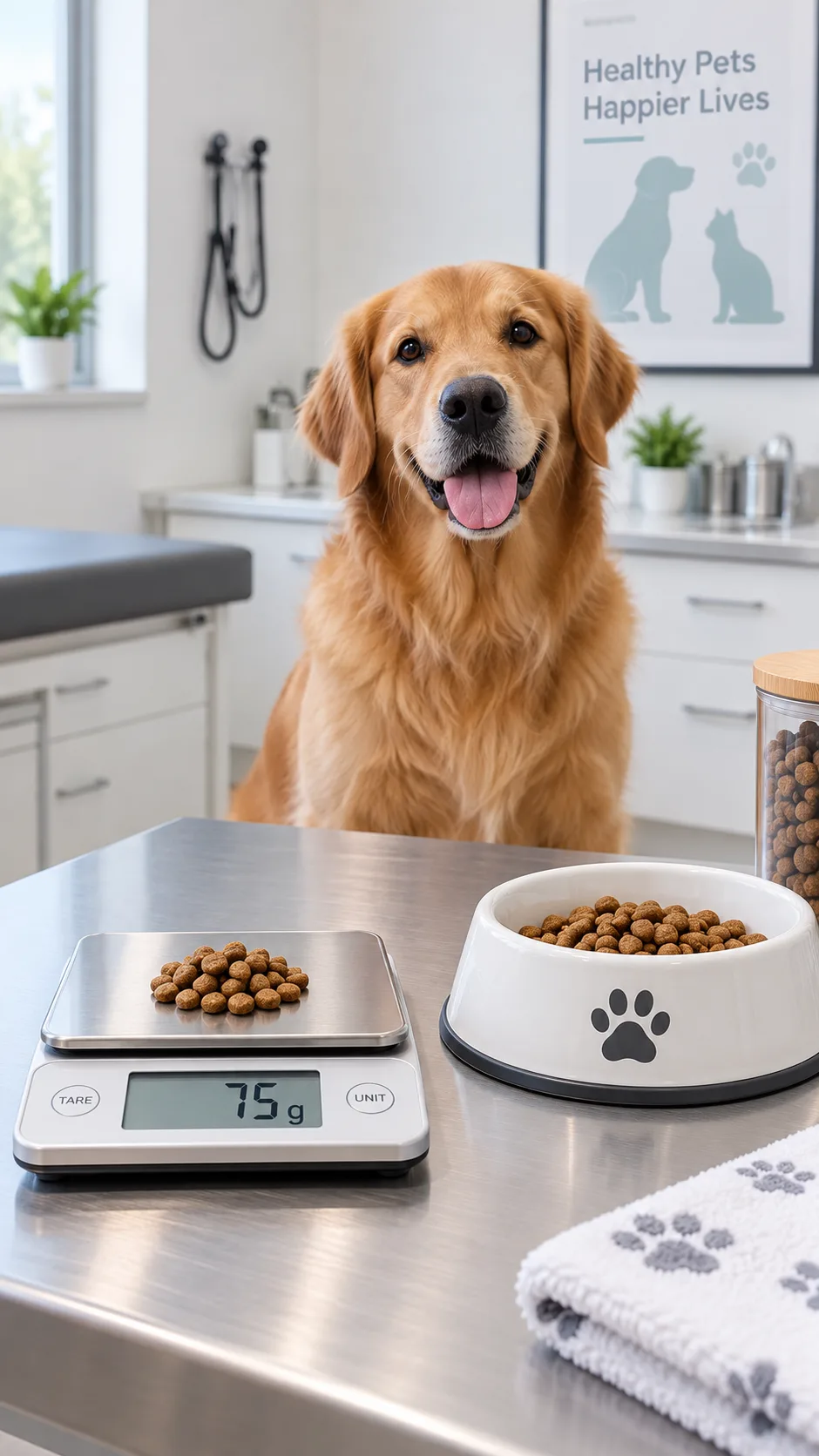
A cheap digital kitchen scale solves this issue immediately. Check the nutrition label on your pet food bag, find the gram weight matching your animal’s ideal target weight, and weigh every meal. Keeping your pet at a lean weight where you can easily feel their ribs adds up to two years to their lifespan.
Cats are not small dogs: The obligate carnivore reality
If you live with both species, you probably catch your dog raiding the cat bowl regularly. Dogs function as opportunistic omnivores, but cats operate on a strict, specialized carnivorous physiology.
Cats cannot synthesize essential amino acids like taurine and arginine. They must absorb these compounds directly from animal muscle and organ meat. A dog that eats cat food gains weight, but a cat that eats dog food goes blind, develops dilated cardiomyopathy, and dies from nutritional deficiency.
Feline metabolism cannot process large loads of carbohydrates. Cats lack hepatic glucokinase enzymes in their livers, drawing their primary blood glucose and energy from proteins and fats instead of starches. A cheap, high-carbohydrate dry diet drives indoor cats straight toward Type II diabetes.
The chronic dehydration crisis in indoor cats
Indoor cats rarely drink enough water from a bowl. Their desert-dwelling ancestors acquired almost all their hydration directly from fresh prey. Because of that ancestry, cats retain a very weak natural thirst drive.
When you feed a cat exclusively dry kibble containing under ten percent water, they exist in perpetual, low-level dehydration. Their kidneys concentrate urine to dangerous densities. This creates painful struvite crystals, life-threatening urethral blockages in male cats, and progressive kidney damage.
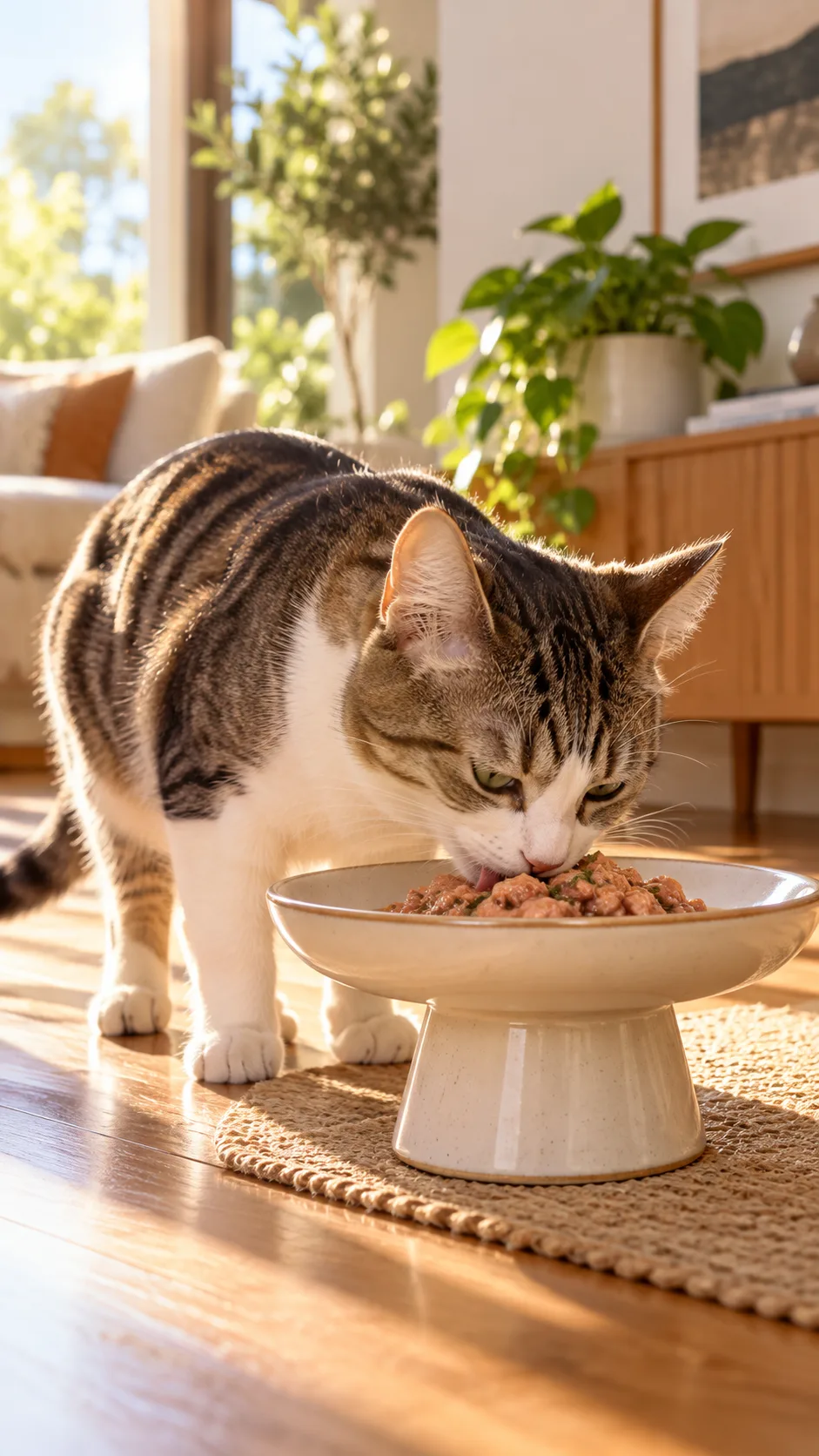
The Cornell Feline Health Center emphasizes proper hydration for feline urinary tract health. Add moisture-rich canned wet food to their daily menu, install running water fountains, and splash plain, unseasoned bone broth over their meals.
People often use a fasting diet plan to cut calories, but irregular fasting harms cats severely. If an overweight cat goes without food for forty-eight hours, their liver mobilizes body fat too quickly to process it. That fat buildup causes hepatic lipidosis, a deadly disease requiring immediate hospitalization. Never withhold food from a cat to make them lose weight.
Decoding the pet food label: Cutting through sales tactics
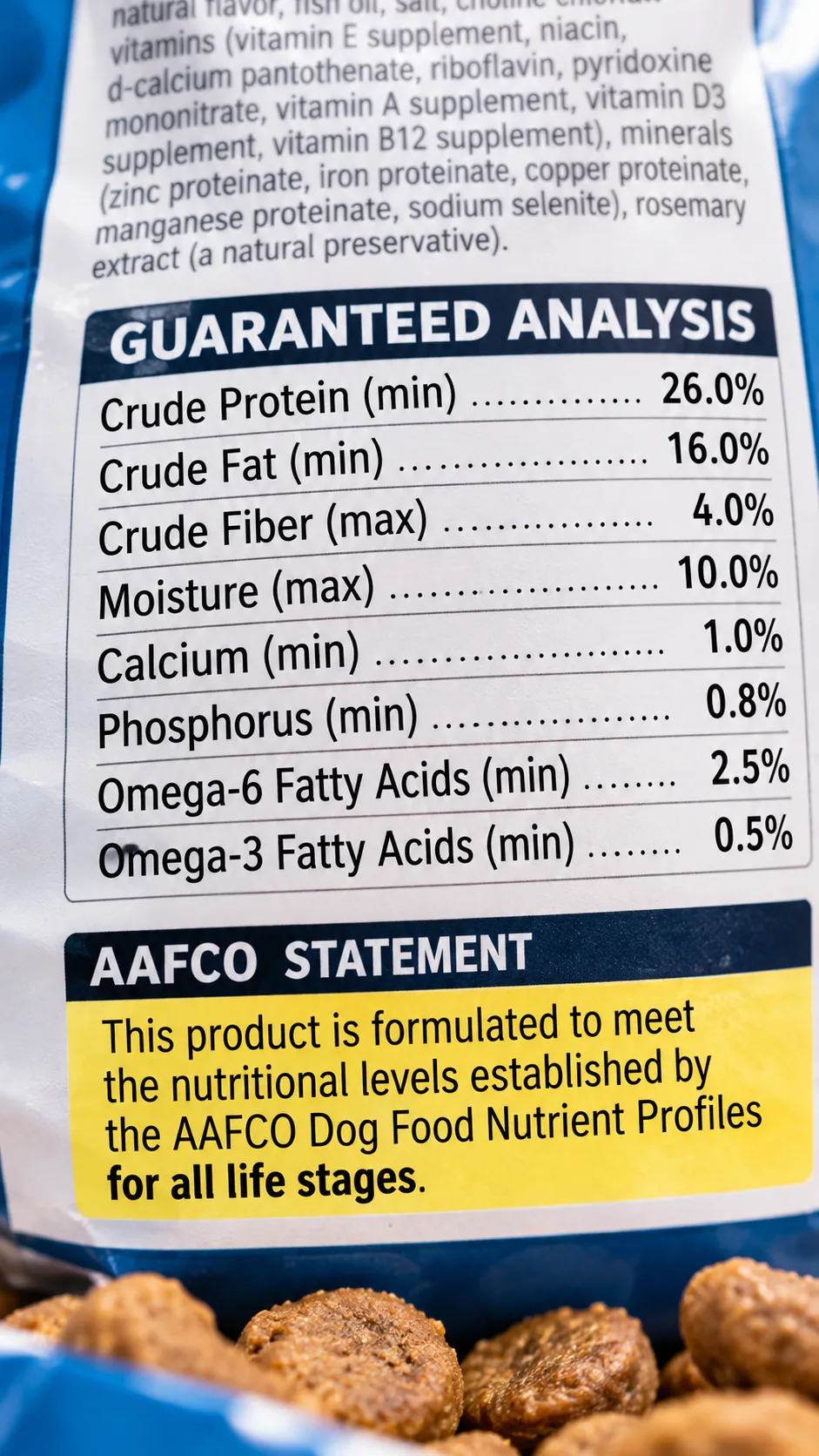
Pet food aisles look like gourmet grocery stores. Bags display illustrations of heirloom carrots, fresh rosemary sprigs, and prime beef cuts. Ignore the marketing illustrations. Turn the bag around and read the guaranteed analysis.
Labeling regulations remain loose. Pet food manufacturers exploit consumer psychology to make cheap agricultural byproducts sound like artisanal nutrition.
The ingredient splitting trick
Feed regulations require pet food companies to list ingredients by total weight before cooking. Many companies manipulate this requirement through ingredient splitting.
Suppose a dog food recipe contains thirty pounds of chicken and forty pounds of peas. Listing peas first would drive away buyers looking for meat. The manufacturer breaks those legumes into three distinct label entries: whole peas, pea flour, and pea protein.
Because each pea fragment weighs less than the chicken on its own, “Real Deboned Chicken” jumps to the top of the ingredient deck. In reality, plant legumes provide the bulk of the protein. Watch for this trick whenever you compare ingredient lists.
What the AAFCO statement means
Ignore buzzwords on the front label like “holistic,” “human grade,” or “natural.” Regulators do not enforce strict legal definitions for those terms. Instead, locate the fine print from the Association of American Feed Control Officials (AAFCO) on the back panel.
Look for this specific statement: “Animal feeding tests using AAFCO procedures substantiate that [Brand] provides complete and balanced nutrition.”
Feeding trials prove that living animals consumed this diet for months while maintaining normal blood values, proper weight, and organ health. Computer models might balance nutrients on a screen, but feeding trials show that an animal digests and absorbs those nutrients in real life.
Small pets and exotics: The herbivore feeding trap
Rabbits, guinea pigs, and chinchillas suffer some of the worst dietary mistakes in the pet world, largely driven by bright packaging in big-box pet stores.
Store aisles display muesli blends filled with dried corn, sunflower seeds, sugary fruit bits, and dyed pellets. Owners buy them thinking they provide varied meals. Instead, these sweet, seed-heavy mixes cause severe molar disease and fatal gastrointestinal stasis.
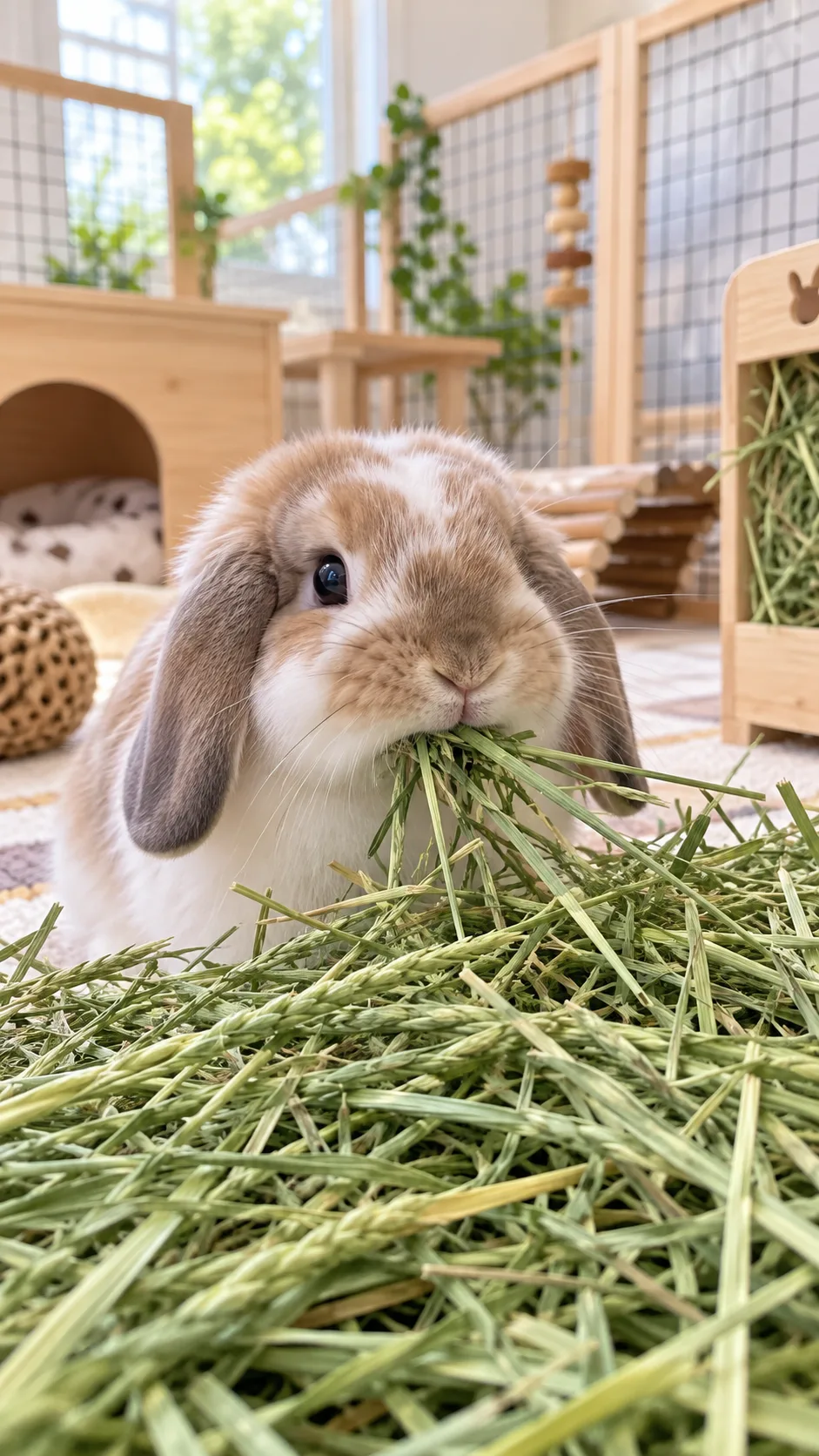
The eighty percent hay rule
Rabbits and guinea pigs possess open-rooted teeth that grow continuously throughout their lives. They require constant abrasive chewing on long-stem roughage to grind those molars down flat.
- Timothy hay forms the foundation: Hay must make up at least eighty percent of a rabbit or guinea pig’s daily intake. The tough long-strand fibers wear down their continuously growing teeth and keep their intestinal tract moving.
- Fresh leafy greens provide hydration: Feed dark greens like romaine, cilantro, parsley, and dandelion greens for moisture and trace minerals.
- Measure dry pellets sparingly: Give plain, uniform timothy hay pellets in small, measured tablespoons. Never leave an open bowl of pellets out all day.
- Guinea pigs require supplemental vitamin C: Guinea pigs cannot produce their own vitamin C. Provide daily bell peppers or stabilized vitamin C tablets to prevent scurvy.
A four-step plan to fix your pet’s nutrition
Correcting feeding mistakes does not require complicated routines. Take these concrete steps starting with your next feeding.
- Check your pet’s body condition score: Place your hands along your animal’s ribs. You should feel the rib bones easily under a thin layer of muscle, similar to the knuckles on the back of your hand. If you must press through thick padding to feel a rib, begin trimming daily portions.
- Weigh food with a gram scale: Measure daily rations by weight rather than volume. Calculate portions according to your pet’s ideal body weight, not their current overweight size.
- Transition new foods across ten days: Never switch pet foods in a single day. Mix twenty-five percent new food with seventy-five percent old food for three days, advance to an even split for three days, then feed seventy-five percent new food for three days. This schedule gives digestive bacteria time to adjust without diarrhea.
- Rely on veterinary science over social media trends: Online influencers routinely promote raw concoctions of quail eggs and unpasteurized milk for viral views. Your veterinarian understands your pet’s medical history, kidney panels, and caloric demands far better than someone filming a video for social media.
Feed with science instead of human guilt
Proper pet nutrition requires setting human emotions aside when filling the food bowl. Your dog does not care about gourmet charcuterie boards, and your cat does not need artisan grain-free buzzwords. They rely on you to separate biology from marketing copy.
Feed your pet consistent, nutritionally balanced food with strict portion control. Keep their bodies lean, their teeth clean, and their food consistent. Your discipline will reward you with a happier, healthier companion for years to come.