

You did not go through gastric bypass surgery to let rushed bites, skipped vitamins, or fizzy drinks chip away at your progress. Plenty of patients stumble during the diet phases because the rules look simple on paper and feel very different at home.
Your new stomach pouch needs time, patience, protein, and fewer “I’ll see what happens” moments. You can get through every stage without eating bland food forever or guessing at every meal.
This guide covers the bariatric diet stages, the mistakes that trip people up, and the routines that protect your results over time. Your surgeon and bariatric dietitian set the rules for your care, so follow their plan whenever it differs from anything you read online.

Why gastric bypass diet phases matter
Gastric bypass surgery creates a small stomach pouch and reroutes part of your small intestine. The surgery helps you eat less, but it also changes the way your body handles fluids, protein, vitamins, minerals, sugar, and fat.
Each diet phase gives your stomach and digestive tract a different task. Liquids protect healing tissue. Purees let you practice new textures. Soft foods help you settle into a routine. Regular foods teach you how to eat for the long haul.
Move ahead too quickly, and you may deal with nausea, pain, vomiting, dumping syndrome, dehydration, or a food aversion that makes later meals harder. Nobody wants scrambled eggs to become a lifelong nemesis.
The American Society for Metabolic and Bariatric Surgery recommends lifelong follow-up because surgery changes more than portion size. Your everyday choices help the surgery keep working for you.
Your timeline may differ
Many programs move patients through four main gastric bypass diet stages over about six to eight weeks. Your surgeon may extend a stage because of nausea, dehydration, healing concerns, medication changes, or your own recovery needs.
Do not compare your day 14 menu with someone else’s day 14 menu online. Their surgeon may follow different rules, and social media rarely includes the chicken nugget someone regretted later.
Follow the texture your bariatric team approves, not the date you hoped to reach.
Phase 1: Clear liquids. The “tiny sips count” stage
Most patients begin with clear liquids right after surgery or when their surgical team gives permission. This phase may last from one day to several days, depending on your program’s gastric bypass clear liquid diet schedule.
Hydration comes first. Then you need to learn how slowly you must drink. Take small sips every few minutes instead of taking huge gulps after you forget about your water bottle for three hours.
What usually fits the clear liquid phase
- Water and ice chips
- Sugar-free electrolyte drinks without carbonation
- Clear, low-sodium broth
- Decaffeinated tea or coffee, if your care team allows it
- Sugar-free gelatin
- Sugar-free ice pops without chunks, cream, or added sugar
- Clear protein drinks, when your program includes them
Read every label. A drink can sound healthy and still contain sugar, caffeine, carbonation, or calories that do not help recovery. Fruit juice often sounds harmless, but its sugar can trigger dumping syndrome and blood sugar swings.
Clear liquid mistakes that cause trouble
Drinking too fast causes the most trouble. Fast drinking can create pressure, discomfort, nausea, and vomiting because your new pouch holds very little.
Waiting until you feel thirsty also causes problems. Thirst may not show dehydration right away, especially after surgery. Set a timer, keep fluids close by, and count your ounces until regular sipping feels routine.
Watch for dark urine, dizziness, headache, dry mouth, a racing heart, weakness, or very little urine. Call your bariatric team promptly if you cannot keep liquids down or if dehydration symptoms get worse.
Phase 1 win: You meet your fluid goal consistently without pain, vomiting, or last-minute catch-up drinking.

Phase 2: Full liquids. Protein takes center stage
The full liquid diet begins when your surgeon gives you the go-ahead. This stage often lasts about one to two weeks and brings in thicker liquids with more protein and energy.
Your body needs amino acids to heal, hold onto muscle, support hair health, and help you feel full. Most bariatric teams ask patients to aim for about 60 to 80 grams of protein each day, though your dietitian may give you a different target.
People talk about protein shakes so much for a reason. Your tiny pouch leaves little room for food, so each sip needs to count.
Smart full liquid choices
- High-protein shakes with low sugar
- Protein water or clear protein drinks
- Skim or low-fat milk, if your program allows it
- Unsweetened soy milk or another high-protein option your team allows
- Strained cream soups with unflavored protein powder
- Plain Greek yogurt thinned to the texture your program requires
- Sugar-free pudding made with protein-rich milk, if your team allows it
Choose products for protein, then check the sugar. Some ready-to-drink shakes contain as much sugar as dessert in a gym outfit. Look for 20 to 30 grams of protein per serving when that amount fits your daily plan.
The National Institute of Diabetes and Digestive and Kidney Diseases explains that bariatric surgery requires lasting food and nutrition changes. Start those changes now, not after you reach your goal weight.
What patients get wrong during full liquids
Some patients treat protein shakes as optional after they get tired of sweet flavors. Flavor fatigue happens, but low protein can slow recovery and leave you weak, hungry, and frustrated.
Rotate flavors, change the temperature, mix in ingredients your plan allows, or ask your dietitian about unflavored protein powder. Try a cup instead of a shaker bottle when the smell or texture starts to bother you.
Other patients drink shakes like water. Sip slowly, stop at the first sign of fullness, and spread protein across the day. Your pouch does not reward speed.
Phase 3: Pureed foods. Smooth texture, serious planning
The pureed food stage can feel like a relief after weeks of liquids, but it brings its own problems. You can finally use a spoon, and that can make it easy to push portions or textures too far.
Pureed foods need a smooth, even texture with no lumps, skins, seeds, strings, chunks, or surprise pieces. If you need to chew it, wait until your body can handle it.
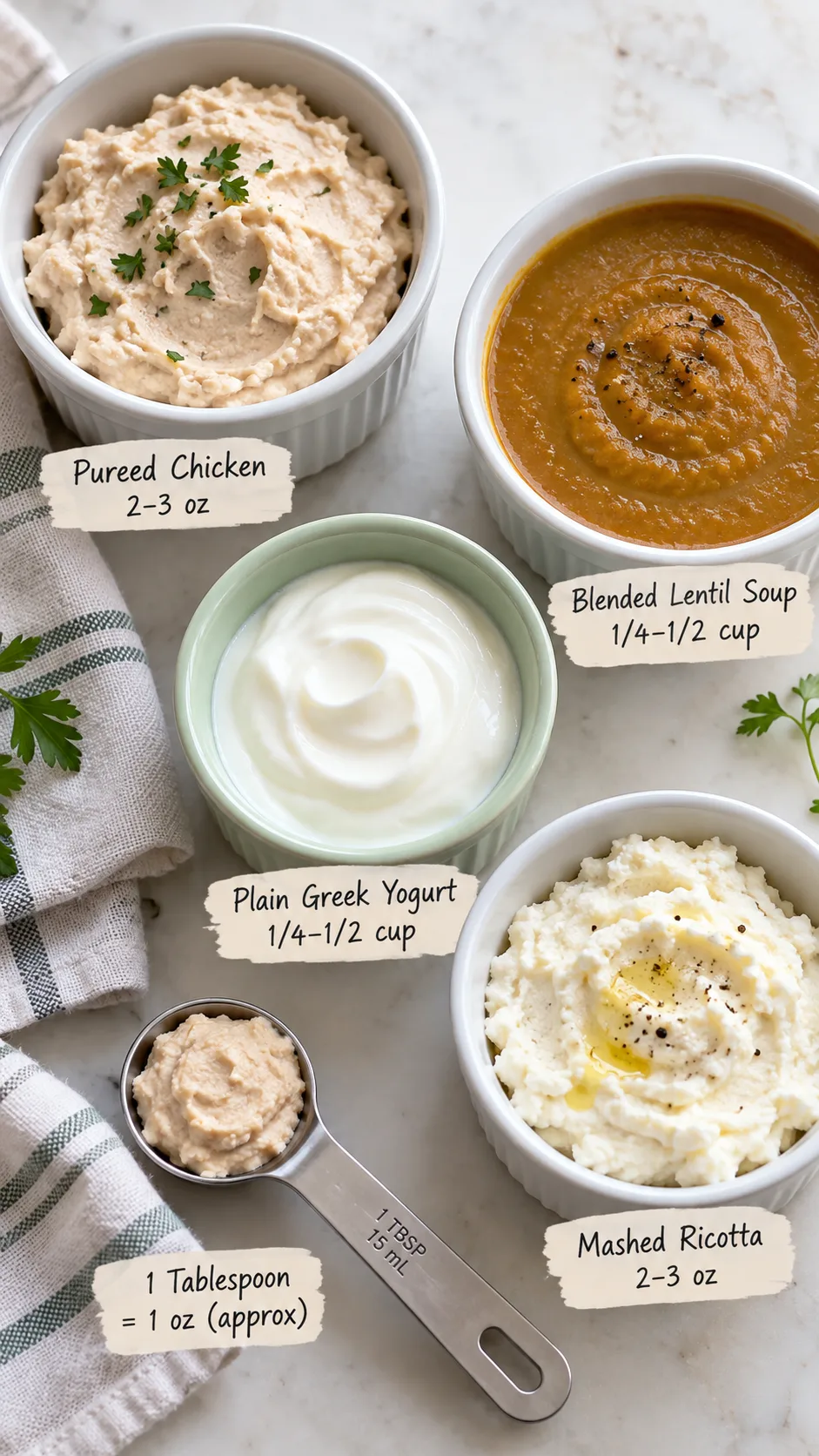
Start with tiny portions, often one to two tablespoons at a time. Eat slowly, put your spoon down between bites, and stop when fullness arrives. You can retire the old habit of cleaning your plate.
Pureed gastric bypass diet foods that work well
- Scrambled eggs blended or mashed until smooth
- Plain Greek yogurt without fruit chunks or granola
- Pureed chicken, turkey, tuna, or lean fish mixed with broth or yogurt
- Refried beans without cheese-heavy toppings
- Silken tofu blended with seasonings
- Pureed lentils or split pea soup, strained if your team requires it
- Mashed cottage cheese or ricotta, when your team allows it
Put protein first at every meal. You will not have room for much food, so take your protein bites first. Let vegetables and starches wait until your plan allows them.
The most common puree phase errors
Patients often confuse “soft” with “pureed.” Lumpy mashed potatoes, oatmeal, rice, ground meat, and flaky fish may sound gentle, but they can cause discomfort before your pouch and connection sites heal.
Some people blend food with juice, cream, butter, or sugary sauces to improve the taste. Those extras can add sugar and fat without helping you reach your protein goal. Use broth, water, skim milk, unsweetened yogurt, or seasonings your plan allows instead.
Keep meals small and scheduled. Grazing all day makes it harder to notice fullness, track protein, and build a steady routine. A tiny stomach pouch does not automatically stop mindless snacking.
Phase 4: Soft foods. Chewing matters now
The soft food stage moves you from spoon-smooth meals to foods with a little structure. Your bariatric team may place this stage around weeks four through six, but your recovery sets the pace.
Soft foods should break apart easily with a fork. You still need to chew every bite well, often 20 to 30 times or until the food feels almost pureed. Your jaw suddenly has a job.
Best soft foods after gastric bypass
- Moist flaky fish
- Very tender shredded chicken or turkey with sauce or broth
- Lean ground meat with plenty of moisture
- Soft scrambled eggs
- Cooked vegetables without tough skins
- Beans and lentils, if you tolerate them
- Soft fruits without peel, seeds, or tough membranes
- Low-fat cottage cheese and Greek yogurt
Try one new food at a time when you can. This habit helps you identify foods that cause pain, nausea, reflux, bloating, or dumping syndrome. Keep a simple food log with the food, amount, time, and any symptoms.
Some foods often cause trouble early on: dry chicken breast, bread, pasta, rice, fibrous vegetables, tough steak, nuts, popcorn, and raw salad. These foods do not mean you failed. Your body may need more time, a different preparation, or smaller bites.
Stop drinking with meals
Many patients struggle with this rule because it feels odd at first. Most programs ask you to stop drinking about 30 minutes before a meal and wait about 30 minutes after eating before you drink again.
Liquids can move food through the pouch too quickly, reduce fullness, and make it easier to eat beyond your plan. Keep food and fluids separate so protein has a better chance to satisfy you.
Eat protein first, chew slowly, stop early, and save your drink for later. This pattern helps throughout the post gastric bypass diet.
Phase 5: Regular bariatric foods. This never means “back to normal”
Your bariatric team will eventually clear you to eat a wider range of foods. That moment feels exciting, but it does not mean you return to old habits with a smaller plate.
Think of this stage as your lifelong gastric bypass maintenance diet. Build meals around protein, produce, fluids, vitamins, and mindful portions. Pay attention to foods your body handles well and foods that make it protest.
Your long-term bariatric plate formula
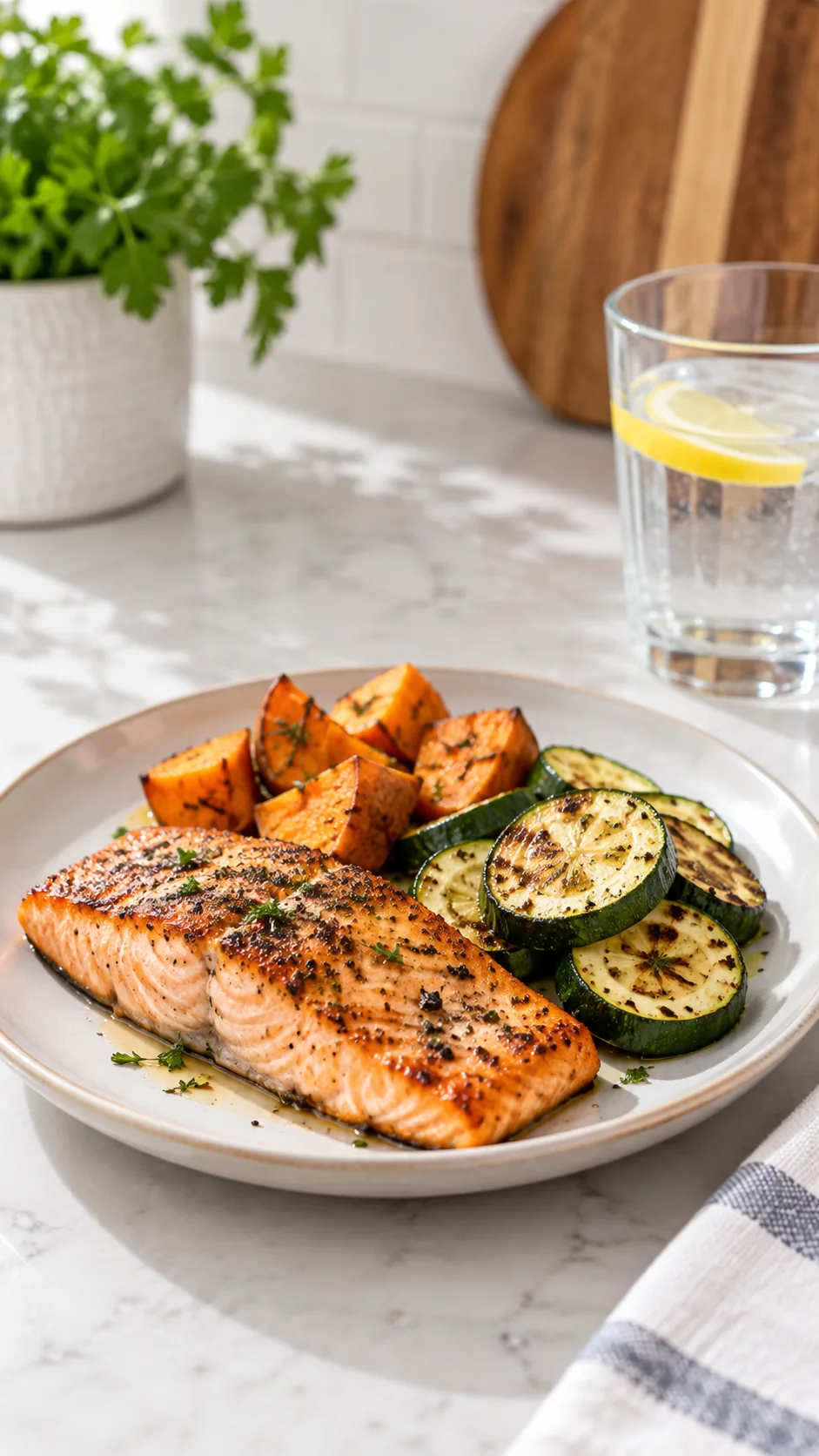
Start with lean protein. Add non-starchy vegetables after you meet your protein needs. Add a small serving of high-fiber carbohydrate only when your plan and tolerance allow it.
- Protein: chicken, fish, eggs, Greek yogurt, tofu, beans, lean meat
- Vegetables: cooked greens, carrots, zucchini, cauliflower, green beans, peppers
- Smart carbohydrates: fruit, beans, oats, sweet potato, whole grains in portions you tolerate
- Healthy fats: avocado, olive oil, nuts or seeds when your team allows them
Need easy protein meal ideas after your team clears regular textures? This high-protein meal plan can help you put together balanced meals, but adjust portions and ingredients to fit your bariatric plan.
Avoid grazing, sugary drinks, alcohol, frequent sweets, and slider foods. Slider foods pass through the pouch quickly and let you eat more without much fullness. Chips, crackers, cookies, ice cream, and chocolate often cause that problem.
Dumping syndrome: The lesson nobody wants to learn the hard way
Dumping syndrome can occur when food, especially sugar or high-fat food, moves too quickly from your stomach pouch into the small intestine. It can cause cramps, nausea, diarrhea, sweating, dizziness, a racing heart, weakness, or an urgent need to lie down.
Early dumping often begins within 10 to 30 minutes after you eat. Late dumping may appear one to three hours later when your blood sugar drops. Your body rarely stays quiet about it.
To prevent dumping syndrome, avoid added sugar, choose protein-rich meals, eat slowly, keep portions small, and separate liquids from meals. The Mayo Clinic’s dumping syndrome guide explains the symptoms and treatment options.
Call your bariatric team if symptoms keep returning, get worse, or make it hard for you to eat and drink enough. Your team can help you identify triggers and safely adjust your meal routine.
Vitamins, minerals, and labs: The part you cannot skip
Gastric bypass changes nutrient absorption, so food alone may not meet your needs. Your care team will prescribe a lifelong supplement routine that often includes a bariatric multivitamin, calcium, vitamin D, vitamin B12, and iron when you need it.
Do not replace bariatric supplements with random gummy vitamins because the package looks cheerful. Many standard products do not contain enough nutrients for gastric bypass patients. Your body needs the right dose, not cute packaging.
Ask your team when to take calcium and iron. Calcium can interfere with iron absorption, so many programs tell patients to take them at different times. Vitamin C may help your body absorb iron, while coffee and tea can interfere when you drink them near an iron dose.
Keep every lab appointment. Your clinician can check iron, B12, folate, vitamin D, calcium-related markers, protein status, and other nutrients based on your health history. Energy, hair health, bone strength, and clear thinking depend on more than the number on the scale.
How to know you need help, not more willpower
Contact your surgical team urgently if you cannot keep fluids down, develop dehydration symptoms, have severe or worsening abdominal pain, vomit repeatedly, run a fever, or notice black stools. Trust your instincts. Early support can prevent a larger problem.
Reach out early if food fear, binge eating, depression, anxiety, alcohol use, or body image stress starts directing your choices. Gastric bypass changes your anatomy, but it cannot erase emotional eating patterns overnight.
Support groups, therapy, and regular dietitian visits can help a great deal. Asking for help does not weaken your commitment. It shows that you take your health seriously.
When your surgeon clears exercise, begin with gentle walks and build from there. A beginner-friendly full body workout plan can give you structure later, but your recovery timeline comes first.
Your gastric bypass diet phase checklist
- Follow your surgeon’s stage timeline instead of rushing textures.
- Sip fluids throughout the day and track your intake until the habit sticks.
- Meet your protein goal with approved shakes and protein-first meals.
- Eat slowly and chew thoroughly after your plan introduces food textures.
- Keep drinks away from meals according to your program’s timing rules.
- Avoid sugar, carbonation, alcohol, and slider foods that can disrupt comfort and progress.
- Take your prescribed bariatric vitamins every day.
- Attend follow-ups and lab checks even when you feel well.
Final thoughts: Slow progress still counts
The gastric bypass diet phases do not measure your toughness. They teach you how to nourish a body that just went through a major change.
Drink with intention, put protein first, respect each food texture, chew well, and take your supplements every day. Small choices you repeat will do more for you than one perfect week followed by chaos.
Your surgery gave you a powerful tool. Your daily habits show that tool how to work for you.