

You open your pantry door at 9:00 PM, glare at the shelves, and wonder why you willingly chose this torture. You ate your tiny portions, logged your meals, and tracked every single bite. Yet, your stomach growls loud enough to wake the neighbors. Most people know this feeling all too well.
Standard 1500-calorie diets fail because they mimic bird feeding schedules. They hand you tiny squares of plain chicken, half an avocado, and a sad fistful of lettuce, then expect you to function like a normal human being. Hunger takes over, willpower crumbles, and you end up eating half a box of cereal over the sink.
Throw that outdated playbook directly into the trash. A 1500-calorie deficit can fill your stomach, silence cravings, and supply steady physical energy from morning until night. You only need to master three fundamental rules: food volume, strategic macronutrient splits, and smart meal timing.
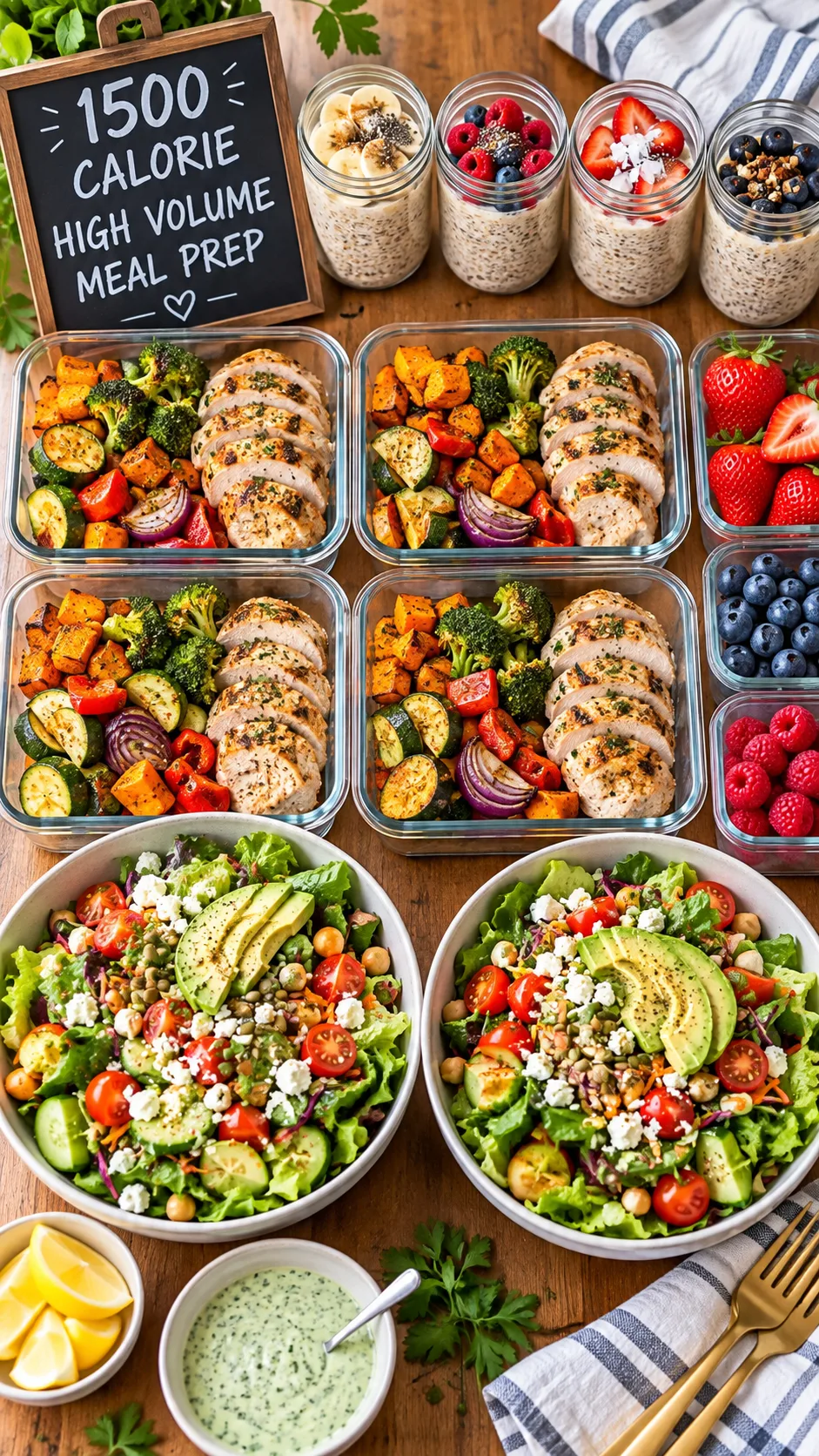
Why Most 1500-Calorie Diets Leave You Starving
Standard low-calorie plans compress calorie-dense foods into tiny, depressing portions. A tablespoon of olive oil, a handful of almonds, and a bakery muffin eat up 700 calories in four minutes without stretching your stomach walls. Your body measures fullness through physical stretch receptors and hormonal feedback loops, not through the number on your nutrition tracking app.
When food enters your digestive tract, mechanical tension signals your brain to shut down your appetite. An empty stomach pumps out ghrelin, your primary hunger hormone. If you eat tiny, calorie-dense meals, your stomach stays physically empty, ghrelin keeps firing, and your brain screams for quick fuel.
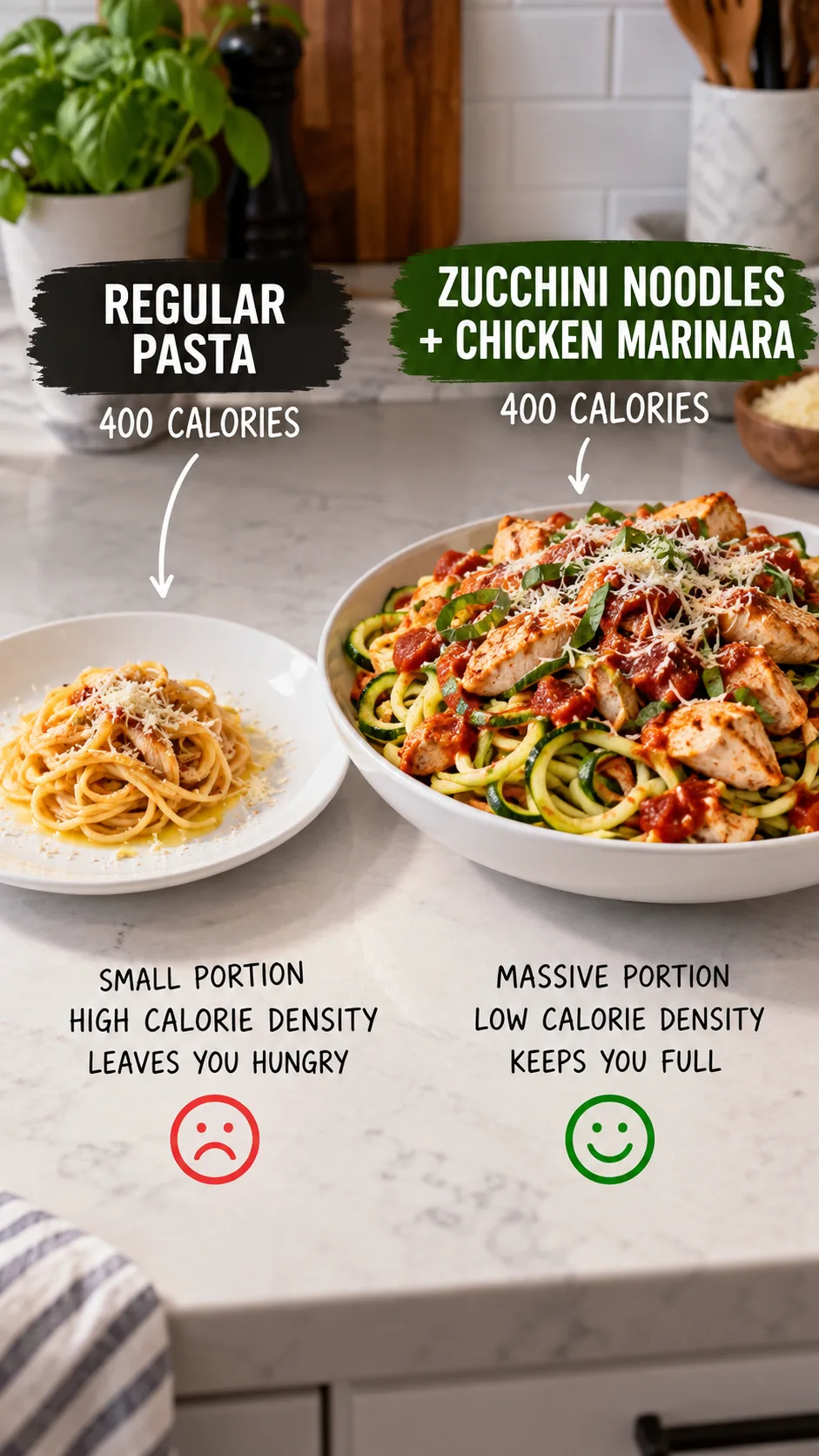
High-volume eating solves this exact problem. When you swap calorie-dense foods for nutrient-dense, high-water, and high-fiber alternatives, you eat massive plates of food while staying firmly within your 1500-calorie target. Research from the National Library of Medicine on the Satiety Index proves that foods packed with water, protein, and fiber produce vastly higher levels of fullness per calorie than processed options.
If you recently abandoned the 1200 calorie deficit meal plan because you hated the constant hunger, bumping up to a smart 1500-calorie protocol will feel like a feast.
The Foundations of All-Day Fullness
To stay completely satisfied on 1500 calories, you must balance three non-negotiable dietary pillars at every major meal.
- High Protein (130g to 150g daily): Protein stimulates peptide YY (PYY) and GLP-1, the hormones that signal satiety, while suppressing ghrelin. Your body also burns roughly 20 to 30 percent of protein calories simply digesting the nutrient through the thermic effect of food.
- Dietary Fiber (35g to 45g daily): Soluble fiber absorbs water and forms a thick gel in your gut, which slows digestion down significantly. Insoluble fiber adds physical bulk to your stool and keeps your digestive tract moving smoothly.
- Water-Rich Food Volume: Foods with high water content (cucumbers, zucchini, watermelon, and leafy greens) allow you to fill a massive dinner plate for fewer than 100 calories.
Drop any of these three pillars and hunger returns quickly. Combine all three, and you will often struggle to finish your meals. Fullness comes down to biology, not white-knuckle willpower.
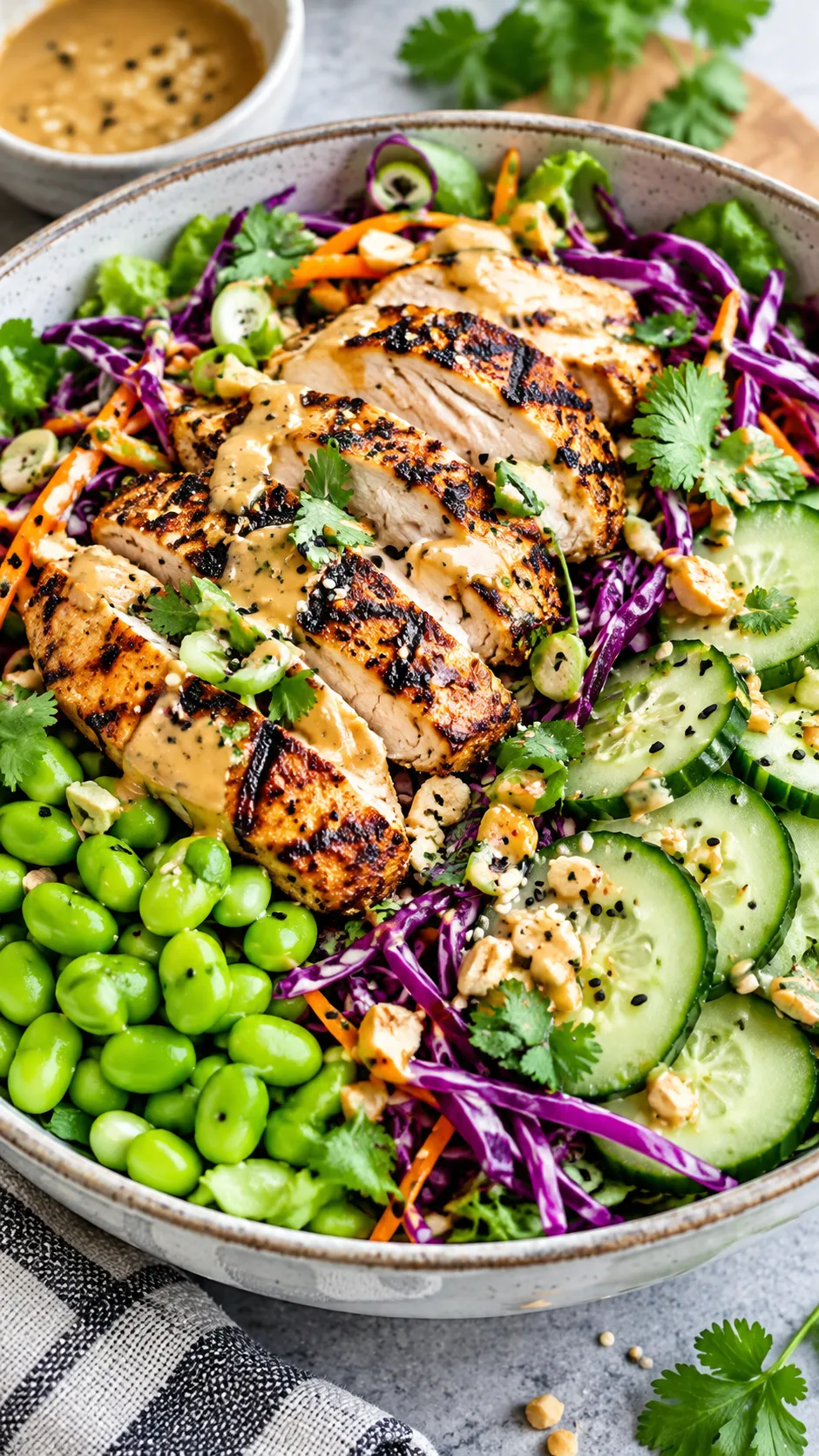
The Macro Split That Crushes Hunger
Randomly eating 1500 calories of whatever fits into your day will wreck your energy. A high-carb, low-protein 1500-calorie diet sends your blood sugar on wild spikes and dips, triggering intense mid-afternoon crashes and sugar cravings.
Instead, follow this targeted macronutrient breakdown:
- Protein: 135 grams (540 calories / 36%): It preserves your lean muscle tissue and halts appetite.
- Carbohydrates: 135 grams (540 calories / 36%): These fuel your brain and intense workouts through slow-digesting, high-fiber sources.
- Fats: 47 grams (420 calories / 28%): These regulate essential hormones and slow gastric emptying.
This balanced macro split keeps your insulin levels steady throughout the entire afternoon and evening. When your blood sugar stays stable, sudden urges to raid the pantry vanish.
Meal Timing: Graze or Fast?
Meal timing matters because it dictates your psychological relationship with hunger. Some people prefer eating six tiny 250-calorie meals every two hours. That approach often frustrates dieters because a 250-calorie snack rarely satisfies a hungry adult.
Instead, try a three-meal plus one substantial snack structure, or a targeted 16/8 intermittent fasting schedule. If you push your first meal to 11:00 AM, you get to enjoy two massive 600-calorie meals and a solid 300-calorie evening snack. Pick the schedule that fits your daily routine and work demands.
If your daily physical activity demands more fuel and 1500 feels too tight, consider stepping up to the high-protein 1600 calorie meal plan instead.
The Master 7-Day High-Volume 1500-Calorie Meal Plan
Here is your realistic weekly menu. Each day hits close to 1500 calories (within a 20 to 30 calorie margin), delivers over 130g of protein, and clears the 35g fiber threshold without starvation rations.
Day 1: The Volume Kickoff
- Breakfast (360 calories, 34g protein, 9g fiber): Protein Fluff Oatmeal. Cook 40g rolled oats in water, then whisk in 100g liquid egg whites during the final two minutes of cooking on low heat. This doubles the bowl volume without any egg taste. Stir in 25g whey protein powder and top with 100g fresh blueberries.
- Lunch (420 calories, 44g protein, 14g fiber): Massive Turkey and Black Bean Taco Bowl. Combine 120g lean ground turkey (93/7), 80g black beans, 150g chopped romaine, 100g diced tomatoes, 50g salsa, and 40g light sour cream over a bed of 150g warm cauliflower rice.
- Snack (220 calories, 25g protein, 5g fiber): Mix 200g non-fat plain Greek yogurt, 10g chia seeds, liquid stevia drops, and 75g sliced strawberries.
- Dinner (490 calories, 42g protein, 11g fiber): Air-Fried Crispy Cod and Potatoes. Season 170g cod fillet with paprika and garlic powder. Pair with 200g air-fried golden baby potatoes (halved, lightly sprayed with olive oil) and 250g steamed broccoli florets tossed with fresh lemon juice.
Day 2: The Crunch and Savor Day
- Breakfast (340 calories, 36g protein, 8g fiber): High-Volume Garden Scramble. Whisk 2 whole eggs with 120g liquid egg whites. Fold over 100g baby spinach, 50g diced bell peppers, and 50g mushrooms. Serve with 1 slice of toasted sprouted grain Ezekiel bread.
- Lunch (430 calories, 42g protein, 12g fiber): Chopped Chicken and Apple Salad. Toss 140g grilled chicken breast, 200g mixed greens, 75g crisp diced honeycrisp apple, 30g goat cheese crumbles, and 2 tablespoons of low-calorie balsamic vinaigrette.
- Snack (210 calories, 22g protein, 6g fiber): Blend 1 scoop whey isolate with unsweetened almond milk and eat with 1 medium fresh orange.
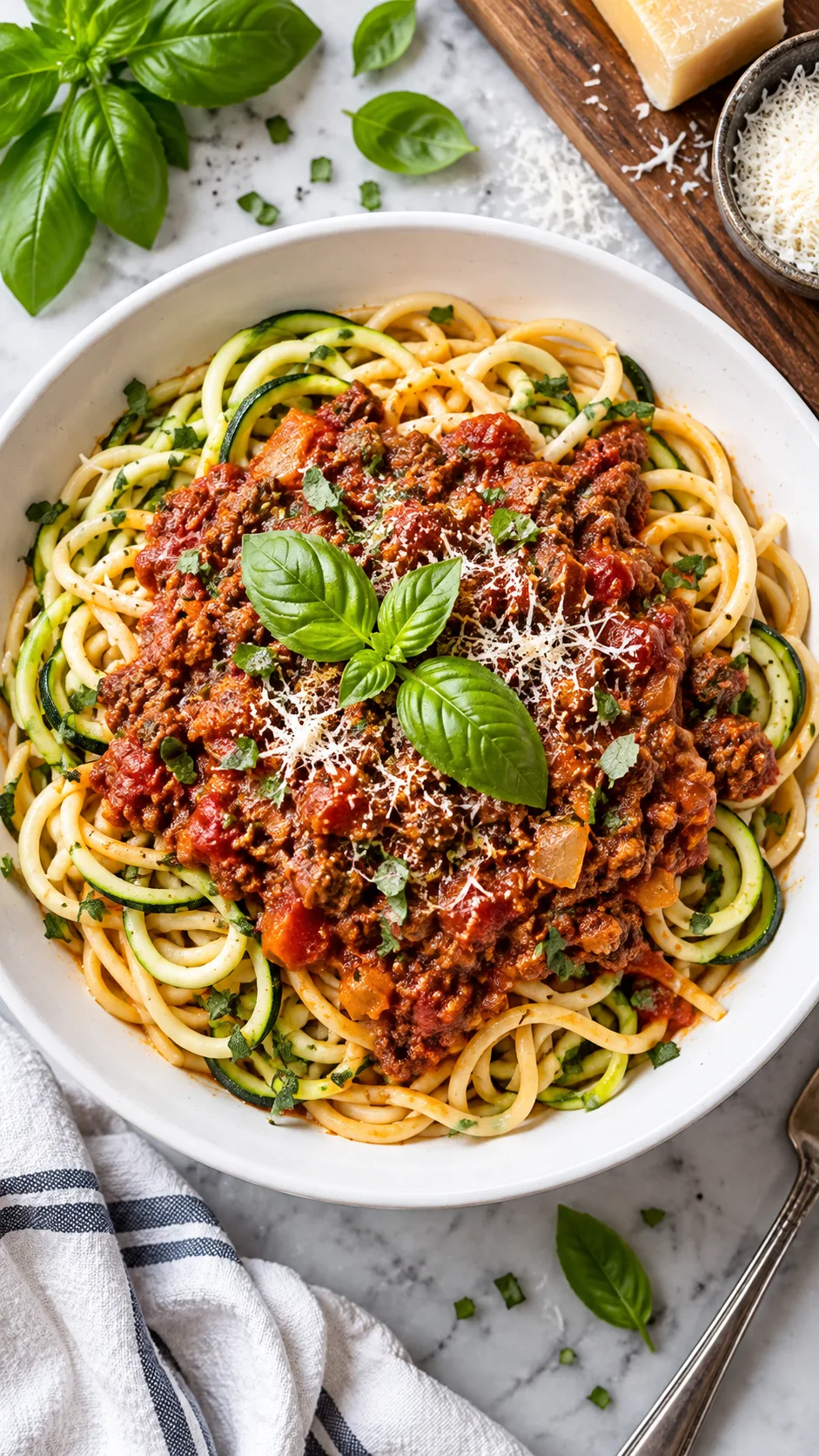
- Dinner (515 calories, 45g protein, 10g fiber): Lean Beef Zucchini Bolognese. Cook 130g extra-lean ground beef (96/4) in 150g marinara sauce. Ladle over 250g spiralized zucchini noodles tossed with 50g boiled whole-wheat spaghetti and 15g grated parmesan.
Day 3: Mid-Week Power
- Breakfast (375 calories, 35g protein, 10g fiber): Cottage Cheese and Berry Power Bowl. Combine 225g low-fat (2%) cottage cheese, 100g fresh blackberries, 15g chopped walnuts, and a heavy dash of Ceylon cinnamon.
- Lunch (410 calories, 40g protein, 13g fiber): Tuna Salad Stuffed Bell Peppers. Mix 1 large can (150g drained) tuna with 1 tablespoon light mayo, diced celery, and Dijon mustard. Stuff the tuna into 2 hollowed-out red bell pepper halves. Serve with 100g baby carrots.
- Snack (215 calories, 24g protein, 4g fiber): High-protein chocolate pudding (mix 25g casein or whey protein with 150g unsweetened almond milk until thick) topped with 10g dark chocolate chips.
- Dinner (505 calories, 46g protein, 12g fiber): Sheet-Pan Lemon Herb Chicken. Roast 160g chicken breast strips, 200g asparagus spears, and 150g butternut squash cubes, drizzled with 1 teaspoon extra virgin olive oil.
If you want meal structures built purely around maintaining lean muscle, read the 7-day high protein meal plan to see how specific macro adjustments speed up your progress.
Day 4: Comfort Food Redefined
- Breakfast (350 calories, 32g protein, 9g fiber): Protein French Toast. Dip 2 slices of low-calorie whole grain bread into 100g egg whites whisked with cinnamon, vanilla extract, and stevia. Cook until golden on a hot griddle. Top with sugar-free maple syrup and 100g fresh raspberries.
- Lunch (440 calories, 45g protein, 11g fiber): Chicken Shawarma Plate. Plate 140g seasoned chicken thighs (trimmed of skin), 100g cucumber-tomato salad, 50g hummus, and 1 whole-wheat mini pita pocket.
- Snack (195 calories, 20g protein, 5g fiber): Eat 1 hard-boiled egg alongside 150g crisp cucumber slices dipped into 100g Greek yogurt ranch dip (plain Greek yogurt mixed with dry ranch seasoning).
- Dinner (520 calories, 44g protein, 13g fiber): High-Protein Turkey Chili. Simmer 130g lean ground turkey, 80g kidney beans, crushed tomatoes, onions, and chili spices into a thick stew. Top with 30g shredded reduced-fat cheddar cheese.
Day 5: Fast and Easy Friday
- Breakfast (360 calories, 35g protein, 8g fiber): Creamy Green Smoothie. Blend 30g vanilla whey protein, 1 small frozen banana (90g), 50g fresh spinach, 150g unsweetened almond milk, and 10g flaxseed meal.
- Lunch (420 calories, 43g protein, 10g fiber): Deli Turkey and Avocado Wrap. Roll 140g low-sodium deli turkey breast, 30g sliced avocado, mustard, shredded lettuce, and tomato slices inside a large low-carb, high-fiber tortilla.
- Snack (220 calories, 23g protein, 7g fiber): Toast 1 high-fiber English muffin and top it with 100g low-fat cottage cheese and everything bagel seasoning.
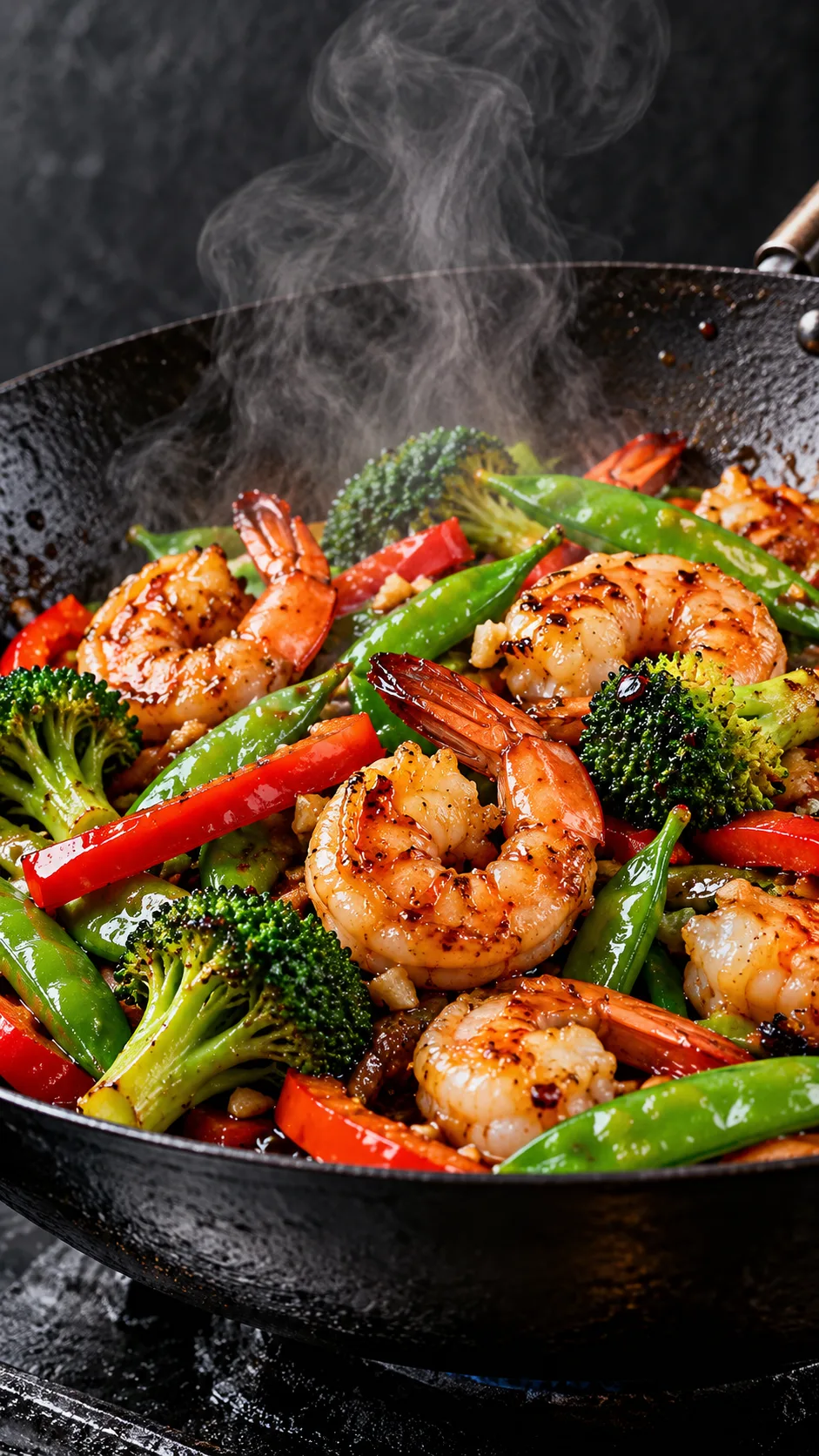
- Dinner (500 calories, 45g protein, 11g fiber): Teriyaki Shrimp Stir-Fry. Sauté 180g peeled jumbo shrimp, 300g mixed stir-fry vegetables (snap peas, bell peppers, broccoli, water chestnuts), and 2 tablespoons low-sugar teriyaki sauce over 150g steamed riced cauliflower.
Day 6: Weekend Volume Feast
- Breakfast (380 calories, 38g protein, 11g fiber): The Big Omelet. Whisk 1 whole egg and 180g egg whites. Cook with 150g sautéed spinach, diced tomatoes, and 30g feta cheese. Pair with 1 slice of toasted whole-wheat sourdough.
- Lunch (410 calories, 41g protein, 12g fiber): Buffalo Chicken Loaded Sweet Potato. Toss 120g shredded boiled chicken breast in Frank’s RedHot sauce, stuff it into a 150g baked sweet potato, and drizzle with 30g light blue cheese dressing.
- Snack (210 calories, 21g protein, 4g fiber): Eat 1 protein bar that provides at least 20g protein and under 3g sugar.
- Dinner (510 calories, 46g protein, 11g fiber): Pan-Seared Sirloin and Cauliflower Mash. Grill 130g lean sirloin steak to medium-rare. Serve with 250g homemade mashed cauliflower (whipped with garlic and 1 tablespoon light butter) and 150g grilled green beans.
Day 7: The Prep and Reset Sunday
- Breakfast (355 calories, 33g protein, 10g fiber): Chia Berry Overnight Pudding. Mix 30g vanilla protein powder with 15g chia seeds, 150ml almond milk, and 100g thawed blueberries. Chill overnight in a mason jar.
- Lunch (430 calories, 44g protein, 11g fiber): Mediterranean Tuna Bowl. Combine 1 can drained chunk light tuna, 100g boiled quinoa, diced cucumbers, 15g kalamata olives, diced red onion, and 1 tablespoon red wine vinaigrette.
- Snack (200 calories, 22g protein, 5g fiber): Stir 1 scoop powdered peanut butter (PB2) into 170g non-fat Greek yogurt and serve with crunchy celery sticks.
- Dinner (515 calories, 45g protein, 12g fiber): Roasted Salmon with Asparagus and Fennel. Bake 120g Atlantic salmon fillet alongside 200g roasted asparagus and 150g sliced roasted fennel bulb tossed in lemon zest and cracked black pepper.
5 Volume Hacks That Stretch Your Calories
Athletes drop body fat without misery by relying on smart kitchen adjustments. Use these five simple volume tactics to instantly turn small portions into massive plates:
- The 50/50 Starch Rule: Never eat plain white rice or regular pasta alone. Cut your normal serving in half and replace the missing volume with riced cauliflower or zucchini noodles. You keep the plate full and save 150 calories immediately.
- Whipped Egg Whites: When cooking whole eggs, add 100g to 150g of liquid egg whites to the pan. This triples the physical size of your scramble for only 50 extra calories while adding pure protein.
- Boiled White Potatoes: Keep potatoes in your rotation. Data on Examine.com shows that plain boiled potatoes top the satiety index over almost every other common food. Their dense starch structure and high water volume trigger deep physical fullness.
- Psyllium Husk and Chia Gels: Stir 5g of psyllium husk or chia seeds into your morning oatmeal, yogurt, or protein shakes. The fiber swells into a thick gel that slows digestion for hours.
- Powdered Peanut Butter: Regular peanut butter packs 200 calories into two tiny tablespoons. Powdered peanut butter presses out the oil, leaving you with rich flavor and 5g of protein for roughly 50 calories.
The Zero-Fuss Grocery Shopping List
Step into the grocery store with a clear target. Stock your kitchen with these filling foods:
Lean Proteins
- Liquid egg whites and whole eggs
- Boneless, skinless chicken breast and tenderloins
- Extra-lean ground turkey (93/7 or 99% lean) and extra-lean ground beef (96/4)
- Chunk light canned tuna and canned wild salmon
- Non-fat plain Greek yogurt and low-fat (2%) cottage cheese
- Whey or casein protein isolate powder
Smart Carbohydrates and High-Fiber Produce
- Frozen riced cauliflower and spiralized zucchini
- Old-fashioned rolled oats and sprouted whole-grain bread
- Baby spinach, mixed salad greens, and purple cabbage
- Fresh or frozen berries (blueberries, raspberries, blackberries)
- Baby red potatoes, russet potatoes, and sweet potatoes
- Canned black beans, chickpeas, and kidney beans
Healthy Fats and Seasonings
- Fresh avocados and raw chia seeds
- Dijon mustard, hot sauces, and low-calorie salsas
- Extra-virgin olive oil cooking spray
- Smoked paprika, garlic powder, onion powder, red pepper flakes, and coarse sea salt
Troubleshooting: Why Am I Still Hungry?
If you hit your macro targets today and your stomach still rumbles, do not panic. Hunger stems from several triggers beyond raw calories. Check these three common issues first:
1. You Are Drinking Your Calories
You might be splashing whole milk into multiple coffees, or drinking juices and sweet teas. Liquid calories shoot straight through your stomach without triggering stretch receptors. Chew every single calorie on a 1500-calorie diet plan. Stick to black coffee, unsweetened tea, and plain water.
2. Chronic Sleep Deprivation
When you sleep under seven hours a night, your body ramps up cortisol production. Clinical guidance from the Mayo Clinic explains that poor sleep disrupts hunger hormones, driving up appetite and triggering cravings for fast sugars. Aim for 7 to 9 hours of quality sleep every night.
3. Mistaking Dehydration for Hunger
Your brain’s hypothalamus processes both thirst and hunger signals through the same pathways, which means mild dehydration easily masquerades as an urge to eat. Drink 16 ounces of cold water when hunger strikes between meals, give it 15 minutes, and see if the craving fades.
Take Control of Your Deficit
Losing body fat never requires brain fog or miserable, rumbling stomachs. When you trade tiny, calorie-packed portions for towering bowls of lean protein, fiber-rich vegetables, and water-heavy whole foods, sticking to 1500 calories feels natural and sustainable.
Drop the starvation mindset. Pick two or three meals from this plan, head to the store with your shopping list, and prep your food today. When you give your body physical volume and genuine nourishment, fat loss follows smoothly.