

Ever opened your fridge on a Thursday afternoon, stared at a container of chalky brown rice and rubbery chicken, and ordered takeout instead? You are not alone. Gluten-free meal prep carries a notorious reputation for falling apart midway through the workweek.
Traditional meal preppers rely on wheat pasta, hearty pita pockets, and sturdy wraps to survive the five-day grind. When you remove gluten from the equation, food behaves differently. Gluten-free breads dry out, alternative pastas turn to mush, and ancient grains absorb moisture until they resemble wet concrete. It leaves you feeling frustrated and hungry.
You do not need to settle for sad desk lunches or limp dinners. You just need a system tailored to the physical science of gluten-free ingredients. I learned this lesson the hard way after tossing out dozens of soggy, unpalatable meals. Today, I build a week’s worth of fresh, satisfying meals that taste just as good on Friday as they do on Monday.
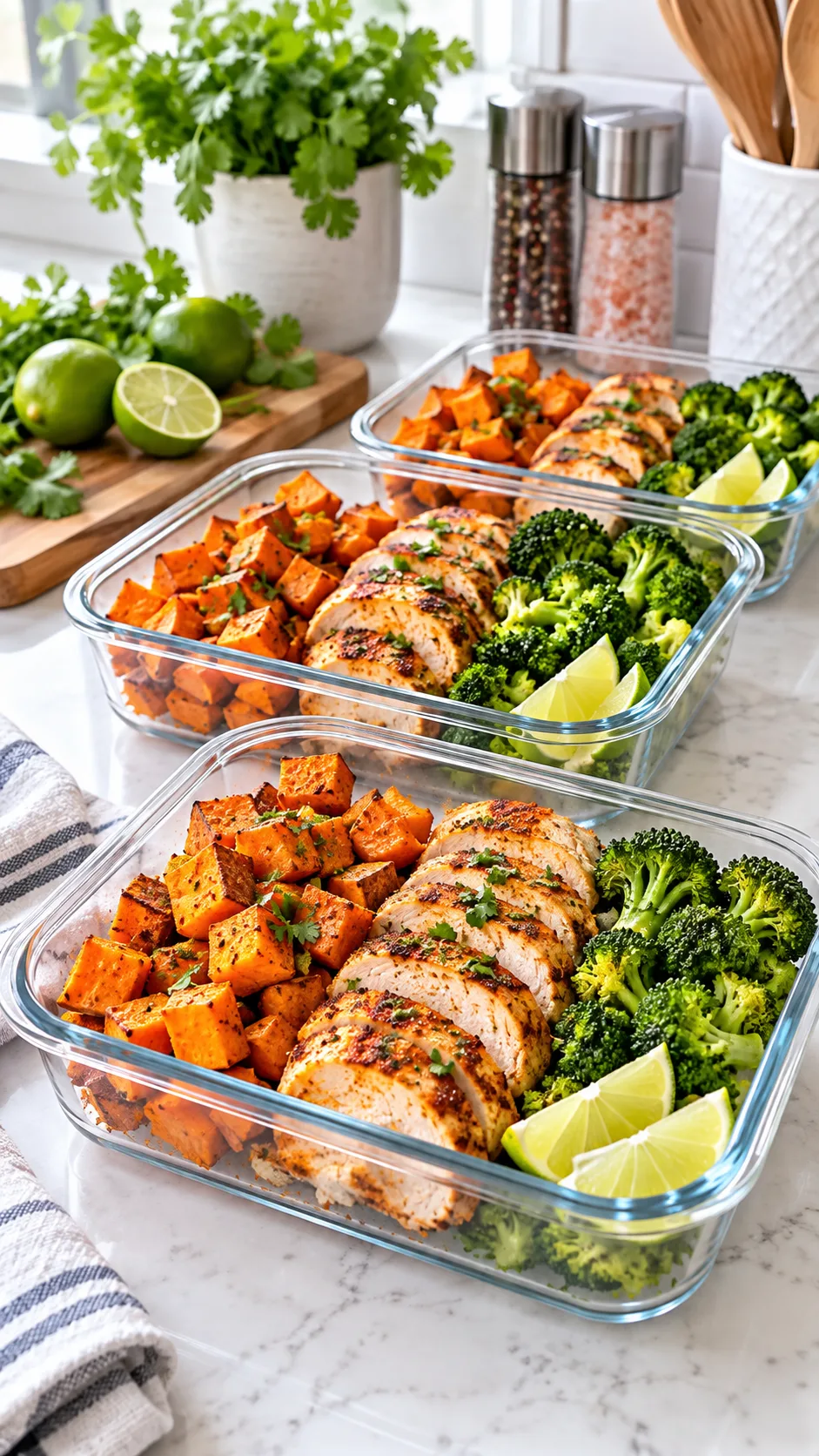
The real reason gluten-free meal prep fails by Wednesday
Why does gluten-free food break down so much faster than wheat dishes? Gluten provides elasticity, structure, and moisture retention. Without this structural protein network, your grains and baked goods shed water rapidly through a process food scientists call retrogradation.
When starches retrograde, their crystalline structure realigns as they cool. This chemical shift forces water molecules out of the starch granules. Your tender rice turns brittle, cassava wraps snap like dry twigs, and sauces separate into watery puddles.
Cross-contamination and ingredient decay present major obstacles as well. If you manage celiac disease or severe gluten sensitivity, food safety demands rigorous attention. The Celiac Disease Foundation notes that even microscopic traces of gluten trigger intestinal inflammation. Prepping meals at home gives you complete control over your ingredients, but you must store and handle those foods correctly to prevent premature spoilage.
You can easily outsmart these chemical traps. When you pair the right starches with moisture-rich cooking methods and protective fats, you lock in moisture and flavor for days.
The 4 golden rules of long-lasting gluten-free prep
Before you turn on your oven or grab a cutting board, commit these foundational rules to memory. These four strategies keep your food tasting fresh until the very end of the week.
- Ban the pre-assembled sandwich: Never build gluten-free sandwiches days in advance. Gluten-free bread acts like a dry sponge. It pulls mayonnaise and tomato juices straight into its crumb, causing total structural collapse. Keep fillings and bread completely separate until five minutes before lunch.
- Embrace the sauce barrier method: Always pack dressings, vinaigrettes, and sauces in separate miniature containers. Pouring sauce over cooked quinoa on Sunday guarantees gummy sludge by Wednesday. Adding your dressing right before eating revives dry grains and greens on the spot.
- Pick resilient, naturally gluten-free starches: Skip fragile gluten-free penne for long-term fridge storage. Lean hard on root vegetables, winter squashes, roasted baby potatoes, and whole grains like wild rice and certified gluten-free quinoa. These carbohydrates hold their structure under refrigeration far better than processed corn-and-rice pasta blends.
- Add protective healthy fats: Olive oil, avocado oil, and ghee act as moisture shields. When you toss freshly cooked grains or roasted veggies in a light coat of cooking fat, you create a microscopic hydrophobic barrier. This barrier prevents moisture loss and stops your food from drying out in the cold fridge air.
The component prep framework: forget monolithic casseroles
Have you ever cooked an enormous eight-portion gluten-free casserole on Sunday, only to dread eating it by Tuesday night? Monolithic cooking ruins motivation. Boredom sets in, textures degrade, and your appetite revolts. If you want a solid baseline strategy, start with our meal prep for the week blueprint, which shows you how to structure flexible batch sessions.
Instead of locking yourself into five identical meals, adopt the Component Prep System. You prepare modular building blocks that you can mix, match, and season differently throughout the week.
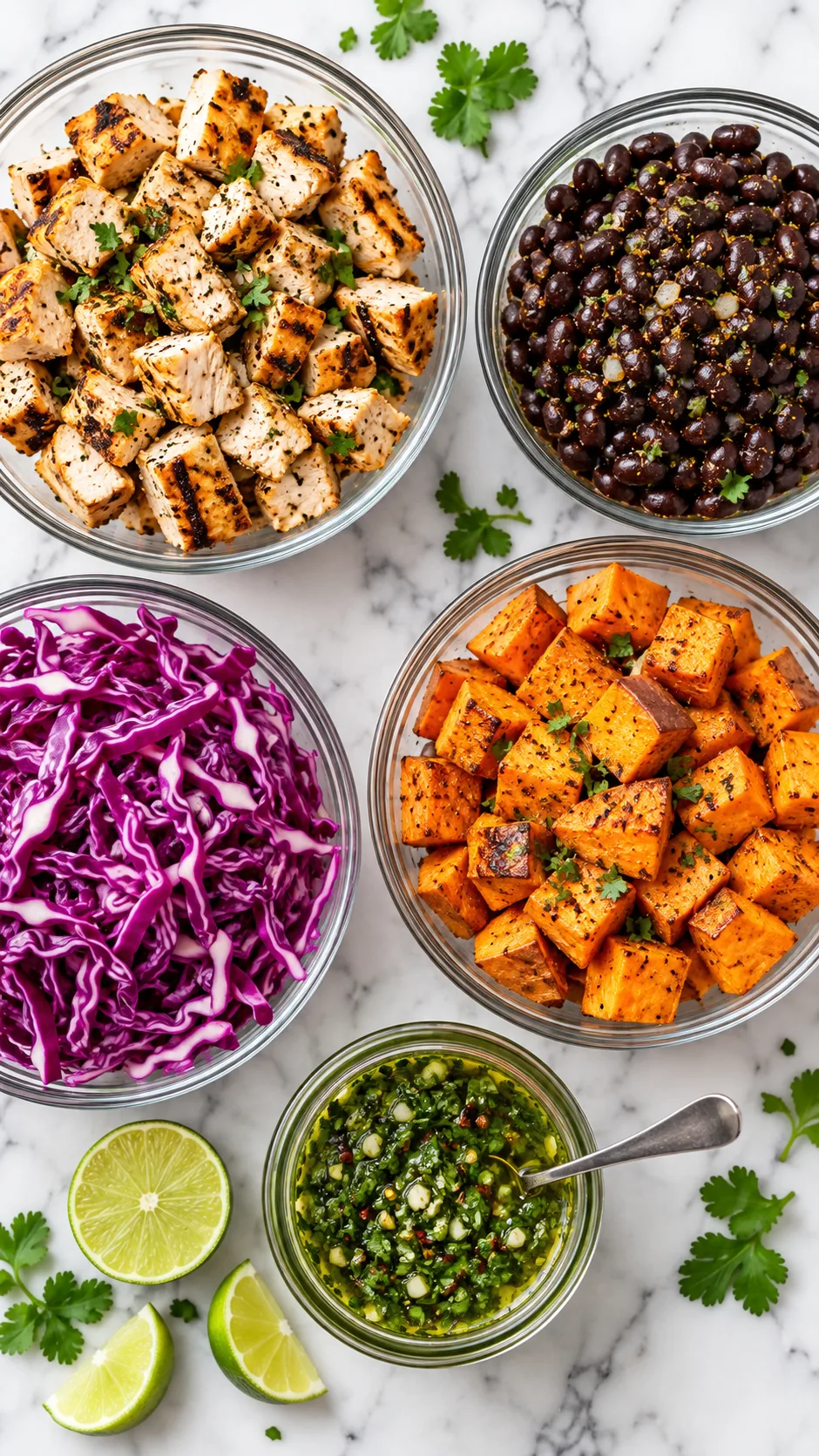
Every Sunday afternoon, prep these five core components:
- Two proteins: Roast one batch of poultry or beef, and bake one plant-based or seafood protein. Try our flavorful ground turkey meal prep recipes for an ultra-fast, lean option that reheats beautifully.
- Two sturdy starches: Roast a sheet pan of seasoned sweet potato cubes and cook a large pot of fluffy jasmine rice or quinoa.
- Three high-fiber vegetables: Roast hearty cruciferous veggies (such as broccoli or Brussels sprouts), chop crisp raw vegetables (cabbage, bell peppers, carrots), and wash sturdy leafy greens (kale or spinach).
- Two bold sauces: Whip up a creamy lemon-tahini dressing and a zesty cilantro-lime vinaigrette. Sauces transform the same chicken and sweet potatoes into two completely distinct meals.
- One crunch topper: Toast pumpkin seeds, sunflower seeds, or slivered almonds. These toppings restore textural contrast to reheated meals.
Shopping list: the safest, hardiest gluten-free staples
A successful prep begins in the grocery aisle. Always check labels for gluten-free certification, especially on grains and processed spices. Organizations like Beyond Celiac warn that shared processing equipment frequently contaminates naturally gluten-free foods with trace wheat dust.
Proteins that reheat without drying out
- Boneless, skinless chicken thighs (Chicken thighs contain more intramuscular fat than breasts, preventing that dry, stringy texture during reheating).
- Extra-firm organic tofu (Press thoroughly, cube, and toss in cornstarch for crisp edges).
- Lean ground beef, turkey, or bison (Ground meats retain moisture and absorb seasonings far better than lean chicken cutlets).
- Hard-boiled pasture-raised eggs (Nature’s pre-portioned protein snack).
Starches that keep their texture
- Sweet potatoes (Jewel, Garnet, or Japanese sweet potatoes retain moisture for up to six days).
- Baby Dutch yellow potatoes (Their waxy skins lock internal moisture inside).
- Long-grain white basmati or jasmine rice (These varieties contain less amylose, so they stay softer in the fridge than short-grain rice).
- Certified gluten-free rolled oats (Ideal for breakfast bases and baked bars).
Veggies that never turn to slime
- Broccoli crowns and cauliflower florets (Roast them hot and fast until browned).
- Shredded red and green cabbage (Raw cabbage stays crunchy in your fridge for over ten days).
- Sugar snap peas, radishes, and whole Persian cucumbers (Chop watery cucumbers only on the morning you plan to eat them).
- Lacinato kale (Sturdy leaves that taste even better after sitting in dressing for 24 hours).
Step-by-step 90-minute Sunday prep plan
Efficiency keeps meal prep sustainable. If cooking steals your entire Sunday afternoon, you will abandon the habit within a month. Follow this assembly line to cook five days of food in ninety minutes flat.
Minute 0 to 15: The oven setup and chopping
Preheat your oven to 400°F (205°C). Line two large rimmed baking sheets with parchment paper for quick cleanup. Rinse your sweet potatoes and dice them into uniform half-inch cubes. Slice your chicken thighs into bite-sized strips.
Minute 15 to 35: The roasting cycle
Toss your sweet potato cubes in avocado oil, smoked paprika, garlic powder, and sea salt. Spread them evenly across your first baking sheet. Toss your chicken thighs and broccoli florets in olive oil, oregano, onion powder, and lemon juice on the second sheet. Slide both trays into the oven. Set a timer for 25 minutes.
Minute 35 to 55: The stovetop sprint
While the oven runs, rinse two cups of jasmine rice under cold running water until the water runs clear. This step removes excess surface amylose and prevents clumpy, sticky fridge rice. Dump the rice into a medium pot with three cups of water and a pinch of salt. Bring to a boil, cover tightly, reduce heat to low, and simmer for fifteen minutes.
Set a skillet over medium heat and brown one pound of lean ground meat with cumin, chili powder, and crushed garlic. Once browned, remove it from the heat and let it cool.
Minute 55 to 75: Sauces, dressings, and raw vegetables
Pull your roasting sheets and cooked rice off the heat. While the hot food cools, prep your fresh raw components. Shred your cabbage thinly. Whisk together your sauces in two glass jars:
- Herb chimichurri: Whisk finely minced flat-leaf parsley, dried oregano, minced garlic, red wine vinegar, red pepper flakes, and extra virgin olive oil.
- Creamy maple tahini: Whisk pure sesame tahini, fresh lemon juice, pure maple syrup, warm water, and sea salt until smooth and pourable.
Minute 75 to 90: Assembly and fridge organization
Never pack steaming food directly into sealed containers. Hot food creates condensation inside closed lids. Trapped moisture drips back onto your food, accelerating bacterial growth and turning crisp surfaces soggy. Let your ingredients reach room temperature, then divide them into glass storage containers.
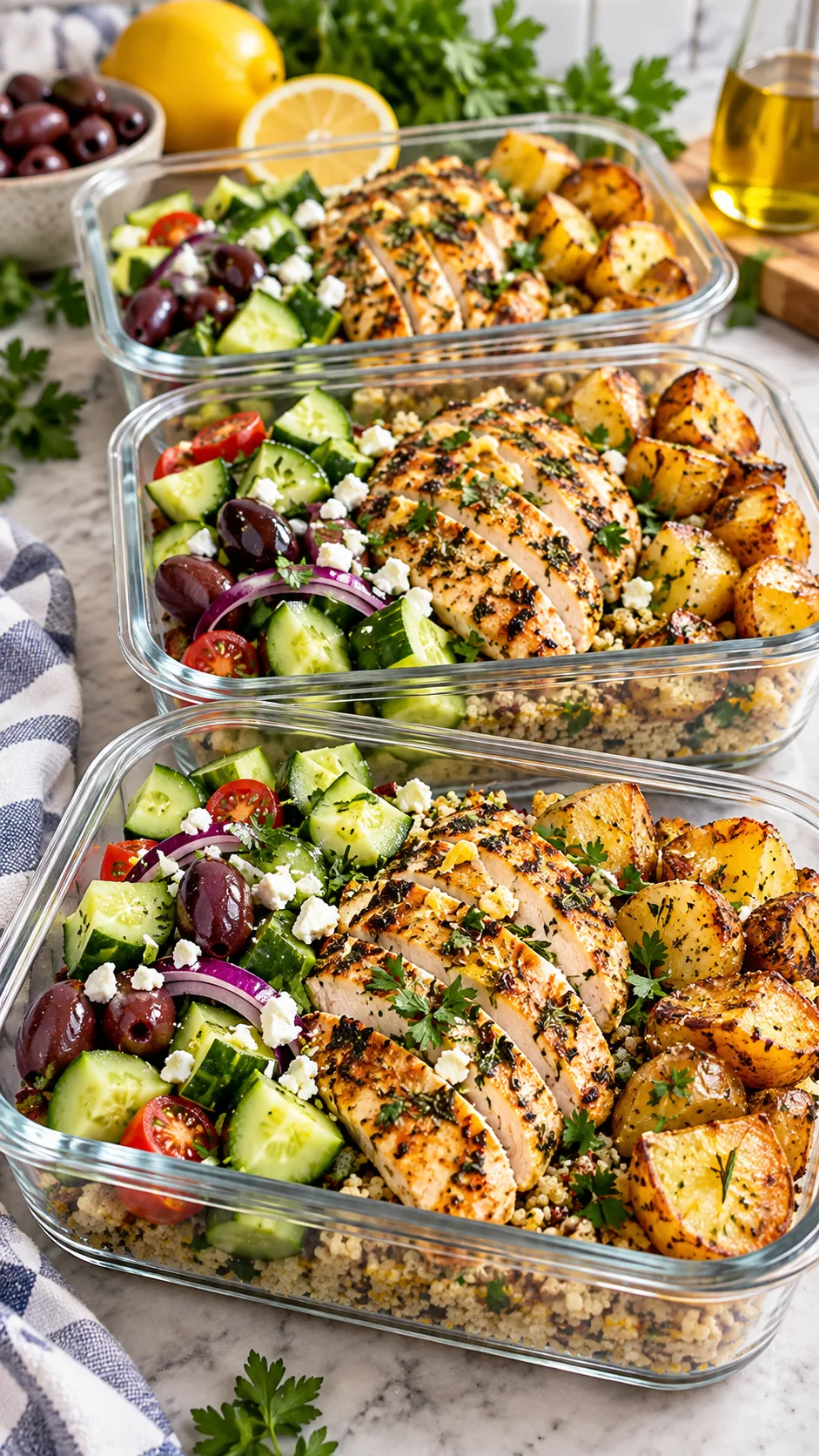
Mastering carbs: keeping gluten-free grains tender
Gluten-free grains demand different handling than standard wheat products. Follow these guidelines to maintain good texture throughout the week.
How to prevent cold rice from turning into chalk
Cold temperatures cause cooked rice starches to firm up dramatically. To restore that freshly steamed fluff, reheat your rice with two tablespoons of water or place an ice cube directly in the center of the dish. Cover the container with a damp paper towel and microwave on high for 90 seconds. The trapped steam rehydrates the crystalline starches immediately, making the grains soft again. The ice cube does not melt fully during a quick reheat, but it creates intense steam.
The rules for gluten-free pasta
If you crave pasta for lunch, follow three strict rules. First, undercook the pasta by two full minutes relative to package instructions; the noodles soften further as they sit in your fridge. Second, drain the pasta and immediately rinse it under cold water to wash away loose, gummy surface starch. Third, toss the rinsed noodles immediately in olive oil to coat each piece thoroughly. Pack your pasta sauces in separate jars, or pick cold noodle options from our guide to no-heat cold meal prep lunches for dishes that taste great chilled.
The most reliable low-maintenance carbohydrates
If you want meals that survive five full days without losing texture, prioritize these options:
| Carbohydrate Source | Fridge Longevity | Reheating Tip |
|---|---|---|
| Roasted Sweet Potatoes | 5 to 6 Days | Reheat in a toaster oven or air fryer to restore crisp edges. |
| Jasmine or Basmati Rice | 4 to 5 Days | Microwave with an ice cube and a damp paper towel. |
| Certified GF Quinoa | 5 Days | Eat cold in grain bowls or warm with a splash of broth. |
| Steamed Baby Potatoes | 5 to 6 Days | Smash and pan-fry in a little ghee for instant crispness. |
Fast breakfasts without wheat or morning stress
Do you hit snooze three times every morning? Morning cooking creates chaos. Build simple breakfast staples that keep your blood sugar steady until noon.
Gluten-free breakfasts frequently lean too heavily on refined sugars, tapioca starches, and processed rice flours that spike your glucose levels and trigger a mid-morning crash. Swap those packaged pastries for protein-dense, naturally gluten-free morning staples.
1. High-protein certified gluten-free overnight oats
Combine half a cup of certified gluten-free rolled oats, one tablespoon of chia seeds, one scoop of your favorite protein powder, and three-quarters of a cup of unsweetened almond milk in a mason jar. Stir thoroughly, seal the lid, and refrigerate overnight. Top with fresh berries and crushed walnuts right before eating. This breakfast easily outperforms store-bought cereal bars.
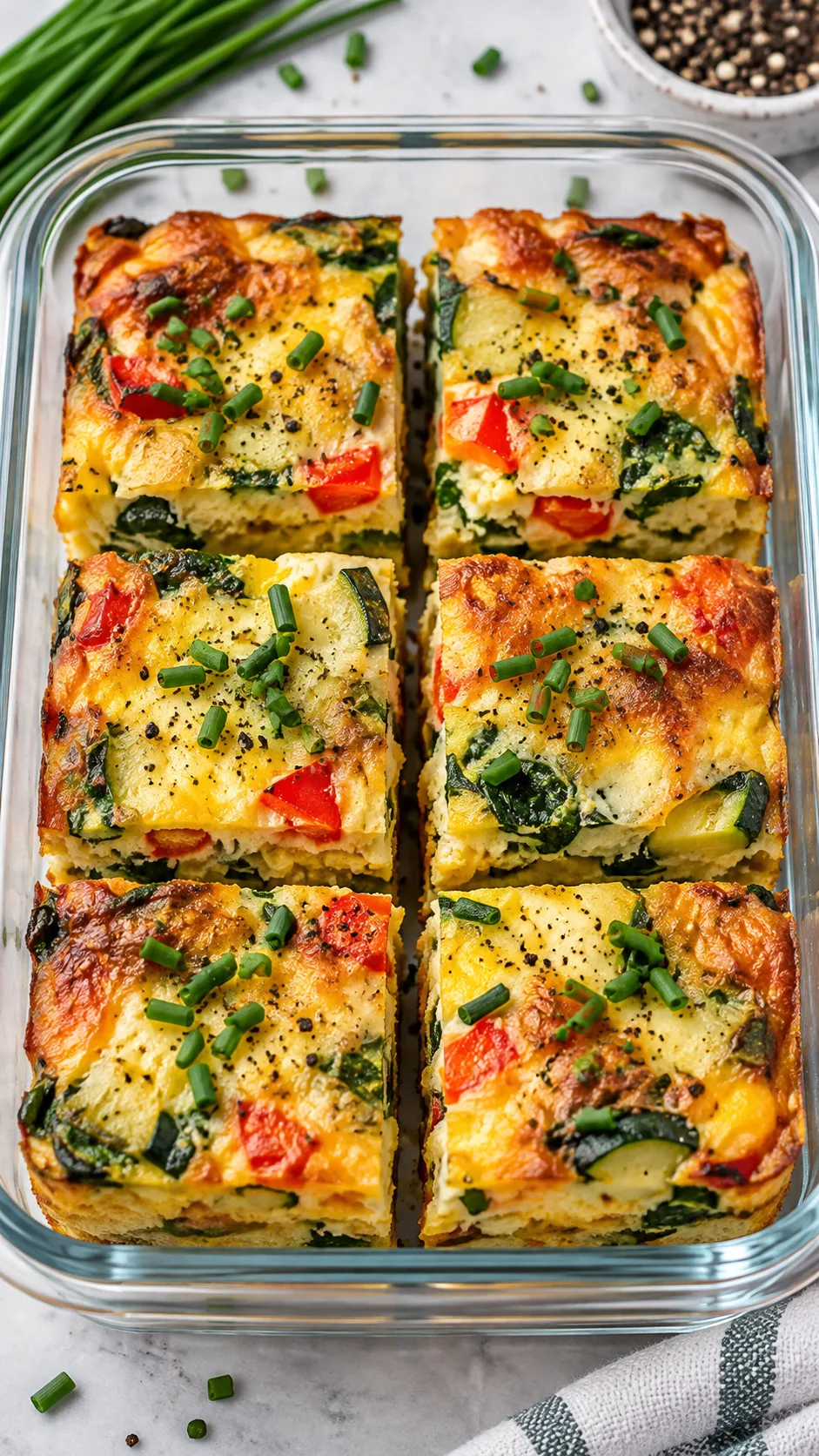
2. Sheet-pan crustless vegetable and feta frittata
Whisk ten large eggs with a quarter cup of unsweetened almond milk, sea salt, black pepper, and garlic powder. Pour the mixture into a greased 9×13 baking dish. Scatter baby spinach, diced bell peppers, and crumbled feta evenly across the surface. Bake at 375°F (190°C) for twenty-two minutes until golden and set. Slice into five generous portions. Frittata slices keep in the fridge for five days, giving you grab-and-go morning protein.
Safe food storage: stopping spoilage and sogginess
Food safety matters just as much as good flavor. The USDA Food Safety and Inspection Service recommends consuming or freezing cooked meats and poultry within three to four days of preparation. To stretch meals through Friday, store your Thursday and Friday portions in the freezer on Sunday night. Move them to the fridge on Wednesday morning so they thaw safely.
Ditch flimsy plastic takeaway containers. Plastic scratches easily, harbors odors, and lets air reach your food. Upgrade to borosilicate glass containers with snap-lock silicone lids. Glass creates a true airtight seal, transfers zero chemical residues, and transitions directly from the freezer to the microwave or oven.
Always keep your refrigerator temperature below 40°F (4°C). Store your prepped meals on the middle or bottom shelves rather than in the door bins. Refrigerator doors experience frequent temperature shifts every time you open them, accelerating spoilage.
Your 5-day lunch rotation
To combine your building blocks into five distinct meals throughout the week, follow this simple rotation:
- Monday: Mediterranean bowl
Layer cold jasmine rice, sliced lemon-herb chicken thighs, roasted broccoli, kalamata olives, and crisp sliced cucumbers. Drizzle with creamy maple-tahini sauce right before eating. - Tuesday: Tex-Mex bowl
Combine your seasoned ground turkey, roasted sweet potato cubes, shredded red cabbage, and black beans. Top with fresh cilantro, a wedge of lime, and your chimichurri dressing. - Wednesday: Warm quinoa and vegetable salad
Toss your prepped quinoa with baby spinach, roasted sweet potatoes, and warm chicken thighs. Scatter toasted pumpkin seeds on top and dress with extra virgin olive oil and lemon juice. - Thursday: Loaded sweet potato hash
Reheat sweet potato cubes and seasoned ground meat in a skillet or microwave until piping hot. Top with a fried or hard-boiled egg and hot sauce for simple comfort food. - Friday: Fridge clean-out bowl
Toss all remaining vegetables, proteins, and greens together in a large bowl. Dress with both remaining sauces and scatter toasted almonds over the top. You finish the workweek without food waste and with a completely clean refrigerator.
Fixing common gluten-free prep mistakes
Did something go wrong with your batch? You can fix almost every common cooking mishap with simple adjustments.
Grains turned dense and sticky
You skipped the pre-cooking rinse or added too much water. Always rinse your grains until the water runs clear. If cooked grains turn gummy, spread them onto a baking sheet and place them under your oven’s broiler for three minutes. The dry heat evaporates excess surface water and separates the grains.
Chicken breasts dried out by day three
Lean chicken breasts lose moisture quickly in the fridge. Switch to boneless, skinless chicken thighs for future meal preps. If you prefer chicken breasts, slice them thin, submerge them in a simple salt brine for thirty minutes before roasting, and reheat them with a splash of chicken bone broth.
Vegetables turned to mush
You probably roasted your vegetables too long during Sunday’s initial bake. Pull them out of the oven while they still offer a firm, crisp bite. Your microwave or skillet will cook the vegetables a second time later in the week.
Take control of your weekly meals
Gluten-free meal prep does not require exotic ingredients, expensive specialty foods, or five hours at the stove every weekend. By focusing on whole carbohydrates, batching resilient proteins, and packing sauces separately, you eliminate mealtime stress and enjoy fresh food every single day.
Pick two proteins, two sturdy starches, and two sauces from this guide. Grab your groceries, conquer that 90-minute prep sprint this Sunday, and give yourself reliable, flavorful lunches all week long.