

You wake up after eight solid hours in bed, yet your knees creak, your head feels thick, and your energy drops off a cliff by 11 a.m. Most people chalk this up to getting older or working hard, but your body is trying to warn you about something specific.
You are likely dealing with persistent, low-grade systemic inflammation. Think of it like a toaster oven stuck on high. It quietly scorches the kitchen while you stand around wondering why the hallway smells like smoke.
I spent years fighting random stomach aches, afternoon brain fog, and swollen ankles before I connected the dots back to my grocery list. Once I cleared out the ultra-processed junk and ate simple, unadulterated food, my body bounced back in weeks. This way of eating is not a fad or another restrictive juice cleanse. It is a practical method to quiet down your immune system when it gets too aggressive.
Acute vs. chronic inflammation: why your body sounds the alarm
Inflammation serves a clear purpose. When you bash your shin against a coffee table, your immune system rushes white blood cells straight to the impact zone. Your shin swells, turns red, and repairs the damaged tissue.
Doctors call this acute inflammation. It saves your life regularly. Without this defense, an ordinary paper cut could turn into a severe infection.
Problems start when the switch never flips back down. When your white blood cells sense continuous irritation (daily sugar rushes, cheap refined seed oils, or non-stop mental stress), they produce pro-inflammatory proteins called cytokines around the clock. That ongoing chemical state is chronic systemic inflammation.
Researchers at the National Institutes of Health link persistent systemic inflammation to common chronic illnesses: heart disease, type 2 diabetes, fatty liver disease, and Alzheimer’s. Your body wears out its defenses fighting battles that lead nowhere.
The good part is straightforward: you hold the main control switch over these inflammatory markers every time you sit down to eat.
Why most diets fail (and why anti-inflammatory eating wins)
Standard commercial diets treat eating like pure arithmetic. They make you weigh portions of dry chicken breast, log points into your phone, and run on empty until you inevitably raid the pantry at midnight. That makes you live like an accountant in your own kitchen.
An anti-inflammatory plan takes a completely different path. It zeroes in on food quality and biological signals instead of punishing restrictions. You eat hearty, seasoned meals that settle your stomach and steady your blood sugar.
When you stabilize your blood glucose, you prevent the sharp insulin spikes that irritate your blood vessels. You also feed gut bacteria the plant fibers they need to manufacture short-chain fatty acids, which directly calm immune reactions throughout your body.
If you juggle an unpredictable schedule, check out our guide on The Low Inflammation Diet Plan That Actually Fits a Busy Life to find practical cooking shortcuts for busy weekdays.
The “eat freely” list: foods that put out the fire
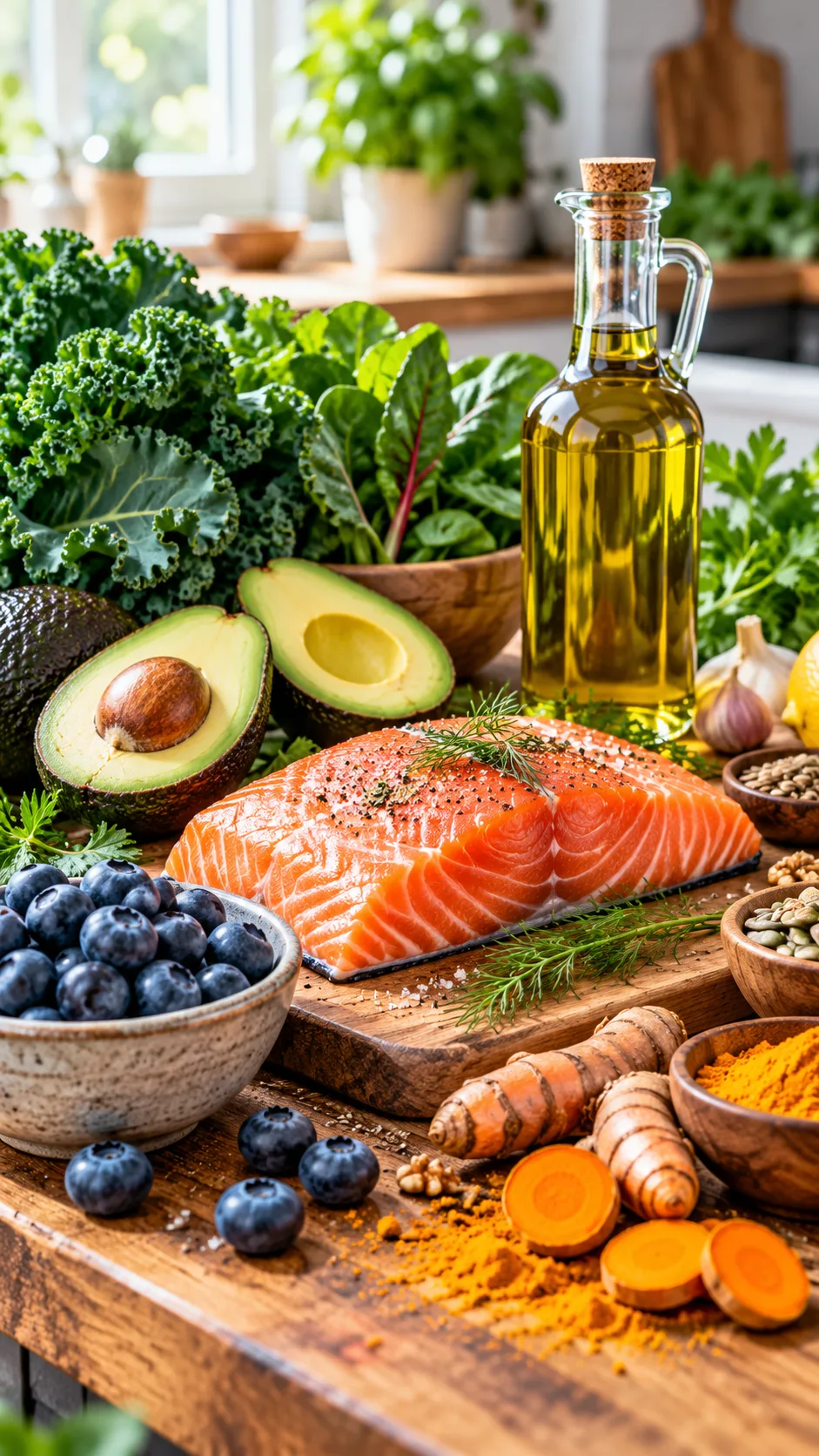
When you fill your shopping cart, look for deep colors, natural fats, and simple whole foods. These ingredients provide the basic raw materials your cells need to repair daily wear and tear.
1. Fatty cold-water fish
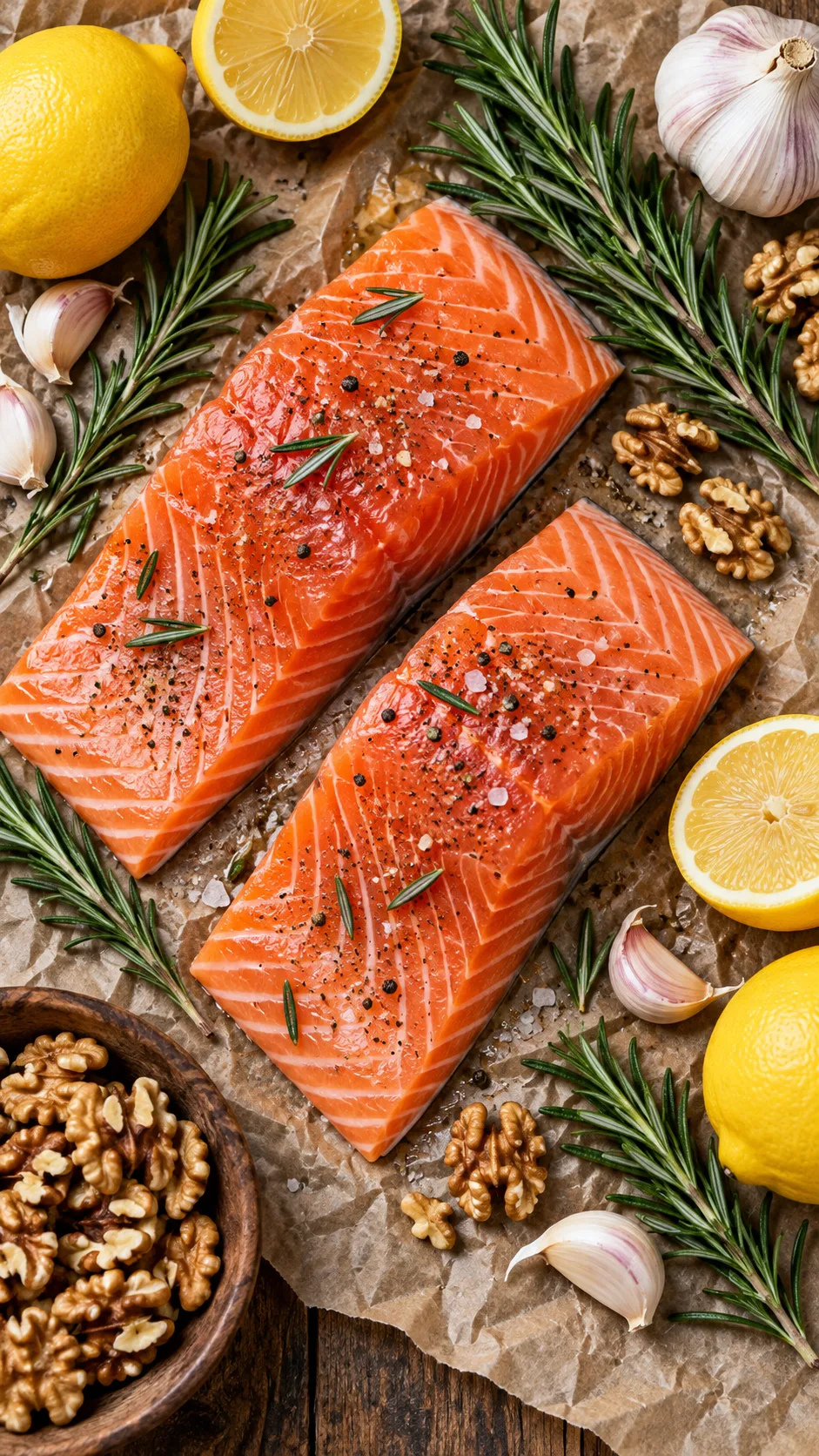
Wild salmon, sardines, mackerel, and anchovies pack heavy amounts of omega-3 fats: eicosapentaenoic acid (EPA) and docosahexaenoic acid (DHA). Your body uses these essential fats to make resolvins and protectins, biological signals that instruct your white blood cells to end an attack.
Aim to prepare fatty fish twice a week. If you dislike the strong taste of sardines, mash them into an herbed tomato sauce; you will barely notice them.
2. Dark berries
Blueberries, blackberries, raspberries, and strawberries carry high amounts of anthocyanins. These plant pigments help neutralize free radicals before those unstable particles damage your cell walls.
Pick up a bag of frozen wild blueberries for your freezer. Stir half a cup into your morning oats or blend them with unsweetened Greek yogurt.
3. Dark leafy greens and bitter vegetables
Spinach, Tuscan kale, Swiss chard, and arugula supply vitamins A, C, and K, along with minerals like magnesium. Low magnesium levels show up often in blood tests with elevated C-reactive protein (CRP).
Branch out beyond ordinary bagged lettuce. Traditional bitter produce offers plenty of nutrition; you can explore the makeup of traditional African varieties in our look at Garden Egg: Health Benefits, Uses, Recipes, 7 Varieties, Nutrition, and FAQ.
4. Extra virgin olive oil
Fresh extra virgin olive oil contains a plant compound called oleocanthal. Clinical work highlighted by Harvard Health Publishing demonstrates that oleocanthal mimics low-dose ibuprofen by dialing down inflammatory cyclooxygenase (COX) enzymes.
Pour unheated extra virgin olive oil over warm roasted squash, garden salads, and vegetable soups just before you eat. Direct pan heat damages fragile polyphenols, so use your best bottle as a finishing oil instead of cooking at high temperatures with it.
5. Fresh turmeric and ginger
Turmeric root supplies curcumin, an intensely studied botanical compound that eases inflammation. Your digestive tract absorbs curcumin poorly on its own, so pair it with a pinch of fresh black pepper. The piperine in black pepper raises curcumin absorption significantly.
Ginger contains gingerols, which help tamp down inflammatory prostaglandins. Grate raw ginger root right into hot green tea or toss it into hot skillet dishes.
The “red flag” foods: what to leave on the shelf
Dropping berries on top of your pancakes will not help much if you chase them with a giant sugary coffee thirty minutes later. You cannot toss water on a campfire while pouring lighter fluid on the embers.
Clear out your cupboards and reduce these common culprits:
- Refined sugars and corn syrups: Bottled iced teas, commercial cookies, and sodas flood your blood with glucose. This sudden surge sparks inflammatory cytokines and creates advanced glycation end-products (AGEs), which stiffen artery walls over time.
- Industrial seed oils: Soybean, corn, and cottonseed oils hide in almost every commercial boxed snack. These oils tilt your system toward omega-6 fatty acids at the expense of omega-3s, fueling chemical pathways that promote tissue irritation.
- Processed meats: Factory-produced frankfurters, cheap cold cuts, and packaged bacon contain heavy doses of preservatives and nitrates. Researchers at the World Health Organization link heavy consumption of processed meats directly to chronic intestinal irritation.
- Refined flour products: White sandwich bread, snack crackers, and store pastries digest into basic sugars almost immediately. They throw your insulin levels into the same roller coaster as hard candy.
- Heavy alcohol use: More than a rare drink stresses your liver tissue and wears down the lining of your intestines. A compromised gut wall allows bacterial fragments into your bloodstream, which immediately sets off alarms across your entire immune system.
A realistic day of eating without complicated rules
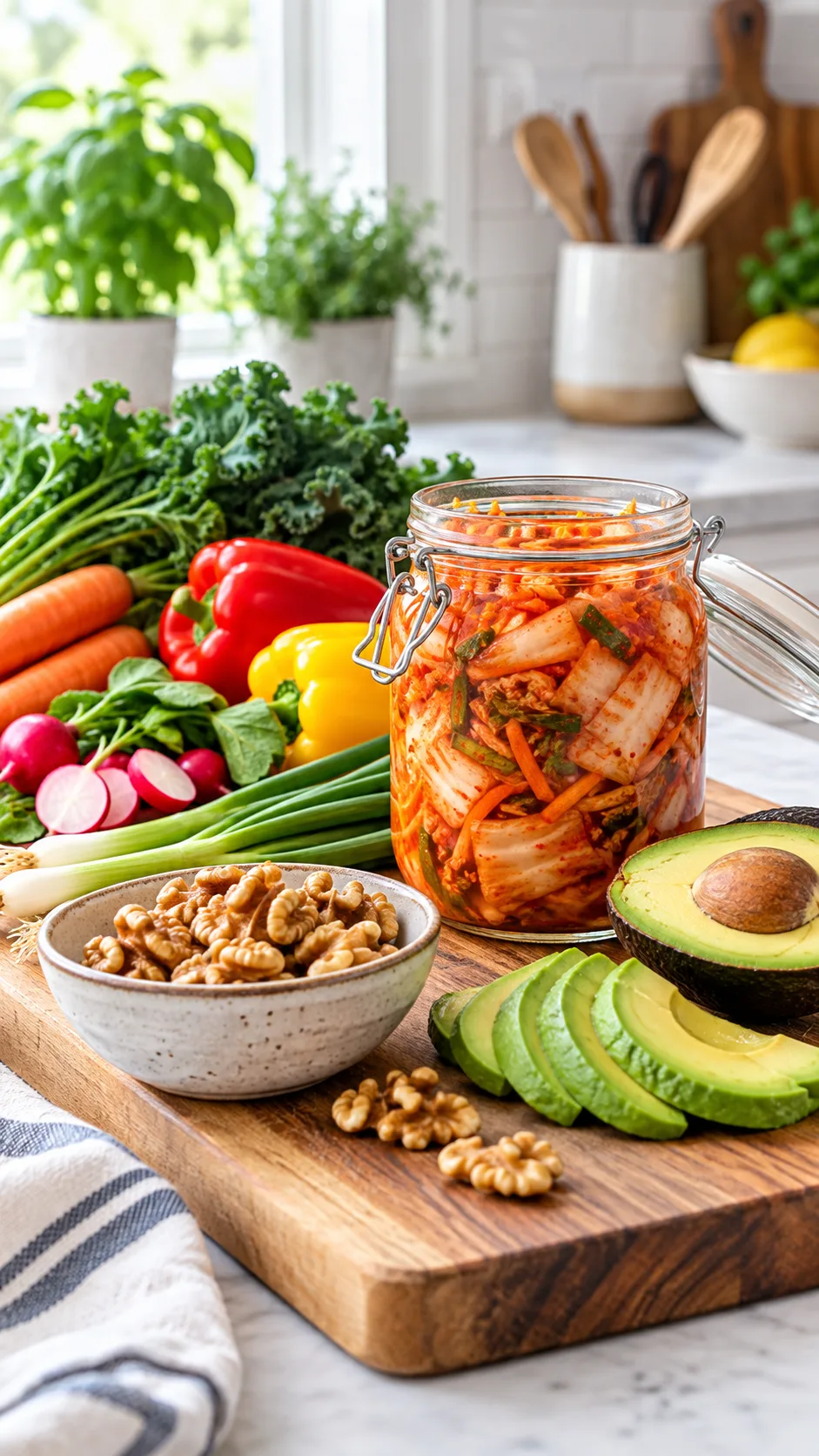
Many people worry that anti-inflammatory meals taste bland. That fear disappears once you start cooking with garlic, rich fats, fragrant herbs, and cracked pepper.
Here is what an ordinary, restorative day on this plan looks like:
- Breakfast: Scramble three pasture eggs with baby spinach and mushrooms in olive oil, then top with diced avocado. Drink a cup of hot green tea with lemon.
- Lunch: Toss dark greens with canned pink salmon, cucumber slices, kalamata olives, sunflower seeds, and a dressing of raw olive oil and cider vinegar.
- Afternoon snack: Eat a handful of raw walnuts with fresh blackberries. Walnuts provide alpha-linolenic acid (ALA), a useful plant omega-3 fat.
- Dinner: Roast chicken thighs seasoned with turmeric, sea salt, and garlic, alongside roasted broccoli and a baked sweet potato drizzled with olive oil.
- Evening drink: Brew a mug of chamomile tea or simmer unsweetened almond milk with ground turmeric, ginger, and black pepper.
To get detailed shopping lists and dinner plans, read our practical guide: The Anti Inflammation Diet Meal Plan Beginners Actually Stick To.
The quiet partners: sleep, stress, and your gut
Can you wipe out systemic inflammation by changing your groceries alone? You cannot. What you eat forms the foundation, but your daily habits dictate how well your body recovers.
When you get fewer than seven hours of real sleep, your adrenal glands pump out cortisol. Extra cortisol raises your blood glucose, tires you out, and pushes your immune system to make more cytokines. Guard your sleep schedule carefully.
Constant psychological stress takes the exact same physical toll. Chronic tension breaks down your intestinal barrier, letting undigested food proteins reach your bloodstream where white blood cells react to them as foreign threats. Step away from your desk, take walks outside, and turn off work notifications after dinner.

Frequently asked questions about the anti-inflammatory diet
Should I cut out nightshade vegetables?
People on social media often attack nightshades (tomatoes, bell peppers, white potatoes, and eggplant) because of trace solanine compounds. Unless you have a known autoimmune disorder that reacts to them, nightshades supply useful lycopene, vitamin C, and fiber that calm inflammation. Test your own reaction before you cut out entire vegetables without a reason.
How quickly will I notice a real difference?
Most people feel lighter in their joints, digest meals better, and drop water bloating within seven to fourteen days of cutting back on refined sugar and industrial oils. Lasting shifts in your lab work, like lower High-Sensitivity C-Reactive Protein (hs-CRP) numbers, usually take eight to twelve weeks of steady habits.
Do I need to buy expensive specialty supplements?
Whole foods provide combinations of vitamins and bioflavonoids that single pills rarely match. Put your budget toward quality groceries first. Build consistent cooking, sleeping, and water-drinking habits before you look at retail supplements. If you rarely eat seafood, a basic molecularly distilled fish oil capsule can supply your omega-3s.
Summary of key points
Rebuilding your physical health takes simple daily repetition, not perfection. Keep these basics in mind as you reorganize your meals:
- Acknowledge the cause: Chronic systemic inflammation drives constant fatigue, stiff joints, and long-term health issues.
- Choose whole staples: Center meals around wild fish, cold-pressed olive oil, berries, greens, garlic, and turmeric root.
- Cut the triggers: Remove corn syrups, cheap seed oils, white flours, and frequent alcohol intake.
- Cover the basics: Combine good meals with seven to eight hours of sleep and regular time away from stress.
Take action today
Do not try to clean out your whole kitchen in one frantic evening. That approach usually backfires. Pick one small habit right now: replace your refined cooking oil with cold-pressed olive oil, or drop the afternoon soda for unsweetened iced green tea.
Your immune system responds to what you feed it every single day. Give your body simple, whole nutrition, give it room to work, and enjoy feeling alert again.