

You know that agonizing 9:30 PM pantry stare? You ate your tiny grilled chicken breast and steamed broccoli at six o’clock. Now your stomach roars like a jet engine, and you want to devour an entire loaf of sourdough bread in one sitting.
Most people quit their weight loss goals within two weeks for one simple reason: relentless hunger. Dieters buy into the lie that fat loss requires punishment, microscopic portions, and misery. You do not need to starve yourself to drop body fat.
When you align your digestive biology with smart kitchen habits, you turn a calorie deficit into a sustainable routine. Real fullness comes down to food volume, nutrient density, and hormonal satiety signals. This guide walks you through meal prep strategies that eliminate hunger while speeding up your results.
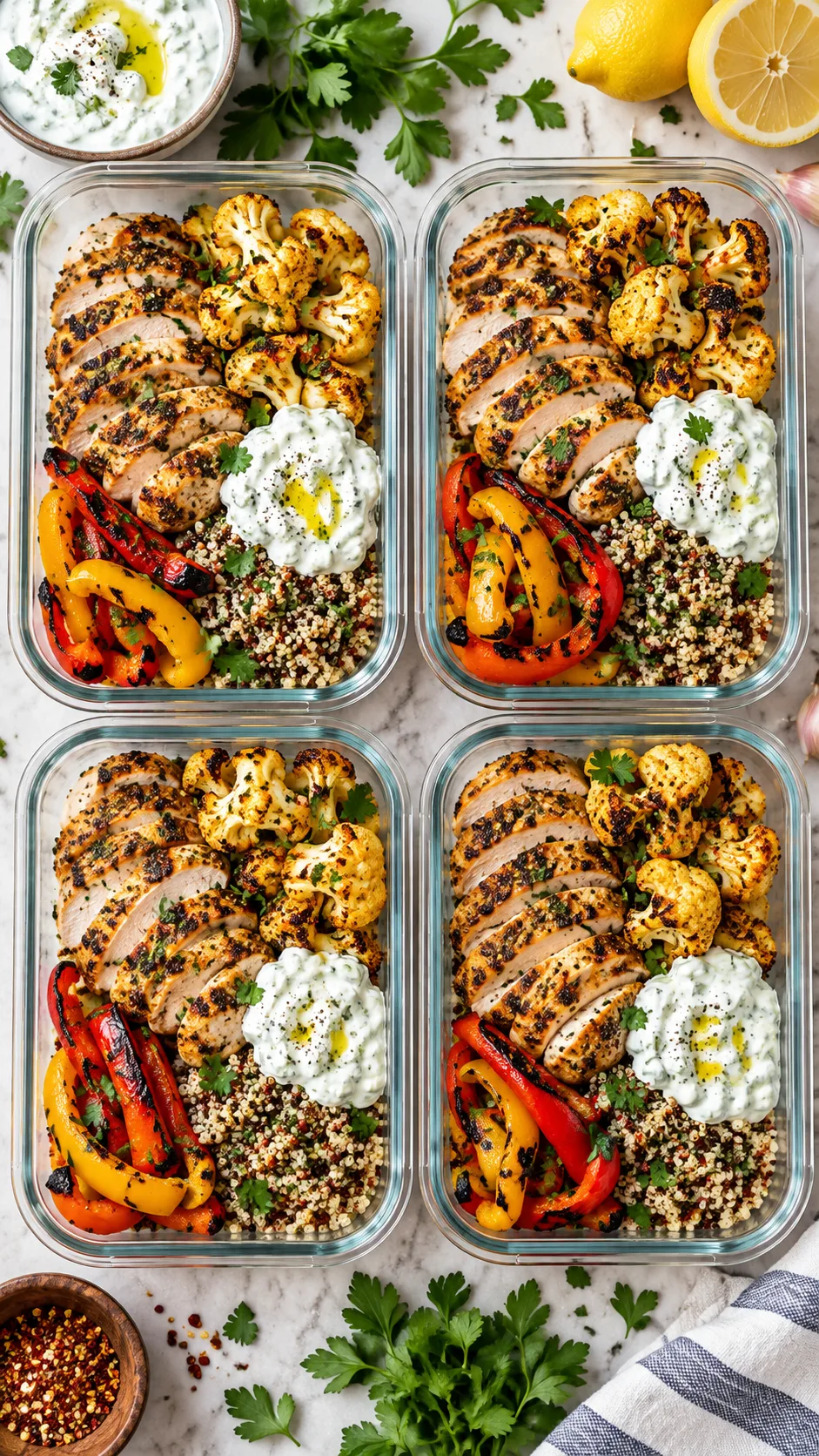
The Biology of Hunger: Why Traditional Diets Fail Every Time
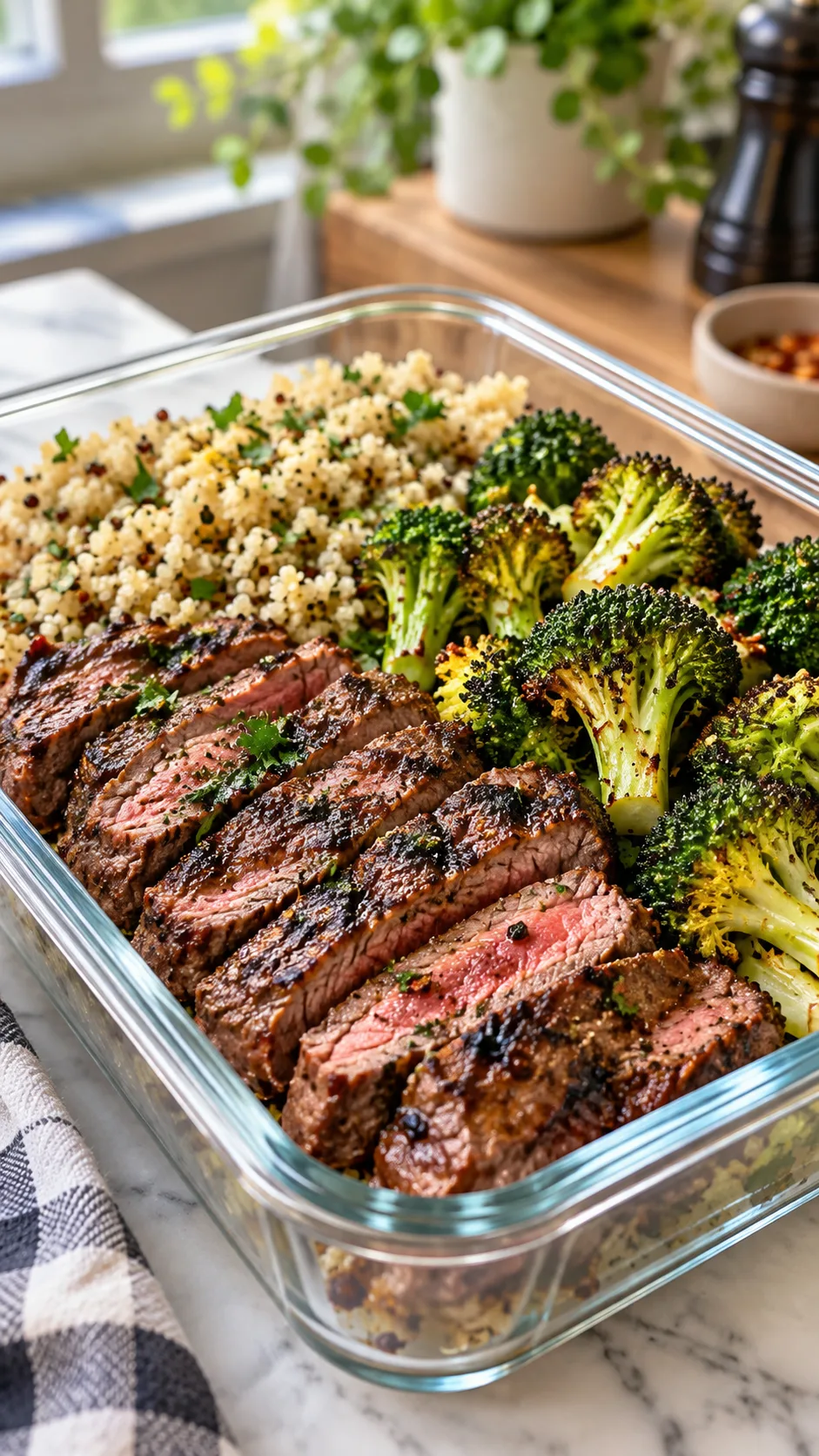
Have you ever wondered why a 500-calorie croissant leaves you ravenous ninety minutes later, while 500 calories of lean steak and roasted potatoes keeps you full for hours? The answer lies in your gut biology, not your willpower.
Your stomach contains mechanoreceptors, which act as mechanical stretch sensors. When food physically distends your stomach wall, these sensors trigger vagal nerve signals directly to your hypothalamus. This physiological pathway releases satiety hormones like peptide YY (PYY) and cholecystokinin (CCK) while simultaneously suppressing ghrelin, your body’s primary hunger hormone.
If you consume calorie-dense, low-volume foods, you never trigger these stretch receptors. Your brain screams for more energy because it assumes you just survived a famine. High-volume, low-calorie eating fills the physical chamber of your stomach, silencing those hunger alarms before they start.
The Protein Leverage Hypothesis shows that human appetite prioritizes protein intake above all other nutrients. Clinical research from the National Institutes of Health confirms that when your diet lacks adequate protein, your appetite stays active until you hit your daily amino acid quota. You stop cravings at the source when you build meals around high-protein, fiber-rich anchors.
The Holy Trinity of Satiety: Protein, Fiber, and Water Weight
Every successful fat-loss meal must contain three structural pillars. If your meal lacks even one of these elements, you will find yourself hunting through snack drawers before noon.
- High-Quality Lean Protein: Protein demands more metabolic energy to digest (the Thermic Effect of Food) and regulates appetite far better than carbohydrates or fats.
- Viscous and Insoluble Fiber: Fiber expands in your intestinal tract, delays gastric emptying, and steadily releases nutrients into your bloodstream to prevent insulin spikes.
- Water-Trapped Food Volume: Whole foods rich in bound water (such as zucchini, cucumbers, berries, and cruciferous vegetables) fill your gut without sneaking in extra calories.
Target 35 to 50 Grams of Protein Per Meal
Forget dainty 20-gram portions. A generous serving of lean protein triggers maximum muscle protein synthesis and floods your bloodstream with amino acids for four to six hours. If you want ideas for muscle-preserving meals, check out our guide on high protein meal prep for the week.
Lean chicken breast, turkey breast, 96/4 lean ground beef, egg whites, and non-fat plain Greek yogurt deliver maximum satiety per calorie. These staples supply pure fuel without the fat calories that sneak into ribeyes or chicken thighs.
Stack Insoluble and Soluble Fiber
Target a minimum of 35 to 45 grams of fiber daily. The Harvard T.H. Chan School of Public Health identifies fiber as a foundational nutrient for metabolic health and weight regulation. Soluble fiber forms a gel-like substance in your digestive tract, while insoluble fiber adds physical bulk to your digestion.
Combine high-fiber starches like black beans, lentils, and baby potatoes with high-volume vegetables like broccoli florets, asparagus, and shredded cabbage. This combination mechanically slows down your digestive clock.
Exploit High-Volume “Food Geometry”
Food volume acts as a powerful psychological cue for your brain. A plate overflowing with 400 calories of food sends satisfying visual cues to your optic nerve, while a tiny 400-calorie keto fat bomb looks depressing. Eat foods with low caloric density so you can pile your plate sky-high without exceeding your daily calorie budget.
Kitchen Gear That Cuts Your Prep Time Down to 90 Minutes
Nothing kills consistency faster than washing six pots and pans on a Sunday afternoon. You need an efficient assembly line. If you want to streamline your schedule completely, test out these quick meal prep secrets to save time.
- Digital Food Scale: Measuring cups lie; digital gram scales tell the absolute truth. You will inevitably overeat peanut butter, oils, and grains if you eyeball them.
- Extra-Large Rimmed Baking Sheets: Roasting three pounds of vegetables and two pounds of lean meat at once eliminates batch-cooking headaches.
- Airtight Glass Meal Containers: Glass preserves food texture and taste far better than plastic, and you can reheat your meals directly without leaching harmful chemicals.
- High-Speed Blender: A good blender transforms low-calorie ingredients into creamy dressings and high-protein fluff sauces within seconds.
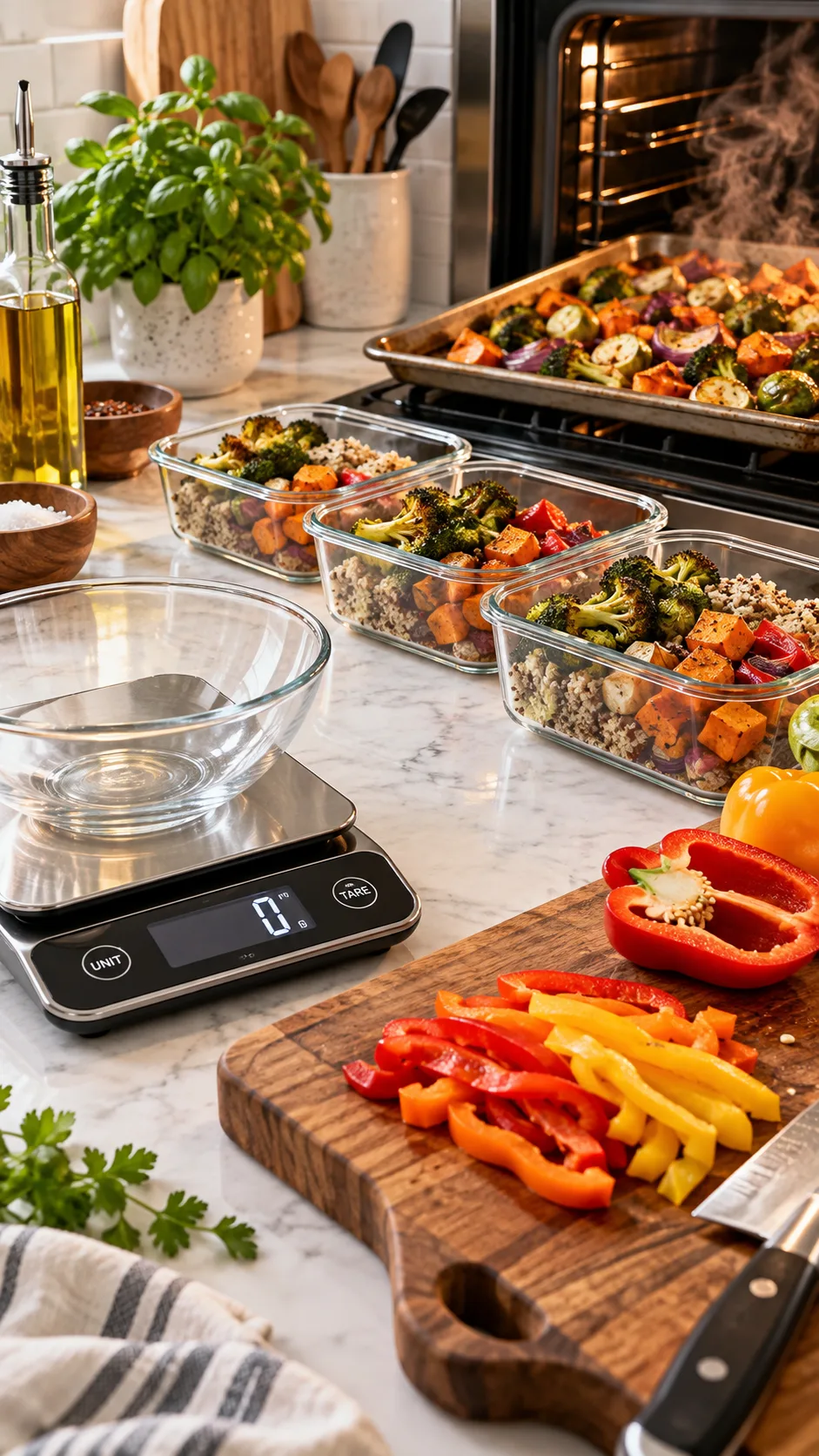
The 5-Day High-Satiety Blueprint (1,600 to 1,750 Daily Calories)
Here is an exact weekly meal plan that maximizes fullness during a deficit. This schedule provides approximately 150 to 170 grams of protein and 40+ grams of fiber every single day. Customize these portions to hit your personal calorie targets.
Breakfast: Baked Savory Cottage Cheese and Spinach Egg Squares
Liquid egg whites provide elite protein efficiency, but eating plain egg whites feels like chewing on damp rubber insulation. Blending low-fat cottage cheese directly into whole eggs and egg whites creates a rich, soufflé-like texture that reheats cleanly.
Macros Per Serving (Makes 5 Servings):
- Calories: 310 kcal
- Protein: 38g
- Carbohydrates: 6g
- Fat: 14g
- Fiber: 2g
Ingredients:
- 8 whole large eggs
- 2 cups 100% liquid egg whites
- 1.5 cups 2% low-fat cottage cheese
- 4 cups fresh baby spinach, roughly chopped
- 1 cup diced red bell pepper
- 1 tsp garlic powder, 1 tsp onion powder, 1/2 tsp kosher salt, cracked black pepper
- 1/4 cup shredded sharp cheddar cheese (for the top)
Execution: Blend the whole eggs, egg whites, cottage cheese, and seasonings in your blender for 30 seconds until silky smooth. Scatter your raw vegetables across a greased 9×13-inch glass baking dish. Pour the egg mixture over the vegetables, sprinkle the shredded cheddar on top, and bake at 375°F (190°C) for 32 to 35 minutes until the center sets firmly. Slice into five equal portions.
Lunch: Spicy Fire-Roasted Chicken and Black Bean Fajita Bowls
Cold, sad salads make people miserable on a diet. This hot lunch bowl packs massive chewing satisfaction and warm spices that satisfy your palate completely.
Macros Per Serving (Makes 5 Servings):
- Calories: 460 kcal
- Protein: 48g
- Carbohydrates: 42g
- Fat: 9g
- Fiber: 12g
Ingredients:
- 2.2 lbs (1 kg) boneless, skinless chicken breast, cubed
- 2 packets low-sodium fajita seasoning
- 3 large bell peppers (red, yellow, green), sliced into thick strips
- 2 large yellow onions, sliced
- 1 can (15 oz) black beans, rinsed and drained
- 1 can (15 oz) fire-roasted corn, drained
- 4 cups riced cauliflower (fresh or frozen)
- 2 cups cooked brown jasmine rice
- Fresh cilantro and fresh lime wedges
Execution: Toss the cubed chicken, sliced peppers, and onions with fajita seasoning and a light spray of avocado oil. Spread everything across two large sheet pans and roast at 400°F (205°C) for 20 minutes. Mix your cooked brown rice with the cauliflower rice (a 50/50 blend cuts calories in half while keeping the authentic mouthfeel). Divide the rice blend, beans, corn, roasted vegetables, and spiced chicken equally among five containers.
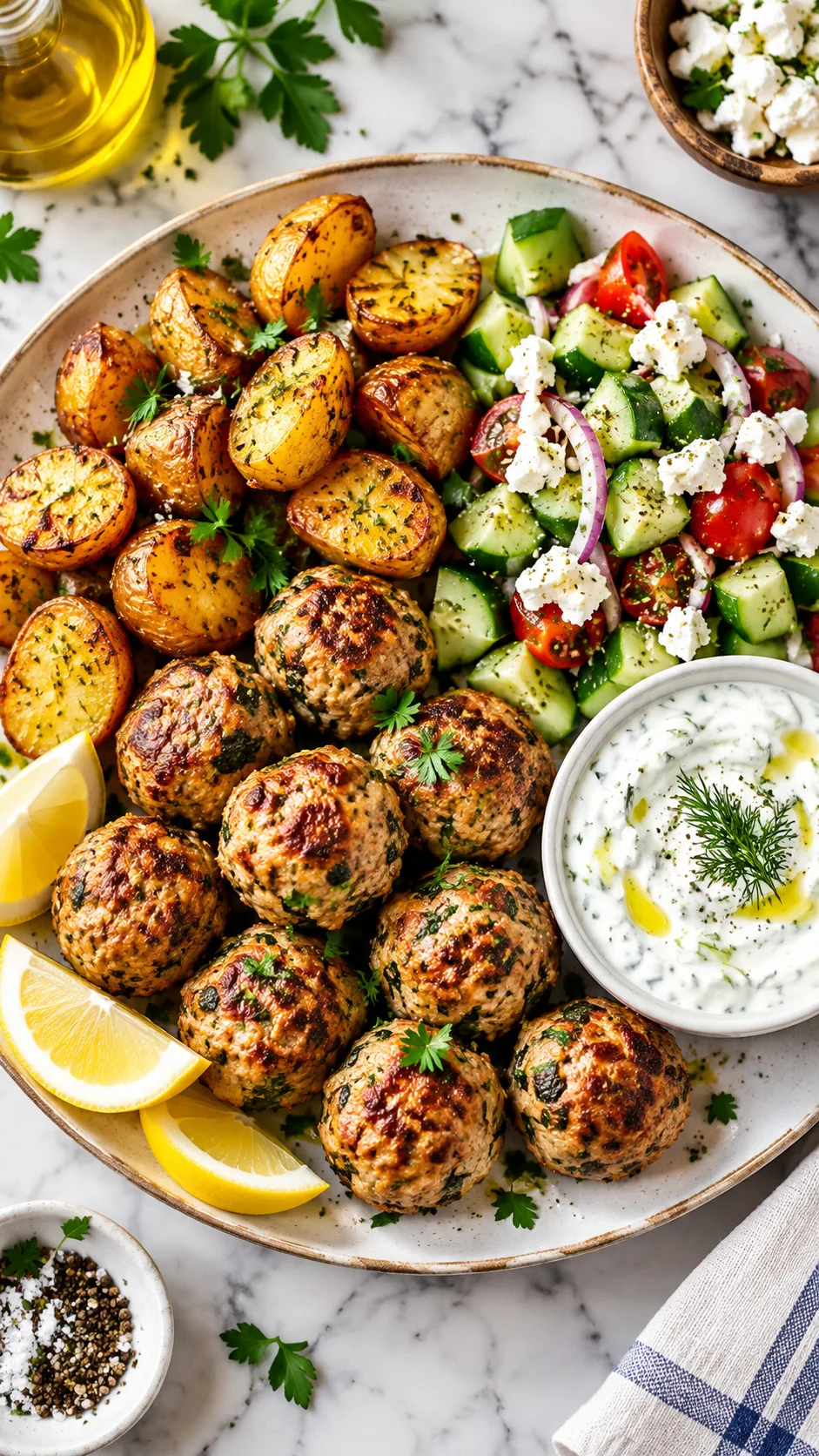
Dinner: Greek Turkey Meatballs with Giant Greek Village Salad and Roasted Baby Potatoes
Crispy roasted potatoes top the list on the Holt Satiety Index as the single most satiating food on earth per calorie. Combine them with lean seasoned poultry and crisp cucumbers, and you will forget that you are cutting calories.
Macros Per Serving (Makes 5 Servings):
- Calories: 510 kcal
- Protein: 46g
- Carbohydrates: 45g
- Fat: 14g
- Fiber: 8g
Ingredients:
- 2 lbs 93/7 lean ground turkey
- 2 cloves minced garlic, 1 tbsp dried oregano, 1 tsp dried dill, 1 tsp lemon zest
- 1.5 lbs baby yellow potatoes, halved
- 4 large English cucumbers, diced into thick chunks
- 3 cups cherry tomatoes, halved
- 1/2 cup Kalamata olives, sliced
- 1/2 cup light crumbled feta cheese
- 1 cup non-fat plain Greek yogurt mixed with grated cucumber, lemon juice, and garlic (Quick Tzatziki)
Execution: Roll your ground turkey mixture into 20 evenly sized meatballs. Place the meatballs and halved potatoes onto a large sheet pan, season with salt, oregano, and black pepper, and bake at 400°F (205°C) for 22 minutes. Store your diced fresh cucumbers and tomatoes in separate dry containers so they stay crunchy all week. Plate your hot meatballs and potatoes with a massive side of cold salad and two tablespoons of homemade Greek yogurt tzatziki.
Strategic Evening Snack: The High-Volume Protein Fluff / Whip
Do you get hungry right before bed? Instead of fighting your cravings with sheer willpower, plan for them within your calorie budget. For more snack strategies, check out our roundup of healthy meal prep snacks that keep you full.
Mix 1 cup of 0% plain Greek yogurt with 1 scoop of casein or whey-casein blend protein powder, a splash of unsweetened almond milk, and 1.5 cups of frozen mixed berries. Whip this mixture vigorously with a fork or hand mixer for two minutes. The protein binds with the frozen berries to create a thick, soft-serve bowl for under 280 calories, packing 35 grams of slow-digesting protein. This dessert saves diets during tough deficits.
The 2-Hour Sunday Prep Workflow
You do not need to spend your entire weekend standing over a hot stove. Follow this precise chronological checklist to execute the whole week’s cooking in less than two hours.
- Minute 0 to 15 (Oven Preheating & Meatball Rolling): Preheat your oven to 400°F. Season and roll the turkey meatballs. Halve the baby potatoes. Load Pan #1 and slide it into the oven. Set a timer for 22 minutes.
- Minute 15 to 30 (Fajita Chopping): Slice the chicken breasts, bell peppers, and onions. Toss them with fajita spices on Pan #2 and Pan #3.
- Minute 30 to 45 (Swap Pans): Remove the meatballs and potatoes from the oven. Put the fajita pans in the oven. Set your timer for 20 minutes.
- Minute 45 to 65 (The Egg Bake): Drop the oven temperature to 375°F. Blend the eggs, egg whites, and cottage cheese. Assemble the egg bake in your glass dish and place it in the oven for 35 minutes.
- Minute 65 to 90 (Salad Prep & Assembly): Chop your fresh cucumbers, tomatoes, and cilantro. Open and rinse your black beans and corn. Mix the Greek yogurt tzatziki sauce.
- Minute 90 to 120 (Cool Down, Portioning & Cleanup): Pull the egg bake from the oven. Let all cooked items cool completely to room temperature before securing the lids. Wash your cutting boards and bowls. Done!
Low-Calorie Sauce Hacks: Flavor Without Fat Bombs
Most commercial sauces derail a calorie deficit quietly. Two tablespoons of regular ranch dressing or sweet barbecue sauce add 150 to 200 calories of pure soybean oil and high-fructose corn syrup without filling your stomach. Use these alternatives to build bold flavor without adding excess calories:
- Greek Yogurt Ranch: Whisk dry ranch seasoning mix directly into non-fat plain Greek yogurt with a splash of pickle juice. You get rich creaminess with 90% fewer calories than standard dressing.
- Hot Sauce & Mustard Reductions: Sriracha, Frank’s RedHot, coarse Dijon mustard, and apple cider vinegar pack almost zero calories. Splash them generously across your roasted vegetables and poultry.
- Blended Cottage Cheese Queso: Warm up low-fat cottage cheese, a splash of unsweetened almond milk, nutritional yeast, pickled jalapeno brine, and taco seasoning. Blend until completely smooth for a rich, warm cheese dip with high protein.
- Salsa Fresca: Diced tomatoes, white onion, jalapeño, lime juice, and cilantro provide incredible flavor and volume for roughly 15 calories per quarter-cup serving.
4 Psychological Diet Pitfalls and How to Overcome Them
Why do so many committed people blow their diets on Wednesday afternoon? They usually stumble into predictable psychological traps. Learn to spot these hurdles before they derail your progress.
1. Flavor Boredom
Eating unseasoned boiled chicken and plain white rice every day tests human sanity. Rotate your spice cabinets aggressively. Use smoked paprika, za’atar, curry powders, cumin, and garlic salt to transform identical protein sources into completely different culinary experiences throughout the week.
2. The Dehydration Illusion
Your brain’s hypothalamus regulates both thirst and hunger using similar neurological signals. When you slip into mild dehydration, your brain often misinterprets the distress call as a craving for food. Drink 16 ounces of cold water or sparkling water with a squeeze of fresh lime whenever hunger strikes unexpectedly.
3. Sneaky Liquid Calories
Liquid calories bypass your body’s satiety signals almost entirely. Oat milk lattes, sweet teas, fruit smoothies, and craft beers add hundreds of calories without moving your stomach’s stretch receptors a single millimeter. Stick to black coffee, unsweetened tea, water, and zero-calorie sparkling beverages during your fat loss phases.
4. Fear of Sodium
Unless your physician specifically prescribes a low-sodium diet for hypertension, do not fear standard table salt. When you cut out hyper-processed junk food, your dietary sodium intake plunges dramatically. Under-salting home-cooked meal prep makes diet food taste like cardboard, which drives you straight toward junk food cravings. Season your food generously with sea salt to keep your meals delicious and satisfying.
Storage, Freshness, and Reheating Rules
Does the thought of eating Thursday’s reheated chicken breast turn your stomach? You likely store and warm your food incorrectly. Protect your meal prep quality with these basic storage guidelines:
The Steam-Lock Rule: Never place warm food into plastic containers and slap on the lid. The trapped condensation turns poultry rubbery and makes vegetables turn to mush. Let your cooked proteins cool to room temperature on the counter for 20 minutes before packaging them.
Keep Cold Elements Detached: Never pack cold toppings like tzatziki, fresh salsa, cucumbers, or salad greens in the same compartment as food you intend to microwave. Use tiny silicone cups or separate glass ramekins so you can lift them out before heating.
Reheat with Moisture: Microwaving dry chicken turns meat fibers into tough leather. Place a damp paper towel over your food bowl before microwaving, or splash one tablespoon of water or bone broth over your meat. The microwave steam reheats the food gently, preserving its natural tenderness.
Stop Starving and Start Fueling Your Deficit
A calorie deficit requires an energy gap, but it never requires suffering through painful hunger pangs. When you intentionally prioritize 40 grams of lean protein per meal, drown your plate in fiber-rich vegetables, and flavor your meals with clever low-calorie sauces, your body will shed fat while feeling consistently satisfied.
Pick two recipes from this blueprint, carve out ninety minutes this coming weekend, and stock your refrigerator with high-volume, delicious food. Take control of your weekly nutrition today and make your fat loss feel straightforward!